
Last updated: September 16, 2026 — verified current U.S. Land Cruiser A-TRAC feature availability, clarified how operation differs by generation, and updated the source links.
A-TRAC, short for Active Traction Control, helps a Toyota Land Cruiser control wheelspin when one or more tires lose grip. Toyota’s 2026 U.S. Land Cruiser brochure lists A-TRAC as part of the standard full-time 4WD system, while Toyota’s 200-series material describes A-TRAC as using brake and throttle intervention to control wheelspin. In practice, do not assume every Land Cruiser has a separate A-TRAC button or the same activation sequence: use the controls and operating conditions specified for your exact model year and market.
How this guide was prepared: This article was checked against Toyota’s current 2026 U.S. Land Cruiser brochure and newsroom information, Toyota owner-manual resources, and Toyota’s earlier Land Cruiser A-TRAC description. It does not claim hands-on trail testing.
Quick Answer
On many Land Cruisers, A-TRAC works automatically when wheelspin is detected rather than waiting for a special “use A-TRAC” command. On loose or uneven terrain, select the correct 4WD range for your model, keep throttle smooth, and let the system control wheelspin. Add a center lock, rear locker, Multi-Terrain Select, or Crawl Control only when the obstacle and your owner’s manual call for that separate traction aid.
Key Takeaways
- A-TRAC is an electronic wheelspin-control aid. On many Land Cruisers it works automatically within the 4WD/traction-control system.
- Exact controls vary by Land Cruiser year, trim, and market, so check the Toyota owner’s manual for your vehicle before relying on any button sequence.
- Center lock, the rear locker, Multi-Terrain Select, Crawl Control, and Downhill Assist Control are separate tools with their own operating conditions. More intervention is not automatically better.
- If lights flash, the brakes chatter heavily, or the vehicle stops making progress, ease off the throttle and let the system recover before trying a new line.
At a Glance
| Time Required | A-TRAC is automatic on many models; allow 30 seconds to 2 minutes to set the correct range/mode and choose a line |
| Difficulty | Easy to moderate, but terrain judgment matters |
| Tools Needed | Your Land Cruiser controls, owner’s manual, spotter for technical obstacles, and recovery gear for remote trails |
| Cost | No added cost if your vehicle is already equipped |
How A-TRAC Works and When to Use It
A-TRAC is Toyota’s active traction-control logic for limiting wheelspin. Toyota described the 200-series U.S. Land Cruiser system as using both brake and throttle intervention to control wheelspin. Toyota’s current 2026 U.S. brochure still lists Active Traction Control (A-TRAC) as standard with full-time 4WD and a Torsen limited-slip center differential.
Think of A-TRAC as electronic traction management, not a substitute for a locking differential. It can slow a slipping wheel while leaving the differential free to accommodate different wheel speeds. A rear locker does something different: it locks the rear axle so both rear wheels turn together. That can be useful when one rear tire is unloaded, but it also reduces turning freedom and should only be used under the conditions Toyota specifies.
Generation note: Toyota’s 2019 U.S. Land Cruiser information explicitly described A-TRAC as brake-and-throttle intervention. The 2026 U.S. Land Cruiser brochure lists A-TRAC as part of the full-time 4WD system, but the driver controls around it have changed. Do not assume a button sequence from a 100-, 200-, 250-, Prado-, or 300-series Land Cruiser applies to another generation or market.
Prepare Your Land Cruiser Before Using A-TRAC
Before you enter a muddy rut, loose climb, snow-covered trail, or rock step, slow down and set the vehicle before the tires spin. Toyota’s 2026 U.S. Land Cruiser uses a full-time 4WD system; Toyota also lists standard center and rear locking differentials and Crawl Control, while Multi-Terrain Select depends on grade. A-TRAC is listed as standard within the full-time 4WD system.
[Products Worth Considering]
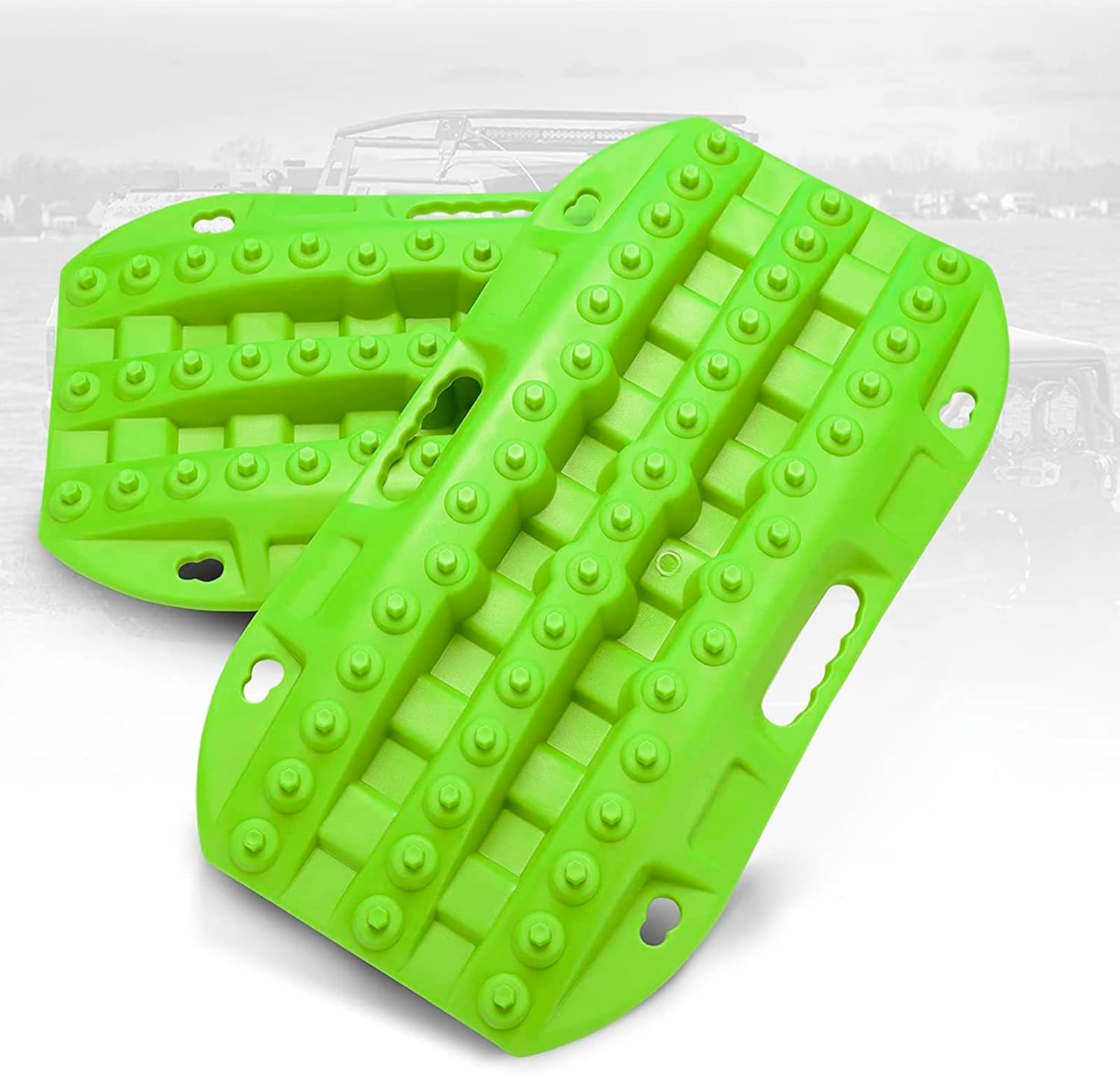
These short recovery traction boards are designed to help ATVs, UTVs, and other off-road vehicles regain grip in mud, sand, and snow. Built with strengthened teeth and a durable polypropylene construction, they provide reliable traction, easy handling, and year-round performance in tough conditions. Their nested, space-saving design and integrated shovels make them practical for carrying and using on remote adventures.

Custom-fit floor mats and cargo liner designed to provide edge-to-edge protection for the Toyota Land Cruiser Prado. Made from durable TPE material, they offer all-weather defense against rain, slush, snow, mud, and everyday dirt while remaining easy to install, clean, and maintain. The odorless, non-slip design helps keep your interior safer, cleaner, and more comfortable in every season.

These custom floor mats are designed to fit the Toyota Land Cruiser GX550 with a 5-seat layout for a precise, secure install. Made from durable TPE, they help shield your interior from spills, mud, snow, dirt, sand, pet hair, and everyday debris while making cleanup quick and easy.
Basic Setup Checklist
- Read the owner’s manual for your exact Land Cruiser model year and market; do not assume there is a dedicated A-TRAC switch.
- Choose 4WD High or 4WD Low based on the obstacle, speed, and manual instructions.
- Use 4WD Low when your manual calls for low-range gearing on slow technical work, deep ruts, loose climbs, rocks, or controlled descents.
- Lock the center differential only when the surface allows tire slip, such as dirt, gravel, mud, sand, snow, or rocks.
- Keep throttle smooth. Do not stab the gas pedal to “wake up” the system.
- Turn the steering wheel gently and avoid bouncing the front end.
- Keep a safe exit path and use a spotter when tire placement matters.
Warning: Do not use locked differentials or low-traction recovery techniques on dry pavement or other high-grip surfaces. Drivetrain bind can damage parts and reduce steering control. Use the systems only where your manual allows them.
Gear Selection Tips
Low range gives more control at slow speed and helps you avoid sudden throttle inputs. High range can work on smoother snow, gravel, or mild muddy sections where momentum matters and the obstacle is not technical. If your Land Cruiser has manual gear selection, choose a lower gear that keeps the vehicle calm without forcing high engine speed.
- Use low range for rocks, deep ruts, steep loose climbs, and tight technical sections.
- Use high range for mild slick roads, packed snow, gravel, and open sand where speed is still safe.
- Back off if the tires hop, the vehicle lurches, or the system starts working harder than the terrain requires.
Speed and Throttle Limits
For the off-road situations in this guide, keep speed low enough to maintain control and let the tires regain grip. Do not apply one universal A-TRAC speed or RPM limit across Land Cruiser generations. Use light throttle, follow the model-year manual, and stop before wheelspin turns into digging.
| Driver Input | Why It Helps |
|---|---|
| Light, steady throttle | Lets the system brake the slipping wheel without creating more spin |
| Slow steering | Keeps tire contact patches loaded and predictable |
| Short pauses when stuck | Prevents heat buildup and gives you time to choose a better line |
| No wheel hop | Protects CV joints, axles, tires, and suspension parts |
Best Trail Conditions for A-TRAC
A-TRAC is most useful when traction changes from tire to tire. That includes slick mud, loose gravel, snowy tracks, shallow sand, rocky shelves, washouts, and cross-axle spots where one tire gets light. It is less useful when the vehicle is already buried, bellied out, sliding sideways, or climbing a line that needs locked-axle traction from the start.
Mud, Snow, and Wet Trails
Use smooth throttle and avoid spinning the tires into ruts. If the vehicle moves forward, let A-TRAC work. If it stops, do not keep digging. Ease off, reverse gently if safe, and try a cleaner line with less steering angle.
Sand and Loose Gravel
Sand usually rewards gentle momentum, not brake-heavy crawling. If A-TRAC is cutting too much speed, you may need a different drive mode, different tire pressure for off-road use, or a smoother line. Follow your manual and never air down unless you have a way to reinflate before returning to pavement.
Rocks, Ruts, and Cross-Axle Sections
A-TRAC can help when one wheel lifts or unloads. Move slowly, keep the steering calm, and let the brake pulses settle the vehicle. If one axle needs both wheels turning together, the rear locker may be the better tool, but only on a surface where tire slip can relieve drivetrain bind.
Pro Tip: If A-TRAC is clicking and pulsing but the Land Cruiser is not moving, the problem may be line choice, tire pressure, or ground clearance, not the traction-control system. Stop early and reset before the tires dig deeper.
Step-by-Step: How to Drive When A-TRAC Is Working Off Road
- Stop before the obstacle. Look at the line, exit path, rocks, ruts, and any place where a tire may unload.
- Select the correct 4WD range. Follow your owner’s manual. Low range is appropriate for many slow technical obstacles; high range is for less technical situations where normal-range gearing is suitable.
- Confirm the vehicle’s normal traction system is available. If warning lights show a traction, ABS, brake, or 4WD fault, do not rely on A-TRAC until the fault is resolved.
- Select a terrain mode or center lock only when needed. On equipped current models, Multi-Terrain Select changes wheelspin and drive-force control for specific surfaces. The center lock has a separate purpose and operating rules.
- Apply light, steady throttle. Give the traction system time to control wheelspin instead of repeatedly stabbing the accelerator.
- Use the rear locker only when the obstacle and manual justify it. A rear locker can help when a rear tire is unloaded, but it changes turning behavior and has model-specific engagement limits.
- Pause if progress stops. Back up safely, choose a better line, or use recovery gear rather than overheating the brakes or digging the tires deeper.
[Products Worth Considering]

These off-road traction boards are designed to help vehicles recover from mud, sand, and snow with reliable grip and easier ramp-up. Their double-sided diamond construction, cross-shaped teeth, and contoured ramps improve traction while the durable polypropylene build stays flexible in harsh conditions. Convenient mounting points, ergonomic handles, and a visible leash make them practical to carry, store, and retrieve when recovery is needed.

These X-BULL recovery traction tracks help drivers get unstuck from sand, snow, mud, or ice with a stable U-shaped elastic design and a wavy ramp that makes tire entry easier. Built from reinforced nylon, they are flexible, impact-resistant, and designed to perform in extreme temperatures while providing reliable emergency traction for a wide range of vehicles.

Rhino USA D Ring Shackles provide a dependable recovery connection for off-road and towing setups, with a high break strength designed for demanding use. They fit most aftermarket bumpers and universal shackle mounts, and the included rubber isolator kit helps reduce noise, vibration, and wear. Built from chromoly steel with an anti-rust powder-coated finish, these shackles are made for long-lasting performance in harsh conditions.
Combining A-TRAC With Center Lock, Rear Locker, Multi-Terrain Select, Crawl Control, and DAC
Land Cruiser traction tools work best when you choose the lightest tool that solves the problem. More locked traction can help in deep ruts or steep loose climbs, but it can also reduce steering control and increase drivetrain stress.
Toyota’s 2026 U.S. Land Cruiser information lists full-time 4WD, center and rear locking differentials, A-TRAC, Crawl Control, and Downhill Assist Control. Multi-Terrain Select is available on the Land Cruiser grade and works in both 4WD High and 4WD Low. For the detailed controls, see our Land Cruiser Multi-Terrain Select guide and Land Cruiser Crawl Control guide. Toyota’s current feature summary is also available in the 2026 Land Cruiser newsroom release.
| System | Best Use | Use With Care When |
|---|---|---|
| A-TRAC | Automatic wheelspin control on mixed-traction surfaces and uneven terrain | A brake/traction warning is active, the brakes are overheating, or the vehicle is high-centered |
| Center Lock | Loose surfaces where you need a fixed front/rear torque path | Dry pavement or tight turns on high-grip surfaces |
| Rear Locker | Deep ruts, one rear tire lifted, slow rock steps | You need sharp steering or the surface has high grip |
| Multi-Terrain Select | Matching drive-force and brake-control behavior to the off-road surface on equipped models | The selected mode does not match the surface, or the vehicle is not equipped with MTS |
| Crawl Control | Very slow technical climbs, descents, and rocky sections | Momentum is needed, such as some sand or mud sections |
| DAC | Controlled downhill sections | You need to drive out with throttle or change speed quickly |
[Products Worth Considering]

This brake bleeder hose kit helps remove old brake fluid and air from motorcycle brake and clutch systems quickly and efficiently. Its one-way check valve prevents air from being drawn back into the system, while the easy-to-connect clips make bleeding simple for routine maintenance. Built for reliable use, it is a practical tool for keeping motorcycle braking performance responsive.

This synthetic soft shackle set is designed for safer, easier off-road recovery with a simple loop-and-tighten setup that helps make vehicle pulls more straightforward. Built as a lightweight alternative to traditional metal shackles, it uses anti-scratch synthetic fiber to help protect your vehicle during recovery tasks. The two-pack format adds convenience for trail use, and Rhino USA backs the product with lifetime replacement support.
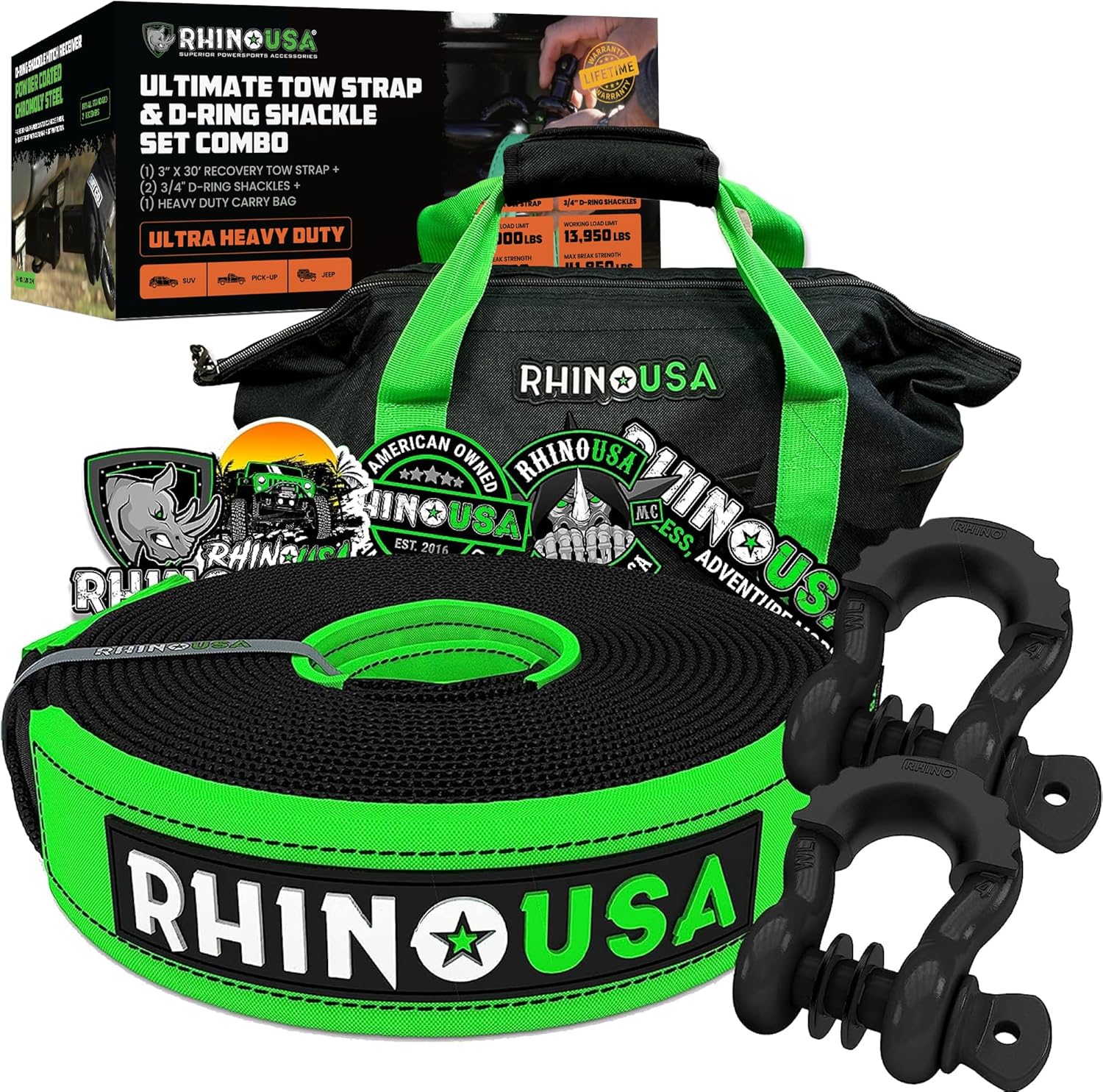
The Rhino USA Recovery Combo Kit is a compact off-road recovery solution designed to help drivers handle basic trail emergencies with confidence. It includes a static tow strap and anchor points with D-ring shackles, giving you essential gear for vehicle recovery when you need it most. Built for peace of mind on the trail, this kit is ideal for off-road enthusiasts looking for a dependable starter recovery setup.
Troubleshooting A-TRAC: Symptoms, Cooldowns, and Recovery
A-TRAC and related brake-based traction functions can feel loud or busy because the brake system may pulse, click, or chatter while wheelspin is being controlled. Toyota has long noted that brake-system intervention can create noise or vibration. What matters is whether the vehicle is still making controlled progress and whether any warning message appears.
- If the indicator flashes or warnings appear: ease off the throttle, stop safely, and follow the manual’s warning-light guidance.
- If the system pulses but you do not move: stop digging, back up if safe, and choose a different line.
- If the tires bounce: reduce throttle immediately. Wheel hop is hard on CV joints, axles, mounts, and tires.
- If you smell hot brakes: pause and let the vehicle cool before trying again.
- If traction control will not engage: confirm the correct 4WD range, drive mode, locker state, and warning-light status for your model.
The best A-TRAC technique is usually boring: slow approach, light throttle, calm steering, and an early reset before the vehicle digs in.
Driving Techniques to Maximize A-TRAC and Protect the Drivetrain
Drive with the goal of keeping the Land Cruiser settled. A-TRAC works better when tire contact stays consistent. Sudden throttle, hard steering, and wheel hop make the system work harder and can damage parts.
- Approach obstacles slowly. Let the front tires climb instead of slamming into the obstacle.
- Use a slight angle when helpful. A gentle angle can reduce the chance of both tires on an axle unloading at once.
- Keep your thumbs outside the steering wheel spokes. Rocks and ruts can kick the wheel back suddenly.
- Use a spotter. A spotter can keep tires on high points and help you avoid dragging the belly or differential.
- Do not fight the system. If brake pulses start, hold steady throttle instead of adding more gas.
- Stop before damage starts. If you hear scraping, smell hot brakes, or feel wheel hop, pause and reassess.
Frequently Asked Questions
Does A-TRAC turn on automatically in a Land Cruiser?
On many Land Cruisers, A-TRAC is part of the vehicle’s traction-control logic and works when wheelspin is detected rather than requiring a dedicated A-TRAC button. Toyota’s 2026 U.S. brochure lists A-TRAC as part of the standard full-time 4WD system. Controls and operating conditions still vary by generation and market, so use the owner’s manual for your exact vehicle.
Is the Land Cruiser always in 4WD?
Many modern wagon-style Land Cruiser models, including the current U.S. Land Cruiser, use full-time 4WD. However, Land Cruiser configurations vary by generation and market, so do not assume every 70, Prado, 100, 200, 250, or 300 Series model works the same way. Check your owner’s manual.
What is TRAC OFF on a Land Cruiser?
On Land Cruisers that display a TRAC OFF status, traction-control intervention has been reduced or disabled according to that model’s control logic. The effect can vary with 4WD range, differential-lock state, and drive mode. Do not use a generic TRAC OFF procedure across generations; follow the model-year manual and return the vehicle to its normal road setting after off-road use.
Should I use A-TRAC or the rear locker first?
Do not treat this as one universal sequence. A-TRAC may already be operating automatically, while the rear locker is a separate driver-selected aid with model-specific engagement conditions. A rear locker is useful when the rear axle needs both wheels turning together, but it should only be engaged on a suitable surface and under the conditions in your owner’s manual.
Does A-TRAC replace Crawl Control?
No. A-TRAC helps control wheelspin. Crawl Control is a low-speed off-road cruise function that manages throttle and braking so you can focus on steering. Some Toyota systems may work together, but availability and behavior depend on model year and trim.
Why does A-TRAC make clicking or pulsing sounds?
Clicking, pulsing, or brief brake chatter can happen when the system is applying brake pressure to a spinning wheel. If warning lights appear, the smell of hot brakes develops, or progress stops, ease off and let the vehicle recover.
Conclusion
A-TRAC is best understood as the Land Cruiser’s electronic wheelspin-control aid, not as a universal button sequence. On current U.S. models it is listed as part of the full-time 4WD system; older Land Cruisers use different controls and traction logic. Set the vehicle before the obstacle, use smooth throttle, and add center lock, the rear locker, Multi-Terrain Select, Crawl Control, or DAC only under the conditions specified for your model. If progress stops, change the line or recovery plan instead of forcing more wheelspin.
Sources
- Toyota: 2026 Land Cruiser eBrochure — confirms standard full-time 4WD with Active Traction Control (A-TRAC), the Torsen limited-slip center differential, and current grade equipment.
- Toyota USA Newsroom: 2026 Land Cruiser — Built to Explore, Designed to Impress — supports current center/rear locking differential, Crawl Control, Multi-Terrain Select, DAC, and off-road feature claims.
- Toyota USA Newsroom: 2019 Toyota Land Cruiser — documents the 200-series A-TRAC description as using both brake and throttle intervention to help control wheelspin.
- Toyota Manuals and Warranties — supports checking the exact controls, warning lights, and operating procedures for the specific model year and market.


[…] roads and off-road use call for more frequent inspection, not automatic early replacement of a filter that remains clean […]
[…] most drivers who care about off-road driving, TRD Off-Road is the best starting point because it combines meaningful trail hardware with a lower […]
[…] The torque at each axle can still differ according to traction and load. The lock is useful off-road, but it is not a normal dry-pavement […]
[…] A-TRAC / traction control […]
[…] Toyota Tacoma’s A-TRAC system (Active Traction Control) is an advanced off-road traction aid that uses the four-channel ABS […]
[…] RAV4’s Traction Control (TRAC) should normally stay on when rain, ice, snow, or loose gravel reduces grip. Temporarily turning […]