
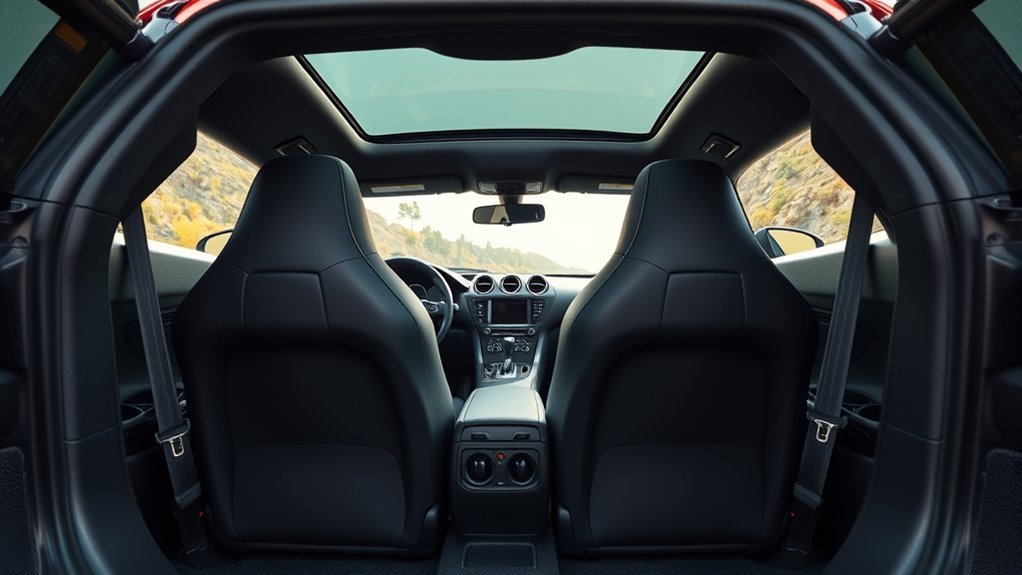
You’ll find the Toyota GR Supra’s cabin is built around two front occupants, not rear-seat practicality. The verified 2026 GR Supra layout has two seats, 50.9 cu ft of passenger volume, 38.3 in of headroom, 42.2 in of legroom, 54.4 in of shoulder room, 54.2 in of hip room, and about 10.2 cu ft of cargo volume. That makes it roomy for a compact sports coupe up front, but tight for bulky luggage, child-seat use, and anyone who needs easy entry and exit.
Quick Answer
The Toyota GR Supra interior is best for one driver and one passenger. It offers generous front legroom and width for a low sports car, but it has no rear seats. Cargo space is usable for groceries, soft weekend bags, or daily gear, but large rigid suitcases and golf clubs are a tight fit.
Key Takeaways
- The GR Supra is a two-seat sports coupe; it does not have rear passenger seats or rear legroom.
- Front-seat space is stronger than the car’s compact shape suggests, with 42.2 in of legroom and 54.4 in of shoulder room.
- Cargo space is about 10.2 cu ft, so soft bags work better than hard suitcases or long sports equipment.
- Taller drivers should test head clearance, seat travel, mirror visibility, and entry/exit comfort before buying — independent reviews and owners consistently flag this around the 6-foot mark.
- Child-seat use needs extra caution because there is no back seat; always follow the owner’s manual, car-seat manual, and current safety guidance.
Supra Interior Dimensions: At-A-Glance Specs
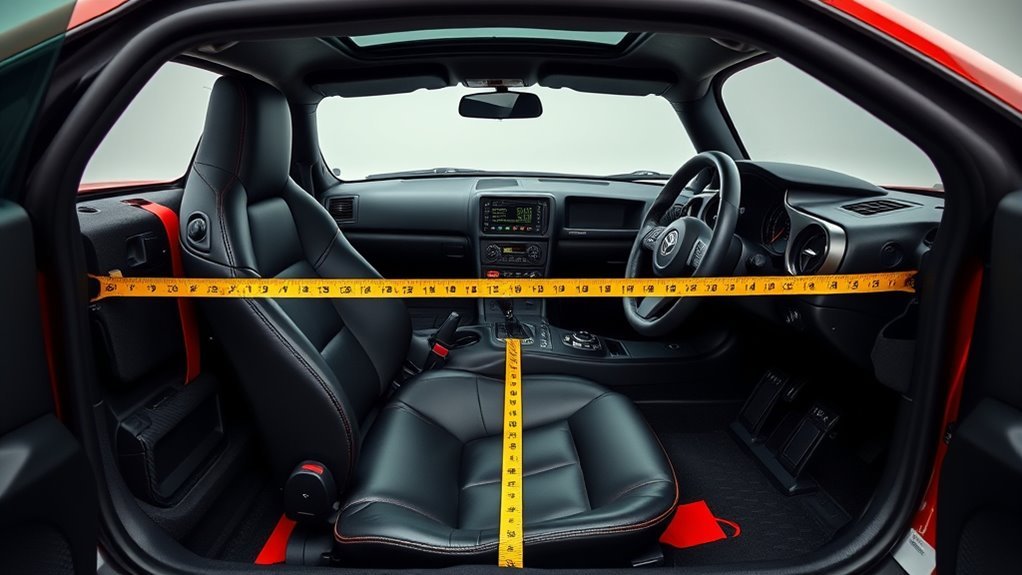
Think of the Supra’s cabin as a compact, purpose-driven cockpit. The numbers are friendly for the driver and front passenger, but the layout is still pure sports car: low seating, a high center console, a small hatch area, and no second row.
| Measurement | 2026 Toyota GR Supra | What it means |
|---|---|---|
| Passenger capacity | 2 seats | Driver plus one passenger; no rear seats. |
| Passenger volume | 50.9 cu ft | Compact, but efficiently shaped around the front occupants. |
| Front headroom | 38.3 in | Good for many adults, but tall drivers should test helmet-free and upright posture. |
| Front legroom | 42.2 in | One of the cabin’s strongest comfort points. |
| Front shoulder room | 54.4 in | Enough width for most adults without feeling squeezed. |
| Front hip room | 54.2 in | Supportive sport-seat fit rather than lounge-like space. |
| Cargo volume | About 10.2 cu ft | Usable for daily items and soft bags, limited for bulky cargo. |
Toyota’s official U.S. specifications page is the best place to confirm trim-by-trim details for the current model year, because equipment and availability can change by region and production timing. The 2026 lineup also includes the MkV Final Edition, which Toyota introduced as a send-off model for the fifth-generation GR Supra.
The Supra’s front-seat dimensions are generous for a low sports coupe, but the big practicality trade-off is simple: it is a two-seater with no rear bench to use for passengers or overflow cargo.
Front Cabin Measurements: Headroom, Legroom, Shoulder Room, and Hip Room
Cabin measurements show where the Supra puts its focus. Up front, you get 38.3 inches of headroom, 42.2 inches of legroom, 54.4 inches of shoulder room, and 54.2 inches of hip room. Together, those figures create a cabin that feels secure and fitted, not cramped, for many adult drivers.
The strongest number is legroom. At 42.2 inches, the Supra gives taller drivers enough space to slide the seat back, settle into a low driving position, and keep a comfortable bend in the knees. Shoulder and hip room are also useful because the cockpit is narrow in feel, but not punishing in width.
Headroom is the number to test carefully. A driver around or above 6 feet tall may fit well, but comfort depends on torso height, hairstyle, seat angle, helmet use for track days, and how upright you like to sit. The low roof and small door opening can also make entry and exit feel tighter than the raw measurements suggest — U.S. News notes that anyone taller than six feet will likely brush the headliner, and owners on Supra forums commonly describe needing to duck when getting in around the 6’0″–6’3″ mark. `[VERIFY: consider adding a first-hand test-sit note from an Auto Review Nest staff member if one has actually been conducted]`
Pro Tip: When you test-sit the Supra, adjust the seat first, then set the steering wheel, mirrors, and backrest. A comfortable sports-car fit comes from the full driving position, not from legroom alone.
Does the Supra Have Rear Seats?
No. The modern Toyota GR Supra is a two-passenger coupe. It does not have rear seats, rear headroom, rear legroom, or a fold-down rear bench. Any reference to snug rear seats or rear passenger room is inaccurate for the current GR Supra.
That two-seat layout is part of why the car feels focused. Toyota uses the space for the front cockpit, hatch area, structure, and performance packaging rather than family-car seating. If you need to carry more than one passenger, the Supra will not be practical as your only vehicle.
Note: Older Supra generations and other Toyota coupes may have different seating layouts. For the current GR Supra, plan around two seats only.
Passenger Volume and Seating Fit: Who Fits Best?
With 50.9 cubic feet of passenger volume, the Supra gives you a compact but efficient cabin that favors the driver and one front passenger. You sit low, close to the controls, and surrounded by a cockpit-style dashboard. That makes the car feel connected and precise, but it also means you should expect a snug sports-car feel.
The Supra fits best if you want:
- A low, supportive driving position.
- Enough legroom for longer drives without a stretched-out cabin.
- A cockpit that keeps controls close at hand.
- A car mainly used by one or two adults.
- A weekend or daily sports coupe where fun matters more than cargo flexibility.
The Supra may not fit your needs if you regularly carry kids, pets, coworkers, elderly passengers, large luggage, mobility equipment, or tall bulky cargo. The cabin itself is not the only concern; the low ride height and long doors can also matter in tight parking spaces.
Trunk Space and Daily Usability: Storage and Real-World Examples
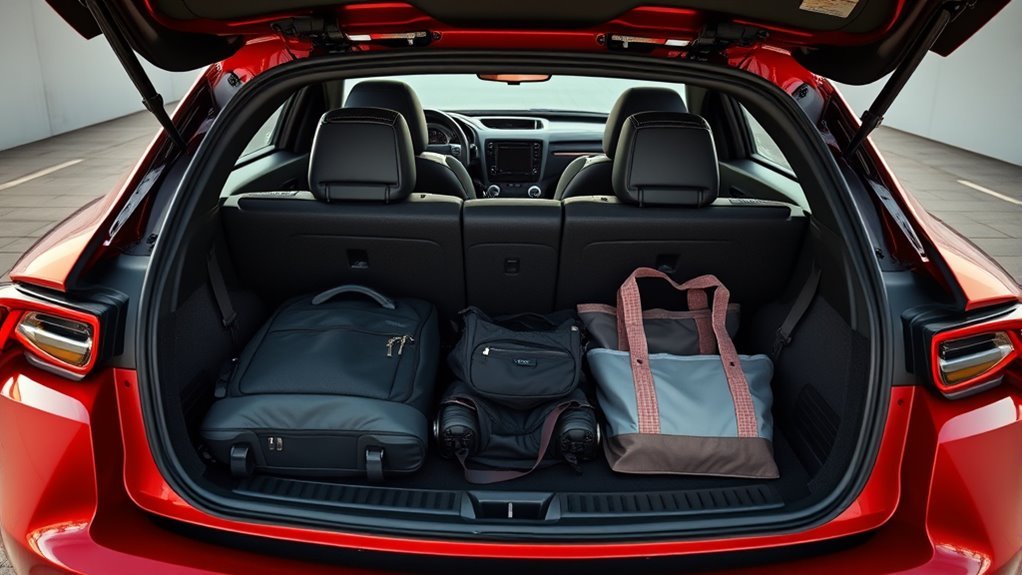
Although the Supra prioritizes sporty proportions over cargo capacity, its hatch-style cargo area is useful if you pack carefully. The cargo volume is about 10.2 cubic feet, which is enough for daily errands, a small grocery run, gym gear, camera bags, or one to two soft weekend bags.
The trick is shape. Soft duffels are easier to fit than hard-sided suitcases. Long or rigid items can be awkward because the opening, cargo floor shape, and cabin divider limit how you angle them in.
| Real-world item | Practical note |
|---|---|
| Weekly groceries | Fits best in several smaller bags; keep fragile items upright. |
| Weekend bags | One or two soft duffels work better than rigid suitcases. |
| Carry-on suitcase | Possible depending on shape; test your specific bag before a trip. |
| Golf clubs | Tight and not guaranteed; a soft bag and club removal may be needed. |
| Moving boxes | Not ideal; plan multiple trips or use another vehicle. |
| Pet carrier | Small carriers may fit, but cabin comfort and safety restraints should be checked first. |
You’ll get the best daily usability by treating the trunk like a shaped cargo shelf, not a deep sedan trunk. Pack flat items first, use soft bags, and avoid anything that can slide forward during hard braking.
[Products Worth Considering]

KUST Custom Fit Trunk Mat is designed for 2020-2026 Toyota GR Supra models to help protect the cargo area from dirt, spills, and daily wear. Its TPE construction offers a fresh, odor-free feel, while the raised-edge design adds extra coverage for all-weather protection. Lightweight and easy to remove, it makes cleaning simple and helps keep the trunk neat and protected.
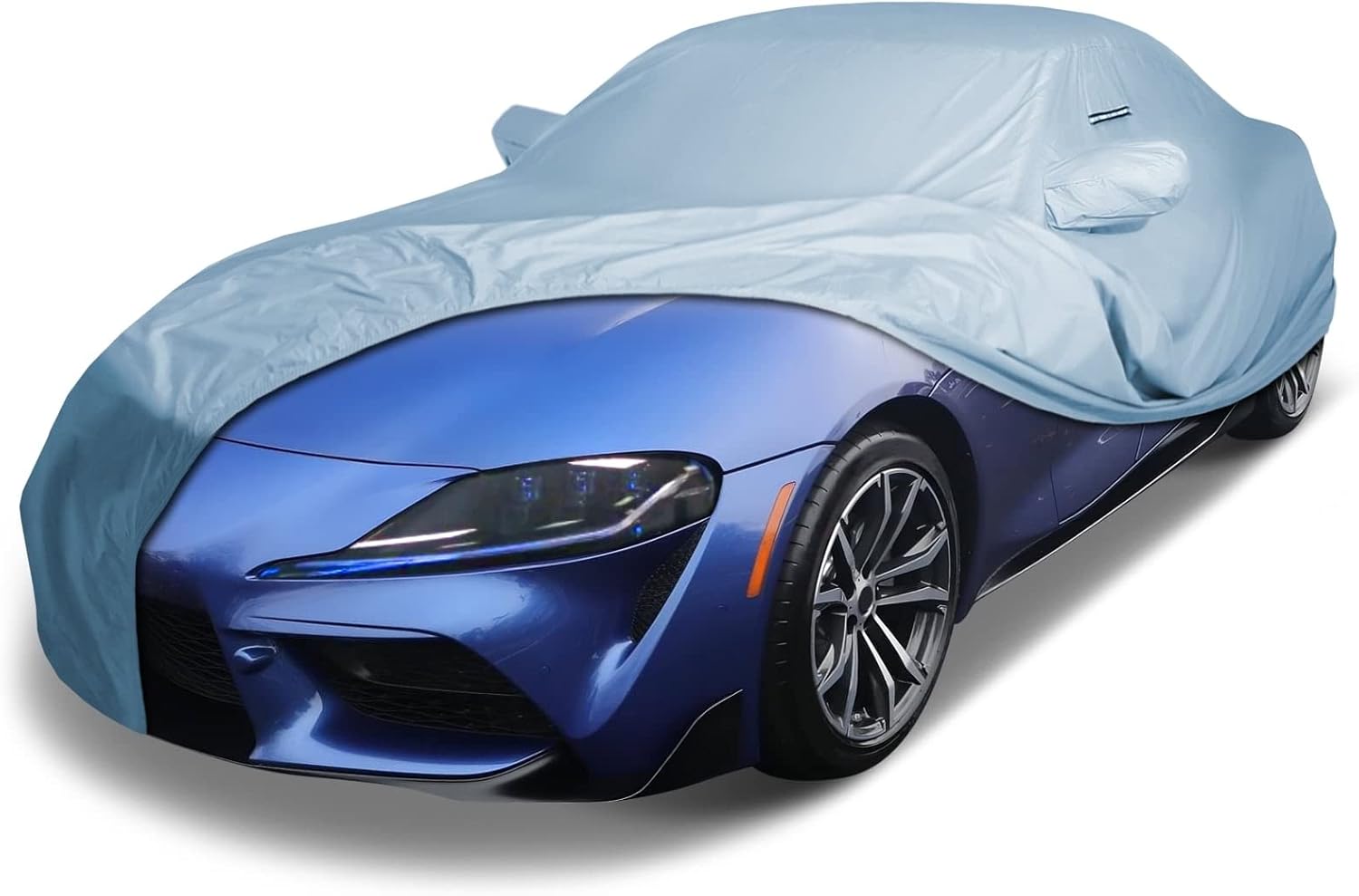
Protect your 2020-2026 Toyota GR Supra with a precision custom-fit cover designed to hug the vehicle’s contours for a secure, reliable fit. Built for all-weather use, it helps guard against rain, snow, sun, and other outdoor elements while the soft inner lining helps reduce the risk of scratches. Added straps, waterproof seams, and ventilation provide dependable protection and everyday convenience.
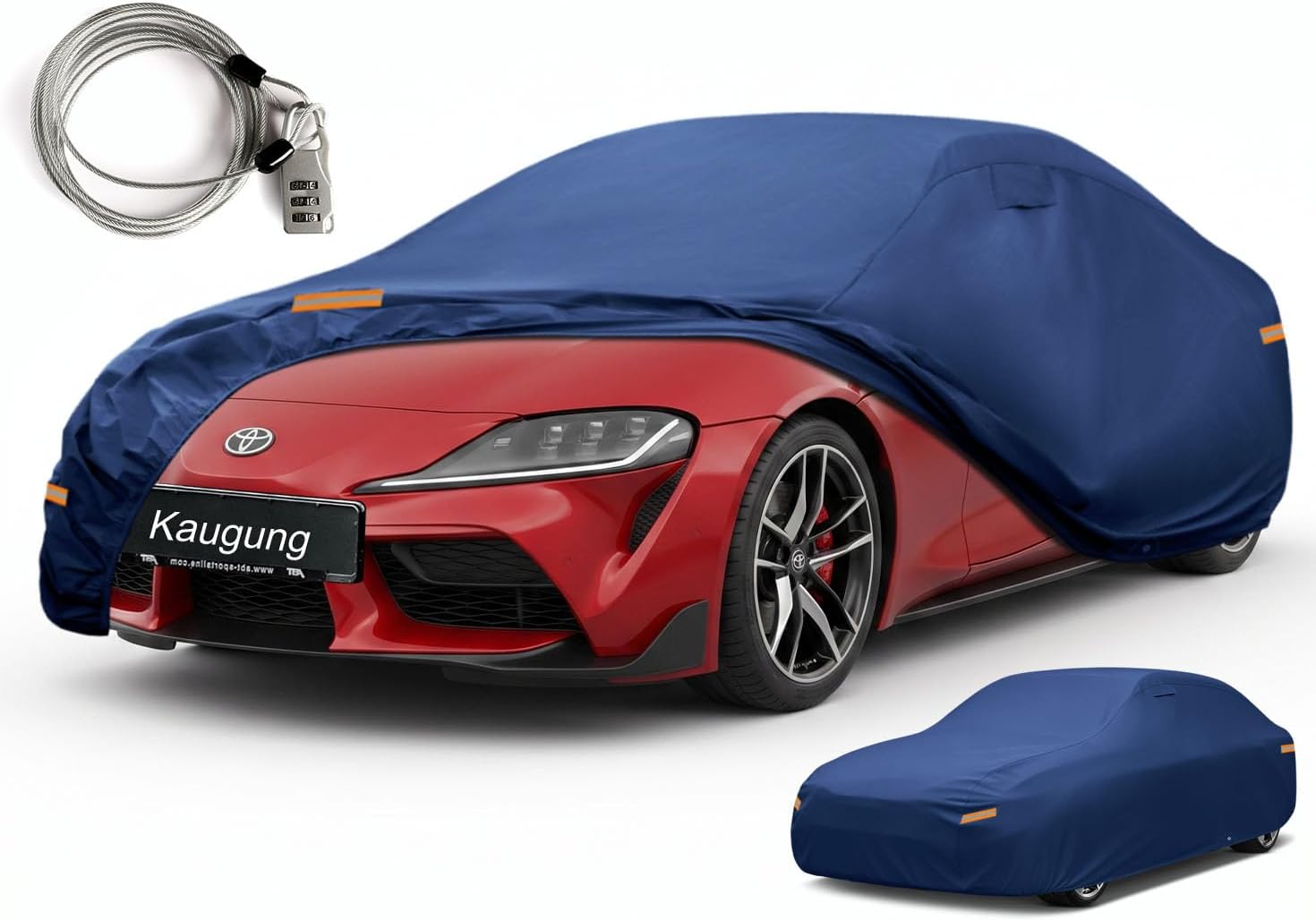
This custom-fit car cover is designed for Toyota Supra and GR Supra models, offering dependable all-weather protection for both indoor and outdoor use. Built with durable Oxford fabric and a soft cotton lining, it helps shield your vehicle from rain, sun, snow, dust, and UV exposure while protecting the paint finish. Windproof straps, dual air vents, reflective details, and included security accessories add convenience and peace of mind.
Small-Item Storage, Cupholders, and Cabin Practicality
The Supra gives you enough small-item storage for daily driving, but it is not storage-rich like a sedan or crossover. Expect space for a phone, wallet, keys, a small water bottle, sunglasses, and light travel items. Large purses, camera packs, or laptop bags may need to ride in the passenger footwell or cargo area.
The cabin works best when you keep it simple. Because the cockpit is low and driver-focused, loose items can become distracting during quick cornering. Use zippered bags, keep your phone secured, and avoid stacking items on the passenger seat if you drive hard.
[Products Worth Considering]

This Toyota navigation SD card provides updated North America maps and points of interest for compatible factory navigation systems. It is preloaded with recent road and location data to help drivers find destinations, services, and routes more easily across the U.S. and Canada. Designed for select Toyota models, it offers a simple plug-and-play replacement for the original navigation card.

【Durable & Heavy-Duty】 Made from high-quality ABS plastic, these S-type hooks feature a wide and deep design, secure non-slip grip, great for car seat-back organizer. Each hook supports up to 55 lbs (25 kg).
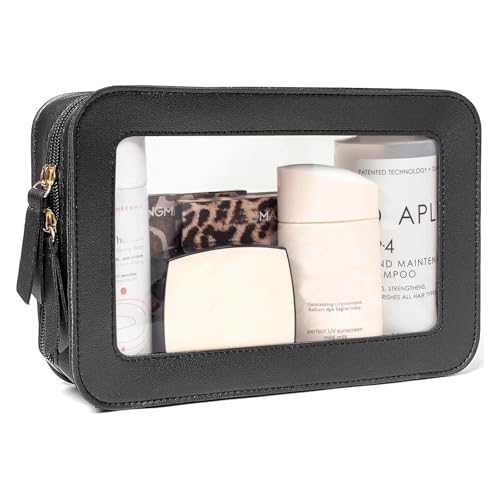
Clear Design: Our clear toiletry bag is sleek and minimalistic look for your makeup accessories collection. And is designed with a clear PVC window,all items are clear at a glance, and you can quickly choose the cosmetics you need. Size:9.44“*6.1”*2.75“
Visibility, Entry, and Exit: What to Test Before Buying
Interior dimensions do not tell the whole story. The Supra’s low roofline, wide sills, long doors, and rear-quarter shape can affect comfort in real life. Before buying, test the car in the same way you will use it.
- Entry: Make sure you can lower yourself into the seat without hitting your head or straining your knees.
- Exit: Try getting out in a tight parking spot, not just on an open showroom floor.
- Forward visibility: Check whether the hood line and A-pillars feel natural from your seat position.
- Rear visibility: Confirm that mirrors and the backup camera give you enough confidence — thick rear roof pillars are a common complaint in independent reviews.
- Door clearance: Open the door next to another parked car to see how much space you need.
- Long-drive posture: Sit for at least 10 minutes with the wheel and pedals adjusted before deciding.
At a Glance
| Time Required | 15–30 minutes for a proper fit check and cargo test |
| Difficulty | Easy |
| Tools Needed | Tape measure, your usual bag, and any child seat or gear you plan to carry |
| Cost | Free during a dealer visit or private-party inspection |
[Products Worth Considering]

𝐒𝐭𝐫𝐨𝐧𝐠 𝐀𝐝𝐡𝐞𝐬𝐢𝐯𝐞: It contains high-quality pressure-sensitive tape or Strong stick-on glue for a Self-Stick on Mirrors with a firm grip on the car blind spot side mirror.

360° Adjustable Angle: Full 360° rotation adjust your blind spot mirrors to any angle for a wider view and enhanced safety on highways or busy city streets, 2 pieces packaged

Driving Safety: Our convex mirrors improve driving safety by eliminating blind spots, you can increase your sight area when overtaking, changing lanes or reversing to avoid potential accidents or collisions. Suitable for cars, SUV, trucks, motorcycles, and more.
Who Fits Best: Quick Fit Checklist and Measuring Tips
Who fits best in the Supra comes down to measured trade-offs. You’ve got generous front legroom and solid shoulder width, but you also have a low roof, low seating position, and compact cargo area. Use this checklist before you commit.
- Measure your seated height. Sit upright at home and measure from the seat cushion to the top of your head. Compare that with the Supra’s 38.3 in of front headroom, then allow extra space for hair, posture, and movement.
- Check hip-to-knee comfort. The Supra’s 42.2 in of front legroom is generous, but pedal angle and seat height matter too.
- Test shoulder space with a passenger. Sit in the car with the person who rides with you most often. Make sure elbows and shoulders do not clash.
- Bring your real cargo. A tape measure is useful, but your actual suitcase, golf bag, stroller, or work bag gives the honest answer.
- Try a short drive. A parked fit check cannot reveal road noise, visibility, seat pressure points, or how easy it is to use controls while moving.
Warning: Do not assume a child seat, booster, or large pet carrier will work just because the Supra has a front passenger seat. There is no rear seat, and NHTSA recommends that children under 13 ride in the back seat when one is available. Follow the vehicle owner’s manual, car-seat instructions, air-bag warnings, and local law.
Comfort Features and Interior Materials
The Supra’s comfort comes more from support than softness. Sport seats, a low driving position, and close control placement are meant to keep you stable during spirited driving. Depending on trim, the current GR Supra lineup includes leather-trimmed seating or leather-trimmed Alcantara seating, with Toyota showing options such as Hazelnut leather trim on 3.0 Premium models and black Alcantara on MkV Final Edition models.
For daily use, leather is usually easier to wipe clean, while Alcantara can feel grippier and more performance-focused. Either way, maintenance matters. Vacuum seams, clean spills quickly, and avoid harsh chemicals that can dry leather or damage suede-like surfaces.
Frequently Asked Questions
How roomy is the Toyota GR Supra interior?
The GR Supra is roomy for two people in the front seats, with 50.9 cu ft of passenger volume, 38.3 in of headroom, 42.2 in of legroom, 54.4 in of shoulder room, and 54.2 in of hip room. It feels compact because of the low roof and cockpit layout, but the front measurements are usable for many adults.
Does the Toyota GR Supra have back seats?
No. The current Toyota GR Supra is a two-seat sports coupe. It does not have rear seats, so there is no rear legroom, rear headroom, or second-row passenger space to measure.
How much cargo space does the Supra have?
The GR Supra has about 10.2 cu ft of cargo volume. That is enough for groceries, small soft bags, gym gear, or a light weekend trip, but bulky boxes, hard suitcases, and golf clubs can be difficult to fit.
Can tall drivers fit in a Toyota GR Supra?
Many drivers around 6 feet tall fit because the Supra has 42.2 in of front legroom, but torso height and preferred seat angle matter a lot. Independent reviews and owner accounts commonly note that drivers taller than 6 feet will likely brush the headliner and may need to duck on entry, so if you’re near or above that height, test head clearance, helmet clearance if you track the car, steering-wheel adjustment, and entry/exit comfort before buying.
How do interior materials affect long-term comfort and maintenance?
Interior materials affect both feel and upkeep. Leather trim is usually easier to wipe clean, while Alcantara-style surfaces can add grip and a sportier feel. For long-term comfort, keep seat bolsters clean, avoid abrasive cleaners, and condition leather with products approved for automotive interiors.
Are aftermarket seat upgrades compatible with Supra mounting points?
Aftermarket seats may be possible, but compatibility is not something to guess. You need the correct rails, bolt pattern, sensor handling, air-bag considerations, and seat-belt integration. Because seat and restraint changes can affect safety and legality, use reputable parts and a qualified installer.
Does cabin noise increase at highway speeds?
Yes, you should expect more tire, wind, and road noise than in a luxury sedan or larger grand tourer. The Supra is a performance coupe with wide tires, a low body, and a compact cabin, so highway noise is part of the trade-off. Tire choice and road surface make a noticeable difference.
Can child seats be installed safely in the Supra?
Use extra caution. The Supra has no rear seat, and child passenger safety guidance recommends the back seat for children under 13 when available. Never place a rear-facing child seat in front of an active passenger air bag. Always follow the Supra owner’s manual, the child-seat manual, air-bag warnings, and local law.
What interior customization options does Toyota offer?
Toyota’s current GR Supra interior choices vary by trim and availability. Examples shown by Toyota include leather trim, Hazelnut-colored leather trim on 3.0 Premium models, and leather-trimmed black Alcantara on MkV Final Edition models. Check Toyota’s current build tool or a Toyota dealer for your region before deciding.
Conclusion
You’ll find the Toyota GR Supra’s compact cockpit surprisingly livable if you judge it as a two-seat sports car, not a small family coupe. The front-seat dimensions are strong where they matter most: legroom, shoulder room, hip room, and driver focus. The real compromises are the lack of rear seats, the low entry point, tighter visibility, and cargo space that favors soft bags over bulky items. If the quick fit checklist works for your body, your passenger, and your daily gear, the Supra can feel snug in the right way: focused, supportive, and ready to drive.
Sources
- Toyota 2026 GR Supra Specifications — official current-model specifications and equipment information.
- Toyota 2026 GR Supra Interior Tour — official interior trim examples and cabin presentation.
- Toyota USA Newsroom: GR Supra MkV Final Edition — official context for the 2026 MkV Final Edition.
- U.S. News: 2026 Toyota Supra Interior — independent review commentary on headroom and entry/exit for taller drivers.
- NHTSA Car Seats and Booster Seats — child-seat selection, installation, and age/size guidance.
- NHTSA Air Bags — front-seat air-bag safety guidance for children and rear-facing restraints.

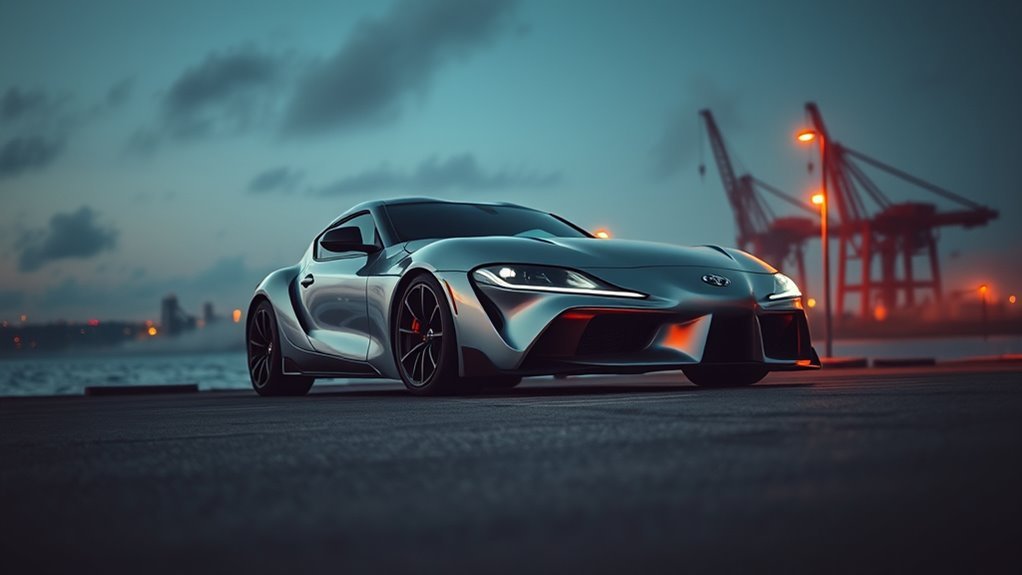
[…] suitcases, sports gear, work equipment, pets, or bulky shopping loads, the Supra’s shape and two-seat interior layout can become […]
[…] Toyota GR Supra has 10.2 cu ft, or about 289 liters, of cargo room. It is practical for groceries and weekend […]