
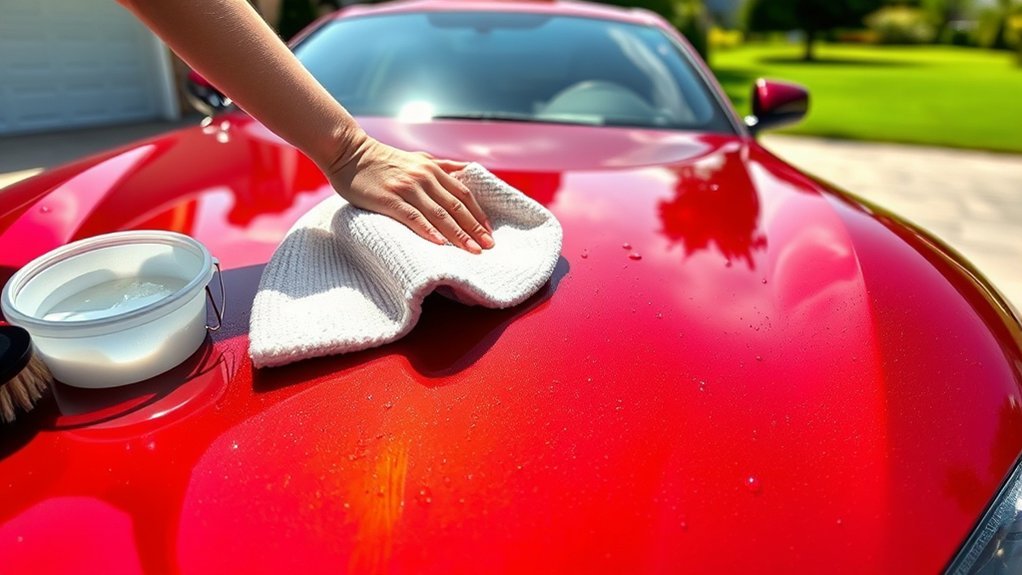
Washing your Toyota Supra the right way protects more than shine. It helps reduce swirl marks, water spots, road-film buildup, and damage from rushed drying. Use a gentle wash process, clean towels, and paint-safe products, and check your Toyota owner’s manual and warranty information for any vehicle-specific care notes before using strong cleaners, polishing compounds, or pressure-washing near trim.
Quick Answer
To wash a Toyota Supra safely, work in shade, pre-rinse the paint, use a pH-balanced car shampoo with a two-bucket method, wash from top to bottom with a clean mitt, rinse well, and dry with plush microfiber towels. Use waterless wash only for light dust, not mud or heavy road grime.
Key Takeaways
- Wash in shade on cool panels so soap and rinse water do not dry into spots.
- Use two buckets, a clean wash mitt, and a grit guard if you have one to reduce paint marring.
- Dry by blotting or lightly gliding a clean microfiber towel. Avoid dragging dirty towels across the paint.
- Keep wheel towels, lower-body towels, drying towels, and wax towels separate.
- Use waterless wash or quick detail spray only on lightly dusty paint with fresh microfiber towels.
At a Glance
| Time Required | 35 to 60 minutes for a careful exterior wash and dry |
| Difficulty | Easy, but technique matters |
| Tools Needed | Two buckets, car shampoo, wash mitt, microfiber drying towels, separate wheel towel, optional grit guards, optional electric blower |
| Cost | Low to moderate, depending on towel quality and paint-protection products |
Choosing the Right Wash Products for Your Toyota Supra
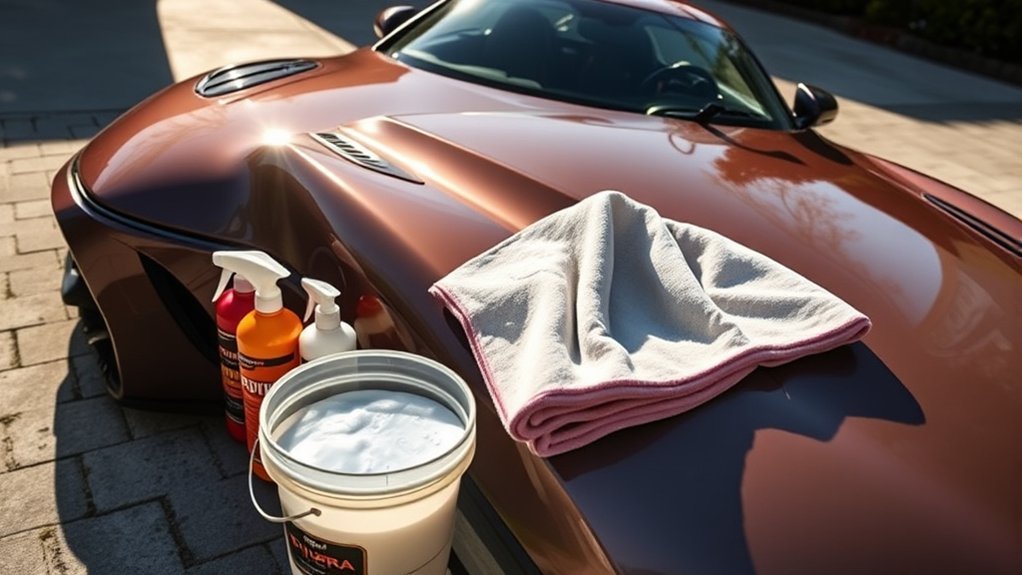
Start with a pH-balanced automotive shampoo, not dish soap or household cleaner. Car shampoo gives your wash mitt more lubrication, which helps dirt slide away instead of grinding into the clear coat. A wash-and-wax shampoo can work for routine maintenance, but it should not replace a proper wax, sealant, or ceramic topper when the paint needs fresh protection.
For the first full wash after buying a new or newly detailed Supra, keep the process simple. Use car shampoo, two buckets, a soft mitt, and clean microfiber drying towels. After the paint is clean and dry, apply a spray wax, sealant, or ceramic spray only if the product label says it suits your finish.
Waterless wash products can help with fingerprints, garage dust, or light pollen. They are not the right choice for caked-on mud, gritty road film, or salt. If you can feel dirt on the panel, rinse first or do a full wash.
Note: If your Supra has matte paint, vinyl wrap, paint protection film, or a ceramic coating, follow the coating or film maker’s care instructions. Some waxes and gloss enhancers can change the look of matte or satin finishes.
[Products Worth Considering]

This ceramic spray wax delivers long-lasting SiO2 protection with a high-gloss finish and strong water beading. It helps defend against oxidation, sun damage, dirt, and grime while making routine cleaning easier with a slick, self-cleaning surface. Safe for paint, wheels, plastic, rubber trim, and chrome, it offers versatile exterior protection for cars, trucks, RVs, and more.

Turtle Wax Hybrid Solutions Ceramic Spray Wax Coating delivers long-lasting ceramic protection, a deep glossy shine, and strong water repellency for easier maintenance. Its spray-and-buff formula is simple to apply on exterior surfaces, helping protect paint from dirt, UV rays, and road contaminants while keeping your vehicle looking cleaner between washes.

Armor All Ultra Shine Car Wash and Wax combines cleaning power and wax protection in one easy step for a brilliant finish. Its pH neutral formula helps gently lift dirt, enhance water beading, and support faster drying while delivering a deep, mirror-like shine. Safe for automotive surfaces when used as directed, it is ideal for keeping cars, trucks, and motorcycles looking freshly detailed.
Why Proper Washing Techniques Matter for Your Supra
Your Supra’s paint collects dust, brake particles, bug residue, road film, sap, and mineral deposits. If you wipe those contaminants across the surface with a dry towel or dirty mitt, you can create fine scratches that show up as swirl marks under sunlight.
A careful wash method reduces that risk. The main idea is simple: loosen dirt first, keep dirty water away from clean soap, and touch the paint as lightly as possible. That is why the two-bucket system matters. One bucket holds clean shampoo water. The other bucket rinses dirt out of the mitt before the mitt goes back into the soap.
Warning: Do not wash hot paint in direct sun. Soap and minerals can dry too fast, leaving streaks and water spots. Do not use abrasive sponges, old bath towels, or household detergents on the paint.
Step-by-Step Two-Bucket Wash Method for a Toyota Supra
Follow this simple process when your Supra needs a full exterior wash. Work slowly, keep your tools clean, and treat the lower panels as the dirtiest part of the car.
[Products Worth Considering]

Fortify Ceramic Coating Spray delivers a mirror-like gloss while helping clean, protect, and enhance your vehicle’s paint in one easy application. Its nano-ceramic formula bonds to the surface for hydrophobic water beading, reduced water spots, and a freshly detailed look with minimal effort. Simply spray, wipe, and enjoy a slick protective finish without complicated tools or rinsing.

This spray wax is designed to restore and protect black and dark-colored vehicle finishes in one easy step, helping fill light scratches, swirl marks, and paint imperfections while creating a deep, high-gloss shine. Infused with black pigments, ceramic polymers, and UV defense, it boosts color depth, repels water and contaminants, and helps keep your vehicle looking cleaner between washes.

MAXLONE Car Spray with Triphene is a waterless detailer that makes quick cleaning and shine simple with just spray and wipe use. It helps repel water, dirt, and grime while adding a deep glossy finish and durable protection for paint, glass, plastic, and metal. Designed for versatile use and easy application, it offers long-lasting results with a concentrated formula that is eco-friendly and made for home or professional-style detailing.
1. Prepare Your Wash Area
Park in shade or wash during a cooler part of the day. Gather two buckets, car shampoo, a clean wash mitt, microfiber drying towels, and a separate towel or brush for wheels. Add a grit guard to each bucket if you have one.
2. Rinse Before Touching the Paint
Rinse the Supra from top to bottom before using a mitt. This removes loose dust and reduces friction. Give extra attention to the front bumper, rocker panels, rear bumper, and lower doors because these areas collect the most road grit.
3. Wash From the Cleanest Areas to the Dirtiest
Start with the roof, glass, hood, and upper panels. Then move to the doors, rear quarters, bumpers, and lower panels. After each small section, rinse the mitt in the rinse bucket, then reload it with soap from the wash bucket.
4. Clean Wheels With Separate Tools
Brake dust and road grit can scratch paint. Use separate wheel towels, brushes, or mitts, and do not reuse them on painted panels. If you use a wheel cleaner, check the label for wheel-finish compatibility and rinse thoroughly.
5. Final Rinse and Check for Residue
Rinse from top to bottom until all soap is gone. Look around mirrors, trim, badges, fuel door edges, and panel gaps because soap often hides there. A slow final rinse also helps water sheet away before drying.
The safest wash is not the fastest wash. It is the one that keeps dirt away from the towel side touching your Supra’s paint.
Drying Techniques for a Spotless Toyota Supra Finish
Drying is where many clean cars get scratched. Use a plush microfiber drying towel or waffle-weave microfiber towel, and keep it clean. Start by laying the towel on a wet panel and gently blotting. If you glide the towel, use light pressure and straight passes.
An electric blower can help push water out of mirrors, badges, grille openings, window trim, and wheel spokes. Use electric air, not a gas-powered blower, so you avoid exhaust, fuel residue, and oily contamination near the paint.
Keep drying towels separate from wax towels, wheel towels, and interior towels. Once a towel touches the ground, stop using it on paint until it has been washed.
Maintaining Your Supra’s Paint Protection
Paint protection lasts longer when you wash gently and avoid harsh chemicals. A wax, sealant, ceramic spray, ceramic coating, or paint protection film can all help, but each one has different care needs. Read the product label before applying anything over an existing coating.
After each wash, check whether water still beads or sheets evenly. Weak beading does not always mean protection is gone, but it can signal that the surface needs a fresh topper or decontamination. If the paint feels rough after washing, bonded contaminants may need a clay treatment or professional detail.
Essential Washing Techniques
Use these core habits every time you wash your Supra:
- Use a soft wash mitt: A clean microfiber, chenille, or sheepskin mitt lifts dirt more safely than a rough sponge.
- Use two buckets: Keep shampoo water and rinse water separate so grit does not return to the paint.
- Rinse thoroughly: Remove soap from panel gaps, trim, and mirrors before drying.
- Work in sections: Wash and rinse small areas so soap does not dry on the surface.
Pro Tip: Use lighter-colored towels for paint and darker towels for wheels or lower panels. Color coding helps you avoid cross-contamination.
Optimal Drying Methods
Use drying tools that absorb water quickly without dragging dirt across the clear coat. A dedicated microfiber drying towel is usually safer than a standard cotton bath towel because it is designed for paint and holds more water.
| Drying Technique | Best Tool | Purpose |
|---|---|---|
| Blot drying | Plush microfiber drying towel | Removes water with minimal pressure |
| Waffle-weave drying | Waffle-weave microfiber towel | Absorbs remaining moisture and reduces streaks |
| Air drying crevices | Electric blower | Pushes water out of mirrors, trim, badges, and wheels |
| Final touch-up | Clean microfiber towel and paint-safe detail spray | Removes light streaks after the panel is clean |
Must-Have Tools for Caring for Your Supra
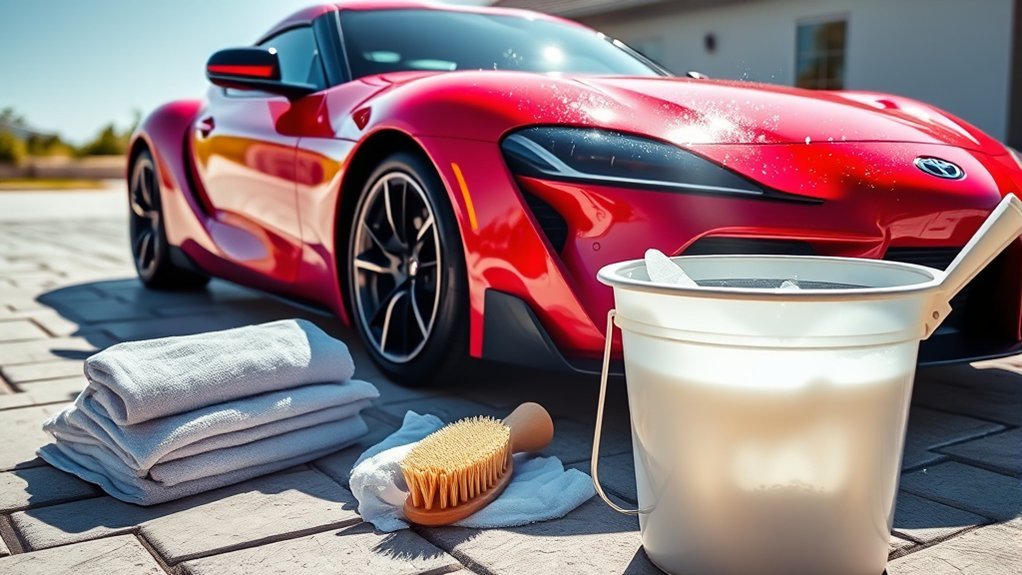
You do not need a professional detailing cart to wash your Supra well. You need clean, paint-safe tools and a consistent process. Keep your kit organized so dirty wheel tools never touch the body panels.
[Products Worth Considering]

These extra-large car drying towels are designed to quickly absorb water and leave surfaces streak-free after washing. The twisted loop microfiber construction delivers a plush, ultra-absorbent feel that works safely on paint, glass, and chrome. With two reusable towels in the pack, they are ideal for efficient drying of cars, SUVs, and trucks at home or in professional detailing.

Meguiar's Ultimate Ceramic Coating Kit delivers durable paint protection with enhanced gloss, slickness, and impressive water beading for easier washing and drying. Its spray-on, wipe-off application makes it simple to use, while helping conceal light defects and adding protection to glossy paint, trim, decals, paint protection film, and wheels.
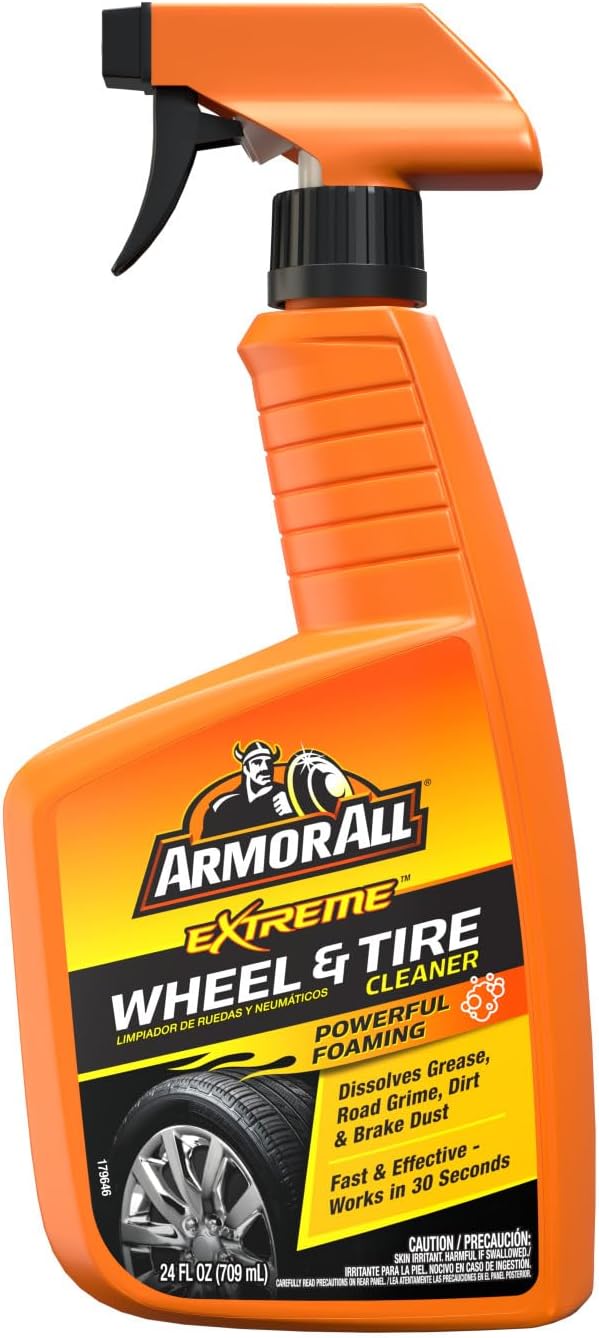
Armor All Extreme Wheel and Tire Cleaner is a powerful spray designed to cut through stubborn dirt, grease, tar, and brake dust on wheels and tires. It is safe for use on factory and aftermarket finishes, including alloy, steel, chrome, and plastic wheel trims, while its fast-acting formula works in just seconds. The deep-cleansing action helps reach hard-to-clean areas and leaves wheels looking clean and shiny.
Essential Washing Tools
- Two buckets: One for shampoo, one for rinsing the mitt.
- Grit guards: Optional but helpful because they keep debris lower in the bucket.
- Soft wash mitt: Use a clean microfiber, chenille, or sheepskin mitt for painted panels.
- Car shampoo: Choose a pH-balanced automotive shampoo instead of household soap.
- Separate wheel tools: Use dedicated brushes or towels for brake dust and tires.
Effective Drying Solutions
Choose microfiber drying towels large enough to dry panels without repeated rubbing. Wash them separately from cotton towels, wheel towels, and greasy shop rags. Avoid fabric softener because it can reduce absorbency and leave residue.
An electric blower is useful if your Supra has water trapped around mirrors, badges, vents, or wheel spokes. Hold the blower far enough away to avoid blasting debris into the paint.
Quality Waxing Products
Waxing and sealing add a sacrificial layer between the clear coat and everyday contamination. For a glossy Supra finish, you can use a spray wax, synthetic sealant, ceramic spray, or traditional wax. Match the product to your finish and your maintenance schedule.
- Spray wax: Fast to apply after a wash and helpful for routine gloss maintenance.
- Synthetic sealant: Usually lasts longer than a simple spray wax and suits regular drivers.
- Ceramic spray: Adds slickness and water behavior, but it needs clean paint to work well.
If your Supra already has a professional ceramic coating, avoid aggressive polishing or cleaner waxes unless your detailer recommends them. These can reduce coating life or alter the surface behavior.
Quick Touch-Up Techniques for Your Supra
Quick touch-ups work best when the paint is only lightly dusty. Use a paint-safe quick detail spray or waterless wash product with several clean microfiber towels. Fold each towel into quarters, wipe gently, then switch to a clean side before dirt builds up.
Do not use a quick detail spray on mud, sandy dust, salt, or heavy road film. Rinse first or do a full wash. For bird droppings, bug splatter, or tree sap, soften the residue with the correct paint-safe cleaner and remove it as soon as practical.
| Touch-Up Situation | Best Action |
|---|---|
| Garage dust or fingerprints | Quick detail spray with clean microfiber |
| Light pollen | Rinse or use waterless wash gently if the surface is not gritty |
| Bug splatter or bird droppings | Soften with paint-safe cleaner, lift gently, then re-wash the area |
| Mud, salt, or sandy grime | Skip touch-up products and do a full rinse and wash |
Top Washing and Drying Mistakes to Avoid for Your Supra
A Supra can look clean from a distance but still carry wash damage in direct light. Avoid these common mistakes:
- Using one bucket: Dirty rinse water sends grit back onto the paint.
- Skipping the pre-rinse: Loose grit should come off before any mitt touches the surface.
- Washing in direct sun: Heat makes soap and minerals dry too quickly.
- Using dirty towels: A towel that fell on the ground should not touch paint again until washed.
- Dragging dry towels: Blot or glide gently with clean microfiber instead.
- Using wheel tools on paint: Brake dust is abrasive and should stay away from body panels.
- Overusing waterless wash: Waterless products are for light dust, not heavy contamination.
Special Care for Matte Paint, PPF, Wraps, and Ceramic Coatings
Not every Supra finish should be treated the same way. Gloss paint can usually handle standard waxes and sealants, but matte paint, satin wraps, paint protection film, and ceramic coatings may need specific products.
- Matte or satin finish: Avoid gloss waxes, fillers, and heavy polishing unless the product is made for matte surfaces.
- Paint protection film: Avoid harsh solvents near film edges and do not aim high-pressure water directly at lifted edges.
- Vinyl wrap: Use wrap-safe cleaners and dry gently around seams.
- Ceramic coating: Use coating-safe shampoo and avoid abrasive cleaner waxes unless the coating installer approves them.
How Often Should You Wash a Toyota Supra?
Wash frequency depends on where you drive and park. A garage-kept weekend Supra may only need a gentle wash when dust or road film builds up. A daily-driven Supra may need washing every one to three weeks, especially after rain, bugs, bird droppings, tree sap, coastal salt air, or winter road salt.
Do not wash only by calendar. Wash when contamination sits on the paint. Acidic or sticky residue can stain or etch if it stays too long.
Environmental and Runoff Tips When Washing at Home
Car wash runoff can carry soap, dirt, oil, brake dust, and other pollutants. The EPA explains that polluted runoff can carry natural and human-made pollutants into lakes, rivers, wetlands, coastal waters, and groundwater. Its urban runoff guidance also notes that motor vehicles contribute oil, grease, toxic chemicals, and heavy metals to urban runoff.
When local rules allow home washing, choose a spot where runoff does not flow straight into a storm drain. Use the least product needed, clean up spills, and dispose of leftover chemicals according to the label. A commercial car wash that captures or treats wastewater may be the better choice when you need a heavy cleaning.
Frequently Asked Questions
What exterior problems should Supra owners watch for?
Watch for swirl marks, water spots, bug splatter, bird droppings, sap, brake dust, and road-film buildup. These problems usually come from contamination sitting too long or from wiping dirty paint with poor towels or too much pressure.
How do you properly wash and dry a car?
Rinse first, wash in shade with automotive shampoo, use a two-bucket method, clean from top to bottom, rinse thoroughly, and dry with clean microfiber towels. Use separate tools for wheels and paint so brake dust does not scratch the body panels.
Can I use waterless wash on a Toyota Supra?
Yes, but only for light dust, fingerprints, or mild pollen. Use plenty of product and fresh microfiber towels. Do not use waterless wash on mud, sand, salt, or heavy road grime because those contaminants can scratch the paint.
Is an electric blower safe for drying a Supra?
An electric blower can be safe when the paint is already clean and the blower is clean. Use it for mirrors, trim, badges, wheels, and panel gaps. Avoid gas-powered blowers near paint because exhaust and residue can contaminate the surface.
Should I wax my Supra after every wash?
No. You do not need to wax after every wash. Use spray wax or a ceramic topper when the paint feels less slick or water behavior weakens. If the Supra has a professional ceramic coating, use coating-safe maintenance products instead of abrasive waxes or polishes.
Conclusion
Washing your Toyota Supra is not just about making it shine for the next drive. It is about protecting the clear coat, avoiding swirl marks, and keeping road grime from wearing down the finish. A careful two-bucket wash, clean microfiber drying routine, and smart touch-up habits give you the best balance of safety and shine.
Keep the process simple: rinse first, wash gently, dry with clean towels, and use quick-detail products only when the paint is lightly dusty. Treat the lower panels and wheels as high-contamination areas, and your Supra will stay cleaner, glossier, and easier to maintain over time.
Sources
- Toyota Manuals and Warranties — official owner manual and warranty reference for vehicle-specific care information.
- Toyota GR Supra Official Page — current Toyota GR Supra model reference.
- EPA: Basic Information about Nonpoint Source Pollution — runoff and pollution guidance.
- EPA: Nonpoint Source Urban Areas — urban runoff pollutants from vehicles and paved surfaces.
- Car and Driver: Best Waterless Car-Wash Sprays, Tested — current guidance on waterless wash use and limits.




[…] Toyota Supra washing and drying guide […]
[…] Clean the camera lens. The lens is near the license-plate-light area, where water spots, road film, mud, and snow can impair the image. […]
[…] find the Toyota GR Supra’s cabin is built around two front occupants, not rear-seat practicality. The verified 2026 […]
[…] Clean the sensor faces. Wipe the small round sensor areas in the front and rear bumpers if they are dusty, icy, muddy, or wet. […]