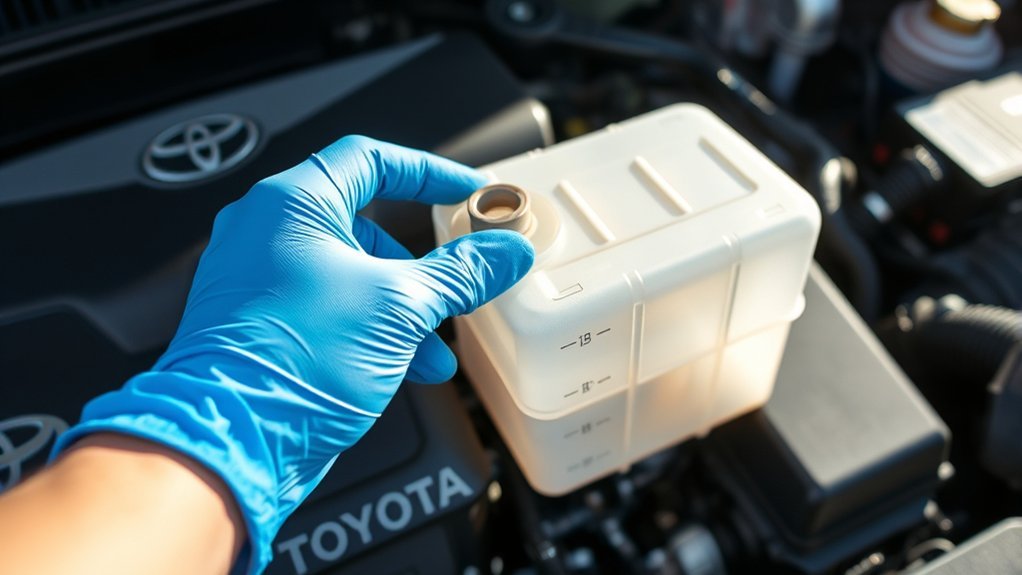
Understanding your Toyota Camry warranty and maintenance plan helps you avoid missed service, protect warranty coverage, and know what to do when a repair may be covered. The exact terms depend on your Camry’s model year, mileage, date of first use, state emissions rules, and the Warranty & Maintenance Guide for your vehicle, so always confirm details with your owner documents or Toyota Owners resources.
Quick Answer
A Toyota Camry typically includes 36-month/36,000-mile basic coverage, 60-month/60,000-mile powertrain coverage, 8-year/100,000-mile hybrid system coverage, and 10-year/150,000-mile hybrid battery coverage for 2020-and-newer hybrid models. ToyotaCare coverage depends on model year, so check your specific Warranty & Maintenance Guide.
Key Takeaways
- Most U.S. Toyota Camry warranty periods begin on the vehicle’s in-service date, not the day you read the warranty booklet.
- Basic warranty coverage is for defects in Toyota-supplied parts, not normal wear items such as brake pads, wiper blades, tires, or routine fluids.
- Toyota recommends scheduled maintenance every 5,000 miles or six months, whichever comes first.
- For current hybrid Camry models, the hybrid battery warranty is separate from the 8-year/100,000-mile hybrid system warranty.
- Keep service records even if maintenance is done outside a Toyota dealership; poor or missing maintenance can still affect a related claim.
At a Glance
| Time Required | 10–15 minutes to verify coverage; service visits vary by repair |
| Difficulty | Easy if you have your VIN, mileage, and service records |
| Tools Needed | VIN, odometer reading, Warranty & Maintenance Guide, receipts, photos or videos of the issue |
| Cost | Covered repairs are no charge when approved; normal maintenance and excluded wear items are usually owner-paid unless ToyotaCare applies |
Understanding Your Toyota Camry Warranty
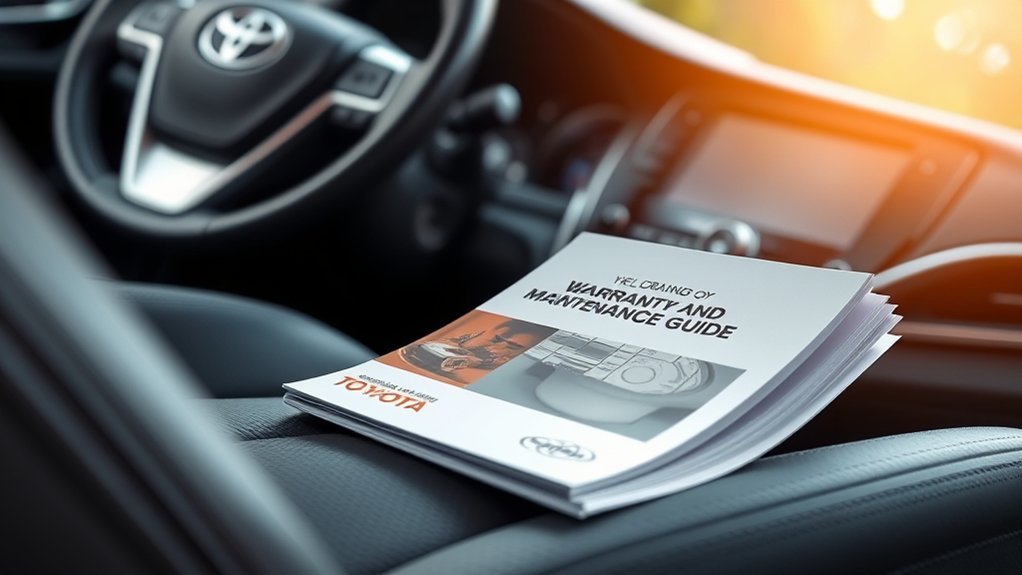
Your Toyota Camry warranty is designed to cover defects in materials or workmanship for covered Toyota-supplied components. It is not the same thing as a maintenance plan, and it does not cover every repair. Normal wear, routine maintenance, accident damage, abuse, neglect, improper repairs, and failures caused by certain modifications may be excluded.
For current U.S. warranty information, Toyota provides model-year-specific manuals and warranty documents through Toyota Owners Manuals and Warranties. Use your exact model year because coverage language can change.
| Coverage Type | Typical Coverage | What It Generally Covers |
|---|---|---|
| Basic Warranty | 36 months / 36,000 miles | Most Toyota-supplied components, excluding normal wear and maintenance items. |
| Powertrain Warranty | 60 months / 60,000 miles | Major covered powertrain components such as engine, transaxle or transmission-related components, and drive-system parts listed in your guide. |
| Hybrid System Warranty | 8 years / 100,000 miles | Hybrid-related components such as the hybrid control module, hybrid battery control module, and inverter with converter. |
| Hybrid Battery Warranty | 10 years / 150,000 miles for 2020-and-newer Toyota hybrids | The hybrid traction battery, subject to the terms and conditions of the New Vehicle Limited Warranty. |
| Corrosion Perforation | 60 months / unlimited miles | Rust-through perforation of original body panels, subject to exclusions. |
| Emissions Coverage | Varies by federal and state rules | Certain emissions components, with longer coverage for specific parts and states. |
Note: Warranty time and mileage limits usually use whichever comes first. A low-mileage Camry can still age out of warranty, and a high-mileage Camry can mileage out before the month limit.
[Products Worth Considering]

The ANCEL AD410 helps drivers quickly read and clear engine-related fault codes, view live data, and understand why the check engine light is on before heading to a repair shop. With built-in code definitions, readiness checks, and support for common OBD2 functions, it makes basic diagnostics straightforward for beginners and DIY users. Powered directly from the vehicle and easy to use with no app required, it offers practical value for everyday vehicle troubleshooting.
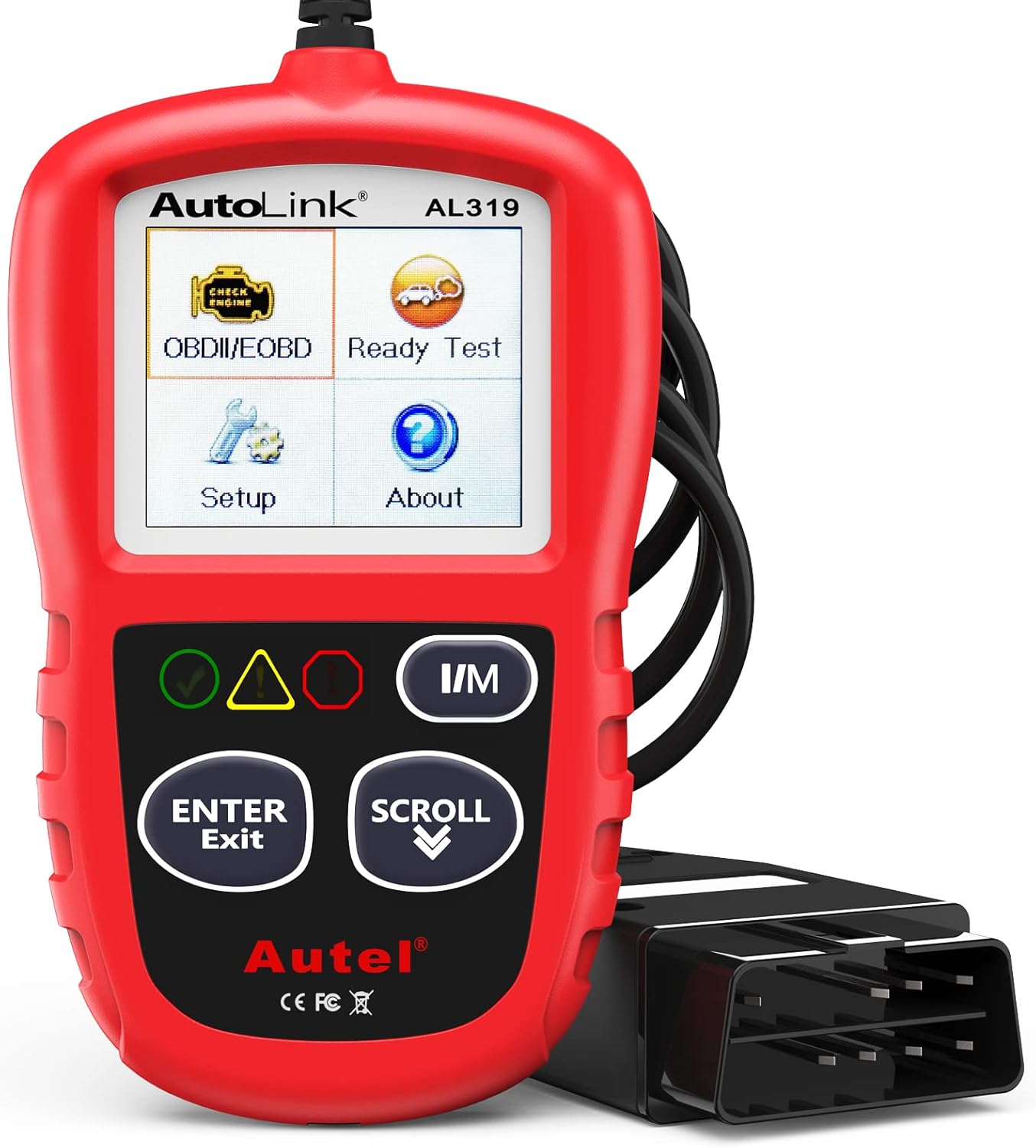
The Autel AL319 is a user-friendly OBD2 scan tool designed to help drivers quickly diagnose check engine light issues and understand vehicle fault codes. It supports reading and clearing DTCs, live data, freeze frame, I/M readiness, and vehicle information, making it a practical choice for DIYers and everyday car owners. With plug-and-play operation, a color display, built-in speaker, and broad vehicle compatibility, it delivers fast, reliable diagnostics without complicated setup.

This scissor car jack kit provides a dependable solution for emergency tire changes and roadside repairs. With a lifting range suited for low sedans and higher-body SUVs, it comes with essential tools like a ratchet wrench, lug wrench, gloves, tire pressure gauge, and storage bag for convenient use and transport. Built for stability and ease of operation, it is a practical all-in-one kit for cars, SUVs, and MPVs.
Powertrain and Hybrid Warranty Overview
The powertrain warranty is meant for major covered components that make the vehicle move, such as the engine and transaxle-related components listed in the Warranty & Maintenance Guide. For current hybrid Camry models, the guide separates powertrain coverage from hybrid system coverage and hybrid battery coverage.
For 2025-and-newer Camry models, Toyota moved the Camry lineup to an exclusively hybrid powertrain. That makes the hybrid warranty especially important for current buyers, while owners of older gasoline-only Camrys should follow the warranty guide for their model year.
The hybrid system warranty generally covers hybrid control electronics for 8 years or 100,000 miles. The hybrid battery warranty is longer for 2020-and-newer Toyota hybrid vehicles: 10 years from the original date of first use or 150,000 miles, whichever comes first.
Warning: Do not assume every warning light or battery issue is automatically covered. Physical damage, improper repairs, flood damage, neglect, or an excluded cause can still lead to a denied claim.
Key Benefits of Your ToyotaCare Maintenance Plan
ToyotaCare is Toyota’s no-cost maintenance and roadside assistance program for eligible new Toyota vehicles. For Toyota vehicle model years 2026 and earlier, ToyotaCare generally covers normal factory-scheduled maintenance for 2 years or 25,000 miles, whichever comes first. Toyota’s current ToyotaCare brochure states that MY27 ToyotaCare changes to 1 year or 10,000 miles, with 2026-and-earlier vehicles listed as an exception.
Covered ToyotaCare services are based on the factory maintenance schedule and may include items such as engine oil and filter service, tire rotation, multi-point inspection, and fluid inspection or adjustment when those items are due. ToyotaCare service is performed at participating Toyota dealers by Toyota-trained technicians using Toyota Genuine Parts.
Roadside assistance is also included for eligible ToyotaCare vehicles. Services can include battery jump starts, lockout protection, emergency fuel delivery, tire service using your inflated spare, towing, and winching, subject to ToyotaCare limits and exclusions. See the official ToyotaCare brochure for current terms.
Pro Tip: Create or sign in to a Toyota Owners account and add your VIN. That makes it easier to view manuals, service history, warranty resources, and recommended maintenance for your exact Camry.
[Products Worth Considering]
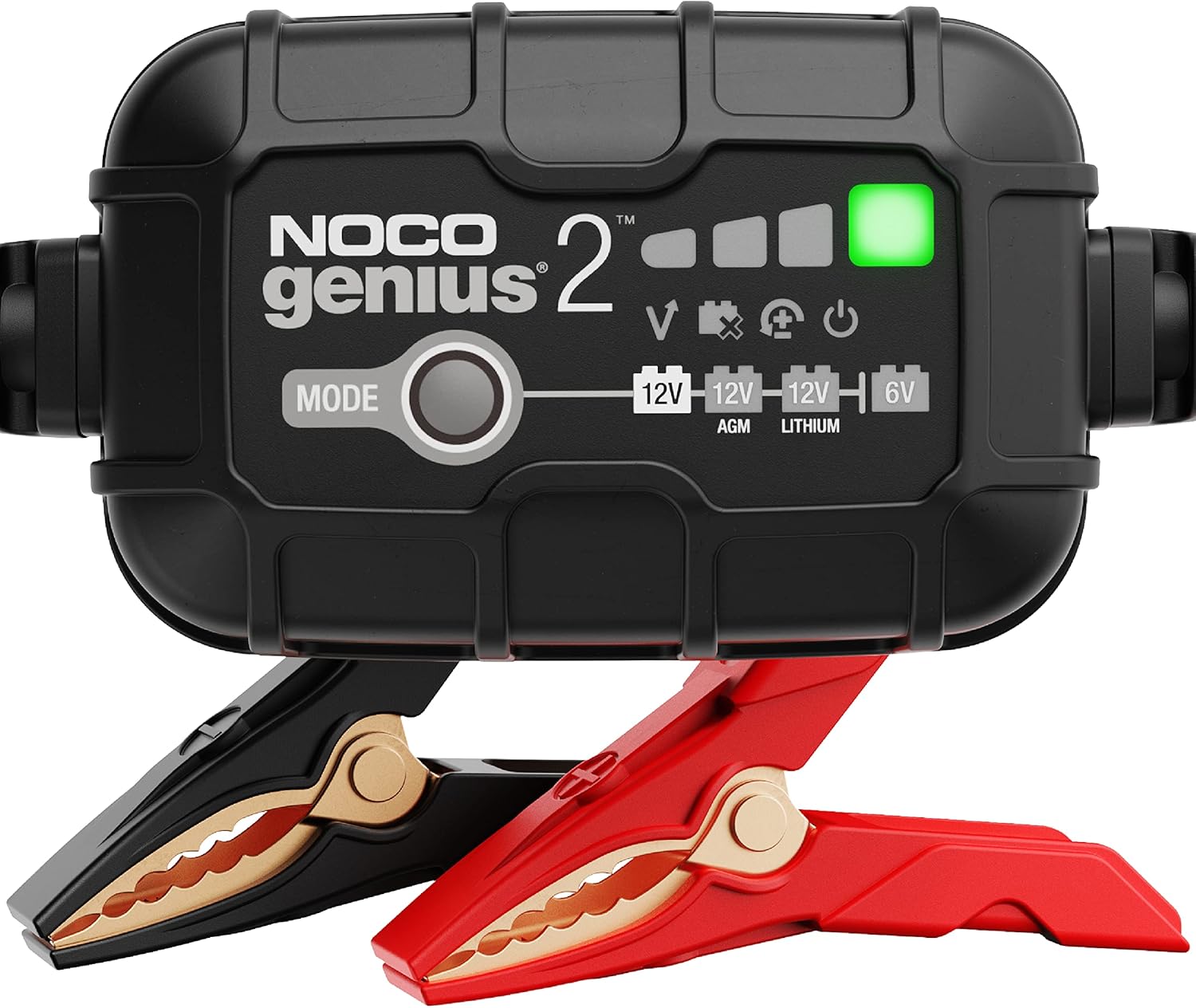
The NOCO GENIUS2 is a compact, all-in-one smart charger that automatically charges, maintains, and restores 6V and 12V lead-acid and lithium batteries. It features temperature compensation, overcharge protection, pulse desulfation, and Force Mode for reviving deeply discharged batteries, making it ideal for long-term battery care across many vehicle types. Designed for safe indefinite connection, it helps extend battery life and keep batteries ready to go.

This fully automatic 5 amp, 12 volt battery charger and maintainer delivers a complete charge and then switches to float mode to keep batteries ready without overcharging. Designed for lead acid, AGM, gel, and lithium applications, it includes smart safety features like reverse polarity detection, spark-proof connection, and adaptive charging for dependable everyday use. With compact construction and long cord reach, it’s a convenient solution for keeping cars, SUVs, trucks, and other vehicles powered up.
What’s the Deal With Accessories Warranty Coverage?

Toyota owners often personalize their vehicles with accessories that improve comfort, utility, appearance, or technology. Warranty coverage depends on whether the accessory is a Toyota Genuine Accessory, when it was purchased, and whether the accessory or its installation caused the problem.
| Accessory Type | Coverage Duration |
|---|---|
| Toyota Genuine Accessories purchased with a new vehicle | 36 months / 36,000 miles from the vehicle’s in-service date |
| Toyota Genuine Accessories purchased after new-vehicle purchase | 12 months from installation, regardless of mileage, or the remainder of applicable new-vehicle coverage, whichever is longer |
Normal wear and tear is not the same as a defect. Damage caused by improper installation, non-Genuine accessories, abuse, accident damage, or modifications may not be covered. Before adding electronics, wheels, suspension parts, or appearance accessories, keep receipts and installation documents in case a future claim requires proof.
Maintenance Schedule: How to Keep Your Camry Running Smoothly
Toyota recommends scheduled maintenance for the Camry every 5,000 miles or six months, whichever comes first. If you drive 5,000 miles before six months, service the car at 5,000 miles. If six months arrives before 5,000 miles, service it at six months.
| Interval | Common Camry Maintenance Items |
|---|---|
| Every 5,000 miles / 6 months | Rotate tires, inspect fluid levels, inspect wiper blades, check key safety items, and reset the maintenance reminder when service is complete. |
| Every 10,000 miles / 12 months under normal conditions | Replace engine oil and oil filter when specified by your guide, along with other scheduled inspections or replacements. |
| Every 5,000 miles / 6 months under listed special operating conditions | Replace engine oil and oil filter more often if your driving matches Toyota’s listed special operating conditions. |
| Higher-mileage services | Follow the guide for coolant, spark plugs, brake inspections, hybrid battery cooling intake filter service, AWD-related items if equipped, and other mileage-based work. |
Special operating conditions can include demanding driving patterns such as frequent dirt, dusty, muddy, salted, or snow-melt road use, towing or heavy loading where permitted, extensive idling, or other conditions listed in the guide. Not every Camry is designed for towing, so check your Owner’s Manual before towing or carrying heavy loads.
Warning: Skipping oil checks or oil changes can cause engine damage that is not covered by the New Vehicle Limited Warranty if the failure is tied to lack of maintenance.
Seasonal Maintenance Tips for Optimal Performance
Seasonal maintenance helps your Camry stay reliable when temperatures, road conditions, and driving demands change. Focus on tires, brakes, visibility, fluids, and the hybrid battery cooling intake area if your Camry is a hybrid.
Seasonal Tire Preparations
Check tire tread depth, air pressure, sidewall condition, and uneven wear before major temperature changes. Tire pressure can drop when the weather turns cold, and under-inflated tires can reduce fuel economy, handling, and tire life. Rotate tires at the scheduled interval and use tire sizes and pressure specifications listed on your vehicle placard and in the Owner’s Manual.
If you drive in snow or icy conditions, consider winter tires that fit your Camry’s specifications. All-season tires can work in mild conditions, but winter tires are designed to stay more flexible and provide better traction in colder weather.
Brake System Inspections
Inspect brake pads, rotors, lines, hoses, and brake fluid according to the maintenance schedule. Listen for squealing, grinding, vibration, or a longer stopping distance. Hybrid Camry models use regenerative braking, but the friction brakes still require inspection and service.
- Inspect brake pads and discs at scheduled intervals.
- Check for brake fluid leaks or a low fluid level.
- Schedule service if the brake pedal feels soft, spongy, or unusual.
- Do not ignore grinding noises; they can indicate metal-to-metal contact.
Fluid Level Checks
Regular fluid checks help prevent overheating, poor braking, steering issues, and other expensive problems. Key fluids include engine oil, engine coolant, inverter coolant where applicable, brake fluid, washer fluid, and other fluids listed in your Owner’s Manual.
Before winter, confirm that coolant protection is appropriate for your climate and keep windshield washer fluid full. Before summer, inspect coolant levels, air conditioning performance, and the radiator or condenser area for debris.
Note: On hybrid Camry models, keep the hybrid battery cooling intake area clean and unobstructed. A blocked intake can reduce cooling performance and may trigger warning messages.
Accessing Downloadable Manuals and Resources

Downloadable manuals are the best place to confirm your exact Camry’s warranty and maintenance requirements. Start with Toyota Owners Manuals and Warranties, then select your vehicle year and model or add your VIN.
- Use the Owner’s Manual for controls, warnings, tire pressure, fluids, and basic care.
- Use the Warranty & Maintenance Guide for coverage details and required service intervals.
- Use your Toyota Owners account to view service history and owner resources.
- For older Toyota models, Toyota notes that additional manuals may be available through the Toyota Technical Information System.
- Printed owner manual copies may be available through Helm.
Toyota Certified Used Vehicles: What You Should Know
A Toyota Certified Used Vehicle can add warranty protection beyond a typical used-car purchase. Toyota Certified Used Vehicles must pass a quality assurance inspection, and Toyota Certified Used Hybrids are tested to a higher hybrid-specific standard.
| Certification Level | Key Warranty Benefits |
|---|---|
| Gold Certified | 12-month/12,000-mile Limited Comprehensive Warranty, 7-year/100,000-mile Limited Powertrain Warranty, and 7-year/100,000-mile 24-hour roadside assistance. |
| Silver Certified | 12-month/12,000-mile Limited Powertrain Warranty and 12-month/12,000-mile 24-hour roadside assistance. |
Other Toyota Certified benefits can include a CARFAX Vehicle History Report, warranty coverage honored at Toyota dealers in the continental U.S. and Canada, travel protection, substitute transportation, and transferability at no cost. Review the current details at Toyota Certified Used Vehicle Warranty before buying.
How to Claim Your Warranty and Get Service
If you think a repair may be covered, gather the right information before your appointment. A clear record helps the service advisor understand the problem and helps you avoid delays.
Warranty Claim Process
- Confirm your vehicle details. Write down your VIN, mileage, in-service date if known, and model year.
- Check your coverage. Review your Warranty & Maintenance Guide and any ToyotaCare, Certified Used Vehicle, or extended plan documents.
- Document the issue. Save photos, videos, dashboard warning messages, noises, dates, and driving conditions.
- Schedule a Toyota service visit for covered warranty repairs. Warranty repairs are handled through Toyota’s service process, usually at an authorized Toyota dealership.
- Bring records. Bring receipts for oil changes, tire rotations, inspections, prior repairs, and accessory installation.
- Ask for the diagnosis in writing. If a claim is denied, ask which warranty exclusion applies and what evidence supports the denial.
- Escalate when needed. If you disagree, contact Toyota’s Brand Engagement Center or follow the dispute resolution steps listed in your warranty booklet.
A warranty claim is much easier when you can show what happened, when it happened, and how the vehicle was maintained.
Service Appointment Scheduling
For ToyotaCare maintenance, schedule service at a participating Toyota dealer so eligible no-cost maintenance can be applied correctly. For paid routine maintenance, you may use a Toyota dealership, independent mechanic, retail service chain, or do some maintenance yourself if it is performed correctly and documented.
The Federal Trade Commission explains that a warranty generally cannot be voided simply because maintenance or repair work was done by someone other than the dealer, or because a non-OEM part was used. However, a manufacturer may deny coverage if the failure was caused by improper maintenance, improper repair, or a part that caused the problem. You can read the FTC’s consumer guidance on warranty restrictions at FTC Consumer Advice.
Pro Tip: Keep a simple folder with service invoices, dates, mileage, oil type, tire rotations, inspections, and repair orders. If you sell the Camry, pass those records to the next owner.
Frequently Asked Questions
What is the recommended maintenance schedule for a Toyota Camry?
Toyota recommends scheduled maintenance every 5,000 miles or six months, whichever comes first. Normal-use oil and filter replacement is commonly listed at 10,000 miles or 12 months, while special operating conditions may require oil and filter replacement at 5,000 miles or six months.
What is the maintenance warranty on a Toyota Camry?
The Camry’s warranty and maintenance plan are different. Warranty coverage pays for approved covered defects during the warranty period. ToyotaCare is the no-cost maintenance plan for eligible new Toyota vehicles, and its length depends on model year.
How long is the Toyota Camry hybrid battery warranty?
For Toyota hybrid vehicles beginning with the 2020 model year, the hybrid battery warranty is 10 years from the original date of first use or 150,000 miles, whichever comes first. Coverage is subject to the terms in the New Vehicle Limited Warranty.
Does ToyotaCare cover every maintenance item?
No. ToyotaCare covers eligible normal factory-scheduled maintenance during the plan period. It does not cover every wear item, repair, fluid, tire, damage item, or service outside the plan terms. Review your ToyotaCare details and Warranty & Maintenance Guide.
Can I use an independent mechanic and keep my Toyota warranty?
Yes, routine maintenance may be performed by an independent shop or by you if it is done correctly and documented. A warranty claim can still be denied if improper maintenance, improper repair, or a part caused the failure.
Are Toyota Camry accessories covered by warranty?
Toyota Genuine Accessories purchased with a new vehicle are generally covered for 36 months or 36,000 miles from the in-service date. Toyota Genuine Accessories purchased after the new-vehicle purchase generally receive 12 months of coverage, or the remainder of applicable new-vehicle warranty coverage if longer.
What can cause a Toyota warranty claim to be denied?
Common reasons include expired time or mileage limits, normal wear, lack of maintenance, improper maintenance, accident damage, abuse, racing or overloading, flood or environmental damage, and failures caused by improper repairs or modifications.
Conclusion
Your Toyota Camry warranty and maintenance plan are most useful when you understand the difference between covered defects, routine maintenance, ToyotaCare services, and owner responsibilities. Start with your exact Warranty & Maintenance Guide, follow the 5,000-mile or six-month service rhythm, document every service, and act quickly when a warning light or covered issue appears. With the right records and the right schedule, you can protect your Camry, reduce surprise repair costs, and make ownership much easier.
Sources
- Toyota Owners Manuals and Warranties — official Camry manuals, warranty categories, accessory warranty, hybrid warranty, and certified-used coverage.
- Toyota 2025 Camry Warranty & Maintenance Guide — model-year-specific warranty terms, maintenance intervals, exclusions, and service log details.
- ToyotaCare Brochure — ToyotaCare maintenance, roadside assistance, model-year terms, and exclusions.
- Toyota Certified Used Vehicle Warranty — Gold and Silver Certified warranty benefits.
- Toyota USA Newsroom: 2025 Toyota Camry — current-generation Camry hybrid powertrain context.
- Federal Trade Commission Consumer Advice — consumer guidance on warranty restrictions, independent repairs, and third-party parts.