
Last updated: August 31, 2026
Toyota does not publish a fixed mileage for replacing Camry brake calipers. Keep a caliper in service while it remains dry, moves freely, releases the pads correctly, and produces even braking. Replace or rebuild it only after inspection confirms a fluid leak, seized piston or guide pin, damaged boot, cracked casting, overheating, dragging, or uneven pad wear. One model-specific exception matters: Toyota T-SB-0088-22 addresses front brake squeal on certain 2018–2022 Camry and Camry Hybrid vehicles, and Repair Procedure A for applicable 2018 vehicles instructs technicians to replace both front caliper assemblies. That bulletin is not a universal rule that every failed Camry caliper must be replaced in pairs. Use Toyota’s model-specific owner manuals and repair information for your exact vehicle.
Quick Answer
A Toyota Camry brake caliper has no scheduled replacement mileage, including no universal 100,000-mile replacement rule. Inspect it during brake service and replace or rebuild it only when diagnosis confirms leakage, binding, seizure, structural damage, or failure to release. A hard pull, brake-fluid wetness, a burning smell, one unusually hot wheel, or one pad wearing much faster than its mate needs prompt inspection. Follow any model-specific Toyota procedure that applies to your VIN.
Key Takeaways
- Camry calipers are condition-based parts, not scheduled mileage items.
- Pulling, fluid leakage, a burning smell, dragging, one hot wheel, or uneven pad wear can point to a sticking or failing caliper.
- A restricted brake hose, worn pads, rotor damage, a wheel bearing, or a parking-brake problem can mimic caliper failure.
- Visible hydraulic leakage, a sinking pedal, smoke, severe pull, or sharply reduced braking means you should stop driving and arrange a tow.
- Calipers do not universally require pair replacement. Inspect the opposite side, but follow model-specific Toyota procedures when they explicitly require both; T-SB-0088-22 Repair Procedure A is one example for applicable 2018 Camry and Camry Hybrid vehicles.
- Use the exact brake fluid, service procedure, and torque specifications for your Camry’s year, axle, powertrain, and brake design.
Warning: Brakes are safety-critical. Do not drive a Camry with visible brake-fluid leakage, a pedal that sinks or feels spongy, a wheel that is smoking or extremely hot, severe pulling under braking, sharply reduced braking, or a persistent red brake-system warning after the parking brake is fully released. Have the vehicle towed and inspected by a qualified technician when these symptoms are present.
How Long Do Toyota Camry Brake Calipers Last?
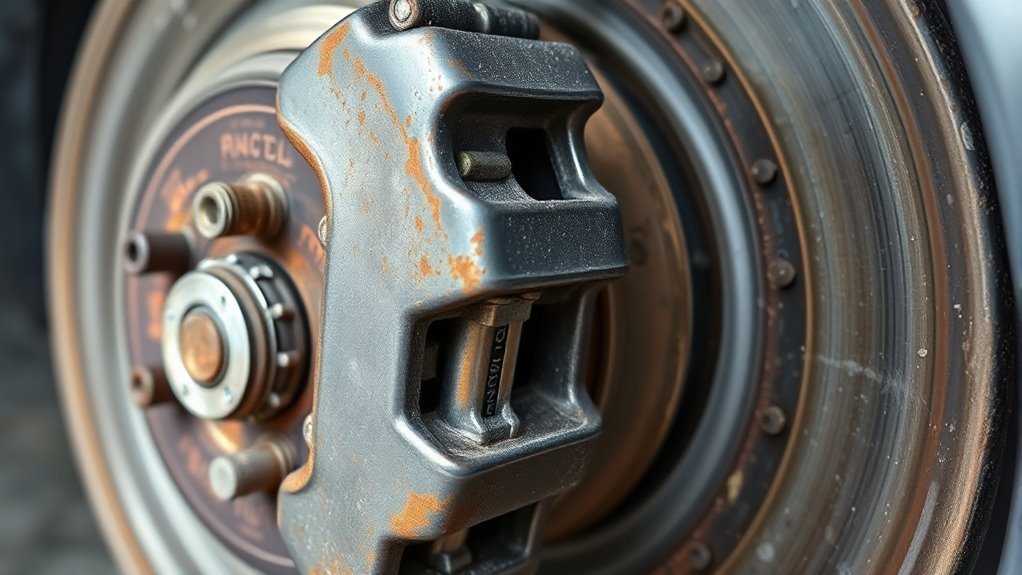
A Toyota Camry brake caliper can remain serviceable for many years, but Toyota does not give it a universal replacement mileage. The correct decision comes from condition: keep it if the piston and guide pins move correctly, the boots are intact, the casting is sound, and no fluid leaks or abnormal pad wear are present. For pad and rotor life separately, see the Toyota Camry brake system lifespan guide.
A caliper sits close to road water, brake dust, heat, winter salt, and vibration. Its piston seal, dust boot, bleeder screw, guide pins, and pin boots all affect operation. Corrosion, torn rubber, contaminated lubricant, or heat damage can stop the caliper from sliding or releasing normally.
The biggest factors that shorten caliper life are:
- Road salt and moisture: Corrosion can seize slide pins, bleeder screws, and piston surfaces.
- Overheated brakes: Long downhill braking, repeated hard stops, riding the brake pedal, or a dragging pad can overheat seals and grease.
- Improper or contaminated brake fluid: Federal Motor Vehicle Safety Standard No. 116 sets requirements for motor-vehicle brake fluid and is intended to reduce hydraulic-system failures caused by improper or contaminated fluid. Use the fluid specification and maintenance guidance for your exact Camry; the federal standard does not establish a Camry replacement interval. 49 CFR 571.116
- Torn rubber boots: A split piston boot or slide-pin boot lets water and grit in.
- Severely worn pads: Thin or metal-to-metal pads increase piston extension, heat, and the chance of rotor and caliper damage.
- Improper brake service: Wrong lubricant, reused sealing washers where new ones are required, loose hardware, or incomplete bleeding can create new problems.
Pro Tip: Inspect the guide pins and boots whenever the pads are serviced. Clean and lubricate the pins only with a rubber-safe, high-temperature brake lubricant approved by the service procedure for your exact Camry. Do not use general-purpose petroleum grease.
Top Signs a Camry Brake Caliper Is Failing
A failing Camry brake caliper usually shows up as uneven braking, heat, noise, or fluid loss. Some symptoms are obvious; others are easy to confuse with bad pads, rotors, hoses, bearings, parking-brake faults, or suspension problems.
| Symptom | Possible Caliper Cause | Also Check |
|---|---|---|
| Car pulls left or right when braking | One caliper is sticking, seized, or applying uneven force | Brake hose, tire pressure, alignment, suspension, pads, rotor |
| One wheel is much hotter than the others | Caliper piston or slide pins are not releasing | Restricted brake hose, parking brake, wheel bearing |
| Brake-fluid wetness near the caliper | Piston seal, bleeder screw, hose fitting, or banjo bolt leak | Brake hose, sealing washers, hard line, master-cylinder level |
| One inner or outer pad wears faster | Frozen slide pins or a sticking piston | Pad hardware, bracket rust, rotor surface |
| Clunking, scraping, or rhythmic noise | Loose hardware, uneven pad contact, or seized slider | Pad clips, caliper bracket, rotor shield, wheel bearing |
| Soft or sinking brake pedal | Possible fluid leak or air after hydraulic work | Master cylinder, brake lines, ABS actuator, all four corners |
What Can the Pad-Wear Pattern Tell You?
Pad wear helps narrow the diagnosis, but it does not identify one failed part by itself. One pad wearing much faster can point to guide-pin, bracket, hardware, or piston movement problems. Both pads wearing rapidly at one wheel can point to a brake that stays applied because of a sticking piston, restricted hose, or parking-brake fault.
Brake-fluid wetness around the caliper requires tracing the highest wet point before replacing the caliper. The leak may start at the bleeder screw, hose, banjo connection, hard line, or piston seal. If recent brake work was performed, also rule out spilled fluid before condemning a component.
A light squeak by itself does not prove the caliper is bad. Brake noise can come from pad material, rust on the rotor, missing shims, or worn hardware. A caliper becomes more suspect when noise appears with heat, pulling, dragging, fluid leakage, or uneven pad wear.
Quick Urgency Check: Is It Safe to Drive With a Bad Caliper?
Driving safety depends on the symptom, not the mileage. If the only symptom is a light noise, pedal feel and stopping performance remain normal, and there is no brake warning, abnormal heat, leak, smoke, or pulling, a short cautious trip to a repair shop may be reasonable. Stop immediately if any of those conditions appear. A leaking, dragging, smoking, or severely pulling brake can overheat the rotor and fluid, damage nearby parts, and reduce vehicle control.
| What You Notice | What to Do |
|---|---|
| Visible brake-fluid leak, wet caliper, or falling fluid level | Do not drive. Tow it. |
| Brake pedal sinks, feels spongy, or needs extra travel | Do not drive. Tow it. |
| Strong burning smell, smoke, or one wheel extremely hot | Stop driving and let the brakes cool safely. Tow it. |
| Vehicle pulls hard when braking | Avoid driving. Tow or get mobile service. |
| Persistent red brake warning after the parking brake is released | Stop and diagnose the warning before continuing normal driving. |
| Light noise only, normal pedal and stopping, no warning, heat, leak, smoke, or pull | A short cautious trip to a shop may be reasonable. Leave extra stopping distance and stop if anything changes. |
Note: If a brake warning remains on after the parking brake is fully released, use your Camry owner’s manual to identify the warning and next steps. See the Toyota Camry brake warning light guide for a focused diagnostic overview, and confirm model-specific information through Toyota Owners Manuals and Warranties.
How to Inspect Camry Calipers and Guide Pins: Step-by-Step
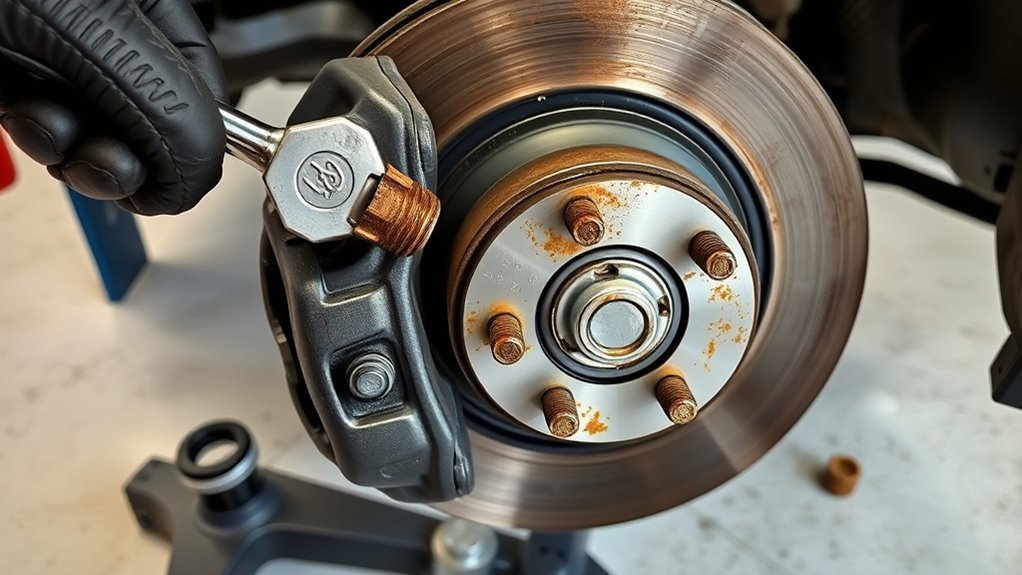
Start with a visual inspection before buying parts. You are looking for leaks, uneven pad wear, binding slide pins, damaged boots, cracked castings, and signs of overheating.
At a Glance
| Time Required | Varies by axle, corrosion, access, and whether hydraulic work is needed |
| Difficulty | Moderate for a visual inspection; advanced for hydraulic repair and brake bleeding |
| Tools Needed | Jack stands, wheel chocks, lug wrench, socket set, flashlight, gloves, eye protection, and a torque wrench |
| Stop and Refer | Use model-specific service information before disconnecting a hose, retracting an electronic parking brake, or opening the hydraulic system |
- Park safely. Work on a level surface, shift to Park, and chock the wheels. Before rear brake work, release the parking brake and follow the exact electronic parking brake service procedure if your Camry uses one.
- Lift and support the Camry. Use the correct lift points and support the vehicle with jack stands. Never rely on a jack alone.
- Remove the wheel. Keep lug nuts together and inspect the inside of the wheel for brake-fluid spray or unusual dust.
- Check pad wear. Compare inner and outer pads. A much thinner inner pad can point to slide-pin, bracket, hardware, or piston movement problems.
- Look for leaks. Inspect the caliper piston boot, bleeder screw, brake hose connection, banjo bolt area, and nearby hard line.
- Inspect rubber boots. Torn dust boots and slide-pin boots let moisture enter and can lead to corrosion.
- Check slide-pin movement. Remove the caliper from the bracket only if you are comfortable doing brake work. Support the caliper securely; never let its weight hang from the flexible brake hose. The pins should move smoothly, not grind, bind, or stick.
- Inspect the rotor. Blue spots, heavy grooves, cracking, or one-sided rust can indicate overheating or uneven pad contact.
- Compare wheel temperature safely. After a short, gentle drive, an infrared thermometer can help identify one wheel running much hotter than the matching wheel on the same axle. Heat alone does not prove the caliper is bad; a restricted hose, parking brake, or wheel bearing can also create heat. Never touch the rotor or caliper.
Warning: Brake dust can contain hazardous fine particles, and some brake components may contain asbestos. EPA guidance for home mechanics says not to clean brakes with compressed air, dry rags or brushes, a garden hose, or an ordinary wet/dry vacuum without HEPA filtration. Use an appropriate dust-control cleaning method, wear eye protection and gloves, and avoid breathing brake dust. EPA brake and clutch repair guidance
Replace One Caliper or Both? Safety and Performance Trade-Offs
Brake calipers do not have one universal Camry rule requiring pair replacement every time. Replacing only one confirmed failed caliper can be appropriate when the opposite caliper is dry, structurally sound, moves freely, produces even pad wear, and no model-specific Toyota procedure says otherwise. Pads and rotors, however, should be serviced in axle sets when replacement is required.
Replace or service both calipers on the axle when inspection or the applicable repair procedure shows a shared problem, such as:
- Both calipers leak, bind, or have damaged piston boots.
- Both brackets have seized guide pins or severe corrosion.
- The opposite caliper fails movement, leakage, or pad-wear checks.
- A matched remanufactured or upgraded set is required by the repair plan.
- A Toyota service procedure or bulletin specifically calls for both sides.
Do not replace the second caliper only to chase an unexplained pull. A restricted hose, contaminated pad, tire problem, alignment fault, suspension issue, or incomplete bleeding can also cause uneven braking. Compare pad wear on both sides and inspect the rotor, bracket, clips, and hose before ordering parts. For Camry-specific pad-removal and inspection context, see the Toyota Camry front brake pad replacement guide.
[Products Worth Considering]

This 32-piece impact socket set is built for demanding automotive repairs, garage maintenance, and repeated use with impact tools. The deep 6-point design helps resist fastener rounding while the CR-V steel construction and corrosion-resistant finish support reliable torque performance. With both SAE and metric sizes, plus extension accessories and a storage case, it offers a practical all-in-one solution for organized repair work.

Bosch QuietCast premium ceramic rear brake pads are engineered for quiet, reliable stopping power with low dust performance. Featuring pre-attached multilayer shims, corrosion-resistant backing plates, and OE-style slots and chamfers, this set is designed for smooth fitment and long-lasting durability. It includes pads for one axle, plus hardware and lubricant where available, making installation easier for compatible Lexus, Pontiac, and Toyota vehicles.

This Yuirote universal car motor diagnostic tool helps drivers quickly detect engine fault codes and identify system issues for routine inspections and maintenance. It also supports electronic parking brake reset and emergency release functions, making it useful for handling EPB-related problems without a repair shop visit. Its compact, ergonomic design and broad vehicle compatibility make it a practical choice for car owners and DIY repair enthusiasts.
Does Toyota Have a Camry Caliper TSB?
Yes. Toyota T-SB-0088-22 covers certain 2018–2022 Camry and Camry Hybrid vehicles that may develop a front brake squeal or squeak. The bulletin does not prescribe the same repair for every covered vehicle. Repair Procedure A for applicable 2018 vehicles calls for replacement of both front brake caliper assemblies. Repair Procedure B calls for replacement of front fitting-kit components rather than automatic replacement of both calipers. Confirm the bulletin’s VIN, production, and repair-procedure applicability before ordering parts. A squeal by itself does not prove that an otherwise unrelated Camry has two failed calipers. Toyota T-SB-0088-22 via NHTSA
Rebuild or Replace the Caliper?
A professional may rebuild a caliper when the casting and bore are serviceable and the correct seal kit and procedure are available. Replacement is usually the more practical choice when the casting is cracked, the bleeder is damaged, corrosion is severe, the piston or bore is pitted, or a complete remanufactured unit offers a safer and more predictable repair.
Before ordering parts, confirm compatibility by VIN, model year, axle, powertrain, brake package, hose connection, bracket design, and rear parking-brake system. Toyota directs owners to model-specific manuals, while Toyota’s Technical Information System provides service publications. Toyota Technical Information System
What Changes by Camry Model Year, Hybrid System, and Rear Brake Design?
Camry brake hardware and service procedures vary by generation and configuration. Front and rear calipers can use different brackets, pistons, hose fittings, and torque values. Some rear systems require an electronic parking brake service mode, and hybrid brake-control systems may use model-specific bleeding or initialization procedures.
- Match parts by VIN: Do not rely only on “Toyota Camry” or the model year printed on a parts listing.
- Check the rear parking brake: Confirm whether your Camry has an electronic parking brake and whether the repair requires a pad-replacement or service mode. See the Camry electric parking brake guide for system context.
- Use the correct bleeding procedure: ABS and hybrid brake-control layouts can change the required sequence and equipment.
- Check Toyota bulletins: Model-year-specific conditions can change the prescribed repair, as T-SB-0088-22 demonstrates.
- Check recalls by VIN: NHTSA’s lookup shows unrepaired safety recalls for a specific vehicle. NHTSA Recalls Lookup
Caliper Replacement Checklist for Camry: Tools, Parts, and Precautions
Caliper replacement is more than unbolting one part and bolting on another. You are opening the hydraulic brake system, so cleanliness, correct torque, fresh specified fluid, and complete bleeding matter.
[Products Worth Considering]
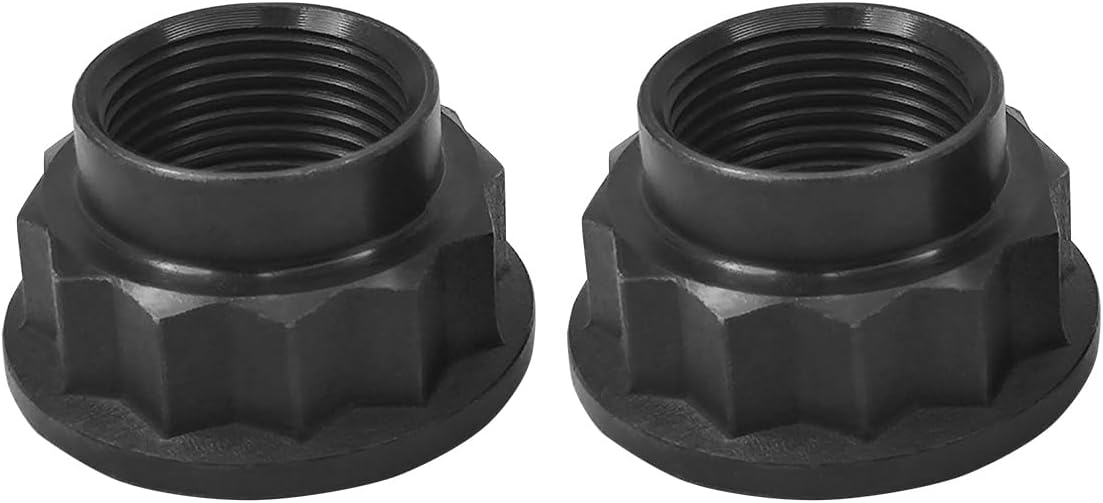
This pair of front axle shaft nuts is designed to secure CV joints and wheel bearings on compatible Toyota and Lexus front drive axles. Built from heat-treated carbon steel for durability and corrosion resistance, it helps maintain proper torque and reliable power transfer. It is a direct replacement for several factory part numbers and is recommended for paired replacement.

This brake caliper compression tool helps make disc brake pad replacement and caliper servicing faster, safer, and more controlled. Its universal ratcheting design supports multi-angle operation in tight wheel spaces, while the sturdy steel build and widened contact plate help reduce slipping and uneven force during maintenance. Two caliper hooks are included to simplify solo brake work and keep components organized.
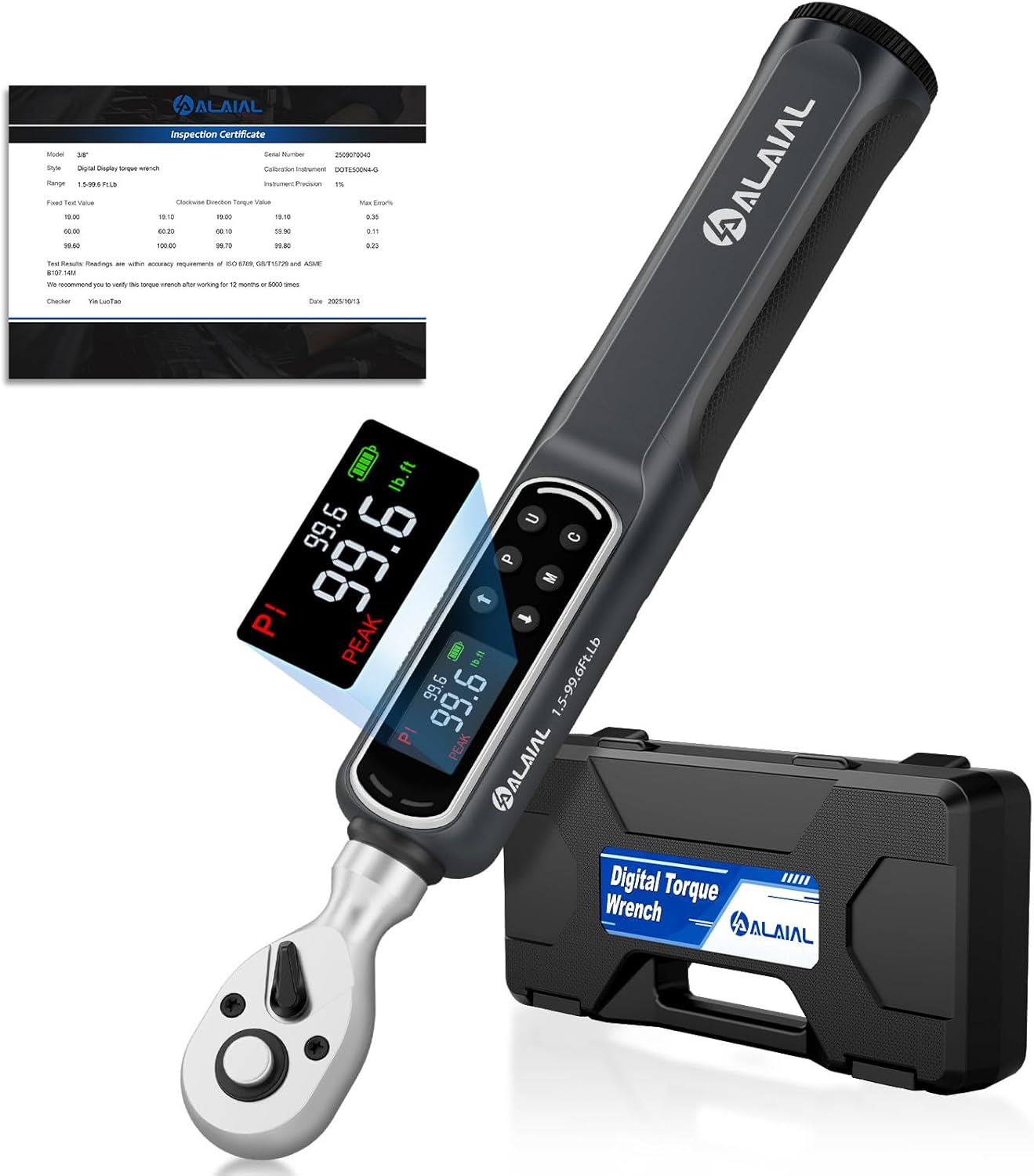
This digital torque wrench delivers precise fastening across a wide torque range with strong accuracy, making it a reliable choice for automotive, motorcycle, and general repair work. Its LED display, buzzer, and vibration alerts help prevent overtightening, while PEAK and TRACE modes plus preset memory and data logging add control and consistency for repeat jobs. Built for comfort and durability, it includes a storage case and batteries for ready-to-use convenience.
Necessary Tools List
- Floor jack, jack stands, and wheel chocks
- Lug wrench or impact tool for wheel removal
- Ratchet, sockets, and wrenches sized for your Camry
- Brake line wrench to reduce the chance of rounding hydraulic fittings
- Torque wrench matched to the required torque range
- Brake bleeder bottle, clear hose, or pressure/vacuum bleeder
- Brake cleaner, clean rags, and a drain pan
- Rubber-safe caliper lubricant specified for the guide pins and boots
- Gloves and eye protection
Required Parts Checklist
- Correct left/right caliper for your Camry year, axle, and trim
- New copper or sealing washers for banjo-bolt connections, if used and required by the procedure
- Correct brake fluid for your exact vehicle
- Brake pads if worn, tapered, contaminated, or heat-damaged
- Rotors if below specification, grooved, cracked, heavily rusted, or overheated
- Brake hardware clips, abutment clips, and slide-pin boots if worn
- Brake hose if cracked, swollen, internally restricted, or leaking
Use the brake fluid listed for your exact Camry in the owner’s manual or repair information. Toyota’s Genuine Brake Fluid information says the product is made to OEM specifications and that usage should follow the applicable vehicle manual. Do not infer one universal Camry fluid-change interval from the fluid product page. For the interval question specifically, see the Camry brake fluid change interval guide. Toyota Genuine Brake Fluid
Safety and Preparation
Before loosening a brake line, make sure the replacement caliper is correct. Compare the mounting ears, piston count, hose connection, bleeder-screw location, and left/right orientation. The bleeder screw must sit high enough to let trapped air escape during bleeding.
Preparation steps:
- Read the service procedure for your exact year and axle.
- Confirm whether the rear brakes require electronic parking brake service mode.
- Check the brake-fluid reservoir and surrounding area for contamination.
- Keep the reservoir from running dry during the repair.
- Cap or control open brake lines to reduce fluid loss and contamination.
- Use new sealing washers where required.
- Clean any brake fluid from painted surfaces immediately.
Note: Some Camry rear brake jobs require a specific electronic parking brake or pad-replacement mode procedure. Do not force the rear piston back without confirming the correct procedure for your model and equipment.
After Replacement: Bleed Brakes, Torque Specs, and Verify Performance
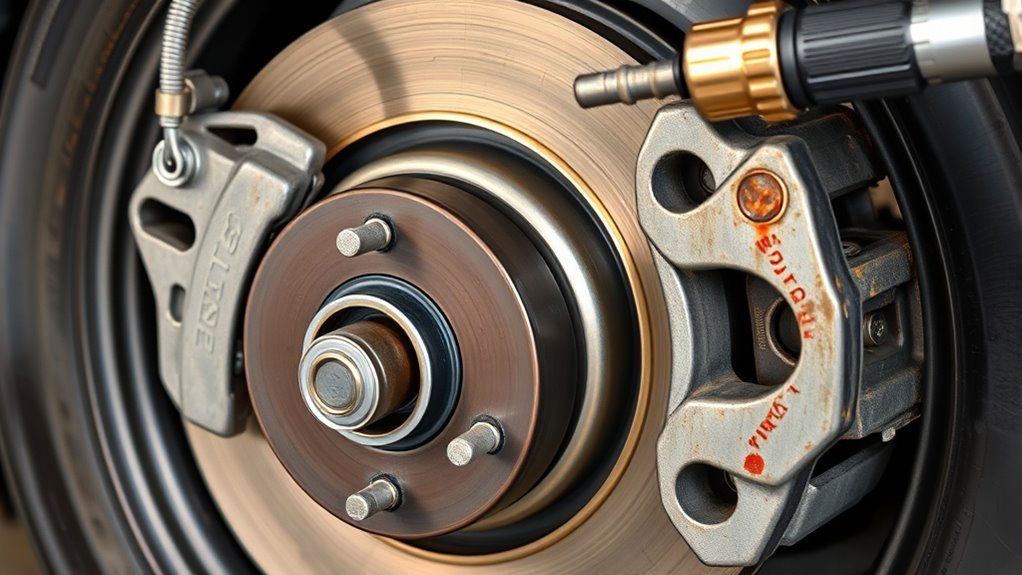
After installing a caliper, bleed the system with the procedure specified for your exact Camry. Keep the reservoir at the correct level, prevent it from running dry, and continue only until trapped air is removed. Some ABS or hybrid configurations may require model-specific steps or diagnostic equipment, so do not substitute a generic bleeding sequence.
Do not rely on a generic torque number. Caliper slide-pin bolts, bracket bolts, banjo bolts, bleeder screws, brake-line fittings, and wheel lug nuts all use different torque specs. Use the exact Toyota repair information or a professional service manual for your Camry’s year, axle, drivetrain, and fastener.
A safe caliper replacement is not finished when the part is bolted on. It is finished when the system is bled, leak-free, torqued correctly, and the pedal is firm before the car moves.
Use this verification checklist before normal driving:
- Check fluid level. Fill to the correct level with the specified brake fluid.
- Bleed the system. Follow the correct sequence and procedure for your Camry.
- Confirm pedal feel. The pedal should feel firm and should not sink under steady pressure.
- Inspect for leaks. Check the bleeder screw, hose fitting, banjo bolt, line connection, and piston boot area.
- Torque all fasteners. Use exact specifications for every brake fastener and lug nut.
- Reinstall wheels correctly. Tighten lug nuts in the correct pattern to the specified torque.
- Test at low speed. Roll forward slowly and apply the brakes gently before entering traffic.
- Listen and feel. Stop if you notice grinding, severe pull, vibration, smoke, soft pedal, or warning lights.
- Recheck after the test drive. Look again for leaks and abnormal heat at the repaired corner.
If you replaced pads or rotors at the same time, follow the pad manufacturer’s bedding procedure when one is specified. Bedding helps establish an even friction layer on the rotor and can reduce noise or uneven braking feel.
[Products Worth Considering]
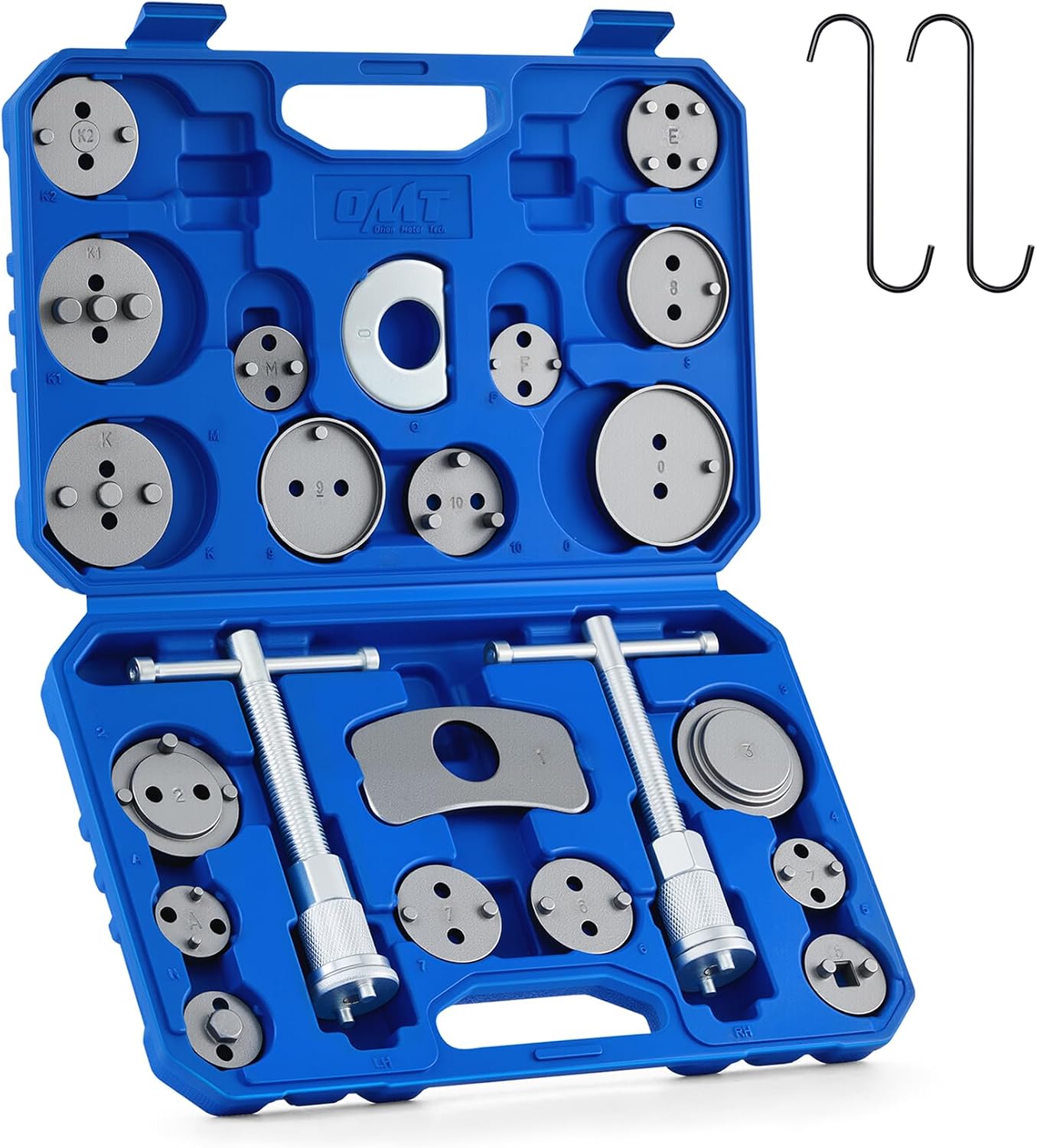
This 24-piece brake caliper compression tool set helps you quickly and safely rotate pistons back into the caliper during brake pad service. It includes multiple adapters, retaining plates, thrust bolt assemblies, and hangers for broad vehicle compatibility, while the heavy-duty steel construction and organized storage case make it ideal for reliable shop or home repairs.

This brake caliper compression tool makes brake pad replacement faster by retracting single, dual, or quad pistons with minimal effort. Built for compatibility across many cars, trucks, ATVs, UTVs, and SUVs, it delivers strong pressing power for efficient maintenance. The durable aluminum alloy and steel construction, along with organized EPE foam storage, help keep it protected and ready for repeated use.

The DEWALT 20V MAX XR 1/2-inch high torque impact wrench delivers powerful fastening and breakaway performance for demanding jobs like wheel lugs, pipe flanges, and anchor setting. Its 4-mode control, variable speed trigger, and precision wrench mode help improve accuracy and reduce overtightening, while the on-tool LED light boosts visibility in dark work areas. Built with a brushless motor, battery guard, and durable housing, it is designed for tough jobsite use.
Frequently Asked Questions
How long do Toyota Camry brake calipers last?
Toyota does not publish a universal mileage for replacing Camry brake calipers. Keep a caliper while it remains leak-free, releases normally, has intact boots, and produces even pad wear. Replace or rebuild it when inspection confirms leakage, seizure, binding, structural damage, or persistent overheating.
What are the clearest signs of a bad Camry brake caliper?
The strongest clues are brake-fluid wetness at the caliper, a piston or guide pin that will not move correctly, one wheel running much hotter than its mate, severe pulling, dragging after pedal release, or one pad wearing much faster than the other. Diagnose the hose, rotor, bearing, hardware, and parking brake before blaming the caliper.
Can I drive with a sticking Camry brake caliper?
Do not keep driving if the wheel is very hot, the car pulls hard, you smell burning, see smoke, notice fluid leakage, see a persistent brake warning, or the pedal feels soft or sinks. Those symptoms can reduce braking and damage the rotor or fluid. Arrange a tow. A light noise without heat, leakage, pulling, warning lights, or pedal changes still needs prompt inspection.
Do Camry brake calipers need to be replaced in pairs?
There is no universal Camry rule requiring both calipers to be replaced every time. One confirmed failed caliper can be replaced when the opposite side is dry, moves freely, shows even wear, and no applicable Toyota procedure requires both. One important exception is Toyota T-SB-0088-22 Repair Procedure A, which instructs replacement of both front caliper assemblies on applicable 2018 Camry and Camry Hybrid vehicles covered by that procedure.
Can a brake hose mimic a sticking caliper?
Yes. An internally restricted hose can trap hydraulic pressure and keep a brake applied even when the caliper itself can still move. A qualified technician can compare mechanical movement and hydraulic pressure before replacing parts. Do not open a brake line unless you can safely contain the fluid, bleed the system, and verify the brakes afterward.
What brake fluid should I use after replacing a Camry caliper?
Use only the brake fluid specified for your exact Camry model year and brake system in the owner’s manual or repair information. Keep the fluid clean, use a properly sealed container, and never substitute mineral oil or silicone DOT 5 fluid unless the vehicle specification explicitly requires it.
Should I replace Camry brake calipers at 100,000 miles?
No universal 100,000-mile replacement rule applies to Toyota Camry brake calipers. Mileage can justify a careful inspection, especially in severe corrosion or heat conditions, but replacement should be based on leakage, binding, seizure, damaged boots, abnormal pad wear, overheating, structural damage, or a model-specific Toyota repair procedure.
Does Toyota have a brake-caliper TSB for the Camry?
Yes. Toyota T-SB-0088-22 covers certain 2018–2022 Camry and Camry Hybrid vehicles with front brake squeal or squeak. For applicable 2018 vehicles under Repair Procedure A, Toyota calls for both front caliper assemblies to be replaced. Repair Procedure B uses front fitting-kit components instead, so confirm the VIN, production details, and applicable procedure before replacing parts.
Conclusion
Toyota Camry brake calipers do not have a fixed replacement mileage or a universal 100,000-mile replacement rule. Inspect them by condition and diagnose the entire brake corner before buying parts. Leakage, binding, dragging, severe pulling, uneven pad wear, or one abnormally hot wheel can point to a caliper problem, but hoses, bearings, rotors, hardware, and parking-brake components can create similar symptoms.
Stop driving when you see fluid leakage, smoke, severe pulling, sharply reduced braking, a persistent brake warning with abnormal braking, or a soft or sinking pedal. For any replacement, use the correct VIN-matched part, model-specific Toyota service information, specified brake fluid, exact torque values, complete bleeding procedure, and a low-speed verification before entering traffic. If a 2018–2022 Camry or Camry Hybrid has the front-brake squeal condition described in T-SB-0088-22, check the bulletin’s exact applicability before deciding whether the repair requires calipers or fitting-kit components.
Sources
- Toyota Owners Manuals and Warranties — official owner-manual lookup for Toyota vehicles.
- Toyota Technical Information System — Toyota service information, repair manuals, technical service bulletins, and wiring information.
- Toyota T-SB-0088-22: Front Brake Squeal/Squeak Noise — Toyota bulletin covering certain 2018–2022 Camry and Camry Hybrid vehicles and the applicable front-brake repair procedures.
- Toyota Genuine Brake Fluid — OEM brake-fluid information and manual-guided usage note.
- 49 CFR 571.116, Motor Vehicle Brake Fluids — federal DOT brake-fluid requirements and contamination warnings.
- EPA Brake and Clutch Repair Guidance — brake-dust exposure and cleaning guidance for technicians and home mechanics.
- NHTSA Recalls Lookup — check a vehicle by VIN for open safety recalls.



[…] smell, smoke, pulling, or one wheel that appears to be overheating can point to a dragging brake or a sticking Camry brake caliper. A soft or sinking pedal, fluid leakage, or a red brake warning light suggests a hydraulic or […]