Last updated: September 1, 2026
If your Toyota Camry’s AC smells musty, start by noting when the odor appears: only at startup, mainly in fresh-air mode, mainly in recirculation mode, or throughout the drive. Then inspect the cabin air filter, cowl intake, passenger-side carpet, and evaporator drainage. Moisture and debris around the evaporator are common odor sources, but wet carpet, weak airflow, poor cooling, electrical smells, or mechanical noises point to a problem that deodorizer will not fix.
Quick Answer
A musty Toyota Camry AC smell usually points to retained moisture or odor around the evaporator, a dirty or damp cabin air filter, cowl debris, poor condensate drainage, or moisture inside the cabin. Start with the filter, cowl, carpet, and drain pattern. For 2007–2017 Camry and Camry Hybrid models, Toyota bulletin T-SB-0010-20 also recommends parking in fresh-air mode and using a charcoal-impregnated HVAC filter. If the odor returns quickly or appears with wet carpet, weak airflow, poor cooling, or electrical or mechanical symptoms, book an HVAC diagnosis.
Diagnosis Shortcut
| What You Notice | Most Useful First Check |
|---|---|
| Musty smell mainly at startup | Cabin filter, evaporator moisture, and cowl debris |
| Odor stronger in fresh-air mode | Cowl intake and outside contamination |
| Odor stronger in recirculation mode | Cabin sources, filter, blower housing, and HVAC case |
| Wet passenger-side carpet | Condensate drain and water-intrusion diagnosis |
| Weak airflow with a clean filter | Blower, air-door, duct, or evaporator restriction |
| Poor cooling, burnt odor, or mechanical noise | Professional HVAC diagnosis rather than deodorizer |
Key Takeaways
- A musty odor commonly points to evaporator condensation, organic debris, filter contamination, or trapped cabin moisture.
- Toyota bulletin T-SB-0010-20 applies to 2007–2017 Camry and Camry Hybrid vehicles, not every Camry model year.
- The 2024 Camry maintenance guide starts cabin-filter replacement at 10,000 miles or 12 months. Toyota’s odor bulletin for covered 2007–2017 Camrys also uses an annual or 10,000-mile interval but specifically calls for a charcoal-impregnated filter.
- Do not spray household disinfectants, bleach, ammonia, vinegar mixtures, or unapproved aerosols into the HVAC system.
- Wet carpet, weak airflow, poor cooling, burnt odors, or unusual noises need diagnosis rather than deodorizer.
At a Glance
| Best First Checks | Odor pattern, cabin filter, cowl debris, carpet moisture, and drain behavior |
| DIY Scope | Filter and intake inspection; leave uncertain drain or evaporator access to a qualified shop |
| Useful Supplies | Correct cabin air filter, gloves, flashlight, microfiber cloth, label-approved automotive HVAC refresher |
| Stop DIY Work If | You find wet carpet, electrical odor, poor cooling, damaged wiring, or difficult drain access |
How this guide was checked: Updated September 1, 2026 against Toyota’s HVAC Odor Maintenance bulletin T-SB-0010-20, the 2024 Camry Warranty & Maintenance Guide, Toyota’s A/C refresher-kit listing, EPA/CDC moisture and cleaning guidance, and the official California HVAC settlement site.
What’s in This Guide
- Why a Camry AC smells musty
- How to identify the odor before cleaning
- How humidity affects the HVAC system
- DIY odor-removal steps
- Cabin air filter intervals and warning signs
- When professional service is needed
- Settlement and recall information
- How to prevent the smell from returning
- Frequently asked questions
Why Does Your Toyota Camry AC Smell Musty?
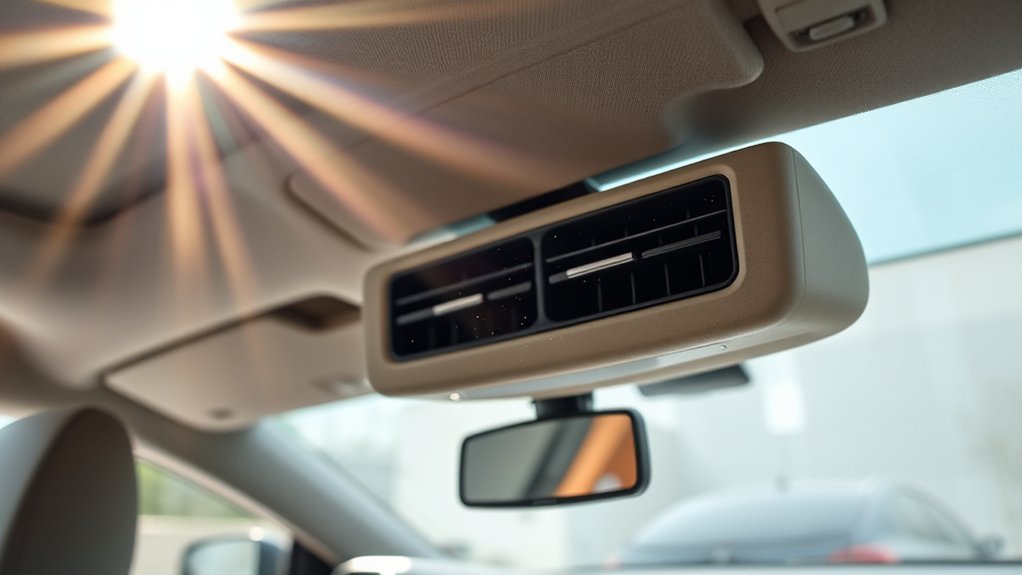
A musty Toyota Camry AC smell usually begins when moisture and odor-carrying debris remain around the evaporator, filter, intake, or HVAC case. Toyota bulletin T-SB-0010-20 applies to 2007–2017 Camry and Camry Hybrid vehicles. Toyota says odors from inside and outside the vehicle can accumulate in the HVAC system and may be released as the evaporator changes temperature. The bulletin is intended to reduce odor intensity, not guarantee permanent elimination. Review the Toyota HVAC Odor Maintenance bulletin through NHTSA.
- Moisture on the evaporator: The evaporator becomes cold while the AC runs, so water condenses on its surface. Odor can develop when the surface stays damp and collects dust or organic material. The EPA identifies moisture control as the central step in limiting mold growth: EPA mold guidance.
- Dirty or damp cabin air filter: A contaminated filter can hold pollen, leaves, dust, and odor. A heavily restricted filter can also reduce vent airflow.
- Debris near the fresh-air intake: Leaves, seed pods, dirt, and other material can collect around the cowl at the base of the windshield and affect air entering the system.
- Restricted evaporator drain: Condensation should leave the HVAC case through a drain. Repeatedly poor drainage combined with damp passenger-side carpet can indicate a restriction.
- Cabin water or moisture: Wet mats, door-seal leaks, moonroof-drain problems, spills, or damp carpet can make air from the vents smell musty. See the Camry windshield fogging and cabin-moisture guide for related checks.
- Odors trapped while parked: Air fresheners, pets, food, trash, smoke residue, and outside odors can collect within the HVAC system and become noticeable at startup.
Model-Year Note: Toyota bulletin T-SB-0010-20 is specific to 2007–2017 Camry and Camry Hybrid models; do not apply its filter or cleaning instructions automatically to newer Camrys. Filter access and maintenance schedules vary by year, so confirm the procedure in the owner’s manual for your exact vehicle. For an older model, see the site’s 2000 Camry vent-odor and cabin-filter guide.
What Type of AC Odor Does Your Camry Have?
Confirm the smell before treating the HVAC system. A damp or mildew-like odor follows a different diagnostic path from coolant, electrical, fuel, exhaust, or cleaner-related odors.
| Smell Pattern | Possible Source | First Action |
|---|---|---|
| Musty, damp, or stale | Evaporator moisture, dirty filter, cowl debris, wet carpet, or poor drainage | Inspect the filter, intake, carpet, and drain behavior |
| Sweet smell or greasy windshield film | Possible coolant or heater-core leak | Check coolant level only when safe and arrange inspection |
| Burnt plastic or electrical smell | Possible blower, resistor, connector, or wiring problem | Turn the HVAC system off and have the electrical system checked |
| Fuel or exhaust-like smell | Outside contamination or a possible vehicle leak | Ventilate the cabin and stop driving if the odor persists or occupants feel unwell |
| Strong chemical smell after cleaning | Cleaner residue, excessive product, or incomplete ventilation | Follow the product label and ventilate before occupying the car |
Note: A musty odor alone does not prove that visible mold is present inside the vents. Wet carpet, old debris, cabin residue, pets, food, and outside odors can produce a similar smell.
Use the air mode as a clue: If the smell becomes stronger in fresh-air mode, inspect the cowl and outside intake path first. If it is stronger in recirculation mode, focus on cabin sources, the filter, blower housing, and HVAC case. This comparison does not identify the source by itself, but it can narrow the first inspection area.
How Does Humidity Make a Camry AC Smell Worse?
Humidity can make a musty odor stronger because evaporator condensation and damp cabin materials dry more slowly. Coastal, rainy, and humid conditions can therefore make the smell more noticeable after the car sits.
The 2024 Toyota Camry Warranty & Maintenance Guide lists cabin air filter replacement at 10,000 miles or 12 months and again at later scheduled intervals, including 20,000 miles or 24 months. That schedule applies to the 2024 Camry and should not be treated as the interval for every model year. Inspect the filter sooner when airflow falls, the filter becomes damp, or a strong odor develops.
For odor concerns on the 2007–2017 Camry models covered by bulletin T-SB-0010-20, Toyota recommends a charcoal-impregnated HVAC filter annually or every 10,000 miles. The interval is similar to the 2024 schedule, but the bulletin is older-model odor guidance and specifically calls for a charcoal-impregnated filter.
To reduce retained moisture in humid conditions:
- Switch to fresh-air mode before parking when weather and outside air quality allow.
- Turn the AC compressor off and run the fan for 2–5 minutes near the end of the drive.
- Remove leaves and debris from the cowl area below the windshield.
- Dry wet mats, carpet, seats, and cargo materials promptly.
- Investigate repeated passenger-side dampness instead of repeatedly replacing the filter.
How Do You Remove a Musty Smell From a Camry AC?
Start with inspection and moisture control. A clean filter and dry HVAC case may solve a mild startup odor. A smell that returns within days usually needs a closer drain, evaporator, or water-leak inspection.
Warning: Do not spray household disinfectants, bleach, ammonia, vinegar mixtures, or random aerosols into the vents or intake unless the label specifically authorizes automotive HVAC use. Follow product directions, use adequate ventilation, and never mix cleaning products. See CDC cleaning and disinfecting guidance and EPA ventilation guidance for cleaning products.
[Products Worth Considering]

EPAuto CP134 is a premium cabin air filter designed to help keep the air inside your vehicle cleaner and fresher. It includes activated carbon to help reduce odors and support a more comfortable ride for drivers and passengers. Built as a replacement option for many Honda and Acura models, it offers broad compatibility and dependable cabin air filtration.
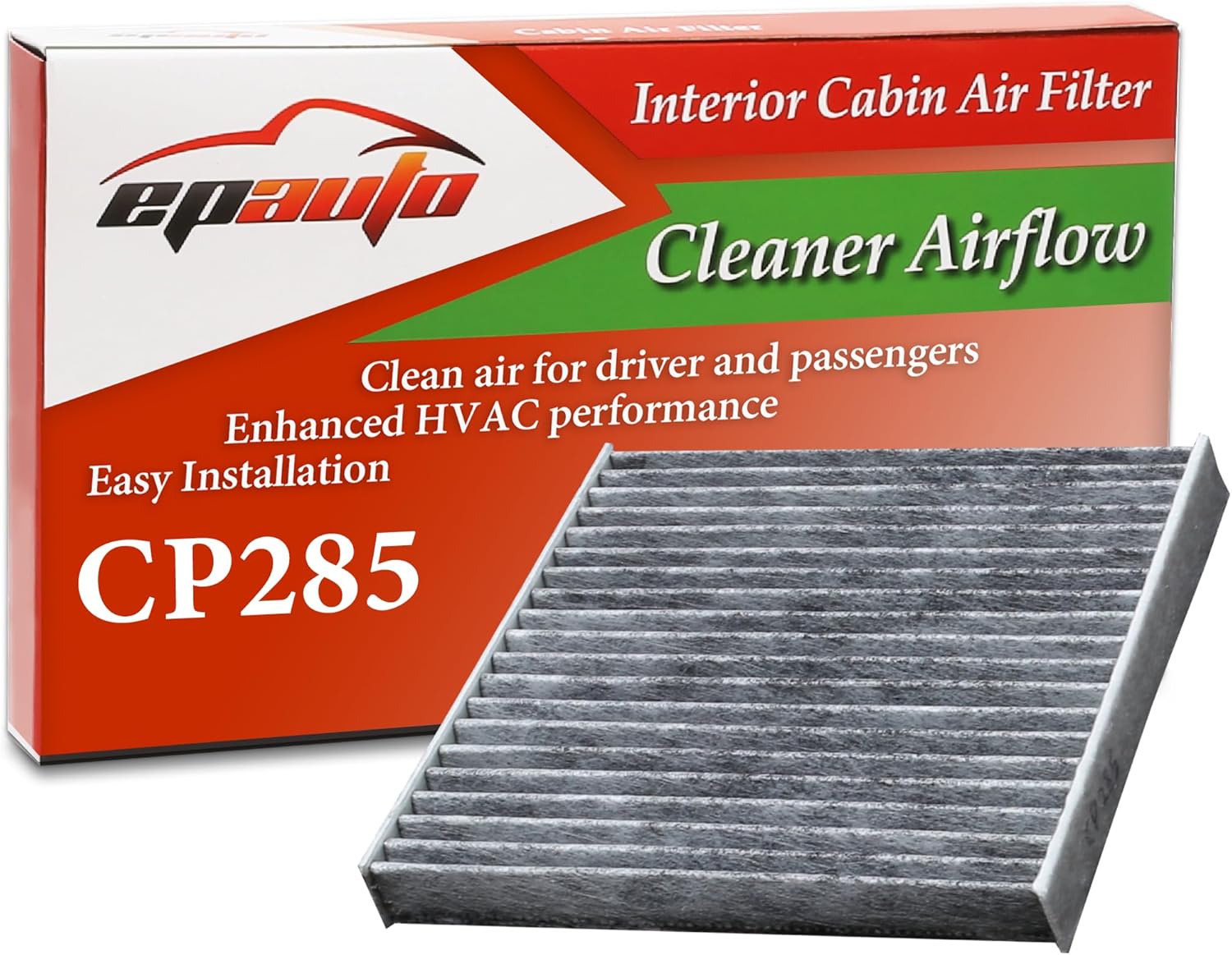
EPAuto CP285 premium cabin air filter helps keep the vehicle interior air cleaner by trapping dust and supporting fresh airflow through the HVAC system. It includes activated carbon and soda to help reduce odors while promoting better cabin comfort for drivers and passengers. Designed as a replacement filter for a wide range of compatible vehicles, it is recommended to replace it regularly for consistent performance.

This cabin air filter with activated carbon helps improve in-cabin air quality by trapping dust, pollen, and other airborne contaminants while reducing unwanted odors. Designed as a replacement for a wide range of Honda and Acura vehicles, it offers broad fitment coverage and reliable compatibility. It is an easy maintenance upgrade for fresher, cleaner airflow through the vehicle's climate system.
Step 1: Replace or Inspect the Cabin Air Filter
The cabin air filter is a practical first check when your Camry has a serviceable filter. On many models, it is behind the glove box. Turn the vehicle off, remove items from the glove box, lower it according to the owner’s manual, open the filter cover, and slide out the filter without forcing the housing.
Replace the filter if it is heavily coated with dust, packed with leaves, damp, damaged, or musty. Match the airflow arrow on the replacement filter to the marking on the filter housing. A charcoal or activated-carbon filter may reduce odors better than a basic particulate filter, but it will not correct a blocked drain or wet evaporator.
Use the normal maintenance schedule for your model year. The 2024 Camry guide starts cabin-filter replacement at 10,000 miles or 12 months. For 2007–2017 Camrys covered by Toyota’s odor bulletin, the odor-specific recommendation is a charcoal-impregnated filter annually or every 10,000 miles; the bulletin lists Toyota high-performance charcoal filter part number 87139-50100 for the covered Camry models.
Step 2: Dry the Evaporator After Using AC
Near the end of a drive, turn the AC button off but keep the fan running in fresh-air mode for 2–5 minutes. This practical routine can help remove some residual moisture from the evaporator and ducts. It will not repair a blocked drain, cabin leak, or contaminated evaporator.
Pro Tip: Toyota’s odor bulletin for covered 2007–2017 Camry models recommends selecting outside or fresh-air mode when parking to reduce odors trapped in the HVAC system.
Step 3: Clean the Fresh-Air Intake Area
Turn the car off and inspect the cowl at the base of the windshield near the wipers. Remove loose leaves, pine needles, seed pods, and other visible debris by hand or with a suitable vacuum. Do not force screwdrivers, wire, or sharp tools into intake openings or drains.
Retest the system after cleaning. Use fresh-air mode first, then compare the odor in recirculation mode. A smell that changes with the selected mode can help identify whether the source is near the outside intake or deeper in the HVAC case.
Step 4: Use an Automotive HVAC Refresher if the Smell Remains
If filter replacement, intake cleaning, and the dry-out routine do not solve the odor, consider a label-approved automotive HVAC treatment or professional evaporator cleaning. Toyota lists a Toyota Genuine Air Conditioning System Refresh Kit, part number 00289-ACRKT. Toyota’s parts page warns that the kit contains hazardous materials. For covered 2007–2017 Camrys, bulletin T-SB-0010-20 says persistent odor may be treated with a Toyota genuine A/C refresher kit or equivalent on an annual or bi-annual basis, depending on climate and customer preference.
Application methods differ by product. Use only the intake opening, drain access, fan setting, contact time, protective equipment, and ventilation procedure stated on the label. Do not assume that a product should be sprayed directly into dashboard vents or applied through the drain. Have a qualified shop perform the service when access or instructions are unclear. For a deeper, procedure-focused explanation, see the site’s Camry evaporator-cleaning guide.
Step 5: Check for a Restricted Evaporator Drain
After extended AC use in warm, humid weather, condensation will often drip below the vehicle. A lack of visible dripping during one check does not prove that the drain is blocked. The amount of water depends on humidity, temperature, AC run time, and where the car is parked.
Suspect a restriction when little or no drainage repeatedly occurs after long AC use and the passenger-side carpet, HVAC case, or insulation becomes damp. Do not aggressively probe the drain with sharp tools. Incorrect access can damage the hose, evaporator, or HVAC case.
If cooling is also poor, use the site’s Camry AC cooling and airflow troubleshooting guide to separate odor maintenance from a refrigeration, blower, or airflow fault.
If your issue is a straightforward musty smell with normal cooling and airflow, the site’s Camry musty-smell DIY fix guide covers the cleaning sequence in more detail. This page focuses on diagnosing the source and deciding when the odor is no longer a basic maintenance issue.
What Should You Record Before Booking Service?
A short symptom record helps a technician reproduce the odor and inspect the correct area.
- Whether the odor appears only at startup or continues throughout the drive.
- Whether it is stronger in fresh-air mode or recirculation mode.
- Whether it occurs with the AC on, with fan-only airflow, or in both conditions.
- Whether vent airflow and cooling remain normal.
- Whether condensation repeatedly drains beneath the car after humid-weather AC use.
- Whether the passenger carpet, mats, trunk, or seat bases feel damp.
- When the cabin filter was last replaced and whether any cleaner was recently applied.
Ask the shop to document the filter condition, cowl debris, evaporator-drain flow, carpet moisture, blower-housing contamination, cooling performance, and the odor result after cleaning.
What About Vinegar or Lysol?
Vinegar can be used on some removable cabin surfaces when the surface manufacturer permits it, but it is not a complete evaporator-cleaning process. Applying it through the HVAC system can leave residue or a persistent vinegar odor.
Do not spray Lysol, another household disinfectant, or any aerosol into the intake or vents unless its label specifically permits that automotive HVAC application. Use a product designed and labeled for the vehicle system, or arrange professional evaporator cleaning.
How Do You Confirm That the Fix Worked?
Ventilate the cabin after cleaning and run the blower in fresh-air mode as directed by the product label. Remove any temporary air freshener, let the car sit overnight, and retest it the next morning. Check the odor at startup, with fan-only airflow, with the AC on, and in both fresh-air and recirculation modes.
A fragrance that hides the smell for a few hours is not a confirmed repair. The original odor should remain absent after the cleaner fragrance has faded and after the vehicle has completed another normal cooling cycle.
How Often Should You Replace a Camry Cabin Air Filter?
Follow the maintenance guide for your exact Camry year because the interval can differ by generation. The 2024 Camry maintenance guide lists cabin air filter replacement at 10,000 miles or 12 months and again at later scheduled intervals. For odor concerns on covered 2007–2017 Camrys, Toyota bulletin T-SB-0010-20 recommends a charcoal-impregnated filter annually or every 10,000 miles.
Inspect or replace the filter sooner when it is damp, damaged, heavily contaminated, visibly packed with debris, or associated with weak airflow and a recurring odor.
| Symptom | What It May Mean | What To Do |
|---|---|---|
| Weak airflow from vents | Filter restriction or another airflow fault | Inspect the filter and compare airflow at each fan speed |
| Musty smell when the fan starts | Filter, evaporator, intake, or duct odor | Inspect the filter, dry the evaporator, and clean the intake |
| Windows fog easily | Restricted airflow or excess cabin moisture | Check the filter, carpet, mats, seals, and drains |
| Leaves or dark debris on the filter | Cowl debris entering the intake path | Replace the filter and clean the cowl area |
| Odor returns within days | Evaporator contamination, drain restriction, or water intrusion | Arrange evaporator, drain, and leak inspection |
[Products Worth Considering]

The ANCEL AD410 PRO combines engine diagnostics and 12V battery testing in one easy-to-use tool, helping you read and clear check engine codes while checking battery health, cranking, and charging performance. It also provides live data, freeze frame details, and I/M readiness checks to help you diagnose issues faster and prepare for emissions testing. With plug-and-play operation, a clear screen, and broad vehicle compatibility, it is a practical solution for home mechanics and everyday drivers.
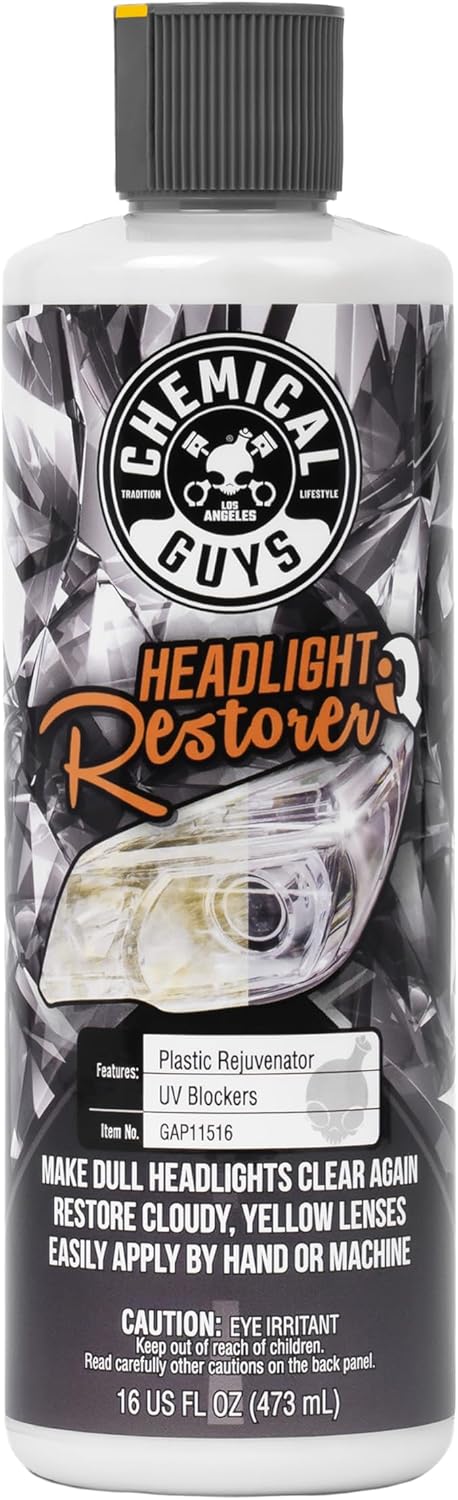
Chemical Guys Headlight Restore & Protect is an all-in-one solution designed to clean, restore, and shield cloudy plastic lenses for better clarity and safer nighttime driving. It removes yellowing, haze, oxidation, and light surface marks while leaving a durable protective layer that helps resist future fading and discoloration. Suitable for headlights, taillights, fog lights, and turn signals, it delivers quick, easy results by hand or machine.

[Vehicle Fitment]: Replacement for Toyota: Avalon (2019-2022), Camry (2018-2025), Corolla (2019-2025), Corolla Cross (2022-2025), CROWN (2023-2024), C-HR (2018-2022) [IMPORTANT: Fits Japan Built Models ONLY, VIN starts with 'J'],Highlander (2020-2025), Prius (2016-2025), Prius AWD-E (2019-2022), Prius Prime (2017-2024), RAV4 (2019-2025), RAV4 Prime (2021-2024), Sienna (2021-2025), Venza (2021-2024), Grand Highlander (2024-2025), GR Corolla (2023-2025).
When Does a Camry AC Odor Need Professional Service?
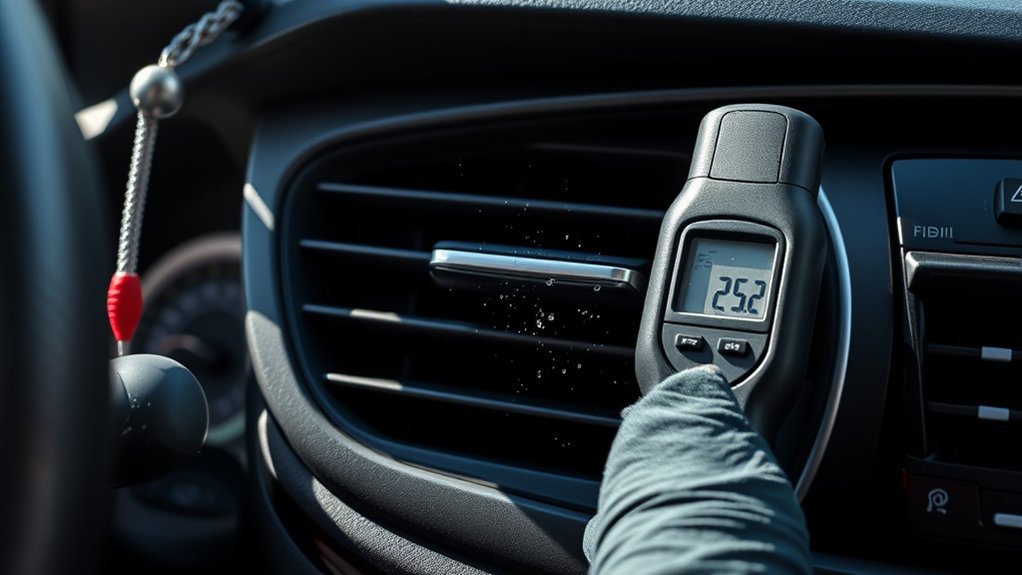
Book professional service when basic maintenance does not produce a lasting improvement or when the odor appears with moisture, cooling, airflow, electrical, or mechanical symptoms.
| Symptoms | Likely Concern | Next Steps |
|---|---|---|
| Persistent odor after filter replacement | Evaporator or HVAC-case contamination | Request evaporator cleaning and source diagnosis |
| Wet passenger carpet | Restricted AC drain or water intrusion | Have the drain and body-leak sources inspected |
| Reduced airflow with a clean filter | Blower, duct, evaporator, or air-door issue | Ask for airflow and blower-system testing |
| Grinding, squealing, or repeated clicking | Blower motor, debris, or actuator problem | Stop repeated testing and obtain diagnosis |
| AC no longer cools properly | Possible refrigerant, compressor, condenser, sensor, or control fault | Diagnose the cooling problem instead of applying deodorizer |
| Burnt-plastic or electrical odor | Possible overheated connector, resistor, motor, or wiring | Turn the HVAC system off and arrange prompt inspection |
[Products Worth Considering]

And Vehicle Specific

[Vehicle Fitment-1]: Compatible with Toyota Camry 2007-2017, Highlander 2008/2010-2013/2017-2019, Highlander 2009 L4 2.7L (For vehicle built in Japan), Highlander 2009 V6 3.5L (Base Model; Limited; Sport; For vehicle built in Japan), Highlander 2014-2016 L4 2.7L, Highlander 2014-2016 V6 3.5L (LE; LE Plus; Limited; XLE)
Toyota Camry Smell Lawsuit and Recall Check
A class action settlement addressed alleged HVAC odor issues in certain 2012–2015 Toyota Camry XV50 vehicles purchased or leased in California. The case is Alfred Salas et al. v. Toyota Motor Sales, U.S.A., Inc., Case No. 2:15-cv-08629-HDV-E. Toyota denied the allegations and agreed to settle without the court deciding which side was correct.
The official site says the court issued final orders and final judgment approving the settlement on January 8, 2025. As of September 1, 2026, the claim deadline for all covered model years has passed; the last listed deadline was May 31, 2026 for certain post-May 31, 2024 expenses on 2014–2015 subject vehicles. Check the official Toyota California HVAC Settlement website for current case information.
The settlement does not establish that every Camry odor is covered, nor does it mean that every musty AC smell is a vehicle defect. Settlement coverage is also separate from a safety recall. Use the NHTSA VIN recall lookup to check recall status for a specific vehicle.
Note: This article provides general maintenance and public settlement information, not legal advice. Eligibility, benefits, deadlines, and case status are controlled by the official settlement documents.
How Do You Prevent the Musty Smell From Returning?
Use a short end-of-drive routine to reduce retained moisture instead of waiting for a strong odor to return.
- Switch from recirculation to fresh-air mode near the end of the drive when outside conditions allow.
- Turn the AC compressor off and keep the fan running for 2–5 minutes.
- Remove wet items, spilled liquids, and damp mats from the cabin.
- Check the cowl for visible leaves or debris before parking under trees for long periods.
- Do not mask a returning odor with strong fragrance. Recheck the filter, carpet, drainage, and evaporator.
A new cabin filter can remove trapped debris, but lasting odor control also depends on keeping the evaporator, intake, drain, and cabin materials dry.
Long-Term Camry HVAC Maintenance Schedule
Use the following table as a practical inspection rhythm. The owner’s manual and maintenance guide for your exact model year remain the controlling sources for scheduled replacement.
| Task | Practical Timing | Why It Helps |
|---|---|---|
| Inspect cabin air filter | During routine service or when odor or weak airflow appears | Finds dampness, leaves, dust, and restriction early |
| Replace cabin air filter | Follow the exact model-year schedule; for 2024, replacement starts at 10,000 miles/12 months; use odor-bulletin guidance only where applicable | Restores filtration and removes contaminated material |
| Run fan-only dry-out | After AC use when humidity and odor are recurring problems | Helps reduce residual evaporator moisture |
| Clean cowl and intake area | When leaves, pollen, or visible debris collect | Reduces organic material entering the intake path |
| Use approved evaporator service | When basic cleaning does not produce lasting odor improvement | Targets contamination deeper in the HVAC case |
| Check for leaks or damp carpet | Whenever odor returns quickly or windows fog repeatedly | Identifies moisture sources outside the evaporator |
Frequently Asked Questions
How do I remove a musty smell from my Toyota Camry AC?
Inspect or replace the cabin air filter, remove debris from the fresh-air intake, check the cabin for damp carpet, and run the fan with the AC off for 2–5 minutes before parking. If the odor returns quickly, arrange evaporator, drain, and water-leak inspection.
Why does my Camry AC smell musty only when I first turn it on?
The first airflow can release odor that accumulated on the evaporator, filter, intake, or ducts while the car was parked. The smell may fade as fresh air moves through the system, but a recurring startup odor still indicates a source that should be cleaned or dried.
Does a musty AC smell mean my Camry has mold?
Not necessarily. A musty smell can come from evaporator moisture, organic debris, a damp filter, wet carpet, food, pets, smoke residue, or outside odors. Visible contamination, persistent dampness, or occupant symptoms should be assessed rather than diagnosed from smell alone.
How often should I replace the cabin air filter in a Toyota Camry?
Follow the maintenance guide for your exact model year. The 2024 Camry guide starts cabin-filter replacement at 10,000 miles or 12 months and lists it again at later scheduled intervals. For odor concerns on the 2007–2017 Camrys covered by Toyota bulletin T-SB-0010-20, Toyota recommends a charcoal-impregnated filter annually or every 10,000 miles.
Can I spray Lysol or vinegar into my car AC vents?
Do not apply household disinfectants, vinegar mixtures, or random aerosols through the vents or intake unless the product label specifically permits automotive HVAC use. Use a label-approved automotive HVAC product or arrange professional evaporator cleaning.
How do I know if the Camry evaporator drain is clogged?
A single lack of visible dripping does not confirm a clog. A restriction is more likely when drainage remains absent after repeated extended AC use in humid weather and the passenger carpet or HVAC case becomes damp. Have the drain cleared from the correct access point.
What is the Toyota Camry smell lawsuit?
The term commonly refers to the Salas v. Toyota settlement involving alleged HVAC issues in certain 2012–2015 Camry XV50 vehicles purchased or leased in California. Toyota denied the allegations and agreed to settle. As of September 1, 2026, the official site says the claim deadline for all covered model years has passed.
Does Toyota bulletin T-SB-0010-20 apply to my Camry?
It applies to 2007–2017 Toyota Camry and Camry Hybrid models in the U.S. market. Do not automatically apply its charcoal-filter or refresher-kit guidance to newer Camrys; use the maintenance and repair information for your exact model year.
When should I take my Camry to a mechanic for AC odor?
Arrange professional service when the odor returns soon after filter replacement, the passenger carpet is wet, airflow remains weak, the AC does not cool properly, or the HVAC system produces grinding, clicking, squealing, burnt-plastic, electrical, coolant, fuel, or exhaust-like odors.
Conclusion
A musty Toyota Camry AC smell usually calls for a filter inspection, cowl check, cabin-moisture check, and evaporator dry-out before stronger treatment. Use the odor pattern to narrow the source: startup-only odor points you toward retained HVAC odor, while wet carpet, weak airflow, poor cooling, electrical smells, or mechanical noises call for diagnosis. Confirm your model year before applying Toyota bulletin or maintenance instructions.
If the odor returns after an overnight retest, ask a technician to inspect the evaporator, drain flow, blower housing, cowl, carpet, and cooling performance. Do not keep applying fragrance or cleaner when the system has wet carpet, weak airflow, poor cooling, mechanical noise, or an electrical smell.
Sources
- Toyota 2024 Camry Warranty & Maintenance Guide — cabin air filter replacement starting at 10,000 miles or 12 months for the 2024 Camry.
- Toyota HVAC Odor Maintenance Bulletin T-SB-0010-20 via NHTSA — 2007–2017 Camry applicability, odor causes, fresh-air mode, charcoal-filter, and evaporator-cleaning guidance.
- Toyota Genuine Air Conditioning System Refresh Kit — part number and safety information.
- U.S. EPA Mold Resources — moisture-control guidance.
- CDC Cleaning and Disinfecting Guidance — product-label and cleaning-safety guidance.
- Official Toyota California HVAC Settlement Website — settlement scope, approval, deadlines, and current status.
- NHTSA Recall Lookup — VIN-based recall checks.