
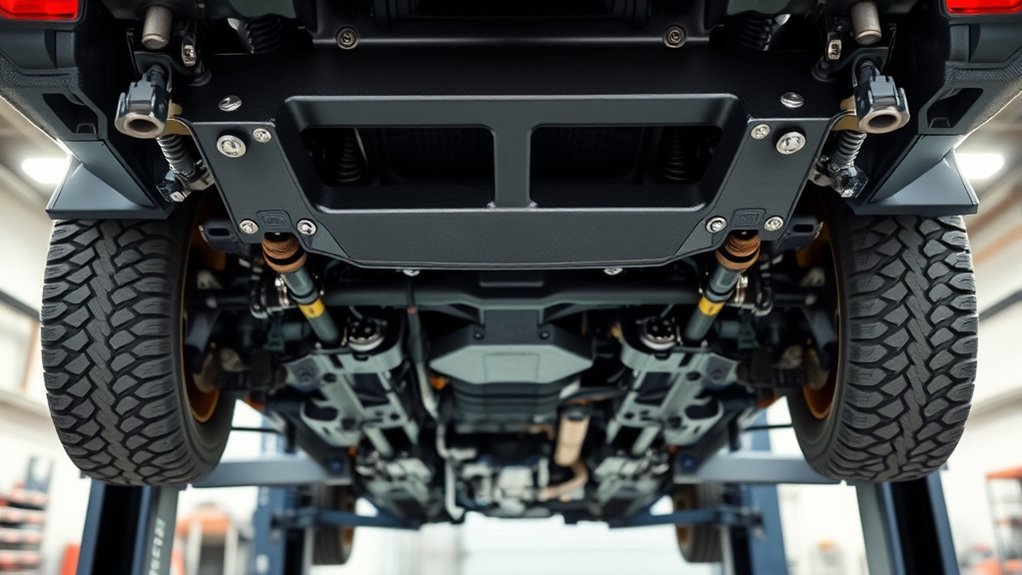
TNGA-F is Toyota’s modern body-on-frame truck architecture. In the 2026 U.S.-market Land Cruiser, it underpins a high-strength boxed frame, a 326-horsepower i-FORCE MAX hybrid, full-time four-wheel drive, standard center and rear locking differentials, and a maximum 6,000-pound tow rating. It improves the foundation for ride, steering, hybrid packaging, and off-road hardware without turning the Land Cruiser into a unibody crossover.
Last updated: August 18, 2026
Quick Answer
TNGA-F is a major benefit for Land Cruiser buyers because it combines a separate boxed frame with modern powertrain and chassis engineering. The important limit is that TNGA-F is a platform family: the Land Cruiser, Tundra, Sequoia, Tacoma, 4Runner, and related Lexus GX and LX models share an architecture strategy, not one identical frame or a promise of interchangeable parts.
Key Takeaways
- Toyota uses TNGA-F in U.S. materials and GA-F in some global materials for its modern body-on-frame truck architecture.
- The 2026 U.S. Land Cruiser uses a turbocharged 2.4-liter i-FORCE MAX hybrid rated at 326 horsepower and 465 lb-ft of torque, not a V8.
- Full-time 4WD, a two-speed transfer case, Crawl Control, and center and rear locking differentials are standard on both U.S. grades.
- Multi-Terrain Select, the Multi-Terrain Monitor, and the Stabilizer Disconnect Mechanism depend on grade or equipment.
- TNGA-F supports capability, but tires, payload, ground clearance, modification quality, and driver judgment still determine real-world results.
| 2026 U.S. Land Cruiser Item | Verified Specification | What It Means for Buyers |
|---|---|---|
| Platform | TNGA-F high-strength boxed, body-on-frame architecture | A modern separate-frame foundation; not an identical frame shared by every TNGA-F model |
| Powertrain | 2.4-liter turbo i-FORCE MAX hybrid; 326 hp and 465 lb-ft | Strong output without a V8, with more hybrid and electronic complexity |
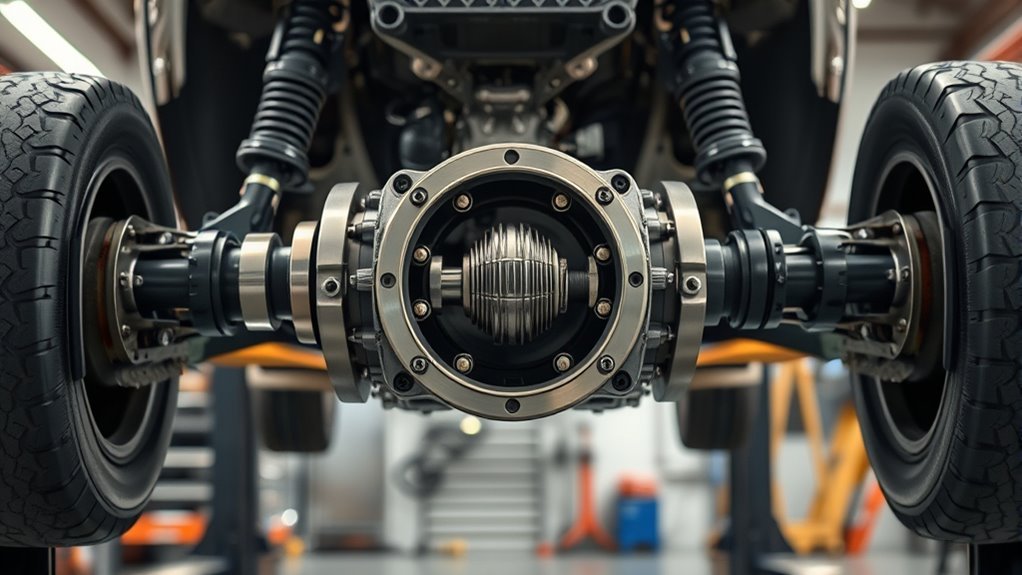
| Standard drivetrain hardware | Full-time 4WD, two-speed transfer case, center and rear locking differentials | Core low-range and traction hardware is included on both U.S. grades |
| Trail-assist systems | Crawl Control standard; MTS, MTM, and SDM depend on grade or equipment | Compare the 1958 and Land Cruiser grades before assuming every feature is included |
| Towing and EPA fuel economy | Up to 6,000 lb; 22 city/25 highway/23 combined mpg | Useful capability and better rated efficiency than many older V8 Land Cruisers, with results affected by load and modifications |
What Is TNGA-F, and Is It Good for Land Cruiser Buyers?
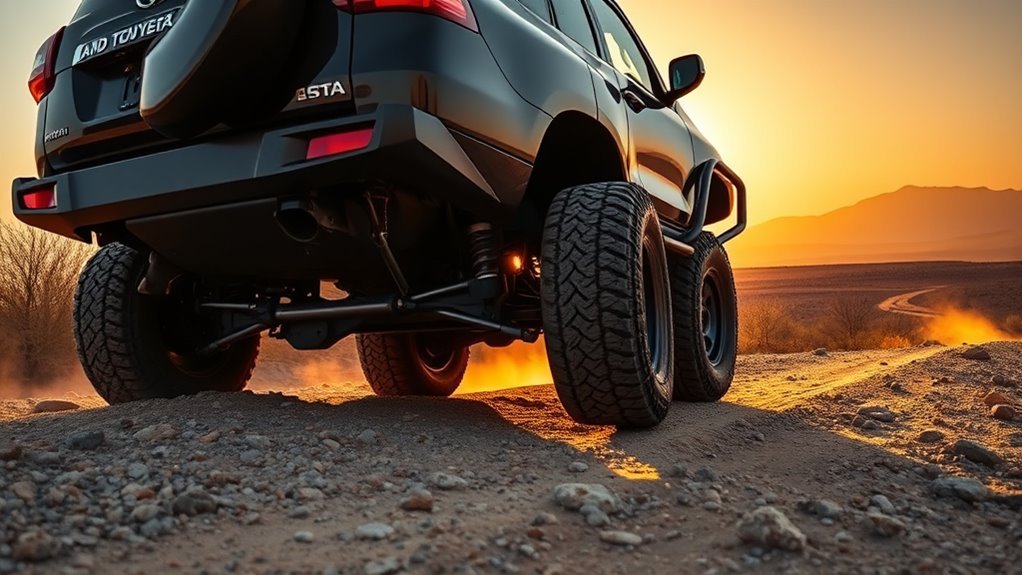
TNGA-F is Toyota’s current truck-platform family for body-on-frame vehicles. For the 2026 Land Cruiser, Toyota says it provides a high-strength boxed frame and supports the i-FORCE MAX hybrid, full-time 4WD, modern steering, and trail-control systems. Toyota rates the U.S. powertrain at 326 horsepower and 465 lb-ft of torque.
For most buyers, that is a good trade. The Land Cruiser keeps the separate frame and low-range hardware associated with a traditional off-roader, while gaining better on-road manners, an EPA-rated 23 mpg combined, and current driver-assistance technology. The tradeoff is greater complexity than an older naturally aspirated V8 Land Cruiser.
Platform sharing also needs careful wording. Toyota groups the Land Cruiser, Tundra, Sequoia, Tacoma, 4Runner, and related Lexus GX and LX models under TNGA-F, but that does not mean their frames, suspension parts, dimensions, tow ratings, or replacement components are identical. Each model is engineered around its own size, weight, use case, and market requirements.
The clearest TNGA-F benefit is balance: the Land Cruiser retains a separate boxed frame and low-range 4WD while gaining hybrid torque, modern steering, and integrated trail technology.
How Did TNGA-F Change the Land Cruiser?
TNGA-F changes the Land Cruiser at the structural level. Toyota’s U.S. materials call the architecture TNGA-F, while global Land Cruiser 250 materials often use GA-F. Both names refer to Toyota’s modern body-on-frame truck strategy, but regional powertrains, grades, and equipment still differ.
Does Sharing TNGA-F Mean the Land Cruiser Uses the Same Frame as a Tundra?
No. The vehicles share a platform family, not one identical frame assembly. A modular architecture can use common engineering methods, manufacturing processes, mounting concepts, and electronic systems while changing wheelbase, track width, frame sections, suspension tuning, body mounts, and load ratings for each model.
This distinction matters when buying parts. A bumper, suspension kit, skid plate, hitch, or recovery point labeled for another TNGA-F vehicle should not be assumed to fit the Land Cruiser. Confirm the exact model year, grade, powertrain, sensor package, and manufacturer fitment notes before ordering.
What Changed in the Frame and Steering?
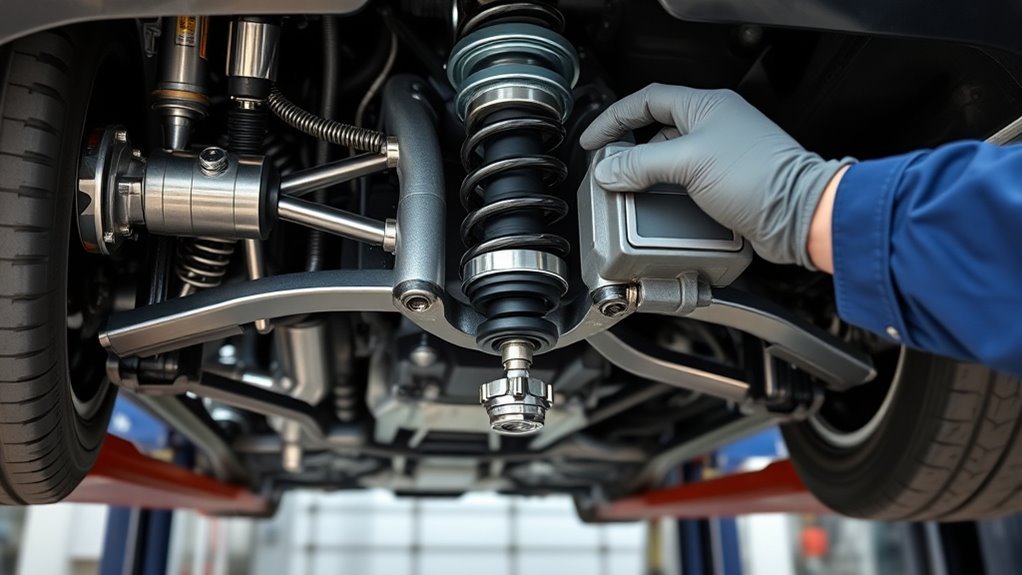
The Land Cruiser remains body-on-frame, but Toyota redesigned the structure around a high-strength boxed frame. The 2026 U.S. release says laser blank welding removes mass where it is not needed and reinforces critical areas. Toyota’s global Land Cruiser 250 launch also reported a 50% increase in frame rigidity and a 30% increase in overall rigidity compared with the previous model.
A stiffer structure gives engineers a more consistent base for suspension and steering tuning. The Land Cruiser 250 also adopted electric power steering, which Toyota says improves low-speed maneuverability, steering feel, and control over rough terrain. Those gains come from the complete chassis calibration, not frame stiffness alone.
| TNGA-F Change | What It Supports | What It Does Not Guarantee |
|---|---|---|
| High-strength boxed frame | A rigid base for suspension, towing, recovery, and underbody protection | Unlimited payload, immunity from rust, or freedom from trail damage |
| Modular truck architecture | Shared engineering and manufacturing methods across Toyota trucks and SUVs | Identical frames, dimensions, parts, or ratings across models |
| Hybrid-compatible packaging | Integration of the motor, battery, cooling, transmission, and 4WD hardware | The simplicity of an older non-hybrid powertrain |
| Electric power steering and modern controls | Easier low-speed placement and integration with driver-assistance systems | Perfect steering feel in every tire, load, or suspension setup |
| Off-road-system integration | Lockers, low range, Crawl Control, cameras, and terrain modes | Traction without suitable tires, clearance, recovery planning, or driver judgment |
How Does TNGA-F Integrate the i-FORCE MAX Hybrid?
The U.S.-market Land Cruiser combines a turbocharged 2.4-liter four-cylinder engine, an electric motor positioned between the engine and 8-speed automatic transmission, and a full-time 4WD system. Toyota rates the combination at 326 horsepower and 465 lb-ft of torque.
The electric motor supports response during initial acceleration, climbing, towing, and low-speed driving. That does not eliminate the need for careful throttle control, but it gives the powertrain strong output without relying on a large-displacement V8.
FuelEconomy.gov lists the 2026 Land Cruiser at 22 mpg city, 25 mpg highway, and 23 mpg combined. Tires, roof accessories, speed, weather, payload, towing, and trail use can reduce real-world mileage.
Note: This guide focuses on the 2026 U.S.-market Land Cruiser 250. Other markets offer different Land Cruiser powertrains and equipment, including diesel and mild-hybrid configurations.
Which Off-Road Features Are Standard or Grade-Dependent?
Both 2026 U.S. grades include full-time 4WD, a two-speed transfer case, center and rear locking differentials, and Crawl Control. Toyota describes Crawl Control as a five-speed low-speed system that manages throttle and braking so the driver can focus on steering.
Multi-Terrain Select, the Multi-Terrain Monitor, and the Stabilizer Disconnect Mechanism depend on grade or equipment. Multi-Terrain Select changes vehicle control for specific surfaces, the camera system helps reveal nearby obstacles, and SDM increases front-wheel articulation by disconnecting the stabilizer when conditions allow.
The platform is the foundation, but the trim sheet determines which electronics and suspension features are actually on a particular vehicle. Check the window sticker or build sheet instead of assuming every TNGA-F Land Cruiser has the same equipment.
How Does TNGA-F Improve Land Cruiser Off-Road Capability?
TNGA-F improves the Land Cruiser’s off-road package by combining a rigid separate frame with low-range gearing, locking differentials, hybrid output, electric power steering, and integrated trail controls. The platform creates the base; tires, clearance, articulation, weight, and driver decisions determine how much of that capability is usable.
Why Does Body-on-Frame Construction Matter?
In a body-on-frame vehicle, the suspension, drivetrain, tow hitch, and many recovery or protection components attach to a separate frame. That layout lets Toyota engineer load paths and mounting points around towing and rough-road use while isolating the passenger body from some structural duties.
It is not a universal rule that every body-on-frame SUV outperforms every unibody SUV. A well-designed unibody can be highly capable. For the Land Cruiser’s mission, however, the separate frame supports low-range 4WD hardware, underbody protection, towing, and the kind of repeated rough-road use Toyota targets.
On the 2026 U.S. Land Cruiser, that structural approach translates into real numbers: reported ground clearance of about 7.9 inches and approach/departure angles in the 30–31°/22° range, varying by grade and wheel package. [VERIFY: confirm exact figures against Toyota’s official spec sheet for the grade and wheel package you’re comparing.]
What Does 465 lb-ft of Hybrid Torque Change on a Trail?
The i-FORCE MAX system produces 465 lb-ft of torque, giving the Land Cruiser useful pulling force for climbs, loose surfaces, towing, and low-speed obstacles. The motor’s assistance can help the vehicle respond without requiring the same engine speed as a naturally aspirated engine.
Torque output alone does not create traction. On rock, sand, mud, or snow, the driver still needs the correct range, differential setting, tire pressure, line choice, and throttle input. Too much throttle can spin the tires regardless of the powertrain.
How Do the Lockers, Crawl Control, MTS, and SDM Work Together?
The standard center and rear locking differentials help distribute torque when wheel slip is likely. Crawl Control manages low-speed throttle and braking in five selectable speed ranges. Grade-dependent Multi-Terrain Select adjusts control logic for different surfaces, while the available Multi-Terrain Monitor uses cameras to show obstacles near the vehicle.
SDM addresses articulation rather than engine output. When equipped and used in the proper conditions, it disconnects the front stabilizer to allow more suspension movement. These systems reduce workload, but none of them increases the vehicle’s basic physical limits.
Warning: Off-road systems do not override traction, clearance, water-depth, approach-angle, breakover-angle, departure-angle, or payload limits. Set tire pressure for the conditions, carry suitable recovery gear, and turn back when the route exceeds the vehicle or driver.
What Does the i-FORCE MAX Hybrid Mean for Buyers?
Compared with older U.S.-market V8 Land Cruisers, the current model replaces large-displacement, naturally aspirated power with a smaller turbocharged hybrid. The result is 326 horsepower, 465 lb-ft of torque, and an EPA rating of 23 mpg combined. The tradeoff is a more complex system with a turbocharger, traction motor, hybrid battery, power electronics, and additional cooling requirements. For a deeper breakdown of how the hybrid system itself works — drive modes, warranty specifics, and towing efficiency — see our i-FORCE MAX Land Cruiser hybrid guide.
That makes the buying decision less about “four-cylinder versus V8” and more about use. The hybrid suits buyers who value low-speed output, daily drivability, current safety technology, and better rated efficiency. An older V8 may still appeal to buyers who prefer its sound, response, established repair knowledge, and simpler ownership experience.
| Buyer Priority | What the 2026 Land Cruiser Provides | What to Verify Before Buying |
|---|---|---|
| Daily comfort | Stiffer structure, electric power steering, and modern suspension tuning | Road noise, seat comfort, and ride quality on the roads you use |
| Trail use | Standard low range, center and rear lockers, and Crawl Control | Whether the vehicle includes MTS, MTM, SDM, suitable tires, and needed protection |
| Towing | Maximum tow rating of 6,000 lb | Exact payload, tongue weight, trailer-brake needs, and owner’s-manual limits |
| Fuel economy | EPA rating of 22 city/25 highway/23 combined mpg | Expected losses from speed, tires, roof racks, armor, payload, and towing |
| Warranty coverage | 3 years/36,000 miles basic; 5 years/60,000 miles powertrain; 8 years/100,000 miles hybrid components; 10 years/150,000 miles hybrid battery | The warranty booklet, in-service date, exclusions, and maintenance records for the exact vehicle |
The maximum tow rating and warranty terms are useful reference points, but payload can become the tighter limit on an overland build. Passengers, hitch weight, armor, a roof rack, water, tools, and recovery gear all count against the vehicle’s available payload. Use the certification label on the exact Land Cruiser rather than a generic online number.
[Products Worth Considering]
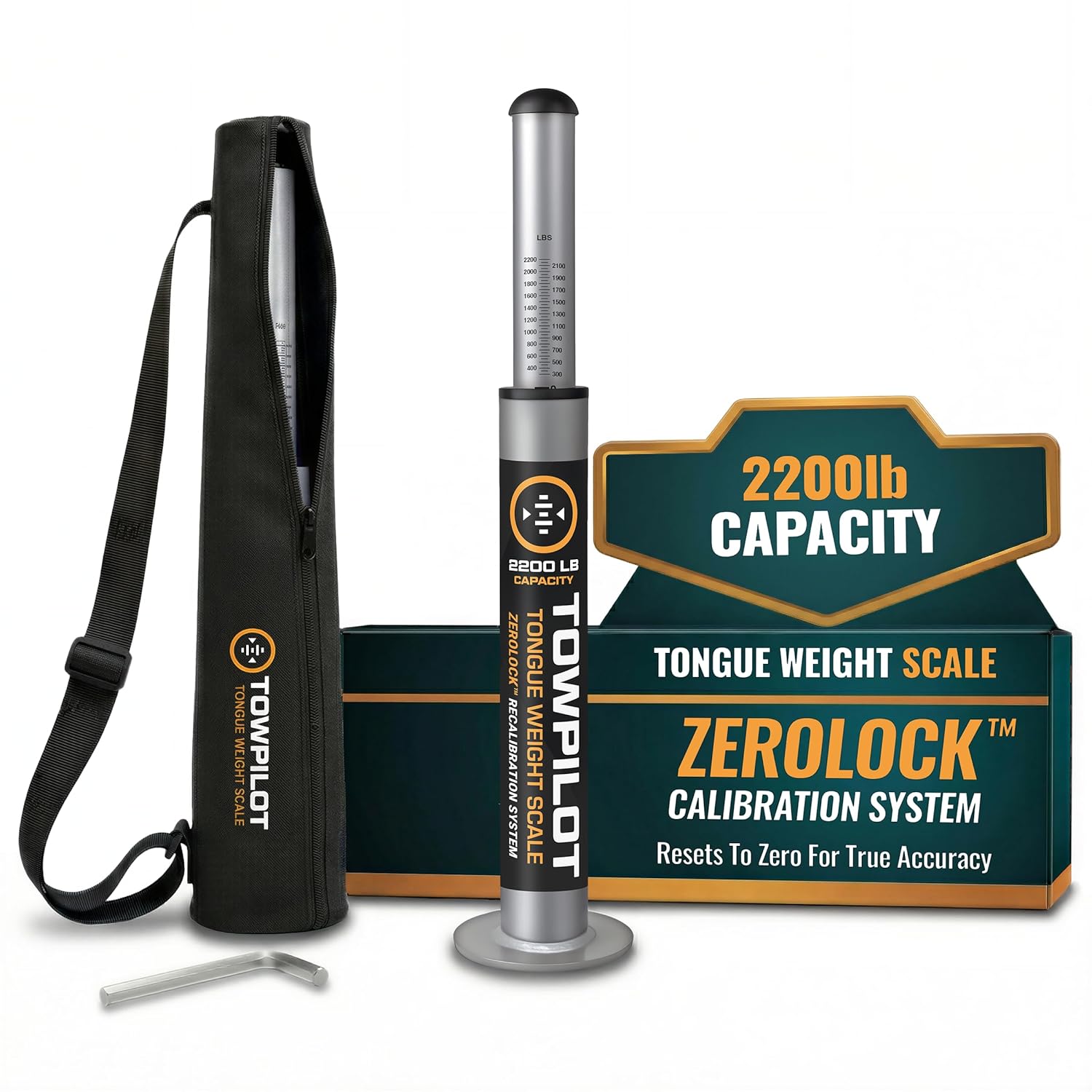
This trailer tongue weight scale helps you check hitch weight quickly and accurately before towing, reducing sway and improving overall safety. Built with durable steel and a spring mechanism, it works without batteries and includes a recalibration feature to maintain true-zero accuracy over time. It is designed for RVs, campers, and utility trailers, with a top plate that helps protect your coupler during use.

Custom-fit floor mats and cargo liner designed to provide edge-to-edge protection for the Toyota Land Cruiser Prado. Made from durable TPE material, they offer all-weather defense against rain, slush, snow, mud, and everyday dirt while remaining easy to install, clean, and maintain. The odorless, non-slip design helps keep your interior safer, cleaner, and more comfortable in every season.

These custom floor mats are designed to fit the Toyota Land Cruiser GX550 with a 5-seat layout for a precise, secure install. Made from durable TPE, they help shield your interior from spills, mud, snow, dirt, sand, pet hair, and everyday debris while making cleanup quick and easy.
What Does TNGA-F Prove About Durability, Maintenance, and Resale?
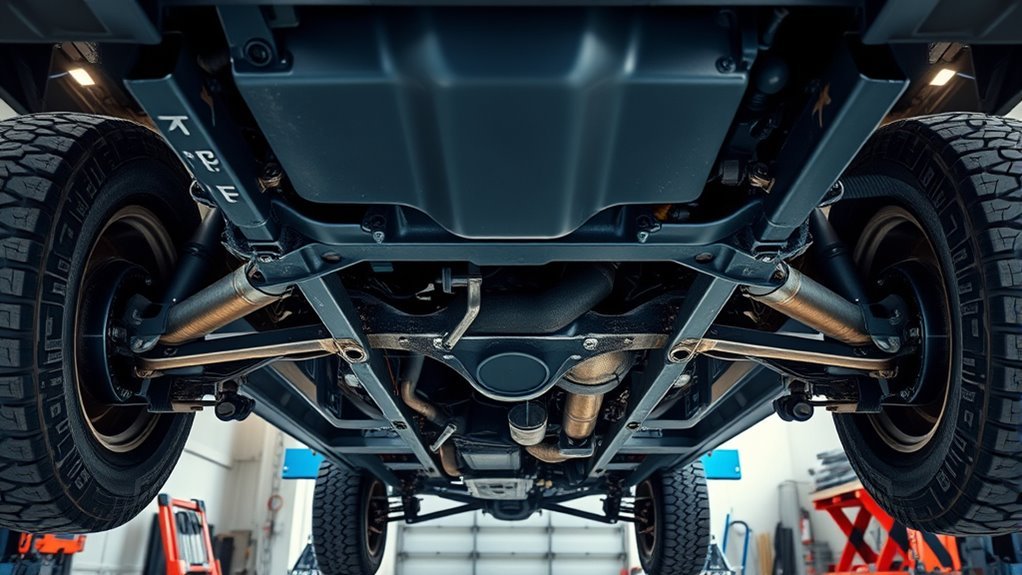
TNGA-F gives the Land Cruiser a stronger, more rigid foundation, but it does not yet prove decades-long reliability for the U.S. 250-series hybrid. The model returned for 2024, so long-term evidence for this exact frame, turbo-hybrid powertrain, cooling system, electronics, and suspension package is still developing.
Toyota’s 2026 U.S. coverage includes a 3-year/36,000-mile basic warranty, a 5-year/60,000-mile powertrain warranty, 8 years/100,000 miles for hybrid components, and 10 years/150,000 miles for the hybrid battery. Those terms reduce some early ownership risk, but maintenance history and use still matter after coverage ends.
Maintenance Priorities for TNGA-F Land Cruiser Owners
- Follow the severe-use schedule when applicable: Towing, repeated short trips, dust, mud, water crossings, and low-speed trail use can require closer inspection or shorter service intervals.
- Inspect the frame and underbody: Check skid plates, frame rails, weld areas, mounting points, and exposed hardware after trail impacts.
- Remove corrosive material: Wash mud, road salt, and coastal sand from the underbody instead of allowing it to remain packed around seams and fasteners.
- Check suspension and steering: Inspect bushings, ball joints, tie rods, shocks, wheel bearings, and alignment after hard use or tire-size changes.
- Keep cooling paths clear: Follow the owner’s manual for engine, hybrid, battery, and radiator cooling requirements; do not block vents with cargo or accessories.
- Document maintenance and modifications: Keep receipts, alignment sheets, installation instructions, and photos for diagnosis, warranty discussions, and resale.
Pro Tip: Weigh a modified Land Cruiser with passengers and trip gear aboard. Payload is consumed by people, hitch weight, armor, larger tires, roof storage, water, tools, and recovery equipment.
Does TNGA-F Increase Resale Value?
There is not enough model-specific history to say TNGA-F itself raises resale value. Used buyers are more likely to pay for condition, service records, rust prevention, accident history, factory equipment, remaining warranty, and modification quality than for the platform name alone.
Conservative upgrades may help when they match the next buyer’s needs. Poor wiring, extreme lifts, cut bodywork, overloaded suspension, oversized tires, and undocumented trail damage usually narrow the buyer pool. A stock or lightly modified Land Cruiser with clear records is generally easier to evaluate than a heavily altered one.
How Should You Modify a TNGA-F Land Cruiser?
TNGA-F is a capable base for aftermarket upgrades, but the Land Cruiser also carries cameras, radar, hybrid cooling, electronic steering, airbags, and driver-assistance systems. Suspension, tire, bumper, winch, rack, lighting, and armor changes can affect weight, alignment, braking, sensor views, cooling airflow, and warranty claims.
Build around the vehicle’s actual mission. A daily driver that uses maintained forest roads needs less lift, armor, and roof weight than a rock-crawling or remote-travel build. The lightest modification that solves the problem usually creates the fewest secondary problems.
Best Mods for Most Land Cruiser Buyers
- All-terrain tires: Match the terrain, weather, load rating, and wheel size; confirm clearance at full steering lock and suspension compression.
- Skid plates and rock rails: Protect vulnerable areas, but include their weight in the payload calculation.
- Rated recovery points and recovery gear: Use components designed for the exact vehicle and follow safe recovery procedures.
- Quality lighting: Use fused, weatherproof wiring that does not interfere with airbags, cameras, radar, or factory harnesses.
- Modest suspension changes: A well-engineered lift can improve clearance while limiting changes to geometry, stability, and component life.
- Air compressor and tire tools: Airing down and reinflating can improve trail performance without permanently changing the vehicle.
Mods That Need Extra Care
Large lifts, heavy steel bumpers, oversized tires, roof tents, extra fuel or water, and complex electrical systems need a complete weight and compatibility plan. They can change braking distance, steering response, wheel-bearing load, suspension travel, camera views, radar performance, fuel economy, and the accuracy of speed or distance calculations.
Before installing major parts, confirm compatibility with the exact model year, grade, wheel and tire package, parking sensors, cameras, Toyota Safety Sense hardware, hybrid cooling, tow equipment, and factory recovery points. Recheck alignment, fastener torque, tire clearance, and sensor operation after installation.
Can Aftermarket Parts Void the Warranty?
Using an aftermarket part does not automatically cancel an entire U.S. vehicle warranty. The Federal Trade Commission says a manufacturer or dealer may deny coverage for damage caused by a defective part or improper installation, but it must show that the aftermarket part or service caused the damage before denying coverage for that repair. See the FTC’s auto-warranty guidance.
Keep receipts, installation records, alignment sheets, maintenance logs, and photos. A lift-related suspension failure, wiring-related electrical problem, or oversized-tire driveline issue may be treated differently from an unrelated defect elsewhere on the vehicle.
Note: Warranty law and coverage vary by country, and a lease may impose separate modification limits. Read the warranty booklet, lease agreement, and owner’s manual before making permanent changes.
How Does TNGA-F Compare With Older Land Cruiser Platforms?
Older Land Cruisers built their reputation around durable frames, large naturally aspirated engines in many markets, hydraulic steering, and fewer integrated electronic systems. TNGA-F keeps the body-on-frame concept but adds a stiffer structure, electric power steering, hybrid packaging, current safety technology, cameras, and software-controlled trail aids.
The ownership experience is therefore different rather than automatically better in every category. The TNGA-F Land Cruiser is easier to use as a daily vehicle and has better EPA-rated fuel economy than recent U.S. V8 models. Older models may offer a more familiar mechanical feel and a longer record of long-term repair knowledge. Age, rust, maintenance, and parts availability can outweigh the platform difference when comparing used vehicles. For the full generation-by-generation history, from the original 1951 BJ through the 300 and 250 Series, see our Land Cruiser generations guide.
| Area | Older Land Cruiser Character | TNGA-F Land Cruiser Character |
|---|---|---|
| Powertrain | Large naturally aspirated engines in many markets | Turbocharged hybrid with 326 hp and 465 lb-ft in the U.S. |
| Steering and road manners | Heavier, more traditional hydraulic feel on many generations | Electric steering and a stiffer structure tuned for easier placement |
| Trail control | Greater reliance on mechanical hardware and driver input | Standard lockers and Crawl Control plus grade-dependent terrain and camera systems |
| Efficiency | Lower EPA fuel economy for recent U.S. V8 models | 22 city/25 highway/23 combined mpg for the 2026 U.S. model |
| Long-term evidence | Decades of owner, repair, and parts history | Newer platform and hybrid system with less long-term U.S. data |
[Products Worth Considering]
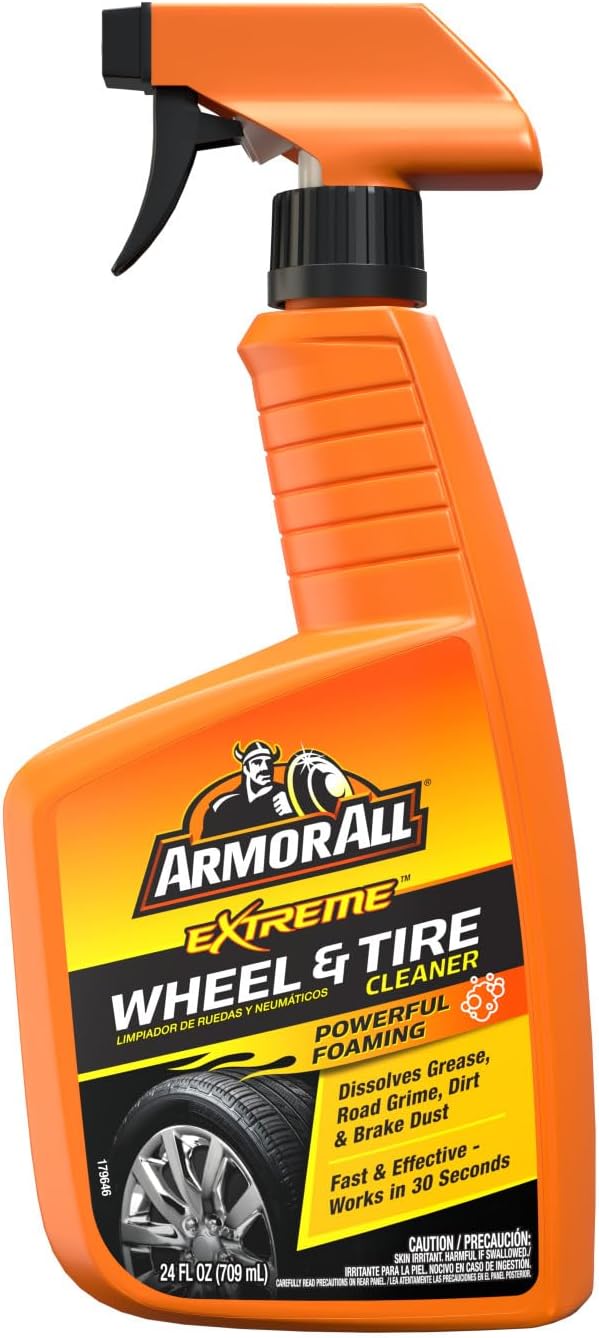
Armor All Extreme Wheel and Tire Cleaner is a powerful spray designed to cut through stubborn dirt, grease, tar, and brake dust on wheels and tires. It is safe for use on factory and aftermarket finishes, including alloy, steel, chrome, and plastic wheel trims, while its fast-acting formula works in just seconds. The deep-cleansing action helps reach hard-to-clean areas and leaves wheels looking clean and shiny.

This custom-designed cargo net helps keep the rear trunk of a 2026 Toyota RAV4 neat, secure, and organized. Its stretchable elastic mesh construction helps prevent groceries, tools, and sports gear from sliding around, while the built-in bottom pocket and smart clips add extra storage control. A top pull tab makes installation and removal quick and easy for everyday convenience.

This synthetic soft shackle set is designed for safer, easier off-road recovery with a simple loop-and-tighten setup that helps make vehicle pulls more straightforward. Built as a lightweight alternative to traditional metal shackles, it uses anti-scratch synthetic fiber to help protect your vehicle during recovery tasks. The two-pack format adds convenience for trail use, and Rhino USA backs the product with lifetime replacement support.
Who Should Buy a TNGA-F Land Cruiser?
A TNGA-F Land Cruiser is a strong fit for a buyer who wants one SUV for commuting, poor weather, towing up to 6,000 pounds, and genuine low-range trail use. It is especially appealing when standard center and rear lockers, Crawl Control, hybrid output, and a body-on-frame layout matter more than maximum passenger space or maximum tow capacity.
- Buy it for: standard low-range 4WD hardware, strong hybrid output, 23-mpg combined EPA rating, modern safety systems, and manageable daily road manners.
- Compare grades carefully for: Multi-Terrain Select, Multi-Terrain Monitor, Stabilizer Disconnect Mechanism, comfort features, wheels, and tire equipment.
- Consider an alternative if: you need a third row in the U.S. model, a tow rating above 6,000 pounds, the lowest-cost trail vehicle, or the simpler character of an older naturally aspirated powertrain.
Before buying, test-drive the exact grade, check its build sheet, read the payload label, and price the tires, protection, and accessories you would actually add. Those details will affect ownership more than the TNGA-F name by itself.
[Products Worth Considering]

Rhino USA D Ring Shackles provide a dependable recovery connection for off-road and towing setups, with a high break strength designed for demanding use. They fit most aftermarket bumpers and universal shackle mounts, and the included rubber isolator kit helps reduce noise, vibration, and wear. Built from chromoly steel with an anti-rust powder-coated finish, these shackles are made for long-lasting performance in harsh conditions.

Upgrade your Toyota 4Runner with these heavy duty roof rack cross bars designed for raised side rails and secure cargo transport. The aluminum construction, anti-theft locking system, and tie-down loops help keep gear stable on the road while the low-profile design helps reduce wind noise. Easy to install with no drilling required, they provide a durable and convenient solution for road trips, hauling, and outdoor adventures.

This center console armrest cover is designed to fit the 2026 Toyota RAV4 for added comfort and a cleaner interior look. Made with breathable vegan leather and a thick cushioned feel, it helps reduce arm fatigue on long drives while protecting the console from pet paws, dirt, and sticky fingerprints. The band-secured design installs easily with no tools required and blends with the OEM-style interior.
Frequently Asked Questions
What does TNGA-F mean on a Toyota Land Cruiser?
TNGA means Toyota New Global Architecture. Toyota uses TNGA-F in U.S. materials and GA-F in some global materials for its modern body-on-frame truck architecture. It is a platform family, not one identical frame used unchanged under every model.
Is the 2026 Toyota Land Cruiser body-on-frame?
Yes. The 2026 U.S.-market Land Cruiser uses a high-strength boxed body-on-frame structure on Toyota’s TNGA-F truck platform. It is not a unibody crossover.
Does the Land Cruiser use the same frame as the Tundra?
The Land Cruiser and Tundra belong to the same TNGA-F platform family, but they do not use one identical frame assembly. Dimensions, frame sections, suspension, mounts, ratings, and parts are engineered for each vehicle.
Which Toyota vehicles use TNGA-F?
Toyota’s U.S. materials group the Land Cruiser, Tundra, Sequoia, Tacoma, and 4Runner under the TNGA-F global truck platform family, along with the Lexus GX and Lexus LX. Global Toyota models such as the Land Cruiser Prado also use the related GA-F architecture.
Does the 2026 Land Cruiser have a V8?
No. The 2026 U.S. Land Cruiser uses a turbocharged 2.4-liter i-FORCE MAX four-cylinder hybrid rated at 326 horsepower and 465 lb-ft of torque.
Does the 2026 Toyota Land Cruiser have a third row?
No. The 2026 U.S.-market Land Cruiser seats five people across two rows; Toyota does not offer a third-row option on this generation in the United States.
Which off-road features are standard on the 2026 Land Cruiser?
Both U.S. grades include full-time 4WD, a two-speed transfer case, center and rear locking differentials, and Crawl Control. Multi-Terrain Select, the Multi-Terrain Monitor, and the Stabilizer Disconnect Mechanism depend on grade or equipment.
Is TNGA-F proven reliable?
TNGA-F is used across Toyota’s current truck family, but the U.S. Land Cruiser 250 and its turbo-hybrid powertrain are still too new for decades-long model-specific reliability evidence. Maintenance, use, corrosion, modifications, and repair quality will shape long-term results.
Conclusion
TNGA-F gives the 2026 Land Cruiser a modern high-strength boxed frame without abandoning body-on-frame construction. It supports a 326-horsepower hybrid, full-time 4WD, standard center and rear lockers, Crawl Control, a 6,000-pound maximum tow rating, and an EPA rating of 23 mpg combined.
The best reason to buy it is the complete package, not the platform name alone. Compare the 1958 and Land Cruiser grades, verify the exact payload and equipment, and keep modifications within weight, cooling, sensor, and warranty limits. Buyers who accept the added hybrid and electronic complexity get a more efficient, easier-to-drive Land Cruiser with real low-range hardware.
Sources
- Toyota USA Newsroom: 2026 Land Cruiser — TNGA-F platform, powertrain output, standard and available off-road equipment, towing, fuel economy, and warranty coverage.
- Toyota Global: Land Cruiser 250 world premiere — GA-F platform terminology, rigidity changes, electric power steering, articulation, and global powertrain context.
- FuelEconomy.gov: 2026 Toyota Land Cruiser — official EPA city, highway, and combined fuel-economy ratings.
- Toyota Owners: Crawl Control and Toyota Owners: Multi-Terrain Select — operating descriptions and limitations for trail-control systems.
- Federal Trade Commission: Auto warranties and service contracts — U.S. consumer guidance on aftermarket parts, maintenance, records, and warranty denials.


[…] Assist Control as the main reference. For platform and generation context, see the site’s TNGA-F Land Cruiser platform guide. If your vehicle is from another year or market, let its own manual control the exact […]
[…] and Escalade ESV, Jeep Wrangler, Ford Bronco, Jeep Wagoneer and Grand Wagoneer, Toyota 4Runner, Toyota Land Cruiser, Toyota Sequoia, Lexus GX, Lexus LX, Lincoln Navigator, INFINITI QX80, Nissan Armada, Mercedes-Benz […]