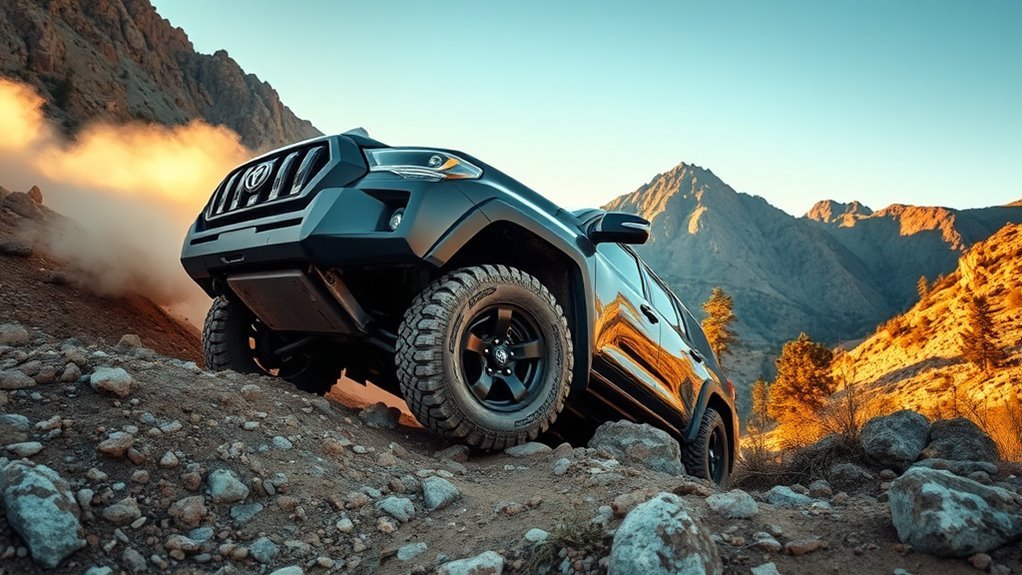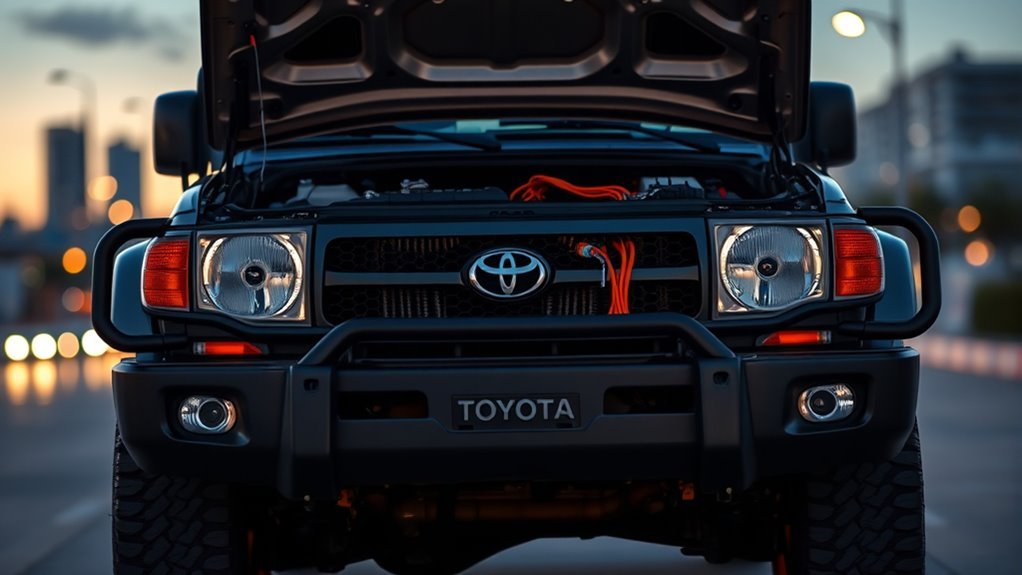
Toyota’s i-FORCE MAX in the Land Cruiser is not a plug-in hybrid or a mild marketing badge. It is a full hybrid powertrain that combines a turbocharged 2.4-liter four-cylinder engine, an electric motor, an 8-speed automatic transmission, and a compact nickel-metal hydride battery to give the modern Land Cruiser strong low-speed torque, standard 4WD capability, and better fuel economy than the old V8-era U.S. Land Cruiser.
Quick Answer
i-FORCE MAX means the Land Cruiser uses Toyota’s turbo-hybrid truck powertrain: a 2.4L turbo engine plus electric assist for 326 net combined horsepower, 465 lb-ft of torque, EPA-rated 22 city/25 highway/23 combined mpg, and a 6,000-lb towing capacity.
Key Takeaways
- The Land Cruiser’s i-FORCE MAX system pairs a 2.4L turbocharged four-cylinder engine with a 48-hp electric motor integrated into the 8-speed automatic transmission.
- Toyota rates the system at 326 net combined horsepower and 465 lb-ft of torque, with a maximum towing capacity of 6,000 pounds.
- EPA figures for the 2024 U.S.-spec Land Cruiser are 22 mpg city, 25 mpg highway, and 23 mpg combined on premium gasoline.
- The hybrid battery is small at 1.87 kWh, so the Land Cruiser is not meant for long electric-only driving and does not plug in.
- The main tradeoff is added hybrid complexity, but Toyota backs the hybrid battery with a 10-year/150,000-mile warranty from the vehicle’s in-service date.
Quick Take: What i-FORCE MAX Means for Land Cruiser Owners
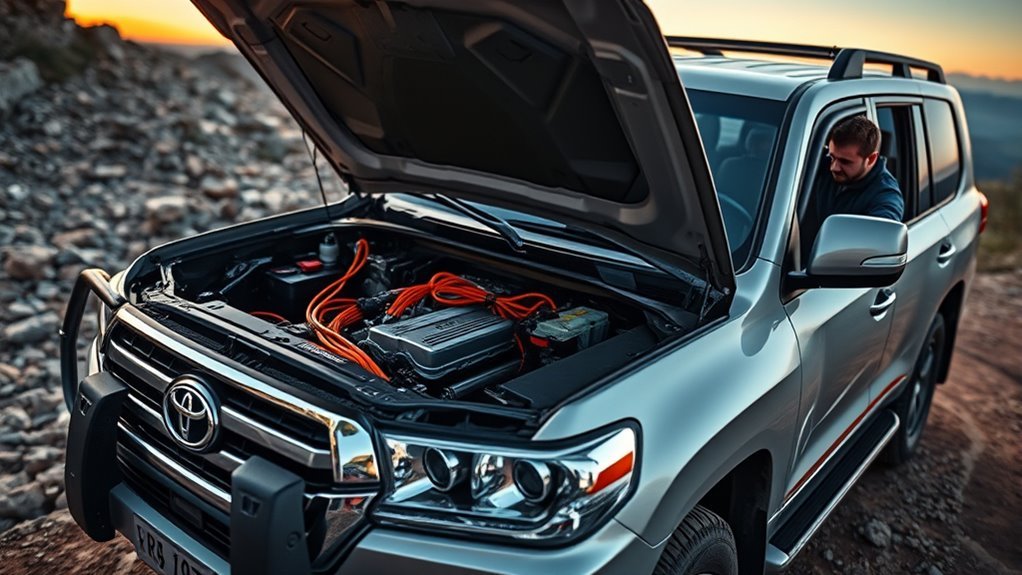
For Land Cruiser owners, i-FORCE MAX means stronger low-end pull, smoother power delivery, and better fuel economy than the previous U.S. Land Cruiser’s naturally aspirated V8. Toyota’s current Land Cruiser powertrain combines hybrid assist with the toughness buyers expect from a body-on-frame 4WD SUV.
The core numbers are simple: Toyota says the 2.4L i-FORCE MAX hybrid produces 326 horsepower and 465 lb-ft of torque, while the current Toyota Land Cruiser page lists a 6,000-lb towing capacity. The U.S. Department of Energy’s fuel economy listing shows EPA ratings of 22 mpg city, 25 mpg highway, and 23 mpg combined.
That combination matters because off-road driving, towing, and city traffic all reward torque more than peak horsepower. The electric motor helps fill in power at low rpm, which can make the Land Cruiser feel more responsive when pulling away, climbing, crawling, or towing.
2.4L Turbo Hybrid: How It’s Configured in the Land Cruiser
The Land Cruiser’s i-FORCE MAX system uses a turbocharged 2.4-liter inline-four as its gasoline engine. A 48-hp electric motor is integrated into the 8-speed automatic transmission, and the system draws power from a 1.87-kWh nickel-metal hydride battery pack.
This layout is different from a plug-in hybrid. The Land Cruiser does not have a large battery for long EV-only trips, and you do not charge it from a wall outlet. Instead, the hybrid system charges and discharges automatically while you drive, using engine power and regenerative braking.
Engine and Motor Integration
The electric motor supports the turbo engine where a heavy 4WD SUV needs help most: low-speed torque, launch feel, and smooth response under load. Instead of waiting for engine rpm and turbo boost to build, the hybrid motor can add torque quickly.
That does not mean the Land Cruiser drives like an electric SUV. It means the gasoline engine and electric motor work together so the SUV feels more controlled when you are easing over rocks, merging into traffic, climbing a grade, or moving a trailer from a stop.
Battery and Packaging Choices
The 1.87-kWh NiMH battery is small compared with a plug-in hybrid battery, but that is intentional. Toyota designed the system for assist, regeneration, durability, and packaging efficiency rather than long electric-only range.
For owners, the practical benefit is that the hybrid system adds torque and efficiency without turning the Land Cruiser into a charging-dependent vehicle. You fuel it like a gasoline SUV, and the hybrid system manages itself in the background.
Note: Because the Land Cruiser i-FORCE MAX is not a plug-in hybrid, “EV” operation is limited and automatic. Expect brief low-speed electric assist in the right conditions, not miles of electric-only driving.
Key Components: Engine, Motor, Battery & Transmission
| Component | Land Cruiser i-FORCE MAX Detail |
|---|---|
| Gas engine | 2.4L turbocharged inline-four |
| Electric motor | 48-hp motor integrated into the transmission |
| Hybrid battery | 1.87-kWh nickel-metal hydride pack |
| Transmission | 8-speed automatic |
| Drive system | Full-time 4WD |
| System output | 326 hp and 465 lb-ft |
The transmission is a key part of the system because the electric motor is built into it. That lets the powertrain blend engine and electric torque smoothly while keeping the traditional feel and control expected from a serious 4WD SUV.
The current Land Cruiser also keeps important trail hardware. Toyota lists full-time 4WD, an electronically controlled two-speed transfer case, Crawl Control, available Multi-Terrain Select, and locking differentials depending on trim and equipment.
How Power Moves: Electric Assist, Hybrid Drive, Engine Start, and Regeneration
The Land Cruiser i-FORCE MAX moves power in four basic ways: electric assist, hybrid drive, engine start, and regeneration. The driver does not need to manually manage all of this; the control system decides how to blend power based on speed, load, battery state, throttle input, and terrain.
Low-Speed Electric Operation
At light loads and low speeds, the Land Cruiser may use electric power briefly to reduce fuel use and smooth takeoff. This is useful in parking lots, gentle traffic, and low-speed maneuvering, but the small battery means electric-only operation is limited.
When you ask for more power, the gasoline engine starts and the system switches into blended hybrid operation. That transition is designed to be smooth, so you feel steady acceleration rather than an abrupt handoff.
Regeneration and Blending
Regenerative braking captures some kinetic energy when the vehicle slows down and sends it back to the hybrid battery. In normal driving, that recovered energy can later help the electric motor assist the gasoline engine.
- Electric assist helps with initial torque and low-speed response.
- The turbo engine supplies sustained power for highway driving, towing, and climbing.
- Regeneration recovers some braking energy that would otherwise be lost as heat.
- The 8-speed automatic keeps the engine in a useful rpm range.
- The full-time 4WD system keeps capability central to the Land Cruiser’s mission.
Performance Snapshot: 326 Hp, 465 Lb-Ft, 6,000-Lb Tow
The i-FORCE MAX Land Cruiser is built around torque. Its 465 lb-ft output is especially useful because towing, trail driving, and daily stop-and-go driving all depend on controlled low-speed pull.
| Metric | Value |
|---|---|
| System Power | 326 net combined hp |
| Torque | 465 lb-ft |
| Tow Rating | 6,000 lb |
| Engine | 2.4L turbo I4 |
| Fuel | Premium gasoline required by EPA listing |
The Land Cruiser i-FORCE MAX is less about silent EV driving and more about using electric torque to make a heavy 4WD SUV feel smoother, stronger, and more efficient.
Real-World Fuel Economy: 22 City, 25 Highway, 23 Combined
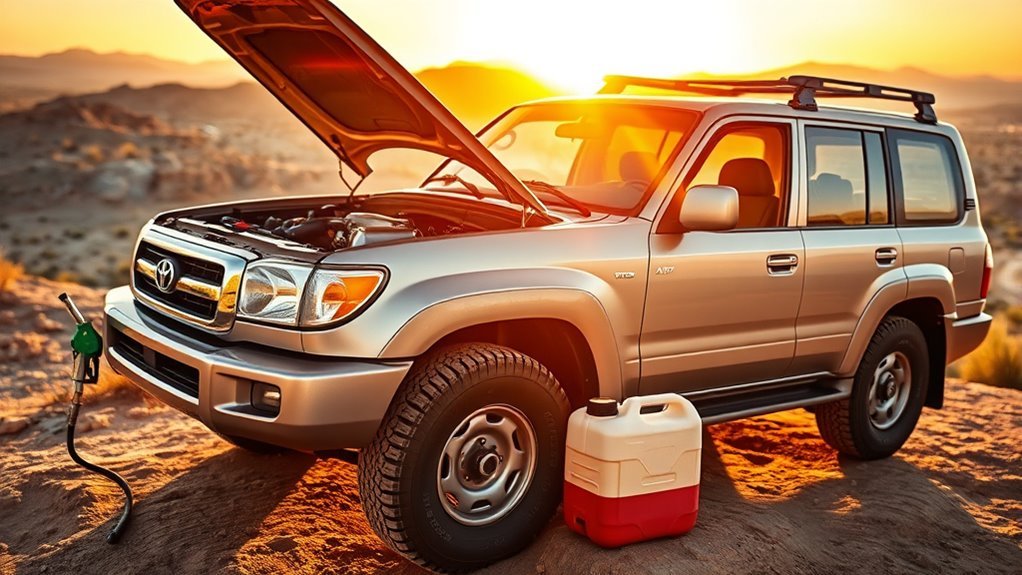
The official EPA rating for the 2024 Toyota Land Cruiser is 22 mpg city, 25 mpg highway, and 23 mpg combined. That is a major improvement over the older U.S.-market V8 Land Cruiser, but it is still a body-on-frame 4WD SUV, not a lightweight commuter hybrid.
Highway Driving Expectations
On steady highway routes, the Land Cruiser’s EPA highway rating is 25 mpg. Real-world results can vary based on speed, tires, roof racks, elevation, wind, temperature, and how much gear you carry.
The best highway fuel economy usually comes from smooth throttle inputs, moderate speeds, correct tire pressure, and avoiding unnecessary aerodynamic drag. Large all-terrain tires, cargo boxes, and roof tents can noticeably reduce mpg.
City Driving Expectations
In city driving, hybrid assist and regenerative braking are most noticeable. The electric motor can help with smooth launches, and regeneration can recover some energy during repeated slowdowns.
| City-Driving Factor | Effect |
|---|---|
| Light throttle | Helps the system use electric assist efficiently |
| Hard acceleration | Uses more boost and fuel |
| Frequent braking | Regeneration helps, but cannot recover all energy |
| Cold weather | Can reduce hybrid efficiency and mpg |
Towing and Payload Impact
Towing and heavy payloads will reduce fuel economy. The Land Cruiser’s 6,000-lb rating tells you what it can tow when properly equipped, not what mpg it will return while towing.
- A tall trailer adds aerodynamic drag that can hurt highway mpg.
- Heavy cargo makes the engine and motor work harder on grades.
- Off-road tires and low tire pressure can reduce efficiency.
- Long climbs, headwinds, and high speeds are especially costly when towing.
- Always check payload, tongue weight, and the door-jamb label before loading.
Warning: Do not assume a 6,000-lb tow rating means every Land Cruiser can safely carry every combination of passengers, cargo, accessories, trailer, and tongue weight. Verify the owner’s manual, hitch rating, tire rating, payload sticker, and local towing rules before towing.
Drive Modes, Towing & Off-Road Behavior Explained
The Land Cruiser’s hybrid system works alongside its drive modes and off-road hardware. Toyota lists Sport, Eco, and Normal drive modes for tailoring throttle response and efficiency, while off-road systems such as Crawl Control and available Multi-Terrain Select help manage traction on rough surfaces.
| Feature | What It Helps With |
|---|---|
| Sport Mode | Sharper response for passing or quicker acceleration |
| Eco Mode | Softer throttle mapping to support efficiency |
| Normal Mode | Balanced everyday driving |
| Crawl Control | Low-speed off-road throttle and braking assistance |
| Multi-Terrain Select | Traction tuning for different surfaces when equipped |
Off-road, the hybrid’s biggest advantage is controlled torque. Smooth low-speed response can make it easier to keep momentum without stabbing the throttle. For towing, the electric assist helps the Land Cruiser feel confident when starting from a stop or climbing under load.
Pro Tip: For best off-road control, use the Land Cruiser’s trail systems as Toyota intends rather than relying only on throttle. Smooth inputs, correct tire pressure, and proper recovery gear matter as much as horsepower.
[Products Worth Considering]

Castrol GTX Full Synthetic 5W-30 motor oil is designed to deliver maximum engine protection in severe driving conditions. It helps fight wear, control sludge, and resist viscosity breakdown while supporting longer intervals between oil changes. Formulated to meet or exceed key industry and vehicle manufacturer specifications, it offers dependable performance for modern engines.
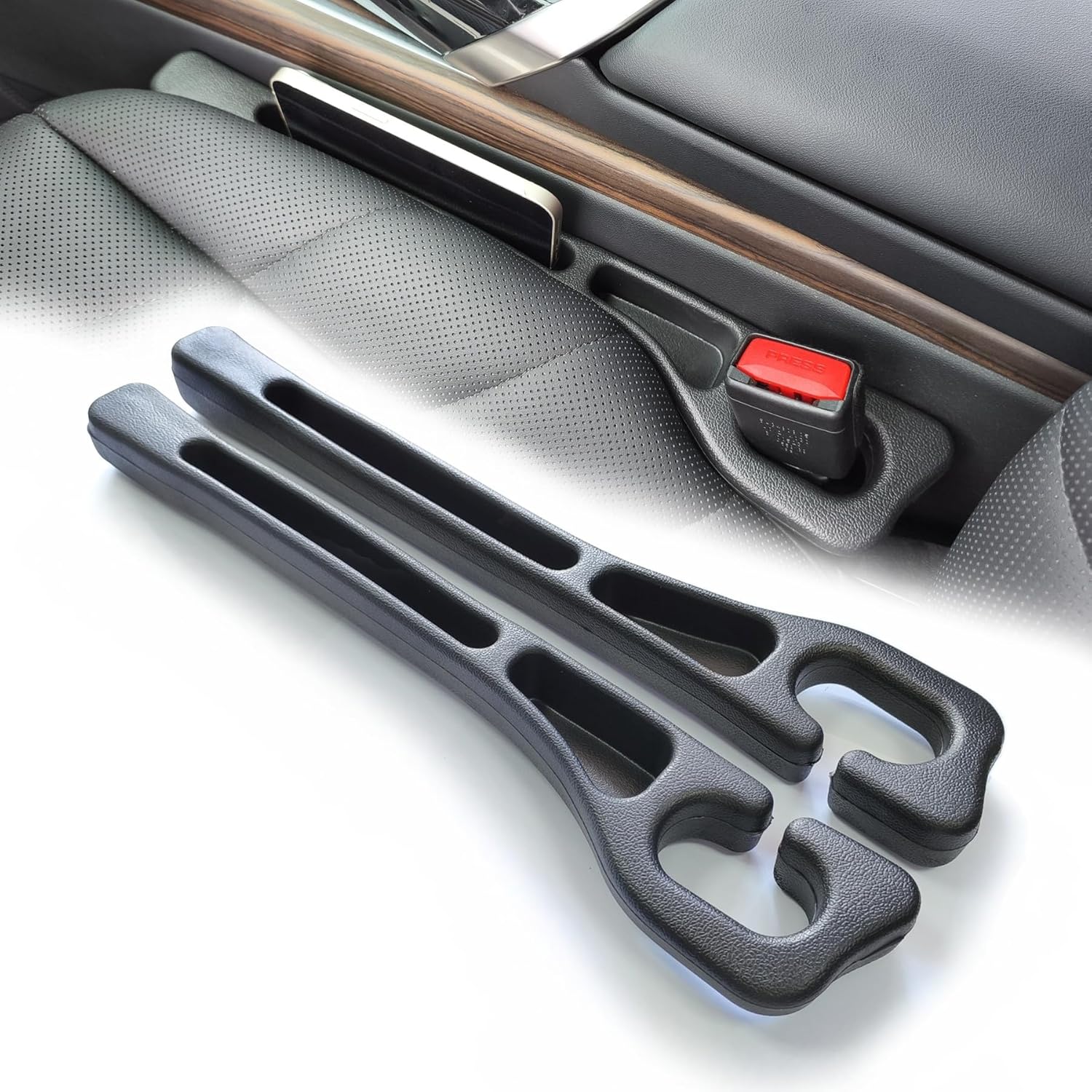
This car seat gap filler helps block the space between your seat and center console to catch dropped phones, keys, food, and other small items before they disappear. Made from durable EVA with a leather-texture feel, it offers a universal fit for many cars, trucks, and SUVs and installs easily in just a few steps. The package includes two fillers for added coverage and convenience.

This 4-pack of waterproof inline fuse holders provides reliable circuit protection for automotive, marine, and other 12V electrical systems. Built with 12AWG heavy-duty wire and tin-plated copper conductors, it supports stable current flow while helping guard against overloads. The sealed double-slot cover design adds dust, moisture, and water resistance for dependable performance in demanding environments.
Reliability & Maintenance: What Owners Should Budget For
The i-FORCE MAX system may reduce some engine strain by adding electric assist, but it also adds hybrid components that owners should understand. The main extra parts include the hybrid battery, inverter with converter, battery control module, hybrid control module, high-voltage wiring, and cooling-related components.
The good news is that Toyota’s warranty coverage is substantial. In the 2024 Land Cruiser warranty and maintenance guide, Toyota lists hybrid system warranty coverage of 8 years/100,000 miles and hybrid battery warranty coverage of 10 years/150,000 miles, whichever comes first.
- Follow the Toyota maintenance schedule rather than guessing service intervals.
- Use the specified fluids, especially for the engine, transmission, transfer case, and differentials.
- Inspect brakes regularly; regenerative braking can reduce wear, but it does not eliminate brake maintenance.
- Keep cooling passages and underbody areas clean after mud, sand, or water crossings.
- Use a qualified technician for hybrid-system diagnostics and high-voltage service.
Owners who tow, drive off-road, idle often, or operate in dusty conditions should pay close attention to severe-use maintenance guidance. A Land Cruiser used for trail travel lives a harder life than one used mostly for commuting.
i-FORCE MAX vs. Non-Hybrid Land Cruiser: Tradeoffs and Value
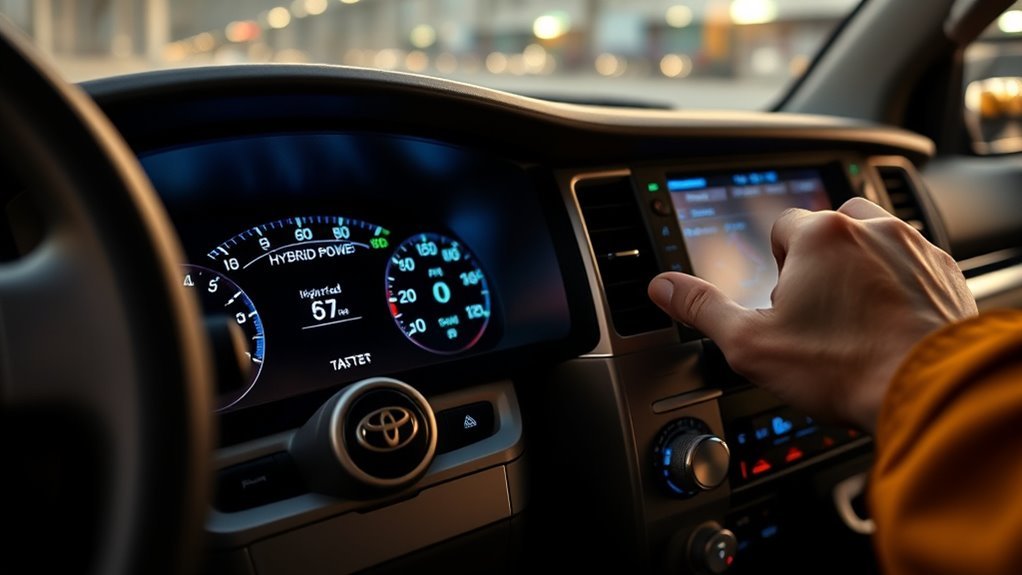
In the current U.S. Land Cruiser lineup, Toyota does not offer a regular non-hybrid gasoline version. The meaningful comparison for most U.S. shoppers is the i-FORCE MAX Land Cruiser versus older V8 Land Cruisers, other non-hybrid body-on-frame SUVs, or overseas-market Land Cruiser variants with different engines.
| i-FORCE MAX Advantage | Tradeoff |
|---|---|
| Strong low-end torque | More complex powertrain |
| Better EPA fuel economy than older V8 Land Cruiser models | Requires premium gasoline per EPA listing |
| Regenerative braking | Hybrid diagnostics may require specialized service |
| Smooth electric assist | Limited electric-only driving |
| 6,000-lb towing capacity | Towing still reduces real-world mpg |
The value case is strongest if you want a modern Land Cruiser that keeps serious 4WD hardware while reducing fuel consumption compared with the old U.S.-market V8 formula. The tradeoff is that long-term ownership now includes hybrid-specific parts and service knowledge.
[Products Worth Considering]
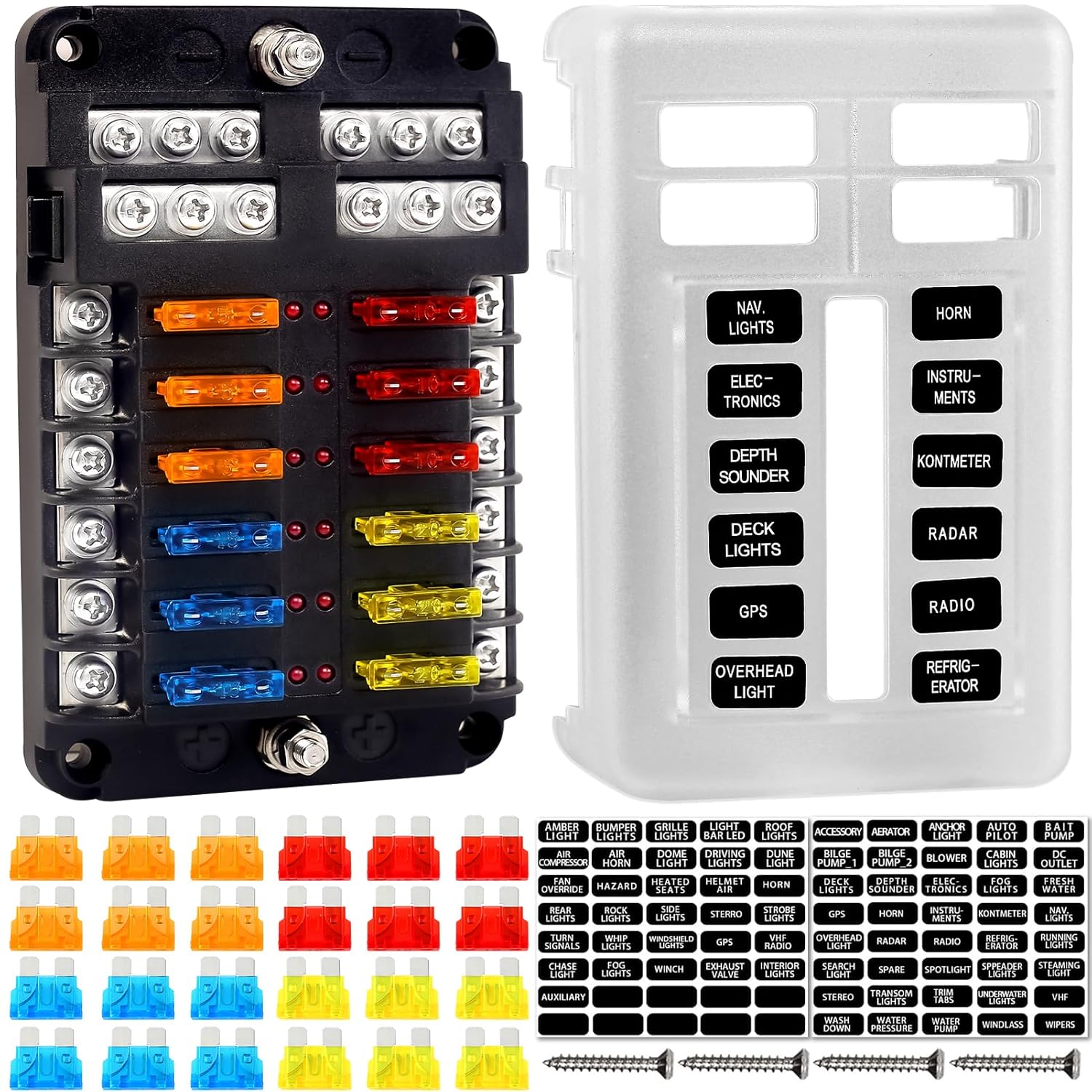
This 12-circuit fuse block provides organized, independent protection for vehicle and marine electrical systems, helping keep wiring neat and easier to maintain. Built with flame-retardant materials, nickel-plated copper components, and a protective cover, it offers reliable conductivity, corrosion resistance, and splash protection. LED indicators quickly identify blown fuses, while the included labels and extra blade inserts simplify installation and future service.

The ANCEL AD410 PRO combines engine diagnostics and 12V battery testing in one easy-to-use tool, helping you read and clear check engine codes while checking battery health, cranking, and charging performance. It also provides live data, freeze frame details, and I/M readiness checks to help you diagnose issues faster and prepare for emissions testing. With plug-and-play operation, a clear screen, and broad vehicle compatibility, it is a practical solution for home mechanics and everyday drivers.
Who Should Buy the i-FORCE MAX Land Cruiser?
You should consider the i-FORCE MAX Land Cruiser if you want a rugged 4WD SUV with better efficiency than older V8 Land Cruisers, strong torque for towing and trails, and modern Toyota hybrid technology that does not require plug-in charging.
It makes the most sense for drivers who:
- Want a body-on-frame SUV with full-time 4WD and real trail hardware.
- Plan to tow moderate loads up to the vehicle’s rated limit when properly equipped.
- Value low-speed torque and smooth drivability more than V8 sound or simplicity.
- Want better fuel economy than the older U.S. Land Cruiser without moving to a crossover.
- Are comfortable following Toyota’s maintenance schedule and using qualified service for hybrid components.
It may not be ideal if you want a low-cost, simple, non-hybrid off-roader; a long-range EV mode; or maximum fuel economy above all else. The Land Cruiser is still a heavy 4WD SUV, and the hybrid system improves its efficiency rather than transforming it into a small commuter car.
[Products Worth Considering]

FITS PERFECTLY - Specifically designed for toyota land cruiser prado 250 2024-2027. It seamlessly integrates with the original vehicle's central control structure, eliminating shaking or space waste caused by dimensional deviations. Please confirm your vehicle model before purchasing.

Custom Fit for Cool Box Models Only: Specifically designed to Compatible with 2024 2025 2026 2027 Toyota Land Cruiser Prado 250 and 2024 2025 2026 Lexus GX550 Models Equipped with the Factory Cool Box. This center console organizer ensures a precise fit and Does Not fit Non-Cool Box Versions
Frequently Asked Questions
What does i-FORCE MAX mean for Toyota?
i-FORCE MAX is Toyota’s name for certain turbo-hybrid truck and SUV powertrains. In the Land Cruiser, it means a 2.4L turbocharged engine, electric motor assist, an 8-speed automatic transmission, and a 1.87-kWh NiMH battery working together for stronger torque and better efficiency.
What is a Toyota Land Cruiser i-FORCE MAX?
A Toyota Land Cruiser i-FORCE MAX is a Land Cruiser powered by Toyota’s turbocharged hybrid system. For the U.S.-spec modern Land Cruiser, that means 326 net combined horsepower, 465 lb-ft of torque, full-time 4WD, and a 6,000-lb towing capacity.
Is the Land Cruiser i-FORCE MAX a plug-in hybrid?
No. The Land Cruiser i-FORCE MAX is not a plug-in hybrid. It has a small hybrid battery that charges through normal driving and regenerative braking. You do not plug it in, and it is not designed for long electric-only range.
What fuel economy does the Land Cruiser i-FORCE MAX get?
The EPA rates the 2024 Toyota Land Cruiser at 22 mpg city, 25 mpg highway, and 23 mpg combined on premium gasoline. Real-world fuel economy can be lower when towing, driving off-road, using larger tires, carrying heavy gear, or driving at higher speeds.
What is the difference between i-FORCE MAX and a regular gas engine?
A regular gas engine relies only on combustion power. i-FORCE MAX adds an electric motor and hybrid battery to assist the gasoline engine, improve low-speed torque, recover some braking energy, and reduce fuel use compared with a similar non-hybrid setup.
Conclusion
The Land Cruiser’s i-FORCE MAX system gives Toyota’s modern 4WD icon a different personality from the old V8 models: more hybrid-assisted torque, better EPA fuel economy, and smoother low-speed response, with the added complexity of a high-voltage hybrid system. For shoppers who want trail ability, towing confidence, and fewer fuel stops without plugging in, it is a practical and capable powertrain. The smartest approach is to understand what it is: a torque-focused truck hybrid, not a long-range EV.
Sources
- Toyota USA Newsroom: 2024 Toyota Land Cruiser Returns to its Origin — verifies i-FORCE MAX powertrain layout, horsepower, torque, electric motor, battery size, and 8-speed transmission.
- Toyota Land Cruiser official model page — verifies current Land Cruiser drivetrain, powertrain, torque, towing capacity, drive modes, and off-road features.
- FuelEconomy.gov: 2024 Toyota Land Cruiser — verifies EPA city/highway/combined mpg, premium gasoline requirement, tank size, and official fuel economy data.
- Toyota 2024 Land Cruiser Warranty & Maintenance Guide — verifies hybrid system warranty and hybrid battery warranty coverage.