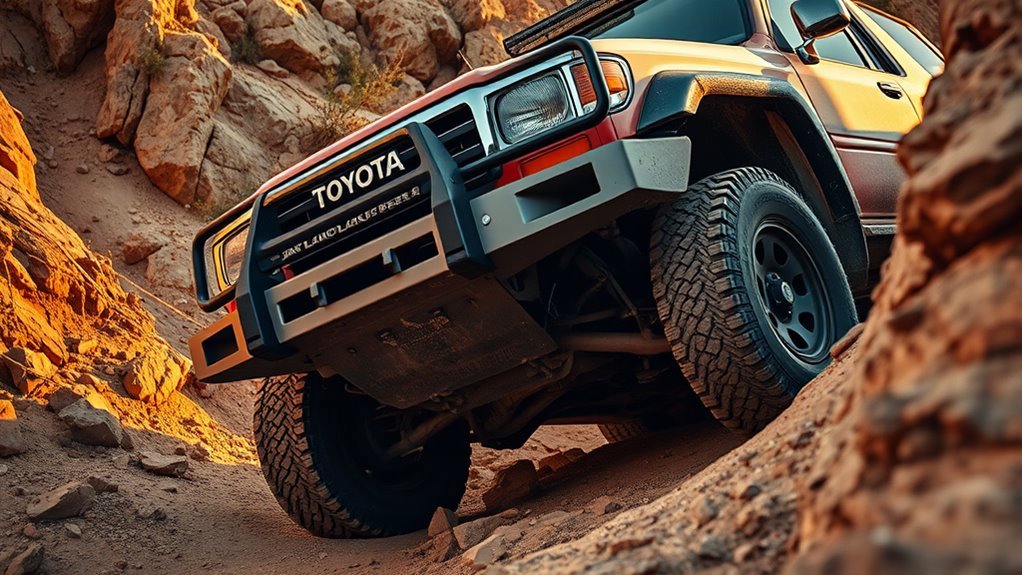
The 2025 Toyota Land Cruiser is built for steep trail entries, ledges, ruts, and rocky climbs, but the key number is often misquoted. Toyota lists the latest U.S.-market Land Cruiser at up to a 31-degree approach angle, not 33 degrees. That still gives it strong front-end clearance, especially when you understand how approach, departure, breakover, tire size, and bumper design work together.
Quick Answer
The 2025 Toyota Land Cruiser has an approach angle of up to 31 degrees, with Toyota also listing up to 8.7 inches of ground clearance, a 25-degree breakover angle, and a maximum 22-degree departure angle. Those figures are for stock factory geometry and can change with tires, suspension, bumpers, skid plates, or added trail gear.
Key Takeaways
- Toyota lists the 2025 Land Cruiser at up to 31° approach, 25° breakover, 22° max departure, and up to 8.7 inches of ground clearance.
- Approach angle tells you how steep an obstacle the front bumper can meet before it contacts the ground.
- The Land Cruiser has a better approach angle than a 2025 4Runner TRD Off-Road, but the 4Runner TRD Pro and Trailhunter improve to a 33° approach angle.
- Larger tires, a modest lift, or a shorter bumper can improve approach clearance, but poor fitment can hurt steering, braking, alignment, and stability.
2025 Land Cruiser Approach Angle: The Correct Number and Quick Verdict
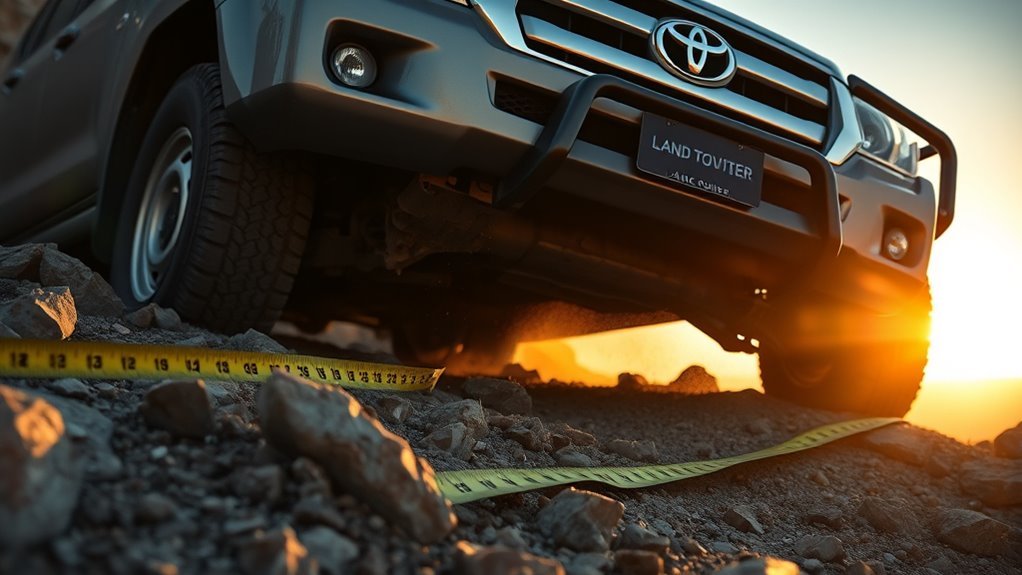
The correct factory figure for the 2025 Toyota Land Cruiser is up to a 31-degree approach angle. Toyota also lists the model with up to 8.7 inches of ground clearance, a 25-degree breakover angle, and a maximum 22-degree departure angle. You can verify the current factory positioning through Toyota’s official 2025 Land Cruiser newsroom release and Toyota Land Cruiser specifications page.
That 31-degree approach angle means the Land Cruiser can meet steep trail entries, rock shelves, and sand faces with less risk of the front bumper scraping. It is not the only number that matters, though. On real trails, the approach angle protects the nose, the breakover angle protects the center of the vehicle, and the departure angle protects the rear bumper when you drive off a ledge or down a steep exit.
The 2025 Land Cruiser’s approach angle is best described as strong and trail-ready, but not 33 degrees in Toyota’s U.S. factory specs.
How Approach Angle Is Measured and What Toyota’s Specs Include
Approach angle is the steepest angle a vehicle can climb or meet from the front before the lowest forward point, usually the bumper or air dam area, contacts the terrain. Toyota explains that approach angle, departure angle, and ground clearance are core parts of a vehicle’s off-road geometry in its vehicle geometry guide.
Measuring the Angle
To visualize approach angle, imagine a straight line drawn from the front tire’s ground contact patch to the lowest forward point of the front bumper. The angle between that line and the flat ground is the vehicle’s approach angle. A higher number means the front end can meet a steeper obstacle before the bumper touches.
At a Glance
| Time Required | 5–10 minutes for a basic driveway check |
| Difficulty | Easy |
| Tools Needed | Level ground, straight board or string line, tape measure, and an angle finder or smartphone inclinometer |
| Cost | Free to low cost, depending on tools already owned |
For a quick driveway check, park on level ground, identify the front tire contact patch, and find the lowest forward point likely to hit an obstacle. Use a straight edge or string between those two points, then measure the angle against the ground. This is a practical estimate, not a replacement for manufacturer test data.
What Is Included in Factory Specs
Toyota’s factory approach angle is based on the Land Cruiser’s stock geometry. That includes the original bumper shape, original tire size, factory suspension height, stock overhang, and factory curb configuration. Once you change tires, lift height, bumpers, skid plates, rock rails, or load weight, the number can change.
- Factory number: up to 31° approach angle for the 2025 Land Cruiser.
- Other factory geometry: up to 8.7 inches ground clearance, 25° breakover, and maximum 22° departure.
- Measured from: the front tire contact patch to the lowest forward point of the vehicle.
- Changed by: larger tires, suspension lift, bumper design, front accessories, skid plates, and cargo weight.
- Best use: comparing vehicles, planning trail lines, and estimating bumper-strike risk.
Note: Treat published angles as baseline numbers. A loaded roof rack, steel bumper, winch, skid plates, passengers, or recovery gear can reduce usable clearance even when the factory spec looks strong on paper.
2025 Land Cruiser vs. 4Runner: Approach Angle and Close Comparisons
The Land Cruiser and 2025 4Runner are close relatives because both use Toyota’s TNGA-F truck platform. Toyota says the 4Runner shares this platform with Tacoma, Tundra, Sequoia, and Land Cruiser in its 2025 4Runner release. But the two SUVs do not have the same off-road geometry across every trim.
The cleanest comparison is against the 2025 4Runner TRD Off-Road. That trim is commonly listed with a 19-degree approach angle, 24-degree departure angle, and 9.1 inches of ground clearance. Against that version, the Land Cruiser’s 31-degree approach angle gives it a clear advantage when entering steep obstacles. However, the 4Runner TRD Pro and Trailhunter trims improve approach clearance significantly and are commonly listed at 33 degrees.
| Metric | 2025 Land Cruiser | 2025 4Runner TRD Off-Road | 2025 4Runner TRD Pro / Trailhunter |
|---|---|---|---|
| Approach Angle | Up to 31° | 19° | 33° |
| Ground Clearance | Up to 8.7 in | 9.1 in | 10.1 in |
| Departure Angle | Max 22° | 24° | 24° |
| Breakover Angle | 25° | 24° | 24° |
The takeaway is simple: the Land Cruiser is stronger than the 4Runner TRD Off-Road for front-first climbs, but the top off-road 4Runner trims are more aggressive on approach angle. The 4Runner also has a departure-angle advantage, which can matter on steep descents or ledge exits.
[Products Worth Considering]
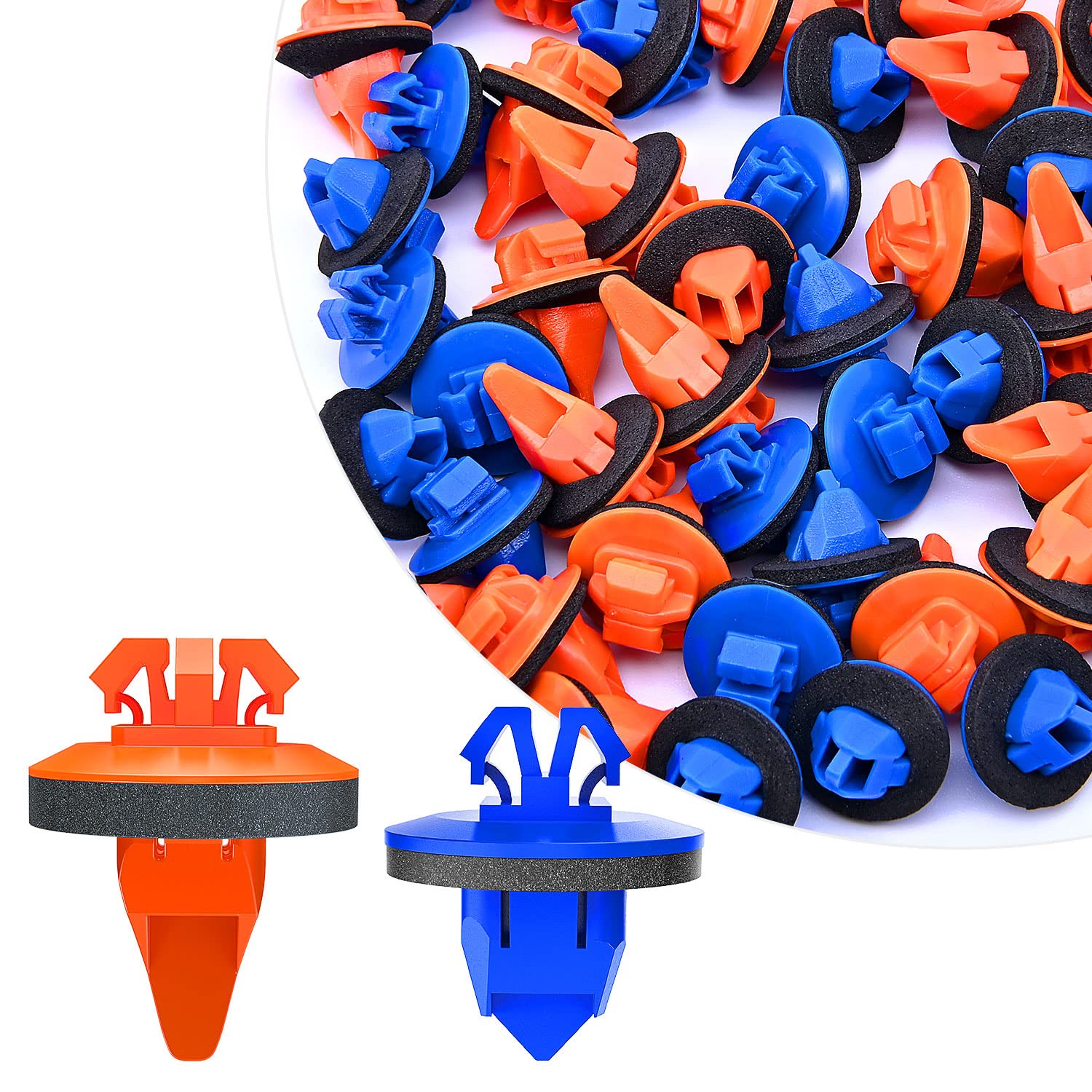
These replacement fender flare clips are designed to restore secure body trim mounting on compatible Toyota vehicles. The kit includes both rocker moulding and wheel flare moulding clips with sealers, helping ensure a proper fit for common applications on 4Runner, FJ Cruiser, Highlander, RAV4, and Tacoma models. With a mixed 100-piece assortment, this set is ideal for repairs, trim replacement, and maintenance.

This master ball joint removal kit gives you the tools needed to remove and install ball joints, tie rod ends, Pitman arms, and other front-end components. It is designed for broad compatibility with many GM, Chevrolet, Ford, and Dodge vehicles, including a range of light trucks, vans, and SUVs. Built from forged steel and stored in a molded ABS case, it offers durable performance and organized portability for garage or shop use.

This frameless convex blind spot mirror helps expand your field of view for safer lane changes, passing, and merging. The HD glass design offers a clear, wide-angle rear view, while the swivel mount supports flexible positioning for cars, SUVs, trucks, vans, and RVs. Easy to install and built for all-weather use, it is a practical upgrade for everyday driving confidence.
How Approach, Departure, and Breakover Work Together on Trails
Approach angle gets the attention, but it is only one part of off-road clearance. A vehicle with a great approach angle can still scrape the middle or rear if the breakover and departure angles are not suited to the obstacle.
- Approach angle protects the front bumper when climbing into a ledge, ditch, berm, or steep trail entry.
- Breakover angle protects the middle of the vehicle when cresting a ridge, rock, or mound.
- Departure angle protects the rear bumper when dropping off a ledge or leaving a steep slope.
- Ground clearance helps the lowest underbody points clear rocks, ruts, and trail debris.
- Wheelbase affects how easily the center of the vehicle can hang up on a crest.
On the 2025 Land Cruiser, the strong 31-degree approach angle helps when the trail points upward quickly. The 25-degree breakover angle helps on ridges and humps. The 22-degree maximum departure angle is usable, but it is the number to watch when dropping off a shelf or exiting a steep wash.
Pro Tip: When in doubt, choose a line that keeps the vehicle as level as possible and avoids hitting the obstacle straight into the bumper. A small diagonal approach can help, but too much angle can increase rollover risk on side slopes.
Mods That Increase the Land Cruiser’s Approach Capability: Tires, Lift, and Bumpers
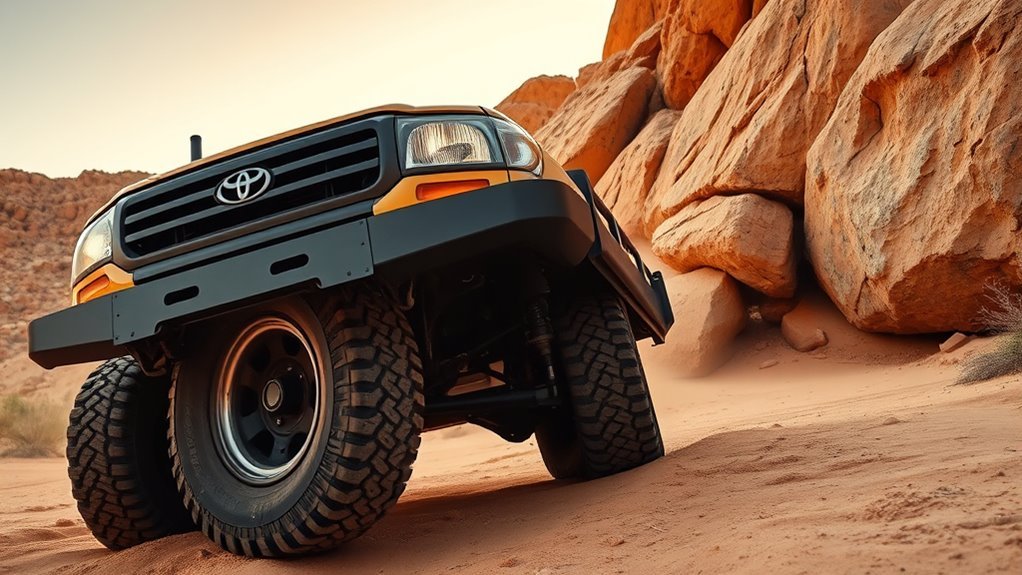
You can improve a Land Cruiser’s practical approach capability, but every modification should be chosen as a system. Tires, suspension, bumper weight, wheel offset, alignment, braking, gearing, and driver-assistance systems all interact.
[Products Worth Considering]

This rolling creeper mat helps you work under low-clearance vehicles without jacking, making under-car repairs faster and less stressful. Its thick cushioning supports your back and knees on rough surfaces, while the smooth-rolling design and compact foldable build make it ideal for garage use, roadside fixes, and mobile mechanics. The included storage bag makes it easy to pack, carry, and store in a car, RV, or truck.

This all-in-one front end service kit is designed to help remove stubborn ball joints, tie rod ends, and pitman arms on a wide range of vehicles. Built from hardened alloy and organized in a portable ABS case, it offers reliable performance for both professional mechanics and DIY repairs.

This precision straight edge is designed for accurate engine block and cylinder head inspections, helping machinists and mechanics check flatness with confidence. Made from thick cold rolled steel and finished with a protective powder coat, it offers durability, rigidity, and long-term reliability in demanding shop environments. A reusable edge cover and hang hole add convenience for storage and care.
Larger Off-Road Tires
Larger-diameter off-road tires can raise the axle and body slightly, which improves ground clearance and can improve the practical angle between the tire contact patch and the bumper. Tires also affect traction, sidewall strength, ride quality, fuel economy, braking distance, and speedometer accuracy.
- Confirm tire diameter and width against wheel-well clearance.
- Check full steering lock in both directions.
- Verify load rating, speed rating, and wheel compatibility.
- Expect changes to acceleration, braking feel, fuel economy, and speedometer reading.
- Recheck tire pressure guidance and load limits after changing tire size.
Suspension Lift Kits
A modest suspension lift can raise the body and improve clearance at the bumper and underbody. It can also make room for larger tires. However, a lift can change steering geometry, suspension travel, center of gravity, alignment, and electronic safety-system behavior.
Warning: Do not choose a lift, tire, or wheel package by appearance alone. Poor fitment can cause rubbing, unstable handling, premature component wear, inaccurate tire placard information, and reduced braking control. Use a qualified installer and follow tire safety guidance from sources such as NHTSA TireWise.
Front Bumpers and Overhang
A shorter-profile aftermarket bumper can improve approach clearance by reducing front overhang. A heavy steel bumper or winch can also add useful protection and recovery capability, but it adds front-end weight. That weight may lower ride height unless the suspension is matched to the load.
For best results, plan the whole front-end package together: bumper, winch, skid plate, springs, shocks, tire size, and alignment. That gives you a better chance of improving clearance without making the Land Cruiser worse on the road.
Real-World Trail Scenarios Where Approach Angle Matters Most
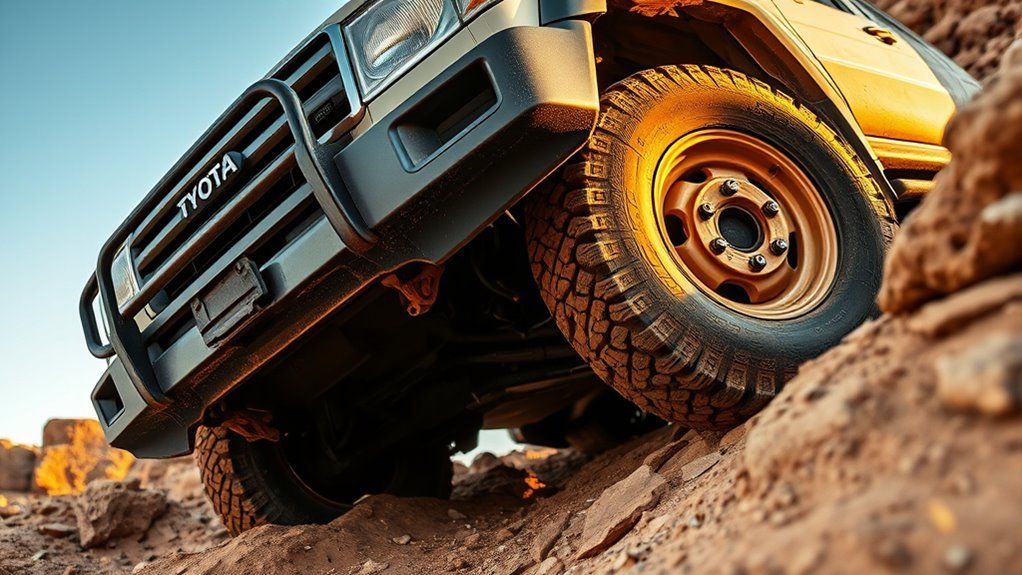
The Land Cruiser’s approach angle matters most when the front of the vehicle meets a sudden rise. That includes ledges, ditches, rocks, sand mounds, washouts, and steep trail entrances.
- Rock ledges: A higher approach angle reduces the chance of the bumper striking before the tires begin climbing.
- Steep dirt climbs: The nose can rise into the slope without digging into the ground as quickly.
- Ruts and washouts: Better front clearance helps when dropping into or climbing out of uneven trail cuts.
- Sand berms: The front end is less likely to plow into the mound and kill momentum.
- Tight forest trails: A cleaner front profile reduces snag points on roots, rocks, and banked turns.
Driver technique still matters. Good tires, low-range gearing, traction control systems, and careful throttle input can help you clear obstacles smoothly. The Land Cruiser’s standard full-time four-wheel drive, center and rear locking differentials, CRAWL Control, and available trail camera technology also support low-speed trail control.
Angle Trade-Offs: Choosing Between Land Cruiser and 4Runner for Off-Road Use
Choose the Land Cruiser if you want a balanced factory overlander with strong approach clearance, premium daily comfort, full-time four-wheel drive, and a simpler two-grade lineup. Its 31-degree approach angle is more than enough for many technical trails, and the 25-degree breakover angle is slightly better than the common 24-degree figure listed for 2025 4Runner off-road trims.
Choose the 4Runner TRD Off-Road if you want a less expensive entry point into Toyota’s off-road SUV lineup and you value its 24-degree departure angle and 9.1 inches of ground clearance. Just remember that its 19-degree approach angle is the limiting number when entering steep obstacles.
Choose the 4Runner TRD Pro or Trailhunter if approach angle is your main priority. Those trims are commonly listed with a 33-degree approach angle and 10.1 inches of ground clearance thanks to more aggressive off-road hardware and front-end packaging.
[Products Worth Considering]
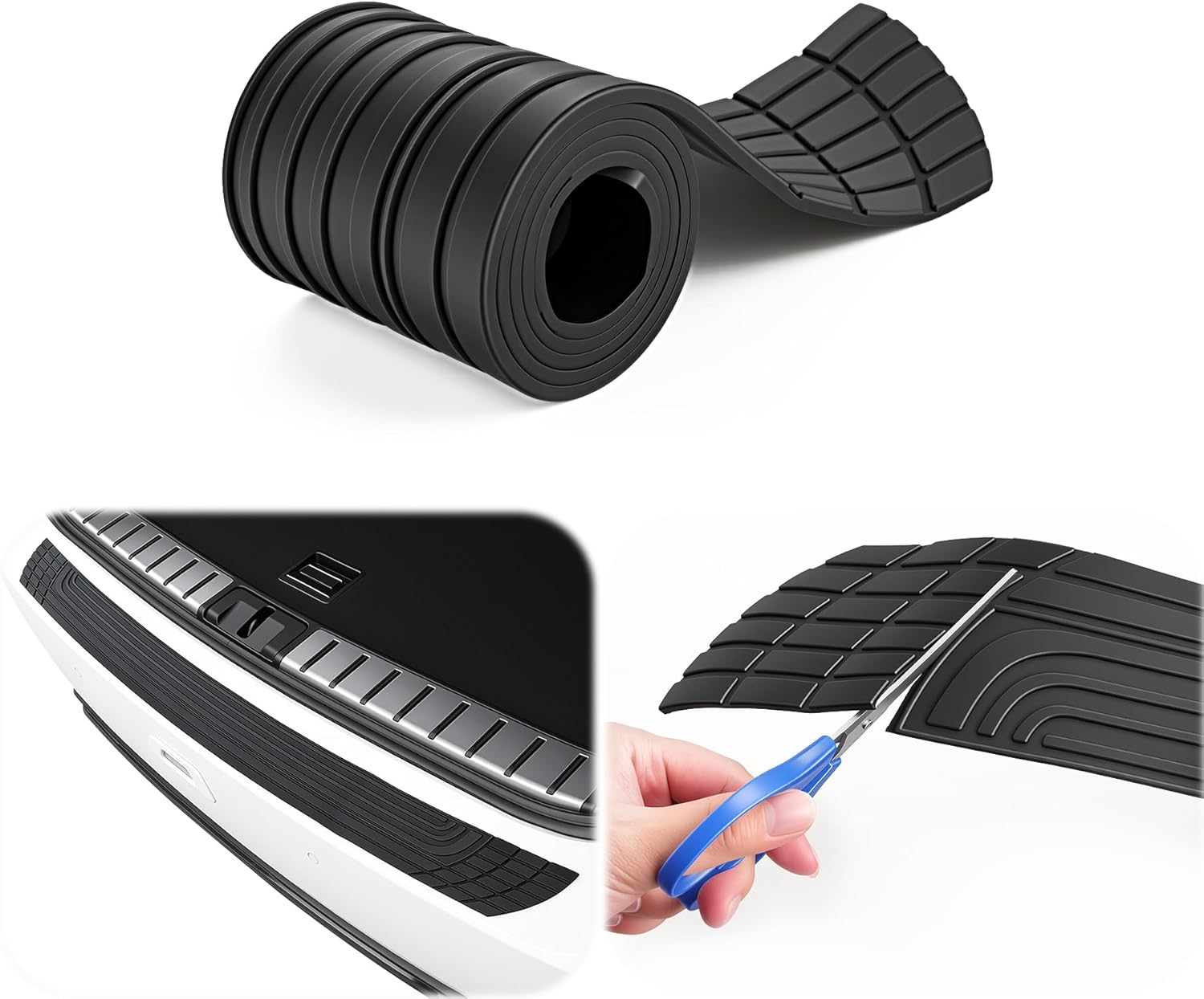
Protect your vehicle’s rear bumper from scratches, scuffs, and everyday loading damage with this universal bumper protector. Its flexible rubber design helps absorb impact and features an anti-slip groove pattern for added security when placing cargo in the trunk. Easy to install without drilling or welding, it is a practical exterior accessory for most cars and SUVs.

These grille retainer clips provide a reliable replacement for the OEM Toyota 90467-12040 part number, helping restore secure body panel attachment on compatible vehicles. Designed for a tight push-in fit, they are made from durable black nylon to resist wear, corrosion, and cracking during everyday use. This set of 10 is ideal for keeping spare clips on hand for grille and trim repairs.

This keyless entry remote replacement is designed for select Toyota models and comes pre-tested with battery and electronics installed for ready-to-program convenience. It supports compatible part numbers and FCC IDs, making it a practical solution for replacing a lost or damaged fob. Programming and cutting by a qualified locksmith or dealership are required, and it is intended for regular key vehicles rather than push-start systems.
Which One Is Better for Steep Climbs?
For steep front-first climbs, the ranking is generally:
- 4Runner TRD Pro / Trailhunter: best factory approach number at 33°.
- Land Cruiser: strong factory approach number at up to 31°.
- 4Runner TRD Off-Road: capable overall, but limited by a 19° approach angle.
Which One Is Better for Steep Exits?
The 4Runner has the advantage on departure angle in many trims, especially when compared with the Land Cruiser’s maximum 22-degree departure angle. That matters when dropping off rocks, shelves, and steep exits where the rear bumper is more likely to drag.
Common Mistakes When Reading Approach Angle Specs
Approach angle is useful, but it is easy to misread. Avoid these common mistakes before comparing the Land Cruiser with a 4Runner, Wrangler, Bronco, GX, or any other off-road SUV.
- Using the wrong trim: A 4Runner TRD Off-Road and 4Runner Trailhunter do not have the same front-end geometry.
- Ignoring “up to” language: Factory specs can vary by trim, equipment, tires, and accessories.
- Forgetting the rear: A great approach angle does not prevent the rear bumper from scraping on exit.
- Assuming a lift fixes everything: A lift can improve clearance but may also raise the center of gravity and change handling.
- Comparing modified to stock: A lifted SUV with a high-clearance bumper is not a fair match against a factory vehicle.
Frequently Asked Questions
What is the approach angle of the 2025 Toyota Land Cruiser?
The 2025 Toyota Land Cruiser has an approach angle of up to 31 degrees in Toyota’s U.S. factory information. Some online discussions incorrectly state 33 degrees, but that figure better matches the 2025 4Runner TRD Pro and Trailhunter, not the Land Cruiser’s listed U.S. factory spec.
Is a higher approach angle better?
Yes, a higher approach angle is generally better for steep trail entries because the front bumper can clear sharper climbs before touching the terrain. It does not guarantee the whole vehicle will clear the obstacle, though. You still need enough breakover angle, departure angle, ground clearance, traction, and driver control.
What is the breakover angle of the 2025 Land Cruiser?
Toyota lists the 2025 Land Cruiser with a 25-degree breakover angle. Breakover angle matters when cresting a ridge, rock, or mound because it helps determine whether the middle of the vehicle will scrape or hang up.
What is the departure angle of the 2025 Land Cruiser?
Toyota lists the 2025 Land Cruiser with a maximum 22-degree departure angle. That is the number to watch when leaving a steep obstacle, dropping off a ledge, or descending a trail where the rear bumper may contact the ground.
Can larger tires improve the Land Cruiser’s approach angle?
Larger tires can improve practical clearance by raising the vehicle slightly, but they must fit correctly. Check rubbing, load rating, wheel compatibility, spare-tire storage, speedometer accuracy, alignment, braking feel, and suspension clearance before making the change.
Is the Land Cruiser better off-road than the 2025 4Runner?
It depends on trim and terrain. The Land Cruiser has a better approach angle than the 4Runner TRD Off-Road, but the 4Runner TRD Pro and Trailhunter have stronger factory approach and ground-clearance numbers. The Land Cruiser is more premium and balanced, while the 4Runner lineup offers more trim choices and more aggressive top off-road variants.
Conclusion
The 2025 Toyota Land Cruiser’s approach angle is best understood as up to 31 degrees, backed by a 25-degree breakover angle, a maximum 22-degree departure angle, and up to 8.7 inches of ground clearance. That makes it a confident trail SUV for steep entries, ruts, ledges, and overlanding routes.
The main correction is important: the Land Cruiser is not a 33-degree approach-angle SUV in Toyota’s U.S. factory specs. If you want the sharper 33-degree Toyota number, look at the 2025 4Runner TRD Pro or Trailhunter. If you want a balanced, comfortable, heritage-rich SUV with strong off-road geometry and full-time four-wheel drive, the Land Cruiser remains one of Toyota’s most capable choices.
Sources
- Toyota USA Newsroom: The Capable Toyota Land Cruiser Adventures into 2025 — backs up Land Cruiser powertrain, off-road systems, model-year context, and factory positioning.
- Toyota: 2025 Land Cruiser Features and Specs — official Toyota model specification reference.
- Toyota USA Newsroom: Explaining Toyota’s Vehicle Geometry — backs up the importance of approach angle, departure angle, and ground clearance.
- Toyota USA Newsroom: The All-New 2025 Toyota 4Runner — backs up 4Runner platform, trims, powertrains, and off-road model context.
- Toyota: 2025 4Runner Features and Specs — official Toyota 4Runner specification reference.
- NHTSA TireWise — backs up tire safety considerations for tire changes, load, inflation, and maintenance.