KDSS can make a heavy Land Cruiser feel calmer on pavement and more flexible off road, but the most important detail is this: it applies only to KDSS-equipped Land Cruisers and related Toyota/Lexus models. Older 200-Series Land Cruisers and some market-specific Land Cruiser/Prado trims used KDSS, while newer Land Cruiser 250 models may use a front stabilizer-bar disconnect system instead of KDSS.
Quick Answer
KDSS, or Kinetic Dynamic Suspension System, is Toyota’s hydraulic stabilizer-bar control system. On pavement, it helps the anti-roll bars reduce body lean. At low-speed off-road angles, it reduces sway-bar resistance so the suspension can move more freely and keep tires in contact with uneven terrain.
Key Takeaways
- KDSS is a hydraulic system that changes how the stabilizer bars resist body roll.
- It improves on-road stability while helping wheel travel off road on KDSS-equipped vehicles.
- Not every Land Cruiser has KDSS; current 250-Series Land Cruiser models may use a front stabilizer-bar disconnect instead.
- KDSS suspension lifts need KDSS-compatible parts and careful installation.
- Leaks, lean, warning lights, clunks, or uneven ride height deserve inspection by a Toyota/Lexus technician or KDSS-experienced shop.
What KDSS Does on the Land Cruiser
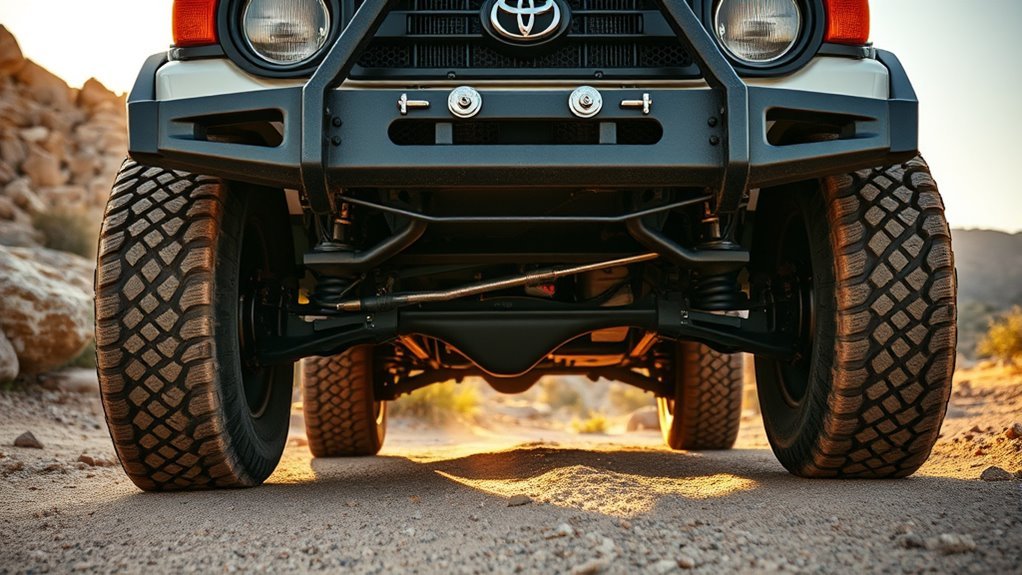
Think of KDSS as a hydraulic helper for the stabilizer bars. When a KDSS-equipped Land Cruiser is cornering on pavement, the system helps the anti-roll bars work more conventionally, reducing body lean and improving control. Toyota describes KDSS as a system that hydraulically adjusts the lean resistance provided by the stabilizer bars and reduces sway resistance off road to help minimize wheel lift on uneven ground.
That gives you the core benefit: better road manners without giving up as much low-speed trail articulation. You do not press a KDSS button, and you do not select a KDSS mode. The system reacts through hydraulic pressure as the suspension loads change.
Note: KDSS is not the same as the front stabilizer-bar disconnect used on newer Land Cruiser 250 models. Toyota’s current U.S. off-road overview distinguishes the Land Cruiser’s Stabilizer Disconnect Mechanism from the 4Runner’s Kinetic Dynamic Suspension System.
What KDSS Is: Mechanical Overview
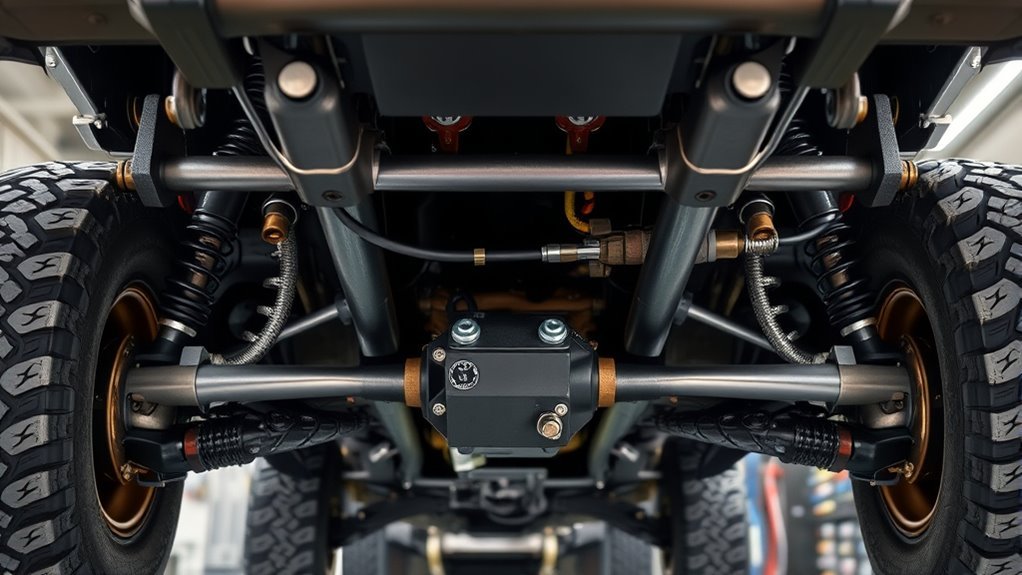
KDSS is not a full suspension replacement. It is a stabilizer-bar control system added to a conventional suspension layout. The core parts are hydraulic cylinders, hydraulic lines, a stabilizer control/accumulator assembly, and the front and rear anti-roll bars.
| Part | What it does |
|---|---|
| Front and rear stabilizer bars | Reduce body roll during normal driving. |
| Hydraulic cylinders | Let the stabilizer bars resist roll on road and move more freely off road. |
| Hydraulic lines | Connect the front and rear KDSS circuits. |
| Accumulator/control valve assembly | Manages hydraulic pressure in the system. |
| KDSS warning light/diagnostics | Helps indicate when the system needs inspection or troubleshooting. |
On earlier U.S. Land Cruiser 200-Series models, Toyota specifically credited KDSS with helping the vehicle keep smooth on-road manners while retaining off-road DNA. In other markets, Land Cruiser Prado and Land Cruiser variants have also used KDSS or electrically modulated KDSS depending on model year and trim.
How KDSS Works: Hydraulics, Cylinders, and the Accumulator
On flat pavement, the stabilizer bars help control body roll. When the vehicle leans in a corner, the KDSS hydraulic circuit helps the stabilizer bars resist that lean, so the cabin feels more settled and steering response feels cleaner.
Off road, the load on the suspension is different. One wheel may drop into a rut while another climbs a rock or mound. In that situation, KDSS allows more relative movement through the stabilizer-bar system, which helps the suspension articulate instead of lifting a tire too early.
The simple version is this: on road, KDSS favors roll control; off road, it favors wheel movement. That is why many Land Cruiser, 4Runner, GX, and Prado owners like KDSS for mixed driving.
Pro Tip: When comparing vehicles, do not rely only on badges or trim names. Check the window sticker, VIN build sheet, underbody hardware, and service records to confirm whether a specific Land Cruiser actually has KDSS.
Real-World Benefits: On-Road Handling and Off-Road Articulation
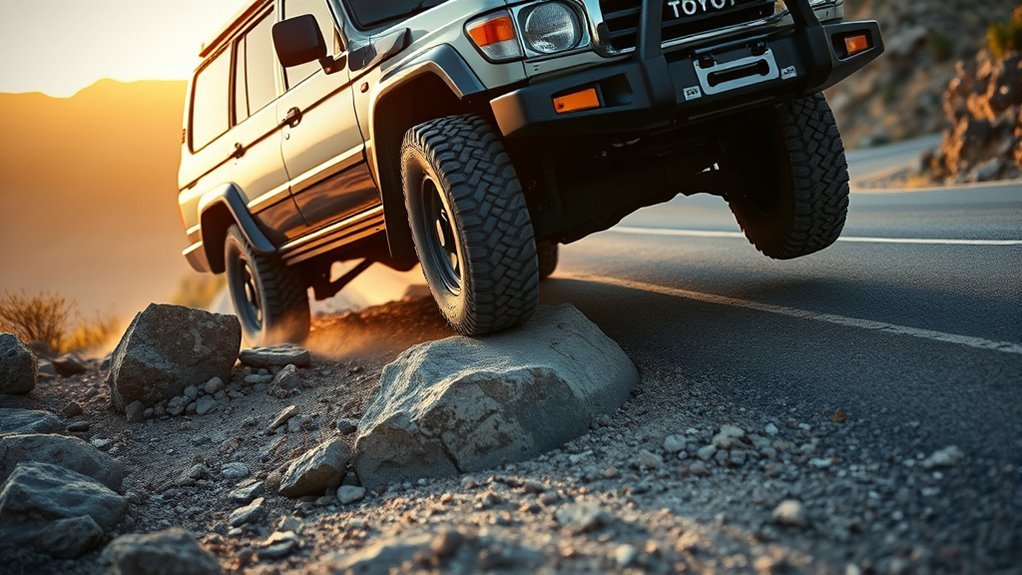
The big appeal of KDSS is balance. A stiff anti-roll bar is good for road control, but it can limit wheel movement off road. A disconnected or very soft stabilizer setup can help articulation, but it can feel loose on pavement. KDSS is Toyota’s way of reducing that compromise on equipped vehicles.
Improved Cornering Stability
A Land Cruiser is tall, heavy, and built for rough terrain, so body roll is part of the package. KDSS helps control that roll by letting the stabilizer bars do their job during normal pavement driving. The result is a steadier feel in corners, lane changes, and highway transitions.
- Less cabin sway in everyday driving
- More confident steering feel on curving roads
- Better composure during quick lane changes
- Reduced compromise between road comfort and trail ability
Enhanced Wheel Articulation
On slow, uneven trails, KDSS reduces stabilizer-bar resistance so the suspension can move more freely. Toyota’s official 4Runner KDSS material describes this as extended wheel travel at slow speeds for greater off-road capability and control. The benefit is simple: more tire contact can mean more traction.
That does not mean KDSS turns a Land Cruiser into a rock buggy. Tires, ground clearance, gearing, lockers, driver skill, and trail conditions still matter. KDSS simply helps the suspension use more of its available movement before the stabilizer bars fight articulation.
Smooth Uneven Terrain Response
Because KDSS allows more suspension movement on uneven ground, the vehicle can feel less busy over ruts, washouts, and offset bumps. You may notice fewer abrupt side-to-side motions at trail speeds, especially compared with a setup that keeps stiff stabilizer bars fully engaged.
KDSS is valuable because it improves the exact compromise that matters most in a Land Cruiser: stable road handling and useful low-speed off-road flex.
How to Tell If Your Land Cruiser Has KDSS
The fastest way is to check the original window sticker or a Toyota/Lexus build sheet by VIN. If you are inspecting the vehicle in person, look underneath for KDSS-specific hydraulic hardware.
- Look for hydraulic cylinders attached near the stabilizer bars.
- Check for hydraulic lines running along the frame.
- Look for the accumulator/control valve assembly, often mounted near the frame rail on KDSS-equipped Toyota/Lexus trucks.
- Check the dash at startup for a KDSS indicator light behavior if the model uses one.
- Ask for service records showing KDSS inspections, repairs, or suspension work.
Be careful with assumptions. A Land Cruiser, Prado, 4Runner, GX, or LX may have different suspension technology depending on model year, market, trim, and package.
[Products Worth Considering]
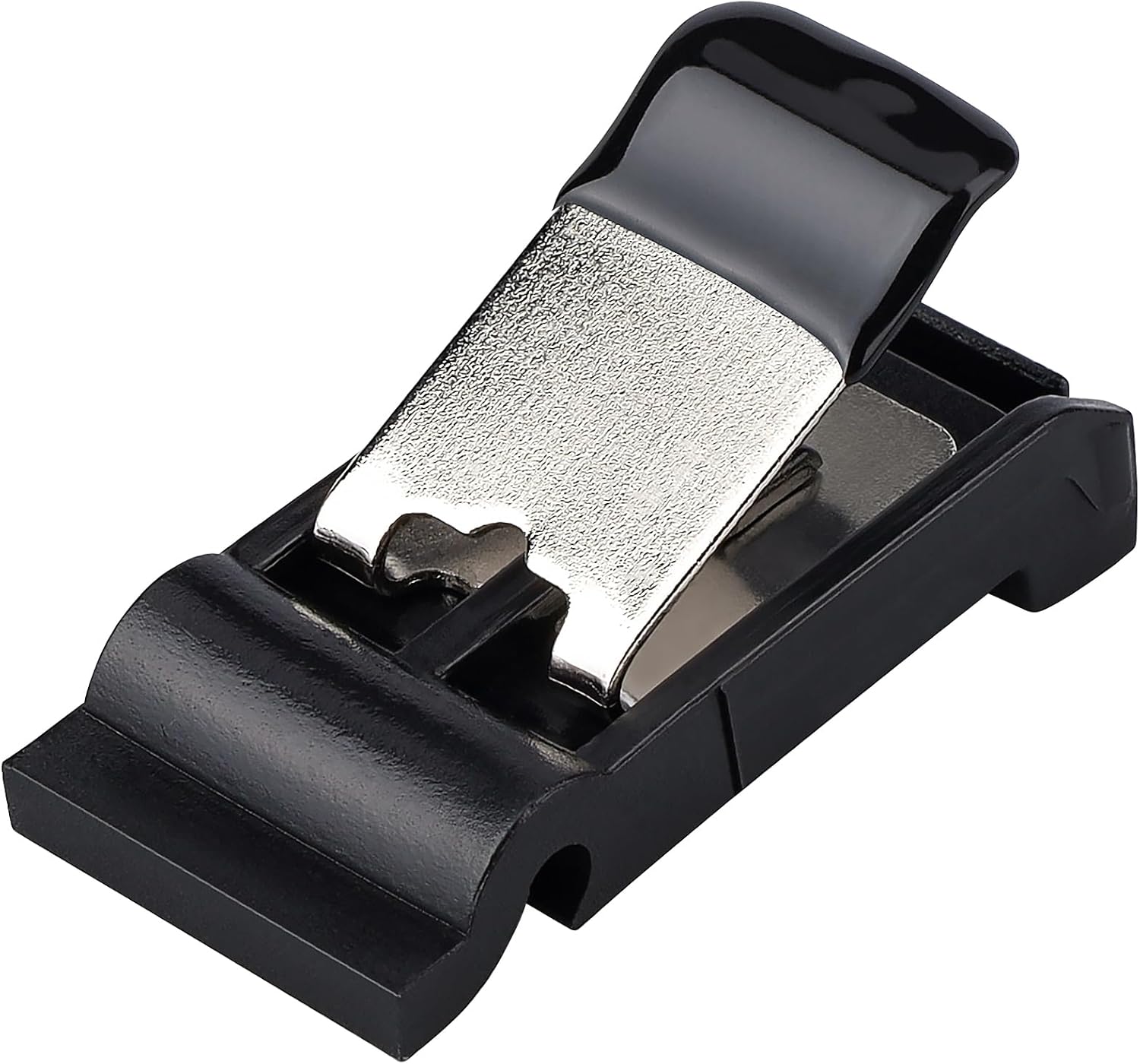
This fuel door spring clip is designed to restore proper gas tank door operation on a wide range of Toyota, Lexus, and Scion vehicles. It helps fix common issues like a stuck fuel door or one that opens too quickly, making refueling smoother and more convenient. Built as a direct replacement for compatible part numbers, it offers a practical repair solution for worn or broken clips.

Custom-fit floor mats and cargo liner designed to provide edge-to-edge protection for the Toyota Land Cruiser Prado. Made from durable TPE material, they offer all-weather defense against rain, slush, snow, mud, and everyday dirt while remaining easy to install, clean, and maintain. The odorless, non-slip design helps keep your interior safer, cleaner, and more comfortable in every season.

These custom floor mats are designed to fit the Toyota Land Cruiser GX550 with a 5-seat layout for a precise, secure install. Made from durable TPE, they help shield your interior from spills, mud, snow, dirt, sand, pet hair, and everyday debris while making cleanup quick and easy.
KDSS vs SDM, E-KDSS, and Aftermarket Suspensions
KDSS is often confused with other Toyota and Lexus stabilizer systems. Here is the practical difference.
| System | How it works | Where you may see it |
|---|---|---|
| KDSS | Hydraulically changes stabilizer-bar lean resistance. | Older/specific Land Cruiser, Prado, 4Runner, GX, and related Toyota/Lexus models. |
| SDM / front stabilizer disconnect | Disconnects the front stabilizer bar to increase flex at the push of a button. | Current Land Cruiser 250 models in key markets. |
| E-KDSS | Electronically controls locking and unlocking of front and rear stabilizer bars. | Newer Lexus GX Overtrail and Overtrail+ models. |
| Aftermarket suspension kits | Change ride height, shocks, springs, or geometry; may or may not work cleanly with KDSS. | Modified Land Cruiser, 4Runner, Prado, and GX builds. |
Compared with a simple manual disconnect, KDSS is more seamless because it does not require the driver to get out of the vehicle or manually disconnect links. Compared with E-KDSS, older KDSS is less electronically sophisticated. Compared with a standard sway-bar setup, KDSS is more complex and can cost more to service.
[Products Worth Considering]
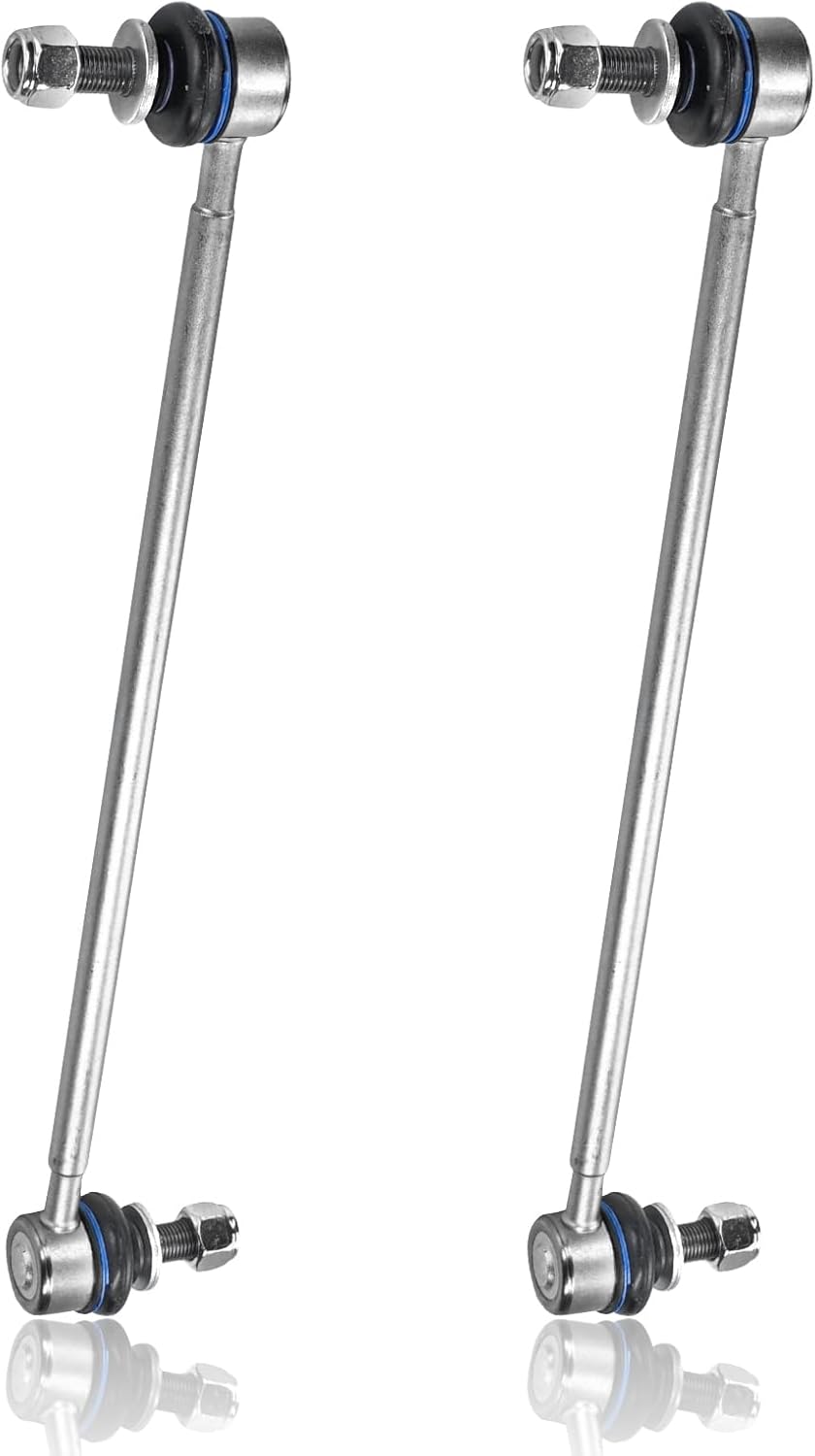
These front stabilizer sway bar end links are designed to restore smooth, stable handling and reduce noise and vibration during turns and over bumps. Compatible with select Toyota, Prius, and Scion models, they offer a reliable replacement built to meet manufacturing standards with corrosion-resistant coating and a strong, durable body.

This front stabilizer sway bar link set is designed to restore smooth, controlled handling and reduce clunking noises caused by worn suspension components. Built with a zinc-nickel alloy coating, carbon steel, and reinforced ball studs, it offers strong corrosion resistance and durable performance for a wide range of Toyota, Lexus, and Scion models. It is engineered for straightforward installation and reliable OE-style fitment.

This brake bleeder hose kit helps remove old brake fluid and air from motorcycle brake and clutch systems quickly and efficiently. Its one-way check valve prevents air from being drawn back into the system, while the easy-to-connect clips make bleeding simple for routine maintenance. Built for reliable use, it is a practical tool for keeping motorcycle braking performance responsive.
Limits & Maintenance: Common Failures and Service Tips
KDSS is durable when maintained, but it is not maintenance-free. The system uses hydraulic pressure, seals, lines, cylinders, and a control/accumulator assembly. Age, corrosion, road salt, impacts, poor lift installation, and leaks can all cause problems.
[Products Worth Considering]

This Nilight LED light bar set delivers bright spot and flood combo lighting for off-road driving, work sites, and rugged trails. Built with high-intensity LEDs, an aluminum housing for better heat dissipation, and IP67 waterproof protection, it is designed for reliable performance in demanding conditions. The included wiring harness kit and mounting brackets make installation straightforward and secure.

This EL-50448 TPMS relearn tool helps quickly activate and reset tire pressure sensors so your vehicle’s monitoring system stays accurate after tire rotations, sensor replacement, or seasonal tire changes. Designed for many GM-related vehicles and compatible with common 315 and 433 MHz TPMS systems, it offers simple one-button operation and reliable performance for clearing warning lights and relearning sensor positions.
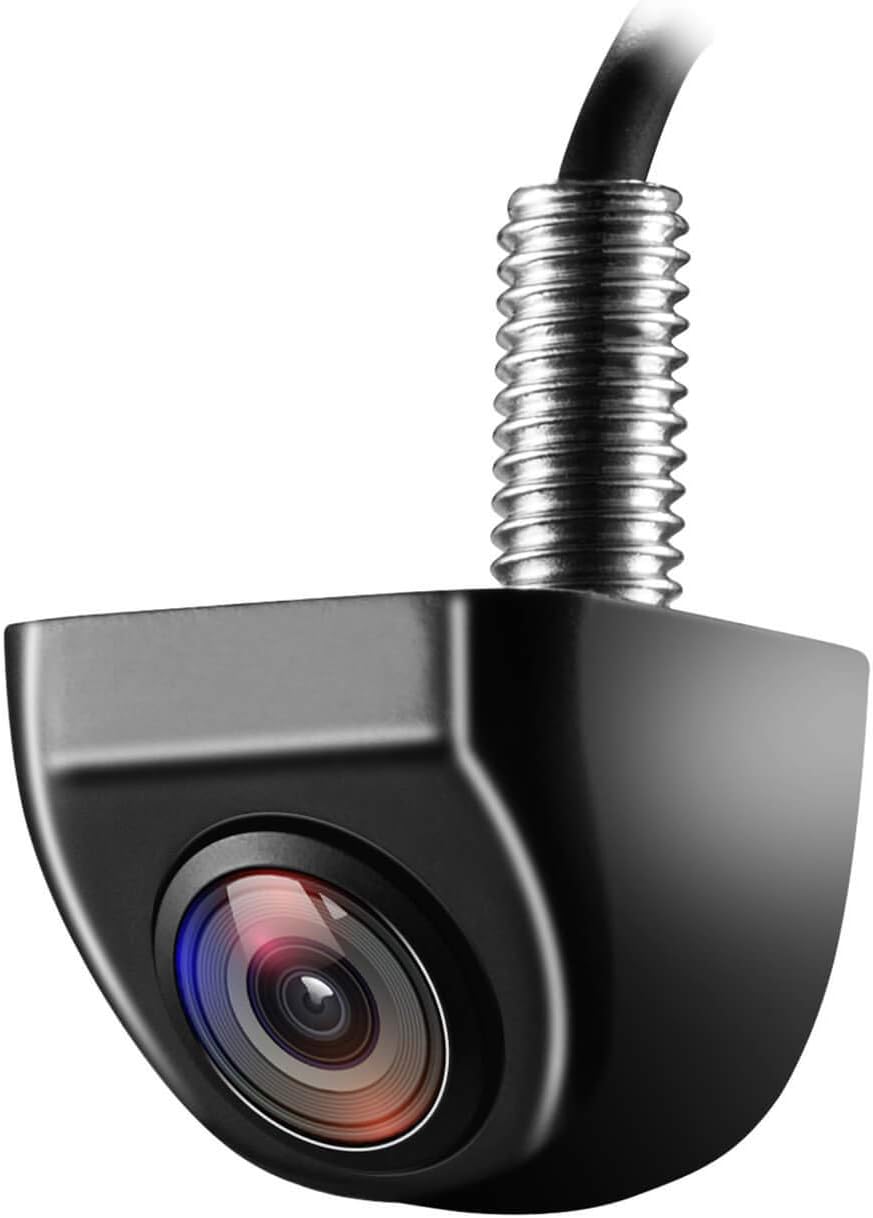
This OEM-style backup camera delivers a clear rear view with a wide-angle HD sensor to help reduce blind spots and make parking easier. Its fully sealed waterproof construction and strong low-light performance support reliable use in all weather and lighting conditions. Designed for cars, trucks, SUVs, vans, and RVs, it also supports front-view switching and selectable guide lines for flexible installation.
Common KDSS Problem Signs
- Visible fluid leaks around lines, fittings, cylinders, or the accumulator/control valve area
- Vehicle lean that does not look like normal fuel-load or cargo-load variation
- KDSS warning light or suspension-related warning message, if equipped
- Clunking or knocking after suspension work or off-road use
- Reduced roll control or a noticeably looser feel in corners
- Uneven ride height after a lift, alignment, or KDSS service
Warning: Do not casually open KDSS hydraulic fittings, shutter valves, or lines. KDSS service can involve pressurized hydraulic fluid and specific bleeding or calibration procedures. Use a Toyota/Lexus dealer or a shop experienced with KDSS if the system leaks, leans, or needs hydraulic work.
Basic Owner Inspection
You can do a simple visual check without taking the system apart. Park on level ground, look for wet hydraulic components, inspect exposed lines for rust or damage, and listen for new clunks after trail driving. After any suspension modification, check that the vehicle sits level and drives normally before assuming the job is complete.
Modifications That Keep KDSS Working: Lifts, Shocks, and Adapters
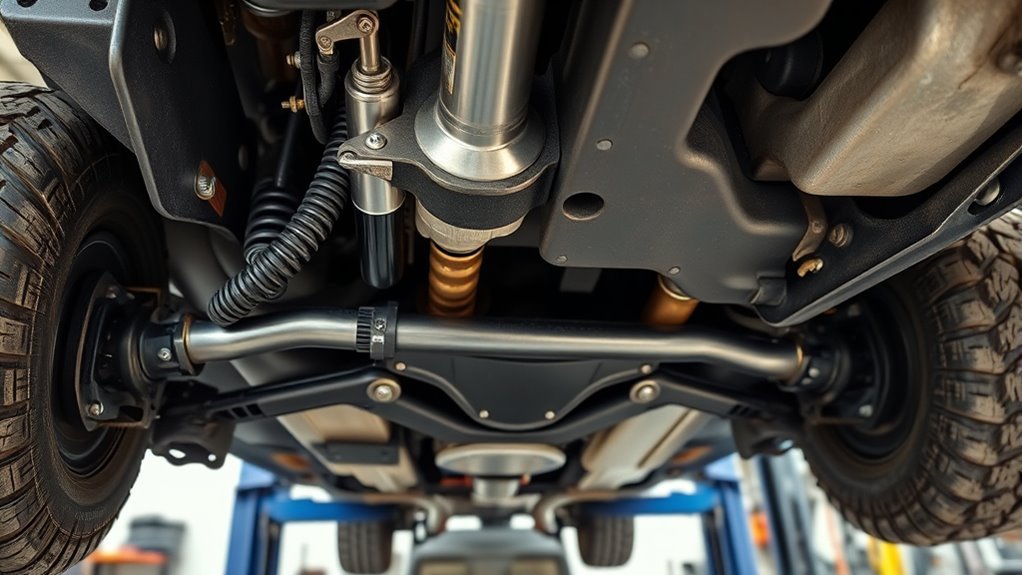
You can modify a KDSS-equipped Land Cruiser, but you need to plan the build around KDSS. The higher you lift the vehicle and the more suspension travel you add, the more important stabilizer-bar geometry, hydraulic line routing, panhard/track-bar correction, bump stops, and shock length become.
Lift Kit Compatibility
Many KDSS-friendly builds stay in the mild-to-moderate lift range, but there is no universal safe lift height for every Land Cruiser, Prado, GX, or 4Runner. The correct answer depends on the platform, suspension kit, tire size, wheel offset, intended use, and whether the kit includes KDSS-specific brackets or correction parts.
- Use shocks and springs listed as compatible with your exact KDSS-equipped model.
- Confirm whether the kit requires KDSS spacers, sway-bar relocation brackets, or special installation steps.
- Check brake lines, KDSS hydraulic lines, bump stops, and full droop clearance.
- Get an alignment after suspension work.
- Recheck for leaks, lean, and clunks after the first trail drive.
KDSS-Friendly Sway Adapters
KDSS-friendly sway-bar adapters and relocation brackets are designed to keep the stabilizer-bar geometry closer to the intended range after a lift. They do not magically remove every limitation, but they can help preserve proper movement and reduce stress on the system when used as part of a complete, compatible suspension setup.
Note: If your goal is long-travel desert suspension or maximum rock-crawling flex, KDSS may not be the best starting point. If your goal is a daily-driven overland or trail Land Cruiser with stable road manners, KDSS can be a major advantage.
Should You Care? Buyer’s Checklist for Land Cruiser Owners
KDSS is worth caring about if you want a Land Cruiser that feels composed on road and capable on rough tracks. It is also worth caring about because repairs and modifications can be more specialized than standard sway-bar service.
- Confirm the system: Check the VIN build sheet, window sticker, or underbody KDSS hardware.
- Confirm the model-year caveat: Do not assume every Land Cruiser has KDSS, especially newer 250-Series models.
- Inspect for leaks: Look around hydraulic lines, fittings, cylinders, and the accumulator/control valve assembly.
- Check for lean: View the vehicle on level ground with normal tire pressure and no unusual cargo load.
- Review service history: Look for KDSS repairs, lift installation notes, and suspension work.
- Test drive it: Listen for clunks, check steering feel, and notice whether the vehicle feels unusually loose or uneven.
- Plan your build first: If you want a lift, confirm KDSS compatibility before buying parts.
Frequently Asked Questions
Does KDSS make a difference on road?
Yes. On KDSS-equipped vehicles, the system helps the stabilizer bars reduce body lean during normal pavement driving. That can make a Land Cruiser feel more settled in corners and more controlled during lane changes.
Which Toyota models have KDSS?
KDSS has appeared on select Toyota and Lexus body-on-frame SUVs, including some Land Cruiser, Land Cruiser Prado, 4Runner, Lexus GX, and related models depending on year, market, and trim. Always confirm by VIN, build sheet, window sticker, or underbody hardware.
Do new Land Cruisers still have KDSS?
Not necessarily. Newer Land Cruiser 250 models are commonly described with a front stabilizer-bar disconnect or Stabilizer Disconnect Mechanism rather than traditional KDSS. That is why model year and market matter when researching a specific vehicle.
Is KDSS better than a sway-bar disconnect?
It depends on how you drive. KDSS is seamless and automatic, which is excellent for mixed daily driving and trails. A manual or electronic disconnect can provide a more direct off-road disconnect function, but it may not offer the same on-road/off-road balance in the same way.
Can you lift a Land Cruiser with KDSS?
Yes, but use KDSS-compatible parts and installation procedures. Mild-to-moderate lifts are common, but the safe setup depends on the exact vehicle, kit, shock length, sway-bar geometry, tire size, and line clearance.
What are the most common KDSS problems?
Common warning signs include fluid leaks, vehicle lean, clunks after suspension work, warning lights, uneven ride height, and reduced roll control. Because KDSS is hydraulic, serious repairs should be handled by a qualified shop.
Conclusion
KDSS is not just a marketing term. On KDSS-equipped Land Cruisers, it is a real hydraulic stabilizer-bar system that improves the balance between road stability and low-speed off-road articulation. The key is knowing whether your specific Land Cruiser has it. Older 200-Series and certain market-specific models may use KDSS, while current 250-Series models may use a front stabilizer-bar disconnect instead.
If you are buying, inspect the system carefully. If you are modifying, choose KDSS-compatible parts. If you see leaks, lean, warning lights, or clunks, treat KDSS as a specialized hydraulic system and get it checked before small issues become expensive ones.
Sources
- Toyota USA Newsroom: 2019 Toyota Land Cruiser — supports older U.S. Land Cruiser use of KDSS.
- Toyota USA Newsroom: 2024 Toyota 4Runner press material — supports KDSS hydraulic stabilizer-bar function and extended wheel travel description.
- Toyota Off-Road Vehicles — supports current Toyota distinction between Land Cruiser SDM and 4Runner KDSS.
- Toyota USA Newsroom: 2024 Land Cruiser Returns to its Origin — supports front stabilizer-bar disconnect information for the newer Land Cruiser.
- Toyota UK Media: Toyota Launches the All-New Land Cruiser — supports KDSS benefits of reduced body roll and increased off-road wheel articulation on applicable Land Cruiser models.
- Lexus USA Newsroom: 2026 Lexus GX — supports E-KDSS distinction on newer GX Overtrail models.