
Knowing your Land Cruiser’s GVWR is the fastest way to understand how much weight the vehicle can safely carry before passengers, cargo, accessories, and trailer tongue load push it past its engineered limit. The exact number changes by model year, market, trim, and equipment, so use the certification label on your own vehicle first, then confirm details in the Toyota owner’s manual.
Quick Answer
Land Cruiser GVWR is the maximum loaded weight Toyota assigns to the vehicle itself. It includes the SUV, driver, passengers, cargo, accessories, hitch hardware, and trailer tongue load. For a U.S.-market 2005 Land Cruiser, Toyota listed a 6,860 lb GVWR, but your door label is the number to obey.
Key Takeaways
- GVWR is a hard vehicle limit, not a goal to reach and not the same thing as tow rating.
- Payload = GVWR minus the vehicle’s actual weight; accessories, roof racks, armor, winches, passengers, cargo, and tongue weight all reduce usable payload.
- The certification label and tire placard matter most because they list your vehicle’s official GVWR, GAWR, tire size, tire pressures, and load information.
- When towing, obey the strictest limit: GVWR, GAWR, GCWR, tow rating, hitch rating, tire rating, or trailer rating.
At a Glance
| Time Required | 10–20 minutes to check labels; 30–60 minutes if weighing at a public scale |
| Difficulty | Easy |
| Tools Needed | Door placard, owner’s manual, calculator, tire-pressure gauge, certified scale for the most accurate result |
| Cost | Free to check labels; usually a small fee at a truck scale |
What GVWR Means for Your Land Cruiser
GVWR stands for Gross Vehicle Weight Rating. Federal vehicle-safety definitions describe GVWR as the manufacturer-specified loaded weight of a single vehicle. In plain language, it is the maximum Toyota says your Land Cruiser should weigh when it is ready to drive.
That loaded weight includes the Land Cruiser itself, fuel, the driver, passengers, luggage, camping gear, tools, recovery equipment, aftermarket accessories, hitch equipment, and any trailer tongue load pressing down on the hitch. It does not mean “how much the SUV weighs empty,” and it does not mean “how heavy a trailer it can pull.”
For example, a U.S.-market 2005 Toyota Land Cruiser brochure listed these factory figures: 5,390 lb curb weight, 6,860 lb GVWR, 1,470 lb payload, and 6,500 lb towing capacity. Those numbers are useful for understanding the model, but the certification label on your own vehicle is still the authority because equipment, market, trim, and modifications can change real-world weight.
Warning: Do not use a forum post, sales listing, or generic spec sheet as the final GVWR for your Land Cruiser. Use the certification label on the vehicle and the owner’s manual. If those are missing or unreadable, ask a Toyota dealer to verify the rating by VIN.
Where to Find Your Land Cruiser’s GVWR
The quickest place to find your Land Cruiser’s GVWR is the certification label, usually on the driver-side door jamb or door edge. Look for “GVWR” followed by a value in pounds, kilograms, or both. On U.S. vehicles, certification-label rules require manufacturers to list GVWR and GAWR values on a permanently attached label that is readable without moving anything except the outer door.
You should also check the tire and loading information placard. That placard usually lists tire size, recommended cold tire pressure, seating capacity, and the combined occupant-and-cargo limit. The tire placard is especially helpful because it tells you what the vehicle was designed to carry on its original tire-and-wheel setup.
If the label is damaged, painted over, imported, or missing, use the VIN as the backup path. A Toyota dealer or Toyota’s official owner resources can help confirm the correct manual and specifications for your specific Land Cruiser.
GVWR vs. GCWR, Curb Weight, Payload, GAWR, and Tow Rating
Weight ratings overlap, but they do not mean the same thing. Use this table before loading or towing:
| Term | What It Means | Why It Matters |
|---|---|---|
| GVWR | Maximum loaded weight of the Land Cruiser itself. | Keeps the vehicle within its braking, suspension, tire, and chassis limits. |
| Curb weight | Vehicle weight before people and cargo; definitions can vary by source. | Used as a starting point for estimating payload. |
| Payload | How much weight can be added before reaching GVWR. | Includes passengers, cargo, accessories, and tongue weight. |
| GAWR | Gross Axle Weight Rating for each axle. | Prevents overloading the front or rear axle even when total GVW looks acceptable. |
| GCWR | Gross Combination Weight Rating for vehicle plus trailer. | Controls the total loaded weight of the towing combination. |
| Tow rating | Maximum trailer weight under Toyota’s stated conditions. | A trailer can be under tow rating while the Land Cruiser is still over GVWR or rear GAWR. |
The number that matters most is not the highest rating on the page. It is the first rating your loaded setup reaches.
How to Calculate Your Land Cruiser’s Payload
The basic payload formula is simple:
Available payload = GVWR − current vehicle weight
For a factory-spec example, the 2005 U.S. Land Cruiser brochure listed a 6,860 lb GVWR and 5,390 lb curb weight. That gives a brochure payload of 1,470 lb. Real life can be different because winches, bumpers, drawers, sliders, roof racks, larger tires, auxiliary batteries, skid plates, and recovery gear all add weight before passengers or luggage climb in.
Step 1: Find the GVWR
Read the GVWR from the certification label. Do not round up. Write down the exact number and whether it is in pounds or kilograms.
Step 2: Find the Actual Vehicle Weight
The most accurate method is to weigh the Land Cruiser as it normally sits: fuel level, roof rack, accessories, recovery gear, tools, child seats, fridge, drawers, spare tire, and everything else you normally carry. If you cannot weigh it yet, use curb weight only for a rough estimate.
Step 3: Subtract and Then Load Carefully
Subtract the actual vehicle weight from GVWR. The result is what you have left for people, cargo, and tongue weight. A heavily modified Land Cruiser can use hundreds of pounds of payload before a trip even starts.
Pro Tip: Keep a simple weight log for your Land Cruiser. Add every permanent accessory once, then update the log before long trips. It makes payload planning much easier.
How to Weigh Your Land Cruiser and Check GVW on a Scale
A certified public scale gives the best answer because it measures your real setup instead of relying on estimates. Load the Land Cruiser exactly the way you plan to drive it, including passengers, fuel, cargo, recovery gear, camping equipment, and trailer tongue weight if towing.
- Weigh the whole vehicle. Compare the total to GVWR.
- Weigh the front and rear axles separately if the scale allows it. Compare each axle to its GAWR on the certification label.
- If towing, weigh the combination. Compare the Land Cruiser plus trailer to GCWR and the trailer to its own rating.
- Reweigh after major changes. New bumpers, larger tires, drawers, armor, a rooftop tent, or a different trailer can change the result quickly.
If the total vehicle weight is under GVWR but the rear axle is over GAWR, the setup is still overloaded. Move cargo forward, reduce tongue weight within the safe range, remove gear, or change the towing setup.
How Tongue Weight and Trailer Load Affect Your Vehicle Weight
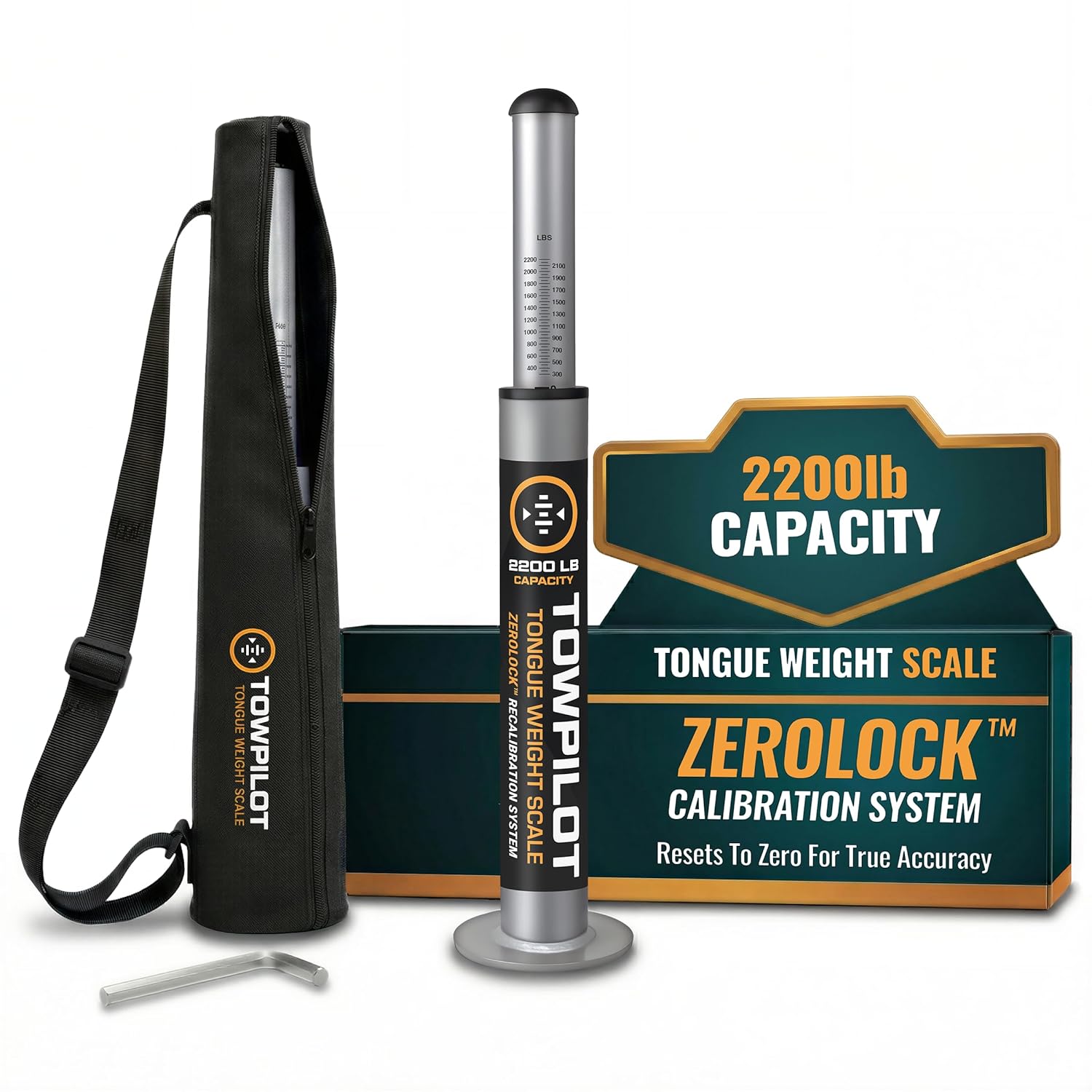
Trailer tongue weight is the downward force the trailer puts on the hitch. That force counts against the Land Cruiser’s GVWR and usually adds load to the rear axle. This is why towing can use up payload faster than expected.
For many conventional bumper-pull trailers, a common target is around 10% to 15% of loaded trailer weight, but Toyota’s instructions and the trailer manufacturer’s instructions control your specific setup. Some Toyota manuals specify a narrower tongue-load range, so always check the book for your model year.
Example: if a loaded trailer weighs 5,000 lb and the tongue weight is 500–750 lb, that 500–750 lb is added to the Land Cruiser’s load. Add passengers, cargo, hitch hardware, and accessories, and you may reach GVWR or rear GAWR before you reach the advertised tow rating.
Why Tongue Weight Matters
Too little tongue weight can contribute to trailer sway. Too much tongue weight can overload the rear axle, unload the front axle, reduce steering feel, stress the suspension, and push tires beyond their safe load range. The goal is a balanced trailer and a tow vehicle that stays within every rating.
How to Load a Trailer for Stability
Start with heavy trailer cargo low and near the axle area, then adjust forward or rearward to reach the correct tongue weight. Secure everything so it cannot shift while braking, turning, or driving off-road. After changing trailer cargo, recheck tongue weight and axle weights.
Towing Limits: GVWR vs. Tow Rating vs. GCWR
When towing with a Land Cruiser, you must obey several ratings at once. The tow rating only tells you the maximum trailer weight under Toyota’s stated conditions. It does not give unlimited payload inside the SUV.
Use this order:
- Check GVWR. Make sure the Land Cruiser itself is not overloaded.
- Check front and rear GAWR. Make sure neither axle is overloaded.
- Check tow rating. Make sure the loaded trailer is within Toyota’s limit.
- Check GCWR. Make sure the loaded Land Cruiser plus loaded trailer are within the combined limit.
- Check hitch, ball, tire, and trailer ratings. The lowest rating controls the setup.
For the U.S.-market 2005 Land Cruiser, Toyota listed a 6,500 lb towing capacity in the brochure. The owner’s manual also warns that the loaded trailer, vehicle, occupants, and cargo combination must stay within the stated combined limit for that vehicle. Always verify the exact values for your model year and market.
[Products Worth Considering]
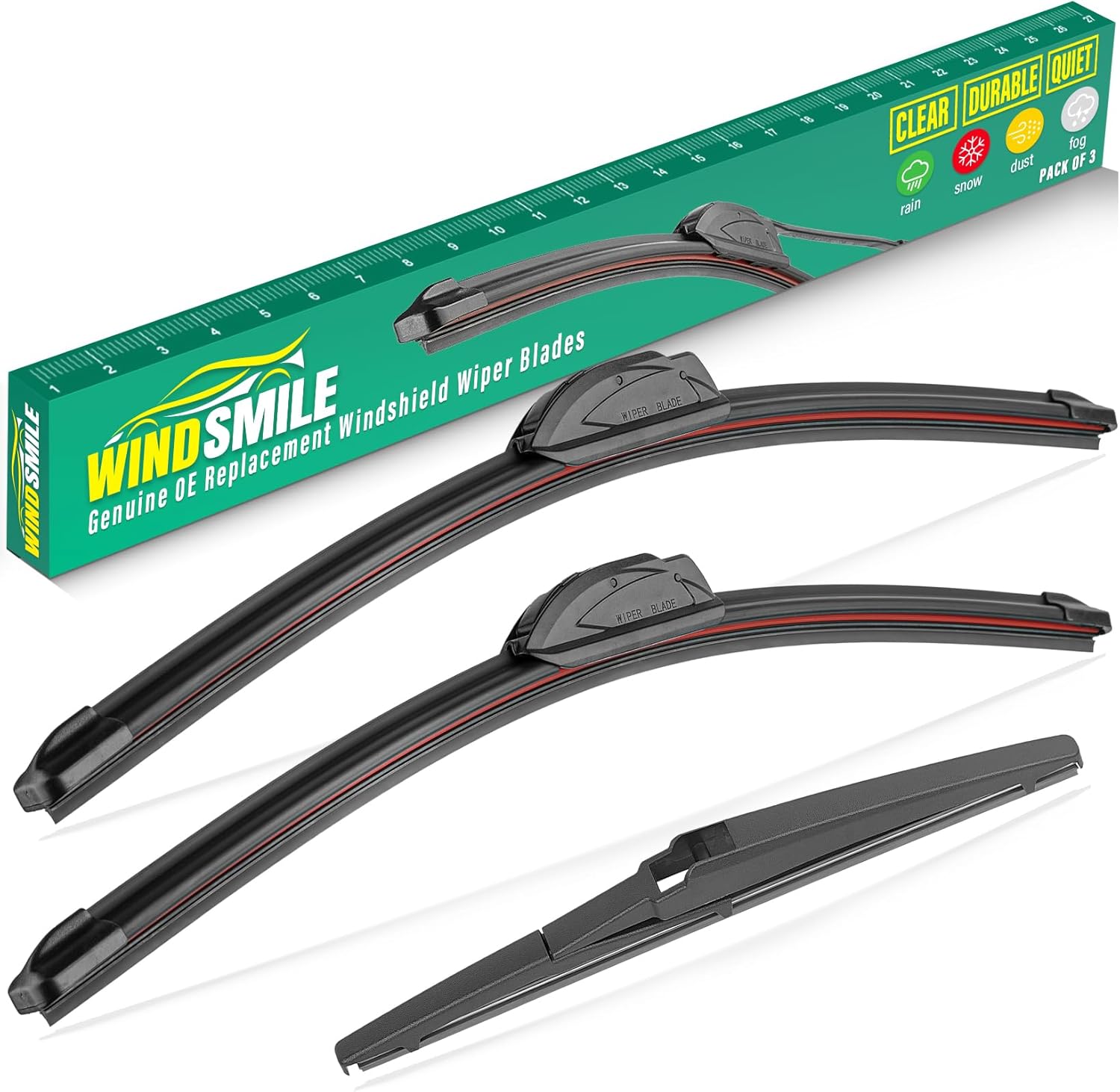
This replacement windshield wiper blade set is designed for Toyota RAV4 models from 2006 to 2012, offering a complete front and rear fit for dependable all-weather visibility. The premium rubber blades help deliver streak-free, quiet wiping while the aerodynamic design reduces wind lift and noise for smoother performance. Built for easy installation and long service life, it is a convenient upgrade for restoring clear driving vision.
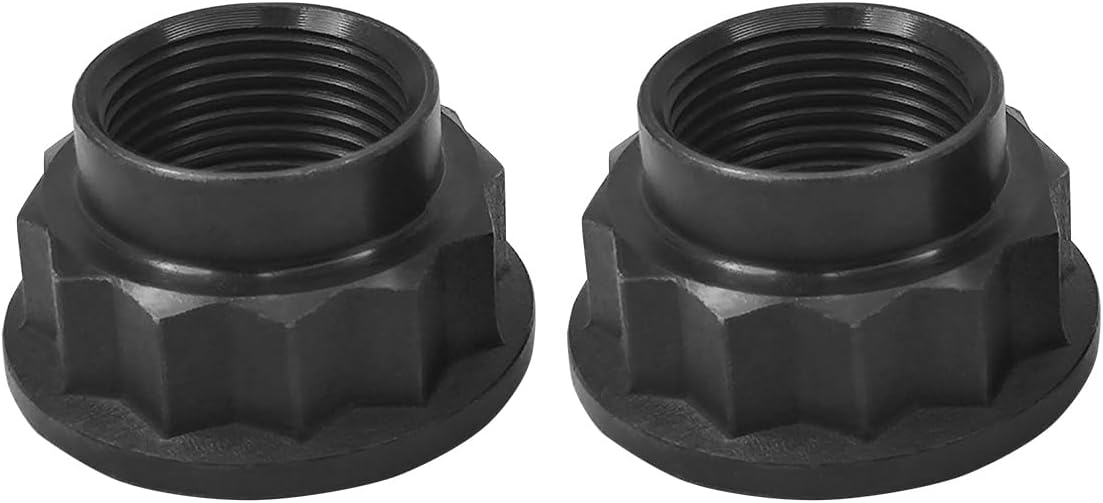
This pair of front axle shaft nuts is designed to secure CV joints and wheel bearings on compatible Toyota and Lexus front drive axles. Built from heat-treated carbon steel for durability and corrosion resistance, it helps maintain proper torque and reliable power transfer. It is a direct replacement for several factory part numbers and is recommended for paired replacement.

This Toyota hitch cover helps protect your trailer hitch receiver from dirt and debris while adding a clean factory-style look to your vehicle's rear end. Designed for easy use, it offers a simple way to finish off your towing setup when the hitch is not in use. Its lightweight design makes it convenient to handle and install.
Suspension, Axle, and Tire Limits: What to Check Before Loading
GVWR is not the only number that matters. Before loading your Land Cruiser for a trip, check these items:
- GAWR: The front and rear axle ratings on the certification label.
- Tire load rating: The tire’s load index must be suitable for the axle load and tire pressure.
- Cold tire pressure: Use the vehicle placard or owner’s manual for the correct pressure, especially before towing.
- Suspension condition: Worn shocks, weak springs, damaged bushings, or cracked components reduce control under load.
- Brake condition: Extra weight increases braking demand, so pads, rotors, fluid, and trailer brakes must be in good shape.
- Accessory weight: Heavy bumpers, winches, armor, roof racks, drawers, and long-range tanks reduce remaining payload.
Aftermarket springs or airbags can help level the vehicle, but they do not automatically increase the legal GVWR, GAWR, tire rating, hitch rating, or brake capacity. Treat leveling aids as load-control tools, not permission to exceed Toyota’s ratings.
Note: A Land Cruiser can look level and still be overloaded. Always verify with actual scale weights, not ride height alone.
[Products Worth Considering]

Designed for Toyota RAV4 models from 2013 through 2018, this three-piece windshield wiper set delivers clear, quiet performance for dependable visibility in changing weather. The precision-fit blades provide streak-free wiping, simple installation, and durable all-season use with reduced wind noise and consistent pressure across the windshield.
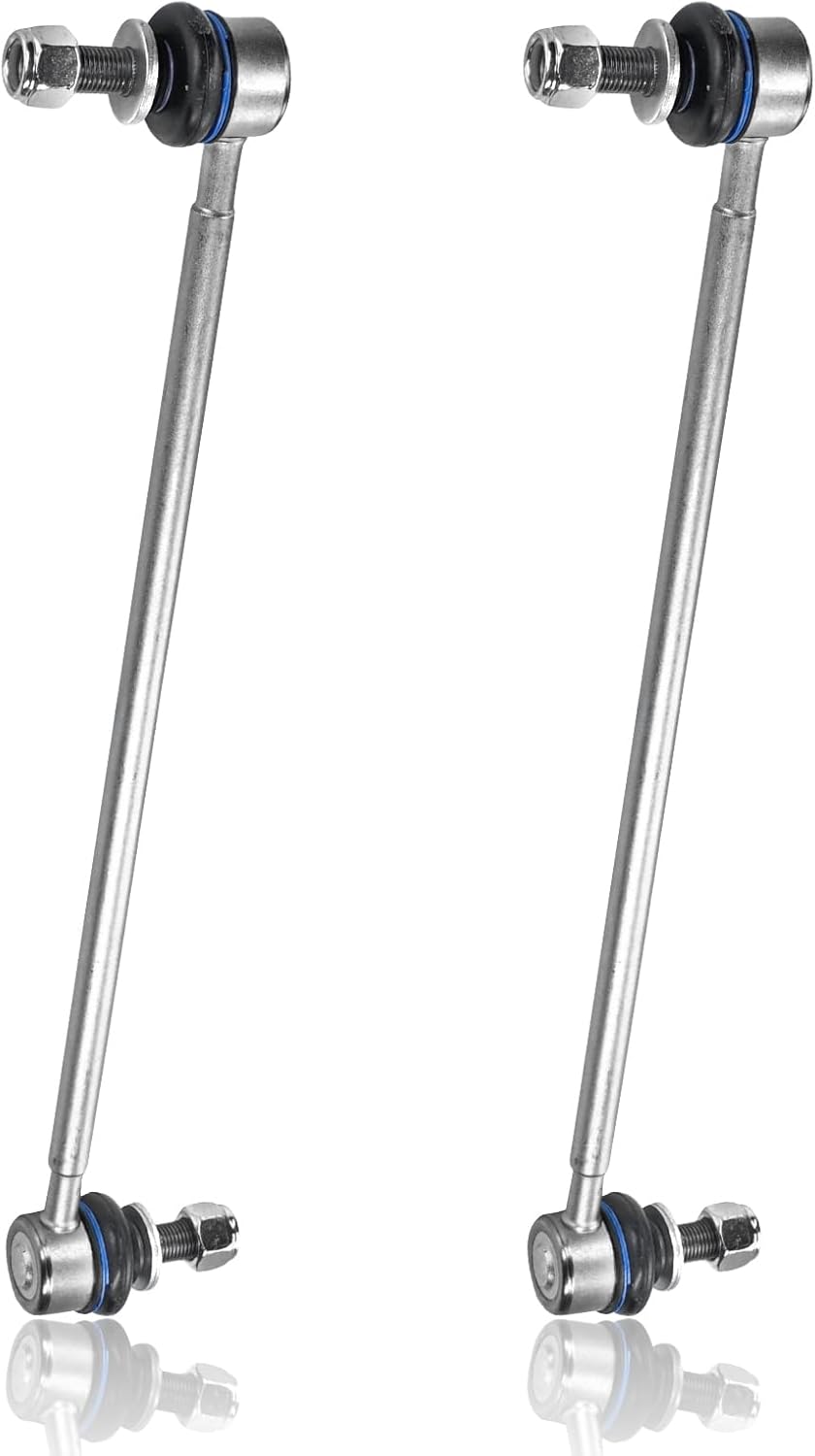
These front stabilizer sway bar end links are designed to restore smooth, stable handling and reduce noise and vibration during turns and over bumps. Compatible with select Toyota, Prius, and Scion models, they offer a reliable replacement built to meet manufacturing standards with corrosion-resistant coating and a strong, durable body.

This AUTOBOO windshield wiper blade set is designed to fit Toyota RAV4 models from 2013 to 2018 with an OE-style replacement fit. It includes front and rear blades for clear visibility, quiet operation, and dependable all-weather performance, while the easy J/H arm installation helps make replacement quick and simple.
Practical Loading Tips: Distribute Weight and Stay Under GVWR
Good loading is about total weight and weight placement. Keep dense items low, secure, and as close to the middle of the vehicle as practical. Avoid stacking heavy cargo high on the roof because it raises the center of gravity and can worsen handling in emergency maneuvers or off-road angles.
- Start with the essentials. Remove duplicate tools, unused gear, and unnecessary water or fuel before long highway sections.
- Load heavy items low. Place dense gear on the cargo floor, not high on a roof rack.
- Balance front to rear. Avoid putting all weight behind the rear axle.
- Secure every item. Shifting cargo can change handling and become dangerous in a crash.
- Account for people. Passengers count against payload just like cargo does.
- Recheck after accessories. Permanent modifications reduce payload every day, not just on trips.
[Products Worth Considering]

This ANRDDO wiper blade set is designed as a direct replacement for compatible Toyota RAV4 and Mazda 5 models, delivering reliable front and rear windshield coverage. The precision-tensioned springs and asymmetrical spoiler help maintain even pressure for a cleaner wipe, while the rubber compound is engineered for smooth, quiet performance in all seasons. It installs easily with U/J hook arms for a convenient fit and dependable visibility.

This three-piece windshield wiper set is designed for compatible Toyota RAV4 and Highlander models to help deliver clear visibility in everyday driving. The natural rubber blades feature a graphite-treated surface for quiet, smooth wiping performance and reliable weather resistance. Installation is quick and tool-free, making it easy to replace worn blades on the front and rear of your vehicle.

This AstroAI digital tire pressure gauge delivers factory-calibrated readings with dependable ±1 PSI accuracy, helping you keep cars, trucks, motorcycles, and spare tires at the right pressure. Its bright backlit LCD and illuminated nozzle make nighttime checks easy, while the one-button unit switch and auto-off design add convenience and battery efficiency for routine maintenance.
Common GVWR Mistakes Land Cruiser Owners Make
Land Cruisers are strong, but strength does not cancel the ratings. Watch for these mistakes:
- Using tow rating as payload. A 6,500 lb tow rating does not mean you can also load the SUV to the roof.
- Forgetting tongue weight. Trailer tongue weight counts as vehicle load.
- Ignoring rear GAWR. Rear axle overload is common with trailers, drawers, spare tires, and bumper carriers.
- Assuming upgrades raise ratings. Suspension parts may improve ride control but usually do not change the official GVWR.
- Trusting curb weight too much. Your actual vehicle may weigh more than the brochure because of options and modifications.
- Skipping tire checks. Underinflation and overload increase heat, wear, and blowout risk.
Land Cruiser GVWR Example: 2005 U.S. Model
The 2005 U.S.-market Toyota Land Cruiser is a helpful example because Toyota published clear factory values in the model brochure:
| Factory Figure | 2005 U.S. Land Cruiser | What It Tells You |
|---|---|---|
| Curb weight | 5,390 lb | Approximate factory vehicle weight before payload. |
| GVWR | 6,860 lb | Maximum loaded vehicle weight. |
| Payload | 1,470 lb | Weight available for occupants, cargo, options, and equipment before reaching GVWR. |
| Towing capacity | 6,500 lb | Maximum trailer weight under Toyota’s stated conditions. |
This example also shows why online numbers can be confusing. The original article draft mentioned several different GVWR examples, including 6,500 lb, 7,055 lb, 7,300 lb, and 8,500 lb. Those may apply to different vehicles, regions, model years, or may simply be inaccurate for the 2005 U.S. model. For your Land Cruiser, the correct answer is the number printed on your vehicle.
Frequently Asked Questions
Does GVWR mean fully loaded?
No. GVWR is the maximum allowed loaded weight, not a description of how the vehicle is currently loaded. A Land Cruiser can be empty, partly loaded, or fully loaded; it simply must not exceed GVWR when ready to drive.
What does 11,000 GVWR mean?
An 11,000 lb GVWR means the vehicle’s maximum loaded weight is 11,000 lb. That total includes the vehicle, fuel, occupants, cargo, accessories, hitch equipment, and trailer tongue weight. It does not mean the vehicle can carry 11,000 lb of cargo.
What does 7,200 GVWR mean?
A 7,200 lb GVWR means the vehicle, passengers, cargo, accessories, and tongue weight must stay at or below 7,200 lb total. To estimate payload, subtract the vehicle’s actual weight from 7,200 lb.
Is GVWR the same as payload?
No. GVWR is the maximum loaded weight of the vehicle. Payload is the amount of weight you can add before reaching GVWR. Payload changes when the vehicle gains permanent accessories or carries different passengers and cargo.
Can suspension upgrades increase my Land Cruiser’s GVWR?
Usually, no. Springs, airbags, and shocks can help control ride height and handling, but they do not automatically change the official GVWR, GAWR, tire ratings, hitch ratings, frame limits, or brake capacity. Follow the certification label unless a legally recognized re-rating process applies in your region.
Does trailer tongue weight count against GVWR?
Yes. Tongue weight presses down on the hitch, so it becomes part of the Land Cruiser’s loaded vehicle weight. It also affects rear axle load, so compare your scale results with both GVWR and GAWR.
Conclusion
Measure twice, load once: that is the safest way to treat Land Cruiser GVWR. Find the rating on the certification label, confirm details in the Toyota owner’s manual, subtract your actual vehicle weight to estimate payload, and verify the final setup on a certified scale. When towing, remember that tongue weight counts against the vehicle and that GVWR, GAWR, GCWR, tow rating, hitch rating, tire rating, and trailer rating all matter. Stay under the strictest limit, and your Land Cruiser will be safer, more predictable, and better prepared for the road or trail.
Sources
- Toyota Owners: 2005 Land Cruiser Manuals and Warranties — official Toyota owner-manual lookup by model year.
- Archived Toyota 2005 Land Cruiser eBrochure — factory curb weight, GVWR, payload, towing capacity, and equipment notes for the U.S.-market 2005 model.
- 49 CFR 571.3 — federal definitions for GVWR, GAWR, and GCWR.
- 49 CFR 567.4 — certification-label requirements, including GVWR and GAWR labeling.
- 49 CFR 571.110 — tire selection, rims, and load-carrying information requirements for vehicles with GVWR of 10,000 lb or less.
- NHTSA TireWise — tire pressure, tire placard, and load-limit safety guidance.

[…] inside and on top of the car, including passengers. You must keep your combined weight under the Gross Vehicle Weight Rating (GVWR) to stay safe on the […]