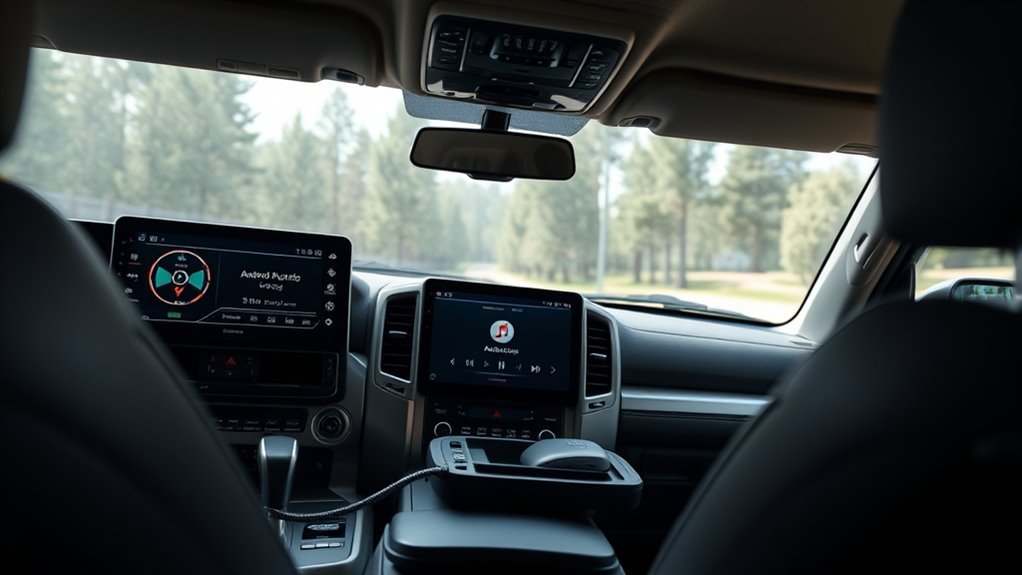
Blind-spot monitoring helps you notice vehicles that may be hidden beside or slightly behind your car, especially during lane changes. It is one of the most useful driver-assistance features on modern vehicles, but it is not a replacement for mirrors, turn signals, and a quick shoulder check.
Quick Answer
Blind-spot monitoring uses radar, cameras, or ultrasonic sensors to watch the lanes beside and slightly behind your vehicle. When another vehicle enters a monitored blind zone, the system warns you with a mirror light, sound, vibration, or, on some vehicles, steering or light braking assistance.
Key Takeaways
- Blind-spot monitoring is a driver-assistance feature, not an autopilot or a substitute for checking your surroundings.
- Most systems use rear-corner radar sensors, side cameras, or ultrasonic sensors to monitor adjacent lanes.
- An IIHS study found 14% lower lane-change crash involvement and 23% lower injury crash involvement for vehicles with blind-spot monitoring.
- Performance varies by vehicle, speed, sensor cleanliness, weather, road shape, towing setup, and whether the system is alert-only or intervention-capable.
What This Guide Covers for Drivers

This guide explains what blind-spot monitoring is, how the sensors work, what the warning lights mean, where the technology helps most, and where it can still fail. You will also see the difference between basic alert systems and blind-spot intervention systems that can add steering or braking support.
The goal is simple: use the technology confidently without over-trusting it. Blind-spot monitoring can reduce risk during lane changes, but it works best when you combine its alerts with mirror checks, turn signals, and your own judgment.
What Blind-Spot Monitoring Is and Why It Matters
Blind-spot monitoring, often shortened to BSM, is a vehicle safety feature that watches the areas beside and slightly behind your vehicle. These areas are difficult to see with mirrors alone, especially when another vehicle is riding near your rear quarter panel.
NHTSA describes blind spot warning as a system that alerts drivers with an audio or visual warning when vehicles are in adjacent lanes that may not be visible during a lane change. Some newer vehicles go further with blind spot intervention, which can apply light braking or steering input if you begin moving toward an occupied lane.
Vehicles with blind-spot monitoring had 14% lower involvement in lane-change crashes and 23% lower involvement in lane-change injury crashes in an IIHS analysis of police-reported crashes.
That makes BSM more than a convenience feature. It adds another layer of awareness during one of the most common risky driving moments: changing lanes or merging into traffic.
How Blind-Spot Monitoring Works: Sensors, Cameras, and Signals
Most blind-spot monitoring systems use sensors mounted near the rear corners of the vehicle, often behind the rear bumper cover. Some systems use cameras near the side mirrors, and some use ultrasonic sensors. The exact setup depends on the manufacturer and model.
A NHTSA performance study of light-vehicle blind-spot monitoring systems found that radar-based systems commonly use rear-corner sensors, while camera-based systems may use mirror-mounted cameras. The system processes the sensor data and then displays a warning through mirror icons, A-pillar lights, dashboard messages, sounds, or steering-wheel vibration.
| Alert Type | What It Usually Means | What You Should Do |
|---|---|---|
| Solid mirror light | A vehicle is detected in the monitored blind zone. | Do not move into that lane until you verify it is clear. |
| Flashing mirror light | You signaled toward a lane where the system detects a vehicle. | Cancel or delay the lane change and check visually. |
| Chime or beep | The system wants immediate attention, often because your turn signal is on. | Hold your lane and reassess traffic. |
| Steering or braking assist | A blind-spot intervention system is trying to prevent a lane-change conflict. | Keep control of the vehicle and steer safely within your lane. |
Real-World Limits: Lane Width, Towing, Weather, and Speed Differences
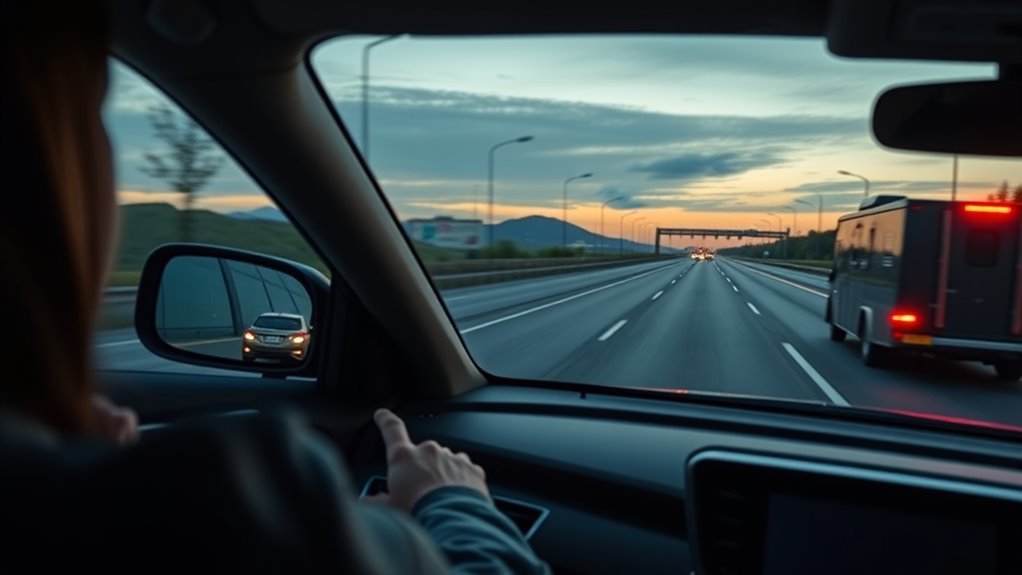
Blind-spot monitoring is helpful, but it has limits. NHTSA’s system-performance research notes that not all systems have the same detection capabilities or operating conditions. Some systems may be inactive below certain speeds, may not detect traffic moving much faster or slower than your vehicle, and may not detect bicycles, motorcycles, pedestrians, animals, or other non-car objects reliably.
Warning: Never treat a blind-spot warning light as permission to change lanes. Treat it as one input. Check mirrors, signal early, and do a quick shoulder check before moving over.
Lane Width Effects
Blind-spot systems are calibrated around expected lane positions and sensor coverage zones. On unusually narrow roads, a vehicle in the next lane may appear closer than expected. On wide roads, curved roads, or multi-lane ramps, sensor coverage may not line up perfectly with the traffic pattern.
This can lead to false alerts or missed alerts. The safest habit is to use the alert as a prompt to look, not as the final decision-maker.
Towing and Cargo
Towing changes the space you need to protect. A system that watches the blind zone beside the vehicle may not fully account for a long trailer unless the vehicle specifically has trailer-compatible blind-spot monitoring or trailer-length settings.
Bike racks, cargo carriers, dirt, snow, ice, or accessories near the sensors can also reduce performance. Check your owner’s manual for sensor locations and trailer guidance before relying on BSM while towing.
Weather, Sensor Blockage, and Smaller Road Users
Radar and camera systems can be affected by snow, ice, dirt, heavy rain, road spray, glare, shadows, or blocked lenses. Camera-based systems can struggle when lenses are dirty or lighting is poor. Radar-based systems are usually more weather-resistant, but they can still be disrupted by sensor blockage or nearby attachments.
Motorcycles, bicycles, and fast-moving vehicles are also more likely to be missed than full-size cars. This is one reason a shoulder check remains essential.
Types of Blind-Spot Systems: Alert vs. Intervention

There are two main types of blind-spot technology: alert-only systems and intervention systems. Both are useful, but they behave differently.
[Products Worth Considering]

This trailer tongue hitch coupler lock helps secure latch-type couplers and deter theft with a padlock-style design. Its high-strength construction, corrosion-resistant finish, and simple locking action make it a practical choice for trailer owners who want dependable protection and easy everyday use. Two keys are included for added convenience.

This trailer hitch lock helps secure your trailer and hitch-mounted accessories with a high-strength steel pin designed for 2-inch receivers. It includes a weather-resistant cap to help keep out dust and moisture, plus rubber O-rings to reduce rattling during towing. With two copper keys and a sturdy lock core, it offers added peace of mind and dependable everyday protection.

This trailer hitch pin lock is designed to secure Class III and IV 2-inch and 2-1/2-inch tow receivers, helping keep hitch-mounted gear protected during travel and storage. Its rotating head, tubular key design, and weather-resistant cap make it easy to use while helping guard against moisture, dust, and rust. Built from solid carbon steel with a zinc alloy lock core, it offers dependable towing security for trailers, cargo carriers, bike racks, and more.
Alert-Only Systems
Alert-only systems warn you when another vehicle enters the monitored blind zone. The most common warning is a light in the side mirror. Some systems also beep, vibrate the steering wheel, or flash the warning light if you activate the turn signal toward an occupied lane.
These systems keep full control with the driver. They are simple, helpful, and common on many new and used vehicles.
Steering-Intervention Systems
Blind-spot intervention systems add a corrective layer. If you ignore the warning and begin moving toward a lane where a vehicle is detected, the system may provide steering input, apply light braking, or guide the vehicle back toward its original lane.
NHTSA explains that blind spot intervention can apply brakes or provide steering if the driver starts to change lanes while another vehicle is detected in the blind spot. These systems can help in urgent situations, but they still require the driver to steer, brake, and stay alert.
Safety Evidence: IIHS, NHTSA, and Crash-Reduction Stats
The strongest safety evidence for BSM comes from crash data. In a study published in Traffic Injury Prevention, IIHS researcher Jessica Cicchino compared police-reported lane-change crashes in vehicles with and without blind-spot monitoring. The study found 14% lower crash involvement for lane-change crashes of all severities and 23% lower involvement for lane-change injury crashes.
NHTSA has also moved to recognize these technologies in its New Car Assessment Program. The agency finalized updates adding blind spot warning and blind spot intervention to NCAP, along with other advanced driver-assistance technologies. A later Federal Register notice delayed full implementation of those ADAS updates to model year 2027 vehicles, while allowing some 2026 credit based on manufacturer attestation.
The practical takeaway: blind-spot monitoring is backed by real-world safety data, but it is still a driver-assistance feature. It reduces risk; it does not eliminate risk.
Factory vs. Aftermarket Blind-Spot Systems: Installation and Cost
Factory-installed blind-spot monitoring is usually the best option when you are buying a new or used vehicle. The sensors are placed during vehicle design, the alerts are integrated into the mirrors and dashboard, and the system is usually covered under the vehicle warranty.
Aftermarket kits can add blind-spot alerts to older cars, but quality and installation matter. Some kits use radar sensors, some use cameras, and some use ultrasonic sensors. According to Kelley Blue Book’s overview of blind-spot monitors, aftermarket kits can range from low-cost basic units to systems costing $1,000 or more, with professional installation often adding at least a few hundred dollars.
| Option | Best For | Main Trade-Off |
|---|---|---|
| Factory-installed BSM | Newer vehicles, best reliability, clean integration | May require a higher trim or safety package |
| Dealer-installed accessory | Some models without factory BSM | Availability varies by vehicle and dealer |
| Aftermarket kit | Older vehicles and budget retrofits | Performance depends heavily on sensor placement and installation quality |
[Products Worth Considering]

This universal trailer coupler lock helps secure trailers, vehicles, and RVs by fitting a wide range of common hitch couplers. Its advanced locking mechanism is designed to resist picking and prying, while the zinc construction helps protect against rust and corrosion for dependable outdoor use.
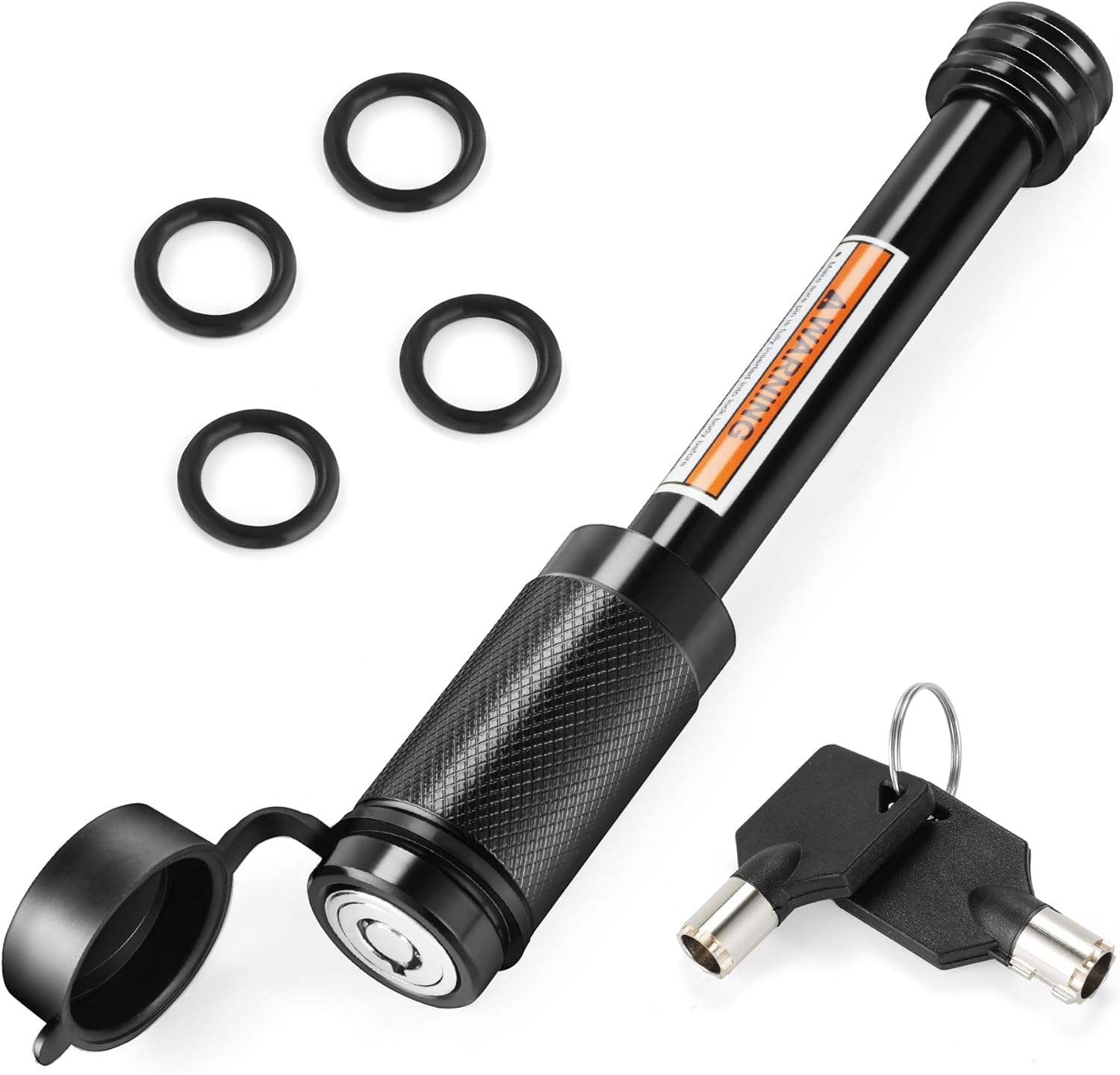
This trailer hitch pin lock helps secure your towing setup with a 5/8-inch pin and compatibility for most Class III and IV 2-inch and 2-1/2-inch receiver hitches. Built from durable carbon steel with a tamper-resistant tubular key system, it adds reliable anti-theft protection while the included rubber O-rings help reduce rattling noise during travel.

[REAL TIME ALERTS] Stay aware of hidden vehicles with instant sound and light warnings. When a car enters the monitored blind zone this system reacts quickly with a buzzer and notifier alert helping support safer lane changes merging reversing and daily driving confidence.
Practical Driving Tips: Use BSM Safely in Traffic
Blind-spot monitoring works best when it supports good driving habits. Use it as an early warning system, not as the only check before changing lanes.
- Set your mirrors correctly before driving.
- Keep the rear bumper, mirror cameras, and sensor areas clean.
- Use your turn signal early so the system can escalate warnings when available.
- Check your owner’s manual for speed thresholds and towing limitations.
- Do a quick shoulder check before every lane change, even when no warning light is on.
- Be extra cautious around motorcycles, bicycles, fast-approaching vehicles, and heavy traffic.
Pro Tip: If a blind-spot light stays on when no vehicle is nearby, check for dirt, snow, bumper damage, or a blocked sensor. If the warning continues, have the system inspected.
Buying Blind-Spot Monitoring: Key Features to Look For
If you are shopping for a vehicle with blind-spot monitoring, look beyond the feature name. Different brands use different labels, and the performance level can vary.
Prioritize these features:
- Mirror-based visual alerts: These are easy to see during normal mirror checks.
- Audible or haptic warning: A beep or vibration can help if you signal toward an occupied lane.
- Rear cross-traffic alert: This helps when backing out of parking spaces or driveways.
- Blind-spot intervention: Steering or light braking assistance adds another layer of protection.
- Trailer compatibility: Important for trucks and SUVs used for towing.
- Clear owner’s manual guidance: The manual should explain speed thresholds, sensor locations, and conditions where the system may not work.
Note: Automakers may use names such as Blind Spot Monitor, Blind Spot Warning, Side Blind Zone Alert, Blind Spot Assist, Blind-Spot Collision Warning, or Blind-Spot Collision-Avoidance Assist. Always compare what the system actually does, not just the name.
Frequently Asked Questions
What is the orange light on the side mirror of my car?
The orange or amber light is usually the blind-spot warning indicator. A solid light often means a vehicle is in the monitored blind zone. A flashing light usually means you signaled toward a lane where a vehicle is detected.
Can I rely on blind-spot monitoring instead of checking my mirrors?
No. Blind-spot monitoring is a backup cue, not a replacement for mirror checks or shoulder checks. Sensors can miss motorcycles, bicycles, fast-approaching vehicles, blocked zones, or objects outside the system’s detection range.
Does blind-spot monitoring work in rain or snow?
It can, but performance may drop if sensors or cameras are covered by snow, ice, dirt, road spray, or heavy rain. Clean the sensor areas and check your owner’s manual if the system displays a blocked-sensor warning.
What is the difference between blind-spot warning and blind-spot intervention?
Blind-spot warning alerts you when a vehicle is detected beside or behind you. Blind-spot intervention goes further by adding steering input or light braking if you start to move toward an occupied lane.
Should I buy a car without blind-spot monitoring?
You can, but BSM is worth prioritizing if you drive on highways, commute in heavy traffic, tow, or drive a larger SUV, truck, or van. If two vehicles are otherwise similar, the one with blind-spot monitoring and rear cross-traffic alert is usually the safer choice.
Conclusion
Blind-spot monitoring is one of the most practical safety features you can have because it helps catch vehicles that mirrors and quick glances can miss. The best systems combine clear mirror alerts, audible or haptic warnings, rear cross-traffic alert, and, where available, blind-spot intervention.
Still, the safest approach is layered awareness. Use BSM as an extra set of electronic eyes, but keep checking mirrors, signaling early, and looking over your shoulder before every lane change.
Sources
- NHTSA Driver Assistance Technologies — definitions of blind spot warning and blind spot intervention.
- IIHS: Effects of Blind Spot Monitoring Systems on Police-Reported Lane-Change Crashes — crash-reduction statistics for BSM-equipped vehicles.
- NHTSA DOT HS 812 045: Blind Spot Monitoring in Light Vehicles — System Performance — sensor types, operating limits, speed thresholds, and detection-performance findings.
- Federal Register: NCAP Notice — Delay of Program Updates — latest timing for NHTSA NCAP ADAS updates.
- MyCarDoesWhat: Blind Spot Warning — driver-friendly explanation of BSM coverage and safe use.
- Kelley Blue Book: Blind-Spot Monitors — installation options, system types, and aftermarket cost context.