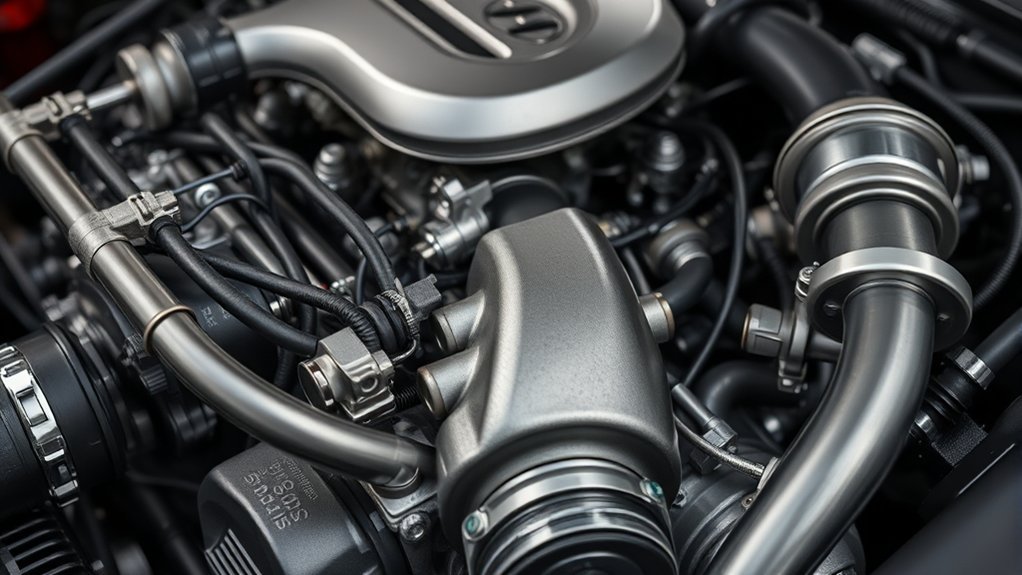
Sonata loss of power is most often caused by a fuel delivery problem, a dirty airflow sensor or throttle body, worn spark plugs or ignition coils, or a clogged catalytic converter. Start by scanning for trouble codes, then work through fuel, air, spark and exhaust. If the engine stalls, shakes badly or the check engine light flashes, stop driving and get help.
Quick Checks When Your Sonata Loses Power
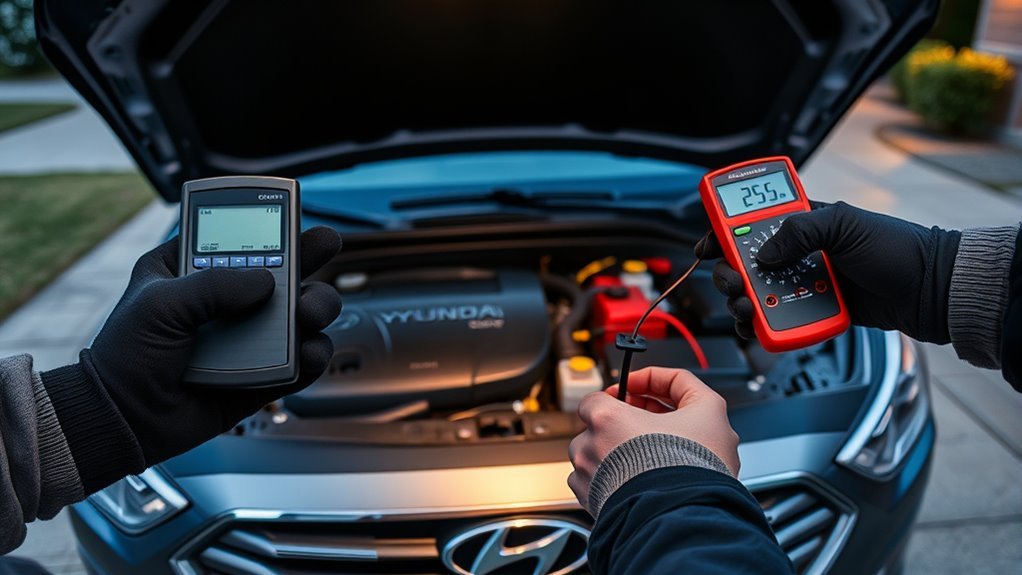
- Look at the dash: a steady or flashing check engine light, a reduced power message, or a temperature warning.
- Scan for codes: use an OBD2 scanner. See our Sonata OBD2 port guide.
- Check the fuel level and gas cap: a very low tank or a cap that is not tight can cause trouble.
- Note when it happens: accelerating, going uphill, at highway speed, or only when cold.
- Listen and smell: rattling from underneath, rotten-egg smells, fuel smells or hissing.
Common Causes of Sonata Power Loss
| System | Cause | Typical clue |
|---|---|---|
| Fuel | Clogged filter, weak pump, clogged injectors | Hesitation under load, hard starting |
| Air | Dirty mass airflow sensor or throttle body, intake leak | Rough idle, poor response, codes for air flow |
| Ignition | Worn plugs, failing coils | Misfire, shaking, flashing light |
| Exhaust | Clogged catalytic converter | Power fades at speed, rotten-egg smell, heat |
| Sensors | Failing throttle, pedal or oxygen sensor | Limp mode, check engine light |
| Transmission | Slipping or poor shifting | Engine revs without speed |
| Mechanical | Timing problems, low compression | Rough running, noises, smoke |
Fuel System Problems
If the engine does not get enough fuel, power drops under load, such as passing or climbing a hill. A clogged filter, a weak pump, or low fuel pressure are the usual suspects. Some Sonata fuel filters are part of the pump assembly, so check what your model has.
A mechanic can measure fuel pressure to confirm. Avoid guessing, because pumps and tank-mounted parts can be costly. Bad fuel can also cause hesitation, so note when you last filled up.
Air Intake Problems
The engine needs a correct mix of air and fuel. A dirty or failing mass airflow sensor, a dirty throttle body, a clogged air filter or an intake leak can cause hesitation and poor power.
- Inspect the air filter and replace it if it is dirty.
- Check the intake tube between the air box and throttle body for cracks or loose clamps.
- Clean the mass airflow sensor only with a cleaner made for it, and do not touch the sensing element.
- Have the throttle body cleaned if it is dirty, following the procedure for your engine.
Ignition and Misfires
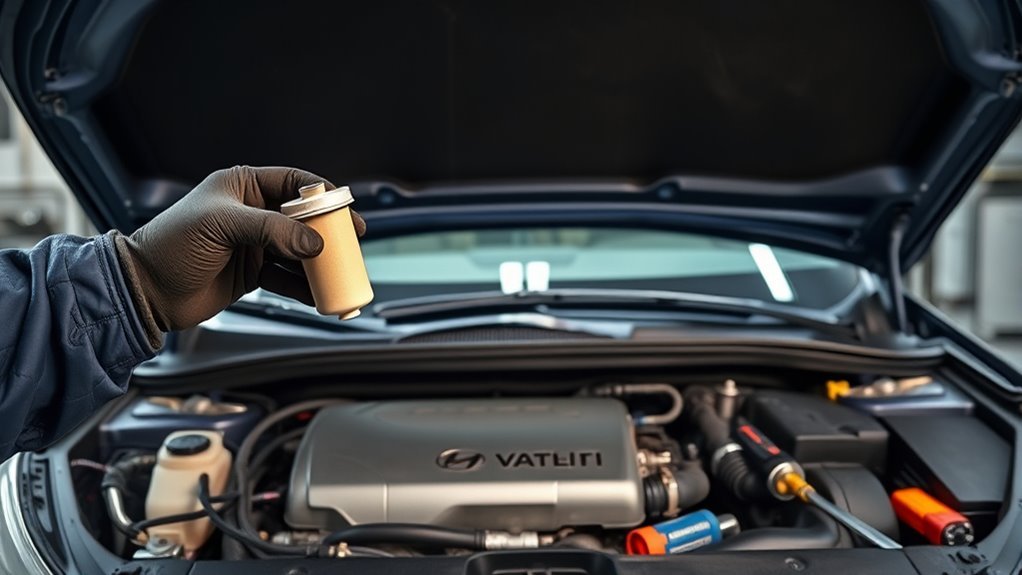
Worn spark plugs and failing ignition coils cause misfires, which show up as rough running and loss of power. If your scanner shows P0300 or a cylinder-specific misfire code, read our Sonata P0300 guide. A flashing check engine light means a severe misfire, so stop driving.
Clogged Catalytic Converter and Exhaust Restrictions
A blocked catalytic converter makes the engine struggle to push exhaust out. Power gets worse as speed rises, and you may notice heat, a rattle or a rotten-egg smell. Misfires and engine problems often damage converters, so the root cause has to be found.
Sensors, Limp Mode and the Brake Switch
If the computer sees a serious fault, it may limit power. This is called limp mode or reduced power mode. The cause can be a throttle or pedal sensor fault, an engine sensor problem or a transmission fault.
On some Hyundai models, a worn brake light switch can also cause odd symptoms, such as brake light faults or cruise control problems. Check that your brake lights work, and have a technician read the codes. Do not replace parts without a diagnosis.
Step-by-Step Diagnosis
- Scan for codes and write down freeze-frame data.
- Check the basics: air filter, gas cap, battery and visible damage.
- Look at live data: fuel trims, mass airflow and throttle position, if your tool shows them.
- Inspect plugs and coils if misfires are present.
- Test fuel pressure.
- Check for exhaust restriction with a back-pressure or temperature test.
- Test compression if everything else checks out.
When to Tow the Car and What to Ask the Shop
- The car stalls, will not hold speed or shows a flashing check engine light.
- You smell fuel or see smoke.
- The temperature warning comes on. See our Sonata overheating guide.
Ask the shop to scan all modules, check fuel pressure, review live data and test the exhaust. Request the cause in writing and an estimate before work starts. If the car is still covered, ask about warranty. See our powertrain warranty guide.
Preventing Power Loss
- Follow the maintenance schedule in your owner’s manual.
- Replace the air filter and spark plugs on time.
- Use quality fuel and keep the tank above empty.
- Fix a check engine light early, before a misfire damages the converter.
Frequently Asked Questions
Why is my Hyundai Sonata losing power while driving?
Common causes are a clogged fuel filter or weak fuel pump, a dirty mass airflow sensor or throttle body, worn spark plugs or ignition coils, a clogged catalytic converter, a vacuum leak or a failing sensor. A scan for trouble codes is the best first step, since it often points straight to the system at fault.
Why does my Sonata lose power when accelerating?
Hesitation under load usually means the engine is not getting enough fuel, air or spark. Think of a weak fuel pump, a clogged fuel filter, a dirty airflow sensor, misfires from old plugs or coils, or a restricted exhaust. Note the engine speed and conditions when it happens to help your mechanic.
What is limp mode in a Sonata?
Limp mode, also called reduced power or fail-safe mode, is when the computer limits engine power or transmission shifting to protect the car after detecting a serious fault. You get reduced acceleration and the check engine light is often on. Drive carefully to a safe place and have the car scanned.
Can a clogged catalytic converter make a Sonata lose power?
Yes. A blocked converter restricts exhaust flow, so the engine struggles to breathe, especially at higher speeds or under load. Signs include power loss that worsens, a rotten-egg smell, excess heat under the car and sometimes a rattling sound. The cause of the blockage, often misfires, needs fixing too.
Is it safe to drive a Sonata that is losing power?
Not if the power loss is sudden, severe, or comes with a flashing check engine light, overheating, or stalling. Reduced power can be dangerous in traffic or when merging. Pull over safely, and tow the car if it will not maintain speed. Mild, intermittent loss should still be checked soon.
Conclusion
Most Sonata power loss traces back to fuel, air, spark or exhaust. Scan for codes first, check the simple items, and do not keep driving if the engine misfires badly, stalls or overheats.