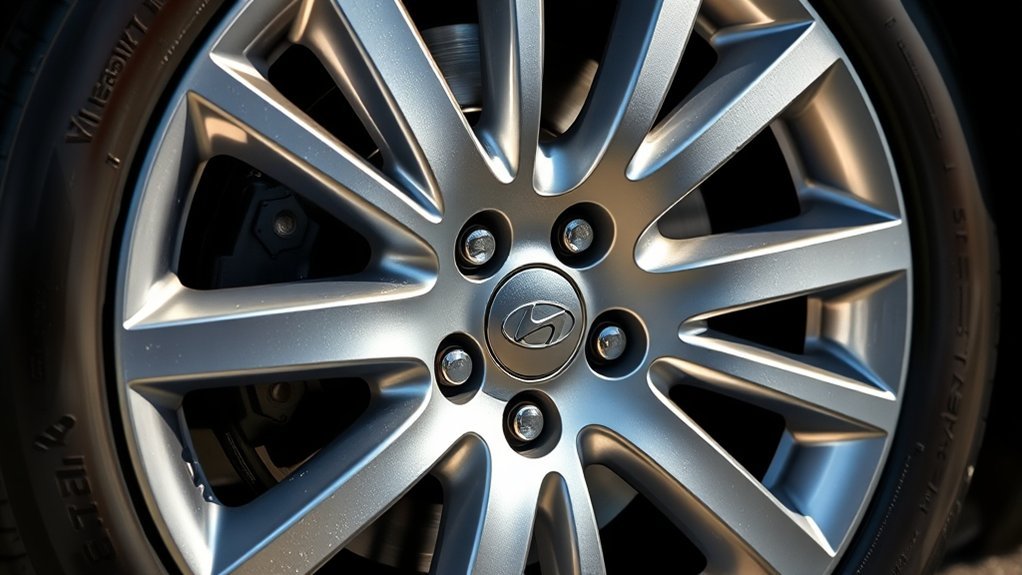
Brake dust on Hyundai Sonata wheels usually looks like a gray, brown, or rusty film that returns soon after washing. The safest way to remove it is to clean the wheels while they are cool, use mild soap or a pH-neutral wheel cleaner, agitate gently with soft tools, rinse completely, and dry with microfiber. Avoid acid cleaners, alkaline cleaners, wire brushes, and abrasive pads because Sonata aluminum wheels are typically protected by a clear finish that can be damaged by harsh products.
Quick Answer
To safely remove brake dust from Sonata wheels, rinse cool wheels first, apply a mild soap or pH-neutral wheel cleaner, let it dwell only as directed, scrub with a soft wheel brush, rinse thoroughly, and dry with a microfiber towel. Clean every 1–2 weeks if brake dust builds up quickly.
Key Takeaways
- Use mild soap, neutral detergent, or a wheel-safe pH-neutral cleaner on Sonata aluminum wheels.
- Clean wheels when they are cool, not right after driving or in direct hot sun.
- Avoid acid cleaners, alkaline cleaners, solvents, polishing compound, wire brushes, and abrasive scrubbers.
- Rinse fully after cleaning so residue does not dry on the clear-coated wheel finish.
- A wheel sealant or protectant can make future brake dust easier to rinse away.
At a Glance
| Time Required | 15–30 minutes for all four wheels |
| Difficulty | Easy |
| Tools Needed | Garden hose or pressure washer on a gentle setting, pH-neutral wheel cleaner or mild soap, soft wheel brush, wheel mitt, microfiber towels |
| Cost | About $10–$30 if you already have towels and a hose |
What Is Brake Dust and Why Is It a Problem?
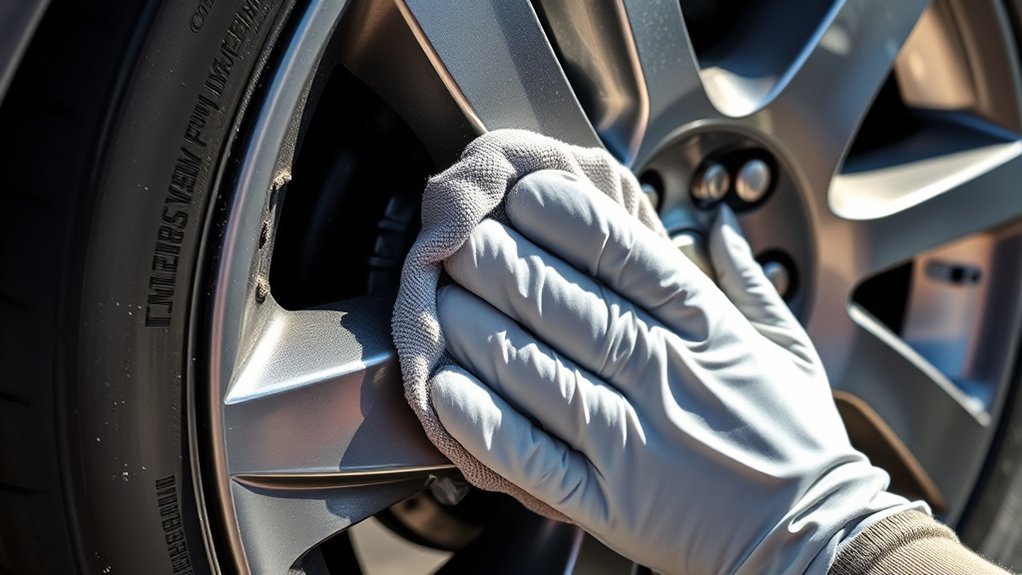
Brake dust forms when the brake pads and rotors wear during normal braking. The particles can include metal, friction material, road grime, and tiny airborne wear particles. Research on brake wear emissions shows that brake dust can contain iron-rich particles and other metals, which is one reason it can cling stubbornly to wheel surfaces.
On your Sonata, the main concern is not that brake dust will instantly ruin the wheel. The real problem is what happens when it is left in place for too long. Moisture, heat, road salt, and repeated braking can help grime bond to the clear-coated wheel finish. Over time, neglected buildup may cause staining, dullness, pitting, or corrosion if the protective coating is damaged.
Hyundai advises using only mild soap or neutral detergent on aluminum wheels and specifically warns against abrasive cleaners, solvents, wire brushes, acid cleaners, and alkaline detergents.
How Often Should You Clean Sonata Wheels?
For most Sonata owners, cleaning the wheels every 1 to 2 weeks is a practical routine if brake dust is visible. If your wheels stay fairly clean, you can wash them along with your regular car wash. Hyundai’s general exterior-care guidance recommends washing the vehicle thoroughly and frequently, at least once a month, and cleaning the wheels after driving on salted roads.
Recommended Cleaning Frequency
Use this simple schedule:
- Every 1 week: Heavy city driving, stop-and-go commuting, performance-style braking, black or dark brake dust showing quickly, or winter road salt.
- Every 1–2 weeks: Normal mixed driving with visible dust on the front wheels.
- Monthly: Light driving, low dust buildup, or wheels that stay clean between washes.
- Immediately after salted-road exposure: Rinse and clean the wheels as soon as practical to reduce corrosion risk.
Impact of Driving Conditions
Driving conditions affect how fast brake dust appears. Stop-and-go traffic creates more braking events, so dust usually builds faster on the front wheels. Rain, humidity, and winter salt can make residue more harmful because moisture helps corrosive materials stay in contact with the wheel surface. Mountain roads, short trips, and frequent hard braking can also increase buildup.
Signs Your Wheels Need Cleaning
Clean the wheels when you notice a dull gray film, brown specks, rough texture, or dark buildup around spokes and lug nut pockets. If the surface still feels gritty after a normal wash, brake dust may be bonded to the finish and may need a wheel-safe cleaner plus gentle agitation.
Essential Tools for Removing Brake Dust
Before you start, gather tools that clean without scratching. Sonata aluminum wheels are coated with a clear protective finish, so gentle tools matter more than aggressive scrubbing.
- Garden hose or pressure washer: Use a gentle to moderate setting. Avoid blasting sensors, trim, or nearby components at close range.
- pH-neutral wheel cleaner or mild soap: Choose a cleaner labeled safe for clear-coated, painted, chrome, or alloy wheels, depending on your wheel finish.
- Soft-bristled wheel brush: Use this for spokes, lug nut pockets, and tight crevices.
- Wheel mitt or microfiber wash pad: Use a separate mitt for wheels so brake dust does not scratch the paint later.
- Microfiber towels: Drying prevents water spots and lets you inspect the finish.
- Wheel sealant or protectant: Optional, but helpful for slowing dust bonding and making future washes easier.
Warning: Do not use wire brushes, steel wool, polishing compound, harsh solvents, acid wheel cleaners, or alkaline detergents on Sonata aluminum wheels. These can damage the clear protective finish.
[Products Worth Considering]

Meguiar's Gold Class Car Wash combines cleaning and conditioning in one easy step for a smooth, high-gloss finish. Its advanced, biodegradable formula creates rich suds that lift away dirt and road grime while helping preserve existing wax protection. Versatile for bucket washing or foam cannon use, it leaves paint looking radiant, renewed, and ready for a professional-level detail.

Rain-X Foaming Car Wash is a concentrated cleaner designed to lift dirt, grime, and road residue while helping reduce spots and streaks for a glossy finish. Its biodegradable formula is safe for waxed surfaces and delivers high-foaming cleaning action for an exceptional wash. Ideal for routine vehicle care, it helps leave your car looking clean and bright after every wash.
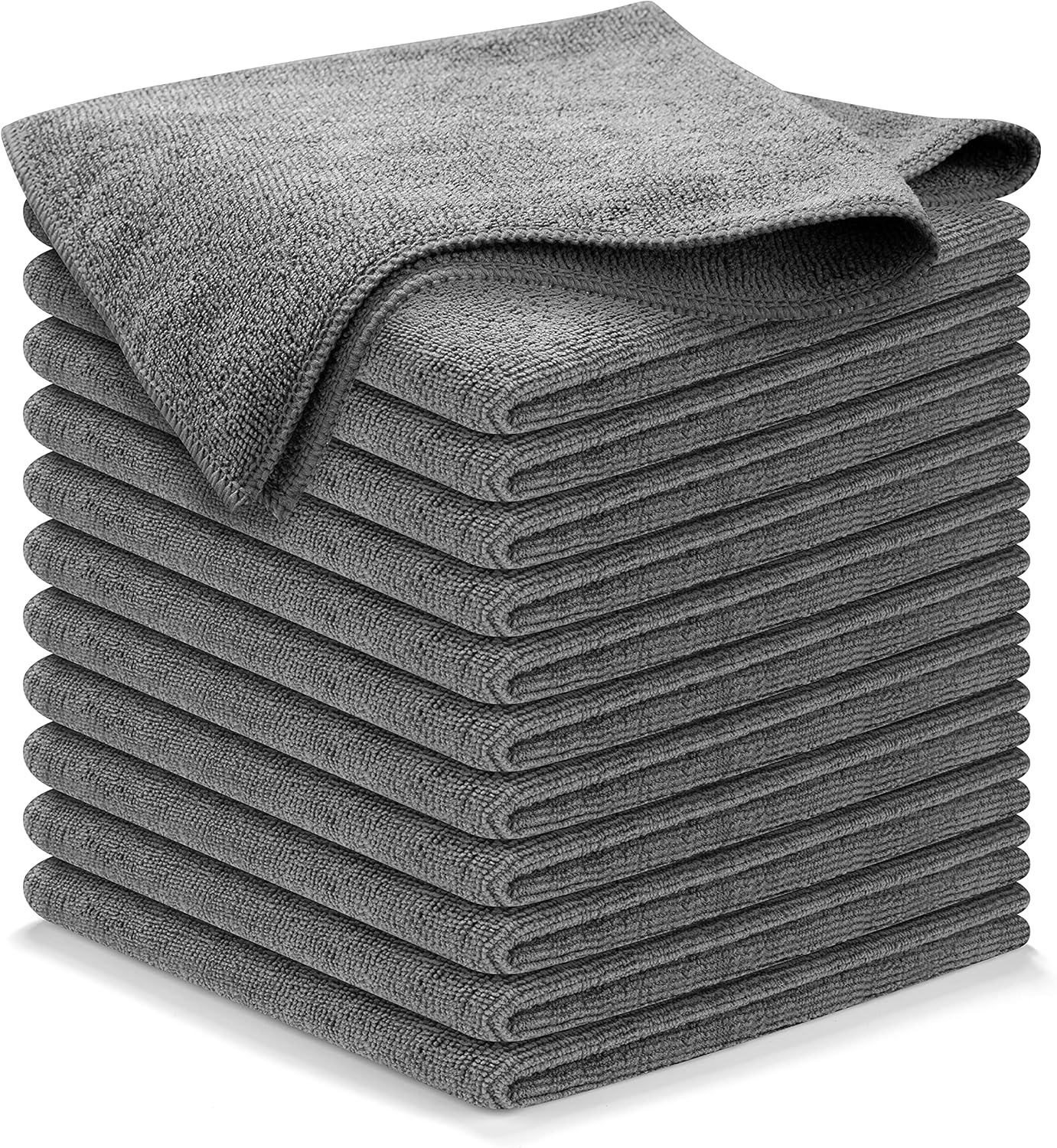
These high-performance microfiber cleaning cloths are designed to lift grime, liquid, dust, and dirt quickly while leaving a streak-free shine on glass, mirrors, and car surfaces. The thick, durable weave is built for repeated use, fast drying, and gentle cleaning that helps avoid linting, scratching, or swirling. Ideal for automotive detailing and all-purpose household cleaning, this reusable 12-pack delivers dependable absorbency and long-lasting value.
Step-by-Step Process for Cleaning Brake Dust
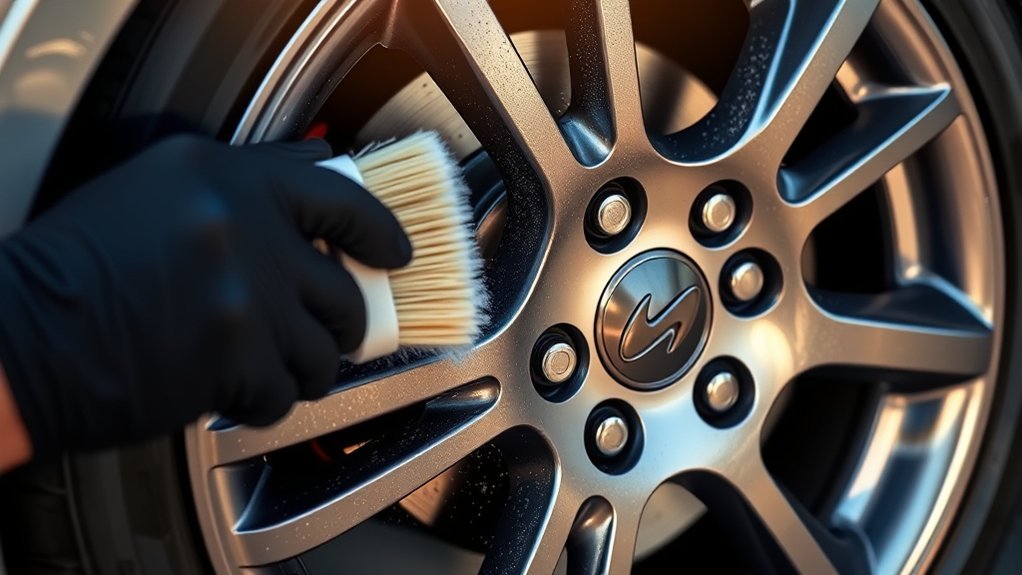
1. Let the Wheels Cool
Park in the shade and let the wheels cool before cleaning. Spraying cleaner on hot wheels can make the product dry too quickly and may leave stains or residue.
2. Rinse Loose Grit First
Rinse each wheel thoroughly with cool or lukewarm water. This removes loose dirt and reduces the chance of scratching when you start brushing. Spray into the spokes, around the lug nuts, and along the inner barrel if you can reach it safely.
3. Apply a Wheel-Safe Cleaner
Apply mild soap, neutral detergent, or a pH-neutral wheel cleaner according to the label directions. Let it dwell for the time listed on the product, usually a few minutes. Do not let the cleaner dry on the wheel.
Note: If your Sonata has aftermarket wheels, check the wheel manufacturer’s care instructions before using any cleaner. Polished, anodized, matte, or ceramic-coated wheels may require different products.
4. Agitate With Soft Tools
Use a soft wheel brush or microfiber mitt to loosen brake dust. Work gently around the spokes, valve stem, lug nut pockets, and rim edge. If you feel grit dragging under the brush, rinse the brush before continuing.
5. Rinse Completely
Rinse until the water runs clear and no cleaner remains. This step matters because dried cleaner residue can dull the finish or attract more grime.
6. Dry and Inspect
Dry the wheel with a clean microfiber towel. Check for remaining spots, rough areas, or stains. If dust remains, repeat the cleaning process rather than switching to a harsh cleaner.
7. Apply Wheel Protection
Once the wheel is clean and dry, apply a wheel sealant, spray protectant, or ceramic-safe wheel coating if the product is compatible with your wheel finish. This creates a slicker surface, so brake dust has a harder time bonding.
Pro Tip: Clean one wheel at a time. Rinse, clean, rinse again, and dry before moving to the next wheel so the cleaner never dries on the finish.
How to Remove Stubborn or Baked-On Brake Dust
If brake dust has been sitting for months, a normal wash may not remove it fully. Start with the safe method above. If spots remain, use a wheel-safe iron remover that is labeled safe for your exact wheel finish. These cleaners react with iron particles and often turn purple as they work.
Follow the label carefully, wear gloves, avoid hot wheels, and rinse thoroughly. Do not use household acids, toilet bowl cleaner, oven cleaner, metal polish, or abrasive pads. If staining remains after two careful cleaning attempts, the dust may have etched into the coating. At that point, a professional detailer can inspect whether the wheel needs decontamination, polishing, or refinishing.
[Products Worth Considering]

Adam's Advanced Graphene Ceramic Coating delivers long-lasting protection for your vehicle with a durable 10H-rated surface that helps defend against weather, chemicals, UV exposure, and everyday grime. Its patented UV tracing technology makes application easier and more precise, while the slick, high-gloss finish enhances depth of color and repels water for easier maintenance.

This versatile sanding and polishing kit provides a complete progression of grits for smoothing, refinishing, and restoring a wide range of surfaces. Designed for wet or dry use, it includes sanding discs, backing pads, and buffing accessories that make it easy to move from aggressive sanding to fine polishing. The quick hook-and-loop attachment and reusable components help deliver efficient results on cars, wood, metal, glass, resin, and more.
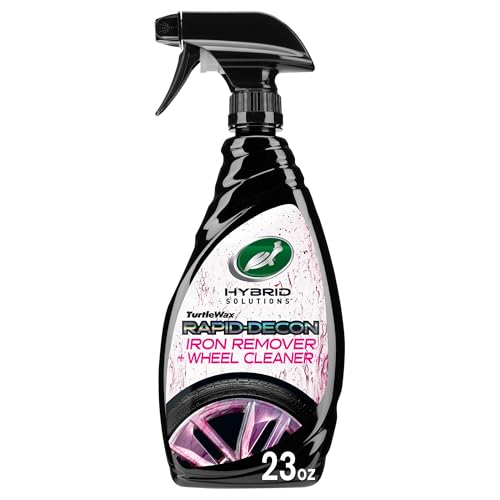
POWERFUL CLEANING: Removes embedded iron particles, brake dust, and road grime that harm your car finish extending the life of paint and providing a deeper clean that car wash cannot tackle alone
Common Mistakes to Avoid When Cleaning Wheels
Cleaning Hot Wheels
Hot wheels make cleaners evaporate quickly. This can leave streaks, spots, or chemical stains. Always clean wheels when they are cool to the touch.
Using Harsh Tools
Abrasive pads, wire brushes, steel wool, and stiff brushes can scratch the clear coat. Use soft-bristled wheel brushes, microfiber mitts, and gentle pressure instead.
Letting Cleaner Dry
Wheel cleaner should loosen grime, not bake onto the surface. Work in the shade, clean one wheel at a time, and rinse fully before the product dries.
Using the Same Towel on Paint
Brake dust can contain hard particles. Keep wheel towels and paint towels separate to avoid scratching the Sonata’s body panels.
Forgetting the Inner Barrel
The inside of the wheel collects dust too. Clean the inner barrel when possible, especially before applying a protectant. A long, soft wheel brush makes this easier.
Choosing the Right Brake Dust Cleaner
The safest choice for Sonata wheels is a mild soap, neutral detergent, or pH-neutral wheel cleaner that clearly says it is safe for clear-coated aluminum wheels. Read the label before use and avoid products that warn against use on painted, clear-coated, chrome, or aluminum finishes unless you are certain your wheel type is compatible.
Here is a simple way to choose:
- Light dust: Use mild car wash soap or neutral detergent.
- Moderate dust: Use a pH-neutral wheel cleaner made for clear-coated wheels.
- Stubborn iron contamination: Use a wheel-safe iron remover only if the label confirms compatibility.
- Unknown aftermarket finish: Contact the wheel maker or test a small hidden area first.
[Products Worth Considering]

Safe Wheel Cleaning (CLD_998_1602) - Gentle, pH-balanced Chemical Guys rim cleaner formula safely cleans chrome, aluminum, painted, powder-coated, and custom wheels without harsh chemicals that can damage finishes or coatings
Tips for Long-Term Wheel Maintenance
Long-term wheel care is mostly about consistency. Brake dust is easier to remove when it has not had time to bond to the surface.
- Wash wheels regularly instead of waiting for heavy buildup.
- Rinse the wheels after driving on salted winter roads.
- Use a separate wheel bucket, mitt, and towels.
- Apply a compatible wheel protectant after deep cleaning.
- Inspect for chips, curb rash, peeling clear coat, or corrosion during each wash.
- Repair damaged finish promptly because exposed metal is more likely to corrode.
Why Does Regular Wheel Maintenance Matter?
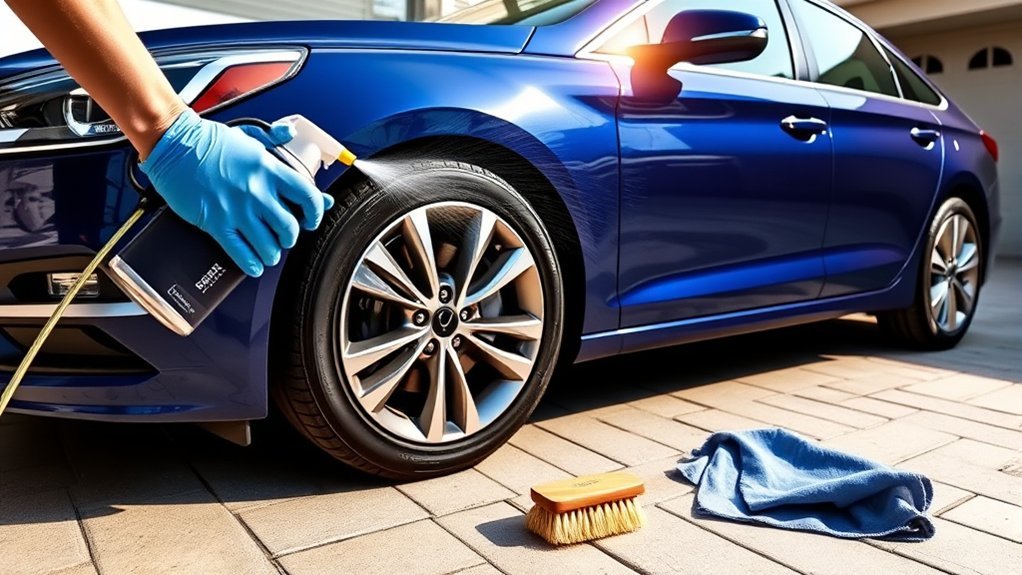
Regular wheel maintenance protects appearance, makes future washing easier, and helps prevent corrosion around damaged areas. Clean wheels also make it easier to spot issues such as uneven tire wear, bent rims, loose wheel weights, curb damage, or fluid leaks near the brake area.
Brake dust itself is also part of a broader non-exhaust vehicle-emissions issue. The U.S. Environmental Protection Agency describes brake and tire wear as non-exhaust sources of airborne particulate matter, while brake-wear research shows these particles can vary by brake material, vehicle, and driving conditions. That does not mean you need to panic during normal wheel cleaning, but it is smart to rinse dust away instead of dry-brushing it into the air.
Final Thoughts on Keeping Your Sonata Wheels Pristine
Keeping Sonata wheels clean does not require aggressive chemicals or hard scrubbing. The best routine is simple: rinse cool wheels, use a mild or pH-neutral cleaner, agitate gently, rinse completely, dry with microfiber, and protect the finish when needed. This approach removes brake dust while respecting Hyundai’s wheel-care guidance for clear-coated aluminum wheels.
| Cleaning Step | Best Frequency | Why It Helps |
|---|---|---|
| Rinse and wash wheels | Every 1–2 weeks when dusty | Prevents heavy brake dust buildup |
| Use mild soap or pH-neutral cleaner | Each wheel wash | Cleans without harsh chemical damage |
| Scrub with soft wheel tools | During cleaning | Reaches crevices while reducing scratch risk |
| Apply wheel protectant | After deep cleaning | Helps repel dust and road grime |
| Inspect for damage | Monthly | Catches chips, corrosion, and curb rash early |
Frequently Asked Questions
Will WD-40 remove brake dust from rims?
WD-40 may loosen some grime, but it is not the best choice for cleaning Sonata wheels. It can leave an oily film, attract dust, and create a slip or residue problem if it gets where it should not. Use mild soap, neutral detergent, or a wheel-safe pH-neutral cleaner instead.
Will Dawn remove brake dust from rims?
Dish soap can remove light dirt, but it is not ideal for stubborn brake dust and may strip waxes or protectants. For routine Sonata wheel care, a mild automotive soap, neutral detergent, or pH-neutral wheel cleaner is a safer and more effective option.
Will brake dust ruin rims?
Brake dust can damage rims if it is left for a long time, especially when moisture, heat, and road salt are present. It may stain, dull, pit, or corrode the finish. Regular cleaning helps prevent the dust from bonding to the wheel surface.
Can I use a pressure washer on Sonata wheels?
Yes, but use a moderate setting and keep the nozzle a safe distance from the wheel, tire valve stem, brake area, sensors, and trim. High-pressure water used too close can force water into areas where it does not belong or damage delicate parts.
Why do my front Sonata wheels get dirty faster than the rear wheels?
Front wheels often collect more brake dust because the front brakes typically do more work during normal stopping. This is especially noticeable in city driving, where frequent braking creates more dust.
What should I do if brake dust will not come off?
Repeat the safe cleaning process first. If residue remains, try a wheel-safe iron remover that matches your wheel finish. If staining still remains, the dust may have etched into the clear coat and may need professional detailing or refinishing.
Conclusion
The safest way to remove brake dust from Sonata wheels is to stay gentle and consistent. Clean cool wheels with mild soap, neutral detergent, or a pH-neutral wheel cleaner; use soft brushes and microfiber; rinse thoroughly; and avoid harsh chemicals or abrasive tools. With regular care every 1–2 weeks when dust is visible, your Sonata wheels will stay cleaner, brighter, and better protected over the long run.
Sources
- Hyundai Owner’s Manual: Exterior Care — backs up guidance on aluminum wheel cleaning, mild soap or neutral detergent, rinsing, and avoiding abrasive, acid, and alkaline cleaners.
- U.S. EPA: Brake and Tire Wear Emissions from Onroad Vehicles in MOVES3 — backs up the explanation of brake and tire wear as non-exhaust particulate sources.
- Brake Wear Particle Emissions: A Review — backs up the discussion of brake wear particles and their importance in traffic-related particulate matter.
- California Air Resources Board: Brake & Tire Wear Emissions — backs up the note that brake and tire wear are studied as non-exhaust particulate emissions.