
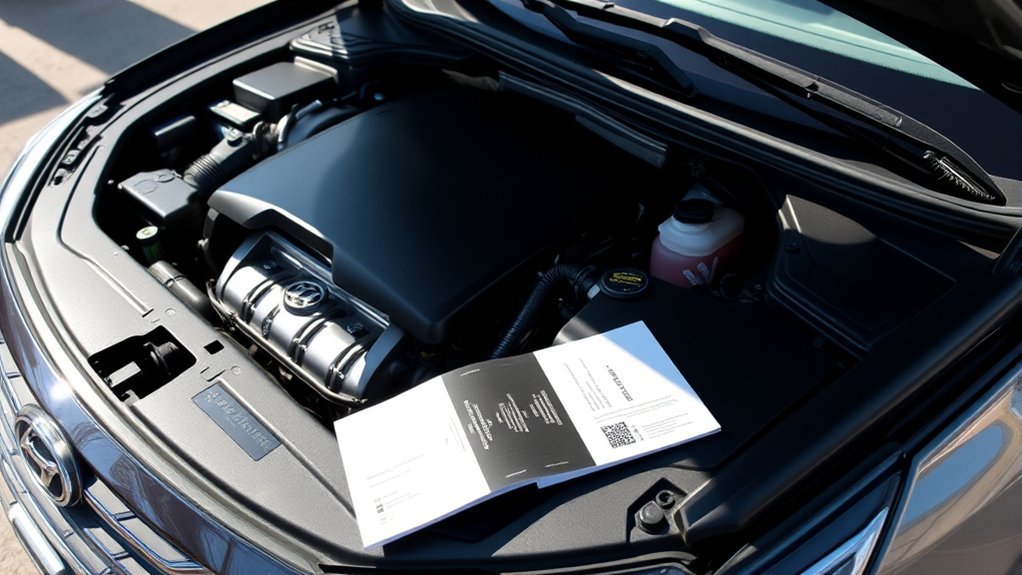
Checking the fluids in your Hyundai Sonata is one of the easiest ways to catch small problems before they become expensive repairs. The exact reservoirs, service intervals, and fluid specifications can vary by model year, engine, and trim, so use this guide as a safe walk-through and confirm specifications in your Sonata owner’s manual before adding any fluid.
Quick Answer
To check Hyundai Sonata fluid levels, park on level ground, set the parking brake, let hot parts cool when needed, then inspect engine oil, coolant, brake fluid, and washer fluid at their marked reservoirs or dipsticks. Current Sonata automatic/IVT transmission fluid and motor-driven steering systems are normally checked by a qualified technician.
Key Takeaways
- Check engine oil on level ground using the dipstick, and keep the level between the low and full marks.
- Never open the coolant cap when the engine is hot; hot coolant and steam can cause serious burns.
- Brake fluid should stay between the MIN and MAX marks. A very low level or frequent top-offs needs professional inspection.
- Many late-model Sonatas do not have a normal DIY transmission-fluid or hydraulic power-steering-fluid check.
- Use only the fluid type specified for your model year, engine, and trim.
At a Glance
| Time Required | 10–20 minutes for basic visual checks |
| Difficulty | Beginner, with owner’s manual confirmation |
| Tools Needed | Clean rag or paper towel, flashlight, gloves, funnel, correct fluid if topping off |
| Cost | Free to inspect; top-off fluid cost varies by fluid type |
How to Check Essential Fluids in Your Hyundai Sonata
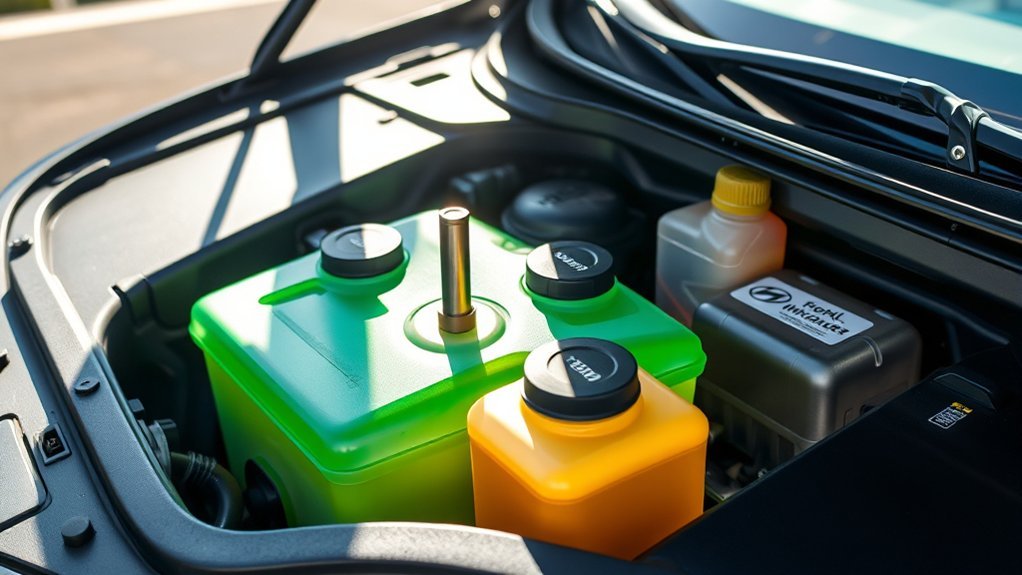
Start with a safe setup. Park the Sonata on level ground, shift to P (Park), apply the parking brake, and keep children or pets away from the engine bay. Use a flashlight if the markings on the reservoirs are hard to see.
For most owners, the practical DIY checks are engine oil, engine coolant, brake fluid, and windshield washer fluid. Some older Sonata models may also have a hydraulic power-steering-fluid reservoir or a transmission dipstick, but many late-model Sonatas use Motor Driven Power Steering and sealed-style automatic or IVT transmission service procedures.
Note: Hyundai manuals vary by model year, region, engine, hybrid system, and drivetrain. Before adding fluid, check your owner’s manual for the exact fluid specification and reservoir location.
[Products Worth Considering]

This spill-proof radiator coolant filling funnel kit helps you refill cooling systems cleanly while reducing trapped air pockets that can affect heater and engine performance. It includes a 5-inch extension bar and 45-degree elbow for easier access under shrouds or at awkward angles. Color-matched caps for dedicated adapters make setup simpler and more organized.

MAXLONE Car Spray with Triphene is a waterless detailer that makes quick cleaning and shine simple with just spray and wipe use. It helps repel water, dirt, and grime while adding a deep glossy finish and durable protection for paint, glass, plastic, and metal. Designed for versatile use and easy application, it offers long-lasting results with a concentrated formula that is eco-friendly and made for home or professional-style detailing.

This 4-pack of waterproof inline fuse holders provides reliable circuit protection for automotive, marine, and other 12V electrical systems. Built with 12AWG heavy-duty wire and tin-plated copper conductors, it supports stable current flow while helping guard against overloads. The sealed double-slot cover design adds dust, moisture, and water resistance for dependable performance in demanding environments.
Safety Checklist Before Opening the Hood
- Let the engine and cooling system cool before touching coolant parts.
- Keep loose clothing, jewelry, hair, and tools away from belts and fans.
- Use a clean funnel for each fluid so you do not contaminate reservoirs.
- Wipe spilled oil or brake fluid immediately. Brake fluid can damage paint.
- Do not mix random “universal” fluids unless the label clearly meets Hyundai’s required specification for your Sonata.
- Do not overfill. Too much oil, coolant, or brake fluid can cause problems.
Warning: If a warning light is on, the brake pedal feels spongy, the steering suddenly gets heavy, the car overheats, or you see a large puddle under the vehicle, stop driving when safe and have the Sonata inspected by a qualified technician.
How to Check Engine Oil: What to Look For
Engine oil lubricates and cools internal engine parts, so the level matters as much as the oil’s condition. Hyundai’s current owner-manual procedure says to check oil on level ground, with the vehicle in Park and the parking brake applied, after warming the engine to normal temperature, turning it off, and waiting about 15 minutes for the oil to return to the oil pan.
- Park on level ground, shift to P (Park), and apply the parking brake.
- Warm the engine to normal operating temperature, then turn it off.
- Wait about 15 minutes.
- Remove the dipstick and wipe it clean with a lint-free rag or paper towel.
- Reinsert the dipstick fully, then remove it again.
- Confirm the oil level is between the low and full marks.
- If the level is below the low mark, add the specified oil a little at a time and recheck.
Use only the engine oil grade and specification listed for your Sonata. Hyundai’s recommended lubricants page for a current Sonata manual lists different capacities and oil specifications by engine, which is why guessing is risky.
[Products Worth Considering]

The JACO ElitePro Digital Tire Pressure Gauge delivers shop-grade accuracy with a clear digital readout, making it easy to maintain proper tire pressure for safer driving and better performance. Built with rugged brass and steel components, a protective guard, and a flexible air hose, it is designed for reliable use across cars, trucks, motorcycles, bikes, RVs, and trailers. The lock-on display, built-in bleeder valve, and bright backlit screen add convenience in any lighting condition.

AUTOBOO windshield wiper blades are designed for dependable all-season visibility with smooth, streak-free wiping in rain, snow, and heat. The bracketless aerodynamic design helps reduce noise and drag while the memory spring steel structure delivers even pressure for consistent windshield contact. Built for quick installation on compatible U/J hook arms, these blades offer a quiet, reliable upgrade for everyday driving.

Checking Oil Color
Oil color is a helpful clue, but it is not the only factor. Fresh oil is often amber or golden. Used oil naturally gets darker as it collects heat, soot, and contaminants. Very gritty oil, a strong fuel smell, metal particles, or sludge on the dipstick are reasons to schedule service.
A milky or chocolate-colored appearance can point to coolant contamination. Do not keep driving if the oil looks milky, the coolant level is dropping, or the engine temperature rises abnormally.
Assessing Oil Level
The oil level should sit between the dipstick’s low and full marks. If it is slightly low, add oil slowly through the oil filler opening. Wait a minute, then recheck the dipstick. Avoid filling above the full mark.
Pro Tip: Keep a small maintenance log with the date, mileage, oil level, and any top-off amount. A pattern of frequent oil top-offs can help a technician diagnose leaks, burning oil, or driving-condition issues faster.
Next Steps: Checking Your Transmission Fluid
This section needs the biggest model-year caution. On many current Hyundai Sonata models, the automatic transmission fluid level does not need to be checked under normal usage conditions. Hyundai also notes that new automatic transmission fluid is red and becomes darker with use, and that color change alone does not mean the fluid must be replaced.
Instead of looking for a dipstick on every Sonata, watch for symptoms:
- Delayed engagement when shifting into Drive or Reverse
- Slipping, harsh shifting, shuddering, or unusual vibration
- Fluid leak under the vehicle
- Burning odor
- Transmission warning message or check-engine light
- Transmission, transfer case, or related components submerged in water
If any of these happen, schedule a professional inspection. For current Sonata maintenance guidance, Hyundai’s normal schedule may list automatic or IVT fluid as “no check, no service required” under normal use, while also noting that fluid should be changed if the system has been submerged in water.
Warning: Do not add random transmission fluid through an unknown port. Using the wrong fluid or overfilling can damage the transmission and may require expensive repairs.
[Products Worth Considering]

For use in 95% of vehicles including most CVTs in operation with US registered light duty applications

Compatible with Hyundai and Kia: Specially formulated for Hyundai and Kia automatic transmissions, ensuring precise performance with smooth shifting and outstanding anti-shudder characteristics. Not intended for CVT or DCT applications.

For use in 95% of vehicles including most CVTs in operation with US registered light duty applications
How to Ensure Your Brake Fluid Is Safe
Brake fluid is critical for safe stopping. Locate the brake-fluid reservoir and check the fluid against the MIN and MAX marks on the side. The level should stay within that range.
A gradual drop can happen as brake pads wear, but an excessively low level or repeated need to add brake fluid may point to a leak or worn brake components. Hyundai’s brake-fluid guidance also warns to keep the reservoir clean before opening it and to use only the specified brake fluid.
Check Fluid Level Regularly
Inspect the reservoir with the cap closed first. If the fluid is between MIN and MAX, do not top it off just to “fill it to the brim.” If the level is below MIN, do not ignore it. Add only the specified fluid if needed, then have the brake system inspected if the level is very low or drops again.
For the current Hyundai manual referenced, the brake-fluid specification is DOT 4. Your model year may differ, so confirm before adding fluid.
Inspect for Leaks Promptly
Brake-fluid leaks may appear near the wheels, under the master cylinder area, or along brake lines. The pedal may also feel soft, spongy, or lower than normal.
| What You Notice | Action Needed | How Urgent? |
|---|---|---|
| Brake warning light or spongy pedal | Stop driving when safe and arrange inspection | Immediate |
| Fluid below MIN | Check for leaks and schedule brake inspection | Immediate |
| Frequent top-offs needed | Have brake system checked by a technician | High |
| Fluid between MIN and MAX | Continue routine checks | Normal maintenance |
Warning: Brake fluid can damage paint and harm your eyes. Never use brake fluid that has been open for a long time, and never let engine oil or mineral oil contaminate the brake system.
Checking Your Steering System: A Quick Guide
Many late-model Hyundai Sonata vehicles use Motor Driven Power Steering rather than a hydraulic power-steering-fluid system. That means there may be no power-steering-fluid reservoir for you to check.
Instead, pay attention to steering behavior. If the steering wheel suddenly requires more effort, feels loose, pulls abnormally, makes unusual noises, or the “Check motor driven power steering” warning appears, drive to a safe location and have the system inspected as soon as possible.
If you own an older Sonata that does have a hydraulic power-steering reservoir, check the level only as your owner’s manual describes, use the specified fluid, and do not overfill. If the level is low repeatedly, look for leaks around hoses, the pump, and the steering rack.
How to Inspect Coolant Levels in Your Sonata
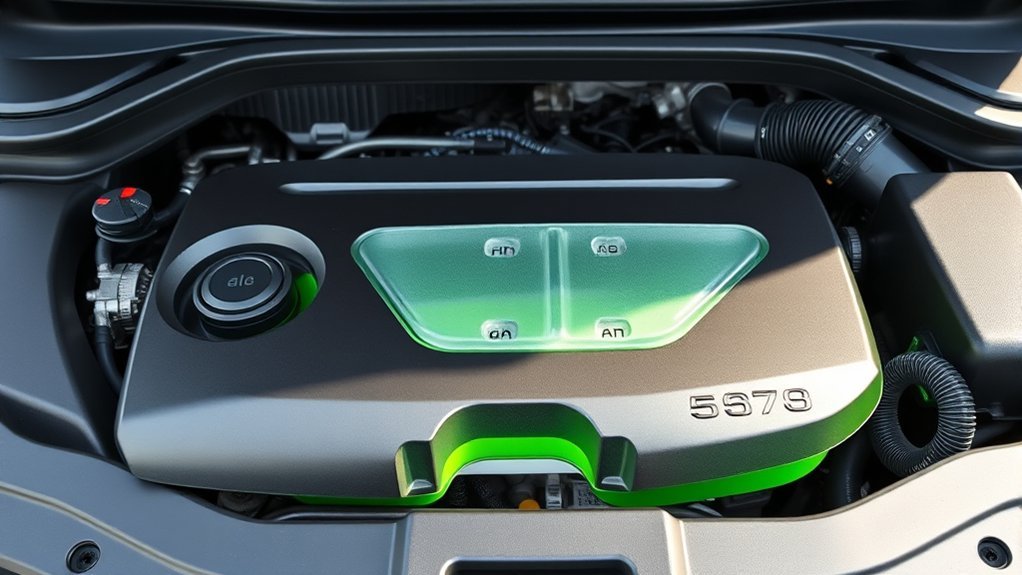
Coolant helps regulate engine temperature and protects the cooling system. Check coolant only when the engine is cool. The level should be between the MIN and MAX marks on the coolant reservoir.
- Turn the vehicle off and let the engine cool completely.
- Inspect coolant hoses for swelling, cracking, leaks, or loose connections.
- Check the reservoir level against the MIN and MAX marks.
- If the level is low, add the correct coolant mixture specified for your Sonata.
- If the level drops again, schedule an inspection for leaks or cooling-system problems.
Hyundai’s current coolant guidance says to use distilled or deionized water mixed with antifreeze when topping off. It also warns that the coolant cap must be closed properly after refilling to prevent overheating while driving.
Warning: Never remove the coolant reservoir cap or drain plug while the engine and radiator are hot. Hot coolant and steam can blow out under pressure and cause serious burns.
Sonata Hybrid Coolant Note
If you drive a Sonata Hybrid, your vehicle may include engine coolant and inverter coolant checks. Follow the hybrid owner’s manual closely, because hybrid cooling-system service can differ from gasoline-only models. If the inverter coolant level is low or a hybrid-system warning appears, have the vehicle inspected by a Hyundai dealer or qualified hybrid technician.
Check Windshield Washer Fluid Too
Washer fluid is easy to overlook, but Hyundai’s owner maintenance schedule includes checking the windshield washer fluid level when stopping for fuel. Open the washer-fluid cap, check the level if the reservoir is visible, and top off with washer fluid suitable for your climate.
In freezing weather, use winter-rated washer fluid. Plain water can freeze, crack the reservoir or lines, and leave you without visibility when you need it most.
When to Schedule Professional Fluid Inspections
DIY checks are helpful, but they do not replace scheduled service. Hyundai’s normal maintenance schedule for a current Sonata manual lists engine oil and filter replacement every 8,000 miles or 12 months for the referenced powertrains, brake-fluid inspection every 8,000 miles or 12 months, brake-fluid replacement every 48,000 miles or 48 months, and initial engine-coolant replacement at 120,000 miles or 120 months, then every 24,000 miles or 24 months after that.
Schedule service sooner if you notice leaks, warning lights, overheating, brake-pedal changes, steering-effort changes, burnt smells, milky oil, or repeated low-fluid readings. If your Sonata is used for severe driving, rideshare work, dusty roads, frequent short trips, towing, extreme heat, or mountain driving, follow the severe-service schedule in your owner’s manual.
The safest rule is simple: inspect what Hyundai expects owners to inspect, but let a qualified technician handle sealed transmission, hybrid cooling, brake-system, and steering-system problems.
Fluid Warning Signs You Should Not Ignore
| Symptom | Possible Fluid-Related Issue | Best Next Step |
|---|---|---|
| Milky engine oil | Possible coolant contamination | Stop driving and schedule diagnosis |
| Sweet smell, steam, or rising temperature gauge | Coolant leak or overheating | Pull over safely and let the engine cool |
| Spongy brake pedal | Low brake fluid, air, or leak | Do not continue normal driving; inspect brakes |
| Red, amber, or oily puddle under vehicle | Fluid leak | Note location/color and schedule inspection |
| Hard steering or MDPS warning | Electric steering system concern | Drive carefully to a safe spot and arrange service |
| Harsh shifts or slipping | Transmission issue | Have transmission inspected by a qualified technician |
Frequently Asked Questions
What fluids should you check regularly as a Hyundai Sonata owner?
Most Sonata owners should regularly check engine oil, coolant, brake fluid, and windshield washer fluid. You should also watch for leaks, dashboard warnings, brake-pedal changes, steering changes, and transmission symptoms. Transmission fluid and steering-system service may not be normal DIY checks on late-model Sonatas.
How often does Hyundai recommend changing transmission fluid?
For current Sonata models under normal usage, Hyundai’s manual guidance may state that automatic or IVT fluid has no normal owner check and no normal service requirement. However, it should be inspected or changed if there are symptoms, leaks, contamination, severe-use requirements, or water submersion. Always follow your exact model-year maintenance schedule.
Does a Hyundai Sonata have power steering fluid?
Many late-model Hyundai Sonata vehicles use Motor Driven Power Steering and do not have a hydraulic power-steering-fluid reservoir. Older Sonata models may differ. If steering effort changes or a steering warning appears, have the vehicle inspected instead of trying to add fluid blindly.
Can I top off brake fluid myself?
You can top off brake fluid only with the specified fluid and only after cleaning around the cap. Do not use old fluid that has been open for a long time. If the level is very low or drops again, schedule a brake inspection because there may be a leak or worn brake components.
Should I check coolant when the engine is hot or cold?
Check coolant when the engine is cool. Do not remove the coolant cap while the engine or radiator is hot because pressurized steam and coolant can cause serious burns.
Conclusion
Regular fluid checks help your Hyundai Sonata stay safer, cooler, cleaner, and easier to diagnose. The most important habits are simple: check oil correctly, inspect coolant only when cool, keep brake fluid between the marks, refill washer fluid before it runs out, and treat transmission or steering symptoms as professional-service items on late-model Sonatas. When in doubt, your owner’s manual and a qualified Hyundai technician should overrule any general guide.
Sources
- Hyundai Owner’s Manual — Checking the engine oil level — supports the level-ground, warm-engine, wait-15-minutes dipstick procedure.
- Hyundai Owner’s Manual — Automatic transmission fluid — supports no normal owner fluid-level check and explains fluid darkening.
- Hyundai Owner’s Manual — Checking the brake fluid level — supports MIN/MAX brake-fluid guidance and leak warnings.
- Hyundai Owner’s Manual — Checking the coolant level — supports coolant reservoir, hot-cap, and distilled/deionized water guidance.
- Hyundai Owner’s Manual — Motor Driven Power Steering — supports steering warning and inspection guidance for MDPS-equipped Sonatas.
- Hyundai Owner’s Manual — Normal maintenance schedule — supports normal-service fluid inspection and replacement intervals for the referenced Sonata manual.


[…] For a safer inspection routine, see the Hyundai Sonata fluid-level checklist. […]
[…] step-by-step owner checks, see the Hyundai Sonata fluid-level checklist and the guide on checking Sonata coolant […]
[…] broader maintenance context, see the Hyundai Sonata fluid-level checklist. If you are troubleshooting repeated loss or overheating rather than doing a routine level check, […]