A Toyota 4Runner can remain useful well beyond 200,000 miles when it has a sound structure, a documented maintenance history, and problems that are repaired before they damage other systems. However, mileage alone does not determine lifespan. Model year, rust, overheating, towing, off-road use, previous repairs, and maintenance quality all affect how long the vehicle lasts.
Quick Answer
A well-maintained Toyota 4Runner may remain serviceable past 200,000 miles, and some examples reach 300,000 miles. There is no guaranteed lifespan. Your best strategy is to follow the maintenance guide for the exact model year, prevent overheating and corrosion, inspect high-wear parts, and repair leaks, noises, and warning lights promptly.
Key Takeaways
- Treat 200,000 miles as an achievable goal for a healthy, well-maintained vehicle, not a guarantee.
- Use the maintenance schedule for your exact model year, engine, drivetrain, and operating conditions.
- Prevent overheating, low-fluid operation, structural rust, and prolonged driving with warning lights.
- Inspect cooling, steering, suspension, brakes, driveline joints, rubber parts, and electrical systems as mileage rises.
- Keep dated service records so you can identify overdue work and diagnose changes more quickly.
At a Glance
| Time Required | About 10–15 minutes for a monthly visual check; professional service time varies by repair. |
| Difficulty | Easy for basic checks; moderate to advanced for fluid, brake, suspension, and driveline service. |
| Tools Needed | Flashlight, tire-pressure gauge, gloves, clean shop towels, service records, and the correct owner or maintenance guide. |
| Cost | Basic inspections cost little or nothing. Scheduled maintenance and repairs vary by model year, condition, parts, and labor rates. |
How Long Will a Toyota 4Runner Last?
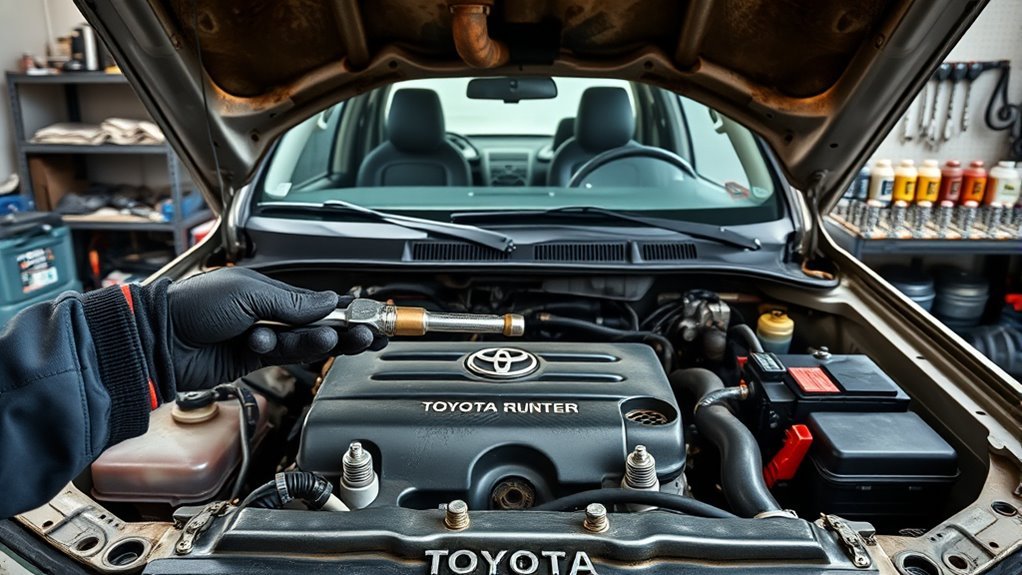
A properly maintained 4Runner may remain dependable beyond 200,000 miles. Reaching 300,000 miles is possible, but it depends on the individual vehicle. A low-mileage 4Runner with severe frame corrosion or repeated overheating may be a worse long-term prospect than a higher-mileage example with clean service records and a solid underbody.
Condition, maintenance history, and structural integrity usually tell you more than the odometer alone.
Model Year and Generation Matter
Do not apply one maintenance plan to every 4Runner. Toyota has used different engines, transmissions, four-wheel-drive systems, suspension options, fluids, and service procedures across generations.
- Models through 2009: Engine and drivetrain configurations vary widely. Identify the exact year, engine, and drivetrain before ordering fluids or parts.
- 2010–2024 fifth-generation models: These vehicles use the familiar 4.0-liter V6. Toyota’s official 2024 4Runner information confirms the V6 configuration for the final model year of that generation.
- 2025 and newer sixth-generation models: Toyota introduced a turbocharged 2.4-liter four-cylinder, an eight-speed automatic transmission, and an available i-FORCE MAX hybrid system. Review the official sixth-generation specifications before using advice written for the older V6 model.
The newest generation has not been on the road long enough to establish meaningful real-world 200,000- or 300,000-mile patterns. Owners should follow Toyota’s current maintenance documentation rather than assume that fifth-generation habits, fluids, or procedures automatically transfer to the newer drivetrain.
What Usually Determines Lifespan?
- Cooling-system health: Repeated overheating can damage head gaskets, cylinder heads, seals, and transmission components.
- Lubrication: Low engine oil, incorrect fluid, leaks, or overdue service can accelerate internal wear.
- Rust: Structural corrosion around the frame, suspension mounts, brake lines, fuel-system supports, and body mounts can end a vehicle’s practical life even when the engine still runs well.
- Operating conditions: Towing, short trips, dust, mud, deep water, heavy traffic, extreme temperatures, and frequent off-road use can increase service needs.
- Repair timing: A small coolant leak, torn CV boot, loose wheel bearing, or worn steering component can become a much larger repair when ignored.
- Previous ownership: Missing records, poor collision repairs, improper modifications, and incorrect fluids increase uncertainty.
Routine Maintenance to Reach 200,000 Miles or More
Your first reference should be the Toyota maintenance information for the exact model year. Toyota provides separate manual and warranty resources because requirements change between vehicles and operating conditions.
Note: Mileage ranges in a general article cannot replace the schedule for your VIN. Use the specified oil grade, coolant, gear oil, brake fluid, transmission fluid, capacities, procedures, and torque values for your vehicle.
| Inspection Rhythm | What to Check |
|---|---|
| Monthly and before long trips | Tire pressure, visible fluid levels where owner-checking is permitted, exterior lights, wipers, unusual leaks, warning lights, and changes in starting or braking. |
| At each scheduled service | Engine oil and filter as required, tire rotation where appropriate, brake condition, steering and suspension, fluid leaks, boots, hoses, exhaust, and underbody damage. |
| At least annually | Battery and charging performance, belt and hose condition, alignment symptoms, frame corrosion, brake hoses, filters, weather seals, spare tire, and recovery equipment. |
| At factory milestones | Coolant, spark plugs, drivetrain fluids, drive-belt inspections, and other model-specific items listed in the applicable maintenance guide. |
| After severe use | Undercarriage, brakes, skid plates, driveline boots, breathers, fluid contamination, wheel damage, suspension impacts, and trapped mud or vegetation. |
A Repeatable High-Mileage Maintenance Process
- Identify the vehicle: Record the model year, VIN, engine, drivetrain, suspension system, modifications, and tire size.
- Download the correct schedule: Use Toyota’s model-year documentation rather than a generic interval chart.
- Build a baseline: When history is incomplete, have a qualified technician inspect the vehicle before replacing fluids or parts blindly.
- Prioritize safety and heat control: Address brakes, tires, steering, wheel bearings, cooling problems, and fuel or exhaust leaks first.
- Repair the cause: Do not repeatedly top off a leaking system without finding the source.
- Record every service: Note the date, mileage, fluid specification, part number, observations, and next inspection point.
Pro Tip: Photograph the underbody, fluid leaks, tire wear, and worn parts during each major inspection. Comparing dated photos can reveal slow corrosion, seepage, or bushing deterioration before it becomes obvious during normal driving.
High-Mileage 4Runner Parts to Inspect Before They Fail
High mileage does not mean you should replace every original component. Inspect each system, confirm the cause of symptoms, and replace parts that are worn, damaged, leaking, contaminated, or due under the applicable maintenance schedule.
[Products Worth Considering]

This GM TPMS relearn tool helps reset tire sensors, clear warning lights, and match tire positions after rotation quickly at home. Designed for Chevrolet, GMC, Cadillac, and Buick vehicles, it offers one-button operation, fast activation, and broad compatibility with many GM models. It is best suited for OE/OEM sensors and includes paper instructions plus video guidance for easier DIY use.
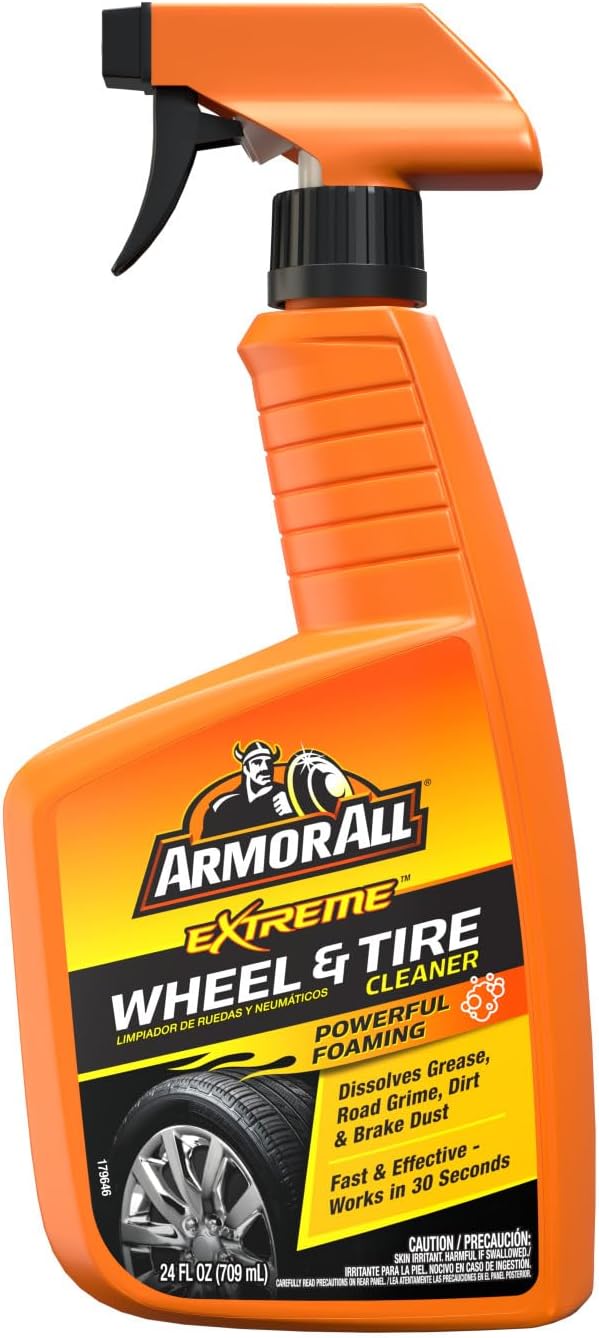
Armor All Extreme Wheel and Tire Cleaner is a powerful spray designed to cut through stubborn dirt, grease, tar, and brake dust on wheels and tires. It is safe for use on factory and aftermarket finishes, including alloy, steel, chrome, and plastic wheel trims, while its fast-acting formula works in just seconds. The deep-cleansing action helps reach hard-to-clean areas and leaves wheels looking clean and shiny.

This A-Premium cartridge engine oil filter is designed for a wide range of Toyota and Lexus vehicles, helping support cleaner oil flow and dependable engine protection. With high filtration efficiency and included O-rings, it offers a practical replacement solution for routine maintenance. Built for extended service intervals, it is suitable for conventional or synthetic oil applications.
Drive Belts, Tensioners, and Pulleys
Inspect accessible belts for cracking, edge damage, missing ribs, glazing, oil contamination, and abnormal tracking. Listen for chirping, squealing, rattling, or bearing noise. There is no reliable universal 63,000-mile replacement rule for every 4Runner. Follow the model-year schedule and replace damaged belts, weak tensioners, or noisy pulleys promptly.
Cooling System
Check the radiator, coolant reservoir, hoses, clamps, thermostat area, water-pump area, and engine valley for dried coolant residue or wetness. Watch for rising temperature, recurring coolant loss, a sweet smell, poor cabin heat, bubbling in the reservoir, or cooling fans that do not operate correctly.
Use only the coolant type and service procedure specified for the vehicle. Mixing incompatible coolant or opening the system while hot can cause damage or injury.
Steering and Suspension
- Inspect tie-rod ends, ball joints, control-arm bushings, sway-bar links, shocks, springs, and body mounts.
- Check for torn boots, grease loss, uneven tire wear, wandering, steering play, clunks, or a steering wheel that does not return normally.
- Vehicles with KDSS or X-REAS require system-specific inspection. Fluid residue or uneven ride height should be evaluated by someone familiar with that equipment.
Wheel Bearings, Axles, and Driveline Joints
A failing wheel bearing may cause humming, growling, looseness, heat, or a change in noise while turning. Inspect CV boots for splits and grease spray. On applicable four-wheel-drive models, check propeller shafts and universal joints for looseness, binding, rust-colored dust, or abnormal vibration.
Brakes and Tires
Inspect pad thickness, rotor condition, calipers, flexible hoses, hard lines, parking-brake operation, and brake-fluid leaks. Uneven tire wear can reveal alignment, bearing, bushing, shock, or pressure problems. Replace tires based on condition, age, damage, and legal tread requirements rather than mileage alone.
Exhaust, Battery, and Electrical Connections
Inspect exhaust joints, flanges, heat shields, hangers, and pipes for rust or impact damage. Test an aging battery and inspect terminals and grounds for looseness or corrosion. Slow cranking, dim lights, charging warnings, or intermittent electrical faults deserve diagnosis before they leave you stranded.
Warning: Never work under a vehicle supported only by a jack. Use level ground, wheel chocks, correctly rated lifting points, and properly positioned jack stands. Stop and use a qualified technician when you cannot verify the procedure or safe support points.
Fluids, Service Requirements, and Safe DIY Checks
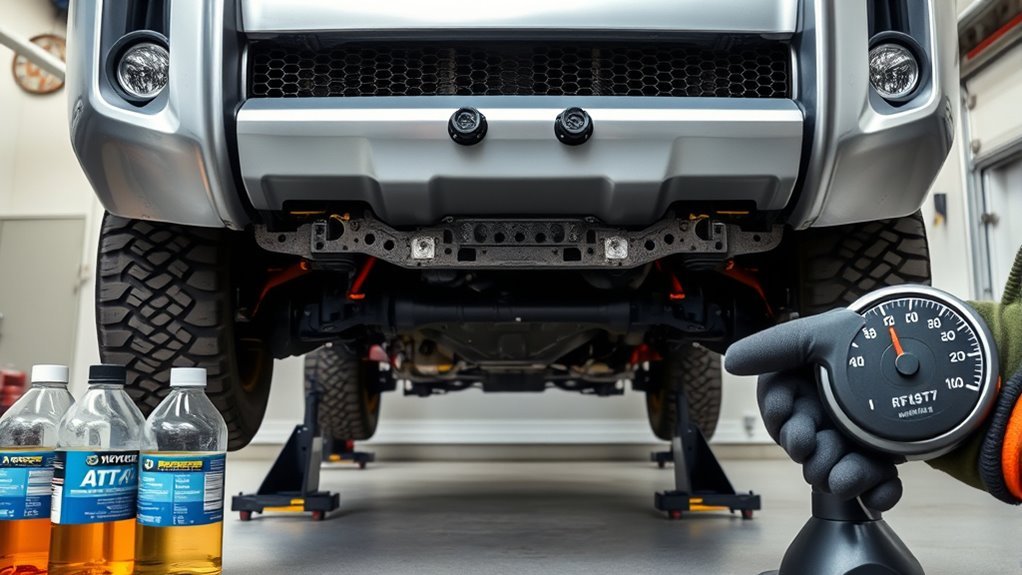
Fluids are critical, but a universal replacement interval is not accurate for every 4Runner. Toyota’s requirements may change with the model year, drivetrain, towing, off-road use, water exposure, and other special operating conditions.
| System | What to Look For | Service Rule |
|---|---|---|
| Engine oil | Low level, leaks, consumption, warning lights, or contamination. | Use the specified grade and factory interval. Apply the severe-use schedule when your operating conditions meet its definition. |
| Engine coolant | Level loss, residue, discoloration, damaged hoses, overheating, or poor heater performance. | Use the exact coolant and interval specified for the model year. Repair leaks rather than repeatedly topping off. |
| Automatic transmission | Leaks, delayed engagement, slipping, harsh shifts, overheating, or contaminated fluid after water exposure. | Follow the model-specific guide and level-setting procedure. Do not substitute fluid or perform an unsupported flush. |
| Transfer case and differentials | Leaks, water contamination, metallic debris, whining, binding, or impact damage. | Use the specified lubricant and schedule, with extra attention after towing, deep-water travel, or heavy off-road use. |
| Brake fluid | Low level, leaks, contamination, a soft pedal, or abnormal braking. | Inspect as directed and replace when required by the guide, repair procedure, contamination, or verified condition. |
Simple Checks You Can Perform
- Park on level ground and follow the owner’s manual before checking any level.
- Look beneath the parked vehicle for new drips and note their color, location, and smell without touching hot or unknown fluids.
- Inspect the engine bay for wet areas, crusted residue, damaged hoses, loose caps, and oil contamination on rubber parts.
- Monitor changes in shifting, steering, braking, vibration, temperature, and fuel economy.
- Check fluid after deep-water exposure if the applicable service information calls for it.
Fluid color alone does not prove whether a component is healthy or whether replacement is due. Use the service history, correct inspection procedure, operating conditions, symptoms, and Toyota’s specifications together.
Warning: Never remove a radiator or pressurized coolant cap while the system is hot. Hot coolant and steam can cause severe burns. Some transmission and driveline checks also require controlled temperatures and precise level procedures.
Preventing Rust and Managing Off-Road Use
Rust prevention is especially important in regions that use road salt or where the vehicle frequently encounters mud, sand, standing water, or coastal air. The goal is to remove contaminants, keep drains open, repair damaged coatings, and inspect structural areas before corrosion becomes advanced.
After Salt, Mud, Sand, or Water Exposure
- Rinse the underbody, wheel wells, frame openings, suspension, skid plates, and brake areas with appropriate low-pressure water.
- Remove packed mud, leaves, and vegetation that can hold moisture or block drainage.
- Inspect skid plates and shields for trapped debris or impact damage.
- Look for fresh scrapes, exposed metal, damaged seam sealer, loose fasteners, and bent brackets.
- After deep-water travel, inspect applicable drivetrain fluids, electrical connectors, breathers, wheel bearings, and brake operation according to Toyota’s service information.
Use Undercoating Carefully
Do not spray thick coating over loose rust, road salt, wet mud, blocked drains, rubber parts, hot exhaust components, brake parts, or unidentified leaks. The surface should be cleaned, dried, inspected, and prepared for a compatible corrosion treatment. Existing rust may require professional evaluation before any coating is applied.
Schedule a thorough underbody inspection at least once a year in corrosion-prone regions and after major off-road impacts. Pay close attention to frame sections, crossmembers, suspension mounts, body mounts, brake and fuel lines, tow points, and repairs from previous collisions.
Note: Surface rust and structural corrosion are not the same. Flaking metal, perforation, swelling seams, weakened mounting points, or deformation around suspension and body mounts require professional inspection.
How to Inspect a High-Mileage 4Runner Before Buying
A pre-purchase inspection is one of the best ways to avoid inheriting neglected maintenance or unsafe corrosion. Use a technician who knows Toyota body-on-frame vehicles and who is not financially connected to the seller.
- Verify the VIN: Confirm the model year, drivetrain, title history, and open campaigns.
- Review records: Look for consistent oil service, cooling-system work, spark-plug service, drivetrain-fluid records, brake work, and documented repairs.
- Inspect it cold: A cold start can reveal smoke, timing noise, weak batteries, exhaust leaks, or rough running that a warmed engine may hide.
- Scan all modules: Do not rely only on the absence of a dashboard warning light.
- Inspect the frame: Check structural sections, mounts, crossmembers, skid-plate areas, and previous rust repairs.
- Test every drive mode: Confirm four-wheel-drive selection, low range, differential-lock functions, and other equipped systems in a safe setting.
- Drive at varied speeds: Listen for bearing noise, driveline vibration, suspension clunks, steering looseness, transmission problems, and brake pulsation.
- Look for modifications: Poorly installed lifts, oversized tires, wiring, armor, recovery points, or engine changes can create extra wear and diagnostic problems.
Check the vehicle’s VIN through the Toyota Safety Recall and Service Campaign lookup and the NHTSA recall database. A year, make, and model search is not as precise as a VIN-specific check.
[Products Worth Considering]

This smart tire tread depth gauge provides quick, accurate readings from 0 to 1 inch in 1/32-inch increments, helping drivers assess tire wear with confidence. Its color-coded display makes it easy to see tread condition at a glance, while the pocket clip adds convenient portability for garages, glove boxes, and on-the-go inspections. Designed for use on trucks, motorcycles, automobiles, and other passenger vehicles, it is a simple tool for safer tire maintenance.

This engine water pump kit is designed to help maintain reliable cooling performance across a wide range of compatible Toyota, Lexus, Scion, and Pontiac vehicles. Built with aluminum and tested for leak-free operation, it offers a direct replacement solution that supports engine efficiency and long-term service life. The kit includes a professional water pump and gasket for a convenient installation-ready repair.

This color coded tire tread depth gauge helps you quickly check tire wear and monitor when replacement is needed. Calibrated in easy-to-read 32nds with clear red, yellow, and green ranges, it offers fast visual results for cars, trucks, motorcycles, and other passenger vehicles. The pocket clip makes it simple to keep on hand for routine maintenance and safety checks.
When a High-Mileage 4Runner May Not Be Worth Repairing
High mileage by itself is not a reason to retire a 4Runner. Minor leaks, brakes, shocks, bushings, belts, wheel bearings, and other wear items can be normal ownership costs. The decision changes when multiple major problems overlap or when structural safety is compromised.
Get a detailed estimate and second opinion when you find:
- Structural frame perforation or weakened suspension, steering, body, fuel-tank, or seat-belt mounting points
- Repeated overheating with confirmed internal engine damage
- Severe transmission slipping or metal contamination combined with other major repairs
- Extensive flood, fire, or collision damage
- Multiple unresolved warning systems or unsafe wiring modifications
- A repair total that exceeds the value and usefulness the vehicle would provide after repair
Compare the cost of making the vehicle safe and reliable with its post-repair condition, expected use, replacement cost, insurance, and the likelihood of another major failure. Do not base the decision only on money already spent.
[Products Worth Considering]

AISIN OE matched engine coolant thermostat delivers consistent temperature control for reliable cooling system performance. Built with high-quality materials and designed for perfect OE form, fit, and function, it helps maintain efficient engine operation across a wide range of compatible Lexus, Scion, and Toyota vehicles. The correct OE specified operating temperature supports dependable cooling, while note that a gasket is not included.

This coolant thermostat is a direct replacement designed for a wide range of Toyota, Lexus, and Scion vehicles. It helps maintain proper engine temperature, supports reliable cooling system performance, and installs easily without special tools or programming. Built to meet OEM standards, it offers durable, stable operation and dependable fitment for compatible models.

Rhino USA D Ring Shackles provide a dependable recovery connection for off-road and towing setups, with a high break strength designed for demanding use. They fit most aftermarket bumpers and universal shackle mounts, and the included rubber isolator kit helps reduce noise, vibration, and wear. Built from chromoly steel with an anti-rust powder-coated finish, these shackles are made for long-lasting performance in harsh conditions.
Frequently Asked Questions
How many miles do Toyota 4Runners usually last?
A well-maintained 4Runner may remain serviceable beyond 200,000 miles, and some reach 300,000 miles. There is no guaranteed average for an individual vehicle. Rust, overheating, maintenance history, operating conditions, and previous repairs are more useful than mileage alone.
Is a Toyota 4Runner with 200,000 miles worth buying?
It can be, but only after a model-specific pre-purchase inspection. A documented, rust-free, properly repaired 200,000-mile vehicle may be a better purchase than a lower-mileage example with corrosion, overheating history, poor modifications, or missing records.
How often should I change the oil in my 4Runner?
Use the oil specification, time limit, mileage interval, and special-operating-condition guidance in the maintenance documentation for your exact model year and engine. Do not assume that one internet interval applies to every 4Runner generation.
What maintenance matters most after 100,000 miles?
Continue all scheduled maintenance while increasing attention to the cooling system, leaks, steering, suspension, wheel bearings, brakes, driveline boots and joints, rubber hoses, charging system, exhaust, and corrosion. Repair warning signs before they affect nearby components.
Do 2025 and newer 4Runners use the same maintenance plan as older V6 models?
No. The 2025 redesign introduced turbocharged four-cylinder and hybrid powertrains with an eight-speed automatic. Use the sixth-generation owner and maintenance documentation instead of automatically applying fifth-generation fluid specifications or procedures.
Is frame rust a reason to avoid a used 4Runner?
Light surface rust may be manageable, but scaling, perforation, swelling seams, weakened crossmembers, or corrosion around suspension, steering, body, brake-line, fuel-system, or seat-belt mounting points can be a serious safety concern. Have structural corrosion evaluated professionally.
Conclusion
A Toyota 4Runner may provide reliable service past 200,000 miles when its maintenance, cooling system, drivetrain, suspension, brakes, and structure remain healthy. Do not depend on a generic mileage promise or replace parts according to unsupported internet intervals. Use the correct model-year schedule, document every service, inspect the vehicle after severe use, and respond quickly to leaks, overheating, noises, looseness, warning lights, and corrosion.
Sources
- Toyota USA Newsroom: 2024 Toyota 4Runner — fifth-generation engine and vehicle information.
- Toyota USA Newsroom: 2025 Toyota 4Runner — sixth-generation turbo, hybrid, and eight-speed drivetrain information.
- Toyota 2024 4Runner Manuals and Warranties — official model-year owner resources.
- Toyota 2025 4Runner Manuals and Warranties — official sixth-generation owner resources.
- Toyota Safety Recall and Service Campaign Lookup — VIN-specific Toyota recall and campaign checks.
- National Highway Traffic Safety Administration Recall Database — federal recall, investigation, complaint, and manufacturer-communication information.