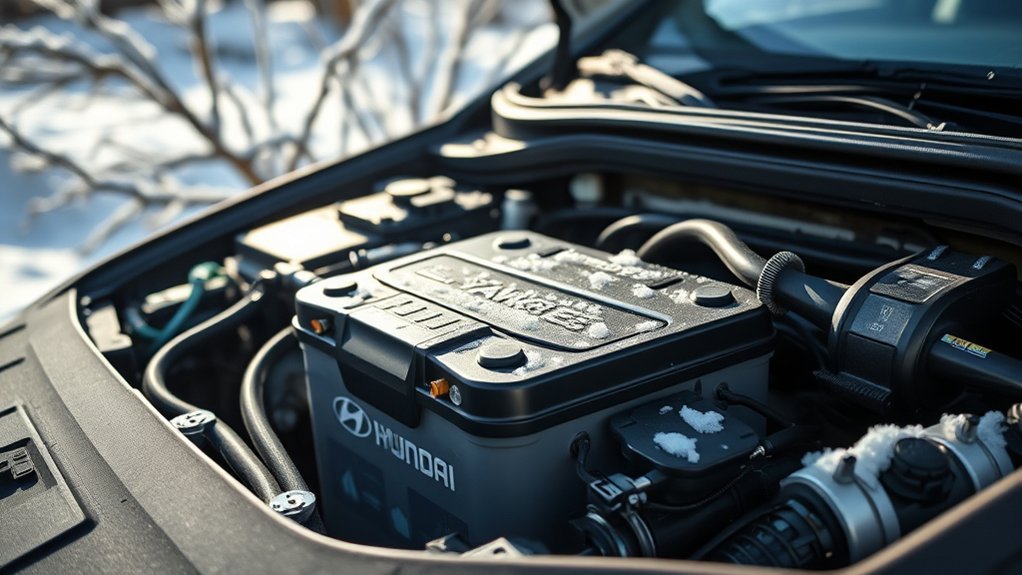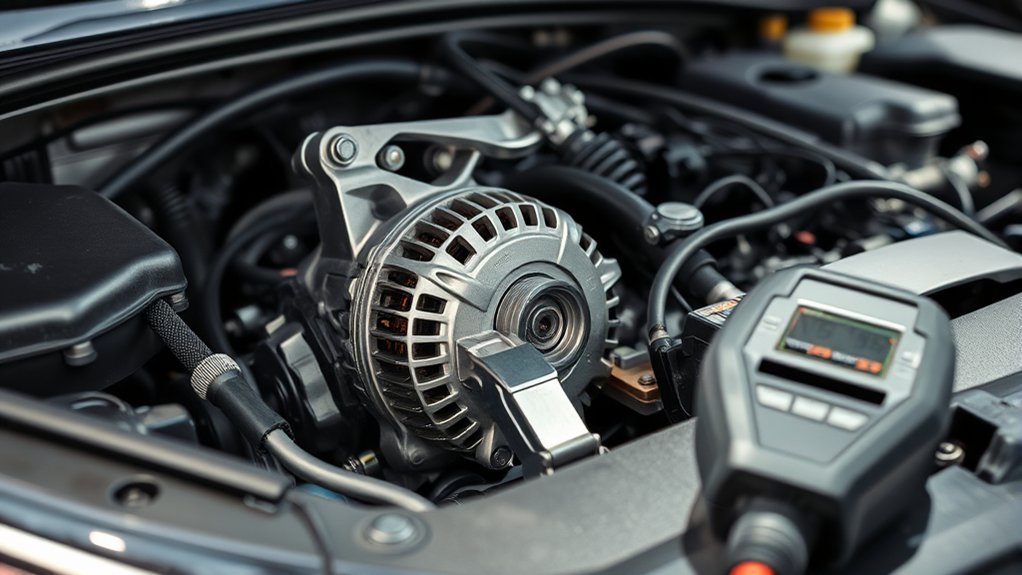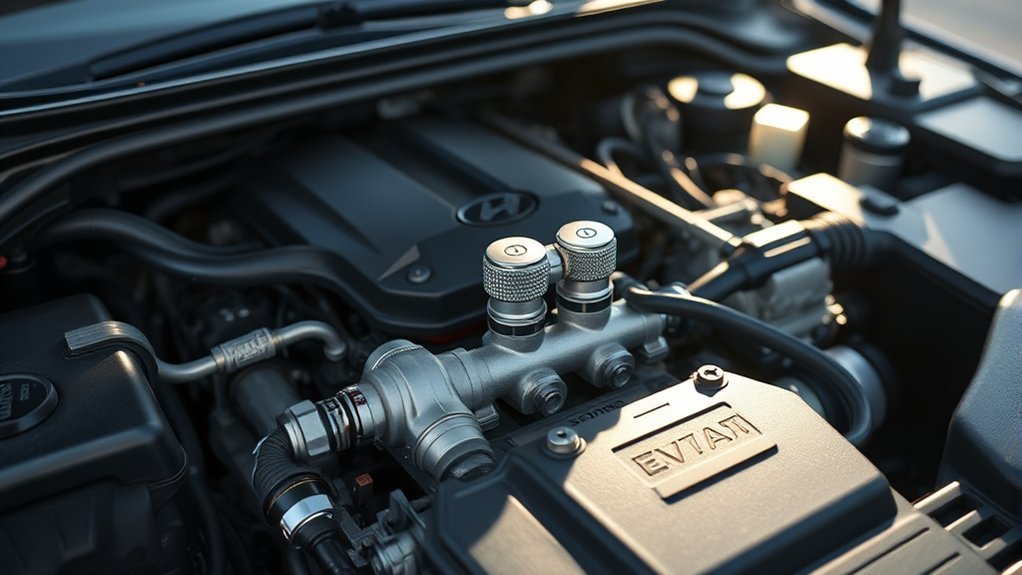
The EVAP system in your Hyundai Sonata captures gasoline vapors, stores them in a charcoal canister, and sends them to the engine to be burned when operating conditions are right. An EVAP fault can mean the system has a leak or that a purge, vent, sensor, or control problem prevents the self-test from working correctly. Common codes include P0440, P0441, P0442, P0455, P0456, and P0457. Start with the fuel cap and exact trouble code before replacing any parts.
Last updated: August 31, 2026 — reviewed against current Hyundai warranty information and Hyundai TSB 21-FL-002H.
Quick Answer
A Hyundai Sonata EVAP problem usually means fuel vapor is escaping or the system cannot complete its leak, purge, or vent checks. Common causes include a loose or worn gas cap, cracked EVAP hoses, a leaking purge valve, a vent-side fault, or a damaged canister. Tighten and inspect the gas cap first, then read the stored code because P0441, P0455, P0456, and vent-related codes do not all point to the same test.
Key Takeaways
- The EVAP system reduces gasoline vapor emissions by storing vapors in a canister instead of releasing them directly to the atmosphere.
- A check engine light is the most common warning; many small EVAP leaks cause no obvious change in how the car drives.
- Check the fuel cap first if the light appeared soon after refueling, but do not assume every EVAP code is caused by the cap.
- Read the exact OBD-II code before replacing parts. A smoke test is especially useful when a leak code remains after cap and visual checks.
- Do not keep topping off the tank after the pump clicks off because Hyundai warns against topping off during refueling.
At a Glance
| Basic Check | Fuel-cap seal, filler-neck surface, visible hoses, and stored OBD-II codes |
| Difficulty | Easy for visual checks; more advanced for valve, electrical, and smoke testing |
| Tools Needed | OBD-II scanner, flashlight, basic hand tools, multimeter, and an EVAP-rated smoke machine when needed |
| Main Cost Driver | The failed component and its location; a cap or accessible hose is simpler than canister, sensor, wiring, or hard-to-reach valve work |
Fast Diagnostic Map
| Code or Symptom | First Area to Check | Do Not Assume |
|---|---|---|
| P0441 / hard start after refueling | Purge-flow path, purge valve, hoses, and wiring | That a new gas cap will fix a purge-flow fault |
| P0442 or P0456 | Cap seal, small hose/fitting leaks, canister connections, then smoke testing | That a tiny leak will be visible without testing |
| P0455 or P0457 | Loose/missing cap, disconnected hose, larger sealing fault, vent or purge valve depending on model | That the cap is automatically the only cause |
| P2422 or fuel nozzle repeatedly shuts off | Vent path, canister close/vent valve, filter, and canister restriction using model-specific service information | That forcing more fuel into the tank will solve the refueling problem |
Common Symptoms of EVAP Leaks in Your Hyundai Sonata

EVAP symptoms can be easy to miss because a small leak may not change how your Sonata drives. The clearest warning is usually the malfunction indicator lamp, better known as the check engine light. Hyundai says an illuminated MIL can indicate a problem with the emission control system, engine, or powertrain, so read the stored code instead of assuming the light is only an EVAP issue.
- Check engine light: EVAP faults can store codes such as P0440, P0441, P0442, P0455, P0456, or P0457.
- Fuel smell near the vehicle: A gasoline odor near the fuel filler, rear of the car, or trunk area can point to escaping vapor or another fuel-system problem.
- Loose-fuel-cap message or light: Some Sonata configurations may warn when the fuel cap is not sealed correctly.
- EVAP monitor stays “not ready”: After codes are cleared or the battery is disconnected, the EVAP monitor must run again under the required enable conditions.
- Hard starting or rough idle after refueling: A purge valve that leaks or sticks open can allow excess fuel vapor into the intake.
- Fuel nozzle repeatedly clicks off: Difficulty filling the tank can point toward a restricted vent path, canister close/vent valve problem, filter restriction, or related vent-side fault on some Sonata generations.
- Reduced fuel economy or drivability: EVAP faults are mainly emissions problems, but purge-flow problems can affect mixture control and how the engine runs.
Note: A hissing sound when you remove the gas cap is not automatically proof of an EVAP leak. Some tank pressure or vacuum can be normal. Treat stored codes, recurring warning lights, refueling problems, or a fuel odor as stronger diagnostic clues.
Why Your Sonata’s EVAP System Matters
Your Sonata’s EVAP system controls gasoline vapor that forms in and around the fuel tank. Instead of releasing those hydrocarbons directly to the atmosphere, the vehicle routes vapor through hoses and valves to an activated-charcoal canister. The engine control module later opens the purge path under appropriate conditions so stored vapor can be drawn into the engine and burned.
Emission Control Importance
The EVAP system is part of the vehicle’s emissions-control design. The EPA explains that onboard refueling vapor recovery systems capture displaced gasoline vapor in an activated-carbon canister during refueling and later purge that vapor into the engine. Federal evaporative-emissions rules also define procedures for measuring evaporative and refueling emissions from motor vehicles.
This matters for emissions inspections, but readiness rules are not identical everywhere. Clearing codes or disconnecting the battery resets readiness information and the monitors must run again. An incomplete EVAP monitor does not automatically mean an inspection failure in every jurisdiction; local OBD rules and the status of the malfunction indicator lamp both matter.
EVAP problems are often small sealing faults, but the system is designed to detect very small losses of fuel-system integrity and control problems in the purge or vent path.
Fuel Efficiency Impact
The EVAP system is mainly an emissions system, not a fuel-saving device. A small leak at the gas cap may not cause a noticeable change in mileage. However, some EVAP faults can affect drivability when vapor enters the intake at the wrong time, especially if the purge valve does not seal correctly.
For most Sonata owners, the practical reasons to diagnose the fault are to stop recurring check engine lights, eliminate fuel-vapor odors, restore proper emissions monitoring, and avoid replacing parts that were never defective.
Most Common Causes of Hyundai Sonata EVAP Leaks
Before replacing sensors or valves, check the simple sealing problems first and let the stored DTC guide the next test. A leak code, purge-flow code, and vent-restriction code should not all be diagnosed the same way.
- Loose, missing, or worn fuel cap: This is the first simple check after refueling. Make sure the cap is installed correctly and the seal and filler-neck contact surface are clean and undamaged.
- Cracked EVAP hoses or fittings: Age, heat, vibration, road exposure, and physical damage can create leaks in vapor lines or connections.
- Faulty purge control valve: A purge valve that leaks when it should be closed can contribute to incorrect purge-flow codes, rough idle, or hard starting after filling the tank.
- Faulty vent valve or canister close valve: If the vent side cannot open, close, or flow as commanded, the vehicle may have trouble completing leak checks or venting correctly during refueling.
- Restricted vent filter or canister path: Dirt, salt, moisture, or canister-related restriction can affect vent-side operation on some model years.
- Damaged charcoal canister: Physical damage or liquid-fuel contamination can interfere with vapor storage and venting.
- Leak-detection sensor, fuel-tank pressure sensor, or wiring fault: Hardware and diagnostic strategy vary by model year, engine, market, and hybrid status.
Warning: Do not smoke, use open flames, or create sparks while inspecting fuel-vapor components. Gasoline vapor is flammable. If you see liquid fuel or have a strong persistent fuel smell, stop the inspection and have the vehicle checked safely.
[Products Worth Considering]

The ANCEL AD410 PRO combines engine diagnostics and 12V battery testing in one easy-to-use tool, helping you read and clear check engine codes while checking battery health, cranking, and charging performance. It also provides live data, freeze frame details, and I/M readiness checks to help you diagnose issues faster and prepare for emissions testing. With plug-and-play operation, a clear screen, and broad vehicle compatibility, it is a practical solution for home mechanics and everyday drivers.
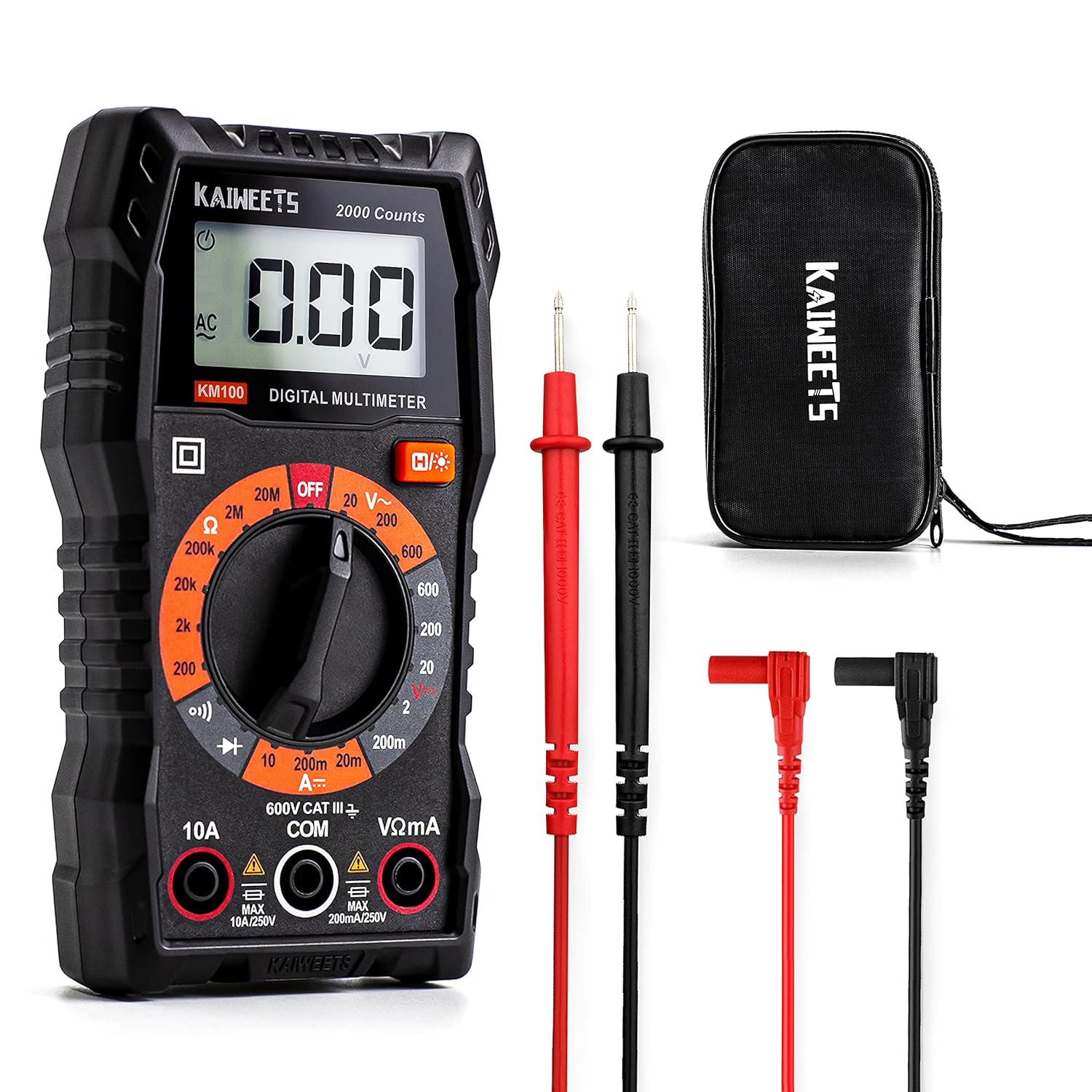
This KAIWEETS digital multimeter is a versatile tool for measuring AC/DC voltage, DC current, resistance, continuity, and diodes in home, automotive, and electrical applications. It includes pre-installed batteries, a carrying case, test leads, data hold, backlight, and overload protection for easier and safer everyday testing. Built with double fuses and rated for broad household and light professional use, it helps users diagnose electrical issues with confidence.

This automatic 12V charger and maintainer delivers a full charge before switching to float mode to help keep powersports batteries ready for storage and regular use. Its four-step charging program is designed for lead-acid, flooded, AGM, and gel cell batteries, helping prevent overcharging while supporting longer battery life. Compact and easy to use, it includes both ring terminal and alligator clip connections plus smart safety features for dependable charging.
Essential Tools for Diagnosing EVAP Issues
Use EVAP diagnostic tools in a logical order. Reading the stored code and checking obvious sealing problems first can prevent you from replacing a purge valve when the actual fault is a cap, hose, connector, vent restriction, or another component.
[Products Worth Considering]

These rustproof license plate screws are designed to securely mount plates on vehicles that use plastic or nylon screw retainers, making them a reliable upgrade for many domestic makes and select compatible imports. Made from premium stainless steel with a black-plated finish, they resist corrosion, seizing, and unsightly rust streaks while delivering a clean, professional look. The self-tapping design helps keep plates and frames firmly in place for long-term reliability, and installation support is available through the package QR code.

The ANCEL AD410 helps drivers quickly read and clear engine-related fault codes, view live data, and understand why the check engine light is on before heading to a repair shop. With built-in code definitions, readiness checks, and support for common OBD2 functions, it makes basic diagnostics straightforward for beginners and DIY users. Powered directly from the vehicle and easy to use with no app required, it offers practical value for everyday vehicle troubleshooting.

[Built-in Air Pump]: Smoke machine features a built-in air pump, eliminating the need for an external air source, allowing you to perform tests anytime, anywhere. Simply add about 20ml of baby oil or Glycerin (oil not included) to start your testing effortlessly
OBD-II Scanner
An OBD-II scanner reads stored and pending diagnostic trouble codes and can preserve freeze-frame information before anything is cleared. Common EVAP-related starting points include:
| Code | Common Meaning | Likely Starting Point |
|---|---|---|
| P0440 | General EVAP system fault | Fuel cap, hoses, canister, purge/vent path, then service-specific testing |
| P0441 | Incorrect purge flow | Purge valve, purge lines, wiring, and commanded operation |
| P0442 | Small EVAP leak | Fuel-cap seal, small hose/fitting leaks, canister connections |
| P0455 | Large EVAP leak | Loose/missing cap, disconnected line, larger sealing fault, valve that cannot seal |
| P0456 | Very small EVAP leak | Cap seal, tiny hose/fitting leak, canister connection, smoke testing |
| P0457 | EVAP leak detected with fuel-cap context | Fuel cap, filler neck, then remaining leak points if the cap seals |
| P2422 | Vent path restricted or canister/vent-side fault, depending on Sonata diagnostic strategy | Canister close/vent valve, vent filter/path, canister restriction, and model-specific service information |
Smoke Machine Operation
A smoke machine is one of the most useful tools for finding an EVAP leak after the basic checks. It introduces low-pressure smoke into the system so escaping smoke can reveal a leak. Use equipment designed for EVAP testing and follow the vehicle and tester instructions because EVAP components are not designed for ordinary shop-air pressure.
- Prepare and seal the system correctly: Close or command the required vent component according to the service procedure.
- Add smoke at the tester’s specified low pressure: Do not substitute unrestricted shop air.
- Inspect likely leak points: Check the fuel cap/filler area, canister, purge and vent connections, hoses, fittings, and tank-area components that are accessible.
- Repair and retest: Run the test again after the repair to confirm the leak has been eliminated.
Essential Hand Tools
You do not need a complete professional toolbox for the first checks, but these tools are useful:
- Flashlight and inspection mirror: Useful for checking visible hoses and fittings near the fuel tank, engine bay, and canister area.
- Basic sockets, pliers, and screwdrivers: Helpful when covers or accessible retaining hardware must be removed.
- Multimeter: Useful when service information calls for voltage, ground, continuity, or resistance checks.
- Scan tool with bi-directional controls: Helpful for commanding purge or vent components during model-specific tests.
How to Inspect the EVAP System: A Step-by-Step Guide
Inspect the EVAP system by moving from low-cost checks to tests that require more equipment. Record what the vehicle is telling you before clearing the codes.
- Check the fuel cap. Remove it, inspect the seal and sealing surface, clean away debris, and reinstall it correctly. Replace the cap if it is damaged or cannot seal properly.
- Scan the vehicle. Record stored and pending codes plus freeze-frame information before clearing anything.
- Use the code to choose the next test. P0441 moves purge-flow testing higher on the list. P0442/P0456 favors a search for small sealing leaks. P0455/P0457 makes the cap, disconnected lines, and larger leak points important. P2422 or repeated nozzle shutoff moves vent-path diagnosis higher. Always confirm the exact definition and test strategy for your model year.
- Inspect the filler neck. Look for corrosion, damage, dirt, or anything that can prevent the cap from sealing.
- Check visible EVAP hoses and fittings. Look for cracks, disconnected lines, damaged clips, pinched hoses, or loose connectors in the engine bay and accessible underbody/tank areas.
- Test the purge valve when the symptoms or code support it. Hard starting or rough idle just after refueling makes a leaking purge path more relevant, but test the valve and its control circuit instead of replacing it by assumption.
- Inspect the vent and canister side. Pay special attention when refueling is difficult, the nozzle repeatedly shuts off, or a vent-related DTC is stored.
- Run an EVAP smoke or leakage test when needed. Follow the service procedure for sealing or commanding the valves before introducing smoke.
- Clear codes only after the repair. Then allow the vehicle to complete its monitors under the required driving, fuel-level, and temperature conditions.
Pro Tip: Do not expect the EVAP monitor to run immediately after every repair. Fuel level, temperature, stored faults, and other enable conditions can determine when the self-test runs, and the exact requirements vary by Sonata model year. Use the service procedure for your exact vehicle if the monitor stays incomplete.
[Products Worth Considering]

HyperSmoke Technology – Creates Thick Visible Smoke for Easy Leak Testing. Adjustable Pressure. Infinite Smoke. Instant Warmup. Built-In Air Compressor Motor. OEM Approved Smoke Fluid. Designed and Engineered by AutoLine Pro USA, an American Team of Individuals bringing the latest innovation to you.

HyperSmoke Technology – Creates Thick Visible Smoke for Easy Leak Testing. Adjustable Pressure. Infinite Smoke. Instant Warmup. Built-In Air Compressor Motor. OEM Approved Smoke Fluid. Designed and Engineered by AutoLine Pro USA, an American Team of Individuals bringing the latest innovation to you.

All-new Automotive smoke machine SM702B with Premium Ceramic Cartridge: Our professional automotive smoke machine designed for all types of vehicle smoke leak tests. This advanced diagnostic tool is created for detecting leaks in automotive systems, including the EVAP system, intake systems, vacuum lines, and more. The premium ceramic cartridge ensures a durable, high-quality heating element, generating consistent and high volume smoke for easier detection of even the smallest leaks.
Sonata Model-Year Notes and Service Bulletins
EVAP hardware and diagnostic strategy vary by Sonata generation, engine, market, and hybrid status. Confirm your exact vehicle by model year and VIN before ordering an EVAP valve, canister, sensor, filter, or other component.
One important Hyundai-specific example is TSB 21-FL-002H. Hyundai states that certain 2011–2015 Sonata Hybrid (YF HEV) vehicles may illuminate the check engine light with P0442, P0455, or P0456 because salt particulate deposits can affect the Natural Vacuum Leak Detection (NVLD) sensor. The bulletin describes replacement of the applicable air-filter kit and NVLD sensor, followed by a Hyundai GDS EVAP leakage test. This bulletin is specific to the listed Hybrid vehicles; it is not a universal repair for every Sonata with one of those codes.
Hyundai also maintains a Veloster & Sonata Canister Extended Warranty VIN-validation page. It states that the evaporative-emission canister on certain 2011–2015 Sonata Hybrid vehicles received coverage of 10 years from the original delivery/first-use date or 120,000 miles, whichever occurs first. Because eligibility depends on the VIN, mileage, and in-service date, use Hyundai’s VIN checker rather than assuming your car is covered.
General emissions warranty coverage is also component-specific. Hyundai currently lists the catalytic converter, engine control module, and onboard emissions diagnostic device (OBD-II) among the major components under its 8-year/80,000-mile Federal Emission Defect and Performance Warranty, while other EPA emissions warranty parts are generally covered under the 5-year/60,000-mile New Vehicle Limited Warranty. California-specification coverage can differ. Confirm coverage for your exact Sonata and failed part before paying for a repair.
What Your Sonata EVAP Symptoms Suggest
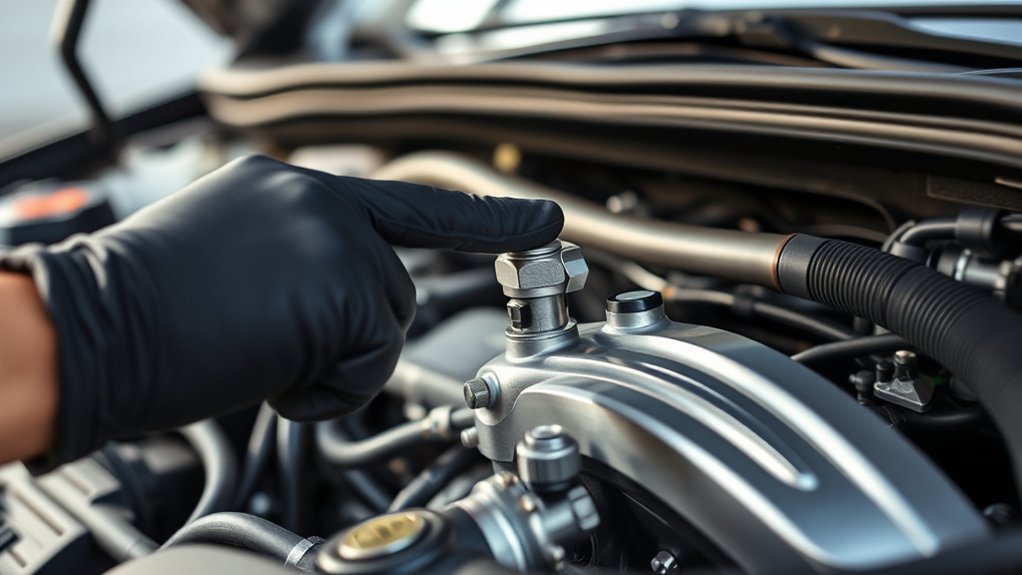
The symptom does not identify a failed part by itself, but it can help you decide which side of the EVAP system deserves attention first.
Check Engine Light Appeared Soon After Refueling
Start with the fuel cap if your Sonata uses a conventional cap. Make sure it was installed correctly and inspect the seal and filler-neck contact area. Then scan the code. A cap check is sensible for a leak code, but it should not replace code-specific diagnosis when the stored fault points toward purge flow, vent control, a sensor, or another circuit.
Hard Starting or Rough Idle Just After Filling Up
This symptom makes the purge path more important. A purge valve that fails to seal can allow fuel vapor into the intake when the engine is trying to start. Test the valve, hoses, wiring, and commanded operation using the procedure for your Sonata instead of replacing the valve solely because the symptom matches.
Fuel Pump Nozzle Keeps Clicking Off
Repeated nozzle shutoff can point toward a restricted vent path rather than a simple cap leak. Depending on the Sonata generation, inspection may include the canister close/vent valve, vent filter, hoses, and canister. Do not keep forcing fuel into the tank after the nozzle shuts off.
Best Practices for Maintaining Your Sonata’s EVAP System
Maintaining your Hyundai Sonata’s EVAP system is mostly about preventing contamination or damage and responding correctly when a code appears.
- Install the fuel cap correctly after every fill-up. Make sure the cap seals as designed if your model uses a removable cap.
- Do not top off the tank. Stop when the pump automatically shuts off.
- Replace a damaged fuel cap with the correct part. Fit and sealing matter more than simply installing the cheapest cap available.
- Inspect visible hoses and connectors during routine service. Look for cracks, loose connections, abrasion, corrosion, or rodent damage.
- Record codes before clearing them. The DTC and freeze-frame information can change the diagnostic path.
- Allow the monitors to rerun after repairs. EVAP testing occurs only when the vehicle’s enable conditions are met.
- Check Hyundai service information when codes recur. Model-specific TSBs, warranty extensions, and diagnostic procedures can prevent unnecessary parts replacement.
Note: If a smoke test shows no external leak and the code keeps returning, do not keep replacing sealing parts. Valve control, wiring, a pressure/leak-detection sensor, a vent restriction, or model-specific diagnostic logic may be responsible.
Frequently Asked Questions
What happens when the EVAP system goes bad?
The most common result is a check engine light with an EVAP-related code. You may also notice fuel vapor odor, an EVAP monitor that stays incomplete, hard starting after refueling, rough idle from a purge problem, or difficulty filling the tank when the vent path is restricted. Many small leaks cause no obvious driving symptoms.
How many miles does it take to reset an EVAP system?
There is no fixed mileage that applies to every Sonata. After a repair and code clear, the EVAP monitor must see the required enable conditions before it runs. Fuel level, temperature, other stored faults, and the vehicle’s model-specific test strategy can all affect how soon the monitor completes.
Is it expensive to fix an EVAP leak?
The cost depends on the failed part and how difficult it is to access. A damaged cap or accessible hose is usually a simpler repair than a canister, sensor, wiring fault, or component that requires substantial disassembly. Diagnose the fault before buying parts so you do not pay for replacements that do not address the stored code.
How do I get my EVAP system monitor ready?
Repair the fault first and make sure no related code is returning. Then drive the vehicle normally so the monitor can run when its required fuel-level, temperature, and operating conditions are present. If it remains incomplete, check pending codes and use the drive-cycle or EVAP test procedure for your exact Sonata model year.
Can a bad purge valve cause rough idle after refueling?
Yes. A purge valve that leaks or sticks open can allow fuel vapor into the intake when it should not, which can contribute to rough idle, hard starting, or stalling after refueling. Test the valve and its control circuit because hoses, wiring, and command signals can create related symptoms or codes.
Will an EVAP leak damage my Hyundai Sonata engine?
A small sealing leak usually does not damage the engine by itself, but you should still diagnose the warning light. A purge-related fault can affect drivability, and leaving the check engine light on can make it harder to notice a second problem. A flashing check engine light should not be treated as a routine EVAP-only warning.
Why does my Hyundai Sonata start hard after I get gas?
Hard starting immediately after refueling can occur when the purge path allows too much fuel vapor into the intake. A leaking or stuck-open purge control valve is one possibility, but the valve, hoses, wiring, and stored DTC should be tested before a replacement part is ordered.
Why does the gas pump keep clicking off on my Sonata?
If the nozzle repeatedly shuts off before the tank is full, the tank may not be venting correctly during refueling. Depending on the Sonata generation, the diagnostic path can include the vent or canister close valve, vent filter, vapor hoses, and charcoal canister. Scan for vent-related codes and use model-specific service information instead of continuing to force fuel into the tank.
Conclusion
A Hyundai Sonata EVAP fault is best diagnosed by code and symptom rather than by replacing the most common part. Start with the fuel cap and a code scan, then let the DTC guide your inspection toward sealing leaks, purge flow, vent operation, wiring, sensors, or the canister. Use an EVAP-rated smoke test when a leak cannot be found visually. Owners of certain 2011–2015 Sonata Hybrid vehicles should also check Hyundai TSB 21-FL-002H and Hyundai’s canister extended-warranty VIN page before paying for a related repair. If you smell strong fuel, see liquid fuel, or have a flashing check engine light, treat the problem as more than a routine small EVAP leak.
Sources
- Hyundai USA — Warning Lights — supports the malfunction indicator lamp and emissions-related warning guidance.
- Hyundai USA — Manuals and Warranties — supports checking model-year-specific owner and warranty information.
- U.S. EPA — Onboard Refueling Vapor Recovery Fact Sheet — supports how activated-carbon canisters capture refueling vapors.
- eCFR — 40 CFR Part 1066 Subpart J — supports federal evaporative and refueling emissions test-procedure context.
- California Bureau of Automotive Repair — OBD Test Reference — supports OBD readiness and malfunction-indicator-lamp inspection context.
- NHTSA — Hyundai TSB 21-FL-002H — supports the 2011–2015 Sonata Hybrid P0442, P0455, P0456, salt-deposit, filter-kit, and NVLD information.
- Hyundai — Veloster & Sonata Canister Extended Warranty — supports VIN-specific 10-year/120,000-mile canister coverage for certain 2011–2015 Sonata Hybrid vehicles.
- Hyundai USA — Warranty Coverage — supports current federal emissions warranty coverage descriptions.