
Last updated: July 31, 2026 · Rechecked against current NHTSA and manufacturer guidance; added pressure-stabilization, tire-damage, and support-record steps.
If your tire inflator shuts off before reaching the target pressure, first confirm the preset PSI and pressure unit. Then reconnect the air chuck, compare the display with a separate gauge, inspect the hose and tire valve, check the battery or 12-volt power source, and let the unit cool if it has been running. A display that jumps to the target within seconds usually points to the preset or pressure path; a shutdown after several minutes more often points to power, heat, or a duty-cycle limit.
Automatic shutoff is designed to stop inflation at the preset pressure, but it does not replace a final cold-pressure check with a separate tire gauge. Connector designs, reset procedures, temperature limits, and protection systems vary by model, so use your exact inflator manual when it differs from this general guide.
Quick Answer
When a tire inflator shuts off early, check the problem in this order: verify the target pressure and unit, reconnect the hose or chuck, compare the displayed pressure with a separate gauge, inspect the hose and tire valve, check the battery or power supply, and follow the manual’s cool-down period. A rapid jump to the preset can indicate restricted airflow on some models, but it is not a universal diagnosis. Stop using the inflator after smoke, sparks, melting, battery swelling, exposed wiring, or repeated overheating.
Key Takeaways
- Set the target from the vehicle’s recommended cold tire pressure, not the maximum pressure on the tire sidewall.
- An immediate pressure jump suggests a preset, connection, valve, hose, or pressure-reading problem.
- A shutdown after several minutes is more consistent with low power, excessive heat, or a model-specific duty-cycle limit.
- Blocked-hose and damaged-crossbar guidance applies to specific inflator designs and should not be treated as universal.
- A small pressure drop after automatic shutoff can be normal on some models while pressure stabilizes; verify the finished pressure with a separate gauge.
- Compare the inflator’s reading with a separate tire gauge before driving.
- Do not open a sealed inflator to repair its pressure sensor, battery, motor, or control board.
How to Fix a Tire Inflator That Shuts Off Before Target PSI
Warning: Park in a safe location, apply the parking brake, and keep away from moving traffic. Do not keep inflating a tire with a sidewall bulge, deep cut, exposed cords, shredded rubber, a displaced bead, or a fast uncontrolled leak. Power off the inflator and disconnect it from the tire and power source before inspecting or cleaning it.
Set aside about 10 to 15 minutes for the external checks. You need the inflator’s manual, a flashlight, a clean dry cloth, a soft brush, and an accurate handheld tire-pressure gauge. Use tweezers or a thin plastic tool at a connector opening only when the manufacturer permits it, and remove only loose, visible debris. Do not push a tool deep into the hose.
[Products Worth Considering]
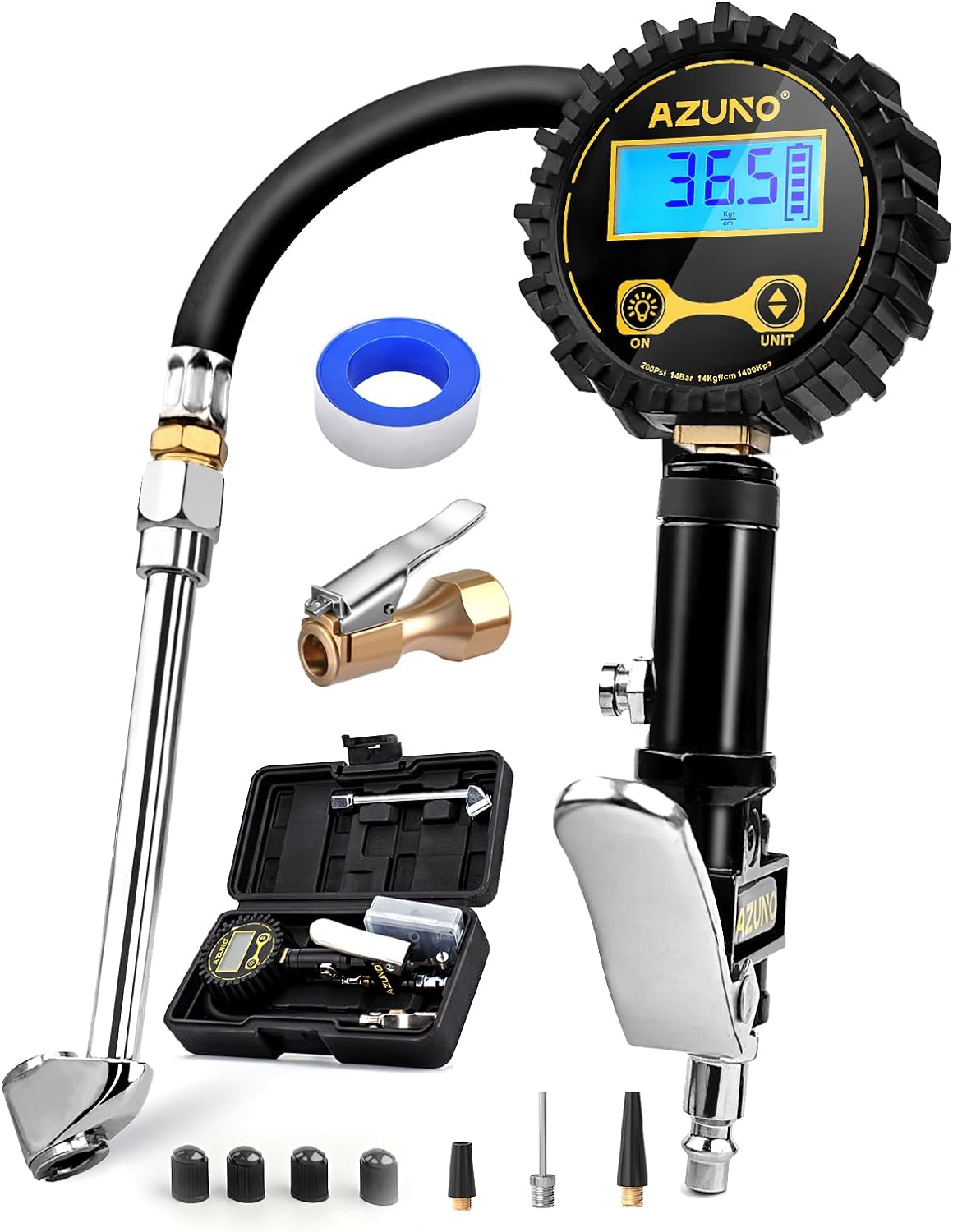
This digital tire inflator delivers accurate, easy-to-read pressure measurements with a bright backlit LCD and precise 0.1 resolution for confident inflation. Designed for single-handed use, it makes it simple to inflate or deflate tires while staying organized in the included portable carrying box. Built for a wide range of vehicles, it is a practical air compressor accessory for cars, trucks, SUVs, motorcycles, and more.

This portable tire inflator delivers fast, convenient inflation for cars, bikes, motorcycles, and balls with dual power options from a rechargeable battery or a 12V car cord. Its digital LCD pressure gauge and automatic shutoff help prevent over-inflation, while multiple preset modes and a custom setting make it easy to use for different inflation tasks. Built-in flashlight and USB power ports add extra emergency utility on the road.

This cordless portable air compressor delivers fast, reliable inflation for car tires and other inflatables with a powerful motor, high-pressure output, and automatic shut-off for precise results. Its rechargeable battery, compact size, and included accessories make it easy to carry and use at home, on the road, or during emergencies. A built-in LED light and preset modes add convenience and versatility for day or night use.
Match the Shutdown Symptom to the First Check
| What You Notice | Check First | Safe Next Step |
|---|---|---|
| The display jumps to the target within seconds. | Wrong preset, restricted hose, blocked connector, poor valve engagement, or inaccurate pressure reading. | Verify the preset and unit, reconnect the chuck, and inspect the hose opening and connector. |
| The unit stops after running and feels unusually hot. | Thermal protection or operation beyond the model’s permitted run time. | Stop and follow the full cool-down period in the manual. |
| A cordless inflator stops when the motor starts. | Low battery, poorly seated battery, temperature protection, or a battery fault. | Charge and reseat the approved battery. Stop after swelling, leakage, smoke, or unusual heat. |
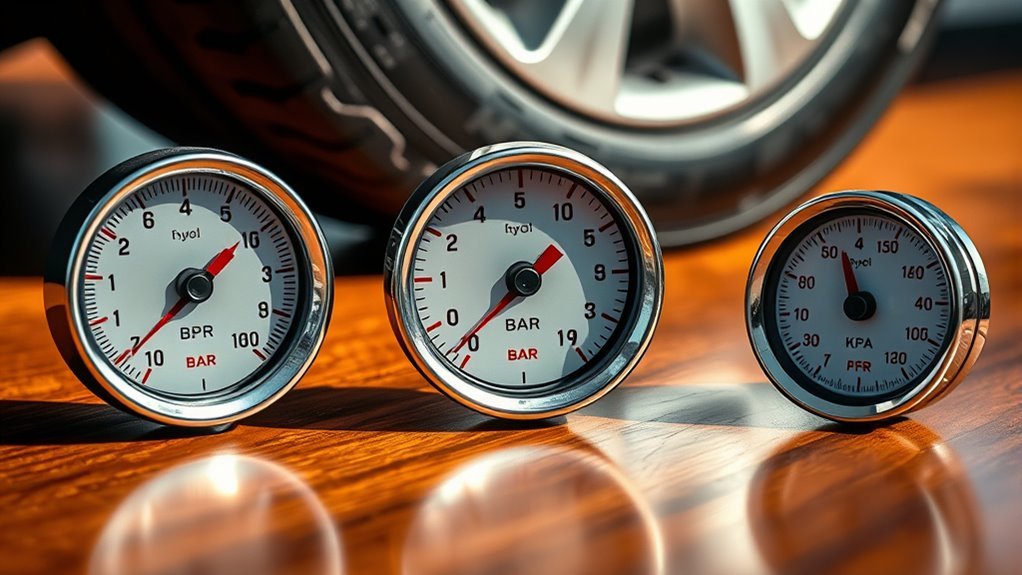
| The inflator always stops at the same wrong number. | Stored preset, wrong mode, or confusion between PSI, bar, and kPa. | Select the correct unit and manually enter the vehicle’s cold-pressure target. |
| The motor runs, but the tire pressure barely rises. | Loose chuck, air leak, damaged hose, restricted valve, or an inflator that is undersized for the tire. | Reconnect the chuck and inspect the external hose, fitting, and valve stem. |
| The displayed pressure drops slightly after automatic shutoff. | Pressure in the hose and tire may be stabilizing after airflow stops. | Wait a few seconds, then verify the tire with a separate gauge before adding more air. |
- Confirm the target pressure and unit. Use the recommended cold pressure on the vehicle placard or in the owner’s manual. NHTSA describes a cold tire as one on a vehicle that has not been driven for at least three hours. Do not use the maximum pressure printed on the tire sidewall as the normal target.
- Check the tire with a separate gauge. Compare the tire’s pressure with the number shown by the inflator before starting the motor. A large or inconsistent difference suggests a poor connection, unstable reading, or gauge fault.
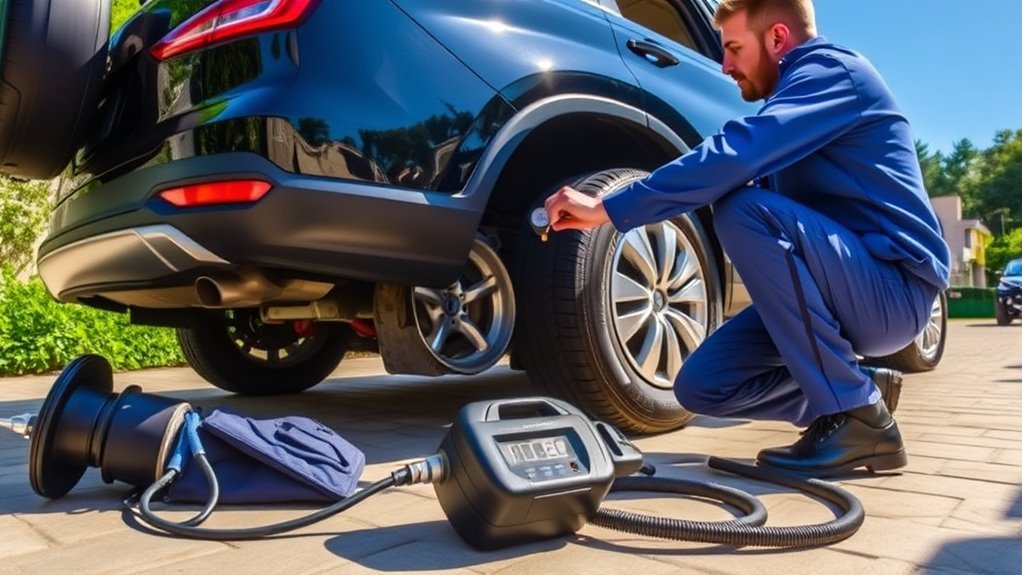
- Reconnect the hose or air chuck. Attach it straight to the valve stem and tighten or lock it only as the inflator’s instructions describe. A crooked or loose connection can leak or prevent proper airflow.
- Inspect the tire valve. Look for dirt, bending, corrosion, or visible damage around the valve stem. Do not remove or adjust the valve core unless you have the correct tool and know that the valve requires service.
- Inspect the high-pressure hose. Look for sharp kinks, crushed areas, cracks, sealant residue, dirt, or objects at the connector opening.
- Clean only accessible external areas. Remove loose surface debris with a dry cloth or soft brush. Use tweezers or a thin plastic tool only when the model’s instructions permit it. Do not force debris farther into the hose or insert a metal object near electrical parts.
- Check the power source. Charge and reseat an approved cordless battery. For a 12-volt model, confirm that the vehicle socket meets the inflator’s current requirement, then inspect the plug and cord. Replace a user-serviceable fuse only with the exact rating stated in the manual; never install a larger fuse to keep the inflator running.
- Let the inflator cool. If it stopped after running or feels unusually hot, disconnect it safely and follow the complete cool-down period in the manual. Do not repeatedly restart a hot unit.
- Use only a documented reset or calibration procedure. Some models store presets or offer model-specific calibration. For example, the DEWALT DCC020IB manual includes a high-elevation pressure-calibration procedure, but that sequence should not be applied to unrelated inflators.
- Run one controlled test. When the unit has no electrical, heat, smoke, or battery warning signs, test it on one tire and compare the final pressure with a separate gauge.
- Test a second tire only when the unit remains safe. A failure limited to one tire suggests a valve or connection issue. The same failure on multiple tires suggests an inflator or power-source problem.
- Contact manufacturer support. Stop using the unit when the shutdown repeats after these checks or the pressure reading remains unreliable.
Model-specific note: ETENWOLF identifies hose debris and a damaged crossbar inside the brass connector as possible causes of immediate shutdown on its Zephyr S3, Zephyr S5, and Vortex S6 models. Other inflators may use different connectors and shutdown systems, so do not assume yours contains the same part. See the ETENWOLF support instructions for those models.
Pressure-stabilization note: The official DEWALT DCC020IB manual states that the displayed pressure may drop after a couple of seconds following automatic shutoff and advises checking tire pressure with a separate certified gauge. Treat this as model-specific behavior, not proof that every inflator is working correctly. See the DEWALT DCC020IB instruction manual.
If the inflator works normally after the connector is cleaned and reattached, keep its hose cap in place during storage. Store the unit in a dry case and keep its hose, chuck, vents, and power connections away from loose dirt and tire sealant.
If the inflator repeatedly overheats or cannot complete a normal top-up within its stated limits, compare its airflow, tire-size rating, and duty cycle with the site’s tire inflator CFM guide.
Common Causes of Automatic Shutoff in Tire Inflators
An early shutdown does not identify one failed part. The timing, screen behavior, temperature, and pressure reading provide better clues than the shutdown alone.
- The preset pressure has already been reached: The tire may be at or above the selected target, or the inflator may have recalled an old setting.
- The wrong pressure unit or mode is selected: A value entered in bar or kPa can produce a very different target from the same number entered in PSI. Some dual-function inflators also separate high-pressure tire mode from high-volume inflatable mode.
- Airflow is restricted: A kink, obstruction, damaged connector, or valve problem can let pressure build in the hose faster than air enters the tire.
- The hose or chuck is not sealed correctly: A loose, crooked, or damaged connection can produce unstable readings and poor inflation.
- The power supply drops under load: A depleted cordless battery, poor battery connection, weak 12-volt supply, damaged cord, or incorrect fuse can stop the motor.
- The unit reaches a temperature limit: Some inflators stop to protect the motor, battery, or electronics when the unit becomes too hot or operates outside its permitted temperature range.
- The pressure sensor or control circuit is faulty: Suspect an internal fault only after the external checks fail on more than one tire.
Some cordless inflators also have an inactivity timer. For example, Xiaomi states that one of its portable compressors can shut down after inactivity, with a low battery, at extreme temperatures, after reaching the preset pressure, or when the hose connection is loose. These conditions are model-specific, so check your own manual before replacing the unit. See Xiaomi’s support guidance.
How Blocked Airflow Affects Your Tire Inflator’s Performance
A digital inflator estimates pressure through the air path between its sensor, hose, connector, valve, and tire. When air cannot move freely into the tire, pressure can rise inside the hose and connector. The inflator may then display a rapid pressure increase and stop even though the tire remains low.
This pattern is most suspicious when the screen rises to the preset value within a few seconds. A unit that runs normally for several minutes and then shuts down is more likely to need a power, heat, or duty-cycle check.
Blocked airflow and an air leak usually look different. A blockage can make the displayed pressure rise unusually fast because pressure builds in the hose. A leak at the chuck, hose, or valve more often produces hissing, an unstable reading, slow inflation, or a motor that keeps running without raising tire pressure. Either condition can vary by design, so confirm the pattern on a second safe tire before blaming the sensor.
For a broader explanation of the hose, chuck, gauge, motor, and other components, see the site’s tire inflator parts guide.
For screw-on, clip-on, lock-on, and adapter differences, see the tire inflator connector types guide.
Common Causes of Blockage
- Debris at the hose opening: Loose dirt or small particles can restrict the connector on some models.
- Dried tire-sealant residue: Sealant transferred from a treated tire can contaminate a chuck or hose connection.
- A sharply kinked hose: A crushed or folded section limits the path into the tire.
- A damaged internal connector feature: Some threaded chucks use an internal pin or crossbar to engage the valve. Designs vary by model.
- A restricted or damaged tire valve: The inflator may work normally on other tires but fail on the affected valve.
Inspection and Cleaning Tips
- Switch off and disconnect the inflator.
- Wait for the hose and connector to cool before touching them.
- Examine both hose ends under a bright light.
- Wipe external threads and surfaces with a clean dry cloth.
- Remove only loose, visible debris at the opening.
- Do not add oil, solvent, water, or tire cleaner unless the manufacturer specifically permits it.
- Do not push a cleaning tool deep into the hose or attempt to dismantle a sealed pressure sensor.
- Replace a cracked, crushed, leaking, or badly damaged hose rather than continuing to test it.
Useful isolation test: If the inflator has no safety warning signs, attach it to another tire and compare the starting reading with a separate gauge. Normal operation on the second tire points toward the first tire’s valve or connection. The same premature shutdown on both tires points toward the inflator.
Why Does a Tire Inflator Shut Off After a Few Minutes?
A shutdown after several minutes is different from an immediate false-pressure shutdown. The motor, battery, plug, or hose connection may have become hot, or the inflator may have reached its permitted continuous run time.
- Stop the inflator rather than repeatedly restarting it.
- Disconnect its power only when the plug, cord, battery, and housing are safe to touch.
- Move it away from direct sun and allow free airflow around the vents.
- Follow the model-specific cool-down period in the manual.
- Inspect the vehicle socket, plug, cord, battery, and charger for heat damage or discoloration.
- Do not use an extension cord, replacement battery, or power adapter that the manufacturer does not approve.
A larger or nearly flat tire can require a longer operating period than a small inflator can safely provide. Check the inflator’s stated tire-size limits and run-time instructions rather than relying only on its maximum PSI claim.
Why Does the Pressure Drop After the Inflator Shuts Off?
A small displayed drop after automatic shutoff can happen when compressed air in the hose and tire equalizes after the motor stops. The DEWALT DCC020IB manual specifically notes that its actual pressure reading may drop after a couple of seconds. Wait for the reading to stabilize, disconnect the inflator, and verify the tire with a separate gauge before adding more air.
Do not treat every pressure drop as normal. A large or continuing loss can indicate a loose chuck, leaking valve, damaged hose, puncture, bead leak, or unreliable gauge. If the tire cannot hold pressure, stop repeatedly topping it off and have the tire, valve, bead, and wheel inspected.
How to Check a Tire Inflator’s Pressure Accuracy
Test pressure accuracy before relying on automatic shutoff again. NHTSA describes a cold tire as one on a vehicle that has not been driven for at least three hours. When a roadside top-up cannot wait, use the vehicle placard’s recommended cold pressure as the temporary target, then recheck and adjust the tire when it is cold.
- Measure the tire with a separate handheld gauge.
- Attach the inflator without starting its motor.
- Wait for the displayed pressure to stabilize.
- Compare the two readings.
- Inflate to the vehicle’s recommended cold pressure.
- Disconnect the inflator and check the tire again with the separate gauge.
A small difference may reflect gauge resolution, connection loss, or normal measurement variation. Stop relying on automatic shutoff when the difference is large, inconsistent, or changes each time you reconnect the inflator.
The National Highway Traffic Safety Administration advises using the vehicle manufacturer’s recommended cold inflation pressure from the placard or certification label. The maximum pressure molded into the tire sidewall is not the normal vehicle setting. See NHTSA TireWise guidance.
[Products Worth Considering]

The ROCGORLD R8 is a compact 12V tire inflator designed for fast, convenient inflation of car, EV, motorcycle, bicycle, and sports ball tires. It features a dual digital display, auto-stop pressure control, and durable construction with a long power cord and hose for dependable roadside or home use. The included accessories, carrying bag, and emergency light modes make it a practical all-in-one inflation tool.
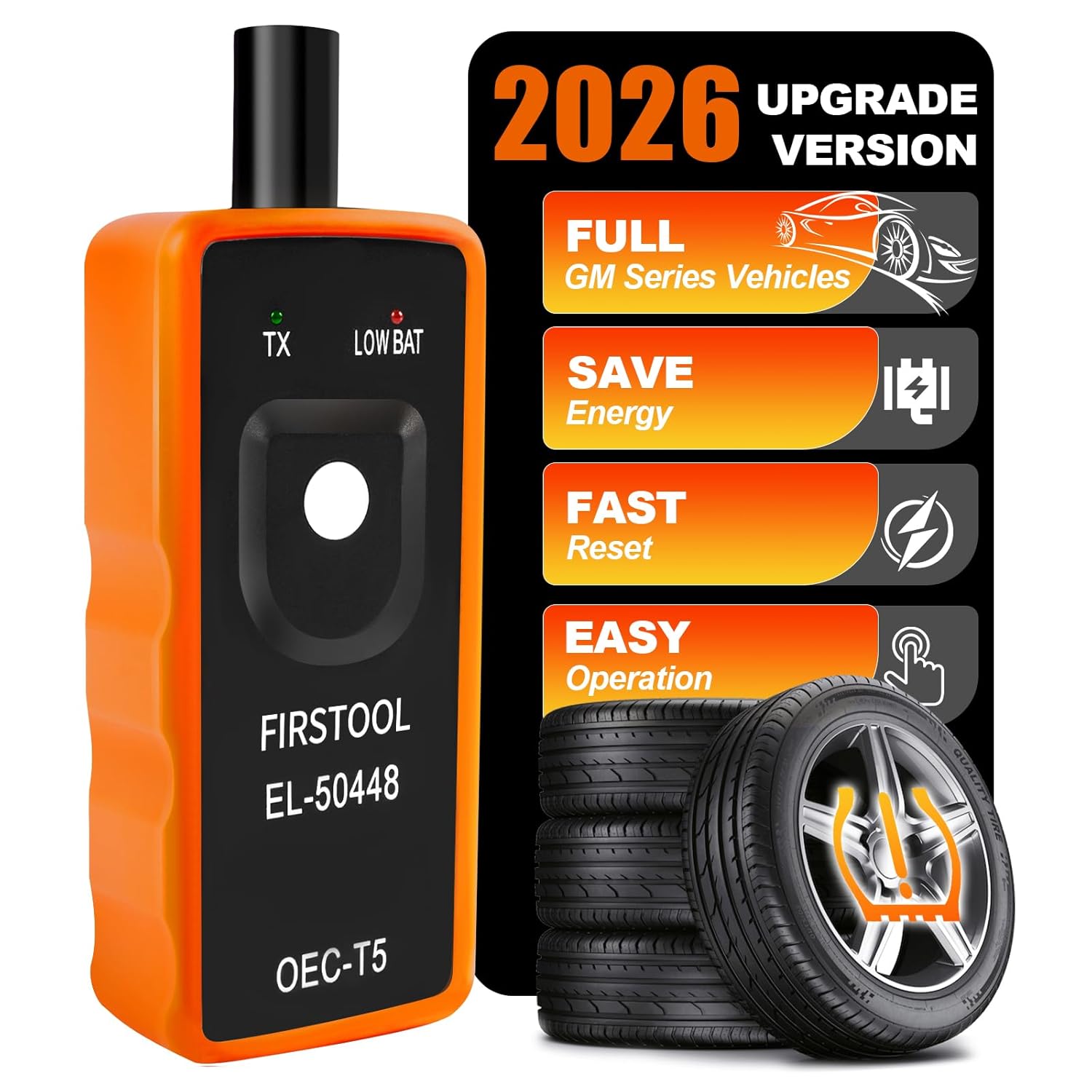
This EL-50448 TPMS relearn tool helps quickly activate and reset tire pressure sensors so your vehicle’s monitoring system stays accurate after tire rotations, sensor replacement, or seasonal tire changes. Designed for many GM-related vehicles and compatible with common 315 and 433 MHz TPMS systems, it offers simple one-button operation and reliable performance for clearing warning lights and relearning sensor positions.

RAPID INFLATION & ROAD-READY PORTABILITY: Powerful 120W motor delivers up to 35L/min airflow—inflates a standard car tire (195/65 R15) from 30 to 36 PSI in under 1 minute under ideal operating conditions. Weighs only 2.2 lbs and fits glove compartments or trunks for daily commutes, road trips, and emergencies. Plugs into standard 12V DC car outlet with 15A fuse protection. AIRUN H features its cordless counterpart H2 Pro.
When Should You Stop Using the Tire Inflator?
Do not continue troubleshooting when the inflator shows a sign of electrical, battery, heat, or structural damage.
Stop using the inflator after any of these warning signs:
- Smoke, sparks, popping, or repeated electrical odor.
- Melted plastic, darkened contacts, or a hot 12-volt plug.
- A swollen, leaking, cracked, or unusually hot cordless battery.
- A split hose, damaged power cord, exposed wiring, or broken housing.
- Grinding, severe rattling, or repeated stalling.
- Pressure readings that remain unreliable on multiple tires.
- Repeated thermal shutdown after the required cool-down period.
For sound-related diagnosis, see why a tire inflator makes loud noises. If the unit produces an electrical, rubber, or plastic odor, follow the separate burning-smell safety guide.
Contact the manufacturer with the model number, purchase information, shutdown timing, preset value, battery status, and a photo or video of the display. These details help support staff distinguish a setting or connection issue from an internal defect.
[Products Worth Considering]

The Rapidair automatic tire inflator with shutoff feature is a professional quality handheld unit. S

QUICK & ACCURATE: Built with the highest quality materials, Airmoto is a portable tire inflator for car, trucks, SUVs, motorcycles, and bicycles. Quickly inflate your vehicle's tires in just minutes with precision accuracy up to 120 PSI. Small and compact car air pump that fits in your glove box or trunk.

✅ Compatible with Any Air Compressor – Works seamlessly with shop and garage air systems, eliminating the need for bulky built-in compressors.
What Should You Record Before Contacting Support?
A short, repeatable test record can prevent guesswork and reduce unnecessary replacement. Record only one or two controlled tests after the inflator has cooled and only when it has no smoke, battery, wiring, or heat warning signs.
- Model and power source: exact model number, battery type or 12-volt connection, and battery charge level.
- Starting readings: inflator display and separate-gauge reading before the motor starts.
- Preset: target number, selected unit, and selected mode.
- Shutdown pattern: immediate, at the same wrong number, or after several minutes.
- Physical signs: unusual heat, odor, noise, damaged hose, hot plug, error code, or loose connection.
- Isolation result: whether the same safe test produced the same problem on a second tire.
Frequently Asked Questions
Why Does My Tire Inflator Show the Target Pressure Immediately?
First verify that the preset and unit are correct, then reconnect the chuck and compare the starting reading with a separate gauge. If the display jumps to the target within seconds while the tire remains low, inspect the hose opening, connector, and tire valve for restricted airflow. ETENWOLF documents this pattern for specific Zephyr S3, Zephyr S5, and Vortex S6 connector designs, but other models may have different causes.
Why Does Pressure Drop After the Inflator Shuts Off?
A small drop can occur while pressure in the hose and tire stabilizes after airflow stops. Wait a few seconds and verify the final pressure with a separate gauge. A large or continuing drop suggests a leak, damaged valve or hose, puncture, bead problem, or unreliable gauge.
Why Does My Tire Inflator Shut Off Immediately?
It may already detect the preset pressure, use the wrong stored setting, have a poor valve connection, or sense pressure building in a restricted hose or connector. A low cordless battery or model-specific temperature protection can also stop some units. Compare the starting pressure with a separate gauge before opening or replacing anything.
Why Does My Tire Inflator Stop Before Reaching the Target PSI?
Check that the target is entered in the correct unit, reconnect the air chuck, inspect the hose, verify the power supply, and let the inflator cool if it has been running. If the same problem occurs on more than one tire, the pressure sensor, control circuit, battery, or motor protection system may need manufacturer service.
Can a Low Battery Make a Tire Inflator Shut Off?
Yes, some cordless models shut down when their battery cannot maintain power under motor load. Fully charge and reseat the approved battery. Stop using it after swelling, leakage, smoke, unusual odor, or excessive heat.
Is It Normal for a Tire Inflator to Cycle On and Off?
Brief pauses or a small reading change can be normal when a model is designed to let pressure stabilize. Check the manual for your exact inflator. Treat repeated cycling as a fault when the unit never reaches the target, becomes excessively hot, stalls, or produces unstable readings.
Should I Inflate My Tires to the PSI on the Sidewall?
No. Use the vehicle manufacturer’s recommended cold pressure on the tire placard or in the owner’s manual. The sidewall number identifies the tire’s maximum permissible inflation pressure, not the normal target for your vehicle.
How Long Should I Let a Tire Inflator Cool?
Follow the exact run-and-rest instructions in your model’s manual because duty cycles vary. Wait until the housing, connector, plug, and battery return to a normal temperature before considering another controlled test.
Can I Reset a Digital Tire Inflator?
Only use a reset or calibration procedure documented for your exact model. Some inflators let you clear presets or recalibrate the display, while others have no user reset. Do not use an unrelated vehicle, infotainment, or power-tool reset sequence.
Conclusion
When a tire inflator shuts off early, begin with checks that require no disassembly. Confirm the cold-pressure target and unit, compare the display with a separate gauge, reconnect the chuck, inspect the hose and valve, verify the battery or power supply, and follow the model’s cool-down instructions.
A display that reaches the target within seconds points toward the preset or pressure path. A shutdown after several minutes points more strongly toward power, heat protection, or an exceeded duty cycle. Record the shutdown pattern and test one second tire only when the unit remains safe. Stop using the inflator when it gives unreliable readings on multiple tires or shows smoke, sparks, melting, battery damage, exposed wiring, repeated overheating, or abnormal noise.
Sources
- Tire Safety Ratings and Awareness, National Highway Traffic Safety Administration
- Why Does My ETENWOLF Tire Inflator Instantly Reach the Set Pressure and Shut Off?, ETENWOLF Support
- Why Does the Mijia Compact Portable Electric Air Compressor Turn Off Automatically?, Xiaomi Support
- DCC020IB Instruction Manual, DEWALT
Safety disclaimer: This article provides general troubleshooting information and does not replace your vehicle manual, tire-inflator manual, manufacturer instructions, roadside-safety guidance, or professional equipment diagnosis. Do not use an inflator that has electrical damage, battery damage, unreliable pressure readings, or repeated overheating.


[…] How to Read a tire pressure gauge […]
[…] tire pressure, cargo weight, and roof equipment under […]
[…] Inspect only user-accessible parts listed in the manual. If you see damaged wiring, melted insulation, sparks, smoke, or a swollen or damaged battery, stop using the inflator. For odor-specific checks, see our guide to a burning smell from a tire inflator. If the main problem is an early or failed cutoff, use the separate automatic-shutoff troubleshooting guide. […]