When your Toyota RAV4’s check engine light comes on, the best move is to stay calm, check for obvious problems, and read the diagnostic trouble codes before replacing parts. A steady light usually means the vehicle needs service soon, while a flashing light can mean an active misfire that may damage the catalytic converter if you keep driving.
Quick Answer
A RAV4 check engine light most often points to an emissions, fuel, ignition, or sensor fault. First tighten the gas cap, check fluids and visible wiring, then scan the OBD-II codes. Drive cautiously only if the light is steady and the vehicle feels normal. Stop and arrange service immediately if the light flashes, power drops, smoke appears, or the engine runs roughly.
Key Takeaways
- A steady check engine light usually means you can drive carefully to a safe location or repair shop, but you should not ignore it.
- A flashing check engine light can indicate a severe misfire. Reduce speed, avoid hard acceleration, and get the RAV4 inspected as soon as possible.
- A loose or damaged gas cap can trigger EVAP leak codes, but oxygen sensors, spark plugs, ignition coils, MAF sensors, vacuum leaks, and catalytic converter problems are also common causes.
- Do not clear codes before writing them down. Clearing codes can erase useful diagnostic data and may reset emissions readiness monitors.
- Check your Toyota warranty, emissions warranty, recalls, and service history before approving an expensive repair.
At a Glance
| Time Required | 5–10 minutes for basic checks; 15–30 minutes to read codes; longer for repairs |
| Difficulty | Beginner for gas cap, fluids, and code reading; intermediate for sensors and ignition work |
| Tools Needed | OBD-II scanner, flashlight, gloves, paper towel, owner’s manual, and basic hand tools if doing repairs |
| Typical Cost | $0–$30 for simple checks; $100–$200+ for professional diagnostics; repairs vary by code and model year |
What Your RAV4’s Check Engine Light Means Now
Your RAV4’s check engine light, also called the malfunction indicator lamp, means the engine computer has detected a fault in an emissions-related, fuel, ignition, air intake, or powertrain control system. Modern OBD systems are designed to store diagnostic trouble codes and alert the driver when a monitored system is not working correctly.
The light does not tell you the exact failed part by itself. A code such as P0171, P0300, or P0420 points you toward a system, but the cause still has to be confirmed. For example, a lean-code fault could be caused by a vacuum leak, a dirty mass air flow sensor, an intake leak, or a fuel delivery issue. Replacing the first part named by a code reader is one of the most common ways to waste money.
Warning: If the check engine light is flashing, the engine is shaking, the RAV4 loses power, the temperature warning appears, or you see smoke, stop driving as soon as it is safe. Continuing to drive during a severe misfire can damage the catalytic converter and lead to a much more expensive repair.
When to Keep Driving: And When to Stop and Tow
Use the light pattern and the way the RAV4 feels to decide your next move. A steady check engine light with normal acceleration, normal temperature, no unusual noises, and no warning messages usually means you can drive cautiously to your destination or a nearby shop. You should still schedule diagnostics soon because a small emissions or sensor problem can turn into poor fuel economy, failed emissions testing, or secondary damage.
Drive With Caution
You can usually continue driving carefully when the light is steady and the RAV4 feels normal. Keep speeds moderate, avoid hard acceleration, and watch the temperature gauge or warning messages. Listen for knocking, misfires, rattles, or rough idle. If anything changes, stop and reassess.
Drive toward help rather than away from it. If you are far from home, choose a route with safe pull-off areas and nearby repair options. Do not tow a trailer, climb long steep grades, or push the engine hard until the problem is diagnosed.
Stop And Tow
Pull over safely and stop driving if the check engine light flashes or the vehicle shows serious symptoms. Severe misfires, sudden power loss, loud knocking, overheating, smoke, a strong fuel smell, or limp mode can indicate faults that may damage the engine, transmission, or emissions system if you keep driving.
- Flashing light or severe shaking: stop, reduce risk, and arrange towing or roadside service.
- Limp mode engaged: limit driving and get professional diagnosis because the vehicle is protecting itself from further damage.
- Overheating or smoke: stop immediately in a safe place and do not open the cooling system while hot.
- Steady light with no symptoms: drive cautiously, scan the codes, and schedule service promptly.
3 Quick Checks: Gas Cap, Fluids, Visible Problems
Start with the simple checks before assuming the repair is expensive. These checks do not replace a code scan, but they can help you spot obvious problems and explain symptoms to a technician.
1. Check the Gas Cap
A loose, missing, cracked, or worn gas cap can allow fuel vapors to escape and trigger EVAP leak codes such as P0442, P0455, or related Toyota-specific EVAP codes. Tighten the cap until it clicks, inspect the seal, and replace the cap if the gasket is cracked or flattened. After the cap is fixed, the light may take several normal drive cycles to turn off if no other fault is present.
2. Check Oil, Coolant, and Other Fluids
With the vehicle parked safely and the engine off, check the engine oil level, coolant level, and any visible signs of leaks. Low oil, coolant loss, or contaminated fluids can point to problems that need attention before you continue driving. If the engine is hot, do not remove the radiator cap or coolant pressure cap.
3. Look for Visible Problems
Use a flashlight to look for disconnected air intake tubing, cracked vacuum hoses, loose electrical connectors, rodent-damaged wiring, broken belts, fresh fluid leaks, or a hanging exhaust component. On some RAV4s, a loose intake tube after an air filter change can cause rough running or lean codes.
Pro Tip: Take photos of anything unusual before moving parts around. A clear photo of a loose hose, connector, leak pattern, or dashboard warning can help a technician diagnose the problem faster.
Read OBD-II Codes: Tools, Steps, Free Options
The fastest way to narrow down a RAV4 check engine light is to read the OBD-II codes. All U.S. gasoline passenger vehicles from 1996 onward use OBD-II, and the RAV4 stores diagnostic trouble codes when the engine computer detects a monitored fault.
[Products Worth Considering]
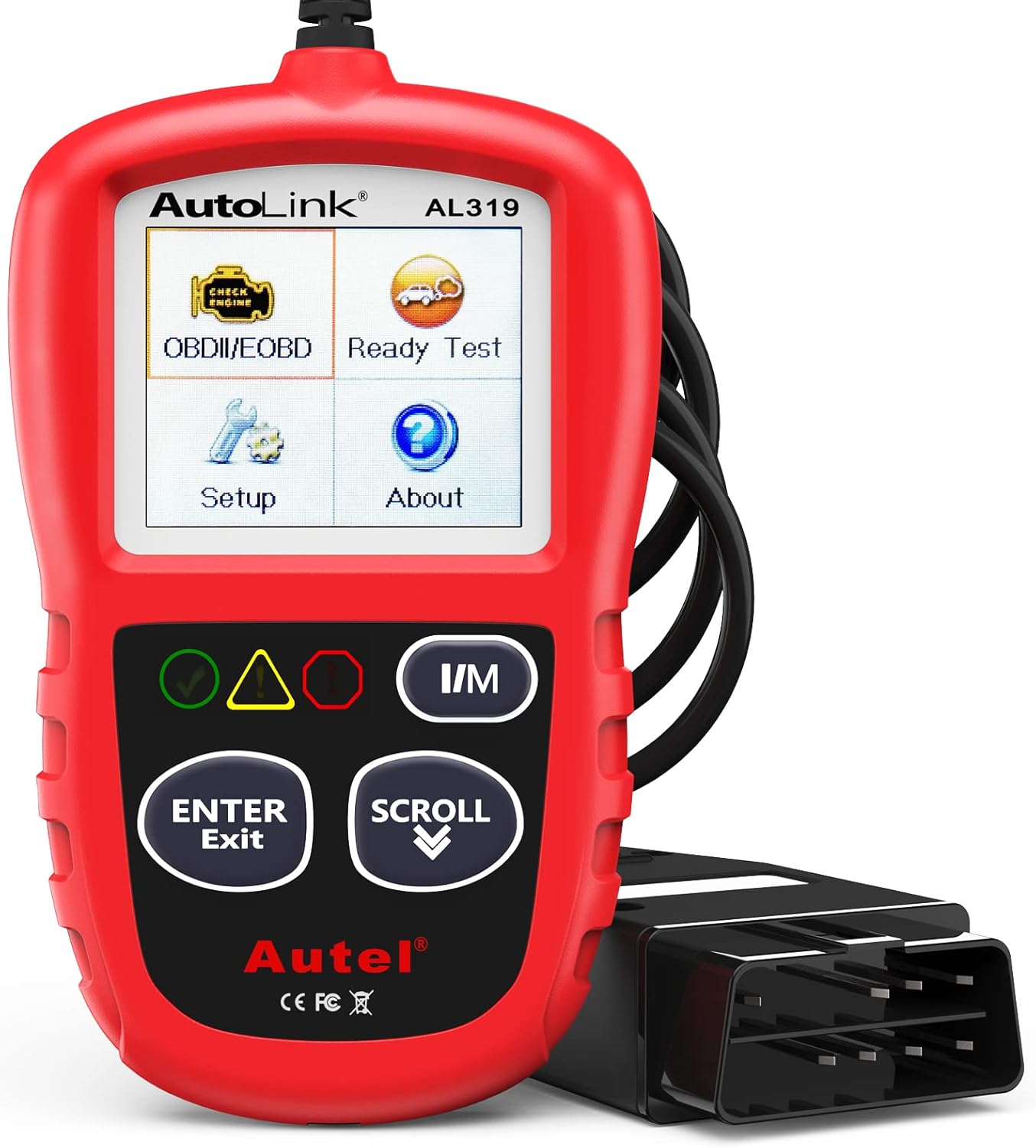
The Autel AL319 is a user-friendly OBD2 scan tool designed to help drivers quickly diagnose check engine light issues and understand vehicle fault codes. It supports reading and clearing DTCs, live data, freeze frame, I/M readiness, and vehicle information, making it a practical choice for DIYers and everyday car owners. With plug-and-play operation, a color display, built-in speaker, and broad vehicle compatibility, it delivers fast, reliable diagnostics without complicated setup.

The ANCEL AD410 helps drivers quickly read and clear engine-related fault codes, view live data, and understand why the check engine light is on before heading to a repair shop. With built-in code definitions, readiness checks, and support for common OBD2 functions, it makes basic diagnostics straightforward for beginners and DIY users. Powered directly from the vehicle and easy to use with no app required, it offers practical value for everyday vehicle troubleshooting.

The ANCEL AD410 PRO combines engine diagnostics and 12V battery testing in one easy-to-use tool, helping you read and clear check engine codes while checking battery health, cranking, and charging performance. It also provides live data, freeze frame details, and I/M readiness checks to help you diagnose issues faster and prepare for emissions testing. With plug-and-play operation, a clear screen, and broad vehicle compatibility, it is a practical solution for home mechanics and everyday drivers.
OBD-II Scanner Options
You have several good options:
- Basic handheld scanner: reads and clears generic codes. This is enough for many DIY checks.
- Bluetooth OBD-II adapter: pairs with a phone app and can show live data such as fuel trims, oxygen sensor activity, and coolant temperature.
- Advanced scan tool: reads manufacturer-specific codes, freeze-frame data, live data, and sometimes ABS, hybrid, or transmission modules.
- Free parts-store code read: helpful for getting the code numbers, but remember that a code read is not the same as a full diagnosis.
How To Read Codes
The OBD-II port is usually under the driver-side dashboard. Plug in the scanner, turn the ignition to the “ON” position, and follow the scanner menu to read stored, pending, and permanent codes. Write down the exact code numbers and any freeze-frame information before clearing anything.
- Park safely and set the parking brake.
- Plug the scanner into the OBD-II connector under the dash.
- Turn the ignition on, or start the engine if the scanner requires it.
- Select “Read Codes” and record stored, pending, and permanent codes.
- Look up the code definition for your RAV4’s model year and engine.
- Diagnose the system before replacing parts.
Note: Clearing the light without fixing the cause can erase useful data and reset emissions readiness monitors. In states with emissions inspections, that may delay testing or cause a failed inspection if monitors are not ready.
Free Code Reading Locations
Many auto parts stores offer free basic code reading. Some mobile mechanics, community repair events, and independent shops may also read codes at low cost. A free scan is useful for getting the code numbers, but it may not identify the root cause. Use it as the starting point, not the final answer.
Common RAV4 Codes and What They Usually Mean
Different RAV4 generations and engines can set different codes, so always confirm the definition for your exact year, engine, and drivetrain. The table below gives common examples and the systems they usually point toward.
| Code | What It Usually Points To | Common Checks |
|---|---|---|
| P0300 | Random or multiple-cylinder misfire | Spark plugs, ignition coils, fuel delivery, vacuum leaks, compression |
| P0171 | System too lean | Vacuum leaks, intake boot, MAF sensor, fuel pressure, exhaust leaks |
| P0420 | Catalyst system efficiency below threshold | Exhaust leaks, oxygen sensors, misfire history, catalytic converter condition |
| P0442 / P0455 | Small or large EVAP leak | Gas cap, filler neck, EVAP hoses, purge valve, charcoal canister |
| P0101 | Mass air flow sensor range or performance issue | Dirty MAF sensor, air filter box, intake leaks, wiring |
| P0131 / P0137 | Oxygen sensor circuit low voltage | O2 sensor, wiring, exhaust leak, fuel trim data |
Do not assume the code-named part is always bad. P0420, for example, can be caused by a failing catalytic converter, but it can also be influenced by exhaust leaks, oxygen sensor issues, or long-term misfires that damaged the converter. A good diagnosis looks at live data, freeze-frame data, symptoms, and service history.
[Products Worth Considering]
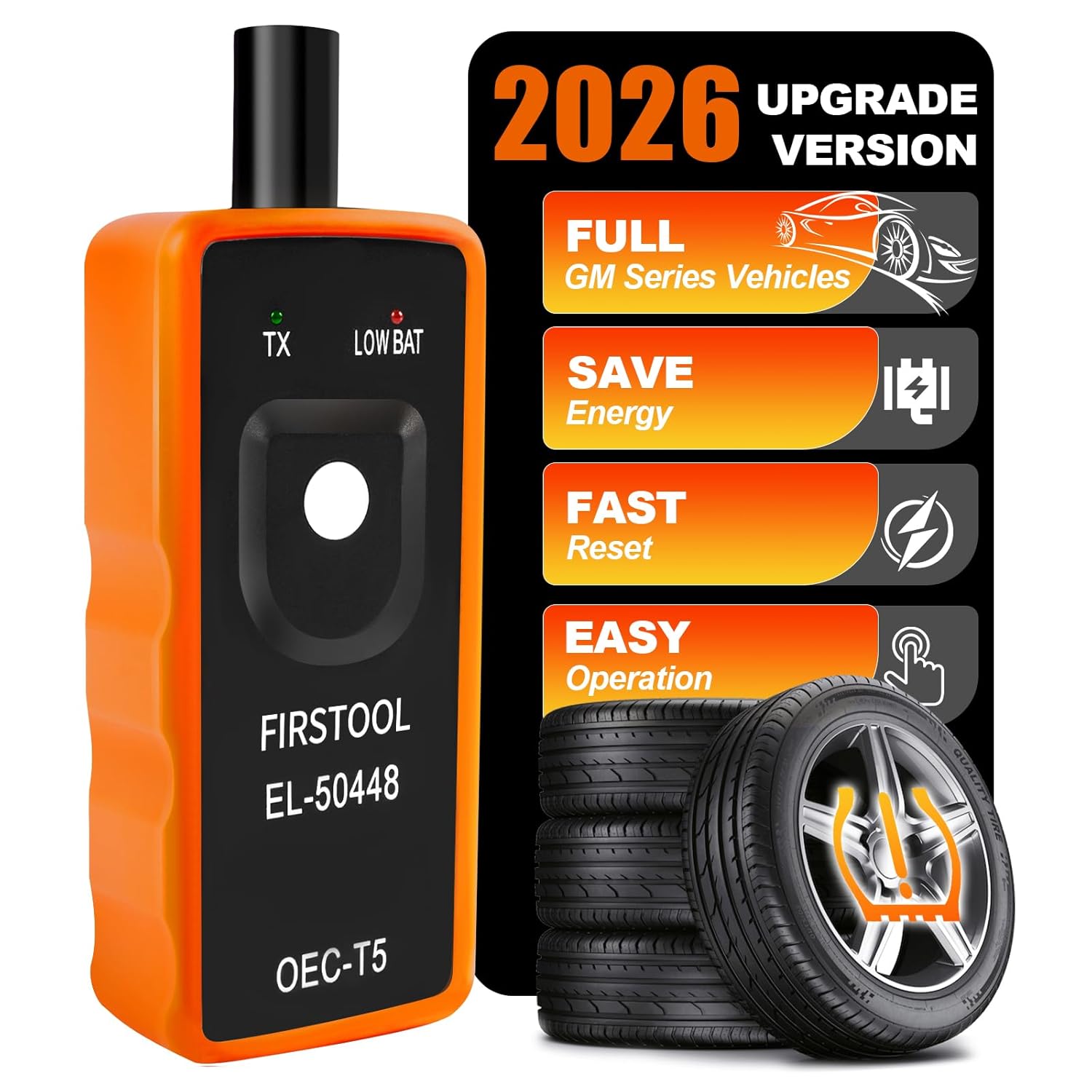
This EL-50448 TPMS relearn tool helps quickly activate and reset tire pressure sensors so your vehicle’s monitoring system stays accurate after tire rotations, sensor replacement, or seasonal tire changes. Designed for many GM-related vehicles and compatible with common 315 and 433 MHz TPMS systems, it offers simple one-button operation and reliable performance for clearing warning lights and relearning sensor positions.

This versatile car fuse assortment kit includes multiple fuse sizes and current ratings to help keep vehicles protected and ready for quick repairs. With organized color-coded fuses, a fuse puller, and installation guidance, it offers a convenient backup solution for a wide range of automotive and recreational vehicles. It's ideal for drivers who want a practical emergency replacement set for everyday use and travel.
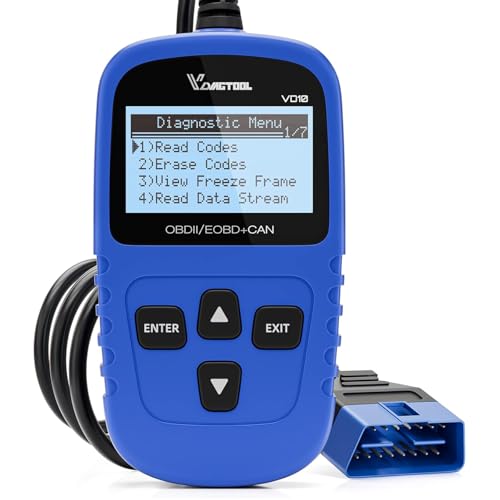
【A MUST-HAVE SCANNER TOOL FOR DIYERS】 - VDIAGTOOL VD10 car code reader is an incredibly useful, handheld obd2 scanner for each car owner or hobbyist, even for those with little to no experience when it comes to vehicle mechanics! Similar to a fixd car diagnostic tool, using this car diagnostic scanner is extremely easy. All you have to do is attach it to your car OBDII port and you can diagnose car problems in seconds! Read Codes (DTCs); Clear Codes; Live Data; View Freeze Frame; I/M Readiness; Vehicle Information.
RAV4 DIY Fixes That Often Clear the Light
After you record the codes, you can try low-risk fixes that match the symptoms and code family. Do not disconnect random sensors, replace expensive parts on a guess, or keep clearing the light to see what happens.
- Tighten or replace the gas cap: This is the first check for EVAP leak codes. Use an OEM-quality cap and make sure the sealing surface is clean.
- Replace worn spark plugs when due: Misfires can trigger P0300-series codes and damage the catalytic converter. Follow the interval in your Toyota Warranty & Maintenance Guide for your model year.
- Inspect ignition coils: A single-cylinder misfire that follows a coil when it is swapped to another cylinder often points to a weak coil.
- Clean the mass air flow sensor correctly: Use only MAF sensor cleaner. Do not touch the sensing wires or use brake cleaner.
- Fix obvious intake leaks: Re-seat loose air intake tubing and replace cracked vacuum hoses.
- Replace a dirty engine air filter: A severely restricted filter can affect airflow readings and performance.
After a repair, scan again. If the code is gone and the system passes its self-tests, the check engine light may turn off on its own. If you clear the code manually, drive normally and recheck for pending or returning codes.
[Products Worth Considering]

【COMPATIBLE WITH】Gas Cap, Fuel Cap Replaces 77300-06040, 7730006040, Gas Cap Is 100% Rigorously Tested Before Shipping. Check The Part Number To Confirm The Compatibility Before Purchase.
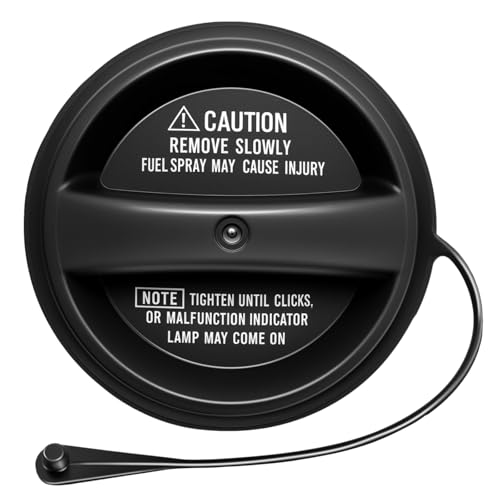
【OEM Gas Cap Fuel Cap Replacement】77300-53010, Check The Part Number Before Your Order, It saves you the time of buying back and forth, and also helps you save money.

【FUEL CAP / GAS CAP COMPATIBLE WITH】77300-53010, Fuel Tank Filler Cap Is 100% Rigorously Tested Before Shipping. Check The Part Number To Confirm The Compatibility Before Purchase.
Problems That Need a Professional Diagnosis
Some RAV4 check engine light problems are not good DIY guesses. Get professional diagnosis if the light is flashing, the vehicle runs poorly, the same code keeps returning, or the repair involves high-voltage hybrid components, emissions control parts, fuel pressure testing, catalytic converter replacement, or transmission-related codes.
Professional technicians can use Toyota-capable scan tools to read manufacturer-specific data, compare live sensor readings, perform smoke tests for EVAP leaks, run misfire counters, test fuel trims, and inspect freeze-frame data. That matters because two RAV4s with the same code can need completely different repairs.
A code tells you which system complained. A diagnosis tells you why it complained.
Hybrid and Plug-In Hybrid RAV4 Notes
RAV4 Hybrid and RAV4 Prime models can show check engine messages along with hybrid system warnings. If the message mentions the hybrid system, high-voltage battery system, accelerator system, or other major systems, follow the owner’s manual warning and have the vehicle inspected promptly.
Do not touch orange high-voltage cables or high-voltage components. Even if the check engine light seems related to a normal emissions code, hybrid models may store additional codes in hybrid control modules that a basic scanner cannot read. A Toyota dealer or qualified hybrid technician can access the full set of data.
Typical Cost and Time for Common RAV4 Repairs
Repair costs depend on your model year, engine, local labor rate, part quality, and whether the cause is simple or hidden. Use these ranges as planning numbers, not guaranteed quotes.
| Repair | Typical Time | Typical Cost Range |
|---|---|---|
| Gas cap replacement | 5 minutes | $15–$50 |
| Diagnostic scan and inspection | 30–90 minutes | $100–$200+, sometimes credited toward repair |
| Spark plugs | 1–2 hours on many models | $150–$400+ |
| Ignition coil | 30–90 minutes | $150–$450+ depending on part and labor |
| Mass air flow sensor | 15–60 minutes | $150–$500+ |
| Oxygen sensor | 1–2 hours | $200–$600+ depending on sensor location |
| Catalytic converter | Several hours to a full day | $1,000–$3,000+ depending on model, emissions certification, and parts |
Before approving a costly repair, ask whether the part is covered under the basic warranty, powertrain warranty, federal emissions warranty, California emissions warranty if applicable, or a Toyota service campaign. Federal emissions rules provide longer coverage for certain major emissions components, including catalytic converters and the engine control module, but exact coverage depends on vehicle age, mileage, state, and part.
Maintenance Checklist to Prevent Future CELs
You cannot prevent every check engine light, but disciplined maintenance reduces the most common causes. Follow the maintenance schedule for your exact RAV4 year and engine, especially if you drive in dusty conditions, tow, idle often, or take many short trips.
- Inspect the gas cap regularly: Replace it if the seal is cracked, loose, or missing.
- Use the correct engine oil and change it on schedule: Oil neglect can contribute to drivability problems and variable valve timing issues.
- Replace spark plugs at the Toyota-specified interval: Worn plugs can cause misfires and damage emissions components.
- Keep the air intake sealed: Make sure the air filter box and intake hose are seated after filter changes.
- Replace dirty filters: A clean engine air filter helps maintain accurate airflow and combustion.
- Fix misfires early: Driving with a misfire can overheat and damage the catalytic converter.
- Keep service records: Good records help with warranty claims and future diagnostics.
- Check recalls: Use your VIN to check open safety recalls before paying for related repairs.
What to Expect at the Shop and Questions to Ask
At a repair shop, expect a technician to scan the RAV4, record codes, review freeze-frame data, inspect related parts, and run tests based on the code family. A proper diagnosis should not be limited to “the scanner said replace this part.”
- Ask which codes were stored, pending, or permanent. Request the exact code numbers.
- Ask what test confirmed the failed part. A good shop can explain the test, not just the code.
- Ask whether there are related Toyota service bulletins, recalls, or warranty coverage. This matters before expensive emissions repairs.
- Ask for a written estimate. It should separate diagnostic time, labor, parts, taxes, and shop fees.
- Ask what happens if the light returns. Confirm the repair warranty and next diagnostic step.
Note: If your RAV4 recently had a dead battery, battery replacement, or codes cleared, some emissions readiness monitors may show “not ready.” Normal driving usually lets the vehicle rerun its self-tests, but the time and drive conditions vary.
Frequently Asked Questions
Why is my check engine light on in my Toyota RAV4?
Your RAV4’s check engine light is on because the onboard diagnostic system detected a fault. Common causes include a loose gas cap, EVAP leak, oxygen sensor issue, worn spark plugs, ignition coil failure, mass air flow sensor problem, vacuum leak, catalytic converter efficiency fault, or fuel system issue. Scan the codes before replacing parts.
Can I drive my RAV4 with the check engine light on?
You can usually drive cautiously if the light is steady and the RAV4 feels normal. Avoid hard acceleration and schedule diagnostics soon. If the light flashes, the engine shakes, power drops, the vehicle overheats, or smoke appears, stop driving as soon as it is safe and arrange service.
How do I diagnose a Toyota RAV4 check engine light?
Start with basic checks: tighten the gas cap, check fluids, and look for loose hoses, leaks, or wiring damage. Then use an OBD-II scanner to read stored, pending, and permanent codes. Write the codes down, research what system they refer to, and confirm the cause with testing before replacing parts.
Will tightening the gas cap turn off the check engine light?
It can, if the gas cap caused the EVAP leak. Tighten the cap until it clicks and inspect the seal. The light may not turn off immediately; the RAV4 may need several normal drive cycles to confirm the leak is gone. If the light stays on, scan for codes.
Should I clear the check engine light after fixing the problem?
You can clear the code with a scanner after recording the codes and completing the repair. However, clearing codes before diagnosis can erase useful freeze-frame data and reset emissions readiness monitors. In some cases, the light will turn off automatically after the system confirms the fault is no longer present.
What does a flashing check engine light mean on a RAV4?
A flashing check engine light often means a severe misfire. Reduce speed, avoid heavy throttle, and get service as soon as possible. Continuing to drive with a severe misfire can damage emissions components, especially the catalytic converter.
Conclusion
When your RAV4’s check engine light comes on, act methodically instead of guessing. Check the gas cap, fluids, leaks, hoses, wiring, and obvious intake problems first. Then scan the OBD-II codes and record the exact numbers before clearing anything. A steady light with normal performance usually gives you time to drive carefully and schedule service, but a flashing light, rough running, power loss, overheating, or smoke means stop and get help.
The most expensive mistake is replacing parts just because a code mentions them. Use the code as a clue, confirm the cause, check warranty or recall coverage, and ask the shop for a clear diagnostic explanation before approving major repairs.
Sources
- Toyota Owners Manuals and Warranties — official owner’s manual and maintenance guide lookup by RAV4 model year.
- Toyota RAV4 Maintenance Requirements — Toyota guidance on owner maintenance responsibility and scheduled maintenance references.
- U.S. EPA: Frequently Asked Questions About On-Board Diagnostics — OBD light behavior, flashing light guidance, and emissions-system purpose.
- eCFR 40 CFR 86.1806-17: Onboard Diagnostics — federal OBD system requirements for emissions-related malfunctions and alerts.
- eCFR 40 CFR 85.2103: Emission Warranty — federal emissions warranty periods and major emissions component coverage.
- California Bureau of Automotive Repair: OBD Test Reference — readiness monitors, malfunction indicator lamp standards, and permanent diagnostic trouble code inspection rules.