If you smell burning in your RAV4 cabin, treat it as a safety warning until you know the source. Pull over when it is safe, look for smoke or warning lights, and do a careful outside inspection before you keep driving. The most common causes are overheated brakes, oil or coolant on hot parts, electrical wiring, debris on the exhaust, HVAC dust, or a clogged cabin filter.
Quick Answer
A burning smell in a RAV4 cabin usually comes from overheated brakes, leaking fluids hitting hot engine or exhaust parts, melting wiring or plastic, debris near the exhaust, or HVAC dust and filter contamination. Stop driving immediately if you see smoke, warning lights, loss of power, a strong plastic smell, or one wheel is unusually hot.
Key Takeaways
- Smoke, warning lights, strong electrical smells, or a hot wheel mean you should stop, shut the engine off, and arrange a tow.
- A smell that appears after long downhill braking often points to overheated brakes or a stuck caliper.
- A sweet smell may be coolant; a deep acrid smell may be oil; a sharp plastic smell should be treated as electrical until inspected.
- If the smell changes when the blower fan, heat, or A/C is on, check the HVAC intake, blower area, and cabin air filter.
- For hybrid or RAV4 Prime models, do not touch orange high-voltage cables or battery components; use Toyota emergency guidance and professional service.
At a Glance
| Time Required | 5–15 minutes for basic safety checks; longer for shop diagnosis |
| Difficulty | Easy for visual checks; professional help recommended for brakes, electrical faults, coolant leaks, and hybrid components |
| Tools Needed | Flashlight, gloves, phone camera, paper towel, and optional infrared thermometer |
| Cost | Free for a quick owner inspection; shop diagnostic fees vary by region and repair complexity |
Warning: If you think the vehicle may be on fire, follow U.S. Fire Administration vehicle fire safety guidance: pull over safely, turn off the engine, get everyone out, move away from traffic, and call emergency services. Do not open the hood if you see active fire or heavy smoke.
Is the Smell Coming From the Cabin or Outside?
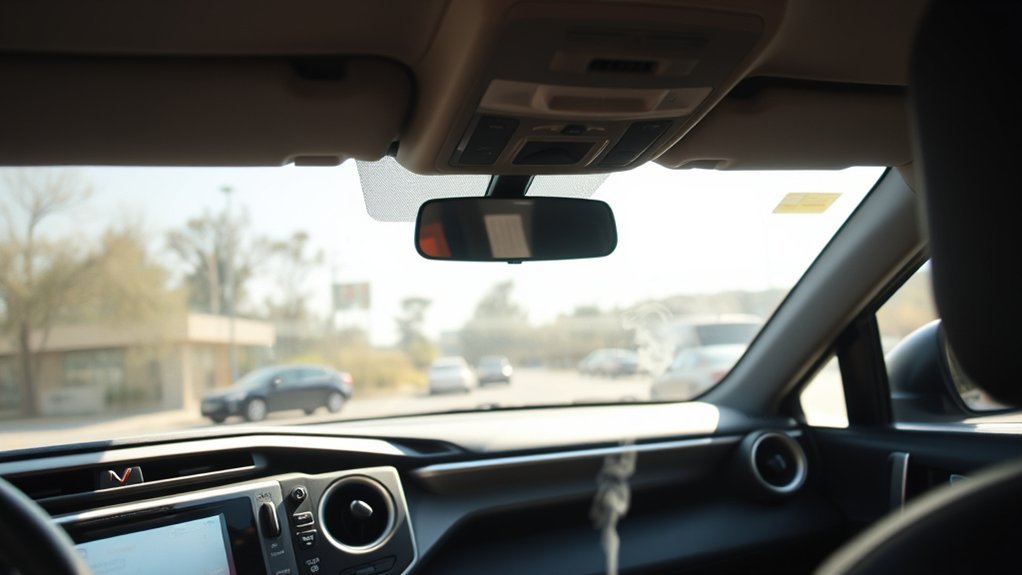
Start by separating an inside odor from an outside odor. This saves time and helps you decide whether it is safe to continue. If the smell becomes stronger when the blower fan, heat, defrost, or A/C is on, suspect the HVAC system, cabin filter, blower motor area, or fumes entering through the fresh-air intake.
If the smell fades quickly after you open the windows or step outside the vehicle, the source may be external. Common outside sources include overheated brakes, oil or coolant dripping onto hot parts, road debris stuck near the exhaust, or another vehicle’s fumes entering your cabin.
Also notice when the odor appears. A smell after hard braking points toward brakes. A smell after acceleration or hill climbing can point toward oil, exhaust, transmission, clutch, or underbody heat. A continuous smell at idle may point toward wiring, HVAC, engine-bay leaks, or exhaust gases entering the cabin.
Note: Exhaust fumes are different from a general burning smell. Toyota’s RAV4 owner information says that if you smell exhaust gases inside the vehicle, open the side windows and have the vehicle inspected as soon as possible by a Toyota dealer or qualified shop. See Toyota’s RAV4 exhaust gas precautions for the official safety warning.
Immediate Checks for a Burning Smell: What to Do Now
If you notice a burning smell in your RAV4, pull over in a safe, well-ventilated place. Turn off the engine if you see smoke, warning lights, loss of power, or a strong electrical odor. Do not keep driving just to “see if it clears” when the smell is strong or getting worse.
- Check for smoke first. Look around the hood edges, wheel wells, underbody, and vents. If there is active smoke or fire, move away and call for help.
- Look under the vehicle. Check for fresh oil, coolant, transmission fluid, or other puddles. Do not crawl under the vehicle on the roadside.
- Inspect the engine bay only if it is safe. Use a flashlight and look for wet residue, melted plastic, burnt insulation, loose bags, leaves, or debris near hot parts.
- Check wheel heat without touching the brakes. Carefully hold your hand near each wheel to feel for unusual heat, or use an infrared thermometer. Do not touch rotors, calipers, or wheels that may be hot.
- Test the vents. If the odor changes when you turn the fan on or off, check the cabin air filter and HVAC intake area.
Is It Unsafe? When to Stop Driving, Tow, or Continue
A burning smell is not automatically an emergency, but some signs make the RAV4 unsafe to drive. Use the smell, warning lights, heat, and driving behavior together. When in doubt, choose a tow. A short tow is cheaper than a brake failure, electrical fire, engine damage, or roadside breakdown.
| Condition | Immediate Action | Risk Level |
|---|---|---|
| Smoke, flames, or electrical crackling | Stop, shut off, evacuate, call emergency services | Critical |
| Warning light plus burning or melting smell | Stop driving and tow | High |
| One wheel much hotter than the others | Do not continue; inspect brakes or tow | High |
| Sweet smell, low coolant, or steam | Stop, cool down, check coolant level only when safe | High |
| Light dusty smell from vents that clears quickly | Monitor and replace/check cabin filter | Low to moderate |
| Odor that clears with windows open and no symptoms | Drive cautiously and schedule inspection if it returns | Moderate |
[Products Worth Considering]

MaxxHaul 50515 car ramps provide a stable, elevated platform for performing vehicle repairs and maintenance beneath your car. Built from heavy-duty plastic with rubber stops and a ridged surface, they help keep tires securely positioned during use. Their compact ramp design offers dependable access and support for everyday garage work.

The XINDELL Interior Windshield Cleaner Tool makes it easy to clean car glass inside and out with an extendable handle and 180° pivoting head for better reach and streak-free results. Designed for auto detailing and home windows, it includes reusable microfiber pads and a wash sponge for dry or wet cleaning, helping remove dust, fog, grime, and smudges with less effort.

The NOCO GENIUS10 is an all-in-one smart charger, maintainer, trickle charger, and desulfator designed to keep 6V and 12V batteries performing at their best. It supports lead-acid and lithium batteries, charges deeply discharged batteries, and uses temperature compensation for safer, more accurate charging in changing conditions. Compact and versatile, it is ideal for a wide range of vehicles and long-term battery maintenance.
Burning Smell by Odor Type: What It Usually Means
The exact odor can narrow the search. Use this as a guide, not a final diagnosis, because multiple problems can smell similar once parts get hot.
| Smell | Likely Source | What to Check |
|---|---|---|
| Sharp chemical smell after braking | Overheated brake pads, stuck caliper, dragging parking brake | Wheel temperature, pad wear, caliper slides, rotor color |
| Acrid burnt-oil smell | Oil leak on exhaust, valve cover seep, spilled oil after service | Oil level, fresh drips, residue on engine or exhaust area |
| Sweet chemical smell | Coolant leak, heater core concern, coolant on hot parts | Coolant level, damp carpet, steam, white residue |
| Burning plastic or electrical smell | Wiring, fuse box, connector, blower motor, overheated accessory | Melted insulation, blown fuses, hot connectors, accessory behavior |
| Rubber smell | Belt issue, hose touching hot part, tire rubbing, road debris | Belts, hoses, wheel wells, underbody, exhaust shield area |
| Dusty toasted smell from vents | Dust, leaves, debris, cabin filter contamination | Cabin filter, cowl intake, blower area, HVAC use pattern |
[Products Worth Considering]

Bosch 6029C HEPA cabin air filter is designed to help keep your vehicle’s passenger compartment filled with clean, fresh, odor-free air. Its dense HEPA media and electrostatic layer are engineered to capture fine particles while the added cotton layer supports higher filtration capacity. Built with structural ribs for stability, it helps maintain filter shape and airflow performance over time.

Battery Tender Plus is a smart 12V charger and maintainer designed to keep automotive, motorcycle, and powersports batteries in optimal condition. Its adaptive 4-step charging program helps extend battery life while the quick disconnect harness and included cables make setup simple and convenient. The two-color LED status indicator provides clear charging feedback for easy, worry-free maintenance.
Brake Overheating and Burning Smell: Signs, Tests, Fixes
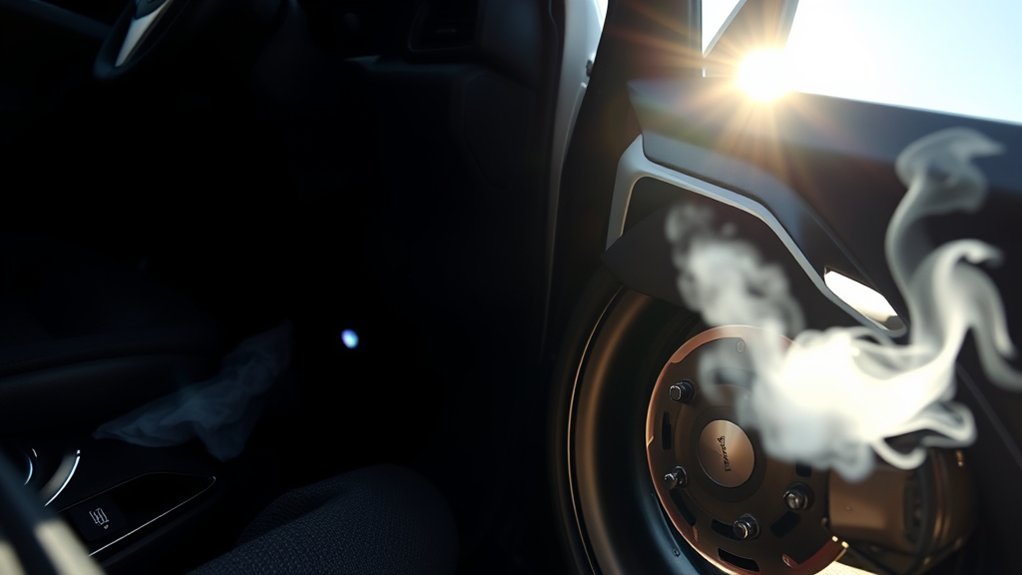
If you smell a sharp, chemical burning odor after hard braking, mountain driving, towing, or stop-and-go traffic, the brakes are a top suspect. Brake friction creates heat, but one wheel that is much hotter than the others suggests a local problem such as a stuck caliper, seized slide pin, dragging pad, or parking brake issue.
Recognize Overheated Brake Smell
Overheated brakes often smell sharp and chemical, and the odor may linger after you stop. You may also notice smoke near a wheel, a hot-wheel smell after parking, vibration, reduced braking feel, or the vehicle pulling to one side. If the smell repeats during normal driving, do not ignore it.
- A smell only after a long downhill grade may be heat buildup from heavy braking.
- A smell from one wheel during normal driving often points to a stuck caliper or dragging brake.
- Smoke, pedal changes, or brake fade means the RAV4 should not be driven until inspected.
Quick Wheel Temperature Check
After a short, gentle drive, park safely and compare all four wheel areas. Use an infrared thermometer if you have one. A single wheel that is dramatically hotter than the others is a strong clue. Do not touch brake rotors or calipers with your hand; they can burn skin quickly.
Pro Tip: Take photos of any discolored rotor, smoke, or residue before the vehicle is moved. That evidence helps the service advisor reproduce and diagnose an intermittent brake odor.
Fixes for Stuck Calipers
A stuck caliper usually needs more than a quick pad swap. A technician should inspect the caliper piston, guide pins, boots, pads, rotor surface, brake hose, and hardware. Depending on the cause, the repair may involve cleaning and lubricating slide pins, replacing hardware, replacing pads and rotors, replacing a collapsed brake hose, or replacing the caliper assembly.
Oil, Coolant, and Other Fluid-Leak Smells: How to Find Them
Oil, coolant, transmission fluid, and other fluids can create burning odors when they touch hot engine or exhaust parts. A small leak may smell worse than it looks because hot airflow can carry the odor into the HVAC intake and cabin.
Check for Visible Leaks
Look under the RAV4 for fresh drips, wet spots, or stains. Then check the engine bay with a flashlight. Do not open a hot cooling system cap. Toyota reminds owners that regular maintenance includes fluid checks and visual inspections, and scheduled maintenance should follow the maintenance guide for the specific model year. See Toyota’s maintenance requirements for official guidance.
- Oil: dark brown or black, slick, acrid smell when burned.
- Coolant: pink, red, green, or orange depending on type; often sweet-smelling.
- Transmission fluid: red to brown, oily, sometimes sharp when overheated.
- Washer fluid: blue or clear; usually not a burning smell unless it leaks onto an electrical or hot area.
Smell Source Identification
If the smell is strongest near the front of the hood, look for fluid on the engine, exhaust manifold area, hoses, and lower shields. If it is strongest near the vents, inspect the cowl intake and cabin filter. If it is strongest after parking, check whether fluid is dripping onto the exhaust or a splash shield.
Recent service matters too. A few drops of spilled oil after an oil change can create a temporary smell, but it should fade quickly. A smell that keeps returning means you need to find the source, not just ventilate the cabin.
Electrical or Melting-Plastic Smells: What to Inspect
A plastic, ozone-like, or electrical burning smell should be treated seriously. Electrical faults can worsen quickly, especially if a circuit is overheating behind trim panels, near the fuse box, or inside the HVAC blower area.
- Check the fuse box and relays for melted plastic, dark marks, or a hot smell.
- Inspect visible wiring and connectors for fraying, exposed copper, distorted insulation, or heat damage.
- Turn accessories off if the smell appears when using heated seats, blower fan, lights, charging ports, or aftermarket electronics.
- Remove loose chargers, adapters, and aftermarket devices until the issue is diagnosed.
If you find melted wiring or the odor is strong and persistent, stop driving and have the RAV4 inspected. Do not replace fuses with higher-amp fuses, and do not keep resetting a circuit that keeps failing.
Hybrid and RAV4 Prime Burning Smell Safety
RAV4 Hybrid and RAV4 Prime models add high-voltage components that should not be handled by owners. If a burning smell appears after an impact, underbody damage, water exposure, smoke, or warning messages, avoid touching orange cables, high-voltage battery areas, or damaged electrical components.
Toyota publishes an Emergency Response Guide for responders and technicians, and NHTSA provides emergency response guides for vehicles with high-voltage systems. For owners, the safe move is simple: park safely, shut the vehicle off, move away if there is smoke or heat, and arrange professional service.
Warning: Never probe, cut, disconnect, or test orange high-voltage cables or hybrid battery components. Hybrid and plug-in hybrid electrical diagnosis belongs to trained professionals with the correct equipment.
Clutch or Transmission Burning Smells on Manual RAV4s
Some older or market-specific RAV4 models may have a manual transmission. If you smell a hot, acrid odor after aggressive acceleration, hill starts, towing, or prolonged clutch slipping, you may be smelling overheated clutch friction material.
Signs of clutch trouble include a high engagement point, slipping under load, difficulty shifting, gear grinding, or a smell that appears after riding the clutch in traffic. The fix may involve adjusting driving habits, repairing hydraulic or linkage problems, or replacing the clutch disc, pressure plate, release bearing, and related hardware.
For automatic, CVT, hybrid transaxle, or RAV4 Prime driveline concerns, a burnt-fluid smell, warning light, slipping, delayed engagement, or harsh operation should be diagnosed promptly. Do not keep driving if the vehicle loses power, refuses to shift, or shows transmission warnings.
HVAC, Cabin Filter, and “New-Car” Off-Gassing Explained
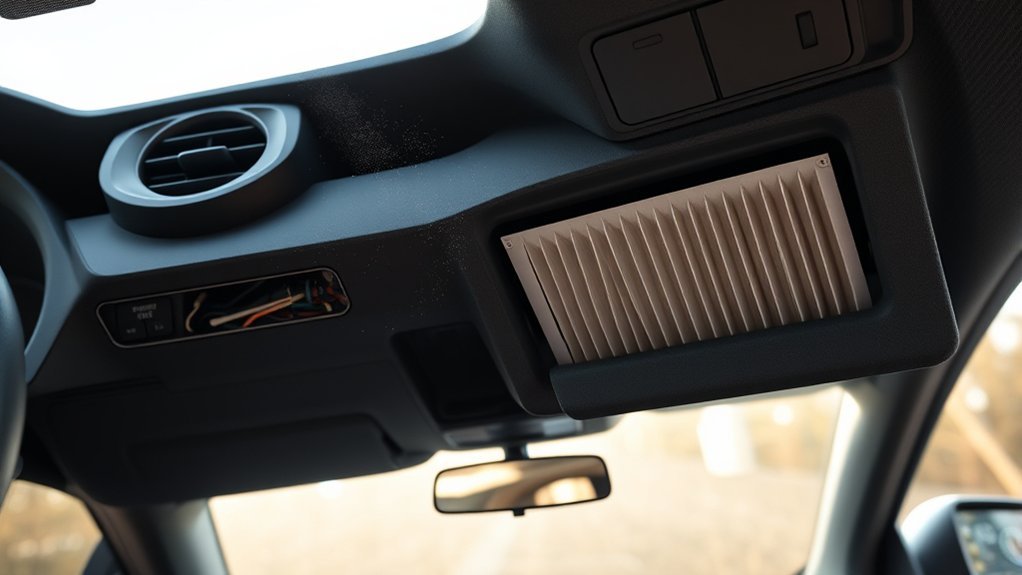
One common cabin-only source is the HVAC system. Dust on the heater core or debris near the blower can create a short toasted smell when heat or defrost first runs after sitting unused. That brief odor is usually less serious if it clears quickly and does not return.
A clogged cabin air filter can trap leaves, dirt, moisture, and outside odors. It can also reduce airflow, which makes HVAC problems more noticeable. Replace the cabin filter on schedule and inspect the cowl intake near the windshield for leaves or debris.
Newer vehicles can also have a “new-car” smell from volatile organic compounds released by interior materials. The California Air Resources Board notes that pollutants inside vehicles can include VOCs and semi-volatile compounds from interior materials. Ventilating the cabin, parking in shade, and using fresh-air mode when practical can help reduce trapped odors; see CARB’s car and bus exposure studies for background on cabin pollutants.
Road Debris, Exhaust, and Underbody Causes
Plastic bags, leaves, insulation, or road debris can stick to hot exhaust parts and create a burning smell that enters the cabin. This often happens after driving through loose debris, tall grass, or construction zones.
When the vehicle is cool and safely parked, look under the front and middle of the RAV4 for melted plastic, leaves, or debris on shields and exhaust areas. Do not pull material from hot exhaust parts with bare hands. If debris is melted onto the exhaust, a shop may need to remove it safely and inspect nearby wiring, sensors, and shields.
How Dealers Diagnose Intermittent Odors: What to Request
Intermittent smells are easier to diagnose when you give the service advisor clear details. Write down when the smell appears, how long it lasts, which vents are open, outside temperature, speed, braking conditions, warning lights, and whether it happens after recent service or fueling.
Diagnostic Steps to Replicate
Ask the shop to reproduce the exact conditions. A useful road test may include the same route, speed, braking pattern, hill, HVAC setting, and engine temperature. The technician may then inspect the engine bay, brakes, underbody, exhaust, HVAC intake, cabin filter, and wiring while the smell is still present.
- Record speed, gear or drive mode, throttle, braking, and road grade.
- Note whether the smell is stronger with recirculation mode or fresh-air mode.
- Share recent repairs, fluid top-offs, oil changes, brake work, or underbody impacts.
- Ask the shop to document temperatures, leaks, fault codes, and visual findings.
Ask for Specific Tests
Ask for targeted checks instead of a vague “smell inspection.” Helpful requests include:
- Brake temperature comparison and inspection of pads, rotors, calipers, guide pins, and hoses.
- Engine-bay leak inspection for oil, coolant, transmission fluid, and residue on hot parts.
- HVAC intake, blower area, and cabin filter inspection.
- Electrical inspection for overheated connectors, fuses, relays, and aftermarket accessories.
- Scan for diagnostic trouble codes and warning history when lights or messages appeared.
- Recall and service campaign check through Toyota or the NHTSA recalls tool.
Typical Costs, Timelines, and Preventive Steps
A basic smell inspection may be completed the same day, but intermittent odors can take longer because the shop has to reproduce the condition. Diagnostic fees vary by region, shop type, and the amount of testing needed. Always ask whether the diagnostic fee is separate or credited toward the repair if you approve the work.
Repair time depends on the source. Cabin filter replacement is usually quick. Brake repairs, coolant leaks, oil leaks, melted wiring, or hybrid-system concerns may take longer, especially if parts must be ordered.
- Keep the cabin filter and cowl intake clean.
- Check fluid levels and look for fresh leaks between scheduled services.
- Have brakes inspected during routine maintenance, especially before mountain trips or towing.
- Avoid riding the brakes on long descents; use appropriate lower gear or drive mode when the owner’s manual recommends it.
- Do not ignore recurring electrical smells, even if the vehicle still drives normally.
- Keep a symptom log and bring it to the shop to shorten diagnostic time.
The safest rule is simple: a light smell that clears may be monitored, but smoke, warning lights, hot wheels, fluid leaks, or strong plastic odors mean stop driving and diagnose before damage spreads.
Frequently Asked Questions
Why does my RAV4 smell like burning plastic?
A burning-plastic smell can come from overheated wiring, a hot connector, a blower motor problem, melted road debris on the exhaust, or an interior component getting too hot. If the smell is strong, persistent, or paired with warning lights, stop driving and have it inspected.
Why does my Toyota smell like something is burnt after braking?
A burnt smell after braking usually points to overheated brake pads or a dragging brake. If one wheel is much hotter than the others, a stuck caliper or seized slide pin is possible. Do not continue driving if you see smoke, feel brake fade, or smell it during normal driving.
Why does my car smell like it is burning inside the cabin?
The odor may be entering through the vents from the engine bay, brakes, exhaust, or outside air. It may also come from the HVAC system, cabin filter, wiring, or interior electronics. Check whether the smell changes when the fan, heat, A/C, or recirculation mode is used.
Can I drive my RAV4 if the burning smell goes away?
You may be able to drive cautiously if the smell was light, cleared quickly, and there are no warning lights, smoke, leaks, hot wheels, or performance problems. If the smell returns, gets stronger, or appears with braking or acceleration, schedule an inspection.
Can a dirty cabin air filter cause a burning smell?
Yes, a dirty cabin filter can trap leaves, dust, moisture, and odors that become noticeable when the HVAC system runs. However, a filter alone should not create smoke or a strong electrical smell. If the odor is intense or persistent, inspect beyond the filter.
What should I tell the dealer about an intermittent burning smell?
Tell them the smell type, when it happens, how long it lasts, road speed, braking or acceleration conditions, HVAC setting, outside temperature, warning lights, and recent repairs. Ask for brake temperature checks, leak inspection, HVAC/cabin filter inspection, electrical inspection, and a road test that repeats your conditions.
Conclusion
A burning smell in a RAV4 cabin deserves a calm but serious response. Pull over safely, check for smoke, leaks, hot wheels, electrical odors, and HVAC changes, then decide whether the vehicle can be driven or should be towed. Light dust smells that clear quickly may only need filter or vent maintenance, but strong plastic smells, warning lights, smoke, hot wheels, or fluid leaks need prompt diagnosis. Acting early protects the brakes, engine, electrical system, and everyone in the vehicle.
Sources
- U.S. Fire Administration — Vehicle Fire Safety — backs up emergency steps when smoke or fire is suspected.
- Toyota Owners — RAV4 Exhaust Gas Precautions — supports guidance about exhaust smells in the cabin.
- Toyota Owners — RAV4 Maintenance Requirements — supports ongoing fluid checks, visual inspections, and scheduled maintenance.
- Toyota Technical Information — Emergency Response Guide — supports hybrid and high-voltage safety precautions.
- NHTSA — Emergency Response Guides — supports emergency handling awareness for vehicles with high-voltage systems.
- California Air Resources Board — Car and Bus Exposure Studies — supports information about cabin pollutants and VOCs from vehicle interiors.