
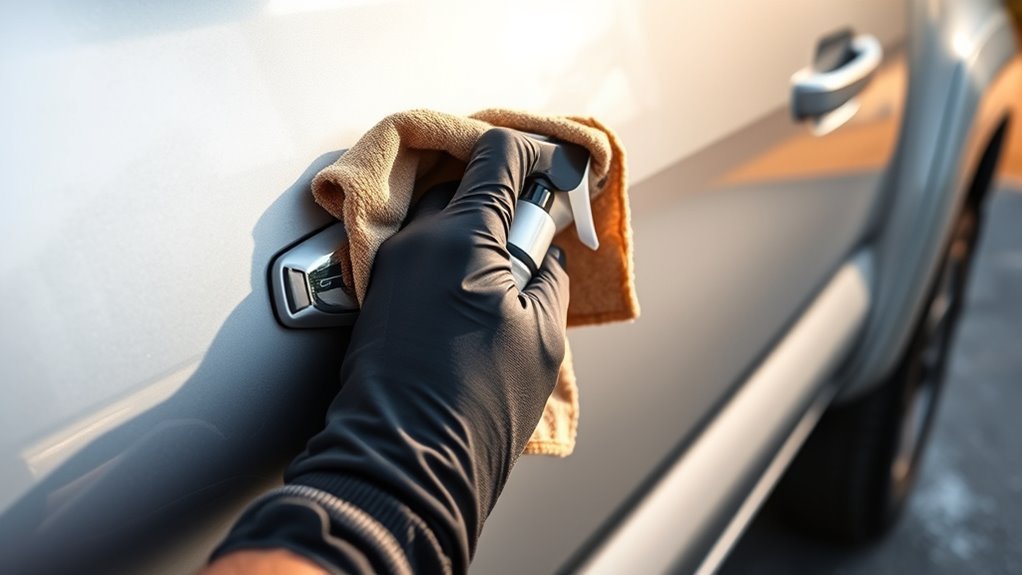
Last updated: September 16, 2026. This guide was rechecked against Toyota owner guidance and current remover-manufacturer instructions.
You can safely remove tree sap from Toyota Tacoma paint by softening the contamination before you wipe it. Work on a cool panel in the shade, wash away loose grit first, and start fresh sap with warm water and a damp microfiber towel. If residue remains, use a paint-safe automotive sap-and-tar remover exactly as its label directs, then wash the treated area and restore compatible paint protection. Toyota’s 2025 Tacoma owner guidance lists tree sap among contaminants that should be washed from the paint immediately to help prevent paint deterioration and corrosion.
Quick Answer
To remove tree sap from a Toyota Tacoma, wash loose dirt away first. For fresh or tacky sap, hold a warm, damp microfiber towel on the spot to soften it, then blot gently. If sap remains, test a paint-safe automotive sap-and-tar remover on a hidden area and use it exactly as directed. Repeat short treatment cycles instead of scrubbing, then wash, rinse, dry, and reapply a compatible wax or sealant.
Key Takeaways
- Start with the mildest method: wash first, then soften fresh sap with warm moisture before reaching for solvent.
- Use only a remover labeled for automotive paint and follow that product’s application and dwell-time instructions.
- Do not grind hardened sap into the clear coat with blades, abrasive pads, dry towels, or aggressive rubbing.
- If your Tacoma has PPF, vinyl, matte graphics, fresh repaint, or a specialty coating, confirm chemical compatibility before using solvent.
- Stop and call a detailer if the sap is gone but a flat dull mark, stain, or etched-looking ring remains.
At a Glance
| Time Required | 10–30 minutes for a few spots; hardened deposits may need repeated treatment |
| Difficulty | Easy to moderate |
| Tools Needed | Microfiber towels, car shampoo, clean water, paint-safe sap remover if needed, wax or sealant |
| Best First Step | Wash away grit, then soften fresh sap before using stronger chemistry |
How to Remove Tree Sap From Toyota Tacoma Paint Safely
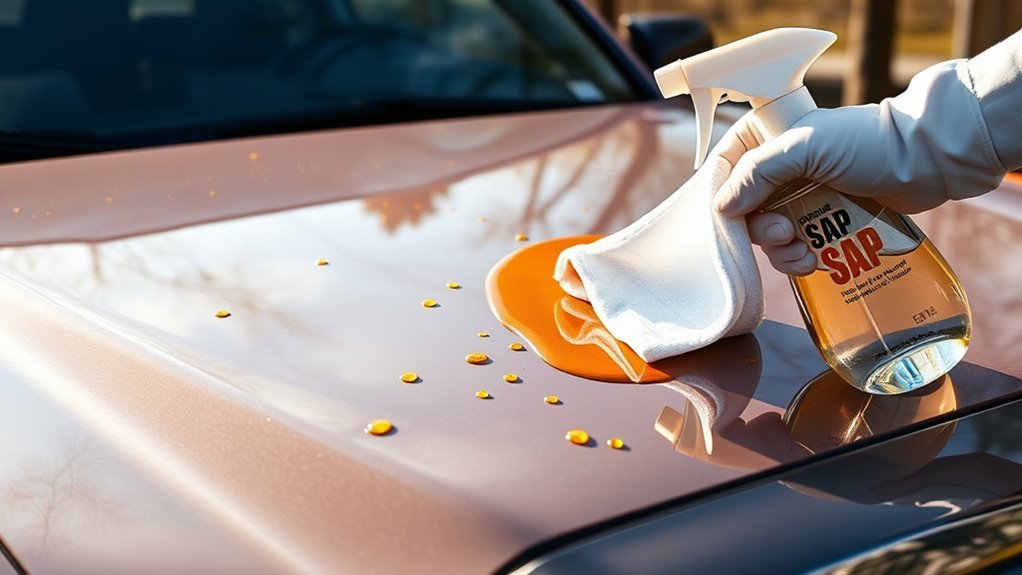
Fresh sap may release without a strong solvent if you clean it before heat hardens the deposit. Wash loose dirt away first, then soften the spot with warm water and microfiber. If the sap remains, move to a dedicated automotive sap-and-tar remover that is labeled for the surface you are treating. Goo Gone Automotive Spray Gel is one consumer-labeled example: its manufacturer lists tree sap among its intended uses and says it is safe on automotive clear coat when used as directed. Application directions vary by product, so follow the label rather than assuming every remover is used the same way.
- Move the Tacoma into shade and let the paint cool.
- Rinse or gently wash the sap area so loose grit cannot scratch the clear coat while you wipe.
- For fresh or tacky sap, hold a warm, damp microfiber towel against the spot briefly, then blot with a clean section of towel.
- If sap remains, test your automotive sap remover on a small, inconspicuous painted area first.
- Apply the remover exactly as its label directs. Some products are applied to a towel; others are applied to the contamination.
- Allow only the label-directed dwell time, then blot or wipe lightly with a clean microfiber surface.
- Repeat another short treatment cycle if needed instead of pressing harder.
- Wash the treated area with car shampoo and water, rinse thoroughly, and dry with clean microfiber.
- Apply a compatible wax, sealant, or coating maintenance product if the cleaning process reduced the existing protection.
Warning: Do not use razor blades, Magic Eraser-style pads, dry paper towels, kitchen scrubbers, gasoline, brake cleaner, acetone, lacquer thinner, or heavy rubbing compound on Tacoma paint. These methods can scratch, haze, soften, or otherwise damage the finish and surrounding trim.
Prep: Check Tacoma Paint, Clear Coat, and Supplies
Before using a solvent, inspect the Tacoma’s paint and clear coat for chips, scratches, repaint lines, peeling clear coat, or dull areas. Rubbing loose dirt can create swirl marks, while a chemical that is acceptable on cured factory paint may not be suitable for every aftermarket surface.
- Paint check: Look closely at the sap spot and the surrounding finish under bright but indirect light.
- Hidden test: Test the exact product on a small, less-visible area of the same type of painted surface before treating the main spot.
- Temperature: Work in shade on a cool panel so the cleaner does not dry prematurely.
- Towels: Use several clean microfiber towels and switch to a fresh face as sap transfers.
- Wash supplies: Keep car shampoo, clean water, and a drying towel ready for the follow-up wash.
- Special surfaces: If the sap is on paint protection film, vinyl, matte graphics, fresh body-shop paint, or a coating whose chemical compatibility you do not know, stop before using solvent and follow that product maker’s care instructions.
Toyota guidance: Toyota lists coal tar and tree sap among contaminants that call for immediate washing to help prevent paint deterioration and corrosion. Prompt cleaning also reduces the chance that heat will make the deposit harder to remove later.
[Products Worth Considering]

Meguiar's Ultimate Ceramic Coating Kit delivers durable paint protection with enhanced gloss, slickness, and impressive water beading for easier washing and drying. Its spray-on, wipe-off application makes it simple to use, while helping conceal light defects and adding protection to glossy paint, trim, decals, paint protection film, and wheels.
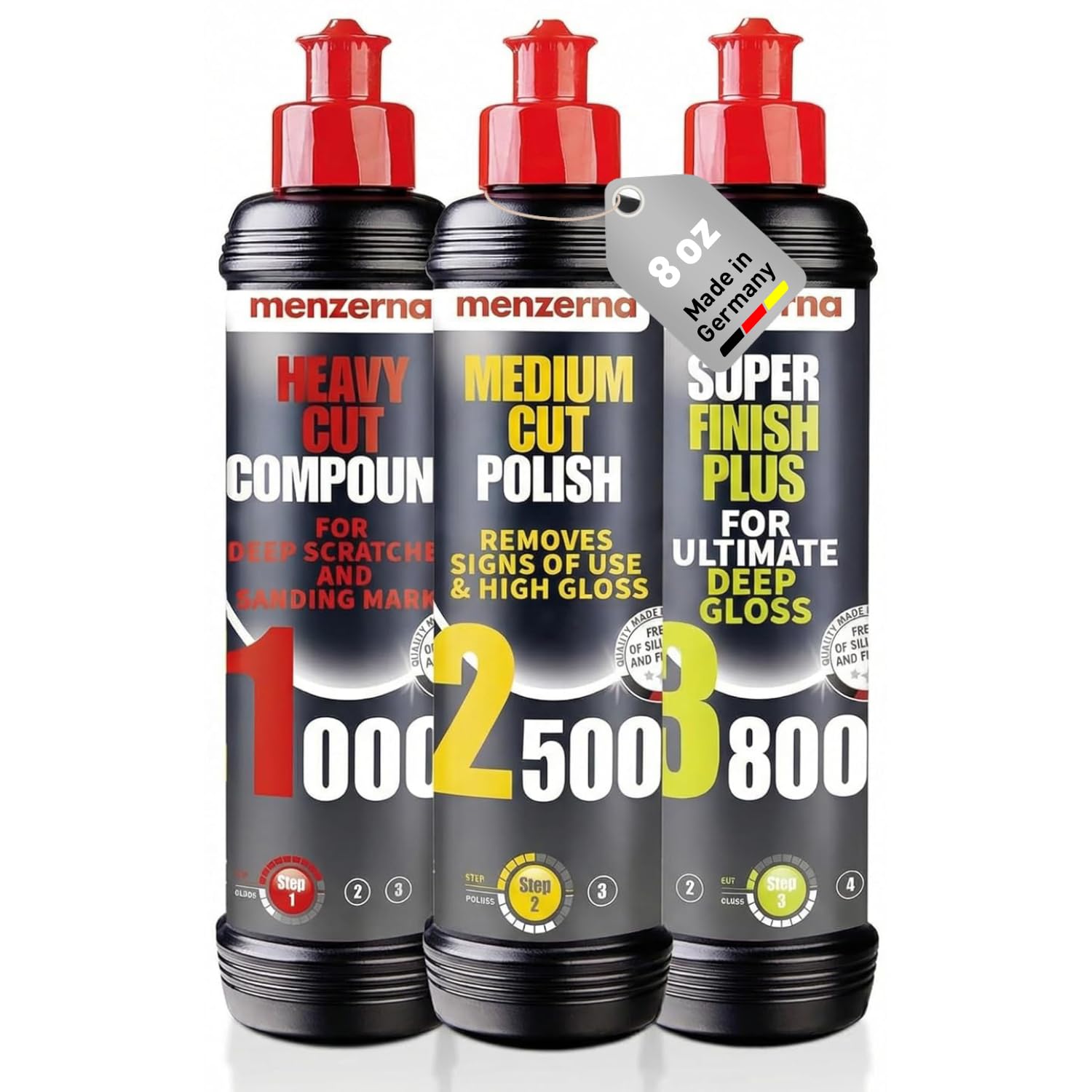
This Menzerna polishing set delivers a complete three-step paint correction process for removing scratches, refining surface defects, and producing a deep, mirror-like gloss. It combines heavy cut, medium cut, and super finish compounds to help restore clarity and create professional-quality results for detailing projects. Ideal for enthusiasts and professionals, it simplifies achieving a smooth, showroom-worthy finish.

Fortify Ceramic Coating Spray delivers a mirror-like gloss while helping clean, protect, and enhance your vehicle’s paint in one easy application. Its nano-ceramic formula bonds to the surface for hydrophobic water beading, reduced water spots, and a freshly detailed look with minimal effort. Simply spray, wipe, and enjoy a slick protective finish without complicated tools or rinsing.
Gentle Sap Removal: Sap-and-Tar Remover + Microfiber Technique
The safest technique relies on softening the contamination instead of overpowering it with friction. After washing the panel, give fresh sap a warm-water and microfiber treatment first. If a labeled automotive remover is still needed, use only the amount and contact time specified by its manufacturer.
Once the sap softens, gently blot or wipe it with a clean section of microfiber. If the residue smears, turn the towel to a fresh face so you are lifting contamination instead of spreading it. If a raised spot remains, repeat another short treatment cycle rather than scrubbing. Do not allow the cleaner to dry on the panel unless its label specifically instructs otherwise. Wash and rinse the area when the sap is gone.
Pro Tip: Treat a thick, raised sap drop in stages. Soften the exposed surface, lift what releases easily, then repeat. Trying to remove the whole hardened deposit with one aggressive wipe creates unnecessary scratch risk.
[Products Worth Considering]

Meguiar's Quik Eraser Kit makes it easy to remove light scratches, scuffs, and paint transfer from glossy paint and clear coats with minimal effort. The drill-activated pad and ScratchX formula work together to restore a smooth, polished finish, while the included microfiber towel helps reveal a clean, showroom-worthy shine. It is a convenient all-in-one solution for quick touch-ups and routine vehicle care.

Lifeproof Ceramic Coating Spray Kit helps protect kitchen and bath surfaces with an ultra-slick, hydrophobic finish that repels stains, grime, water spots, soap scum, and fingerprints. It is designed for easy spray-and-buff application on many hard surfaces, leaving a clean, invisible layer that makes routine cleanup simpler and helps surfaces stay protected for months.

This plastic razor blade scraper set is designed to remove stickers, decals, glue, grease, and paint without scratching delicate surfaces. It includes four ergonomic scrapers and 100 replacement plastic blades for convenient, long-term use on glass, windows, cars, walls, appliances, and more. Easy blade changes and a comfortable grip make it a practical choice for everyday cleaning and removal tasks.
Safe Product Options for Tree Sap on Car Paint
Choose the mildest method that matches the condition of the sap and the surface underneath it. A stronger chemical is not automatically a better choice, especially on damaged, repainted, wrapped, or coated surfaces.
| Option | Best For | How to Use It Safely |
|---|---|---|
| Warm water + microfiber | Fresh, tacky sap | Wash away grit first, soften the spot with a warm damp towel, then blot gently. |
| Automotive sap-and-tar remover | Fresh to moderately hardened sap that survives washing | Confirm paint compatibility, test first, follow the exact label directions, then wash the treated area. |
| Goo Gone Automotive | Tree sap and other sticky automotive residue | Use the automotive product only, pretest it, allow it to work as directed, wipe with a clean cloth, and clean the area with soap and water afterward. |
| Clay bar or synthetic clay mitt | Light bonded roughness after the bulk of the sap is gone | Use plenty of clay lubricant and light pressure. Do not drag clay across a large hard sap blob. |
| Isopropyl alcohol | Small residue spots when the underlying paint or coating is known to tolerate it | Treat it as a backup rather than the default method. Test first, keep contact brief, do not let it dry on the surface, wash afterward, and restore protection if needed. |
Note: Sap removers and other solvents can reduce wax or sealant protection. Inspect the cleaned area afterward and reapply a compatible protectant when needed.
[Products Worth Considering]

SOPAMI Ceramic Paint Sealant Spray delivers a mirror-like shine while adding a durable hydrophobic layer that helps repel water and everyday contaminants. Designed for long-lasting protection, it helps defend paint against UV exposure, acid rain, bug splatter, and bird droppings while enhancing gloss and clarity. The odor-free formula is easy to apply with a simple spray-and-wipe process and can be used on paint, headlights, and mirrors for versatile vehicle care.

Adam's Advanced Graphene Ceramic Coating delivers long-lasting protection for your vehicle with a durable 10H-rated surface that helps defend against weather, chemicals, UV exposure, and everyday grime. Its patented UV tracing technology makes application easier and more precise, while the slick, high-gloss finish enhances depth of color and repels water for easier maintenance.

CERAKOTE Ceramic Trim Coat Kit restores faded plastic trim with a true ceramic coating that bonds to the surface for long-lasting protection. It helps defend against UV damage, is quick to apply with pre-saturated wipes, and leaves trim looking refreshed without greasy residue or messy sprays.
Which Method Should You Use for Fresh vs. Hardened Sap?
The appearance and feel of the spot should determine your next step. Do not keep escalating the chemical strength simply because a mark is still visible.
| What You See or Feel | Next Step | When to Stop |
|---|---|---|
| Fresh, tacky sap | Wash, soften with warm moisture, and blot with microfiber. | Stop once the residue releases; stronger chemistry may not be necessary. |
| Hard, raised sap drop | Use a compatible automotive sap remover in repeated short cycles. | Stop if the paint dulls, softens, discolors, or the towel begins dragging heavily. |
| Sap is gone but the surface still feels rough | Wash again, then consider lubricated detailing clay for light bonded contamination. | Stop if clay begins to grab hard or creates visible marring. |
| Deposit is gone but a flat shadow, dull ring, or stain remains | Do not keep adding solvent. The clear coat may need professional assessment or paint correction. | Escalate to a detailer rather than repeatedly rubbing the same spot. |
Stubborn Sap? Safe DIY Fixes and When to Call a Pro
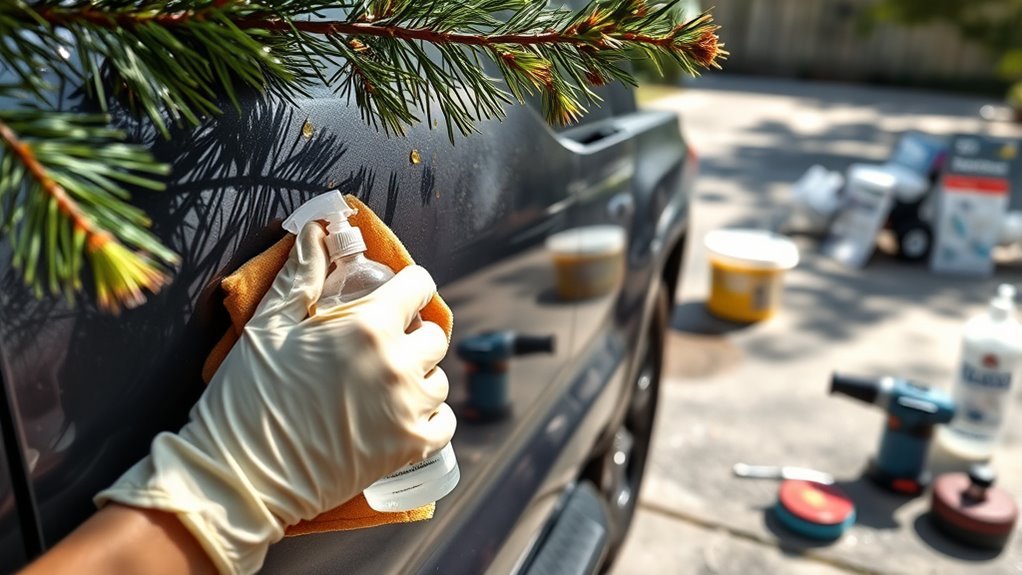
Hardened resin may need several treatment cycles. The safe escalation is more dwell-and-lift cycles within the product’s directions, not more pressure. Keep the panel cool, use fresh microfiber faces, and inspect after every pass.
- If the sap is still raised: Repeat short, label-compliant treatment cycles and lift what releases easily.
- If the sap is gone but the paint feels rough: Wash the area, then use a well-lubricated clay bar or synthetic clay mitt lightly.
- If there is a flat shadow or dull mark: Stop adding solvent. The finish may be stained or etched and could need polishing or paint correction.
- If paint is chipped, peeling, recently repainted, wrapped, or otherwise compromised: Avoid further solvent treatment until a professional or the surface manufacturer confirms the correct method.
Call a professional detailer when sap covers a large area, repeated safe treatment does not release it, the deposit sits on damaged paint, or a visible stain remains after the contamination itself is gone. The International Detailing Association detailer directory can help locate a detailing professional.
What Not to Use on Tacoma Paint
Avoid shortcuts that depend on abrasion or an unapproved solvent. Removing the sap is not a win if the method leaves permanent clear-coat damage.
- Do not scrape with a razor blade or other metal edge on painted panels.
- Do not use dry paper towels because trapped grit can be dragged across the clear coat.
- Do not use abrasive household pads because they can haze or scratch automotive paint.
- Do not use gasoline, brake cleaner, acetone, or lacquer thinner on Tacoma paint or adjacent plastics and trim.
- Do not let a cleaner dry on the panel unless its manufacturer specifically directs you to do so.
- Do not rely on dish soap as a sap remover because it is not designed to dissolve hardened resin or provide the controlled surface compatibility of an automotive sap-removal product.
If the contaminant is black petroleum-based road tar rather than tree sap, use a tar-specific process. See how to remove road tar from Toyota Tacoma paint for that separate workflow.
Wash, Rinse, and Protect After Sap Removal
After the sap is removed, wash the treated area with automotive shampoo and clean water. This removes cleaner residue and loosened contamination. Dry the panel with clean microfiber, then inspect it from several angles. If the paint looks clean and glossy, restore any wax or sealant that the cleaning process reduced. If a flat stain, dull ring, or other defect remains after the surface is clean, stop before polishing aggressively.
When washing at home, keep runoff in mind. The U.S. Environmental Protection Agency notes that outdoor car washing can send detergent-rich water containing nutrients, metals, hydrocarbons, and other pollutants toward storm drains. The EPA suggests directing wash water to pervious areas such as grass or gravel where appropriate, limiting detergent, protecting storm drains, or using commercial facilities that manage wash water. Always follow local rules.
Prevent Sap Damage: Ceramic Coating, Checks, and Tree Habits
Paint protection can make future cleanup easier, but it does not make a Tacoma sap-proof. Wax, sealant, compatible paint protection film, or a properly maintained ceramic coating can provide an additional layer between contamination and the underlying finish. Tree sap should still be removed promptly.
| Action | Frequency | Purpose |
|---|---|---|
| Visual paint check | After parking under trees or after storms | Catch sticky contamination before it hardens |
| Wash contaminated panels | As soon as practical | Reduce prolonged contact with the finish |
| Wax or sealant top-up | According to the protection product’s instructions | Maintain the intended protective layer |
| Ceramic coating maintenance | As recommended by the coating maker or installer | Maintain the coating’s intended performance |
Avoid parking under trees where sticky material is visibly dripping or collecting on vehicles and pavement when practical. If tree parking is unavoidable and you use a vehicle cover, put it only on a clean truck and follow the cover manufacturer’s instructions; trapped dirt can rub against paint as the cover moves.
Frequently Asked Questions
Will Goo Gone remove tree sap from car paint?
Yes. Goo Gone Automotive Spray Gel lists tree sap among its intended uses and says the automotive product is safe on clear coat when used as directed. Pretest it on an inconspicuous area, follow its label, wipe with a clean cloth, and clean the treated area with soap and water afterward.
Can tree sap permanently damage car paint?
Yes, tree sap can leave staining, dullness, or etching when it remains on the finish long enough, especially with repeated heat exposure. Toyota lists tree sap among contaminants that should be washed from the paint immediately, so early cleaning is the safer approach.
Will Dawn remove sap?
Dish soap may clean ordinary dirt around a sap spot, but it is not a purpose-made automotive sap remover. Start with car shampoo and warm water, then use a paint-safe automotive sap-and-tar remover if the resin remains.
Can I use rubbing alcohol on Tacoma paint?
Isopropyl alcohol is sometimes used for small adhesive or sap residue, but it should not be the first choice when a consumer-labeled automotive sap remover is available. Compatibility can differ with paint protection film, vinyl, coatings, and repaired paint. Test first, keep contact brief, never let it dry on the surface, wash afterward, and stop if the finish changes.
Can I remove sap from Tacoma glass the same way?
Start with the same gentle principle: clean away grit, soften the contamination, and use a glass-compatible cleaner or remover with microfiber. Do not assume a technique that is acceptable on plain glass is safe for tint film, hydrophobic coatings, mirror surfaces, plastic trim, or painted edges. Avoid metal scraping tools unless the glass and coating manufacturer specifically allows that method.
Conclusion
To remove tree sap from Toyota Tacoma paint safely, start with the least aggressive method that can do the job. Wash away dirt, soften fresh sap with warm moisture, move to a labeled automotive sap remover only when needed, and use repeated light treatment instead of force. Wash the panel afterward and restore compatible protection. If the deposit is gone but a flat dull ring, stain, or etched-looking mark remains, stop using solvent and have the finish assessed before trying more aggressive correction.
Sources
- Toyota Owners: Cleaning and Protecting the Vehicle Exterior — supports prompt washing when tree sap or coal tar is present on the paint surface.
- Goo Gone Automotive Spray Gel — supports tree-sap use, automotive clear-coat compatibility, pretesting, label-directed dwell, and follow-up cleaning.
- Cars.com: How to Remove Tree Sap From Your Car — supports prompt removal and the risk of staining or clear-coat damage when sap is left untreated.
- U.S. EPA: Vehicle Maintenance and Washing Best Management Practices — supports responsible vehicle washing and stormwater-runoff guidance.
- International Detailing Association: Find a Detailer — provides a directory for locating detailing professionals when DIY treatment should stop.


[…] tree sap specifically, see the Toyota Tacoma tree-sap removal guide. Do not test an unknown contaminant by escalating immediately to a stronger […]