A Hyundai Sonata maintenance log is a simple record of every service, inspection, repair, recall, receipt, and mileage-based reminder for your car. It helps you stay on schedule, spot repeat problems early, support warranty questions, and give future buyers a cleaner service history.
Quick Answer
To build a Hyundai Sonata maintenance log, record the service date, mileage, work performed, parts and fluids used, shop name, cost, receipts, and next due date. Use your Sonata’s model-year owner’s manual or Hyundai’s maintenance schedule tool first, because intervals can vary by engine, hybrid model, mileage, and driving conditions.
Key Takeaways
- Start with the correct Sonata schedule for your model year, VIN, engine, and driving conditions.
- Record mileage, date, service details, shop name, parts, fluids, cost, and receipt proof every time.
- Track recalls, warranty repairs, brake inspections, tire rotations, fluid checks, and battery-related work.
- Use a spreadsheet, app, folder, or notebook, but back up receipts so you can prove the work later.
- A complete log can improve buyer confidence and make warranty or resale conversations easier.
At a Glance
| Time Required | 20–30 minutes to set up; 2–5 minutes after each service |
| Difficulty | Easy |
| Tools Needed | Owner’s manual, VIN, receipts, spreadsheet/app/notebook, calendar reminders |
| Cost | Free with a spreadsheet or notebook; optional paid apps for extra features |
Why You Need a Maintenance Log for Your Hyundai Sonata

A detailed maintenance log gives you one place to see what has been done, what is due next, and which repairs keep repeating. That matters for everyday reliability, but it also matters when a shop, dealer, warranty provider, or buyer asks for proof.
Hyundai provides an official vehicle maintenance schedule tool and an owner’s manual portal. Use those first, because a Sonata’s exact maintenance needs can vary by model year, engine, hybrid or non-hybrid setup, mileage, and normal versus severe driving conditions.
Note: A maintenance log does not guarantee warranty approval. It helps show that you followed the required maintenance schedule and kept proof of service.
Start With the Correct Sonata Maintenance Schedule
Before you create reminders, confirm the schedule for your exact vehicle. The safest method is to check your owner’s manual, use Hyundai’s schedule tool, or ask a Hyundai service department to confirm the interval for your VIN.
Many owners think every Sonata follows the same oil-change and tire-rotation interval. That can lead to missed service or unnecessary work. Driving conditions also matter. Short trips, heavy traffic, dusty roads, extreme heat or cold, mountain driving, rideshare use, and frequent idling may place the vehicle under a more demanding service schedule.
- Check the model year: Do not rely on a generic Sonata schedule from another year.
- Check the powertrain: Hybrid models may have extra inspection items.
- Check driving conditions: Severe-use schedules can require more frequent service.
- Check warranty status: If your Sonata is under warranty, keep repair orders, invoices, and receipts.
- Check recalls: Use the NHTSA recall lookup by VIN and record completed recall repairs.
What to Record in Your Sonata’s Maintenance Log
A useful maintenance log should be specific enough that someone else can understand the service history without guessing. Record the basics every time, even for small jobs like wiper blades or tire-pressure checks.
| What to Record | Details to Include |
|---|---|
| Service Date & Mileage | Log the exact date and odometer reading for each oil change, tire rotation, inspection, or repair. |
| Service Performed | Write the task clearly, such as oil and filter change, brake inspection, battery test, tire rotation, recall repair, or coolant inspection. |
| Parts, Fluids & Costs | List oil viscosity, filter part numbers, tires, brake parts, battery details, labor, taxes, and total cost. |
| Shop & Receipt Proof | Save the shop name, invoice number, technician notes, warranty claim number, and a photo or PDF of the receipt. |
| Next Due Date | Add the next mileage or date for the same service based on your official schedule. |
Pro Tip: Photograph the receipt before you leave the shop. Paper receipts fade, but a clear digital copy keeps the service record readable years later.
Maintenance Log Sheet Template for a Hyundai Sonata
You can create your Sonata maintenance log in a spreadsheet with these columns:
| Date | Mileage | Service | Parts / Fluids | Shop or DIY | Cost | Receipt Saved? | Next Due | Notes |
|---|---|---|---|---|---|---|---|---|
| 2026-03-12 | 45,210 | Oil and filter change | Oil type, filter part number | Dealer or independent shop | $– | Yes | Next manual interval | No leaks found |
| 2026-04-02 | 46,000 | Tire rotation | Torque check, tire pressure | Shop or DIY | $– | Yes | Next manual interval | Record tread depth if measured |
| 2026-05-18 | 48,300 | Brake inspection | Pad thickness, rotor condition | Shop | $– | Yes | Next inspection | Note any noise or vibration |
How to Create Your Sonata Maintenance Log Step by Step
- Find your official schedule. Use your owner’s manual, Hyundai’s schedule tool, or a Hyundai dealer service advisor.
- Choose one main tracking method. Pick a spreadsheet, app, notebook, binder, or cloud folder.
- Add your starting information. Record VIN, model year, trim, engine, current mileage, tire size, and warranty status.
- Enter past service records. Add older receipts, dealer invoices, tire purchases, warranty repairs, and recall work.
- Create reminders. Add calendar alerts by mileage and date for oil changes, tire rotations, inspections, registration, and insurance.
- Update the log immediately. Do it the same day as service so you do not lose receipt details.
- Back it up. Keep digital copies in cloud storage or email them to yourself after major service.
Model-Specific Maintenance Tips for Your Hyundai Sonata
Your maintenance log should match the Sonata you actually drive. A recent gas Sonata, an older Sonata, and a Sonata Hybrid may have different inspection items and service priorities.
[Products Worth Considering]
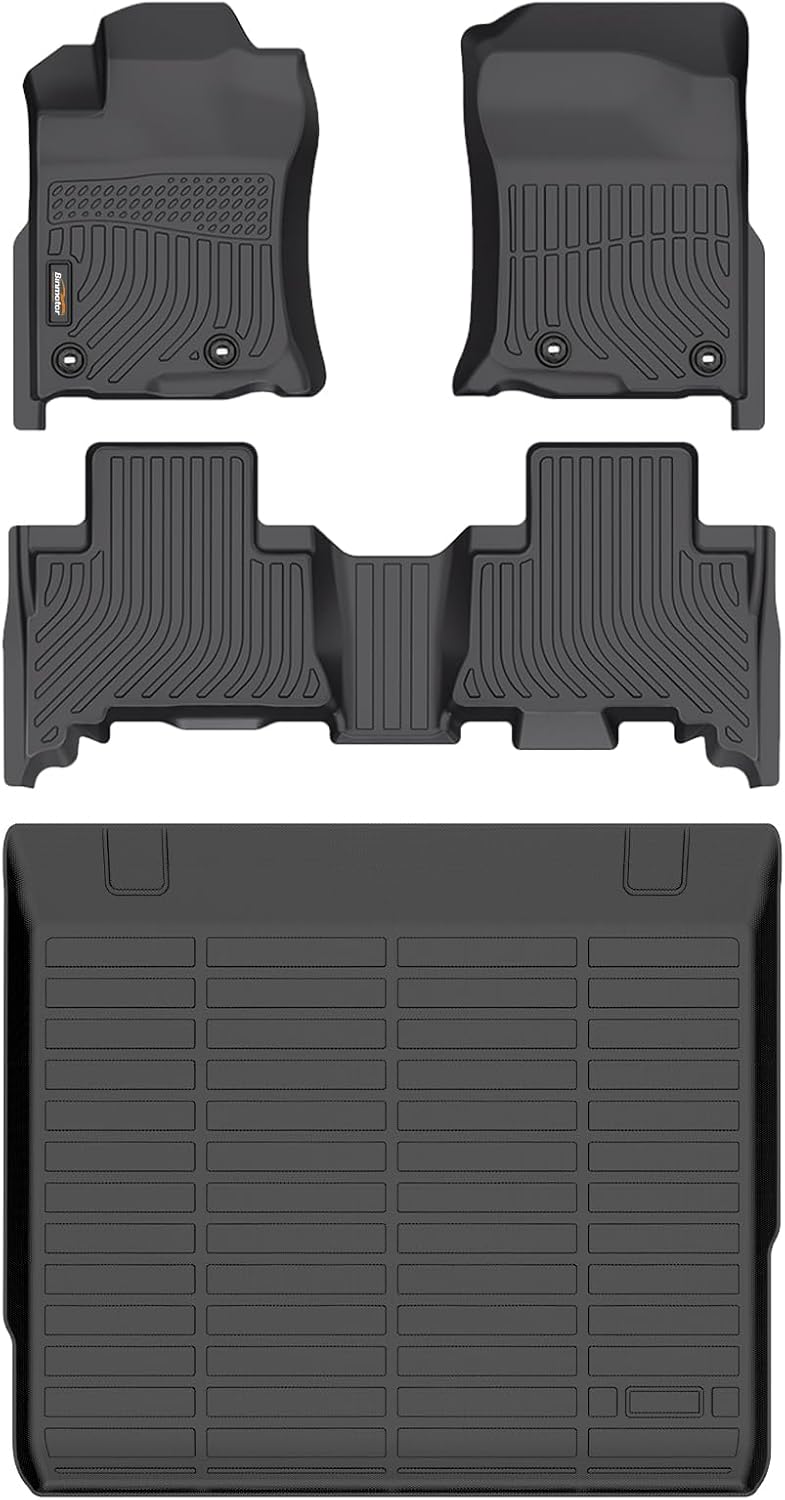
These custom-fit floor mats and cargo liner are designed for select Toyota 4Runner models and provide full-coverage protection for your interior. Made from durable TPE material with raised edges and non-slip buckles, they help contain dirt, spills, snow, and debris while staying securely in place. The waterproof design is easy to clean, making them a practical all-weather upgrade for everyday driving.
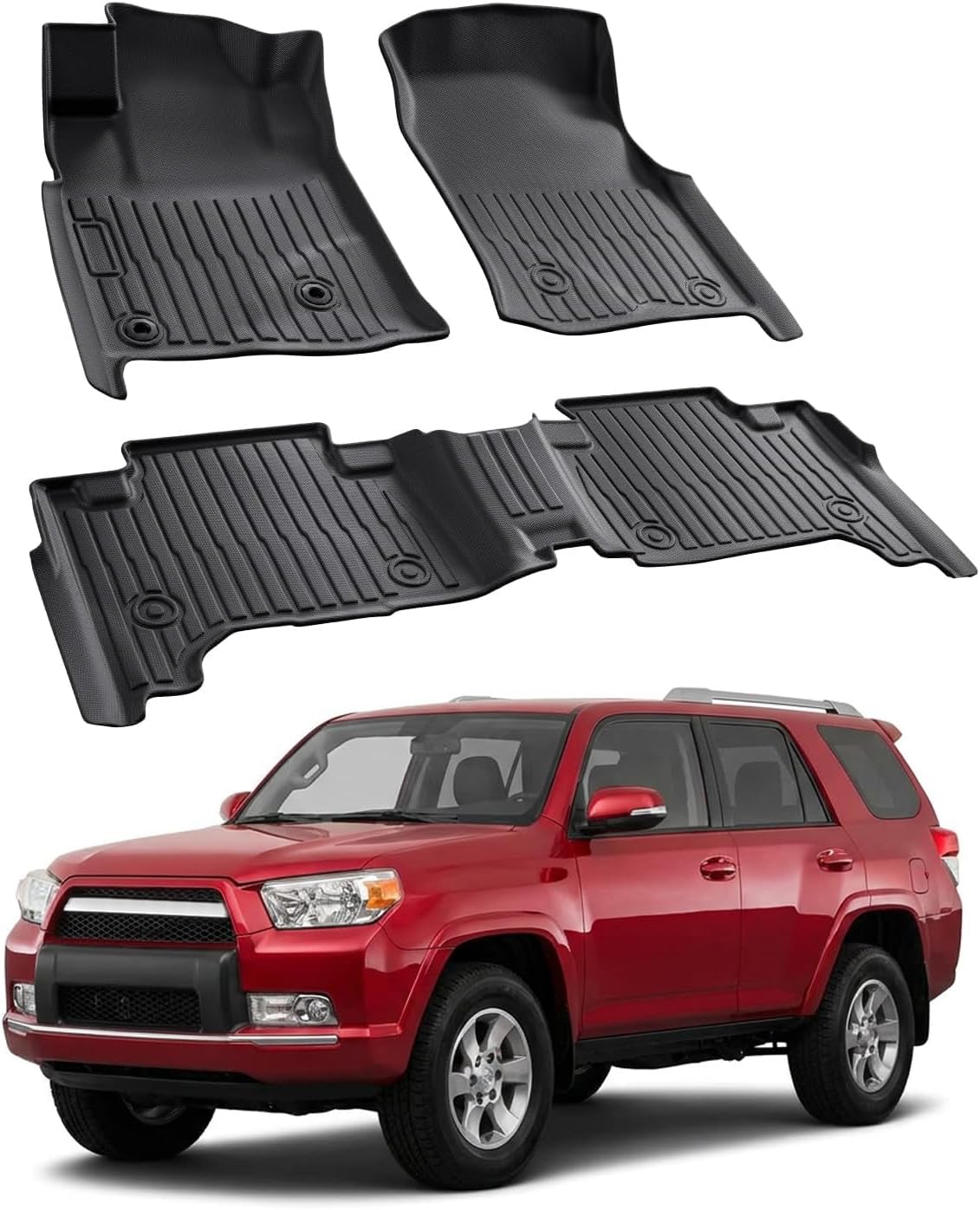
These custom-fit floor mats are designed for Toyota 4Runner models from 2003 to 2009, offering edge-to-edge coverage for a factory-like fit without trimming. Built for all-weather protection, they help shield your interior from mud, snow, sand, rainwater, and daily debris while staying securely in place. The durable TPE construction is flexible, easy to clean, and made to handle regular use with minimal maintenance.
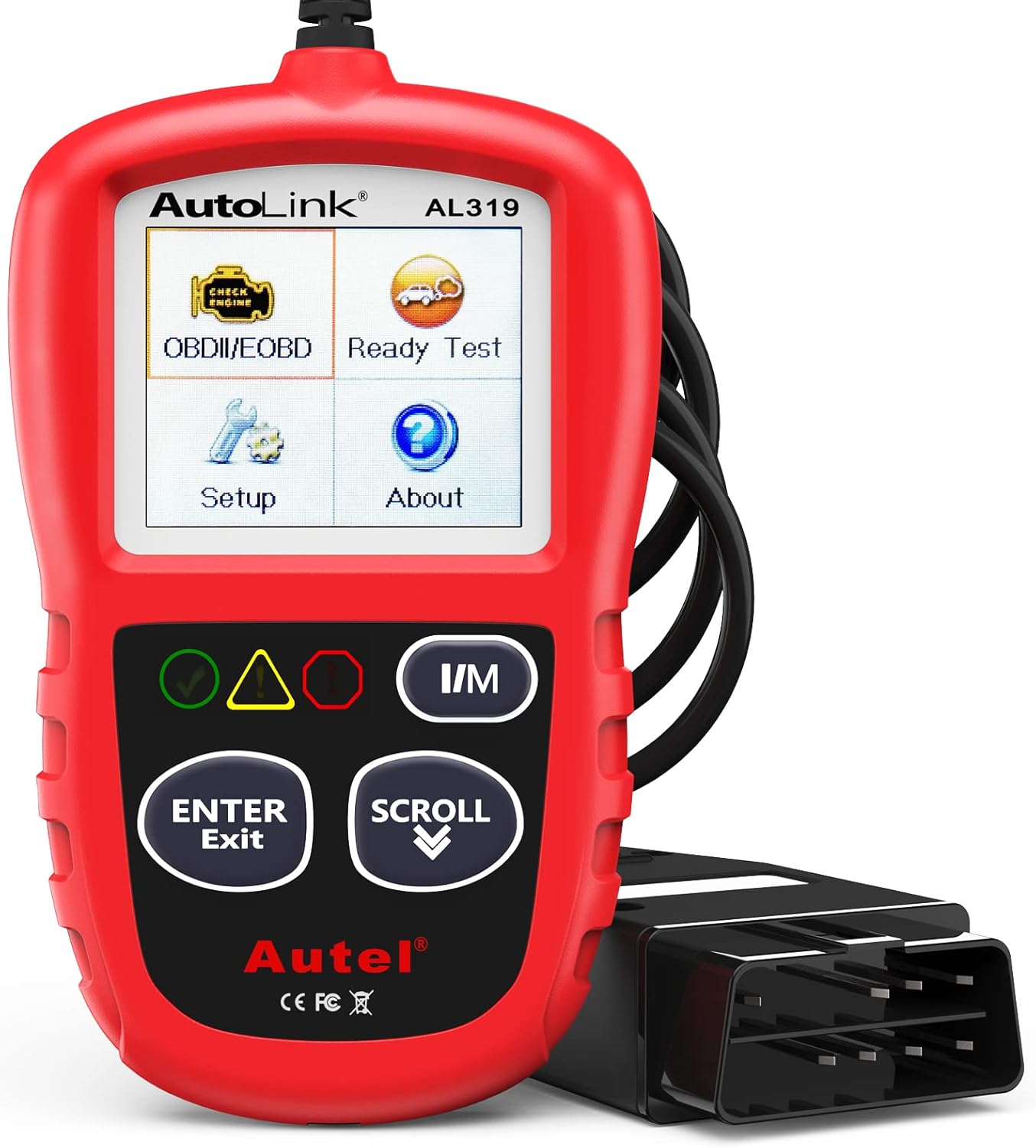
The Autel AL319 is a user-friendly OBD2 scan tool designed to help drivers quickly diagnose check engine light issues and understand vehicle fault codes. It supports reading and clearing DTCs, live data, freeze frame, I/M readiness, and vehicle information, making it a practical choice for DIYers and everyday car owners. With plug-and-play operation, a color display, built-in speaker, and broad vehicle compatibility, it delivers fast, reliable diagnostics without complicated setup.
Essential Fluid Checks
Track engine oil, coolant, brake fluid, washer fluid, and any dealer-recommended transmission service. Do not guess at fluid type or interval. Write down the exact specification used, especially for engine oil, coolant, brake fluid, and transmission-related service.
If a shop tops off a fluid, record why. A one-time top-off may be normal, but repeated low coolant, brake fluid, or oil can point to a leak or wear issue that deserves inspection.
Brake System Maintenance
Record brake inspections, brake-pad measurements, rotor condition, brake-fluid checks, and any brake noise or vibration. If your Sonata squeaks, grinds, pulls while braking, or shows a brake warning light, schedule a professional inspection instead of waiting for the next routine interval.
Warning: Do not use a maintenance log as a substitute for diagnosis. Brake warning lights, overheating, oil-pressure warnings, charging-system warnings, or unusual engine noises should be inspected promptly.
Tires, Battery, and Recalls
For tires, record rotation dates, tread depth, tire pressure, alignment work, puncture repairs, and replacement date. For the battery, record battery tests, replacement date, warranty period, and any charging-system diagnosis. For recalls, check your VIN with NHTSA and record the campaign number, repair date, and dealer invoice.
Choosing Your Sonata’s Maintenance Tracking Method
The best tracking method is the one you will actually update. A simple spreadsheet is often enough for one vehicle. An app can be better if you want automatic reminders, receipt uploads, and multi-vehicle tracking.
[Products Worth Considering]

Turn your iPhone, Android device, or Windows PC into a professional-grade diagnostic scan tool with this Bluetooth OBD2 adapter. It is designed for broad vehicle compatibility and supports popular apps for deeper diagnostics, live data, and code clearing. Built-in protections and firmware updates help keep your vehicle and scanner safe while delivering reliable performance.

Veepeak OBDCheck BLE+ is a Bluetooth OBD-II scanner designed to help drivers read and clear check engine codes, view freeze frame data, check readiness monitors, and monitor live sensor data. It works with compatible third-party apps on iOS and Android, making it a versatile tool for standard vehicle diagnostics and routine car health checks. Advanced features may be available through supported apps on select vehicles, but special service functions are not supported.
Digital Tracking Options
- Spreadsheet: Best for owners who want full control and easy exporting.
- Cloud folder: Best for storing receipt photos, PDFs, warranty paperwork, and inspection reports.
- CARFAX Car Care: Useful for service reminders and reported service history.
- AUTOsist: Useful for receipt uploads, records, reminders, and multi-vehicle tracking.
- Drivvo: Useful for fuel, expenses, service costs, and reminders.
Manual Record Keeping
A paper notebook or binder still works well if you keep it organized. Use plastic sleeves for receipts, divide records by year, and write the odometer reading on every invoice. If you use paper, take phone photos of each receipt as a backup.
Top Apps and Tools for Hyundai Sonata Maintenance Tracking
Choose your tool based on how much detail you need:
| Tool | Best For | Watch Out For |
|---|---|---|
| Spreadsheet | Free, customizable maintenance records | You must create your own reminders |
| CARFAX Car Care | Service reminders and reported service history | Not every repair shop reports every service |
| AUTOsist | Receipt uploads, logs, and multi-vehicle records | Some features may require a paid plan |
| Drivvo | Fuel, expenses, maintenance, and cost tracking | Works best when you update it consistently |
| Binder + cloud folder | Warranty proof and resale paperwork | Needs manual organization |
[Products Worth Considering]

Replacement: For Remote fob P/N: 95430-C1010, 95430-C1000; FCC ID: TQ8-RKE-4F16; Flip Key Fob Replacement Suitable for 2014-2017 Hyundai Sonata Programming Methord: Theis...
Effective Reminder Strategies for Your Sonata’s Maintenance

Set reminders by both mileage and date. Mileage reminders catch driving-heavy months. Date reminders catch low-mileage owners who still need time-based inspections and fluid checks.
- Use calendar alerts: Add oil changes, tire rotations, inspections, registration, and insurance renewal dates.
- Use mileage checkpoints: Check your log every time you fuel up or at least once per month.
- Use dashboard notes: Record warning lights, noises, or vibrations as soon as they happen.
- Use receipt folders: Create folders by year, such as “2026 Sonata Maintenance.”
- Use backup reminders: Keep one digital copy and one receipt copy for major repairs.
How Your Maintenance Log Can Help Warranty and Resale
A maintenance log can make warranty and resale conversations easier because it shows dates, mileage, service work, receipts, and shop details. Hyundai warranty information emphasizes following the owner’s manual and keeping proof of service. If a question comes up later, a clean log is much easier to use than a pile of missing receipts.
For resale, records build trust. A buyer can see that oil changes, tire rotations, brake inspections, recalls, and repairs were handled instead of guessed. CARFAX notes that a well-maintained car can be worth more than one without a strong service history, so your records may help support your asking price.
A maintenance log is not just a reminder list. It is proof that you cared for the car on schedule.
Common Maintenance Log Mistakes to Avoid
- Using one generic interval for every Sonata: Always check the schedule for your model year and driving conditions.
- Forgetting mileage: A date without mileage is less useful for service planning and resale proof.
- Losing receipts: Save a photo or PDF copy after every service.
- Only tracking oil changes: Include tires, brakes, fluids, recalls, batteries, inspections, and major repairs.
- Not recording DIY work: If you do the work yourself, save parts receipts and write down the date, mileage, and fluid specifications.
- Ignoring recalls: A recall repair should be recorded like any other important service.
Frequently Asked Questions
How do I create a vehicle maintenance log for a Hyundai Sonata?
Start with your Sonata’s owner’s manual or Hyundai’s maintenance schedule tool. Then create columns for date, mileage, service performed, parts and fluids, shop name, cost, receipt proof, notes, and next due date. Update the log after every service, repair, inspection, or recall visit.
How do I make a maintenance log sheet?
Use a spreadsheet with columns for service date, odometer reading, work completed, parts used, fluid specifications, labor cost, total cost, receipt link, shop name, and next service reminder. Freeze the header row and sort by mileage so the history stays easy to read.
What is the maintenance schedule for a Hyundai Sonata?
The schedule depends on model year, engine, hybrid status, mileage, and driving conditions. Many Sonata owners see routine items such as oil changes, tire rotations, brake inspections, and fluid checks at recurring intervals, but you should confirm the exact schedule in your owner’s manual or Hyundai’s official maintenance schedule tool.
What should be included in a maintenance log?
Include date, mileage, service type, parts and fluids used, shop name, technician notes, cost, receipt or invoice number, warranty claim details, recall campaign numbers, and the next due date or mileage. For DIY service, keep parts receipts and write down the exact specifications used.
Does a maintenance log help with Hyundai warranty claims?
It can help because it gives you proof that the vehicle was maintained according to the required schedule. Keep original repair orders, invoices, and receipts when possible. Warranty decisions still depend on Hyundai’s warranty terms, the vehicle’s condition, and the cause of the problem.
Conclusion
Keeping a maintenance log for your Hyundai Sonata is one of the easiest ways to stay ahead of service, protect your records, and make ownership less stressful. Start with the correct Hyundai schedule, record every service with date and mileage, save receipts, track recalls, and set reminders before the next service is due. A few minutes of logging now can prevent confusion, missed maintenance, and lost proof later.
Sources
- Hyundai USA Vehicle Maintenance Schedule — official maintenance schedule lookup.
- Hyundai Owner’s Manual Portal — official model-year manual reference.
- Hyundai Warranty Coverage — warranty coverage overview and owner reference.
- MyHyundai Complimentary Maintenance — eligible vehicle maintenance coverage details.
- NHTSA Recalls — VIN-based safety recall lookup.
- CARFAX Maintenance Schedules — service-history and resale-value context.