Camry-low-oil-warning-light”>
What’s in This Article
- What Does the Low Oil Warning Light Indicate?
- How to Check Your Oil Level Properly
- Top Causes of Low Oil Pressure Warnings in Your Camry
- Oil Warning Light vs. Oil Change Reminder
- Immediate Steps When the Low Oil Pressure Light Comes On
- Risks of Ignoring Low Oil Pressure Alerts
- When to Consult a Mechanic for Low Oil Pressure
- Preventative Maintenance Tips for Your Toyota Camry
- How Oil Pumps Work and What Can Go Wrong
- Real Camry Owner Stories
- Frequently Asked Questions
Your Camry’s low oil warning light just turned on and your stomach just dropped. That small dashboard symbol can mean the difference between a quick top-up and a destroyed engine. This guide explains exactly what triggers the warning, what to do right now, and how to prevent it from coming back.
Quick Answer
The low oil warning light in your Toyota Camry signals either low oil level or low oil pressure. Stop driving, check the dipstick on level ground, and add the correct oil if the level is low. If the light stays on after topping up, take your vehicle to a mechanic right away. A faulty oil pump or pressure sensor may be the real cause.
Key Takeaways
- The low oil warning light signals low oil level or low oil pressure — both require immediate action.
- Pull over safely, let the engine cool, and check the dipstick before adding any oil.
- If the light stays on after topping up, a faulty pressure sensor or oil pump may be at fault.
- Regular oil changes every 5,000 to 10,000 miles prevent most low-pressure warnings.
- Driving with the low oil pressure light on can cause permanent engine damage within minutes.
What Does the Low Oil Warning Light Indicate?
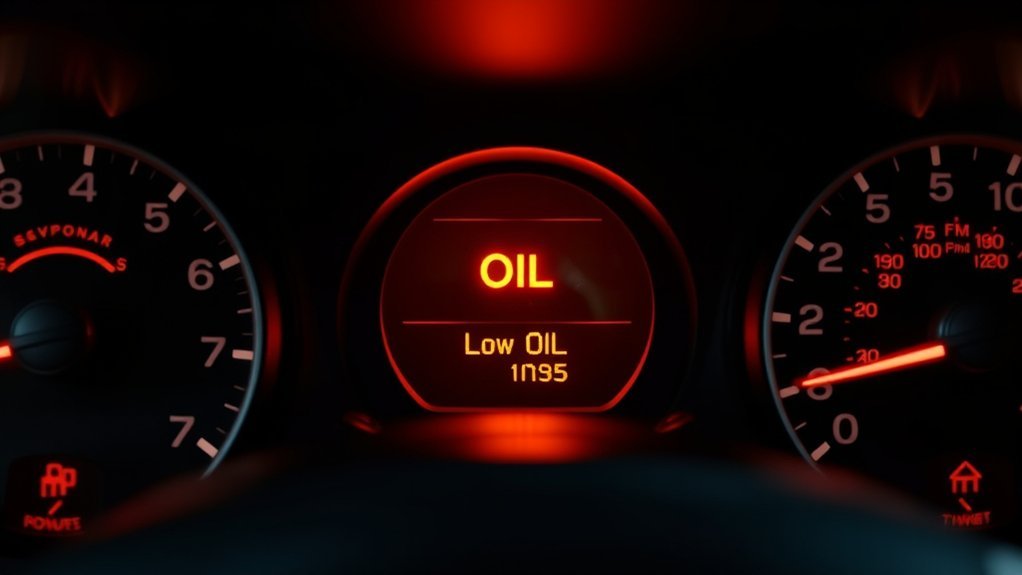
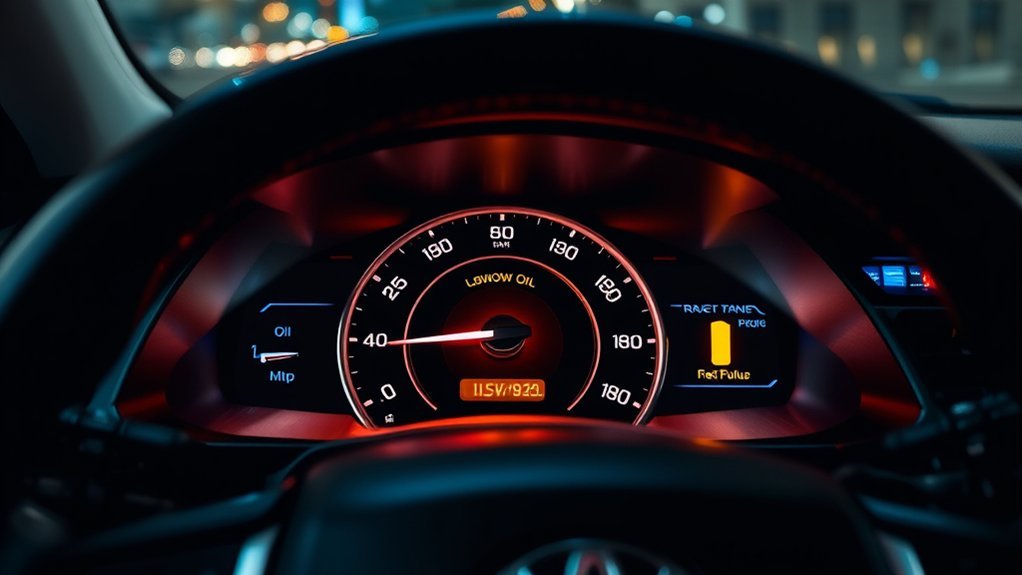
The low oil warning light on your Camry looks like a small genie lamp with an oil drop, or it displays a red “OIL” text. Both versions carry the same message: your engine needs attention now. The light activates when oil pressure drops below a safe level or when the oil level itself falls too low.
Low oil levels usually come from leaks or missed oil changes. Low oil pressure points to a deeper problem: a failing oil pump, clogged oil passages, or a faulty pressure sensor. Either way, the outcome without action is the same. Metal parts grind against each other, wear accelerates, and engine failure follows.
Understanding what this light means is the first step toward protecting your engine. Knowing how to respond is the second.
How to Check Your Oil Level Properly
Checking your oil level takes less than five minutes and can save you from a very expensive repair. Always check on level ground after the engine has cooled for at least 10 minutes to get an accurate reading.
Use the dipstick: pull it out, wipe it clean with a lint-free cloth, reinsert it fully, then pull it out again. The oil should fall between the “MIN” and “MAX” marks. Below the minimum means you need to top up immediately.
Here’s a quick reference for the full checking process:
| Step | Action | Why It Matters |
|---|---|---|
| Park on level ground | Find a flat surface | Prevents misleading readings |
| Let engine cool | Wait 10 minutes after shutoff | Oil settles back into the pan |
| Clean the dipstick | Wipe with a clean cloth | Removes old oil for a clear reading |
| Reinsert fully | Push all the way in before pulling out | Avoids false low readings |
| Read the level | Check between MIN and MAX marks | Confirms if topping up is needed |
Check the oil color too. Healthy oil looks amber or light brown. Black, gritty oil means an oil change is overdue. Milky or foamy oil could signal coolant mixing into the oil — a serious problem that needs a mechanic visit right away.
Top Causes of Low Oil Pressure Warnings in Your Camry
Several things can trigger a low oil pressure warning in your Camry. Some are simple fixes. Others need professional repair. Knowing the difference saves time and money.
Common Sensor Failures
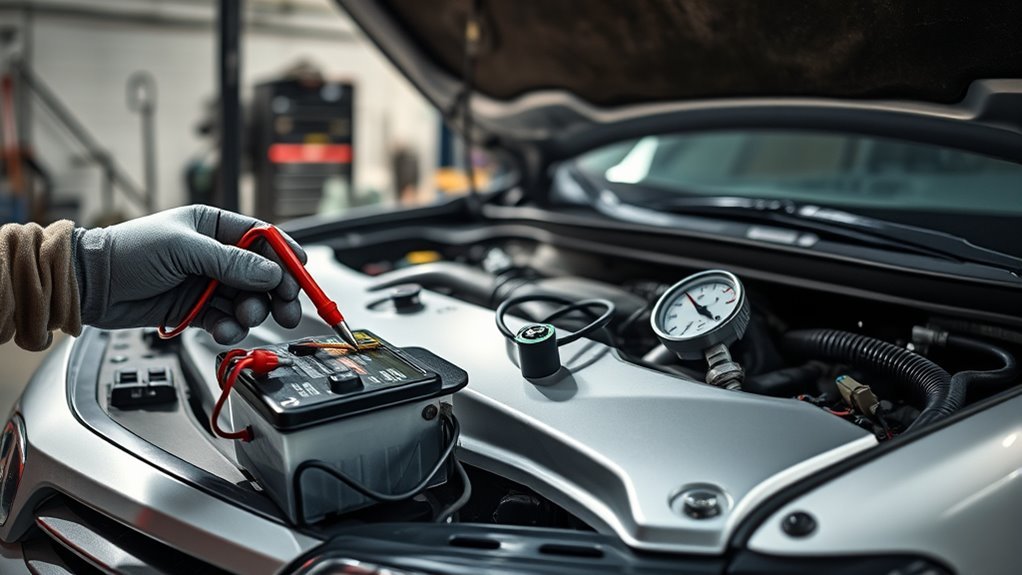
A faulty oil pressure sensor is one of the most common causes of false low-pressure warnings. The sensor reads pressure from inside the engine and sends a signal to the dashboard. When it malfunctions or drifts out of calibration, it can trigger the warning light even when oil levels and pressure are normal.
Oil pump problems and blocked oil passages can cause actual pressure drops that the sensor then detects correctly. Excessive bearing clearances from engine wear also reduce pressure readings. Using the wrong oil viscosity creates misleading sensor data, so always use the grade your owner’s manual specifies.
Oil Leaks and Consumption
Sensors can mislead you, but oil leaks and high consumption are real threats that trigger these warnings. Watch for these three signs:
- Oil puddles under the car: Spots on the ground where you park point to an active leak from a gasket, seal, or drain plug.
- Frequent top-ups needed: Adding oil more than once between changes often signals worn piston rings or valve seals burning oil internally.
- Clogged oil passages: Sludge from skipped oil changes restricts oil flow and forces the pump to work harder, accelerating wear.
Stay consistent with your oil change schedule to avoid sludge buildup. A persistent burning smell or blue smoke from the exhaust means the engine needs inspection right away.
The Difference Between the Oil Warning Light and the Oil Change Reminder
These two lights look similar but mean very different things. Mixing them up can cost you an engine.
The oil change reminder is a routine planning alert. It turns on based on mileage or a set time interval to tell you scheduled maintenance is due. You can book an appointment and handle it within the week.
The oil warning light is an emergency. It signals that your engine lacks adequate oil pressure or that oil levels have dropped to a dangerous level. The red genie lamp or “OIL” text demands action within seconds, not days. Pull over as soon as it’s safe to do so.
Warning: Don’t drive more than a short distance with the oil pressure light on — running an engine with low oil pressure can destroy bearings and seize the engine within minutes.
Immediate Steps When the Low Oil Pressure Light Comes On
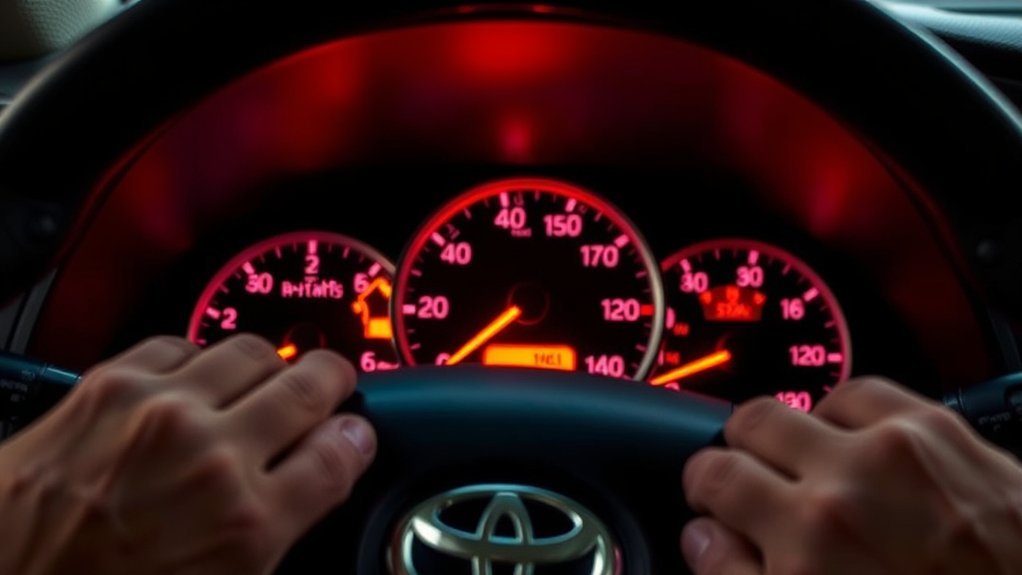
Speed matters when that light turns on. Follow these steps in order.
Check Oil Level Right Away
- Pull over safely: Find a level spot, turn off the engine, and wait 10 minutes for the oil to settle and the engine to cool.
- Check the dipstick: Remove it, wipe it clean, reinsert fully, then pull out and read the level. It should fall between MIN and MAX.
- Top up if low: Add the oil type and viscosity listed in your owner’s manual. Don’t overfill — stay within the MAX mark.
Identify the Cause of the Warning
If the oil level reads fine but the light stays on, a low oil level isn’t the issue. A faulty oil pressure sensor or a failing oil pump could be triggering the warning. Neither is safe to ignore. A mechanic can run a diagnostic test to confirm which component needs attention.
Regular oil changes and timely top-ups prevent most low-pressure warnings from occurring in the first place.
Resetting the Oil Warning Light
Adding oil doesn’t automatically reset the warning light on all Camry models. If the light stays on after topping up and you’ve confirmed the level is correct, start the engine and let it idle for one minute. Some Camry models need a manual reset through the dashboard’s Multi-Information Display menu. Check your owner’s manual for the exact reset procedure for your model year.
Risks of Ignoring Low Oil Pressure Alerts
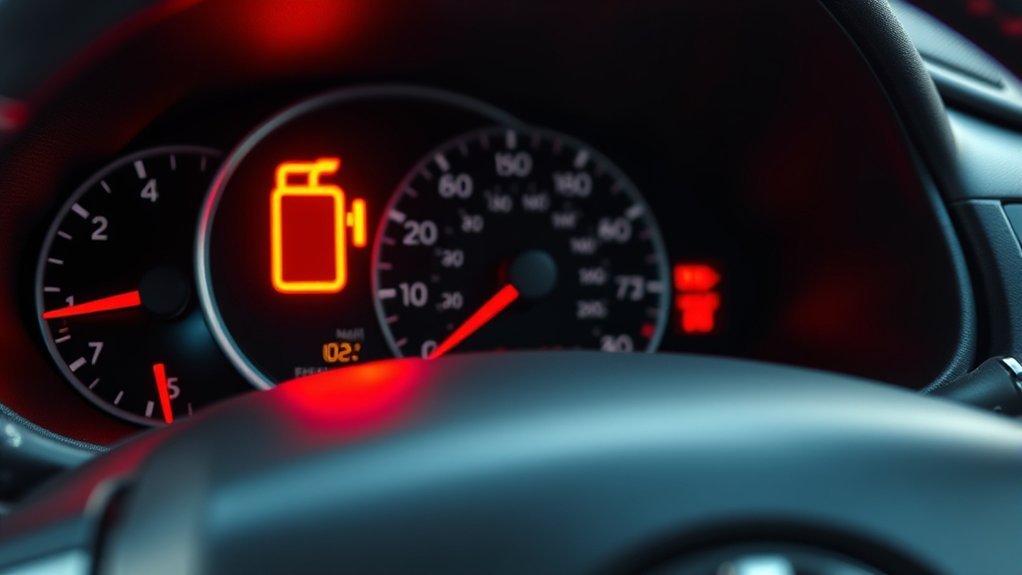
Ignoring a low oil pressure alert puts your engine at serious risk. Driving through the warning leads to these outcomes:
- Increased engine wear: Without enough lubrication, metal components grind together. Bearings, camshafts, and cylinder walls wear out quickly and unevenly.
- Severe mechanical failures: A failing oil pump or clogged passages can drop pressure fast. In the worst cases, the result is catastrophic internal failure requiring a full engine replacement.
- Overheating and seizure: Oil carries heat away from engine components. Low pressure means less cooling. Sustained heat causes the engine to seize completely.
Prompt action also protects your warranty. Repeated ignored low-pressure events can void your powertrain warranty and complicate future claims.
When to Consult a Mechanic for Low Oil Pressure
Immediate Engine Damage Risks
The low oil pressure warning light signals danger to your engine every second it stays lit. Inadequate oil pressure leads to three outcomes in quick succession:
- Bearing failure: Oil keeps bearings from direct metal contact. Without it, friction destroys them fast.
- Overheating: Oil removes heat from moving parts. Low pressure means heat builds up with nowhere to go.
- Engine seizure: Left long enough, the engine locks up entirely and stops working.
Top up the oil if the level is low. If the warning stays on after that, book a mechanic visit the same day, not the same week.
Why the Oil Pressure Sensor Matters for Diagnosis
The oil pressure sensor monitors internal pressure and sends that data to your dashboard. A malfunctioning sensor can trigger false warnings even when oil levels and actual pressure are fine. This is why you shouldn’t assume the warning is always a false alarm.
A mechanic can test the sensor directly with a mechanical pressure gauge. If actual pressure reads normal but the warning light stays on, the sensor needs replacement. If actual pressure is low, the oil pump or passages need inspection.
How Early Professional Help Protects Your Engine
Addressing a low oil pressure warning early costs far less than addressing it late. A mechanic will work through these checks in order:
- Verify oil level: Confirm the system has enough oil to begin diagnosis.
- Test the pressure sensor: Rule out a faulty sensor before assuming a deeper problem.
- Inspect the oil pump: A worn or failing pump can’t maintain safe pressure even with a full oil level.
Don’t wait for a second or third warning event. Each one adds wear the engine doesn’t easily recover from.
Preventative Maintenance Tips for Your Toyota Camry
Most low oil pressure problems are preventable with basic habits. These five steps cover the essentials:
- Check your oil level monthly. Use the dipstick on a cold engine. Don’t rely on the dashboard warning as your first alert.
- Follow Toyota’s recommended oil change interval. Toyota recommends every 5,000 to 10,000 miles depending on your driving conditions and oil type. Check your owner’s manual for the interval specific to your Camry.
- Use the correct oil viscosity. Your owner’s manual lists the exact grade for your engine. Using the wrong viscosity affects pressure readings and lubrication performance across all driving conditions.
- Address dashboard alerts promptly. The oil warning light demands same-day action. The oil change reminder allows a planned appointment.
- Keep a service log. Document each oil change, top-up, and any warning light events. This record supports warranty claims and helps mechanics diagnose recurring issues faster.
Pro tip: Keep a spare quart of the correct oil for your Camry in the trunk so you can top up immediately if the warning light turns on away from home.
How Oil Pumps Work and What Can Go Wrong
The oil pump sits at the bottom of the engine and circulates oil under pressure to every moving part. Without it, the engine destroys itself within seconds of startup.
Three problems affect oil pumps most often:
- Mechanical failure: A worn pump loses the ability to build adequate pressure, triggering the warning light even with a full oil level.
- Clogged passages: Sludge from infrequent oil changes can block the oil pickup screen or passages, starving the pump of oil to circulate.
- Insufficient oil level: A pump can’t push what isn’t there. Leaks or consumption that go unnoticed leave the pump running dry.
Oil pump replacement on a Camry is a labor-intensive repair. Preventing the conditions that cause pump failure — through regular oil changes and prompt leak repair — costs far less than the alternative.
Real Camry Owner Stories: Addressing Low Oil Pressure Issues
Some 2022 Toyota Camry owners have reported unexpected low oil pressure warnings while braking or climbing hills. Many of these cases appear linked to software behavior rather than actual oil level problems. Some dealers have noted that certain Camry models use software-based oil level estimates rather than a dedicated physical oil level sensor, which can produce unexpected dashboard alerts during specific driving conditions.
Owner experiences vary. Some drivers found the warnings stopped after a dealer software update. Others linked the alerts to cruise control use, pointing to a logic-based trigger in the vehicle’s monitoring system. A smaller group of owners remain concerned about long-term engine health even after receiving reassurance from dealers.
If your Camry produces repeated warnings without a clear cause, document each event with the date, mileage, driving conditions, and oil level reading at the time. That record strengthens any warranty claim and gives your dealer the data needed to investigate properly.
Frequently Asked Questions
Does the Toyota Camry alert you when oil is low?
Yes, the Camry displays a low oil warning light when oil pressure or oil level drops below a safe threshold. Don’t rely on this light as your only check. Use the dipstick manually once a month for a more accurate reading, especially after long drives or on hilly terrain.
Can you just add oil if the level is low?
Yes, topping up the oil is the right first step. But adding oil only solves the problem if a low level caused the warning. If the light returns shortly after, you may have a leak, a failing pressure sensor, or an oil pump issue that needs professional diagnosis.
How long can you drive with the oil pressure light on?
You shouldn’t drive at all with the oil pressure light on. Pull over as soon as it’s safe to do so and turn off the engine. Driving even a short distance at full engine speed with low oil pressure can cause irreversible bearing damage or complete engine seizure.
Why does the oil pressure light come on when the oil level is full?
A full oil level doesn’t guarantee adequate pressure. A faulty oil pressure sensor, a worn oil pump, clogged oil passages, or incorrect oil viscosity can all cause a low-pressure warning even when the dipstick reads full. A mechanic can use a manual pressure gauge to confirm whether the issue is the sensor or actual pressure loss.
How often should you change oil in a Toyota Camry?
Toyota recommends oil changes every 5,000 to 10,000 miles for the Camry, depending on your model year, engine type, and whether you use conventional or full synthetic oil. Always follow the interval in your owner’s manual. The old 3,000-mile rule no longer applies to modern engines.
Conclusion
The low oil warning light is your engine asking for help. Act on it the moment it appears: pull over, check the dipstick, and add the correct oil if the level is low. If the light stays on, a mechanic needs to check the pressure sensor and oil pump before the engine suffers lasting damage.
The best outcome is one you never have to deal with. Consistent monthly oil checks, timely changes, and a quick response to any dashboard alert keep your Camry running reliably for years. Build that habit now and protect the engine that gets you everywhere you need to go.
References
- Toyota Camry Owner’s Manual — Oil Maintenance and Warning Light Guidance — Toyota Motor Corporation
- Oil Viscosity and Engine Wear Explained — Car and Driver
- Engine Oil and Oil Pressure: What Drivers Need to Know — AAA Automotive