If your Supra’s windshield keeps fogging, first find out where the moisture is forming. Fog on the inside usually means cabin humidity, wet mats, dirty glass, weak HVAC airflow, a clogged cabin filter, an A/C drain issue, or a water leak. Fog on the outside usually means humid air is condensing on cool glass, often after heavy A/C use. Use defrost, A/C, fresh air, and the right temperature change to clear it fast, then inspect the car for the moisture source that made it return.
Quick Answer
To fix a foggy Supra windshield, set the HVAC to windshield defrost, turn A/C on, use fresh-air mode instead of recirculation, raise the fan speed, and remove wet items from the cabin. If fog keeps coming back, inspect the cabin filter, A/C drain, door and hatch seals, windshield seal, carpets, and trunk area for hidden moisture.
Key Takeaways
- Inside fog usually comes from moisture trapped in the cabin; outside fog usually comes from humid air hitting cool glass.
- For fast clearing, use defrost + A/C + fresh air + high fan speed. Avoid long recirculation when the glass is fogging.
- Clean interior glass matters. Oily film from plastics, smoke, cleaners, or skin oils makes condensation stick faster.
- If fog returns every drive, look for wet carpet, a damp trunk, blocked drains, a dirty cabin filter, weak blower output, or a leaking heater core.
- Most A90/A91 GR Supras do not have a factory sunroof, so focus on the seals and drains your car actually has.
At a Glance
| Time Required | 2–5 minutes to clear fog; 20–60 minutes for basic moisture checks |
| Difficulty | Easy for HVAC and cleaning; moderate for leak tracing |
| Tools Needed | Microfiber towels, glass cleaner, flashlight, paper towels, optional anti-fog product |
| Cost | Usually $0–$25; more if a cabin filter, seal, A/C drain, blower, or heater-core repair is needed |
Is the Fog Inside or Outside the Windshield?

Start with one simple test: wipe a small spot with a clean finger or microfiber cloth. If the clear spot appears on the cabin side, the fog is inside. If wiping inside changes nothing and the wipers clear it, the fog is outside.
Interior windshield fog forms when warm, moist cabin air hits cooler glass. Common sources include passenger breath, wet shoes, damp floor mats, rain-soaked cargo, dirty glass, poor airflow, or water entering through a seal or drain path. The cure is to dry the cabin air and warm or stabilize the glass.
Exterior windshield fog forms when humid outside air hits glass that has been cooled by the A/C. This is common on warm, humid days when the cabin is cold. Use the wipers, reduce A/C intensity, raise the temperature slightly, or direct less cold air at the windshield.
Note: A clean windshield fogs less aggressively. Interior film from smoke, vinyl outgassing, greasy cleaners, and fingerprints gives moisture something to cling to.
Quick Fixes to Clear a Fogged Windshield Now
If the windshield fogs while you are driving, treat it as a visibility problem first and a repair problem second. Do this:
- Turn on front defrost. This directs airflow to the windshield and front side glass.
- Turn A/C on. A/C helps remove moisture from the air before it reaches the glass. In very cold weather, the compressor may cycle or limit operation, but leave A/C or defog mode selected if the system allows it.
- Use fresh-air mode. Recirculation traps humid cabin air. Toyota’s GR Supra climate-control guidance notes that recirculated-air mode may switch off automatically to help prevent window fogging, depending on conditions.
- Raise the fan speed. More airflow clears moisture faster.
- Adjust temperature based on fog location. For inside fog in cold weather, use warm, dry defrost air. For outside fog in hot, humid weather, reduce the A/C chill or use the wipers.
- Crack a window slightly if needed. This can help equalize humidity when the cabin is damp.
Warning: Do not keep driving with a fogged windshield. Pull over safely if you cannot restore a clear view within a few seconds.
[Products Worth Considering]

Bosch 6029C HEPA cabin air filter is designed to help keep your vehicle’s passenger compartment filled with clean, fresh, odor-free air. Its dense HEPA media and electrostatic layer are engineered to capture fine particles while the added cotton layer supports higher filtration capacity. Built with structural ribs for stability, it helps maintain filter shape and airflow performance over time.

Rain-X WeatherBeater wiper blades deliver dependable, conventional performance designed to meet or exceed OEM standards for quality and durability. The natural rubber squeegee, galvanized steel frame, and multiple pressure points work together to provide a clean, consistent wipe while resisting cracking, rust, and corrosion. A pre-installed multi-adapter helps simplify installation on many vehicles.

This Levoit cordless stick vacuum delivers powerful everyday cleaning with anti-tangle technology designed to handle pet hair with less hassle. It offers up to 50 minutes of runtime in Eco mode, flexible 180° flat reach for cleaning under furniture, and a 5-stage filtration system that captures fine particles for cleaner air. The lightweight design, LED lighting, and included pet and crevice tools make it a practical choice for quick dry-mess cleanup throughout the home.
Common Causes of Windshield Fog in Supras
Windshield fog is not random. It happens when moisture, glass temperature, and airflow line up the wrong way. On a Supra, the most common causes are interior moisture, weak HVAC drying, dirty glass, blocked airflow, and water intrusion.
Interior Moisture Sources
Check the easy moisture sources first. Wet floor mats, damp shoes, soaked jackets, gym bags, towels, umbrellas, and wet cargo can raise cabin humidity quickly. Even one saturated mat can keep fog coming back for days.
- Lift the floor mats. Feel the carpet underneath, especially near the footwells.
- Check the hatch/trunk area. Look under the cargo floor and around the spare-tire or storage well, if equipped.
- Dry wet items outside the car. Do not leave towels, shoes, or wet detailing cloths in the cabin overnight.
- Use absorbent towels temporarily. They help, but they do not replace fixing the leak or moisture source.
HVAC and Ventilation
The HVAC system clears fog by moving dry air across the windshield. If airflow is weak, misdirected, or too humid, the glass stays hazy. The Toyota Supra climate-control manual identifies air-conditioning mode, air flow, recirculated-air mode, automatic climate operation, and windshield clearing as key climate-control functions.
Check these items:
- Airflow from the defrost vents: If the fan sounds loud but little air reaches the windshield, check vent mode, cabin filter condition, and possible duct issues.
- Cabin filter: A dirty or damp filter restricts airflow and can hold odor or moisture.
- A/C performance: If A/C no longer dries the air, fog will return quickly in damp weather.
- Recirculation setting: Avoid constant recirculation during defogging because it keeps humid breath and moisture inside the cabin.
- Blocked cowl intake: Leaves and debris near the windshield base can reduce fresh-air intake.
Dirty Interior Glass
Dirty glass is a fog multiplier. A windshield can look clean in daylight but still have a greasy film that appears at night or during humidity changes. Clean the inside glass with an automotive glass cleaner and two microfiber towels: one towel for cleaning, one dry towel for final buffing.
Pro Tip: Clean the interior windshield in overlapping vertical passes, then buff horizontally. The different wipe directions help you spot whether streaks are inside or outside.
Set HVAC to Clear and Prevent Interior Windshield Fog
For interior fog, the best Supra HVAC setup is usually:
- Mode: front windshield defrost
- A/C: on, if available
- Air source: fresh air, not recirculation
- Temperature: warm in cold weather; moderate in mild weather
- Fan: medium-high to high until the glass clears
Once the glass is clear, reduce the fan and temperature to a comfortable level, but keep enough fresh-air flow to prevent the fog from returning. If the glass fogs again immediately, the cabin is still too damp or the HVAC system is not drying the air well enough.
The fastest fix is not just “hot air” or “cold air.” It is the right mix of airflow, A/C dehumidification, fresh air, and glass temperature control.
Check for water leaks and Hidden Moisture Sources
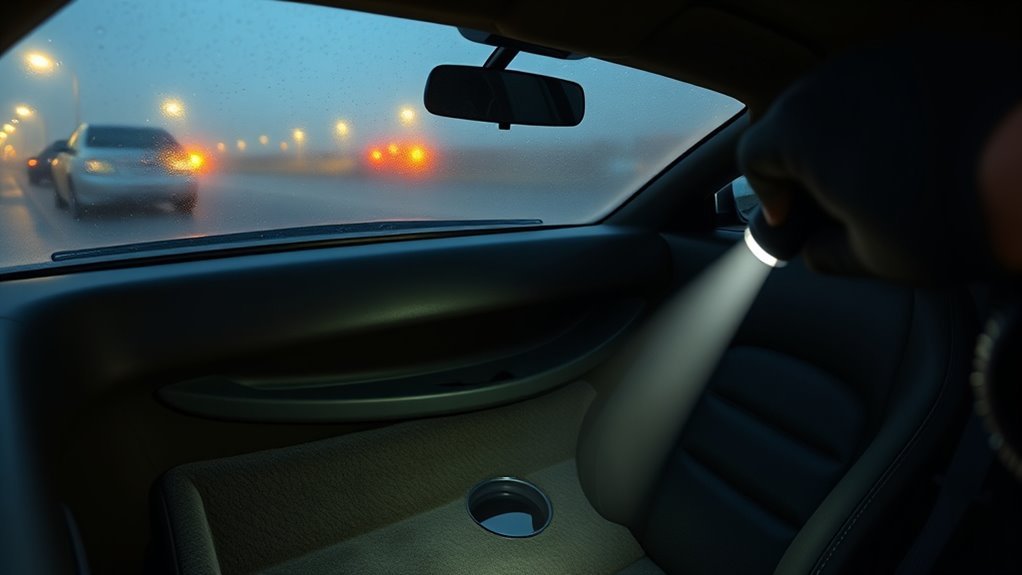
If the windshield fogs every morning, smells musty, or leaves heavy condensation on the inside glass, inspect for water intrusion. Do not assume the HVAC is the only cause.
[Products Worth Considering]

This proportional trailer brake controller provides smooth, responsive braking by automatically matching your tow vehicle’s stopping force for safer trailer control. The bright LED digital display makes it easy to monitor voltage output in real time, while adjustable braking and sync settings help tailor performance to different trailers and road conditions. Designed for quick installation and broad compatibility, it supports 1 to 4 axle trailers for dependable towing confidence.

This upgraded wireless CarPlay adapter converts factory wired CarPlay into a wireless experience with a simple one-time setup and automatic reconnection at every startup. Its mini design saves space while the dual-chip wireless technology helps deliver fast, stable performance with low latency. Compatible with most factory-installed wired CarPlay systems and iPhone models with supported iOS versions, it adds convenient hands-free access to navigation, music, calls, Siri, and messaging.
Inspect Roof, Door, Hatch, and Glass Seals
Most modern A90/A91 GR Supras do not have a factory sunroof, so do not waste time chasing sunroof drains unless your car has an aftermarket roof opening or you are working on a different Supra generation or modified body. Instead, inspect the seals and body areas your car actually has.
- Door seals: Look for flattened, torn, hardened, or misaligned rubber.
- Hatch seal: Check for water trails, damp trim, or moisture near the cargo area.
- Windshield bond and cowl area: Look for wet carpet near the front footwells after rain or washing.
- Window indexing: Frameless-window cars need proper glass position and seal contact.
- Older/targa or modified cars: Inspect roof seals, roof drains, and panel seals if equipped.
Check Drain Holes
Drain paths move water away from the body. When they clog, water can collect in doors, quarter panels, the hatch area, or under carpet. Use a flashlight and look for dampness after rain or a car wash.
Check these areas:
- bottom edges of the doors
- hatch and rear cargo area
- cowl area near the base of the windshield
- front footwells and seat rails
- rear quarter trim and storage pockets, where accessible
Clear light debris carefully. If you use compressed air, use low pressure and avoid forcing debris deeper into a drain tube. If water is trapped inside a door, body cavity, or under carpet, fix the source before applying anti-fog products.
When to Check A/C Drain, Evaporator & Cabin Filter
Check the A/C drain, evaporator area, and cabin filter when the windshield fogs even with correct HVAC settings, the passenger-side carpet feels damp, airflow is weak, or the cabin smells musty.
A/C Drain Symptoms
The A/C evaporator removes moisture from the air, and that water should drain outside the vehicle. If the drain is blocked, moisture can remain in the HVAC case or leak into the cabin.
- No water dripping under the car after A/C use in humid weather
- Damp passenger-side carpet
- Musty smell when the fan starts
- Fog that returns quickly after A/C use
Cabin Filter Symptoms
A dirty cabin filter can reduce defrost airflow. A damp cabin filter can also hold odor and moisture. Replace it according to the maintenance information for your model year, or sooner if it is dirty, wet, clogged with leaves, or restricting airflow.
Toyota’s maintenance guidance says owners are responsible for maintaining the vehicle according to the Owner’s Manual and maintenance booklet, and that proper maintenance helps preserve reliability and warranty coverage. Use the schedule for your exact Supra model year rather than a generic interval.
Heater Core Warning Signs
A leaking heater core is less common than wet mats or a dirty windshield, but it is important. Suspect it if the fog has a sweet coolant smell, the inside windshield gets a greasy film, coolant level drops, or the carpet near the center console/front footwell becomes damp.
Warning: If you smell coolant, exhaust, or fuel in the cabin, stop treating the issue as normal fog. Ventilate the car and have it inspected. Exhaust fumes can be a serious safety hazard, and coolant leaks can damage components and reduce visibility.
Best Anti-Fog Products and How to Apply Them
Anti-fog products can help after you fix the basics: clean glass, dry cabin, working defrost, and good airflow. They should not be used to hide a leak or HVAC fault.
For a commercial anti-fog product such as Rain-X Anti-Fog, follow the product directions. Rain-X recommends applying anti-fog treatment to clean interior glass with a dry, soft cloth, spreading it evenly, letting it dry briefly, and buffing away haze or residue.
- Clean the glass first. Remove film with automotive glass cleaner.
- Dry the surface fully. Anti-fog coatings work best on clean, dry glass.
- Apply a small amount. Over-application can leave streaks.
- Buff with a clean microfiber towel. Remove haze before driving at night.
- Reapply only as needed. Heavy humidity, frequent cleaning, and winter use may shorten product life.
Avoid applying interior anti-fog products to tinted film, plastic, instrument screens, helmet visors, or acrylic unless the product label specifically says it is safe for that surface.
[Products Worth Considering]
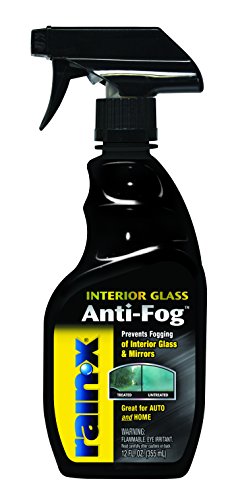
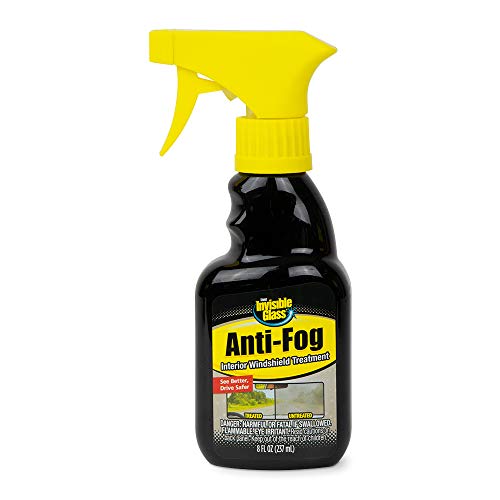
PREVENTS FOGGING: Keep your windows, windshields, and mirrors from fogging up during extreme temperature changes and wet weather to maintain visibility. Less expensive than replacing your defrost or air conditioner.

Stay Ahead of Fog: Defy foggy windows with Rain-X Interior Glass Anti-fog spray. Say yes to crystal-clear visibility in any weather, keeping your view unobstructed and your journey safe.
When to See a Mechanic: Repairs and Preventive Maintenance
See a qualified mechanic if correct defrost settings, clean glass, and cabin drying do not stop the fog. The problem may be hidden water entry, a blocked A/C drain, weak blower output, a stuck air-door actuator, low A/C performance, a saturated cabin filter, or a heater-core leak.
Book an inspection if you notice any of these signs:
- fog returns within minutes after clearing
- carpet or trunk trim stays damp
- musty odor from vents
- sweet coolant smell or greasy film on the windshield
- weak airflow from defrost vents
- water sloshing in doors or body cavities
- visible water trails after rain or washing
Simple fixes such as cleaning drains, replacing a cabin filter, or correcting a vent setting may take less than an hour. Leak diagnosis, windshield sealing, HVAC case work, or heater-core repairs can take longer because trim removal and drying time may be required.
Frequently Asked Questions
How do I fix a Supra windshield that keeps fogging up?
Use windshield defrost, turn A/C on, use fresh-air mode, raise fan speed, and clean the inside glass. Then remove wet items and check for damp carpets, a dirty cabin filter, weak defrost airflow, blocked A/C drain, leaking hatch or door seals, and heater-core warning signs.
Do you use hot or cold air to get rid of windshield fog?
For inside fog in cold weather, use warm defrost air with A/C and fresh air. For outside fog in hot, humid weather, use the wipers and reduce how much cold A/C air is chilling the glass. The right answer depends on which side of the glass is fogging.
Should recirculation be on or off when defogging?
Use fresh-air mode when defogging. Recirculation can trap humid breath and damp cabin air, which makes interior fog worse. After the glass is clear and the cabin is dry, you can use recirculation briefly for comfort if fog does not return.
Why does my windshield fog after I use the A/C?
If the fog is outside, the A/C may be cooling the windshield below the dew point of humid outside air. Use the wipers, raise the temperature slightly, or reduce cold airflow toward the glass. If the fog is inside, check for cabin moisture or an HVAC drying problem.
Can a bad cabin filter cause windshield fog?
Yes. A clogged cabin filter can reduce airflow from the defrost vents, and a damp filter can hold moisture and odor. Replace it if airflow is weak, the filter is dirty, or the cabin smells musty.
Does the Toyota Supra have sunroof drains to check?
Most A90/A91 GR Supras do not have a factory sunroof, so they do not have factory sunroof drains to inspect. Check door seals, hatch seals, cowl drainage, windshield sealing, and body drain paths instead. If your car is an older, targa, or modified Supra, inspect the roof seals and drains that apply to that vehicle.
Conclusion
Your Supra’s windshield fogs because moisture and glass temperature are out of balance. Clear it fast with defrost, A/C, fresh air, and strong airflow, then solve the reason it happened. Remove wet items, clean the interior glass, inspect the cabin filter and A/C drain, and look for water leaks around the seals, hatch, cowl, and carpet. If fog returns with coolant smell, exhaust odor, weak airflow, or damp flooring, have the car inspected before it becomes a safety problem.
Sources
- Toyota Owners — 2026 Supra Climate Control — supports Supra HVAC, A/C, airflow, and recirculated-air guidance.
- Toyota 2026 Supra Owner’s Manual PDF — supports model-specific owner guidance and climate-control reference.
- Toyota 2026 Supra Warranty & Maintenance Guide — supports using the official maintenance schedule and qualified service guidance.
- NHTSA Winter Driving Tips — supports checking defrosters, windshield wipers, washer fluid, and winter visibility items.
- Rain-X Anti-Fog Application Guide — supports clean-glass preparation, application, drying, buffing, and reapplication advice.