How Long Do Camry Shocks and Struts Last?
What’s in This Article
- How Long Do Camry Shocks and Struts Last? Quick Answer
- How Camry Shocks Differ From Struts
- 3 Factors That Shorten Camry Shock and Strut Life
- Quick Visual and Drive Tests for Camry Shocks and Struts
- Oil Seepage: Normal vs. Replace
- Other Warning Signs: Bouncing, Leaning, Noises, and Tire Cupping
- Toyota TSB Guidance for Camry Shock and Strut Replacement
- Typical Camry Repair Costs and When to Replace in Pairs
- Should You Replace Mounts and Get an Alignment Too?
- How Driving and Maintenance Extend Suspension Life
- Inspect Yourself or Hire a Shop: DIY, Dealer, or Indie Pros
- Frequently Asked Questions
- Conclusion
Worn Camry shocks and struts can turn a normal stop, turn, or bump into a control problem. Most units last about 50,000–100,000 miles, but rough roads, heavy loads, poor alignment, and hard driving can shorten that range. Use this guide to spot warning signs, check oil seepage, compare shocks and struts, and decide when a shop should inspect or replace them.
How Long Do Camry Shocks and Struts Last? Quick Answer
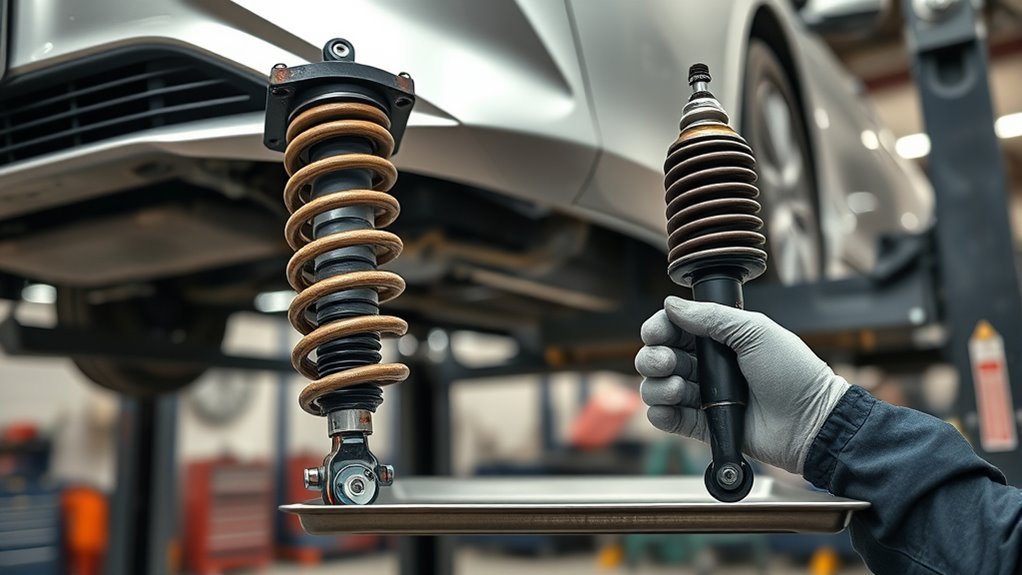
Camry shocks and struts usually last about 50,000–100,000 miles, depending on road conditions, driving habits, load, and maintenance. Treat that range as a guide, not a fixed rule. If your Camry bounces more than usual, leaks fluid, leans in turns, dives during braking, or makes clunks over bumps, schedule a suspension inspection.
Key Takeaways
- Plan inspection around 50,000 miles, then watch ride quality and tire wear closely.
- Replace shocks or struts in axle pairs to keep handling balanced.
- Treat fluid drips, tire cupping, clunks, and repeated bouncing as inspection triggers.
- Check mounts, boots, bushings, alignment, and tire pressure when you service suspension parts.
- Use a qualified shop when symptoms affect braking, steering, or high-speed stability.
How Camry Shocks Differ From Struts
You need to separate damping from structure when you compare Camry shocks and struts. Shocks absorb impacts and control bounce, while struts also carry structural loads and help preserve alignment. Struts cost more because they combine more parts and often require alignment work after replacement.
Function vs. Structure
Think of shocks as the Camry’s motion dampers. They slow the up-and-down movement that follows bumps, dips, and rough pavement. They don’t hold the suspension geometry in place.
Struts combine damping with structural support. On many Camry setups, front struts help locate the wheel, support suspension loads, and affect steering feel. That structural role makes strut wear more serious than simple ride harshness.
Mounting and Design
Shocks usually mount separately from the main suspension structure. Their isolated design lets a technician replace them without changing wheel alignment on many vehicles. They focus on rebound and compression control.
Struts integrate the spring seat, damper, upper mount, and lower attachment into one assembly. A MacPherson strut layout saves space and supports steering geometry. You gain handling precision, but service work takes more care.
Replacement and Costs
Both dampers and struts wear over a similar mileage range, but they affect your repair bill in different ways. Rear shocks often cost less because they don’t carry the same structural role. Front struts usually need more labor, more parts, and an alignment check.
Plan replacements between 50,000–100,000 miles if symptoms match wear. Ask the shop to inspect both sides of the axle, because mismatched damping can cause uneven handling and tire wear. For covered model years, ask whether Toyota Technical Service Bulletin (TSB) T-SB-0145-11 applies to visible seepage before you approve replacement.
3 Factors That Shorten Camry Shock and Strut Life
Rough roads, hard driving, excess weight, and poor alignment can shorten shock and strut life. Treat the suspension as a load-bearing system, not just a ride comfort feature. Impacts and side loads wear seals, mounts, bushings, and internal damping parts.
- Road quality: Potholes, broken pavement, gravel, and repeated high-speed impacts increase stress on dampers and mounts.
- Driving style: Hard braking, fast acceleration, and hitting bumps at speed add sharp loads that speed up wear.
- Load and alignment: Extra cargo, worn tires, and poor alignment create uneven force across the suspension.
You can extend service life by slowing down on rough roads, keeping tires aligned, and avoiding steady overload. Suspension upgrades can help in some cases, but they won’t fix poor maintenance or harsh driving.
Quick Visual and Drive Tests for Camry Shocks and Struts
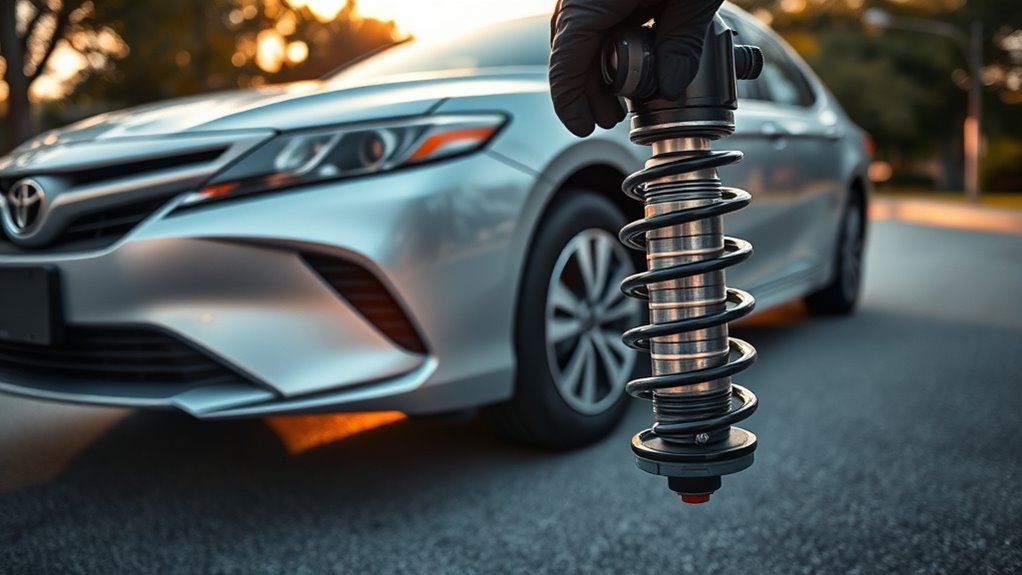
A short inspection can reveal many Camry shock and strut problems. Look for oil leaks, torn boots, loose mounts, uneven tire wear, and tire cupping. During a careful road test, note bounce, sway, clunks, body roll, and nose-dive during braking.
Start with a visual check before you drive. Scan each strut or shock for fluid, torn rubber, rust damage, and loose hardware. Then drive over a familiar bump, make a controlled turn, and perform a firm stop in a safe area.
Warning: Don’t keep driving at highway speed if your Camry bounces, sways, clunks, or dives enough to affect control.
| Test | Symptom | Likely Cause |
|---|---|---|
| Visual | Fluid or torn boots | Seal or boot damage |
| Bump | Excess bounce | Loss of damping |
| Braking | Nose-dive | Weak front struts |
| Cornering | Heavy body roll | Weak damping or worn mounts |
These checks don’t replace a lift inspection, but they help you decide how urgent the repair feels. If the symptoms appear on every drive, book a professional diagnosis.
Oil Seepage: Normal vs. Replace – What to Look For
After your ride checks, inspect the struts and shocks for oil seepage. Judge the pattern by location and amount. A light film can reflect normal seal wear, but wet drips usually point to failed damping control.
After ride checks, inspect struts for oil seepage. A light film can be normal, but active dripping needs service.
- Measure the stain: Treat a light film on the shaft or body as a monitor item, then recheck it later.
- Watch the threshold: Oil dripping below the spring perch on MacPherson struts points to seal failure.
- Act on heavy leaks: Replace soaked shocks or struts before they affect braking, steering, or tire contact.
Base your decision on visible oil patterns and ride symptoms, not mileage alone. If oil spreads after each drive, the part likely needs replacement.
Other Warning Signs: Bouncing, Leaning, Noises, and Tire Cupping
Excess bounce, pronounced body lean, clunks, and rhythmic tire cupping all point toward weak shock or strut control. You may feel repeated vertical movement after a bump. That movement reduces comfort and can weaken tire contact on rough roads.
Body lean during cornering and nose-dive during braking show reduced control in side-to-side and front-to-back movement. Clunks or metallic bangs can point to worn mounts, bushings, or loose hardware. Tire cupping creates scalloped tread wear because the tire hops instead of staying planted.
Document what you feel, hear, and see before you visit a shop. Clear notes help the technician test the right parts first.
Toyota TSB Guidance for Camry Shock and Strut Replacement
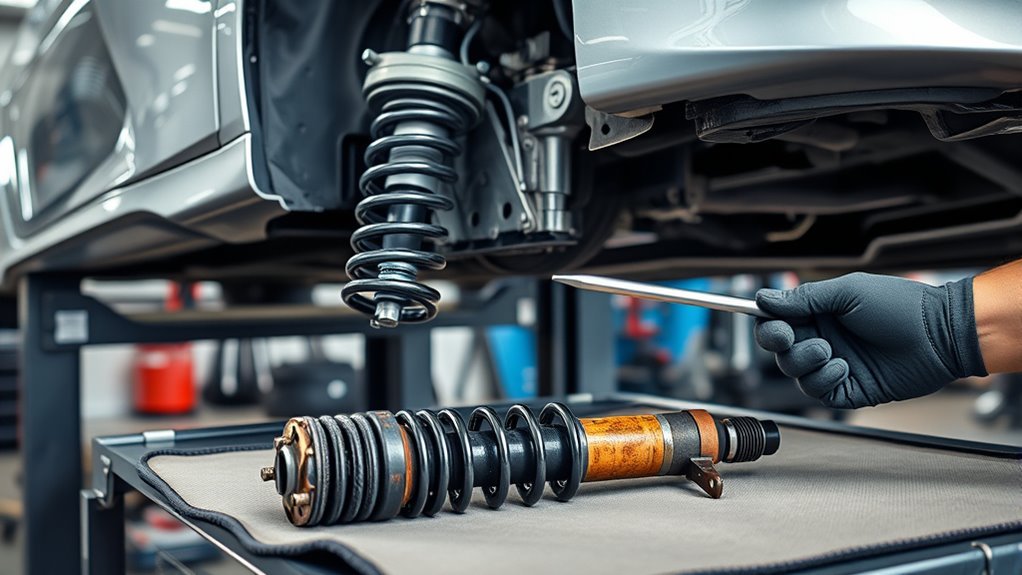
For some 2006–2012 Camry models, Toyota Technical Service Bulletin (TSB) T-SB-0145-11 gives technicians guidance on shock and strut oil seepage. The bulletin separates minor seepage from active leaks. Ask your shop to check the exact bulletin and model coverage before you approve replacement.
Toyota TSB Criteria
The TSB helps technicians avoid replacing parts too early. It also flags the point where oil leakage suggests actual damper failure. Use it as a shop-level guide, not as a substitute for a full road and lift inspection.
- Inspect leakage: Monitor minor seepage, but treat oil dripping below the spring perch as a replacement sign.
- Assess function: Check for poor rebound, weak handling, nose-dive, and customer-reported ride changes.
- Document evidence: Record the oil pattern, mileage, road-test results, and tire wear before replacing parts.
Oil Seepage Threshold
When you inspect Camry struts and shocks, focus on how far the oil has traveled. Light oil on the boot or upper body may not harm performance right away. Oil drips below the spring perch on a MacPherson strut point to a more serious leak.
For separate shocks, heavy oil coverage can signal internal seal failure. Major leakage needs prompt replacement because it can reduce damping and tire control. The goal is simple: avoid waste, but don’t ignore real safety symptoms.
Typical Camry Repair Costs and When to Replace in Pairs
Replace shocks or struts in pairs on the same axle when one side fails. A new part on one side and a worn part on the other can create uneven damping. That imbalance can affect cornering, braking, and tire wear.
Camry suspension costs vary by model year, trim, parts quality, labor rate, and alignment needs. Shocks often cost less than strut assemblies, while front strut jobs usually cost more because the shop may replace mounts, boots, and related hardware. Ask for an itemized estimate before you approve the work.
- Parts: Compare original equipment manufacturer (OEM), aftermarket, and complete strut assembly options.
- Labor: Expect more labor for struts than shocks because the assembly affects steering geometry.
- Alignment: Budget for an alignment check after front strut work.
[Products Worth Considering]
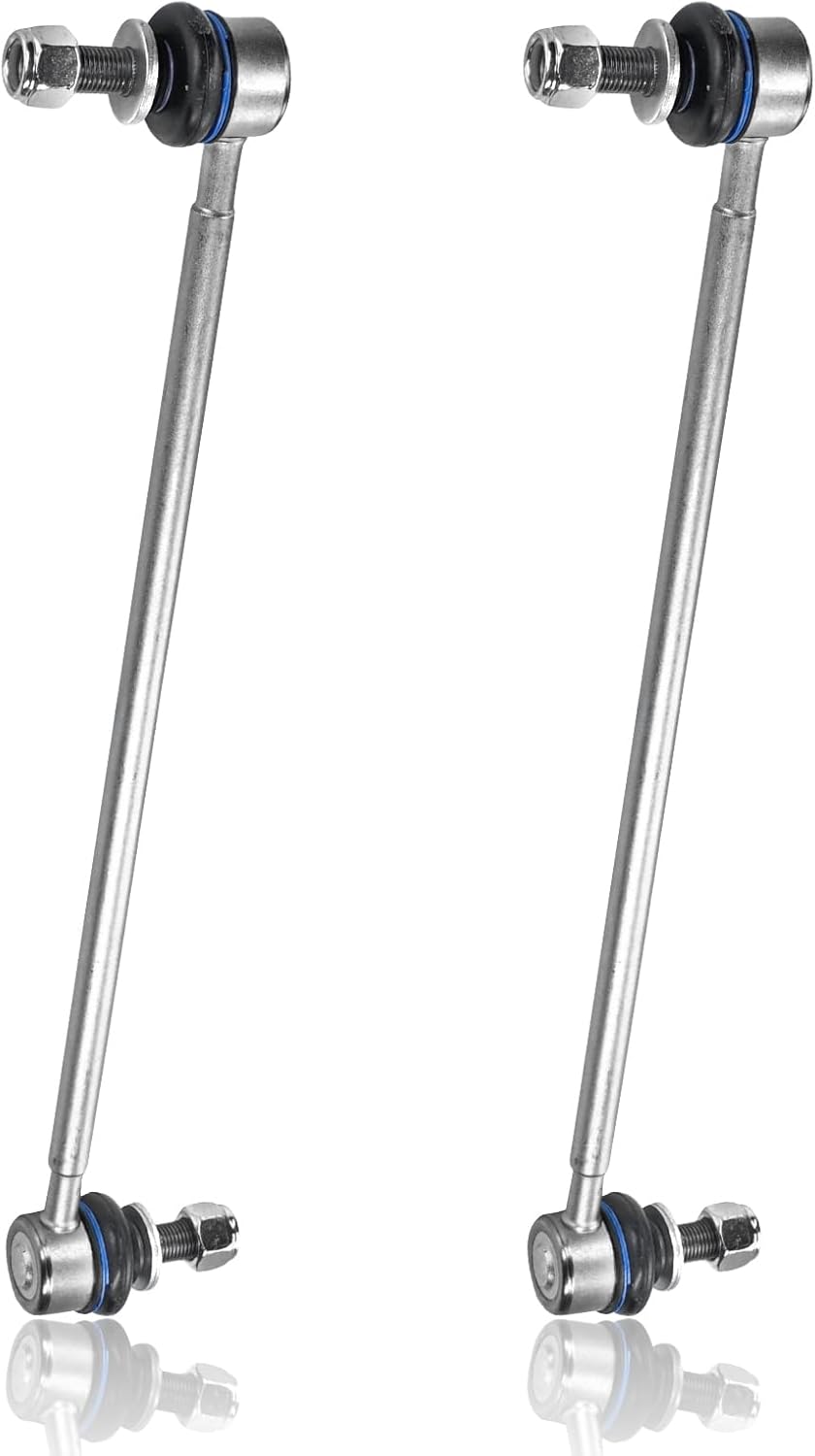
These front stabilizer sway bar end links are designed to restore smooth, stable handling and reduce noise and vibration during turns and over bumps. Compatible with select Toyota, Prius, and Scion models, they offer a reliable replacement built to meet manufacturing standards with corrosion-resistant coating and a strong, durable body.

This front stabilizer sway bar link set is designed to restore smooth, controlled handling and reduce clunking noises caused by worn suspension components. Built with a zinc-nickel alloy coating, carbon steel, and reinforced ball studs, it offers strong corrosion resistance and durable performance for a wide range of Toyota, Lexus, and Scion models. It is engineered for straightforward installation and reliable OE-style fitment.
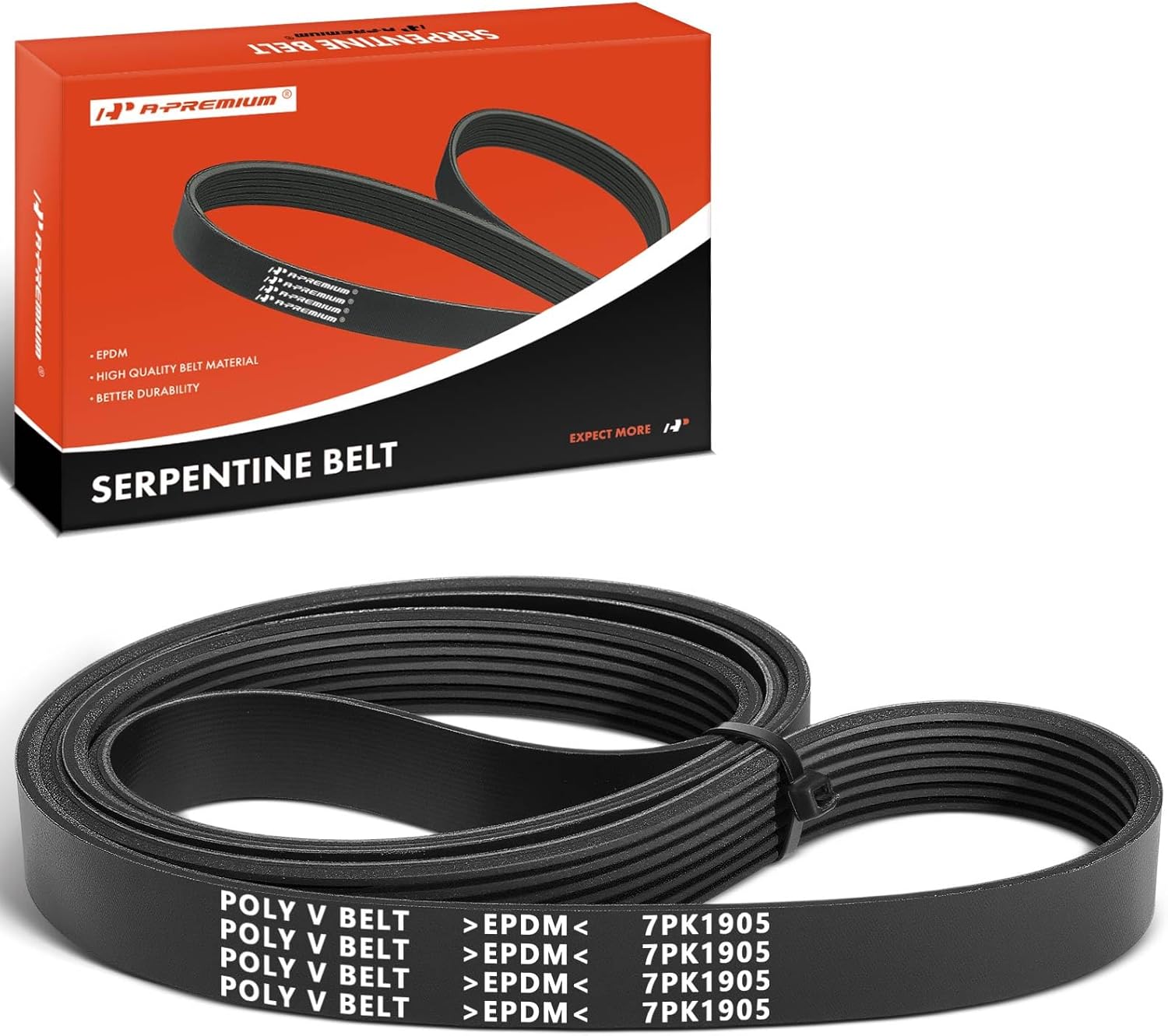
This A-Premium serpentine belt is engineered for select Toyota, Scion, and Pontiac vehicles with the L4 2.4L gas engine, delivering dependable air conditioning drive performance. Made with durable EPDM and precision dimensions, it helps resist cracking, reduce noise, and maintain stable tension for smooth operation. It's designed for straightforward installation and backed by a one-year unlimited-mileage guarantee for added confidence.
Should You Replace Mounts and Get an Alignment Too?
Strut work often involves more than the damper itself. Ask the shop to inspect upper mounts, bearings, boots, bump stops, and spring condition while the assembly sits apart. Reusing worn mounts can leave clunks even after new struts go in.
Plan an alignment check after front strut replacement. Struts influence camber and steering geometry, so poor alignment can shorten tire life and reduce stability. If your tires already show uneven wear, handle the alignment and suspension repair together.
Pro tip: Ask the shop to show you the worn mount, leaking strut, or cupped tire before you approve extra parts.
[Products Worth Considering]
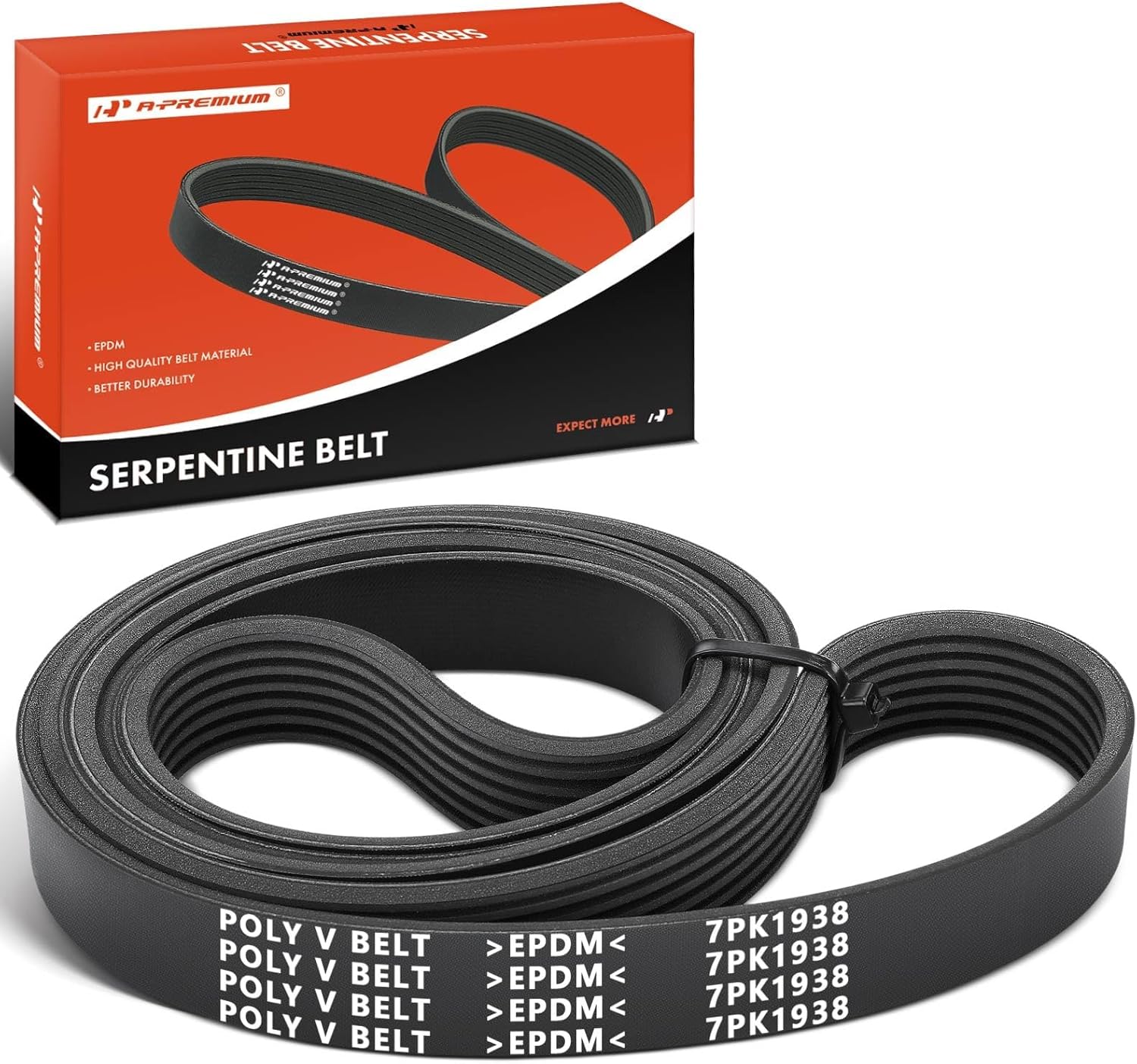
This A-Premium serpentine belt is designed to deliver dependable drive performance for compatible Toyota and Scion vehicles with exact-fit sizing for smooth operation. Built with premium EPDM and polyester cord construction, it helps resist cracking, reduce noise, and maintain stable tension in demanding engine conditions. It is a practical replacement choice for restoring reliable accessory drive performance and long-term confidence.

Bendix Premium Ceramic Front Brake Pads are engineered to match original equipment fit, form, and function for a straightforward replacement. Built with durable materials to help resist wear and corrosion, they support consistent braking performance and reduced brake fade for everyday driving. These pads are a dependable choice for compatible Pontiac, Scion, Toyota, and related vehicles.

The highest quality replacement strut mount available
How Driving and Maintenance Extend Suspension Life
You can extend Camry suspension life with smoother driving, regular checks, and smart route choices. Slowing down for potholes and limiting heavy loads reduces stress on shocks and struts. Tire care and alignment also help the suspension work evenly.
Driving Habits Impact
Hard acceleration, hard braking, and fast impacts over bumps raise the load on shocks, struts, and mounts. Smoother inputs reduce peak force and help parts last longer. Small driving changes can protect the suspension every day.
- Brake and accelerate gradually to reduce sharp load transfer.
- Slow down before potholes, speed bumps, gravel, and broken pavement.
- Keep tires inflated and aligned to prevent uneven suspension load.
Maintenance Intervals Matter
Follow your owner’s manual and inspect the suspension during routine service. Look for leaks, torn boots, loose mounts, damaged bushings, and uneven tire wear. Early repair helps prevent larger suspension and tire costs.
| Task | Interval | Purpose |
|---|---|---|
| Visual inspection | Every oil change | Catch leaks and noise |
| Tire rotation | 5,000–7,500 miles | Support even wear |
| Alignment check | Yearly or after impacts | Protect handling |
| Component inspection | 50,000–100,000 miles | Check performance |
Road Conditions Influence
Rough or unpaved roads increase the number and force of suspension impacts. That can push worn shocks and struts toward the lower end of the 50,000–100,000 mile range. Smooth roads and steady maintenance help them last longer.
- Inspect after harsh trips: Check seals, mounts, boots, bushings, and tires after rough-road driving.
- Maintain tire pressure: Correct pressure helps the tire absorb impact before it reaches the suspension.
- Choose smoother routes: Avoid repeated high-speed pothole impacts when you can.
Inspect Yourself or Hire a Shop: DIY, Dealer, or Indie Pros
You can perform a basic do-it-yourself (DIY) inspection at home. Check tires for cupping, look for oil on the damper body, and listen for clunks over bumps. You can also push down on each corner and watch how quickly the body settles.
DIY checks have limits because many parts sit under load and out of sight. A dealer or independent shop can lift the car, test for loose mounts, inspect bushings, and check alignment. Dealers may follow Toyota procedures closely, while independent shops may offer lower labor rates or faster scheduling.
Choose a professional inspection when symptoms affect braking, steering, or highway stability. That small step can prevent a larger repair and help you drive with more confidence.
[Products Worth Considering]

【Lower Control Arm Prying Tool】:This auto lower control arm prying tool is designed for prying down the lower control arm to separate the lower ball joint. It can provide instant leverage, allowing only one person to complete the complex process of installing wheel bearings, front axle, and constant velocity joints, improving your work efficiency and saving you time and effort.

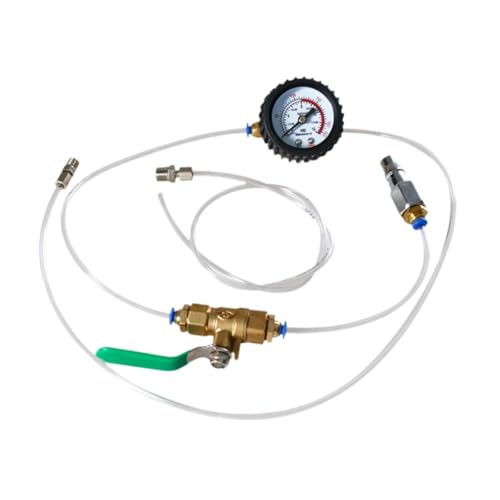
【Easy to Use】 The pressure leak inspection gauge hose line kit features with a switch, easy to install and use
Frequently Asked Questions
How Long Does a Toyota Camry Suspension Last?
Many Camry shocks and struts last about 50,000–100,000 miles. Road quality, tire condition, alignment, cargo weight, and driving style can shorten or extend that range.
Can Shocks Last 150,000 Miles?
Some shocks can reach 150,000 miles, but they may not perform like new. If the ride feels floaty, the tires cup, or the car dives during braking, inspect them even if they still hold fluid.
How Long Does Factory Suspension Last?
Factory suspension parts often last about 50,000–100,000 miles before symptoms appear. You may get more life with smooth roads, light loads, regular tire rotation, and proper alignment.
Should You Replace All Four Shocks and Struts at Once?
You don’t always need to replace all four at once. Most shops recommend replacing both parts on the same axle so the left and right sides dampen evenly.
Can Bad Struts Damage Tires?
Yes, weak struts can let the tire hop on the road. That can create cupping, uneven tread wear, noise, and shorter tire life.
Safety Disclaimer: This article gives general maintenance information and doesn’t replace a professional inspection. Ask a qualified technician to diagnose suspension, steering, braking, or tire issues before you keep driving.
Conclusion
Your Camry’s shocks and struts usually deserve close attention once mileage reaches the 50,000–100,000 mile range. Inspect for leaks, bounce, clunks, leaning, tire cupping, and uneven wear before those signs affect control. Replace worn units in axle pairs, and include mounts, boots, and alignment in the repair discussion. A timely inspection keeps the car stable, protects your tires, and helps every drive feel predictable again.