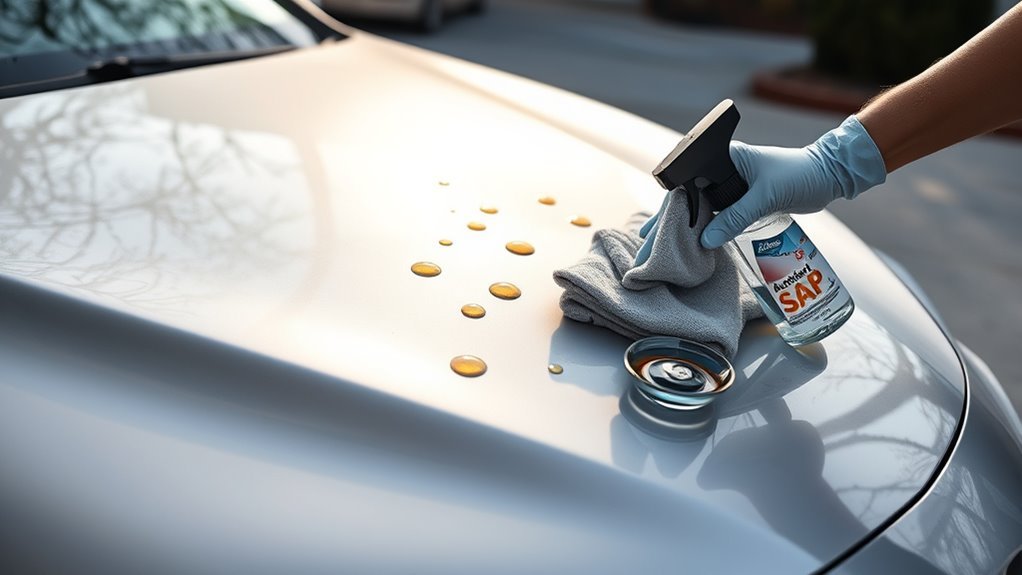
Tree sap on a Toyota Camry is easiest to remove before it bakes onto the clear coat. Work on a cool, shaded panel, rinse away loose grit first, then soften the sap with a paint-safe bug-and-tar remover or a small amount of isopropyl alcohol on a microfiber towel. For hardened sap, rehydrate it patiently and use a well-lubricated clay bar only after the paint is clean.
Quick Answer
To remove tree sap from a Toyota Camry, wash the area first, soften the sap with a clear-coat-safe bug-and-tar remover, wait briefly, then wipe with microfiber. Use a clay bar with plenty of lubricant for stubborn residue. Never scrape paint with metal, and always wash and protect the area afterward.
Key Takeaways
- Remove sap quickly because heat and sunlight make it harder and increase the risk of stains or clear-coat etching.
- Use paint-safe products only: automotive bug-and-tar remover, mild isopropyl alcohol used sparingly, microfiber towels, and clay lubricant.
- Clay bars are for bonded residue after washing, not for dirty paint or heavy scraping.
- Use razor blades only on exterior glass, never on paint, plastic trim, rubber seals, or tinted interior glass.
- Finish with wax, sealant, or a ceramic spray so the cleaned spot has fresh protection.
At a Glance
| Time Required | 10–30 minutes for fresh sap; 30–60 minutes for hardened spots |
| Difficulty | Easy to moderate |
| Tools Needed | Microfiber towels, car wash soap, wash mitt, bug-and-tar remover, isopropyl alcohol, clay bar, clay lubricant, spray wax or sealant |
| Cost | About $10–$40 if you already have basic wash supplies |
Warning: Do not use gasoline, acetone, lacquer thinner, kitchen scrub pads, steel wool, or a razor blade on paint. These can dull, scratch, or strip protection from your Camry’s clear coat.
Why Removing Sap Quickly Protects Your Camry
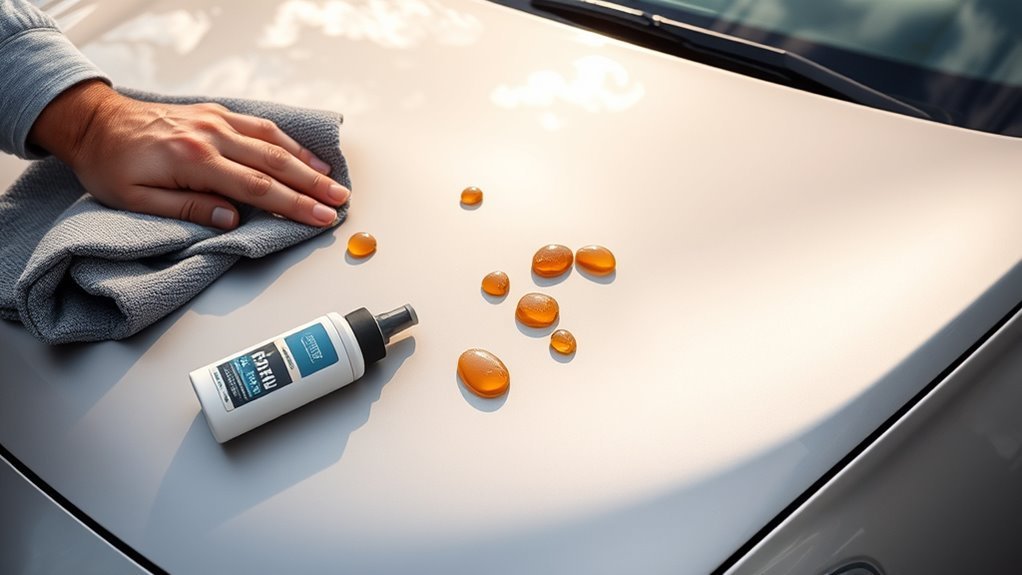
Tree sap is sticky, resinous, and easier to remove while it is still fresh. Once it sits in heat or direct sun, it can harden and cling tightly to the clear coat. That is when wiping turns into rubbing, rubbing turns into scratches, and a small sap spot can become a dull stain or etched mark.
Your Toyota owner’s manual recommends washing the vehicle exterior with a soft cloth or sponge, rinsing thoroughly, and waxing when water no longer beads on a clean surface. Toyota also identifies contaminants such as tree sap and tar as reasons to wash the paint promptly, which supports the main rule here: remove sap early, gently, and with the right product.
Fast removal also protects gloss and resale value. A clean, smooth clear coat sheds grime more easily, while neglected sap spots can trap dirt and make the finish feel rough. The goal is not to attack the sap with force; it is to soften it, lift it, rinse it away, and restore protection.
Gather Tools and Products for Camry Sap Removal
Before you start, gather everything so you do not have to leave solvent drying on the panel. Use clean, plush microfiber towels instead of paper towels or old shop rags. Microfiber reduces the chance of marring while you soften and lift the sap.
- Car wash soap, bucket, and wash mitt: Use these first to remove dust and loose grit around the sap.
- Paint-safe bug-and-tar remover: Choose an automotive product labeled safe for clear coat, paint, plastic, or exterior surfaces. Meguiar’s lists its Bug & Tar Remover as clear-coat safe, and Turtle Wax says to wash and dry first, saturate the stain, let the product penetrate, wipe with microfiber, and follow with wax.
- Isopropyl alcohol: Use only a small amount on a microfiber towel for stubborn sap, and do not let it dwell until dry. Wash the area afterward because alcohol can reduce wax or sealant protection.
- Clay bar and clay lubricant: Use these for bonded residue that remains after washing and solvent softening. Meguiar’s and 3M both describe automotive clay as a way to remove bonded contaminants from paint and clear coat when used with lubrication.
- Spray wax, sealant, or ceramic spray: Reapply protection after the sap is gone.
- Glass cleaner and a new razor blade: Keep the blade for exterior glass only, and use it flat against the glass if sap is hardened.
Pro Tip: Work in the shade on a cool panel. Heat makes sap and cleaners dry faster, which raises the risk of smearing, extra rubbing, and dull spots.
[Products Worth Considering]
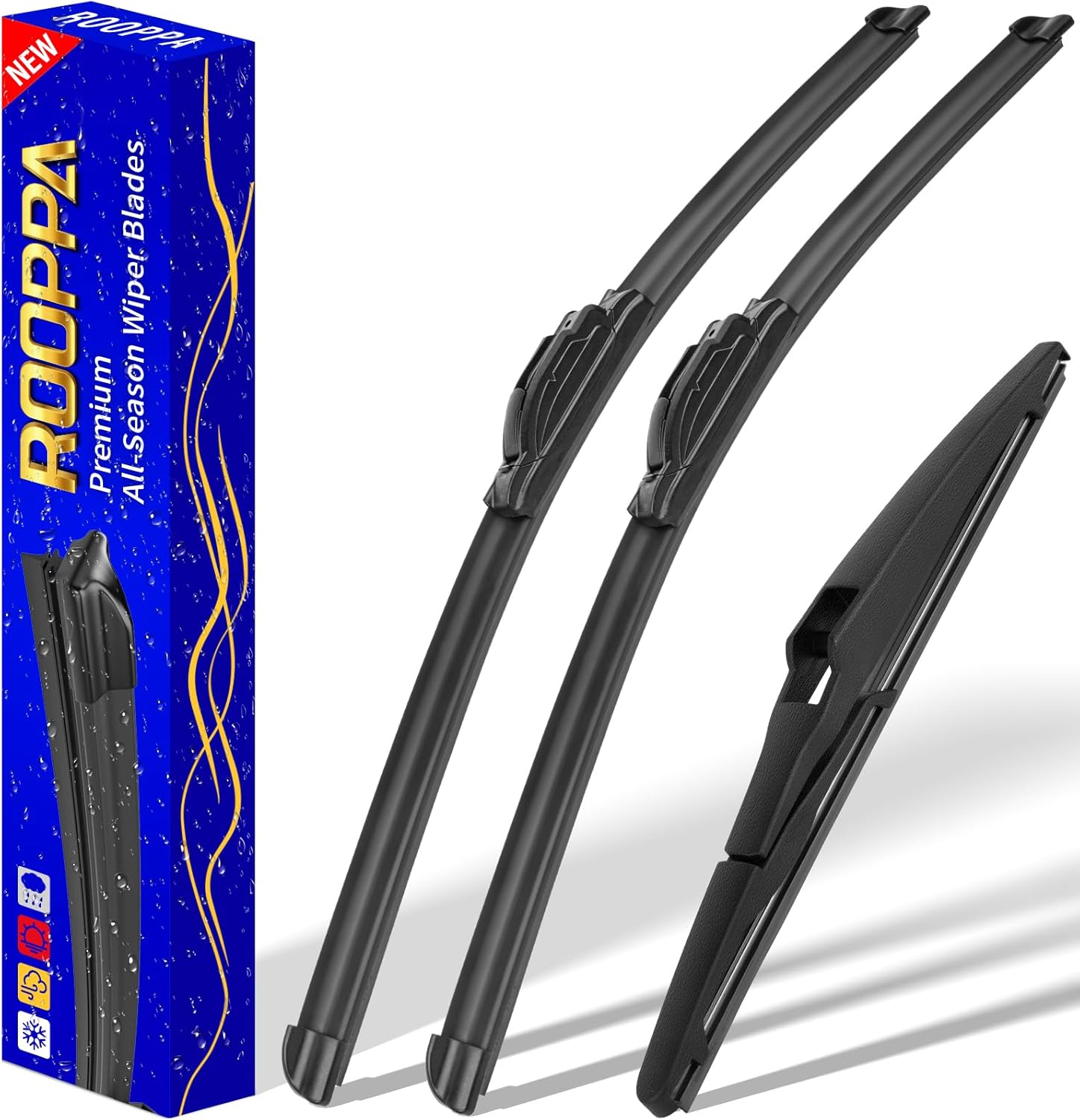
This 3-piece wiper blade set is designed as a direct replacement for Toyota RAV4 models from 2013 to 2018, delivering dependable visibility in rain, snow, and everyday driving. The set includes front and rear blades with easy U/J hook installation, quiet operation, and streak-free performance for clear windshield coverage. Built for all-season durability, it offers a simple upgrade with OEM-style fit and reliable long-term use.

AstroAI’s extra-long windshield cleaner kit makes interior and exterior glass cleaning easier with an extendable handle and 180° rotating head that reaches tight corners without strain. It includes reusable microfiber pads, a spray bottle, and a storage bag for streak-free, lint-free results at home or on the road. Designed for cars, SUVs, RVs, and household windows, it helps deliver clearer visibility with less effort.

This plastic razor blade scraper set is designed to remove stickers, decals, glue, grease, and paint without scratching delicate surfaces. It includes four ergonomic scrapers and 100 replacement plastic blades for convenient, long-term use on glass, windows, cars, walls, appliances, and more. Easy blade changes and a comfortable grip make it a practical choice for everyday cleaning and removal tasks.
Safe Removal Steps: Fresh Sap vs Hardened Sap
The right method depends on whether the sap is soft and tacky or hardened and bonded. Fresh sap usually needs gentle solvent and microfiber. Hardened sap often needs repeated softening and a clay bar, not more pressure.
[Products Worth Considering]

This rear trunk lid weatherstrip is designed to fit select Toyota Camry and RAV4 models, helping restore a secure seal around the trunk area. It supports protection against dust, moisture, and road noise while offering a reliable replacement for worn or damaged factory seals. Made for straightforward installation, it provides a practical fit-and-finish upgrade for everyday driving.

These HOMEXCEL microfiber cleaning cloths deliver excellent absorbency and gentle, scratch-free cleaning for cars, homes, and glass surfaces. The soft, lint-free towels help remove dirt, water, and streaks quickly for a polished finish, and they are machine washable for repeated everyday use.

These 5 PLUS silicone windshield wiper blades are designed for select Toyota RAV4 models and include a full three-piece set for front and rear coverage. The silicone wiping edge helps promote streak-free visibility, while the all-weather design resists heat, cold, UV exposure, and harsh driving conditions. An upgraded metal base with precision spring strips helps the blades conform to the windshield for a cleaner, quieter wipe.
Before You Touch the Paint
- Park the Camry in shade and let the panel cool.
- Rinse the area with water to remove loose dirt.
- Wash around the sap with car-safe soap and a clean mitt.
- Dry the area with a microfiber towel.
- Test your remover on a hidden painted area before using it on a visible panel.
This prep step matters because sap is not the only scratch risk. Dust, pollen, and grit around the sap can drag across the clear coat if you wipe too soon.
Fresh Sap Removal
For fresh sap, start with the gentlest approach. Apply a paint-safe bug-and-tar remover to a microfiber towel, then press the damp towel over the sap for about 30–60 seconds. Do not grind the towel into the paint. Let the cleaner soften the sap first.
- Dab the sap with the treated microfiber towel.
- Let it dwell briefly, following the product label.
- Wipe in one direction with light pressure.
- Repeat with a clean section of towel if residue remains.
- Wash the area with car soap, rinse well, and dry.
- Apply spray wax, sealant, or ceramic spray to restore protection.
If you use isopropyl alcohol, keep it controlled: dampen the towel, touch only the sap area, and rinse or wash afterward. Alcohol can help soften residue, but it can also reduce wax or sealant on the surface.
Hardened Sap Techniques
Hardened sap needs patience. The safest plan is to soften, lift, inspect, and repeat. Avoid the urge to pick it off with a key, knife, metal scraper, or dry fingernail because that can scratch the clear coat.
- Wash first: Clean and dry the panel so dirt cannot get trapped under your towel or clay.
- Soften the spot: Saturate the sap with bug-and-tar remover on a microfiber towel and let it dwell according to the label.
- Lift gently: Wipe with light pressure. If it moves, repeat until the raised sap is gone.
- Clay the remaining residue: Spray plenty of clay lubricant on the paint and the clay bar.
- Glide, do not scrub: Move the clay in short, straight strokes until the surface feels smooth.
- Finish clean: Wipe with microfiber, wash if needed, dry, and apply protection.
If the paint feels smooth but you still see a faint mark, the sap may have stained or etched the clear coat. At that point, more claying will not help. You may need mild polishing or a professional detailer.
Aftercare: Rinse, Wash, Dry, and Seal
After the sap is gone, clean the treated area again. Solvents and clay can remove wax, so the cleaned spot needs a fresh protective layer. Use spray wax for a quick finish, paint sealant for longer protection, or a ceramic spray if your Camry already has a ceramic-style maintenance routine.
Do not apply wax or sealant over leftover sap. Protection should go on clean paint, not on top of sticky residue.
Removing Sap From Windows, Rubber, and Trim Without Scratching
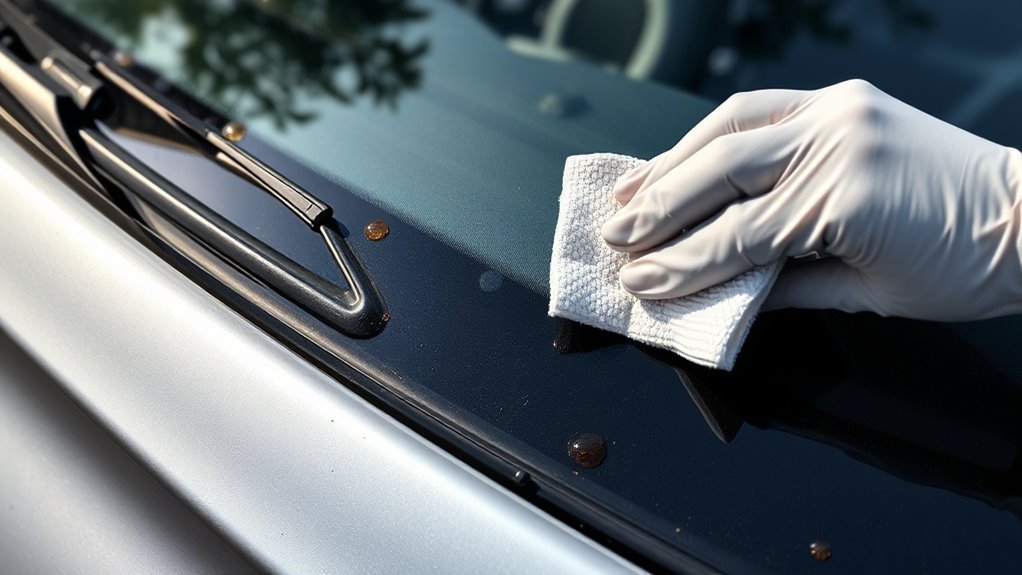
Sap on glass, rubber, and trim needs a different touch than sap on paint. Identify the surface before choosing a cleaner or tool.
- Exterior glass: Spray glass cleaner on a soft cloth and let it sit on the sap briefly. For stubborn exterior glass spots, a new razor blade can be used flat against the glass with lubrication. Do not use a blade on mirrors with coatings, interior tint, or rear glass defroster lines.
- Rubber seals: Use a microfiber towel dampened with mild sap remover or a small amount of isopropyl alcohol. Do not soak rubber. Wipe clean, then rinse and dry.
- Black plastic trim: Avoid aggressive solvents and abrasive pads. Use a trim-safe cleaner first, then follow with a silicone-free trim protectant if the surface looks dry.
- Painted trim: Treat it like body paint. Wash, soften, wipe with microfiber, and protect afterward.
Note: Never run windshield wipers over fresh sap. The sap can smear across the glass and contaminate the rubber blades, making chatter and streaking worse.
[Products Worth Considering]

This all-in-one 14-piece car interior detailing kit gives drivers the tools needed to clean windshields, dashboards, vents, cup holders, and other hard-to-reach areas with ease. The extendable windshield cleaner features a swivel head and reusable microfiber pads for streak-free results, while the brushes and cleaning gel help lift dust and debris without scratching delicate surfaces. A durable storage bag keeps everything organized for convenient at-home or on-the-go car care.
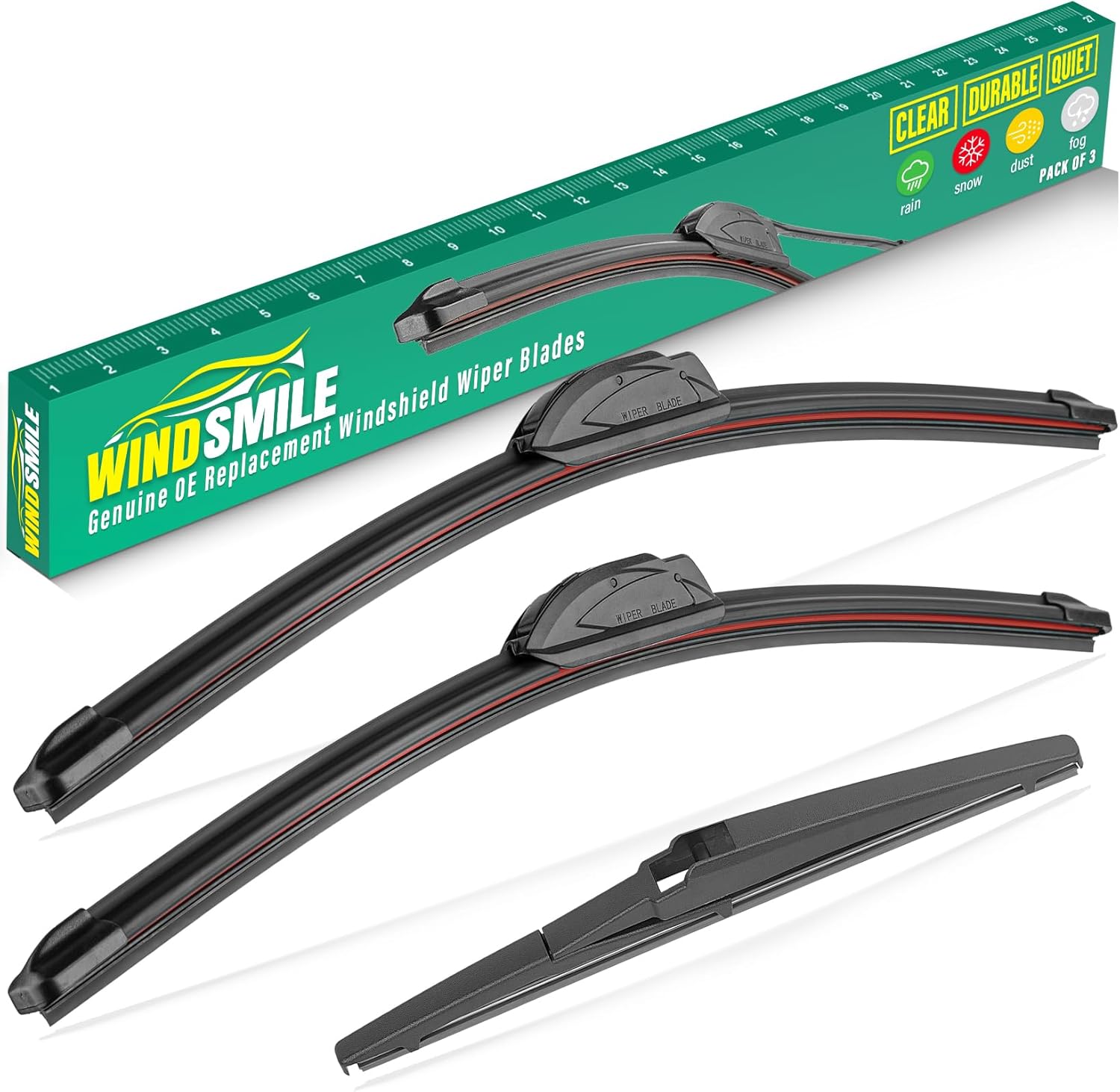
This replacement windshield wiper blade set is designed for Toyota RAV4 models from 2006 to 2012, offering a complete front and rear fit for dependable all-weather visibility. The premium rubber blades help deliver streak-free, quiet wiping while the aerodynamic design reduces wind lift and noise for smoother performance. Built for easy installation and long service life, it is a convenient upgrade for restoring clear driving vision.
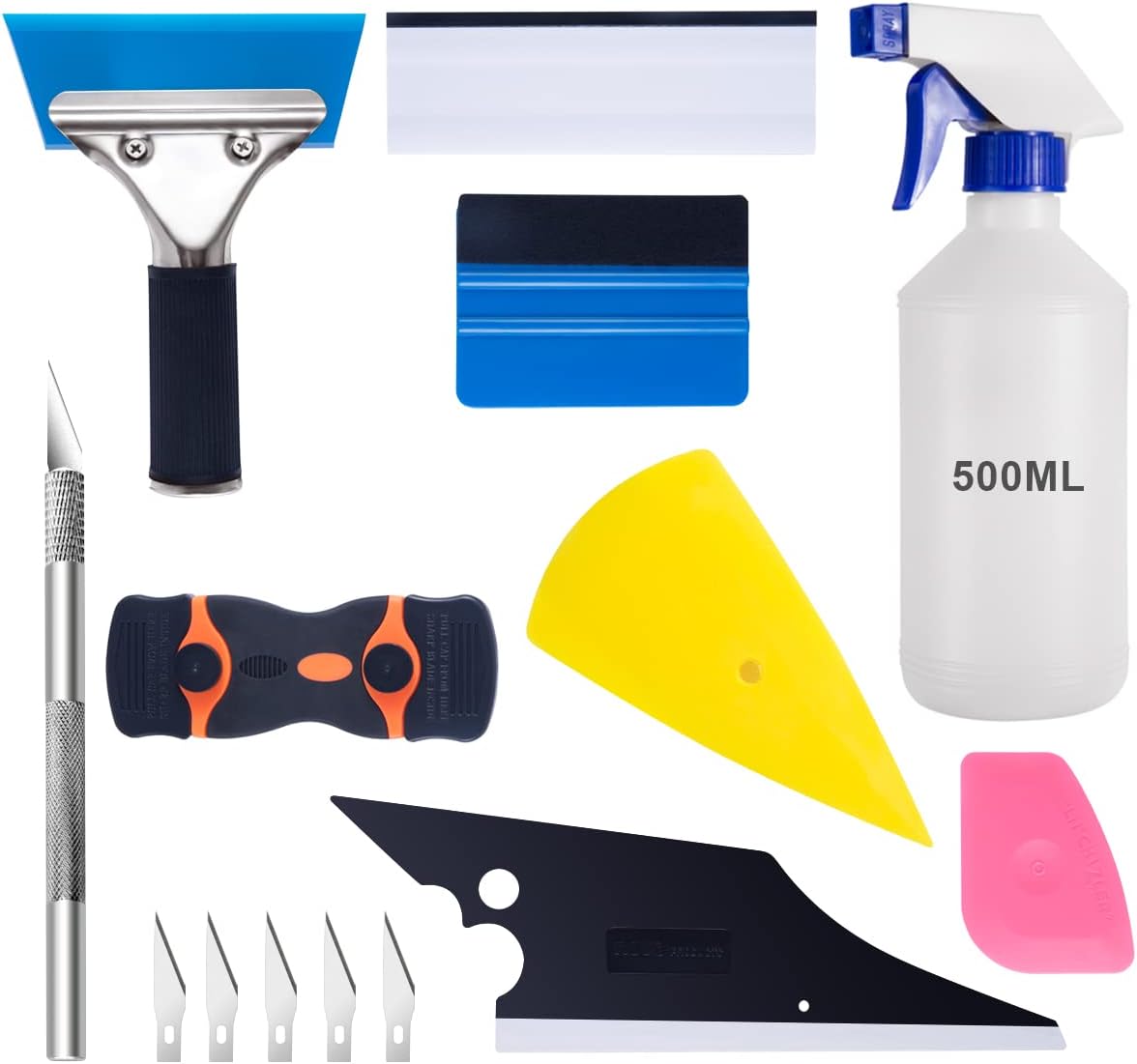
This 9-piece window tint application kit provides the essential tools needed to install, smooth, trim, and remove automotive film with greater ease. Designed for use on flat, curved, and corner surfaces, it includes multiple squeegees, a spray bottle, a carving knife, and a removal blade to help achieve cleaner results during tinting projects. It is a practical choice for car window tinting, film installation, and sticker removal tasks.
When to Use a Clay Bar and How to Clay-Bar Safely
Use a clay bar when the visible sap is mostly removed but the paint still feels rough. Clay is designed for bonded surface contaminants, not for shaving off thick chunks of sap. If you clay too early, you may drag sticky residue and grit across the clear coat.
Wash and dry the panel first. Knead the clay into a flat puck, spray clay lubricant on both the paint and the clay, then glide it gently in short, straight passes. When the clay face gets dirty, fold and knead it to reveal a clean side. If you drop the clay on the ground, throw it away because embedded grit can scratch paint.
Clay can leave the surface ready for polishing, wax, sealant, or coating maintenance. It can also remove some existing wax, so always re-protect the area after claying.
Troubleshooting Sap Stains and Stubborn Spots
| Problem | Likely Cause | Best Next Step |
|---|---|---|
| Sap smears instead of lifting | The cleaner needs more dwell time, or the sap is still too gummy | Use a fresh microfiber section, reapply remover, wait briefly, and wipe lightly |
| Paint feels rough after sap is gone | Bonded residue remains on the clear coat | Use a clay bar with plenty of lubricant, then seal the paint |
| A dull spot remains | Possible staining, etching, or over-rubbing | Stop using solvent and clay; try light polish or see a professional detailer |
| Black trim turns chalky | Cleaner dried on porous plastic or rubber | Rinse, dry, and apply a trim-safe protectant |
| Wipers streak after sap removal | Sap transferred to the wiper rubber | Clean the blades with glass cleaner on a towel or replace them if streaking remains |
Preventing Future Sap Damage and When to See a Pro
Prevention is easier than correction. Park away from sap-producing trees when possible, especially in warm weather. If covered parking is not available, use a breathable car cover on clean paint rather than covering a dirty vehicle.
- Wash your Camry regularly, and wash sooner after parking under trees.
- Keep wax, sealant, or ceramic spray on the paint so sap has a sacrificial layer to sit on.
- Inspect the hood, roof, windshield edges, trunk lid, and upper door panels after parking outside.
- Remove fresh sap as soon as you see it instead of waiting for the next full wash.
- Schedule a professional detail if sap is widespread, hardened, or paired with visible clear-coat staining.
Call a pro if the sap has been on the paint for weeks, if you see dull rings after removal, or if the surface no longer feels smooth after clay. A detailer can measure the paint, polish safely, and avoid thinning the clear coat unnecessarily.
Frequently Asked Questions
How do you remove tree sap from a car without damaging ceramic coating?
Use a coating-safe sap remover or a gentle bug-and-tar remover, apply it with microfiber, let it soften the sap briefly, then wipe with light pressure. Rinse and dry the area afterward. Avoid abrasive compounds unless the coating installer or product maker says they are safe.
What removes hardened tree sap from a Toyota Camry?
A paint-safe bug-and-tar remover can soften hardened sap. After the raised sap is gone, a clay bar with plenty of lubricant can remove bonded residue. If a stain remains after the paint feels smooth, the clear coat may need light polishing.
Will tree sap ruin car paint?
Tree sap can stain, dull, or etch the clear coat if it sits too long, especially in heat and sun. It is not always permanent if caught early, but the safest move is to remove it promptly and restore wax or sealant afterward.
Can I use rubbing alcohol on Camry paint?
Yes, but only sparingly. Dampen a microfiber towel with isopropyl alcohol, touch the sap area, and do not let it dry on the paint. Wash the area afterward and reapply protection because alcohol can weaken wax or sealant.
Can I use WD-40, gasoline, acetone, or nail polish remover on tree sap?
Do not use gasoline, acetone, lacquer thinner, or nail polish remover on automotive paint. They can damage the finish quickly. WD-40 is sometimes used by DIYers, but a dedicated automotive sap, bug, or tar remover is a better choice because it is made for exterior vehicle surfaces.
Is it safe to scrape tree sap with a razor blade?
Use a razor blade only on exterior glass, and keep it flat with plenty of lubrication. Never use a blade on paint, plastic trim, rubber seals, mirrors with coatings, interior window tint, or rear defroster lines.
Conclusion
Act fast and stay gentle. Wash the Camry first, soften the sap with a paint-safe remover, wipe with microfiber, and use a lubricated clay bar only for bonded residue that remains after cleaning. Protect rubber and trim from harsh solvents, save razor blades for exterior glass only, and finish with wax, sealant, or ceramic spray. If the paint is smooth but still stained or dull, stop rubbing and let a professional detailer correct it safely.
Sources
- Toyota Owners — 2025 Camry Hybrid exterior cleaning guidance — supports washing, rinsing, and waxing practices for Camry exterior care.
- Turtle Wax Bug & Tar Remover — supports wash-first, saturate, dwell, microfiber-wipe, and wax-after treatment steps.
- Meguiar’s Bug & Tar Remover — supports using a clear-coat-safe automotive bug-and-tar remover on exterior surfaces.
- Meguiar’s Smooth Surface Clay Kit — supports clay-bar use for bonded contaminants and clear-coat-safe decontamination.
- 3M Perfect-It Cleaner Clay — supports using automotive clay with water-based lubricant on paint, glass, and chrome.