
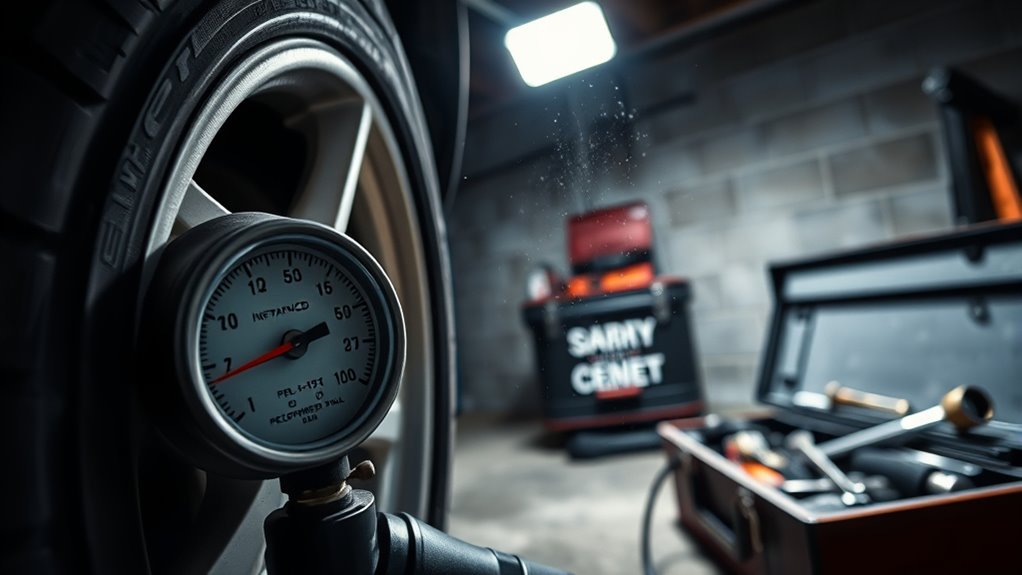
If your tire inflator is taking much longer than it used to, the problem is usually one of four things: restricted airflow, weak power, heat buildup, or a poor seal at the tire valve. The good news is that most slow-inflation problems are easy to diagnose before you replace the inflator.
Quick Answer
A tire inflator is usually slow because the chuck is not fully opening the Schrader valve, the hose or filter is restricted, the inflator is underpowered for the tire size, the battery or 12V supply is weak, or the motor is overheating and losing output.
Key Takeaways
- Start with the simple checks: tire valve, chuck fit, hose kinks, loose fittings, and the power source.
- A small portable inflator may be normal for topping off passenger tires but painfully slow on truck, RV, or off-road tires.
- Heat matters. Many compact compressors lose efficiency or shut off if they exceed their duty cycle.
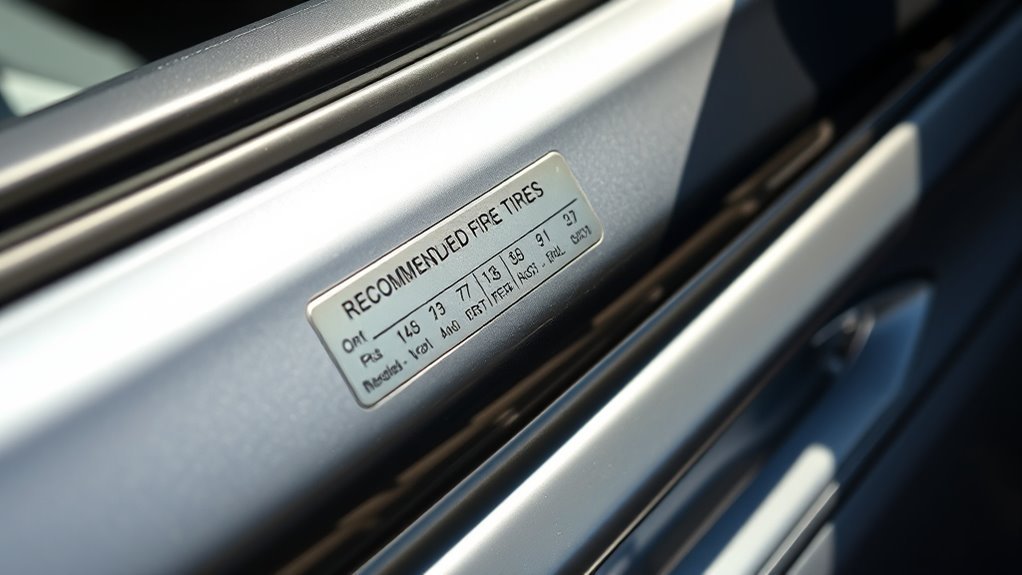
- Use the vehicle placard pressure, not the maximum PSI printed on the tire sidewall, when setting normal tire pressure.
At a Glance
| Time Required | 5–15 minutes for basic troubleshooting |
| Difficulty | Easy |
| Tools Needed | Tire pressure gauge, clean cloth, valve caps, soapy water in a spray bottle |
| Cost | Usually free; $5–$25 if you need a new chuck, hose seal, or valve core tool |
What Causes Slow Tire Inflation?
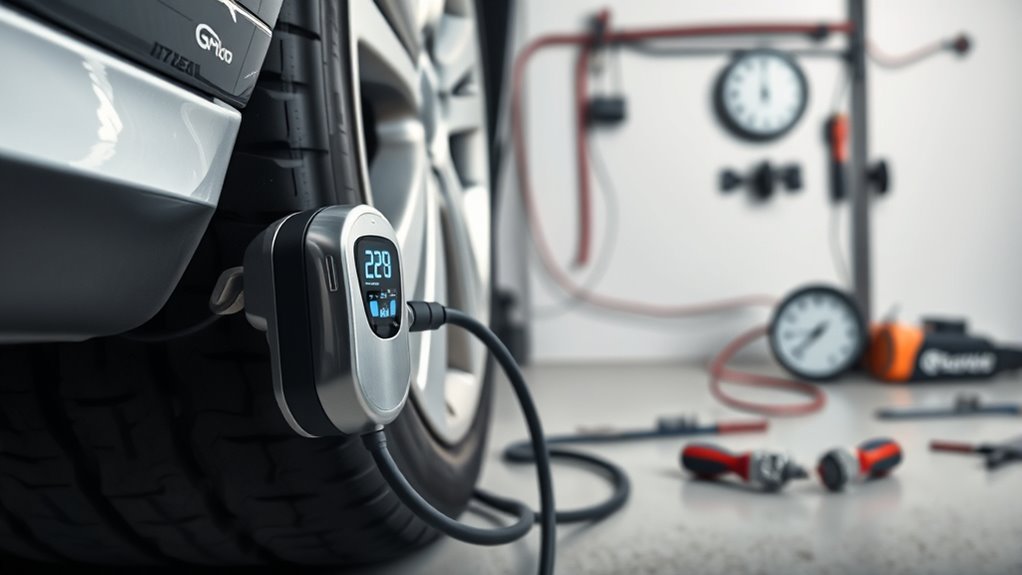
Slow tire inflation usually comes from a restriction somewhere between the compressor and the tire. Even a strong compressor cannot move air quickly if the hose is kinked, the chuck is leaking, the valve core is not being depressed, or the tire requires more air volume than the inflator was designed to deliver.
The most common causes are:
- Poor chuck-to-valve connection: The air chuck may be loose, crooked, worn, or not pressing the valve pin far enough to open the tire valve fully.
- Restricted airflow: Dirt, debris, a kinked hose, a clogged intake filter, or a damaged fitting can reduce airflow.
- Weak power supply: Cordless inflators slow down when the battery is low, and 12V inflators can struggle if the outlet, fuse, cord, or vehicle battery cannot supply enough current.
- Wrong inflator for the tire: Compact inflators are usually made for small top-offs, not repeatedly filling large truck, RV, trailer, or off-road tires.
- Overheating: Portable compressors create heat. Once hot, they may slow down, shut off, or need a rest period.
- Air leaks: Leaks at the chuck, hose, fittings, valve stem, or tire bead waste air and make inflation feel much slower.
Note: Tire pressure should be checked when tires are cold. The National Highway Traffic Safety Administration recommends using the vehicle manufacturer’s listed tire pressure, which is usually found on the driver-side door placard, not the maximum pressure printed on the tire sidewall.
Is Your Tire Inflator Actually Too Slow?
Before assuming the inflator is failing, compare its performance to the tire size and the job you are asking it to do. Adding 2–5 PSI to a passenger-car tire should usually be quick. Filling a nearly flat tire, topping off large SUV tires, or airing up oversized off-road tires can take much longer with a small 12V unit.
| Symptom | Likely Cause | Best First Fix |
|---|---|---|
| Air comes out but pressure rises slowly | Restriction, leak, or small compressor | Check chuck seal, hose, fittings, and tire size rating |
| Inflator starts strong, then slows down | Heat buildup or weak battery | Let it cool and test with a fully charged power source |
| Gauge rises but tire does not inflate much | Closed-end chuck pressure buildup or blocked valve | Reseat the chuck and check the valve core |
| Hissing near the valve stem | Loose chuck, damaged seal, or valve leak | Reattach the chuck straight and test with soapy water |
Understanding Schrader Valve Limitations in Tire Inflation
Most vehicle tires use a Schrader-style valve. A spring-loaded valve core keeps air inside the tire until the center pin is pressed. When an air chuck presses that pin, the valve opens and air can flow into the tire.
The issue is not that Schrader valves are “bad.” They are standard, reliable, and widely used. The problem is that airflow depends on how well the chuck opens the valve core. If the chuck only partly depresses the pin, the passage stays partially closed and inflation slows down.
A powerful inflator cannot overcome a poorly seated chuck. If the valve core is only partly open, the tire receives air through a restricted path.
Valve Opening Size
The tire valve is one of the narrowest points in the system. A small opening, a sticky valve core, or a chuck that does not push the center pin far enough can reduce flow. This is why two inflators with similar power can perform differently depending on the hose end and chuck design.
Try this quick test: attach the chuck, start the inflator, and gently adjust the chuck angle. If the sound changes or the pressure rises faster, the connection was not fully opening the valve.
Air Chuck Efficiency
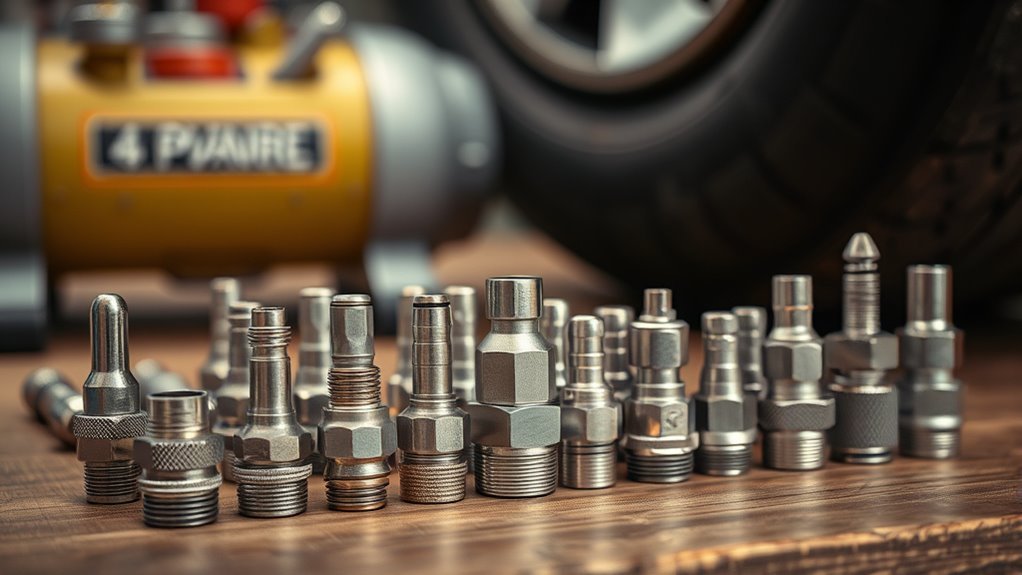
The air chuck is the part that locks onto the valve stem. Standard clip-on and screw-on chucks can work well, but they wear out, leak, or seat poorly over time. A better chuck can improve inflation speed by sealing firmly and depressing the valve core consistently.
Look for these signs of a chuck problem:
- You hear a hiss at the valve while inflating.
- You must hold the hose at an angle to keep air flowing.
- The gauge jumps up quickly but the tire does not gain pressure.
- The chuck feels loose, cracked, or difficult to lock.
- The rubber gasket inside the chuck looks flattened or damaged.
Pro Tip: If your inflator uses a screw-on chuck, count a few extra seconds when removing it. Air can escape during removal, especially on small tires. A clip-on chuck or quick-connect chuck may reduce that loss.
The Impact of Airflow on Inflation Speed
Inflation speed is not only about PSI. It is also about airflow volume. PSI tells you pressure; airflow tells you how much air the compressor can move. A tiny inflator can often reach a high PSI rating, but that does not mean it can fill a large tire quickly.
Airflow can be reduced by:
- Small internal passages: Narrow fittings, valve openings, and restrictive chucks slow air transfer.
- Long or narrow hoses: Long hoses are convenient, but small inside diameters can add resistance.
- Clogs and debris: Dirt in the chuck, hose, filter, or valve stem can restrict flow.
- Leaks: A leak wastes compressor output before it reaches the tire.
- Backpressure: The closer the tire gets to the target pressure, the harder the compressor must work.
Power Supply Problems That Slow Portable Tire Inflators
Portable inflators depend heavily on stable power. When voltage drops, motor speed and output can drop too. This is especially common with cordless inflators, long extension leads, weak 12V accessory outlets, or an older vehicle battery.
For a cordless inflator, fully charge the battery before testing. If the battery is removable, try a known-good battery. For a 12V inflator, inspect the plug, cord, fuse, and outlet. Some larger inflators are designed to connect directly to the vehicle battery with clamps because they draw more current than a standard accessory outlet can provide.
Warning: Never exceed the tire or vehicle manufacturer’s pressure limits. For high-pressure truck, RV, trailer, commercial, or multi-piece rim service, follow professional tire safety procedures. OSHA’s tire-servicing rules require safety measures such as clip-on chucks, in-line valves, gauges, and safe positioning for certain wheel work.
Overheating and Duty Cycle Limits
Small compressors create a lot of heat because they work hard in a compact space. Many inflators have a duty cycle, which is the amount of time they can run before they need to cool down. If the inflator gets hot, it may slow down, shut off, or deliver less air.
Stop and let the unit cool if you notice:
- The motor sound changes or struggles.
- The hose or compressor head becomes very hot.
- The inflator shuts off before reaching target pressure.
- The pressure rises normally at first, then barely moves.
Check your manual for the exact duty cycle. Heavy-duty models may advertise longer runtime, while compact emergency inflators may require a rest after a few minutes of use.
How to Troubleshoot Slow Tire Inflators
Use this step-by-step process before replacing your inflator. Work from the tire valve backward toward the compressor.
- Confirm the target pressure. Find the recommended cold tire pressure on the vehicle placard or owner’s manual. Do not use the tire sidewall maximum as your normal target pressure.
- Check the current pressure with a separate gauge. Built-in inflator gauges can be inaccurate, especially while air is flowing.
- Inspect the valve stem. Look for cracks, missing valve caps, dirt, or a bent valve core pin.
- Reseat the chuck. Attach it straight, lock it firmly, and listen for leaks. If it hisses, remove and reattach it.
- Spray soapy water on the connection. Bubbles around the chuck, valve stem, hose, or fittings reveal leaks.
- Check the hose. Straighten kinks and inspect for cuts, soft spots, melted areas, or loose fittings.
- Clean the intake area. If your inflator has a filter or intake screen, remove dust and debris according to the manual.
- Test with a strong power source. Fully charge cordless batteries. For 12V models, use a healthy outlet or the battery clamps supplied with the unit.
- Let the compressor cool. If it is hot, rest it before testing again.
- Compare against another tire. If one tire is much slower than the others, the problem may be that tire’s valve stem, valve core, bead, or puncture.
[Products Worth Considering]
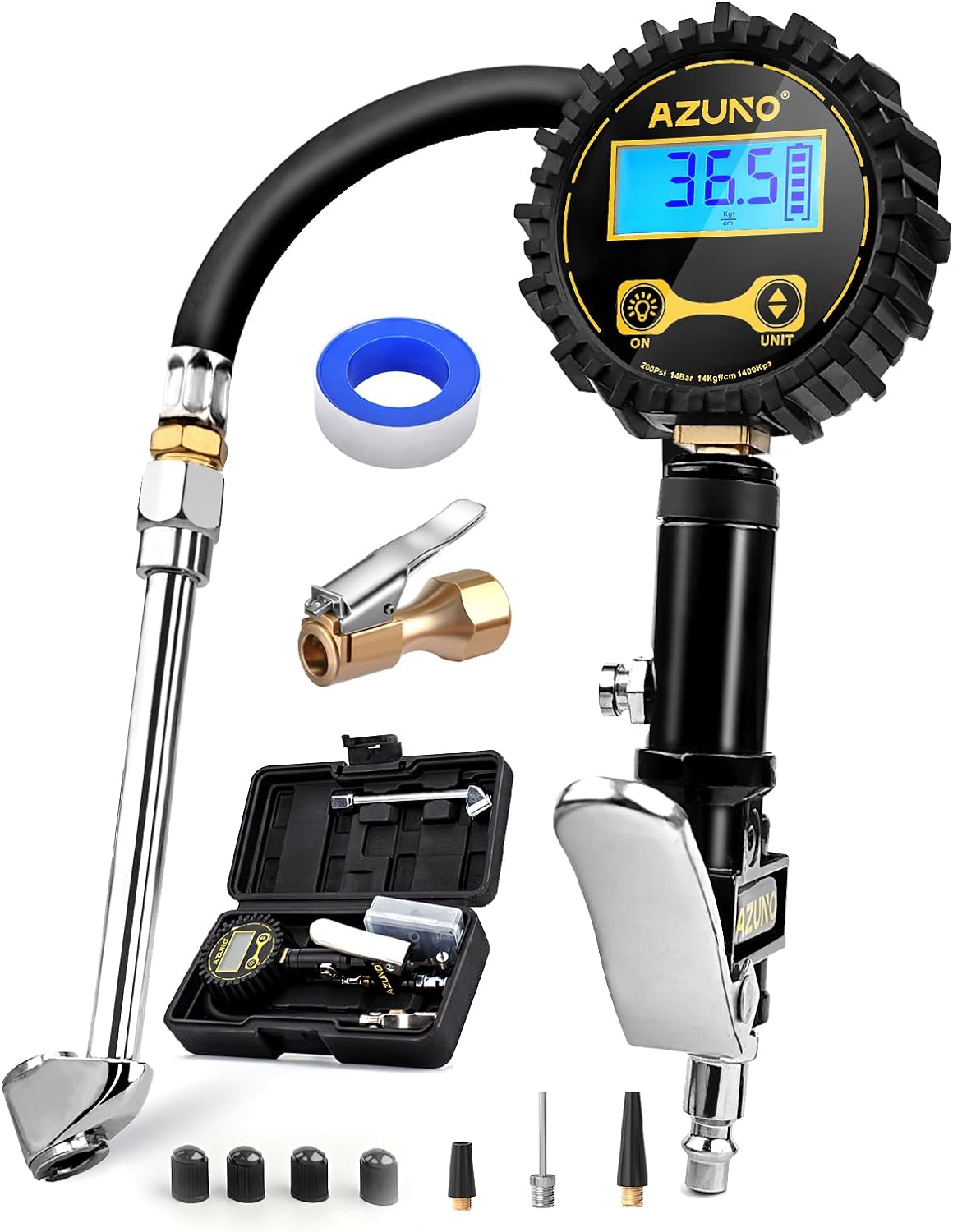
This digital tire inflator delivers accurate, easy-to-read pressure measurements with a bright backlit LCD and precise 0.1 resolution for confident inflation. Designed for single-handed use, it makes it simple to inflate or deflate tires while staying organized in the included portable carrying box. Built for a wide range of vehicles, it is a practical air compressor accessory for cars, trucks, SUVs, motorcycles, and more.

This portable tire inflator delivers fast, convenient inflation for cars, bikes, motorcycles, and balls with dual power options from a rechargeable battery or a 12V car cord. Its digital LCD pressure gauge and automatic shutoff help prevent over-inflation, while multiple preset modes and a custom setting make it easy to use for different inflation tasks. Built-in flashlight and USB power ports add extra emergency utility on the road.

This custom-fit truck bed mat is designed for 2022-2026 Toyota Tundra CrewMax models with a 5.5FT bed, delivering edge-to-edge coverage that helps protect against scratches, spills, mud, and pet hair. Its raised lip contains debris and moisture for easier cleanup, while the durable all-weather TPE rubber construction is built for long-lasting use and a low-odor interior experience.
Why Air Chuck Performance Matters
Air chuck performance matters because the chuck controls both sealing and valve opening. A leaky chuck wastes air. A shallow chuck may seal to the valve stem but fail to press the core pin far enough. Either problem makes the inflator seem weak even when the compressor itself is working.
Air Chuck Design Impact
Different chuck designs suit different jobs. A screw-on chuck can make a strong seal, but it can leak air when you remove it. A clip-on chuck is faster for repeated fills, but it must clamp tightly. A locking quick-connect chuck can be helpful when you inflate multiple tires or work in cold weather with gloves.
If the chuck is replaceable, upgrading it is often cheaper than replacing the whole inflator. Match the chuck thread and hose rating to your inflator, and make sure the parts are designed for tire-inflation pressure.
Valve Core Depressing Efficiency
The chuck must depress the valve core enough to open the air path. If it barely touches the pin, the compressor will run but the tire may inflate slowly. A worn rubber seal, damaged chuck nose, or misaligned locking lever can cause this problem.
If the valve core itself is sticky or damaged, use a valve core tool to check that it is snug. Do not overtighten it. If air leaks through the core after inflation, replace the valve core or have the valve stem serviced.
How Multi-Tire Inflation Can Help
Multi-tire inflation systems are popular with off-road drivers because they can connect two or four tires to one compressor setup. They are mainly useful when you air down and air up often, not for a basic emergency inflator kept in the trunk.
A good multi-tire setup can help by:
- Reducing repeated setup time: You connect once instead of moving the chuck from tire to tire.
- Equalizing pressure: Matched hoses can help tires settle at similar pressures.
- Improving workflow: You can monitor pressure from one central gauge.
- Reducing valve handling: Less connecting and disconnecting means less wear on valve stems.
However, multi-tire systems do not magically make a small compressor powerful. If your compressor is undersized, filling more tires at once may still be slow. The benefit is convenience and pressure balancing, not unlimited airflow.
Frequent Problems With Portable Tire Inflators and Their Solutions
Portable tire inflators are convenient, but they are more sensitive to power, heat, and connection problems than shop compressors. Here are the most common issues and what to do about them.
[Products Worth Considering]

This smart color coded tire tread depth gauge makes it easy to check tread wear at a glance with clear red, yellow, and green ranges. Calibrated from 0 to 1 inch in 1/32 inch increments, it helps you quickly assess tire condition for safer driving and timely replacements. The pocket clip design makes it convenient to carry and use on trucks, motorcycles, cars, and other passenger vehicles.

Fix-A-Flat provides a quick emergency solution for temporary flat tire repair and inflation, helping drivers get back on the road without a jack, spare tire, or tools. Its formula seals small tread punctures in seconds, is safe for tires and TPMS systems, and offers an eco-friendly alternative for roadside emergencies. Designed for standard tires, it is easy to keep in the trunk for dependable peace of mind.

ADVANCED TRUEGAUGE SCREEN: This battery tire inflator includes updated sensor technology, capable of collecting pressure data from tire inflators at a frequency of 200 times per second. Its valid data rate is higher than 80%, which is 60% better than the market average. From routine maintenance to roadside emergencies, its accurate readings ensure confident pressure checks and a safer driving experience.Suitable as a Father's Day gift for your dad.
The Inflator Runs but Pressure Barely Rises
Check for leaks at the chuck and valve stem first. Then inspect the hose and fittings. If the gauge on the inflator rises quickly while the tire stays low, the chuck may not be opening the valve core correctly.
The Inflator Shuts Off Before the Tire Is Full
The unit may be overheating, hitting an automatic shutoff, or reaching a preset pressure based on an inaccurate gauge reading. Let it cool, reset the target pressure, and verify pressure with a separate gauge.
The Inflator Is Slow on Only One Tire
That tire may have a leaking valve core, damaged valve stem, bead leak, puncture, or debris inside the valve. Test the valve area with soapy water. If bubbles appear, repair the leak before continuing to inflate.
The Inflator Is Slow on Large Tires
The compressor may simply be too small for the tire volume. A compact inflator that works fine on a sedan can be slow on pickup, RV, trailer, or off-road tires. Check the manufacturer’s tire-size rating, duty cycle, and recommended use.
Maintenance Tips for Better Performance
Regular maintenance keeps airflow strong and prevents small problems from turning into slow inflation every time you need air.
- Keep the hose clean and unkinked. Store it loosely instead of wrapping it tightly around hot parts.
- Protect the chuck. Keep dirt, sand, and moisture out of the hose end.
- Replace damaged seals. A worn chuck gasket can leak enough air to slow the whole process.
- Use valve caps. Caps keep debris and moisture away from the valve core.
- Check the power cord. Look for melted insulation, loose plugs, damaged clamps, or corrosion.
- Respect the duty cycle. Give the compressor cooling breaks during long inflation jobs.
- Store it dry. Moisture can corrode fittings and damage electrical parts.
- Test it before trips. Inflate one tire at home so you know the unit works before you need it roadside.
Pro Tip: Keep a separate pencil or digital tire gauge in your glove box. It helps confirm the inflator’s built-in gauge and prevents overinflating when the compressor gauge reads high while air is flowing.
When to Replace Your Tire Inflator
Replace the inflator if it still performs poorly after you confirm the power source, chuck, hose, filter, and valve stem are good. Replacement also makes sense if the motor smells burnt, the cord overheats, the housing is cracked, the gauge is wildly inaccurate, or the inflator cannot handle your tire size without repeated overheating.
When buying a replacement, compare more than the maximum PSI. Look for tire-size rating, airflow rating, duty cycle, hose length, power connection, gauge accuracy, and whether replacement chucks or hoses are available.
[Products Worth Considering]

[Compatible Products] Compatible with ROCGORLD R8 tire inflator

6X FASTER INFLATION: GSPSCN Heavy Duty Double cylinder design, maximum pressure 150PSI, air flow 70L/min, inflates standard vehicle tire in 1 minutes (200/70/R18, 0-35psi).

20" Extended & Flexible: This 20-inches long tire inflator hose offers great flexibility and reach for use in most vehicles. Features a standard fine-thread Schrader valve (0.305" x 32TPI), making it widely compatible with most portable tire inflators
Frequently Asked Questions
Why is my air compressor taking so long to fill a tire?
It may be underpowered for the tire size, losing air at the chuck, running through a kinked hose, overheating, or working against a valve core that is not fully open. Start by reseating the chuck and checking for leaks with soapy water.
Why is my air compressor struggling to build pressure?
A compressor may struggle to build pressure because of a leak, blocked hose, weak power supply, worn piston or seal, overheating, or a closed-end chuck creating pressure in the hose instead of moving air into the tire.
Why is my tire pressure going down slowly?
Slow pressure loss is usually caused by a small puncture, leaking valve core, cracked valve stem, bead leak, wheel corrosion, or normal pressure changes from temperature swings. Spray soapy water around the tread, valve, and bead to look for bubbles.
Why is my tire inflator not inflating?
The chuck may not be seated, the valve core may be blocked, the hose may be kinked, the battery may be dead, or the compressor may have overheated. If the motor runs but no air reaches the tire, inspect the chuck, hose, and valve first.
Can a bad valve stem make inflation slow?
Yes. A damaged valve stem, dirty valve core, or sticky center pin can restrict airflow or leak while you inflate. If the valve area bubbles during a soapy-water test, repair or replace the valve component before relying on the tire.
Should I run my car while using a 12V tire inflator?
Follow the inflator and vehicle manuals. Some 12V inflators need the ignition in accessory or on mode, while some manufacturers advise keeping the engine off for safety. Use the power method specified for your exact inflator.
Conclusion
If your tire inflator is slow, do not assume the compressor is worn out right away. First check the chuck, valve stem, hose, power supply, and heat buildup. Most slow-inflation problems come from a simple restriction or leak. If those checks pass and the inflator is still too slow for your tires, it may be undersized for the job and worth upgrading to a model with better airflow, longer duty cycle, and a more reliable chuck.
Sources
- NHTSA TireWise — cold tire pressure, tire placard guidance, and tire safety basics.
- OSHA 29 CFR 1910.177 — safety requirements and safe practices for servicing rim wheels and tire inflation in professional settings.
- Schrader Pacific Valve Core Information — valve core function and compatibility with tire and pneumatic standards.
- VIAIR 450P-RVS Portable Compressor — example of compressor runtime, duty-cycle expectations, and tire-inflator use cases.
- Slime 12V Tire Inflator — example of 12V inflator connection instructions and lift-to-lock chuck design.


[…] slow inflation is the main symptom, see why a tire inflator is slow for a focused airflow, power, heat, and valve-seal […]