If your tire inflator is slow, it could be due to airflow restrictions from Schrader valve limitations or blockages in the air hose. A standard air chuck may not fully open the valve, hampering efficiency. Low battery power can also hinder performance. Regular maintenance is key—check for clogs, inspect your air hose, and guarantee proper connections. Upgrading to a better air chuck can make a significant difference. There’s more to uncover to boost your inflator’s performance.
What Causes Slow Tire Inflation?
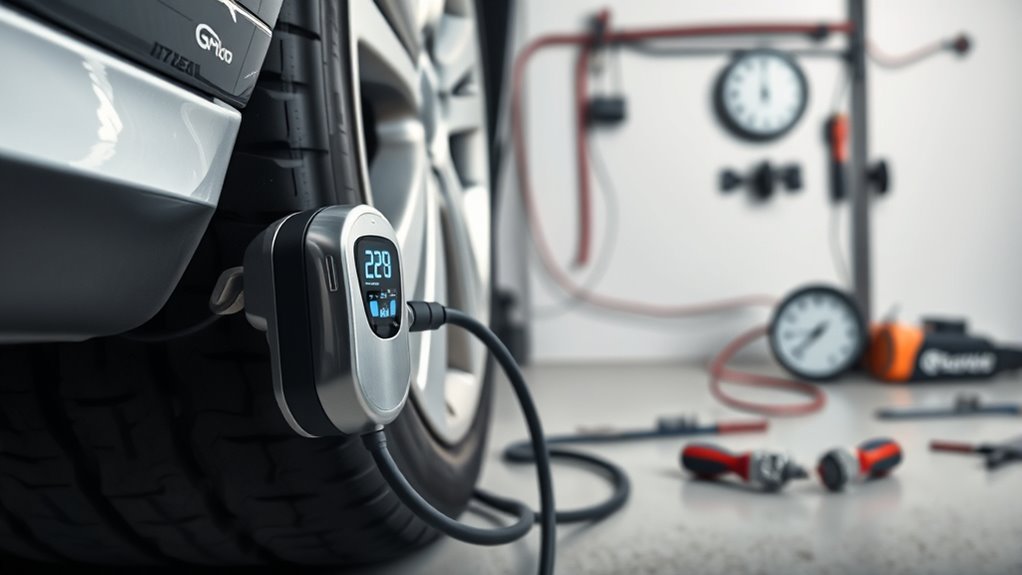
When you’re dealing with slow tire inflation, several factors could be at play. One common problem is the limitations of your tire inflator’s Schrader valve, which can restrict airflow to just 1.8–2.4 CFM. This makes high-output compressors struggle. Additionally, blockages in the air hose from dirt or debris can greatly cut airflow, slowing down inflation. If you’re using a standard air chuck that doesn’t fully open the valve, it’ll further hinder efficiency. Insufficient battery power in portable inflators can also lead to frustratingly slow inflation times. To combat these issues, regular maintenance is key—cleaning air filters and checking for leaks will guarantee peak performance, liberating you from the hassle of slow tire inflation.
Understanding Schrader Valve Limitations in Tire Inflation
Slow tire inflation can often be traced back to the limitations of the Schrader valve. These valves can restrict airflow, considerably affecting your tire inflation speed. Understanding the key factors can help you optimize your inflation experience:
- Airflow Restriction: Schrader valves have a small internal orifice, limiting airflow to 1.8–2.4 CFM.
- Compressor Mismatch: High-output compressors (around 10.6 CFM) can’t fully utilize the valve’s capacity, causing delays.
- Chuck Limitations: Standard air chucks often don’t fully open the valve, further slowing inflation.
- Multi-Tire Setups: Using multiple tire inflation setups can reduce backpressure and improve air transfer efficiency.
The Impact of Airflow on Inflation Speed
Airflow directly influences how quickly your tires inflate, and valve opening size plays a critical role in this process. If the valve opening is too small, it restricts airflow, slowing down inflation regardless of your compressor’s power. Choosing an efficient air chuck can further enhance airflow, ensuring you get the most out of your inflation system.
Valve Opening Size
The size of a valve opening plays a crucial role in determining how quickly you can inflate a tire. When using a standard Schrader valve, airflow is limited to about 1.8–2.4 CFM, which can bottleneck your high-output compressor rated at 10.6 CFM. Here’s how you can improve inflation speed:
- Use larger valve openings to maximize airflow.
- Choose air chucks that fully depress valve stems for better performance.
- Implement a multi-tire inflation setup to reduce backpressure.
- Consider MORRFlate air chucks designed for ideal airflow efficiency.
Air Chuck Efficiency
Maximizing tire inflation speed hinges not just on valve opening size but also on the efficiency of the air chuck you’re using. Standard air chucks often fail to fully depress Schrader valves, restricting airflow and slowing down inflation rates. In contrast, MORRFlate air chucks are engineered to fully open valve cores, ensuring maximum airflow for quicker inflation. The typical Schrader valve’s small orifice limits airflow to 1.8–2.4 CFM, making it tough for high-output compressors to perform effectively. If you’re inflating multiple tires, consider a multi-tire inflation system that employs several air chucks to reduce backpressure and enhance airflow. Additionally, keeping your air chucks and hoses clean can greatly boost air chuck efficiency and cut down inflation time.
Why Air Chuck Performance Matters
When you choose an air chuck, design matters more than you might think. Standard chucks often fail to fully depress Schrader valves, restricting airflow and slowing down inflation. Upgrading to a high-performance air chuck guarantees efficient valve core engagement, maximizing airflow and speeding up the inflation process.
Air Chuck Design Impact
While you might not think about it often, the design of an air chuck can greatly impact your tire inflation experience. The right air chuck design plays an essential role in how efficiently your air compressor performs. Here are a few key considerations:
- Airflow Capacity: Standard chucks may not fully depress Schrader valves, limiting airflow.
- Maximized Inflation: Specialized designs, like MORRFlate chucks, guarantee full valve core opening for faster inflation.
- Compressor Efficiency: Efficient air chucks reduce strain on compressors, helping them reach their rated CFM output.
- Upgrading Matters: Investing in a better air chuck can greatly enhance your tire inflation process, resulting in quicker, more effective performance.
Valve Core Depressing Efficiency
Efficient valve core depressing is essential for ideal tire inflation, as it directly influences the airflow and speed of the process. Most standard air chucks fail to fully depress Schrader valves, leading to restricted airflow and slower inflation rates. This is where specialized air chucks, like MORRFlate, shine—they fully open valve cores for maximum airflow. Remember, the small orifice of a Schrader valve limits airflow, which can severely hinder your compressor’s output. By employing multi-tire inflation systems, you can reduce backpressure, making inflation faster and more efficient. To guarantee peak performance, always check for air leaks and perform proper maintenance on your equipment. This way, you’ll enjoy a smoother, quicker inflation experience and minimize strain on your compressor.
How Multi-Tire Inflation Can Help
Multi-tire inflation can greatly enhance your off-road experience, allowing you to inflate multiple tires simultaneously without wasting time or effort. This method not only boosts efficiency but also reduces strain on your compressor. Here’s how it can help:
- Faster Inflation: Open multiple valve stems to minimize backpressure and heat.
- Consistent Pressure: Guarantees even tire pressures, preventing uneven wear.
- Hands-Free Operation: You can multitask while your tires inflate, making it quicker.
- Maximized Airflow: Use kits like MORRFlate to fully open valve cores for peak performance.
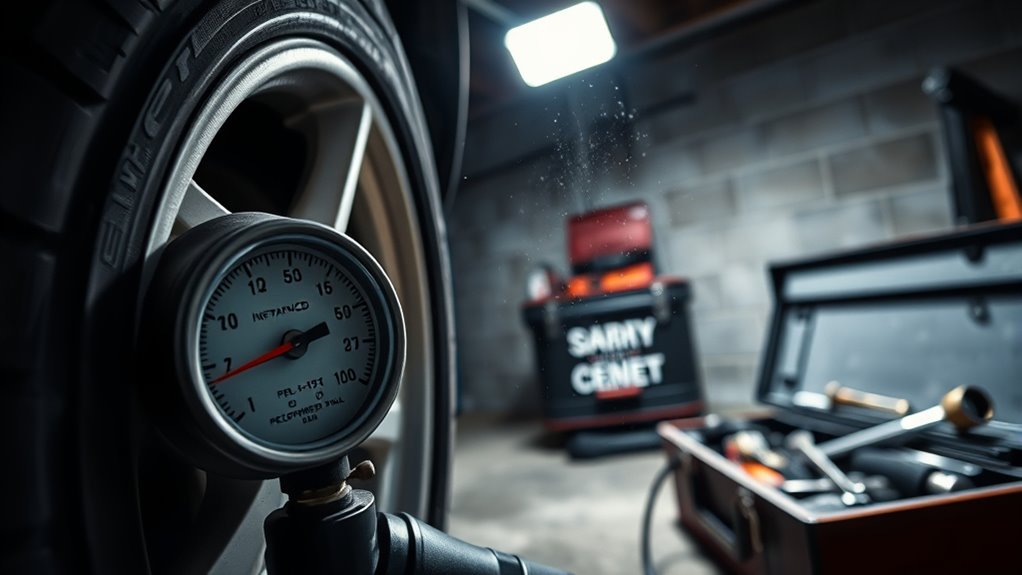
With a pressure gauge monitoring your tire levels, you’ll maintain the right pressure and enjoy a smoother ride. Embrace multi-tire inflation for a liberating, efficient off-road adventure!
Frequent Problems With Portable Tire Inflators and Their Solutions
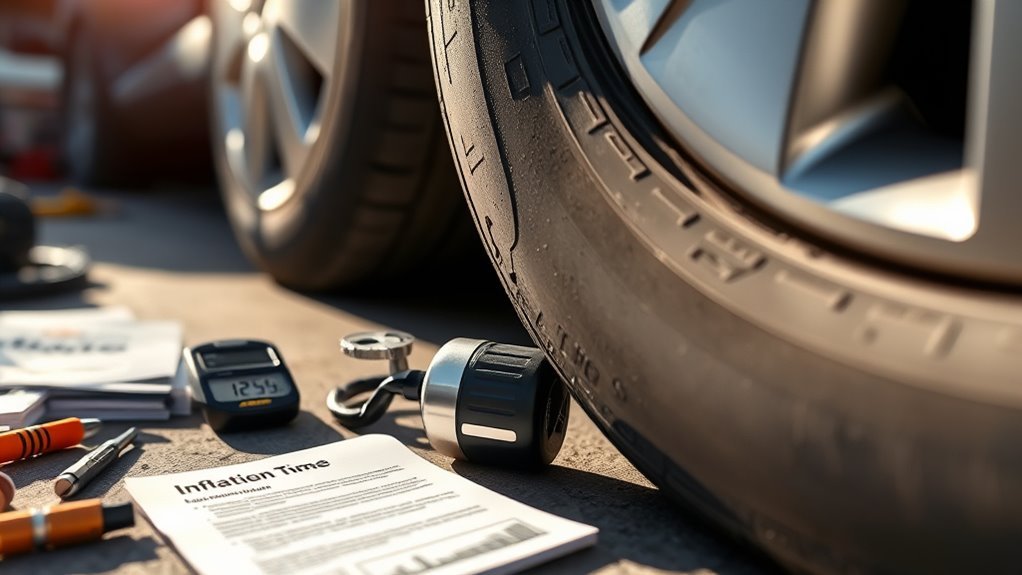
When you’re out on the road, it’s frustrating to deal with common issues that can hinder the performance of your portable tire inflator. Blockages in the air hose or filter can restrict airflow, slowing down inflation. Make certain to check for these clogs regularly. If your inflator’s power supply is weak, consider maintaining your battery’s health to guarantee peak performance. Using standard air chucks that don’t fully open Schrader valves can limit air flow; switch to specialized ones for better results. Additionally, ascertain your inflator’s design suits the tire size; lightweight models may struggle with larger tires. Finally, avoid overheating by allowing your inflator to cool down during extended use to keep it efficient and powerful.
How to Troubleshoot Slow Tire Inflators
If you find your tire inflator struggling to keep up, troubleshooting its slow performance can save you time and frustration on the road. Here’s how to identify the issues:
- Check the battery: Make sure it’s fully charged; low power can hinder performance.
- Inspect the air hose: Look for blockages or kinks that restrict airflow.
- Examine the Schrader valve: Confirm it’s fully opened; many inflators only allow limited airflow.
- Test accuracy: Use a known pressure gauge to verify your inflator’s performance and spot any discrepancies.
Maintenance Tips for Better Performance
To keep your tire inflator running at peak performance, regular maintenance is essential. Take the time to clean the air hose and filter frequently; clogged air can notably slow down airflow and efficiency. Monitor the battery health too—low power can lead to decreased performance and slower inflation times. Store your inflator in a cool, dry place to protect it from extreme temperatures and humidity that can impair functionality. Conduct periodic functionality checks by inflating a tire, as this helps identify weak airflow or unusual sounds early on. Finally, always follow the manufacturer’s guidelines for maintenance to enhance your inflator’s longevity and performance, ensuring you’re always ready to roll when needed.
Frequently Asked Questions
Why Is My Air Compressor Taking so Long to Fill Up?
Your air compressor’s slow filling could stem from inadequate air compressor maintenance or faulty pressure gauges. Check for blockages, leaks, and guarantee proper ventilation to boost efficiency and speed up the inflation process considerably.
Why Is My Air Compressor Struggling to Build Pressure?
Your air compressor’s struggling to build pressure due to pressure leaks and inadequate compressor maintenance. Check for leaks, clean filters, and guarantee proper ventilation to enhance performance and maintain ideal pressure levels effectively.
Why Is My Tire Pressure Going Down Slowly?
Your tire pressure’s dropping like a rock! It could be due to tiny air leaks or temperature changes. Regularly inspect for punctures and valve issues to maintain ideal pressure and keep your ride smooth.
Why Is My Tire Inflator Not Inflating?
Your tire inflator might not be inflating due to air leaks at the tire valve or hose connections. Check for secure fittings and verify there’s no blockage to improve airflow and efficiency during inflation.
Conclusion
To sum up, if your tire inflator’s been sluggish, don’t just accept it—take action! By understanding the causes of slow inflation and checking your Schrader valve, airflow, and air chuck performance, you can access faster inflation times. Don’t let a few simple issues keep you from hitting the road with confidence. So, what are you waiting for? Immerse yourself in those maintenance tips and troubleshoot your inflator; you might be surprised by the difference it makes!