Use manual shifting in a Supra automatic when you want more control over gear choice than normal Drive mode gives you. It is most useful on winding roads, track sessions, steep downhill grades, quick overtakes, and low-traction situations where smooth, predictable power matters more than letting the transmission choose every shift for you.
Quick Answer
Use manual shifting in a Supra automatic during spirited driving, track use, steep descents, corner-heavy roads, or overtaking. It helps you hold the right gear, use engine braking, avoid unwanted upshifts, and keep the engine in a responsive RPM range. For easy cruising, normal automatic Drive mode is usually best.
Key Takeaways
- Manual mode is best when you need predictable gear control, not during relaxed stop-and-go driving.
- The automatic Supra uses an 8-speed automatic transmission with paddle shifters, not a true manual gearbox.
- Use lower gears for engine braking on descents and for stronger response before corners or overtakes.
- Avoid forcing aggressive downshifts, over-revving, or using abrupt throttle inputs on wet, cold, or uneven roads.
At a Glance
| Time Required | A few drives to get comfortable; ongoing practice for smooth timing |
| Difficulty | Easy to learn, moderate to master at speed |
| Tools Needed | Your Supra’s shift paddles, tachometer, and owner’s manual |
| Cost | Free |
What Manual Shifting in a Supra Automatic Entails
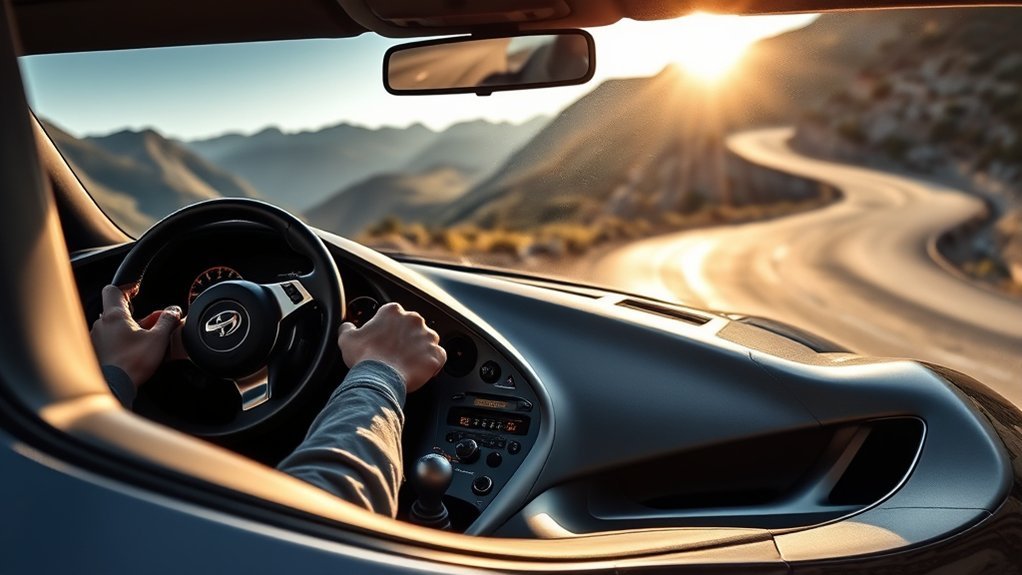
In a Supra automatic, manual shifting means using the manual shift gate and/or steering-wheel paddle shifters to request upshifts and downshifts yourself. Instead of leaving every gear decision to Drive mode, you can choose a gear that better matches the corner, hill, speed, and engine response you want.
The current GR Supra automatic is equipped with an 8-speed automatic transmission, while separate trims may offer a 6-speed intelligent manual transmission. That distinction matters: manual mode in the automatic gives you driver-selected shifts, but the car still uses software protections. It may refuse a downshift that would over-rev the engine, and it may intervene near the rev limit or in other protective situations.
For most automatic Supra drivers, the shift paddles are the easiest way to use manual control. Pull the right paddle to upshift and the left paddle to downshift. The benefit is simple: you can keep both hands on the wheel while choosing the gear you want.
Note: Controls can vary slightly by model year and market. Use this as practical driving guidance, but always follow the shift instructions and warnings in your Supra owner’s manual.
Optimal Situations for Using Manual Shifting
Manual mode shines when you need the car to stay predictable. Normal automatic mode is excellent for daily driving, commuting, and highway cruising, but it can upshift or downshift at moments that feel less ideal during harder driving. Manual shifting helps you stay ahead of the car instead of reacting after the transmission makes a decision.
[Products Worth Considering]
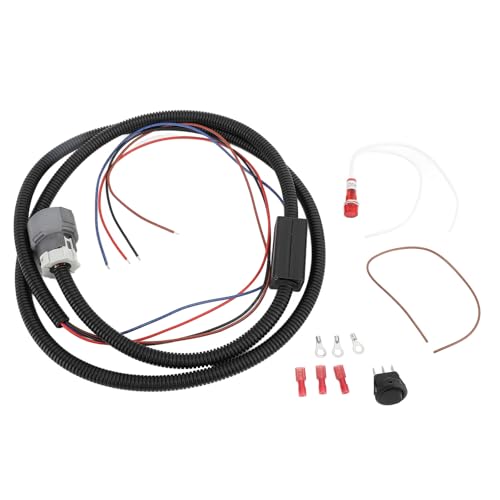
Applicable Model: Stand alone controller manual shift conversion stand alone controller is fit for 4l60e transmission 1993‑2008 2wd 4wd such as, fit for jimmy, please confirm whether your model is applicable before buying.To avoid unnecessary returns

Classically Trained design manual transmission humor for drivers stick shift lovers clutch control, car, driving pride.

Spirited Driving on Winding Roads
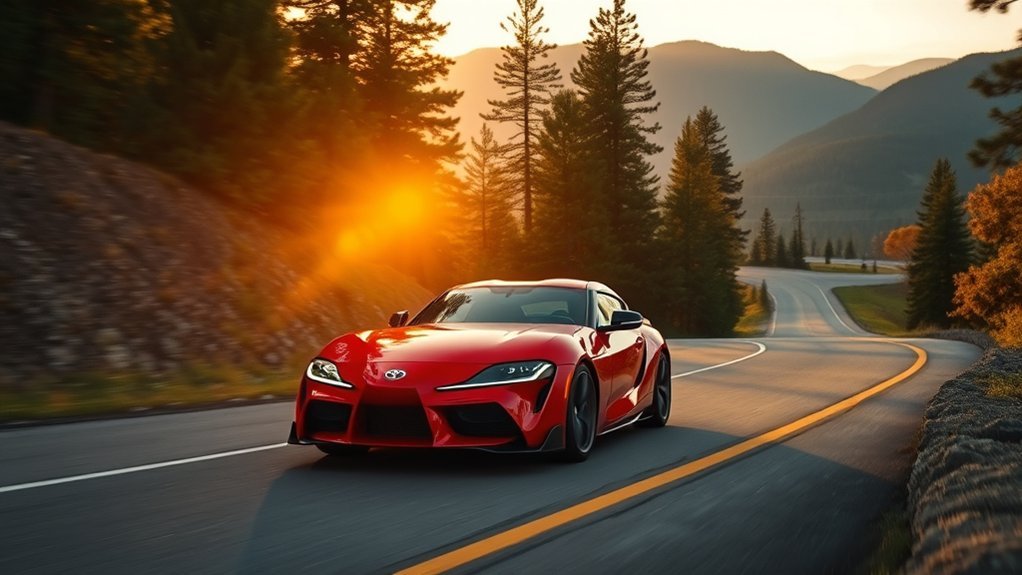
On twisty roads, manual shifting lets you hold a lower gear before and through a corner. This keeps the engine ready when you roll back into the throttle at corner exit. It also avoids an unwanted mid-corner upshift, which can slightly change the car’s balance when you want it to stay settled.
Track Days and Autocross
During track days, manual mode helps you choose repeatable shift points. You can use the same gear for the same corner each lap, which makes the car easier to learn and easier to place. Toyota notes that the 2026 GR Supra continues to offer both manual and automatic transmission choices, with the automatic delivering a manufacturer-estimated 0–60 mph time of 3.9 seconds in 3.0-liter models.
Steep Descents
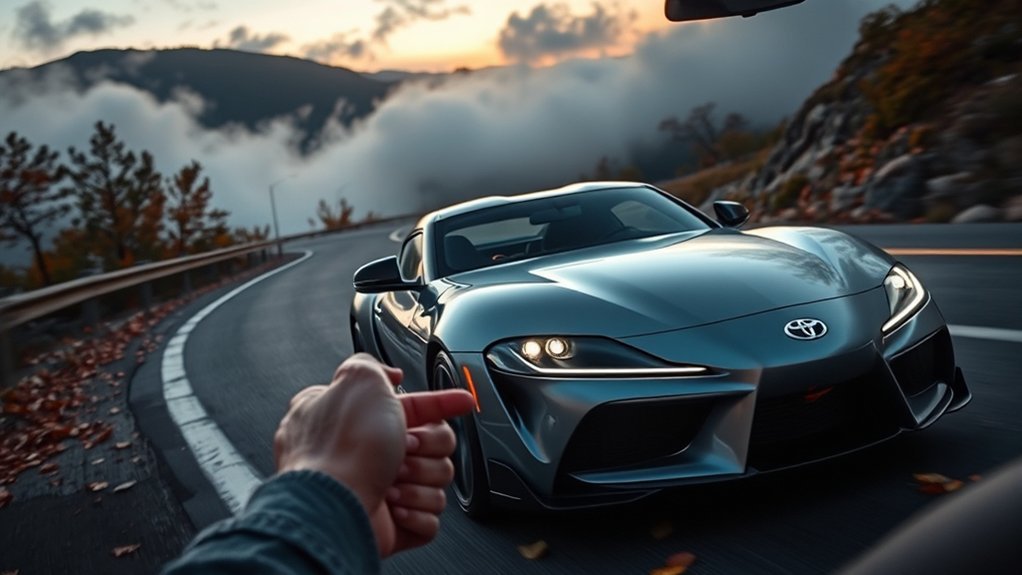
Manual shifting is useful on downhill roads because a lower gear adds engine braking. That helps control speed without relying only on the brake pedal. It is especially helpful on long grades, where constant braking can build heat.
Overtaking and Highway Merging
Before passing a slower vehicle or merging into fast traffic, a manual downshift can put the engine in a stronger part of the RPM range. That gives quicker response when you press the throttle, rather than waiting for kickdown after you are already asking for power.
Slippery or Low-Traction Conditions
In rain, cold weather, or on dusty pavement, manual mode can help you avoid sudden gear changes. The goal is not to drive aggressively; it is to keep throttle and gear changes smooth. A higher gear at low throttle can reduce wheelspin risk, while an abrupt downshift can do the opposite.
Warning: Manual mode does not increase tire grip. On wet, icy, sandy, or cold pavement, prioritize smooth inputs, lower speeds, and longer following distances over aggressive shifting.
Why Manual Shifting Boosts Your Control and Performance
Manual shifting improves control because it lets you choose the gear before the situation demands it. In automatic Drive mode, the car reacts to throttle, speed, load, and drive mode. In manual mode, you can plan ahead.
The biggest advantage is gear predictability. If you know a corner, hill, or passing zone is coming, you can select the gear early and keep the car balanced. That makes the Supra feel more connected and easier to drive smoothly.
Manual mode can also help keep the engine in its responsive range. The GR Supra’s 3.0-liter turbocharged inline-six produces strong torque, and Toyota lists the 2026 model at 382 horsepower and 368 lb.-ft. of torque. Choosing the right gear helps you access that power more cleanly when accelerating out of a bend or preparing to pass.
The point of manual mode is not to shift more often. It is to shift at the right time so the car stays settled, responsive, and predictable.
How to Use Manual Shifting Step by Step
Manual shifting in an automatic Supra is simple, but smooth timing matters. Use the steps below as a safe starting point.
- Start in normal Drive mode. Get a feel for road conditions, traffic, tire temperature, and visibility before using manual control.
- Enter manual mode. Use the manual shift gate or paddle shifters as described in your owner’s manual.
- Downshift before you need power. Choose the lower gear before a corner exit, hill, or passing move instead of stabbing the throttle and waiting for kickdown.
- Upshift smoothly as RPM rises. Do not wait for the engine to bounce near the limiter. Shift when the car is still pulling cleanly.
- Use lower gears on descents. Let engine braking help control speed, but still use the brakes when needed.
- Return to automatic mode for relaxed driving. Once you are cruising, the automatic mode is usually smoother and easier.
Pro Tip: Practice at moderate speeds first. A smooth shift at 40 mph teaches more than a rushed shift near the limit.
[Products Worth Considering]

Unique Appearance: Inspired by traditional aesthetics, this gear knob replicates the look of a samurai sword handle, bringing a bold and artistic touch to your vehicle's interior. The detailed wrap and elongated silhouette offer a distinct decorative accent that stands out from standard designs

Vehicle Specific Fit: Suitable for Chevrolet Avalanche 1500 2500 2002-2006, for Chevrolet Silverado 1500 1999-2007, for Chevrolet Silverado 1500 HD 2001-2006, for Chevrolet Silverado 2500 HD 2001-2007, for Chevrolet Silverado 3500 2001-2007, for Chevrolet Suburban 1500 2500 2000-2006, for Chevrolet Tahoe 2000-2006, for GMC Sierra 1500 1999-2002, for GMC Sierra 1500 HD 2001-2006, for GMC Sierra 2500 1999-2004, for GMC Sierra 3500 2001-2006, for GMC Yukon 2000-2006, for GMC Yukon XL 1500 2500 2000

Manaul Transmission, Stick Shift, Standard Shift
Tips and Techniques for Effective Manual Shifting
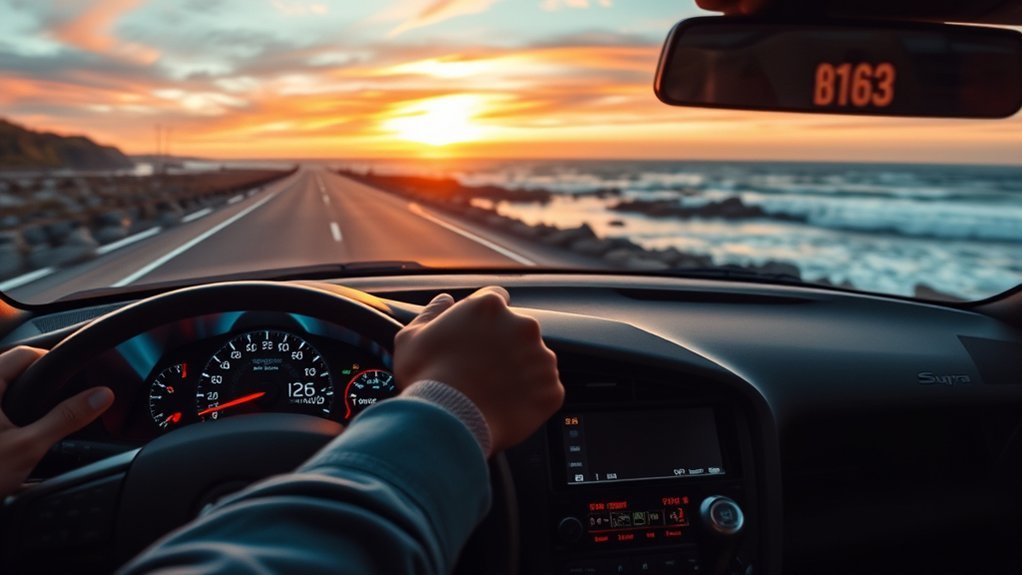
Mastering manual shifting in a Supra is about timing, not drama. Good shifts feel calm, deliberate, and easy on the car.
[Products Worth Considering]

Complete vehicle fitment | For BMW F-chassis: F30 F31 F34, F32 F33 F36, F80 M3, F82 F83 M4, F87 M2, F15 F16 X5 X6, F25 F26 X3 X4; G-chassis: G20 G21, G22 G23 G26, G80 M3, G82 G83 M4, G87 M2, G01 G02 X3 X4, G05 G06 X5 X6, G29 Z4, G30 G31. Also for MINI F-Series and for Toyota Supra A90 A91. F10 and F01 require an M Sport steering wheel. Check the compatibility chart before ordering.

Complete vehicle fitment | For BMW F-chassis: F30 F31 F34, F32 F33 F36, F80 M3, F82 F83 M4, F87 M2, F15 F16 X5 X6, F25 F26 X3 X4; G-chassis: G20 G21, G22 G23 G26, G80 M3, G82 G83 M4, G87 M2, G01 G02 X3 X4, G05 G06 X5 X6, G29 Z4, G30 G31. Also for MINI F-Series and for Toyota Supra A90 A91. F10 and F01 require an M Sport steering wheel. Check the compatibility chart before ordering.
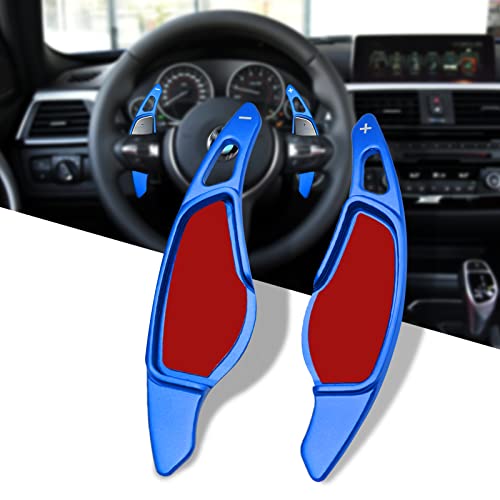
【Fitment】Specially designed Steering Wheel Paddle Shifter Extension Compatible with BMW 3' G20/G21, 5' G30/G31, 6' G32, 7' G11/G12, 8' G14/G15/G16, X3 G01, X4 G02, X5 G05, X6 G06, X7 G07, Z4 G29. Very high quality and authentic look, adds aesthetic upgrades and a racy coolness to the interior.
Watch the Tachometer
The tachometer shows engine speed in RPM. Use it to learn how the car responds in each gear. If the engine feels flat, you may be in too high a gear. If it feels busy or close to the redline, it is time to upshift.
Shift Before Corners, Not During Them
For spirited driving, finish your braking and downshift before turning in. This keeps the car more stable and gives you a clean gear for corner exit. Shifting mid-corner can unsettle the car, especially if the road is rough or slippery.
Use Engine Braking With Care
Engine braking is helpful on descents and when setting up for corners, but it should feel smooth. If a downshift causes a sudden lurch, you asked for too much too soon. Choose a less aggressive downshift or slow the car more with the brakes first.
Do Not Fight the Transmission Protection
If the car refuses a downshift, it is usually protecting the engine or transmission from an unsafe RPM range. Do not repeatedly pull the paddle trying to force the shift. Slow down first, then request the gear again.
When Not to Use Manual Shifting
Manual mode is not always the better choice. Leave the Supra in automatic Drive mode when you are commuting, crawling in traffic, cruising on the highway, or driving in a situation where you do not want extra workload.
Automatic mode is also smart when you are tired, distracted, or carrying a passenger who prefers smoothness over performance. The Supra’s automatic transmission is quick and well matched to the car, so there is no need to use manual mode just to prove you are involved.
Avoid These Common Mistakes With Manual Shifting
While manual shifting can make the Supra more engaging, a few mistakes can make the drive less smooth or harder on the car.
- Over-revving: Do not hold a gear near the redline longer than needed. Upshift before the car feels strained.
- Downshifting too aggressively: A sudden downshift on a slick road can reduce stability and traction.
- Shifting too late before a corner: Finish the shift before turn-in so the chassis stays settled.
- Using manual mode in heavy traffic: Constant low-speed shifting adds work without much benefit.
- Ignoring temperature and traction: Cold tires, wet pavement, and uneven roads require softer inputs.
- Confusing automatic manual mode with a true manual transmission: The automatic’s software still protects the drivetrain and may override unsafe requests.
Note: Toyota states that production of the fifth-generation GR Supra will end in Spring 2026, while the 2026 lineup includes the MkV Final Edition plus 3.0 and 3.0 Premium grades.
Frequently Asked Questions
When should I use gear 1, 2, and 3 in a Supra automatic?
Use 1st gear only for very low-speed starts, tight maneuvers, or steep situations where the car selects it naturally. Use 2nd gear for low-speed corners, gentle acceleration on slick roads, or smoother launches. Use 3rd gear for moderate-speed corners, city acceleration, and situations where you want response without making the car feel too sharp.
Is manual mode faster than automatic mode in a Supra?
Not always. The automatic transmission can shift very quickly on its own. Manual mode is better when you want to choose and hold a specific gear for a corner, descent, or pass. For straight-line acceleration, the automatic’s sport programming may be just as quick gear for a corner, descent, or pass. For straight or quicker than a driver’s manual paddle inputs.
Can manual shifting damage the Supra automatic transmission?
Normal manual-mode use should not damage the transmission. The car has software protections that can block unsafe shift requests. Problems are more likely from repeated abuse, excessive heat, ignoring warning lights, forcing aggressive downshifts, or driving hard without proper maintenance.
Should I use manual shifting in the rain?
You can use it, but gently. In rain, the goal is smoothness, not performance. Avoid abrupt downshifts, sudden throttle, and high RPM. If conditions are poor, automatic mode with careful throttle control may be the safer and smoother choice.
Is 2026 the last year for the Supra?
Toyota says production of the fifth-generation GR Supra will end in Spring 2026. That makes 2026 the final model year for the current MkV generation, including the MkV Final Edition. Toyota has not confirmed a direct next-generation Supra replacement in the same announcement.
Conclusion
Manual shifting in a Supra automatic is worth using when the road asks for more control: winding routes, track days, steep descents, overtakes, and changing traction conditions. It lets you choose the gear before the car has to react, which makes the Supra feel sharper and more connected.
For normal cruising, let the automatic do its job. For moments when gear choice affects balance, response, or confidence, use the paddles with smooth inputs and good timing. That is where manual mode makes the biggest difference.
Sources
- Toyota GR Supra official model page — transmission choices, 2026 Supra highlights, performance features, and paddle-shifter information
- Toyota USA Newsroom: GR Supra MkV Final Edition — 2026 Final Edition details, output, transmission availability, 0–60 mph estimates, and Spring 2026 production-end statement
- Toyota USA Newsroom: 2026 Toyota GR Supra — official 2026 GR Supra overview and model-year context
- Toyota Owners 2026 Supra digital manual — owner-reference source for vehicle controls and operating guidance