
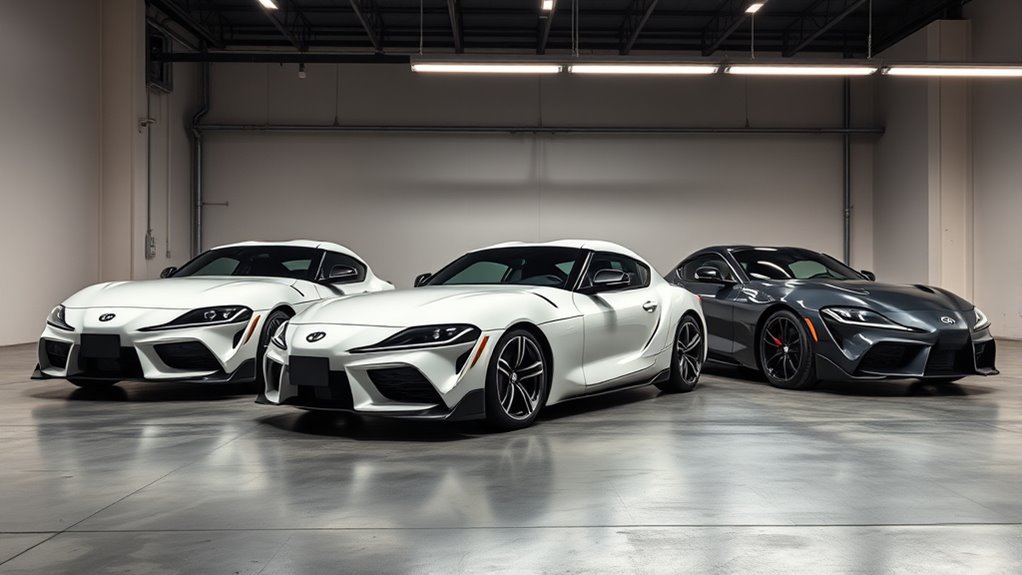
Toyota Supra production follows five distinct eras that mirror the evolution of Japanese sports cars. From the initial 1979 Celica Supra to the modern 2020 GR Supra, each generation defines a unique milestone in automotive performance. This guide traces the specific production years and engineering changes that shaped the Supra into an automotive icon.
Quick Answer
The Toyota Supra debuted in the United States in 1979 as the Celica Supra. Production continued through four generations until 1998, followed by a long hiatus. Toyota relaunched the nameplate as the GR Supra in 2020, and the model remains in production for the 2025 model year.
Understanding Supra Production History

This guide examines the timeline of the Toyota Supra in the United States market. You will explore the engineering shifts and design changes that define each generation. This chronological overview helps you identify model years, engine specifications, and performance milestones for every era of the Supra.
First Generation Celica Supra (1979–1981)
Toyota introduced the Celica Supra to the U.S. market in January 1979. It served as a premium, long-wheelbase version of the existing Celica. Buyers chose between two inline-six engines that provided a refined alternative to the four-cylinder models. These early cars featured standard power windows, cruise control, and an AM/FM stereo, which set the tone for the model’s comfortable yet capable nature.
Second Generation A60 (1982–1985)
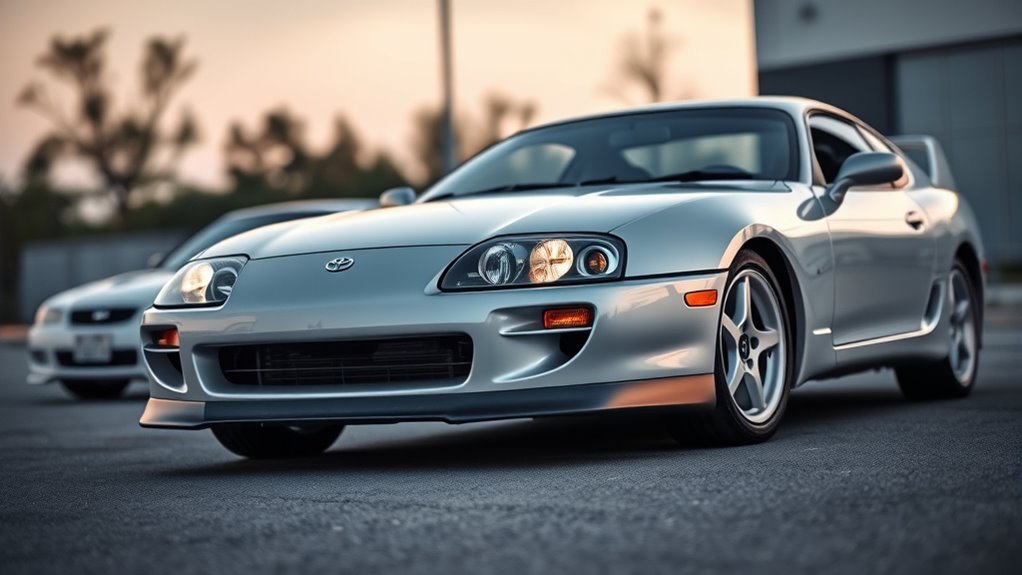
The A60 generation brought a wider body and iconic pop-up headlights to the lineup. Over these four years, Toyota refined the 2.8-liter inline-six engine to increase output. Performance enthusiasts favored the P-type trim for its limited-slip differential, while the L-type trim prioritized luxury features like leather seating.
Yearly Mechanical Updates
Each model year during the A60 run introduced specific changes that altered the driving experience. The 1982 model launched with 145 horsepower, while engineers raised output to 160 horsepower by 1984 using a revised intake manifold and higher compression. Rust issues commonly affect the hatch and shock towers on these aging vehicles, so check these areas carefully during inspections.
| Year | Key Update |
|---|---|
| 1982 | New styling and 145 hp |
| 1983 | Refined interior features |
| 1984 | Output increase to 160 hp |
| 1985 | P-type and L-type differentiation |
Performance and Luxury Trims
Toyota divided the A60 lineup into two distinct categories to satisfy different buyer needs. The Performance Type (P-type) included firmer suspension and a limited-slip differential to improve handling on winding roads. The Luxury Type (L-type) focused on interior quality, offering leather and additional comfort options for highway driving.
Third Generation A70 (1986–1992)
The A70 generation marked the first time the Supra existed as a completely separate model from the Celica. It debuted with a 3.0-liter inline-six engine producing 200 horsepower. By 1987, the addition of a turbocharged variant increased output to 232 horsepower. This generation introduced advanced technology like electronic modulated suspension to keep the car competitive against other sports coupes of the era.
[Products Worth Considering]
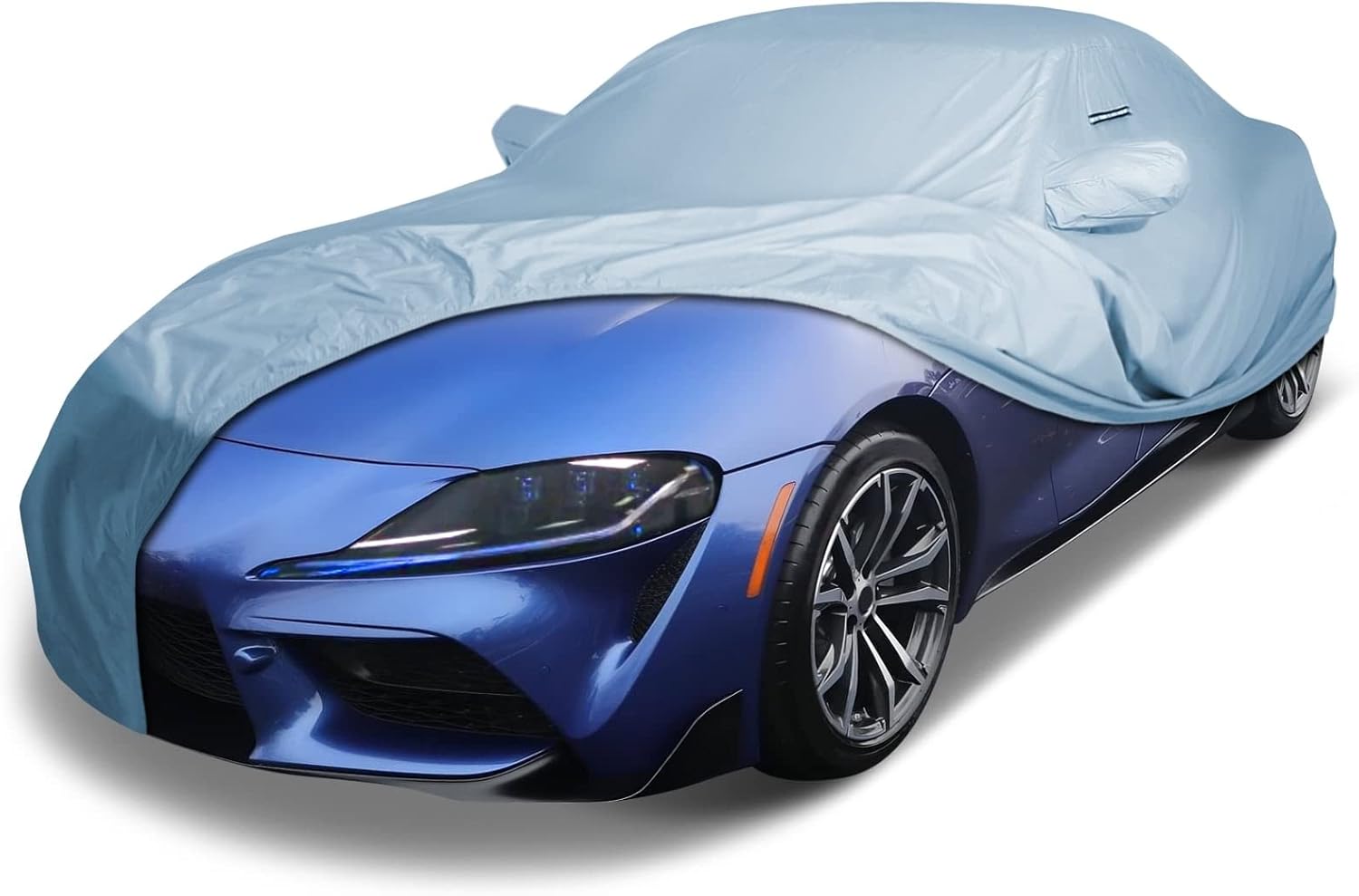
Protect your 2020-2026 Toyota GR Supra with a precision custom-fit cover designed to hug the vehicle’s contours for a secure, reliable fit. Built for all-weather use, it helps guard against rain, snow, sun, and other outdoor elements while the soft inner lining helps reduce the risk of scratches. Added straps, waterproof seams, and ventilation provide dependable protection and everyday convenience.
Fourth Generation A80 (1993–1998)
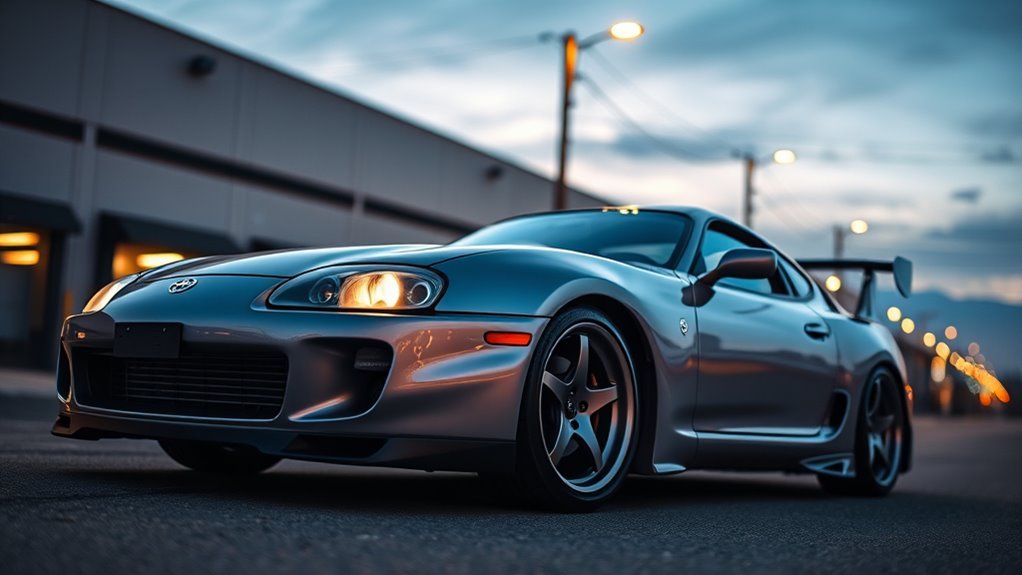
The A80 generation solidified the Supra’s place in automotive history. Its 3.0-liter 2JZ-GTE twin-turbo engine produced 320 horsepower and offered significant potential for aftermarket performance modifications. The car could accelerate from 0 to 60 mph in approximately 5 seconds when equipped with the six-speed manual transmission.
The 2JZ Engine Legacy
The 2JZ engine series earned a reputation for extreme durability due to its heavy-duty cast-iron block. Enthusiasts often push these engines far beyond their factory power levels with internal upgrades and larger turbochargers. This reliability, combined with high tuning potential, fueled a global culture of performance modifications that continues to drive collector demand today.
Cultural Significance
The A80 Supra gained massive mainstream popularity through its featured role in early 2000s street racing films. This exposure cemented its status as a tuner icon and led to a surge in aftermarket parts development. Today, clean and unmodified examples of the MkIV Supra command high prices at auctions as collectors seek out the peak of 90s Japanese engineering.
Market Shifts and the Production Pause
Toyota halted North American Supra sales after the 1998 model year due to several market factors. Rising consumer interest in SUVs and crossovers reduced the demand for dedicated sports cars. Additionally, increasing emissions and safety regulations made the development costs for niche vehicles unsustainable at the time. The model remained dormant for over two decades until market conditions allowed for its revival.
Fifth Generation A90/A91 (2020–Present)
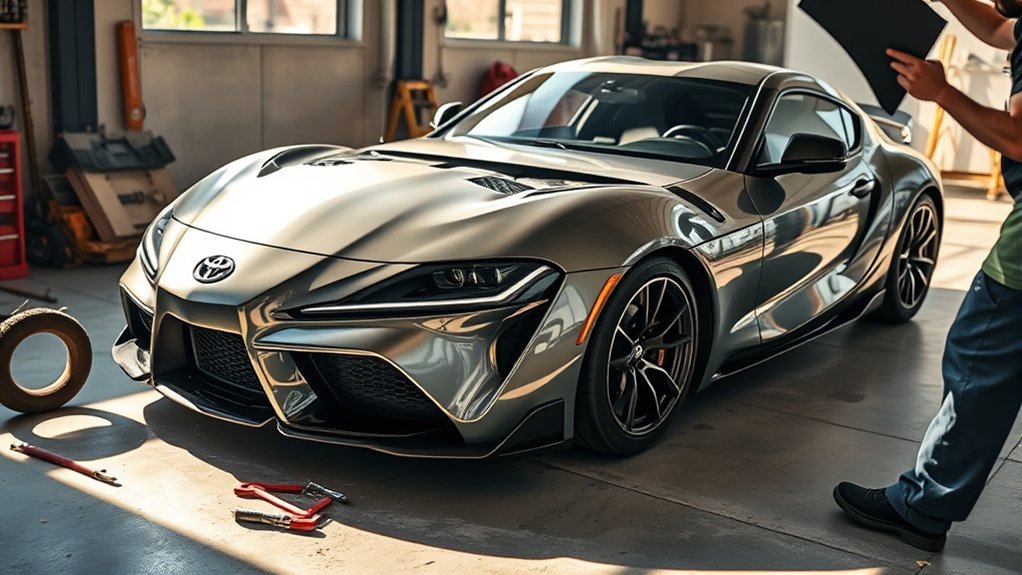
Toyota revived the Supra nameplate in 2020 through a strategic partnership with BMW. The current A90/A91 platform shares significant components with the Z4, including the turbocharged inline-six engine. The 2021 model year brought a notable performance increase, raising the output of the 3.0-liter engine to 382 horsepower.
- 3.0 Premium: Features upgraded audio and 19-inch wheels.
- A91 Edition: Offers unique paint colors and specialized interior trim.
- Performance: The 2021 and newer models deliver 382 horsepower and 368 lb-ft of torque.
[Products Worth Considering]

Custom Fit: This Rear bumper splitters Fits for For Toyota GR Supra A90 A91 Hatchback 2-Door 2020 2021 2022 2023 2024 2025 2026

Precision Computer Pre-Cut Vinyl Film
How to Verify a Supra Production Year
Always verify the production year of a Supra before you commit to a purchase. Start by checking the Vehicle Identification Number (VIN) located on the dashboard or the driver-side door jamb. Use a reputable VIN decoder to match the 10th character to the specific manufacturing year. You should also cross-reference the title documentation and the original build sheet located under the rear seat or in the spare tire compartment to confirm the vehicle’s history.
Frequently Asked Questions
What are the five generations of the Toyota Supra?
The Supra consists of the Celica Supra (1979–1981), the A60 (1982–1985), the A70 (1986–1992), the A80 (1993–1998), and the current GR Supra (2020–2025).
What is the timeline of the Toyota Supra?
The timeline includes an initial run from 1979 to 1998, a 22-year hiatus, and the modern revival that started in 2020.
Conclusion
Tracing the history of the Toyota Supra provides a clear view of how automotive priorities shift over time. Each generation offers unique traits, from the early inline-six luxury of the 1970s to the high-performance forced induction of the 1990s and today. Use the VIN and build documentation to confirm the provenance of any model you consider for your collection. Understanding these technical shifts ensures you make an informed decision when buying or researching this iconic sports car.

[…] Supra paint colors by model year guide. For a deeper look at exact production spans, see the Supra production-year timeline and the full Supra generation […]