The Toyota Tundra i-FORCE MAX system is Toyota’s hybrid twin-turbo V6 truck powertrain. It combines a gasoline engine, an electric motor-generator, a sealed high-voltage hybrid battery, and a conventional 10-speed automatic transmission to deliver strong low-rpm torque, smooth towing power, regenerative braking, and familiar truck capability. The key point: i-FORCE MAX is built for extra performance and efficiency, not plug-in electric driving.
Quick Answer
The Tundra i-FORCE MAX works by placing an electric motor-generator between the twin-turbo V6 engine and 10-speed automatic transmission. The motor adds instant torque, helps start the engine, enables limited low-speed EV operation, recovers energy during braking, and sends power through the normal drivetrain for towing and off-road control.
Key Takeaways
- In the 2026 Toyota Tundra, i-FORCE MAX produces 437 net combined horsepower and 583 lb-ft of torque, according to Toyota.
- The system is a parallel hybrid: the engine and electric motor can both send torque through the transmission.
- It keeps a 10-speed automatic transmission, so towing and gear control feel closer to a conventional truck than many car-style hybrids.
- The Tundra is available in 2WD and 4WD layouts; it is not best described as a full-time AWD system.
- Fuel economy and towing ratings vary by trim, drivetrain, tire package, and equipment, so always check the exact configuration before buying or towing.
i-FORCE MAX: What It Is and Why It Matters
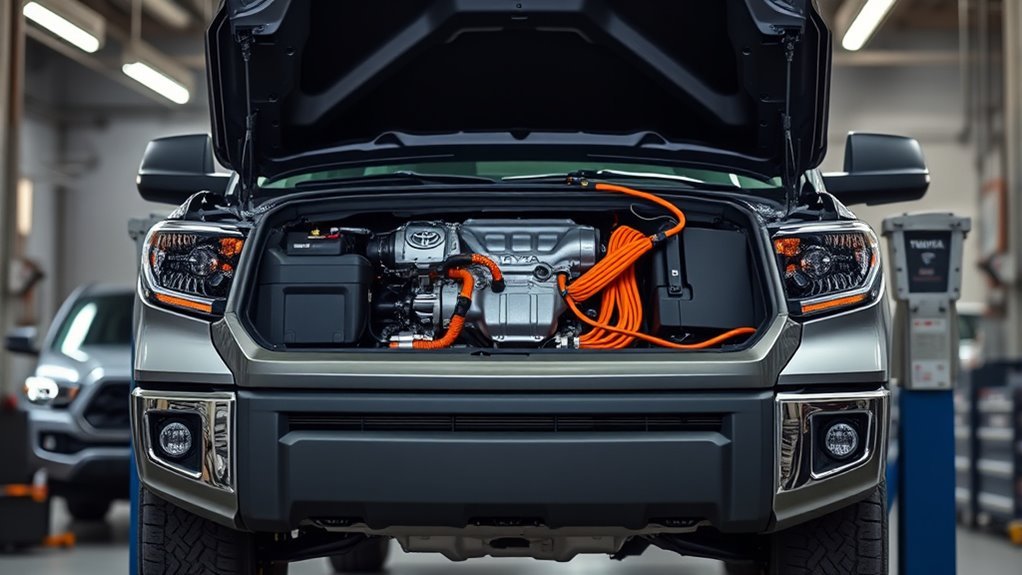
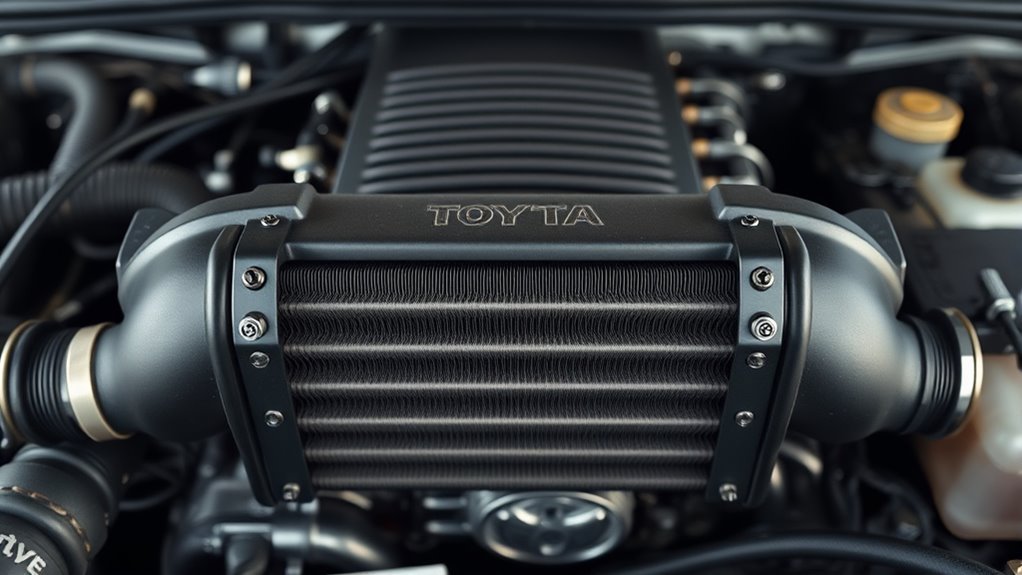
i-FORCE MAX is Toyota’s truck-focused hybrid powertrain. In the Tundra, it pairs a 3.4-liter twin-turbo V6 with a motor-generator and clutch mounted inside the bell housing between the engine and the 10-speed Electronically Controlled Automatic Transmission with intelligence. Toyota says this setup allows engine start-up, electric assist, limited EV driving, and energy regeneration through the hybrid components while still sending power through a conventional automatic transmission.
That design matters because truck buyers usually want predictable throttle response, strong pulling power, and durability under load. Instead of using the hybrid system only to save fuel, Toyota uses it to add torque where a truck needs it most: at low rpm, during launch, on grades, and while towing.
For the 2026 Toyota Tundra, the i-FORCE MAX hybrid powertrain is rated at 437 net combined horsepower and 583 lb-ft of torque at 2,400 rpm.
Compared with the non-hybrid i-FORCE V6, i-FORCE MAX adds electric torque and regenerative braking while keeping a work-friendly drivetrain layout. That is why it feels less like a small efficiency add-on and more like a torque booster built into the powertrain.
Main Components of the i-FORCE MAX System
The system is easier to understand when you break it into its major parts:
- Twin-turbo V6 engine: The gasoline engine provides the main power source for highway driving, towing, and sustained heavy loads.
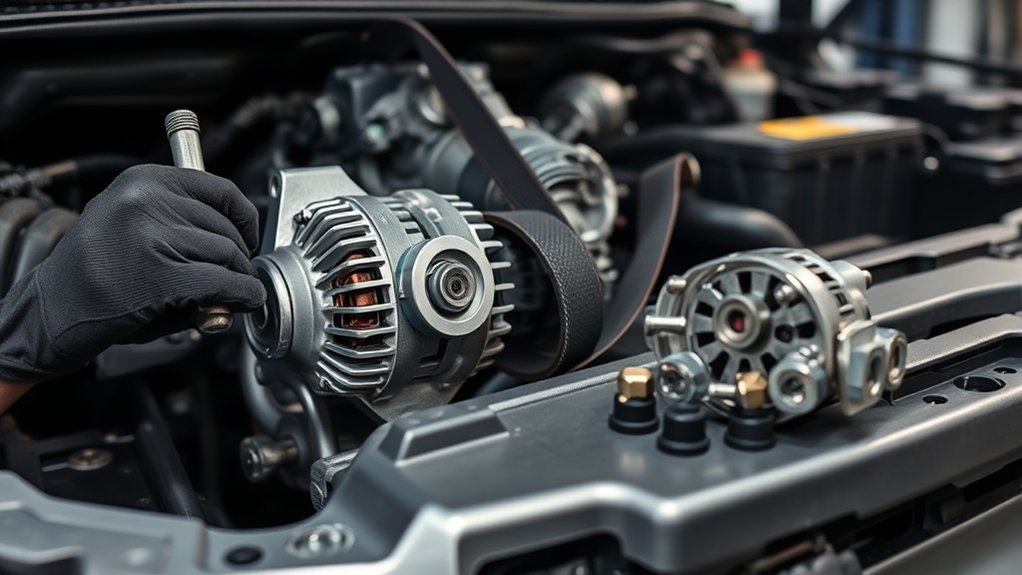
- Motor-generator: The electric motor adds torque through the transmission, assists with engine start-up, and captures energy during deceleration.
- Clutch assembly: The clutch helps blend engine and motor power so the truck can switch between assist, regeneration, and gasoline-driven operation.
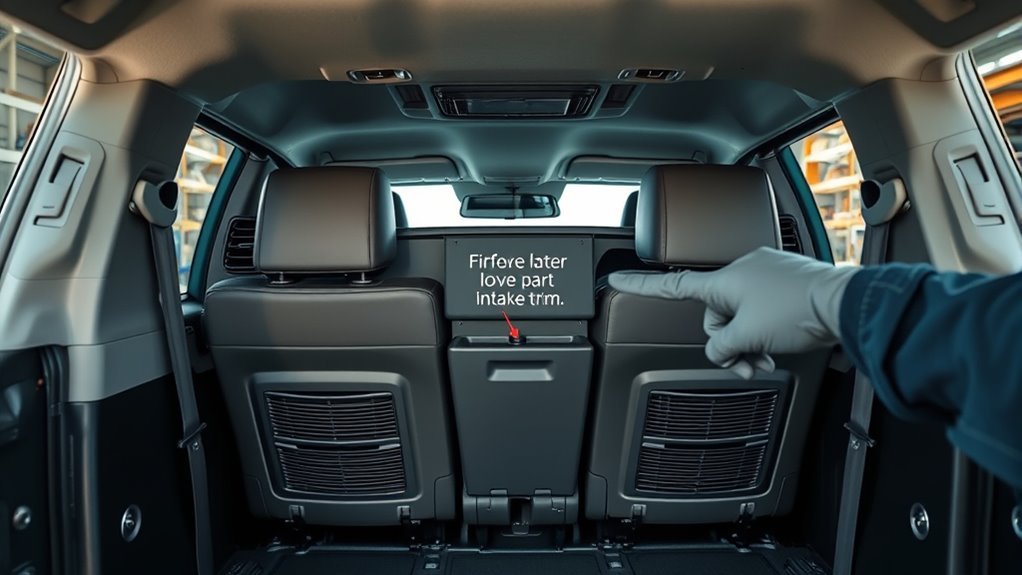
- Hybrid battery: Toyota describes the Tundra hybrid battery as a sealed 288-volt nickel-metal hydride battery located under the rear passenger seats.
- Power control electronics: These manage high-voltage energy flow between the battery, motor-generator, and supporting systems.
- 10-speed automatic transmission: The transmission keeps familiar truck behavior, including Tow/Haul logic and predictable gear changes.
Note: i-FORCE MAX is not a plug-in hybrid. You do not charge it from a wall outlet. The battery is charged by the engine and by regenerative braking while you drive.
Motor and Engine: Torque Sharing, Regeneration, and Performance
When you accelerate, tow, or climb a grade, the engine and in-line electric motor can work together. The motor fills in low-rpm torque before the engine reaches its strongest range, which helps the truck launch smoothly and respond quickly without feeling strained.
This is especially useful in real truck use. A trailer, a steep driveway, soft ground, or a slow off-road climb all demand torque before vehicle speed builds. The electric motor can add that torque early, while the twin-turbo V6 continues to provide sustained power as speed and load increase.
When you coast or brake, the system changes roles. The motor-generator captures some of the truck’s kinetic energy and sends it back to the hybrid battery. That process is called regenerative braking. It does not replace the normal brakes, but it helps recover energy that would otherwise be lost as heat.
The result is a powertrain that can feel stronger than its engine size suggests. The Tundra i-FORCE MAX does not rely only on displacement; it uses electric assist, turbocharging, transmission gearing, and software control to deliver broad torque across everyday driving conditions.
Transmission, 2WD, 4WD, and the Rugged Drivetrain Design
The original version of this article described the system as mechanical AWD, but that wording can be misleading for the Tundra. The Toyota Tundra is offered in 2WD and 4WD configurations. Four-wheel-drive models use a truck-style 4WD system rather than a car-style full-time AWD setup.
Both i-FORCE and i-FORCE MAX powertrains are paired with a 10-speed automatic transmission. Toyota lists features such as sequential shift mode, uphill/downhill shift logic, and Tow/Haul drive modes for the Tundra’s 10-speed automatic. That matters because the transmission can hold, downshift, or select gears in a way that feels familiar when towing or descending grades.
On 4WD models, the drivetrain sends power through a transfer case and driveshafts to support low-speed traction needs. Off-road-focused Tundra trims and packages may also add features such as Multi-Terrain Select, Crawl Control, Downhill Assist Control, and an electronically locking rear differential, depending on model and equipment.
Pro Tip: If you plan to tow or off-road regularly, compare the exact trim, cab, bed length, axle ratio, tire package, and 2WD/4WD layout. The badge alone does not tell you the truck’s final payload or tow rating.
System Start-Up and Electrical Power Flow: How i-FORCE MAX Boots
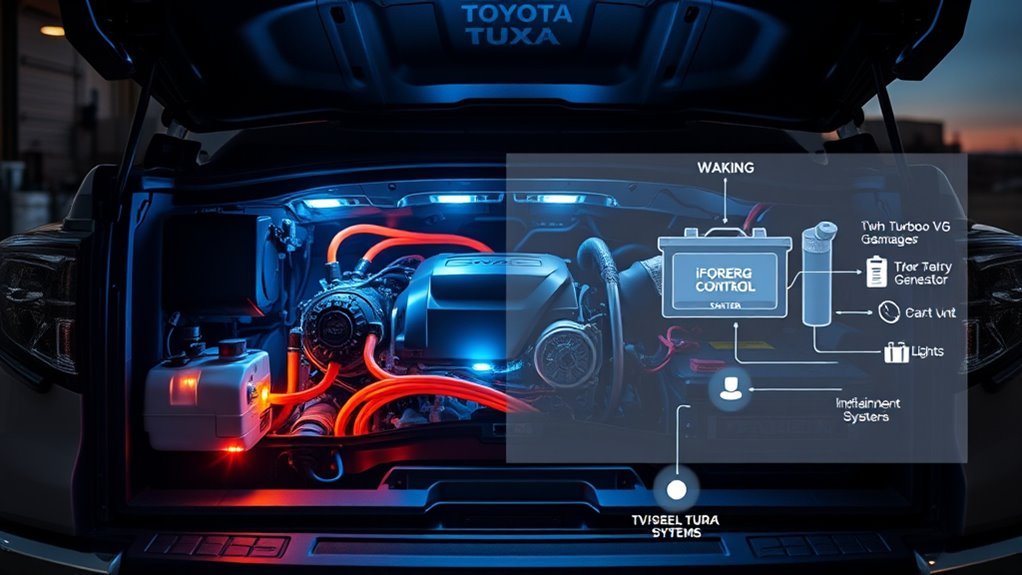
When you press the push-button start, the truck’s computers wake up and check the hybrid system before the vehicle becomes ready to drive. The 12-volt system powers control modules and accessories, while the high-voltage system is managed separately for safety.
Once the required checks are complete, the hybrid system can bring the motor-generator online. Because the motor-generator is positioned between the engine and transmission, it can help start the engine, assist acceleration, and blend torque into the drivetrain without needing a separate plug-in charging routine.
During normal driving, power flow changes constantly. At low speeds or light loads, the system may use electric assist or limited EV operation. Under heavier throttle, the gasoline engine and motor work together. During deceleration, the motor-generator recovers energy and sends it to the hybrid battery.
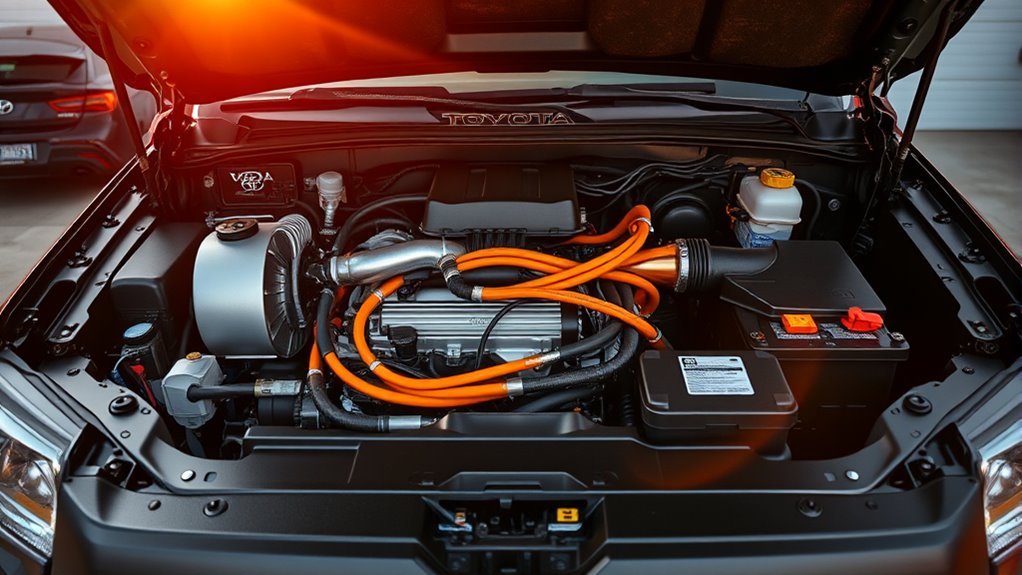
Warning: Do not handle orange high-voltage cables, hybrid battery components, service plugs, or power-control parts unless you are trained and equipped to work on hybrid vehicles. Toyota’s owner information identifies the hybrid system as a high-voltage system and warns that some components can become extremely hot during operation.
Fuel Economy: What the Hybrid System Really Improves
The i-FORCE MAX system can improve efficiency, but it is not a small economy-car hybrid. It is still powering a full-size pickup with high weight, large tires, and truck aerodynamics. The biggest advantage is that the motor helps during low-speed, high-load moments where a gasoline engine can be less efficient.
According to FuelEconomy.gov, 2026 Toyota Tundra Hybrid estimates vary by configuration. A 2026 Tundra Hybrid 2WD is listed at 20 mpg city, 24 mpg highway, and 22 mpg combined. A 2026 Tundra Hybrid 4WD is listed at 19 mpg city, 22 mpg highway, and 20 mpg combined. TRD Pro hybrid versions are lower because off-road equipment and tires affect efficiency.
That means the hybrid system is best understood as a blend of more torque plus some efficiency gain, not a guarantee of maximum fuel savings in every trim or driving condition. Towing, cold weather, speed, terrain, tire choice, and payload can all reduce real-world mpg.
Real-World Towing, Hauling, and Off-Road Benefits of i-FORCE MAX
For towing and hauling, the biggest benefit is easy torque. The electric motor helps the truck move weight from a stop, merge with a trailer, and respond when the driver asks for more power. That can make the Tundra feel more relaxed because the engine does not have to do all the work alone at low rpm.
For off-road driving, the benefit is control. Smooth low-speed torque is useful when crawling over uneven ground or easing through loose surfaces. The conventional automatic transmission and 4WD hardware also help the driver keep predictable control instead of relying on vague throttle response.
- Low-end torque: Electric assist helps the truck move heavy loads with less delay.
- Transmission control: The 10-speed automatic keeps familiar gear behavior for towing and grades.
- Regenerative braking: Energy recovery helps recharge the hybrid battery during braking and deceleration.
- 4WD capability: Properly equipped models add traction tools for off-road use.
- Strong factory output: Toyota rates the 2026 Tundra i-FORCE MAX at 437 horsepower and 583 lb-ft of torque.
Just remember that maximum towing and payload are configuration-specific. Toyota advertises up to 12,000 pounds of maximum towing and up to 1,850 pounds of maximum payload for the 2026 Tundra lineup, but the exact number depends on the truck you choose.
[Products Worth Considering]
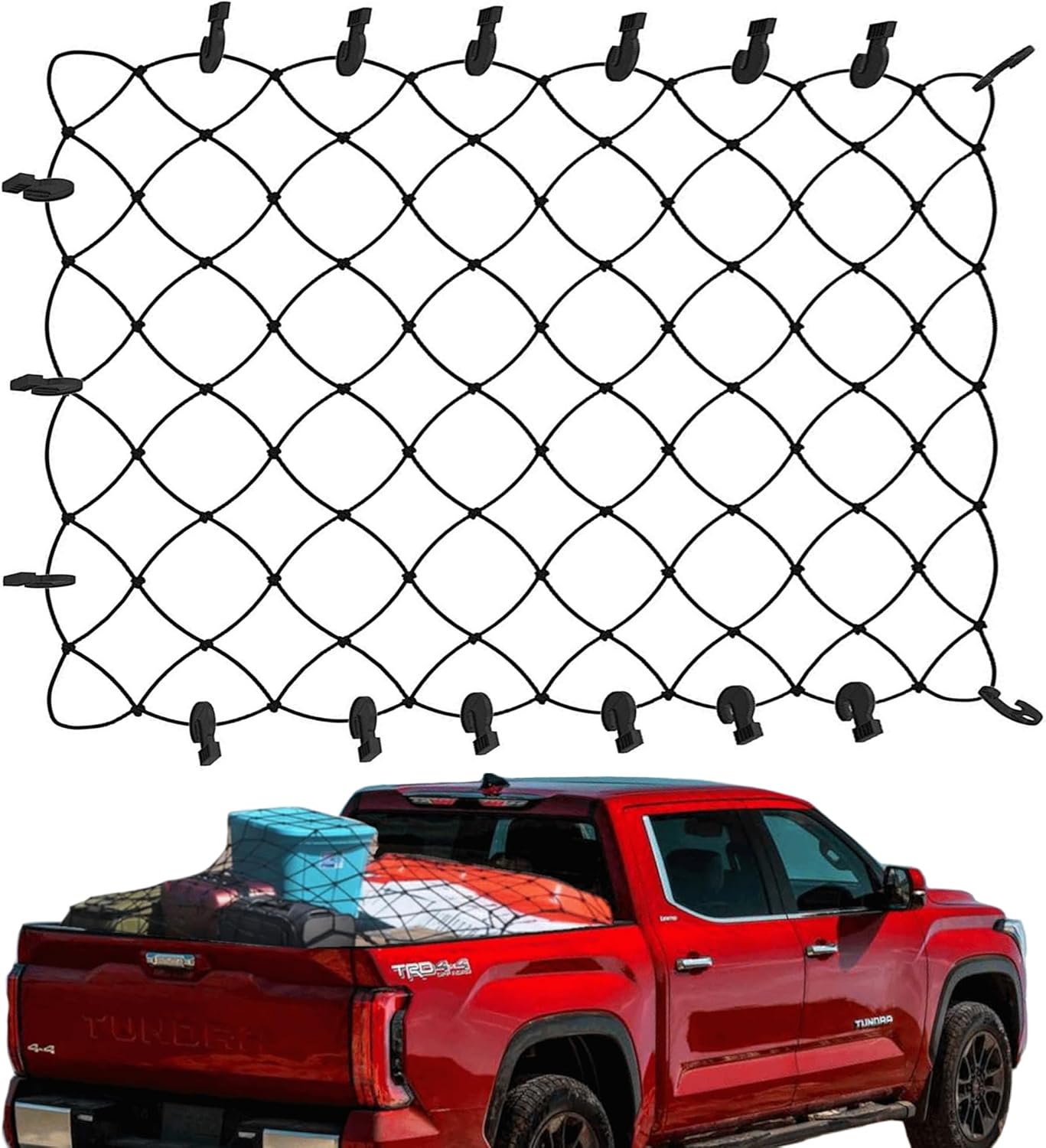
Keep cargo secure in your Toyota Tundra with this Essentials Series cargo net designed for 2007-2026 models equipped with factory deck rails. It features a 6mm premium latex bungee, a 6-inch grid system, upgraded carabiners, and patented bed rail integration for quick, dependable hauling. Built for everyday use, it installs directly to the factory bed rails without extra hardware and is backed by a lifetime warranty.

This dual filter kit helps keep your vehicle running and riding cleaner by replacing both the engine air filter and cabin air filter at the same time. It is designed for a range of Toyota and Lexus hybrid models, helping support engine performance while reducing odors and airborne particles inside the cabin. Built with high-quality filtration materials, it offers a convenient maintenance solution for routine filter replacement.

This brake bleeder bottle is designed to make fluid bleeding easier for one-person use with a built-in check valve and magnetic mount. The flexible hose fits most bleeder valves and helps reduce the chance of air entering the system during service. With a practical fluid capacity and universal fit, it is a handy tool for brake maintenance and repair.
i-FORCE vs. i-FORCE MAX: Which One Is Better?
The better choice depends on how you use the truck. The standard i-FORCE twin-turbo V6 is simpler, less expensive, and still powerful. Toyota lists the 2026 i-FORCE engine at 389 horsepower and 479 lb-ft of torque. That is plenty for many owners who mostly commute, carry light loads, or want a lower purchase price.
The i-FORCE MAX is better for drivers who value stronger torque, smoother launch power, and the extra performance of the hybrid system. It is especially appealing if you tow, carry heavy gear, drive in hilly areas, or simply want the most powerful Tundra powertrain.
| Feature | i-FORCE | i-FORCE MAX |
|---|---|---|
| Powertrain type | Twin-turbo V6 | Hybrid twin-turbo V6 |
| 2026 Toyota output | 389 hp / 479 lb-ft | 437 hp / 583 lb-ft |
| Best for | Lower cost, simpler ownership, everyday truck use | More torque, towing confidence, stronger acceleration |
| Charging | No hybrid battery | Self-charging hybrid; no plug needed |
[Products Worth Considering]

These heavy-duty running board side steps are designed to improve access to your Toyota Tundra without reducing ground clearance. Built for Double Cab and CrewMax front door applications, they offer practical convenience for everyday entry, roof loading, and off-road use. The durable iron construction and easy no-drill installation make them a reliable upgrade for rugged driving.
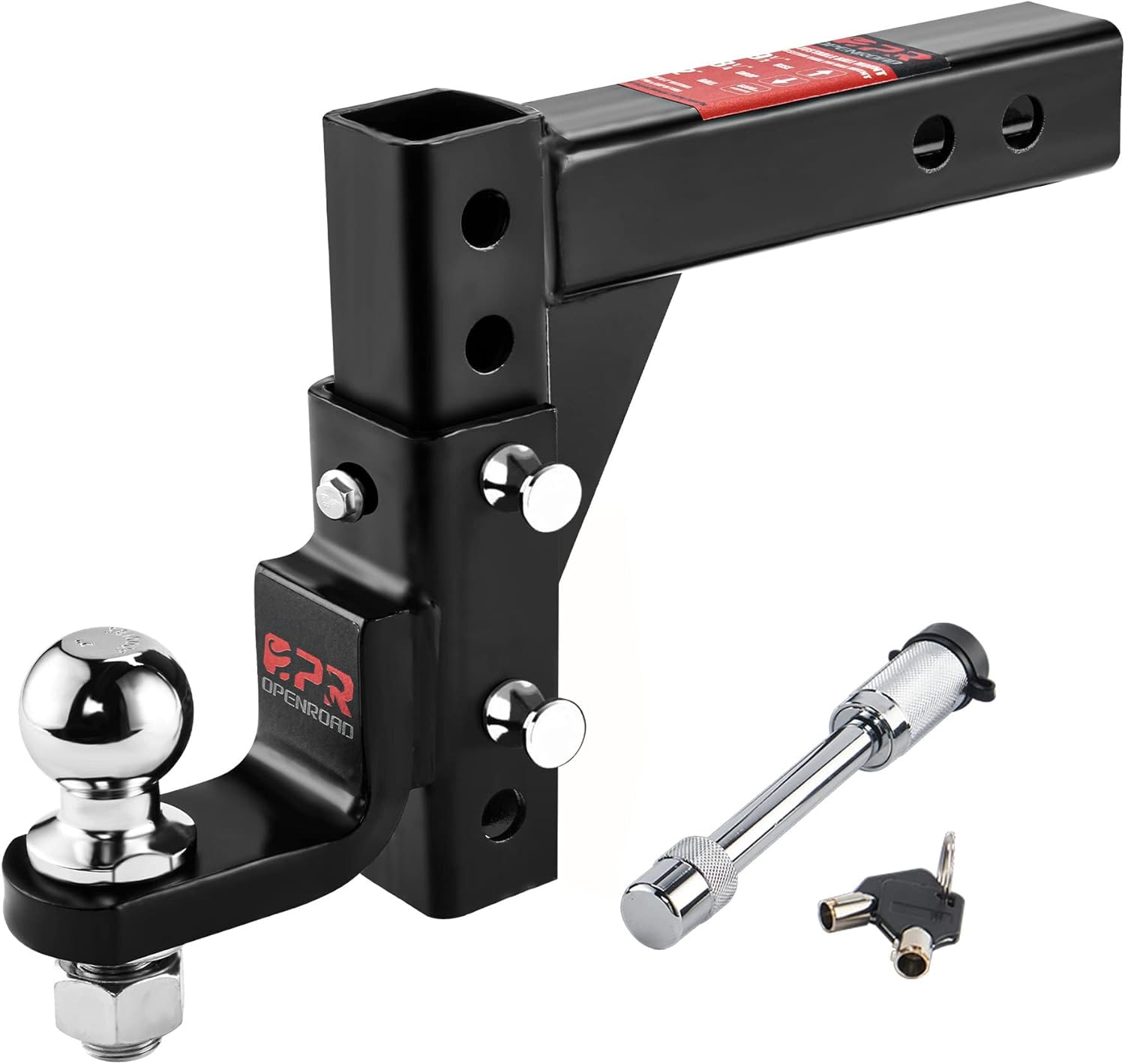
This adjustable trailer hitch ball mount is built for dependable towing with a strong steel construction and a versatile fit for 2-inch receivers. Its adjustable drop and rise settings help you dial in the right towing height, while the lock and keyed anti-theft design add security. A black powder-coated finish helps resist rust and wear for lasting performance on trucks and other towing setups.

This custom cargo mat and seat-back liner is designed specifically for the 2026 Toyota RAV4 Hybrid, helping protect the trunk and rear seat area from dirt, scratches, spills, and everyday wear. The full-coverage design shields felt surfaces while the non-slip TPE construction helps keep cargo in place, and the easy-clean surface makes maintenance simple after outdoor trips, pet transport, or messy hauls. Double fixation with hook-and-loop fasteners and elastic ropes helps keep the liner securely positioned.
Common Misunderstandings About i-FORCE MAX
Because i-FORCE MAX uses the word “hybrid,” it is easy to misunderstand what the system does. Here are the most important clarifications:
- It is not a plug-in hybrid. You do not charge it at home or at a public charger.
- It is not electric-only in the way an EV is. Limited low-speed EV operation may occur, but the system is designed around engine-and-motor teamwork.
- It does not make every Tundra tow the same amount. Tow ratings depend on the full configuration.
- It is not AWD in the typical crossover sense. Tundra models are 2WD or 4WD, depending on configuration.
- It is not only about mpg. The main advantage is the combination of torque, responsiveness, and energy recovery.
Maintenance and Ownership Notes
From an owner’s perspective, i-FORCE MAX should be treated as a normal truck powertrain with hybrid-specific safety rules. You still need routine service such as oil changes, filters, tires, brakes, coolant checks, and inspections. The difference is that the truck also has high-voltage hybrid parts that should not be serviced casually.
Keep the hybrid battery area and cabin vents clean, follow Toyota’s maintenance schedule, and use a qualified Toyota technician for hybrid-system diagnostics. If the truck displays a hybrid system warning, reduced power message, or charging-system alert, do not ignore it or continue heavy towing without diagnosis.
Note: Hybrid regenerative braking can reduce some friction-brake use, but it does not eliminate brake maintenance. Trucks that tow, haul, or drive in mud, dust, salt, or mountains still need regular brake inspections.
[Products Worth Considering]

This proportional trailer brake controller provides smooth, responsive braking by automatically matching your tow vehicle’s stopping force for safer trailer control. The bright LED digital display makes it easy to monitor voltage output in real time, while adjustable braking and sync settings help tailor performance to different trailers and road conditions. Designed for quick installation and broad compatibility, it supports 1 to 4 axle trailers for dependable towing confidence.

This windshield sun shade umbrella is designed for Toyota Tundra models from 2007 to 2026, helping block harsh sunlight and reduce interior heat buildup. Its reflective cooling coating and high-density fabric work together to protect dashboards, seats, and trim while keeping the cabin more comfortable. The umbrella-style design installs quickly, folds down easily, and stores neatly for everyday convenience.

This replacement filter set is designed for a range of Toyota hybrid vehicles, including popular models like RAV4 Hybrid, Camry Hybrid, Highlander Hybrid, Sienna, Venza, and more. It combines cabin and engine filtration to help support cleaner airflow, reduce dust and odors, and protect your HVAC and engine systems. Built for easy installation and extended service life, it offers a convenient maintenance upgrade for compatible hybrid and gas-only Corolla models.
Frequently Asked Questions
What are the benefits of i-FORCE MAX?
The main benefits are stronger low-rpm torque, smoother launch power, regenerative braking, and better efficiency than the same truck might achieve without hybrid assist. In the 2026 Tundra, Toyota rates i-FORCE MAX at 437 horsepower and 583 lb-ft of torque.
What is better, i-FORCE or i-FORCE MAX?
i-FORCE MAX is better if you want the strongest Tundra powertrain, more torque, and hybrid assist for towing or acceleration. Standard i-FORCE is better if you want a lower-cost, simpler twin-turbo V6 truck and do not need the hybrid’s extra output.
What is the difference between a Tundra and a Tundra i-FORCE MAX?
A regular Tundra may use the non-hybrid i-FORCE twin-turbo V6. A Tundra i-FORCE MAX adds a hybrid motor-generator, high-voltage battery, regenerative braking, and more total output. The hybrid version is focused on stronger torque and improved power delivery.
Is i-FORCE MAX worth the upgrade?
It is worth considering if you tow, drive in hills, want stronger acceleration, or prefer the top Tundra powertrain. It may not be worth the added cost if you mainly drive unloaded, want the simplest setup, or are shopping by price first.
Can the Tundra i-FORCE MAX drive on electricity only?
Yes, but only in limited conditions. Toyota describes EV driving as one of the functions handled by the hybrid components, but the Tundra i-FORCE MAX is not designed to behave like a full EV or plug-in hybrid.
Does i-FORCE MAX increase towing capacity?
It increases torque and can improve towing feel, but tow capacity depends on the exact configuration. Toyota advertises up to 12,000 pounds of maximum towing for the 2026 Tundra lineup, but not every i-FORCE MAX truck has that rating.
Conclusion
The Toyota Tundra i-FORCE MAX is more than a badge. It is a parallel hybrid truck system that uses electric torque to strengthen the twin-turbo V6 where a pickup needs help most: launching, towing, climbing, and low-speed control. The system keeps the familiar feel of a 10-speed automatic transmission while adding regenerative braking and hybrid assist.
The smartest way to judge it is not just by mpg. Look at the full package: 437 horsepower, 583 lb-ft of torque, configuration-specific towing ability, 2WD or 4WD availability, and the added complexity of a high-voltage hybrid system. For drivers who want stronger response and better torque without moving to a plug-in truck, i-FORCE MAX is one of the Tundra’s most important upgrades.
Sources
- Toyota 2026 Tundra official specs — horsepower, torque, maximum towing, maximum payload, and current model information.
- Toyota USA Newsroom: 2026 Toyota Tundra — i-FORCE MAX layout, 10-speed automatic details, motor-generator placement, and off-road technology.
- FuelEconomy.gov: 2026 Toyota Tundra fuel economy — EPA city, highway, and combined mpg estimates for hybrid and non-hybrid configurations.
- Toyota Owners: Tundra Hybrid system precautions — high-voltage hybrid safety information and component warnings.
- Toyota USA Newsroom: Tundra i-FORCE MAX background — hybrid battery voltage, battery placement, motor-generator role, and parallel hybrid operation.