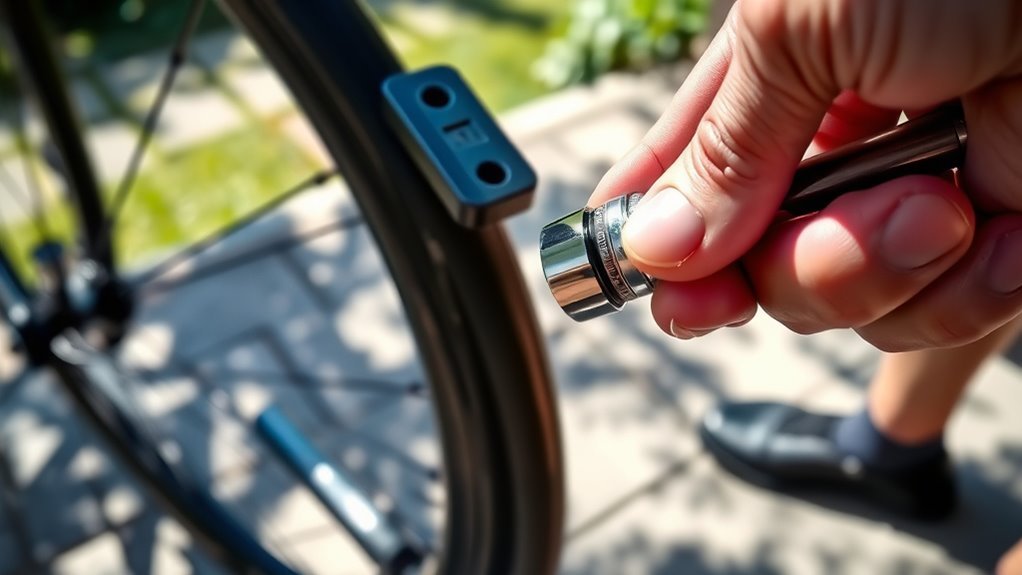
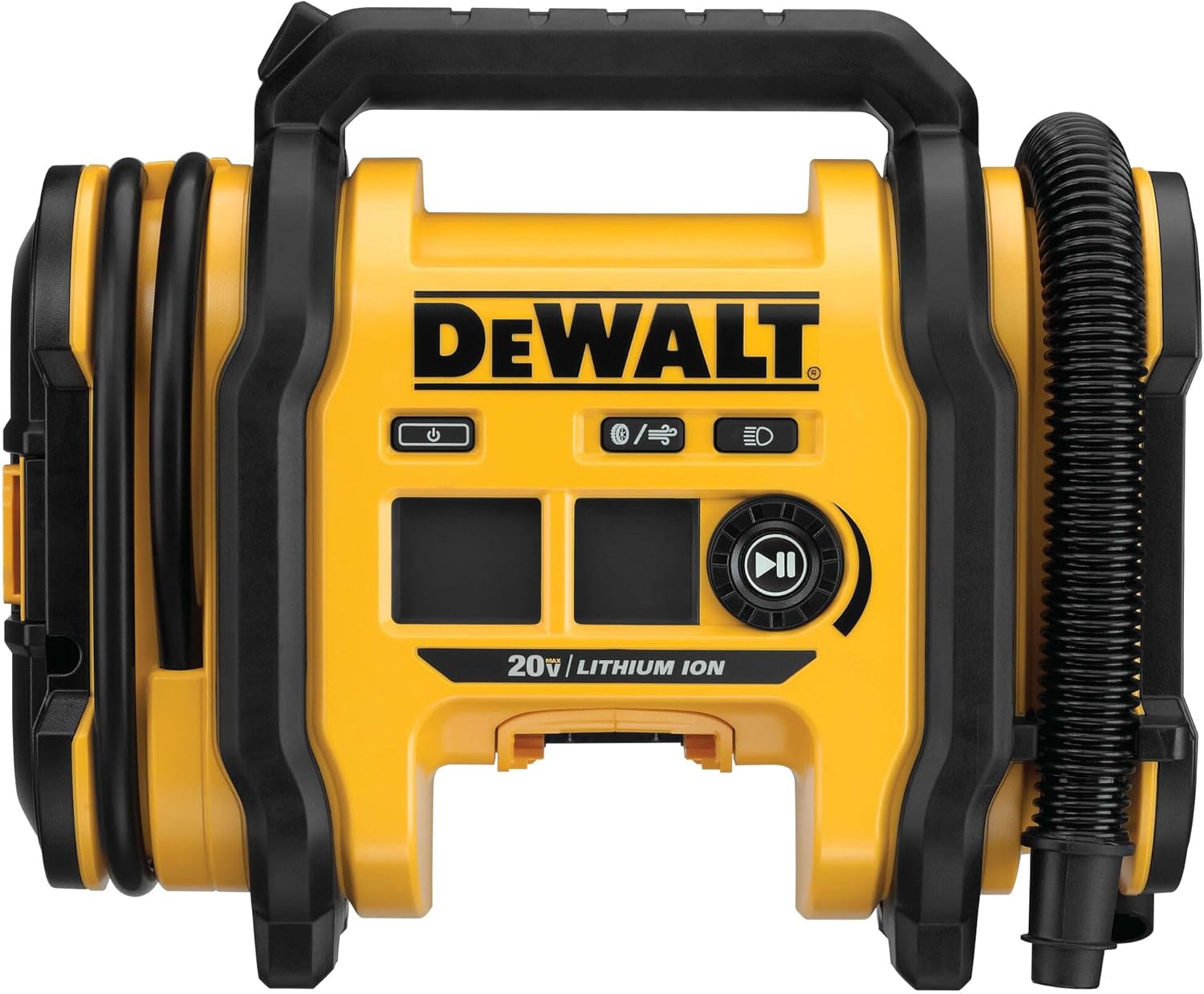
A cordless tire inflator is a portable, battery-powered air pump that helps you top off low tires without looking for an outlet or stretching a 12V cord across your vehicle. It is most useful for routine tire-pressure maintenance, roadside low-pressure warnings, bicycles, sports balls, and small inflatables. It is not a substitute for a shop air compressor, and it cannot repair a puncture or damaged tire.
Quick Answer
A cordless tire inflator is worth it if you want a compact, grab-and-go tool for topping off tires and handling minor pressure problems. Choose a 12V or hybrid inflator instead if you often inflate multiple large tires, need longer runtime, or do not want to manage battery charging.
Key Takeaways
- Cordless tire inflators are best for topping off tires that are a few PSI low, not for repairing damaged tires.
- Battery life, hose length, auto shutoff, pressure accuracy, and duty cycle matter more than the advertised max PSI alone.
- Always inflate to the vehicle manufacturer’s cold tire pressure listed on the driver-side door placard or owner’s manual, not the number molded on the tire sidewall.
- A 12V or hybrid model is usually better for long trips, multiple vehicles, trailers, or larger tires because it does not rely only on a charged tool battery.
At a Glance
| Time Required | Usually a few minutes to top off one low passenger tire; longer for a very low or larger tire. |
| Difficulty | Easy for routine top-offs; stop and inspect carefully if the tire is flat or losing air quickly. |
| Tools Needed | Cordless inflator, charged battery, valve-stem cap, and the recommended PSI from your vehicle placard or owner’s manual. |
| Cost | No extra cost after purchase, but some tool-only models require a separate battery and charger. |
Understanding Cordless Tire Inflators

Cordless tire inflators use a rechargeable battery to power a small compressor. Air moves through a hose and chuck into the tire valve, while a built-in gauge displays the pressure. Many modern models let you preset a target PSI and stop automatically once the tire reaches that setting.
The main advantage is convenience. You can carry the inflator in a trunk, garage cabinet, RV storage bay, or tool bag and use it without parking near a wall outlet. That makes it useful when your tire-pressure monitoring system warns you away from home or when a bike tire, stroller tire, ball, or small inflatable needs air.
The main limitation is output. A cordless inflator is built for portability, not shop-level airflow. It can usually top off a low passenger tire, but a fully flat tire, large truck tire, trailer tire, or tire with a leak may take much longer or may not be safe to inflate at all.
Note: Use the recommended cold tire pressure on your vehicle’s door placard or owner’s manual. The PSI molded on the tire sidewall is usually a maximum tire rating, not the correct pressure for your vehicle.
Benefits of Cordless Tire Inflators
Convenient Portability and Storage
A cordless tire inflator is compact enough to keep in a vehicle or garage without much space. Since it does not need a wall outlet or a 12V cable during use, it is easier to position around all four tires. That is especially helpful in a parking lot, driveway, campsite, or dark roadside shoulder.
Regular pressure checks also support safer driving and better efficiency. NHTSA tire-safety guidance emphasizes proper tire pressure, load limits, and tire inspections as important parts of avoiding tire failure. FuelEconomy.gov reports that proper tire inflation can improve gas mileage by 0.6% on average and up to 3% in some cases.
Versatile Multi-Purpose Functionality
Most cordless inflators include adapters for more than car tires. Depending on the model, you may be able to inflate bicycle tires, motorcycle tires, balls, small air mattresses, pool toys, or lawn equipment tires. This makes the tool useful even when you are not dealing with a vehicle emergency.
Some models also work with more than one power source. For example, the DEWALT DCC020IB can run from a 20V MAX battery, 12V DC, or 110V AC power, while the Milwaukee M18 inflator is designed around the M18 battery platform and includes automatic shutoff at the selected PSI. These examples show why it is important to compare the whole feature set, not just the word “cordless.”
Drawbacks of Cordless Tire Inflators
Limited Battery Life
Battery runtime is the biggest trade-off. A compact battery may be enough for a quick top-off, but it may not handle several very low tires in a row. Runtime depends on the battery amp-hour rating, tire size, starting PSI, target PSI, outside temperature, and how long the motor has to run.
If you already use a power-tool battery platform, a cordless inflator that shares those batteries can be convenient. If you do not, check whether the tool is sold bare or with a battery and charger. A bare tool may look inexpensive until you add the battery system.
Slower Inflation Speed
Some cordless inflators are fast for top-offs, but small battery-powered models can be slower than larger 12V, AC, or shop compressors. Be careful with exact inflation-time claims because they may compare different tire sizes, starting pressures, and target pressures.
| Task | How a Cordless Inflator Usually Performs | Best Alternative |
|---|---|---|
| Topping off a tire 2–5 PSI low | Good fit | Cordless or 12V |
| Inflating several car tires | Possible with a strong battery, but slower | 12V, hybrid, or AC compressor |
| Large truck, RV, or trailer tires | Depends on model, battery, PSI rating, and duty cycle | High-output 12V or dedicated compressor |
| Tire losing air quickly | Not a repair; may only provide temporary pressure | Spare tire, roadside assistance, or tire shop |
When Should You Use a Cordless Tire Inflator?
Use a cordless tire inflator when the tire is low but otherwise appears safe, the valve stem is accessible, and you know the correct cold PSI. It is ideal for small pressure adjustments, seasonal pressure changes, and keeping tires topped off before trips.
- Routine maintenance: Check pressure monthly and before long trips, as recommended by the Tire Industry Association.
- TPMS warning: Add air if one tire is below the recommended placard pressure and there is no visible damage.
- Outdoor and home use: Inflate bicycle tires, balls, stroller tires, mower tires, or small inflatables with the correct adapter.
- Emergency top-off: Add enough air to reach a safe location only if the tire is holding pressure and the vehicle manufacturer’s guidance allows it.
Warning: Do not keep inflating a tire with sidewall damage, a visible bulge, exposed cords, a bent rim, smoke, severe heat, or air leaking rapidly. A tire inflator adds air; it does not make a damaged tire safe.
How to Use a Cordless Tire Inflator Safely
- Find the correct PSI. Check the driver-side door placard or owner’s manual. Use the cold tire pressure, not the sidewall maximum.
- Inspect the tire first. Look for nails, cuts, bulges, sidewall damage, or a tire that is sitting off the rim.
- Connect the chuck securely. Remove the valve cap, attach the hose straight onto the valve stem, and listen for leaks.
- Set the target pressure. If your inflator has auto shutoff, preset the recommended PSI.
- Inflate in short sessions. Let the motor cool if the manual recommends a duty-cycle break or if the unit becomes hot.
- Recheck the pressure. Confirm the final reading with the inflator display or a separate tire gauge.
- Replace the valve cap. Drive cautiously and recheck the tire soon if it was very low.
Pro Tip: If one tire is repeatedly low, do not just keep topping it off. Check for a nail, leaking valve stem, bead leak, or rim damage and have the tire inspected.
[Products Worth Considering]

This portable jumper cable adapter is designed for seamless compatibility with Milwaukee M18 batteries, helping you jump-start a dead or weak vehicle battery quickly and conveniently. Built with 8 AWG cables and simple clamp connections, it supports a range of vehicles including cars, SUVs, and trucks. It offers a practical, tool-battery-powered solution for emergency starting, with clear usage steps and safety guidance for dependable operation.

Be ready for roadside emergencies with this comprehensive car safety kit designed to help you handle common breakdown situations quickly and confidently. It includes a portable air compressor for fast tire inflation, jumper cables for dead batteries, and a self-contained emergency set with essential tools and first aid supplies. Built for all-weather preparedness, this kit helps keep drivers, passengers, and families safer on the road.

This car emergency roadside assistance kit helps drivers handle unexpected breakdowns and roadside incidents with confidence. It includes jumper cables and a tire inflator to support quick, practical solutions in emergencies, while the compact bag keeps everything organized in the trunk. Ideal for new drivers, families, road trips, and seasonal travel, it is a thoughtful and useful safety essential for any vehicle.
Cordless vs. 12V Tire Inflators: Which Is Best?
The better choice depends on how you plan to use it. A cordless inflator is best when you want speed, portability, and no cable management. A 12V inflator is best when you want power from the vehicle and do not want to depend on a charged tool battery. A hybrid inflator gives you both options, but it usually costs more and may be larger.
| Type | Best For | Trade-Offs |
|---|---|---|
| Cordless | Quick top-offs, bikes, balls, garage use, and roadside convenience. | Battery must be charged; runtime varies. |
| 12V DC | Longer trips, emergency kits, and users who prefer vehicle power. | Requires access to the vehicle outlet; cable length and outlet rating matter. |
| Hybrid | Drivers who want cordless convenience plus backup power options. | Often larger and more expensive than simple cordless models. |
If you choose a 12V inflator, many users run the engine while inflating to avoid draining the vehicle battery, but you should follow the inflator manual and vehicle owner’s manual. If you choose cordless, charge the battery before road trips and consider keeping a spare battery if your model shares a tool platform.
[Products Worth Considering]

This all-in-one car emergency kit helps drivers stay prepared for roadside breakdowns, flat tires, and dead batteries with essential tools in one compact package. It includes a portable air compressor, heavy-duty jumper cables, a first aid kit, and other safety items designed for year-round peace of mind. Compact enough for easy trunk storage, it makes a practical safety solution and thoughtful gift for drivers of all ages.

The DEWALT 20V MAX XR 1/2-inch high torque impact wrench delivers powerful fastening and breakaway performance for demanding jobs like wheel lugs, pipe flanges, and anchor setting. Its 4-mode control, variable speed trigger, and precision wrench mode help improve accuracy and reduce overtightening, while the on-tool LED light boosts visibility in dark work areas. Built with a brushless motor, battery guard, and durable housing, it is designed for tough jobsite use.

Add a clean, patriotic finishing touch to your wheels with these DECURCAR tire valve stem caps. The aluminum outer shell with plastic liner helps resist corrosion and supports a reliable seal, while the easy hand-tightened design makes installation simple. Built for wide compatibility with standard Schrader valves, this set is a practical upgrade for cars, trucks, motorcycles, bikes, and more.
Must-Have Features in a Cordless Tire Inflator

Do not buy a cordless tire inflator based only on max PSI. Most passenger vehicles need far less than 150 PSI, so real-world usability matters more. Look for the following features:
- Accurate digital gauge: A clear display makes it easier to set and monitor pressure.
- Automatic shutoff: The inflator stops at your selected PSI, reducing the chance of overinflation.
- Compatible battery system: If you already own DEWALT, Milwaukee, Ryobi, Makita, or another tool platform, matching batteries can save money.
- Useful hose length: A longer hose helps reach valve stems without awkward positioning.
- Threaded or locking chuck: A secure chuck reduces air leaks while inflating.
- Duty-cycle guidance: The manual should explain how long the unit can run before cooling down.
- LED light: Helpful for nighttime roadside use, but it should not be the only reason to buy a model.
- Accessory storage: Onboard storage keeps ball needles and adapters from getting lost.
- Power fallback: Hybrid models with 12V or AC input are useful if you forget to charge the battery.
The best cordless tire inflator is not always the one with the highest PSI rating. For everyday drivers, battery runtime, accurate shutoff, hose design, and ease of use usually matter more.
[Products Worth Considering]

The Milwaukee M18 FUEL 1/2" High Torque Impact Wrench delivers powerful fastening and breakaway performance in a compact, easy-to-handle design. Its brushless motor and REDLINK PLUS intelligence help maintain strong output while protecting against overload, overheating, and over-discharge. With multiple control modes, durable all-metal construction, and a friction ring anvil for fast socket changes, this tool is built for demanding automotive and jobsite applications.
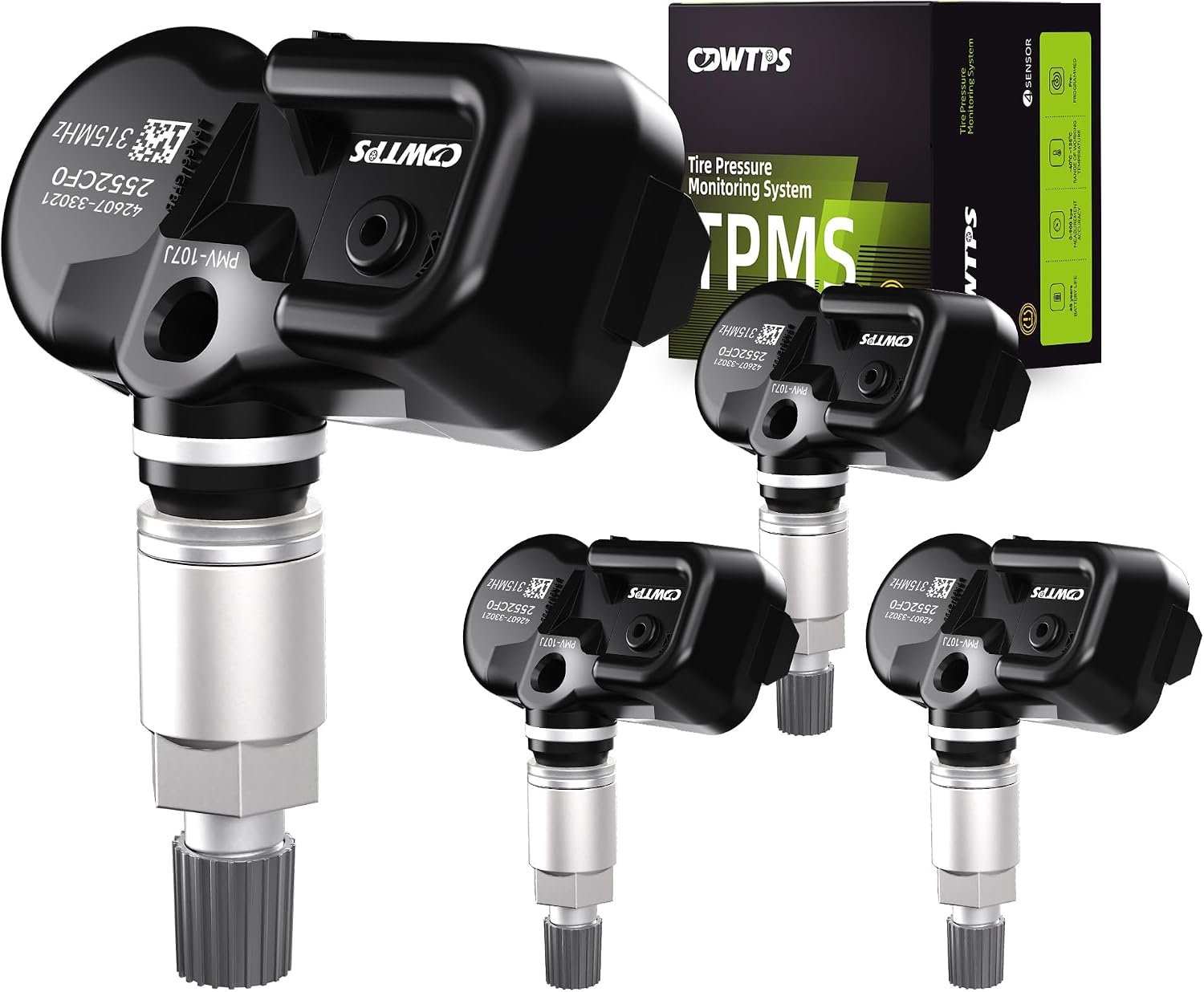
This set of four pre-programmed TPMS sensors is designed as a direct-fit replacement for compatible Toyota, Lexus, and Scion vehicles. It helps restore accurate tire pressure monitoring without sensor programming, and each unit is factory-tested for dependable performance. Built for long service life, these sensors offer a convenient solution for replacing worn or failed tire pressure monitors.

This AstroAI digital tire pressure gauge delivers factory-calibrated readings with dependable ±1 PSI accuracy, helping you keep cars, trucks, motorcycles, and spare tires at the right pressure. Its bright backlit LCD and illuminated nozzle make nighttime checks easy, while the one-button unit switch and auto-off design add convenience and battery efficiency for routine maintenance.
Maintenance Tips for Your Cordless Tire Inflator
A cordless tire inflator is simple, but it still needs basic care. Keep the battery charged, store the inflator in a dry place, and protect the hose from kinks or sharp bends. If the tool uses removable lithium-ion batteries, follow the battery manufacturer’s storage and charging instructions.
- Charge before trips: A cordless inflator is only useful if the battery is ready.
- Keep adapters together: Store ball needles, Presta adapters, and nozzles in the onboard compartment or a small pouch.
- Check the hose and chuck: Cracks, damaged seals, or loose fittings can slow inflation.
- Let the motor cool: If the inflator feels hot or the manual lists a duty cycle, pause before continuing.
- Test it occasionally: Run the inflator at home before relying on it in an emergency.
- Keep a manual gauge nearby: A separate gauge is a useful backup if the display seems inaccurate.
Troubleshooting Common Cordless Inflator Problems
| Problem | Likely Cause | What to Do |
|---|---|---|
| Inflation is very slow | Low battery, large tire, leaking chuck, or hot motor. | Recharge the battery, reseat the chuck, and let the tool cool if needed. |
| Pressure drops after inflation | Puncture, valve-stem leak, bead leak, or rim damage. | Do not keep driving normally. Inspect the tire and get professional service. |
| Auto shutoff stops early | Pressure may spike briefly before stabilizing. | Wait a few seconds and recheck the pressure. Add small amounts if needed. |
| Battery will not hold a charge | Aged battery, cold storage, or charging issue. | Warm the battery to room temperature, use the correct charger, or replace the battery if worn out. |
Frequently Asked Questions
How does a cordless tire inflator work?
A cordless tire inflator uses a rechargeable battery to power a small compressor. The compressor pushes air through a hose into the tire valve. Most models include a pressure display, and many let you preset a target PSI so the inflator stops automatically.
Do cordless tire inflators really work?
Yes, cordless tire inflators work well for topping off low tires and handling light inflation tasks. They are less ideal for multiple large tires, tires that are completely flat, or tires with active leaks. For those jobs, a 12V, AC, or shop compressor may be better.
What is the difference between an air compressor and a tire inflator?
A tire inflator is a small compressor designed mainly for tires and small inflatables. A larger air compressor usually has more airflow, may include an air tank, and can power tools or handle heavier-duty inflation. Tire inflators are easier to carry, while compressors are better for repeated or high-volume work.
Which cordless tire inflator is best?
The best cordless tire inflator depends on your use case. For home and car use, look for accurate auto shutoff, a readable display, a secure chuck, a good hose length, and a battery system you already own. For road trips or larger tires, consider a hybrid model with 12V backup power.
Can I rely on my TPMS instead of checking tire pressure?
No. A tire-pressure monitoring system is a warning system, not a replacement for regular checks. Under U.S. federal standards, TPMS warning thresholds can be significantly below the recommended cold tire pressure, so manually checking pressure monthly is still important.
Can a cordless tire inflator fix a flat tire?
No. It can add air, but it cannot repair a puncture, sidewall cut, valve leak, or rim problem. If the tire will not hold pressure, use the spare, call roadside assistance, or have the tire inspected by a professional.
Conclusion
A cordless tire inflator is a smart tool for drivers who want quick, portable tire-pressure maintenance. It is convenient, compact, and useful for cars, bikes, balls, and small inflatables. Its weak points are battery runtime, slower performance on larger tires, and limited usefulness when a tire is damaged or leaking.
Choose a cordless model if you value portability and already keep batteries charged. Choose a 12V or hybrid inflator if you want backup power for long trips or multiple tire inflations. Whichever style you buy, use the vehicle’s recommended cold PSI, inspect the tire before inflating, and treat repeated pressure loss as a repair issue rather than a normal maintenance task.
Sources
- NHTSA Tire Safety — tire safety, correct inflation, and tire inspection guidance.
- FuelEconomy.gov Gas Mileage Tips — fuel-economy impact of proper tire inflation.
- Tire Industry Association: Tire Inflation Pressure — monthly pressure-check and long-trip guidance.
- 49 CFR 571.138 Tire Pressure Monitoring Systems — TPMS warning threshold requirements.
- Milwaukee M18 Cordless Tire Inflator — example of cordless inflator specifications and auto shutoff.
- DEWALT 20V MAX Cordless Inflator — example of a hybrid cordless inflator with multiple power sources.