Last updated: July 31, 2026
Turbocharged vs naturally aspirated: choose a turbocharged engine when you want strong low-rpm torque, better power retention at elevation, or more output from a smaller displacement. Choose a naturally aspirated engine when you prefer linear throttle response and fewer turbo-specific systems to maintain. Engine type alone does not prove which vehicle will be more reliable or economical, so compare the exact engine family, fuel requirement, maintenance schedule, warranty, and service history before buying.
Quick Answer
A turbocharged engine is usually the better fit for low-rpm torque, passing power, towing performance within the vehicle’s rated limits, and high-altitude driving. A naturally aspirated engine is usually the better fit for immediate response, simpler airflow and boost hardware, and lower exposure to turbo-specific repairs. For long-term ownership, the better choice is the exact engine with the stronger reliability record and documented maintenance, not automatically “turbo” or “non-turbo.”
Key Takeaways
- Turbocharged engines use exhaust energy to drive a compressor, increasing the mass of air entering the cylinders and allowing more torque and power from a given displacement.
- Naturally aspirated engines use the pressure difference created during the intake stroke, with atmospheric pressure pushing air into the cylinders without forced induction.
- The EPA’s February 2026 Automotive Trends Report says gasoline turbocharged engines accounted for more than 44% of U.S. light-duty vehicle production in model year 2024, showing how common downsized turbo packages have become.
- A turbo engine can improve fuel economy when it replaces a larger engine and is driven at modest load, but frequent acceleration, towing, speed, weather, and vehicle design can change the real-world result.
- A naturally aspirated engine removes turbo-specific components, but overall reliability still depends on the engine design, fuel system, cooling system, maintenance history, and calibration.
- At higher elevations, a turbocharged engine usually preserves more usable power because its compressor can partly offset lower air density.
How Do Turbocharged and Naturally Aspirated Engines Work?
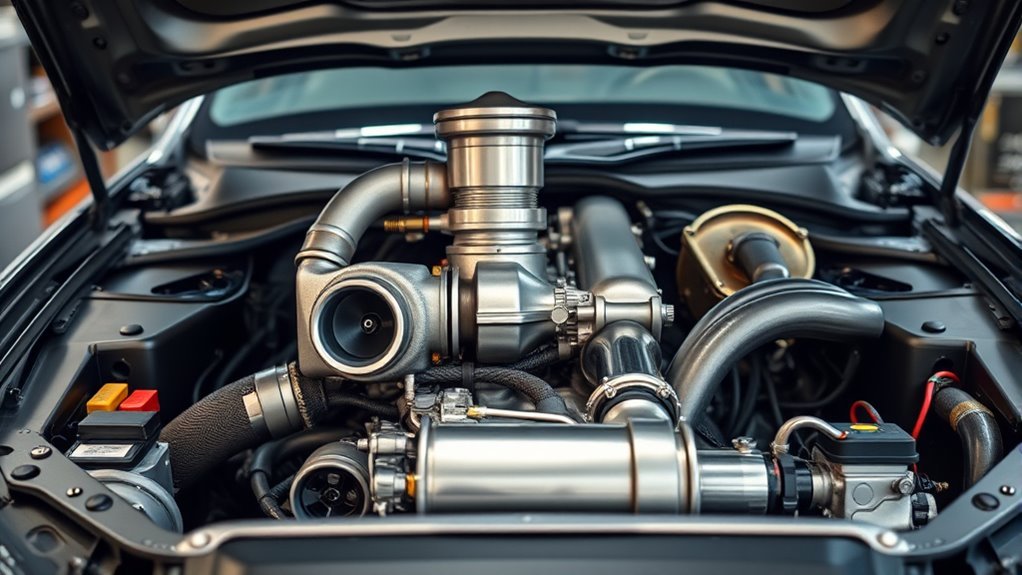
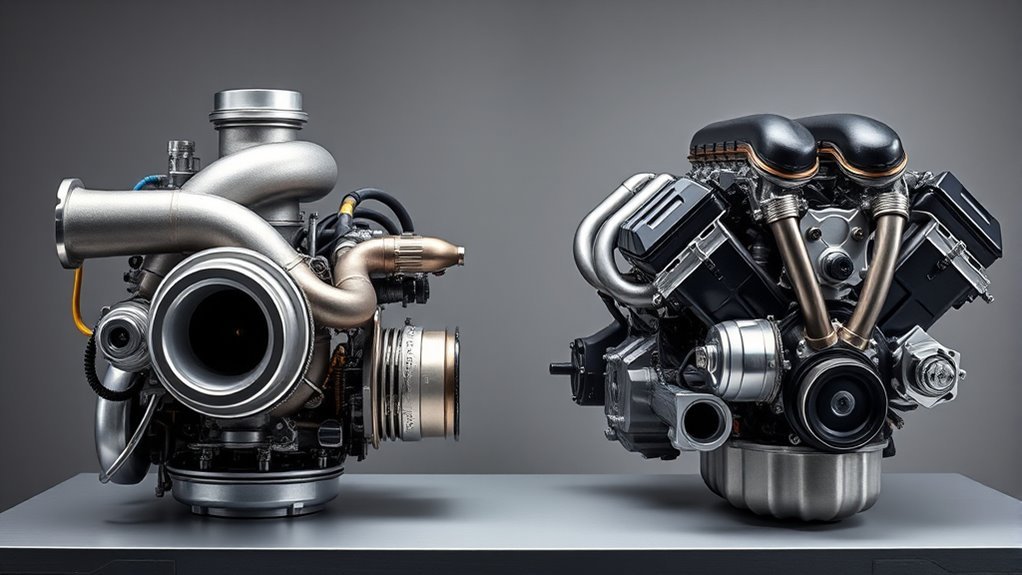
A turbocharged engine uses exhaust flow to spin a turbine connected by a shaft to a compressor. The compressor raises intake pressure and increases the mass of air entering the engine. The engine-management system can then add the matching amount of fuel and produce more torque and power from the same displacement. The U.S. Department of Energy’s FuelEconomy.gov engine technology guide explains how turbocharging supports engine downsizing without giving up the performance expected from a larger engine.
A naturally aspirated engine has no turbocharger or supercharger. As a piston moves down on the intake stroke, cylinder pressure falls and atmospheric pressure pushes air through the intake system. The absence of boost hardware often gives a direct, predictable relationship between accelerator input and engine response.
The practical trade-off is not simply “power versus reliability.” Turbocharging raises power density and adds boost-control, charge-air, lubrication, and heat-management demands. Natural aspiration removes those turbo-specific systems, but a naturally aspirated engine may still use complex direct injection, variable valve timing, cylinder deactivation, hybrid hardware, or other systems that affect cost and reliability.
| Feature | Turbocharged Engine | Naturally Aspirated Engine |
|---|---|---|
| Air supply | An exhaust-driven compressor increases intake-air pressure and mass flow | Atmospheric pressure supplies air as cylinder pressure falls during the intake stroke |
| Power delivery | Often strong low- and mid-range torque once boost is available | Usually smooth, immediate, and linear |
| Added systems | Turbocharger, boost controls, charge-air plumbing, and often an intercooler plus oil or coolant lines | No turbocharger or boost-control system, although other engine technologies may still be complex |
| Best fit | Compact power, low-rpm torque, high-altitude driving, and engines designed around downsizing | Linear response, fewer boost-related components, and buyers prioritizing mechanical simplicity |
Which Is Better: Turbocharged or Naturally Aspirated?
Choose by the job and by the exact vehicle. A turbocharged engine makes sense when you value low-rpm torque and compact power and will follow the required fuel and maintenance instructions. A naturally aspirated engine makes sense when you value linear response and want to remove turbo-specific hardware from the ownership equation.
| Your Priority | Better Starting Point | Why |
|---|---|---|
| Strong low-end torque | Turbocharged | Boost can produce more torque from a smaller displacement |
| Immediate, linear response | Naturally aspirated | There is no turbo spool or boost transition |
| Fewer turbo-specific systems | Naturally aspirated | No turbocharger, wastegate, charge-air cooler, or boost plumbing to inspect |
| High-altitude performance | Turbocharged | The compressor can partly offset reduced ambient air density |
| Lowest overall repair risk | Compare exact engines | Engine-family reliability and maintenance history matter more than aspiration alone |
| Fuel-economy potential | Compare exact vehicles | A downsized turbo can help, but weight, gearing, aerodynamics, drive cycle, and driver behavior decide MPG |
Evidence limit: “Turbo” and “naturally aspirated” describe how the engine receives air. They do not provide a universal lifespan, repair-cost, or MPG number. A strong comparison must use the exact engine code, vehicle weight, transmission, required fuel, maintenance schedule, warranty, and service history.
[Products Worth Considering]

Castrol GTX Full Synthetic 5W-30 motor oil is designed to deliver maximum engine protection in severe driving conditions. It helps fight wear, control sludge, and resist viscosity breakdown while supporting longer intervals between oil changes. Formulated to meet or exceed key industry and vehicle manufacturer specifications, it offers dependable performance for modern engines.

Castrol EDGE 0W-20 advanced full synthetic motor oil is engineered for drivers seeking strong wear protection, excellent viscosity control, and thermal stability. It delivers superior performance in critical engine areas, including fuel economy, high-temperature protection, sludge control, and wear defense. Designed for extended oil-change intervals, it helps keep modern engines running smoothly under demanding conditions.

MAXLONE Car Spray with Triphene is a waterless detailer that makes quick cleaning and shine simple with just spray and wipe use. It helps repel water, dirt, and grime while adding a deep glossy finish and durable protection for paint, glass, plastic, and metal. Designed for versatile use and easy application, it offers long-lasting results with a concentrated formula that is eco-friendly and made for home or professional-style detailing.
How to Compare Two Vehicles in 10 Minutes
- Match the use case. Compare vehicles with similar size, power, drivetrain, and towing requirements.
- Check official fuel-economy ratings. Use the exact year, trim, engine, transmission, and drive type.
- Check the fuel label. Confirm whether regular fuel is required, premium is recommended, or premium is required.
- Read the maintenance schedule. Look for oil specifications, severe-service intervals, spark-plug intervals, and cooling-system requirements.
- Research the engine family. Look for technical service bulletins, recalls, warranty extensions, and repeated owner-reported failure patterns.
- For a used vehicle, verify records. A complete service history and a clean pre-purchase inspection are more useful than the engine label alone.
Note: Fuel economy is not guaranteed by engine type. FuelEconomy.gov explains that speed, acceleration, weather, maintenance, cargo, and individual vehicle variation can all change real-world MPG. Compare specific models instead of assuming every turbo car will use less fuel.
Which Makes More Power and Performs Better at Altitude?
Turbocharged engines usually have higher power density. A smaller turbo engine can make torque and power comparable to a larger naturally aspirated engine because boost increases the air mass available for combustion. The EPA’s 2026 Automotive Trends Report says gasoline turbocharged engines represented more than 44% of U.S. light-duty production in model year 2024, and most were four-cylinder engines.
Many turbo engines are calibrated to make useful torque at low or middle RPM, which can help with city acceleration, highway passing, hills, and towing within the vehicle’s published rating. The trade-off is a possible delay or change in response as boost builds. Smaller turbochargers, twin-scroll designs, variable-geometry systems on some applications, improved controls, electric assistance, and hybrid torque fill can reduce that delay, but the response still depends on the specific engine and transmission calibration.
Naturally aspirated engines usually feel more linear because accelerator input does not have to pass through a boost-building phase. Drivers who value precise throttle modulation, predictable corner exits, or a rising power curve may prefer that behavior even when peak torque per liter is lower.
Garrett Motion gives a rough rule of thumb that a naturally aspirated combustion engine may lose about 3% of its power for each 1,000 feet of elevation gain. Actual loss varies with temperature, engine controls, fuel, and engine design.
At elevation, a turbocharged engine usually maintains more usable power because the compressor can raise intake pressure despite thinner ambient air. The advantage is not unlimited: compressor speed, charge temperature, knock control, and the engine’s calibration still set boundaries. Follow the required fuel grade because an engine may reduce boost or ignition timing when knock protection is active.
Does a Turbocharged Engine Get Better Gas Mileage?
A turbocharged engine does not automatically get better gas mileage. The efficiency opportunity comes from engine downsizing: a smaller engine can have lower pumping and friction losses during light-load driving, while the turbo supplies extra air when more power is needed. EPA benchmarking describes downsized boosted engines as a technology strategy, not a guarantee for every model.
When driven gently, a properly matched smaller turbo engine may use less fuel than a larger naturally aspirated engine with similar performance. During hard acceleration, towing, mountain driving, or sustained high speed, the engine must add fuel to match the extra air and load. Naturally aspirated engines also use more fuel under high load, so the fair comparison is between complete vehicles under the same conditions.
Compare the exact EPA city, highway, and combined ratings, then consider your own route. A driver who spends most of the time in steady cruising may see a different result from one who makes short trips, carries heavy loads, or uses boost frequently. Required premium fuel can also change cost per mile even when MPG is favorable.
Pro Tip: Compare exact trims at FuelEconomy.gov. Match model year, engine, transmission, and drive type, then calculate fuel cost with the grade the manufacturer requires or recommends.
Which Is Cheaper to Maintain: Turbo or Naturally Aspirated?
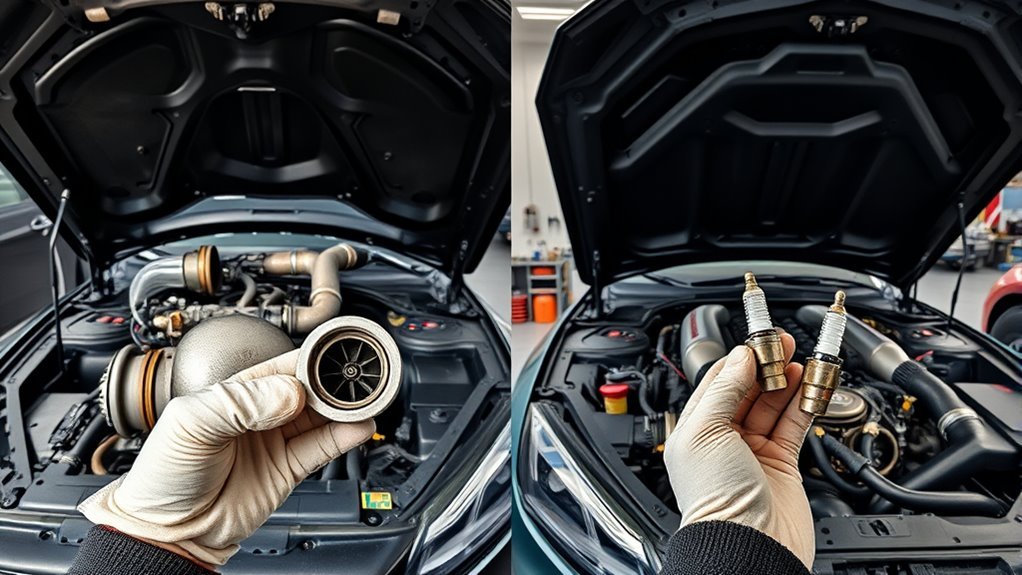
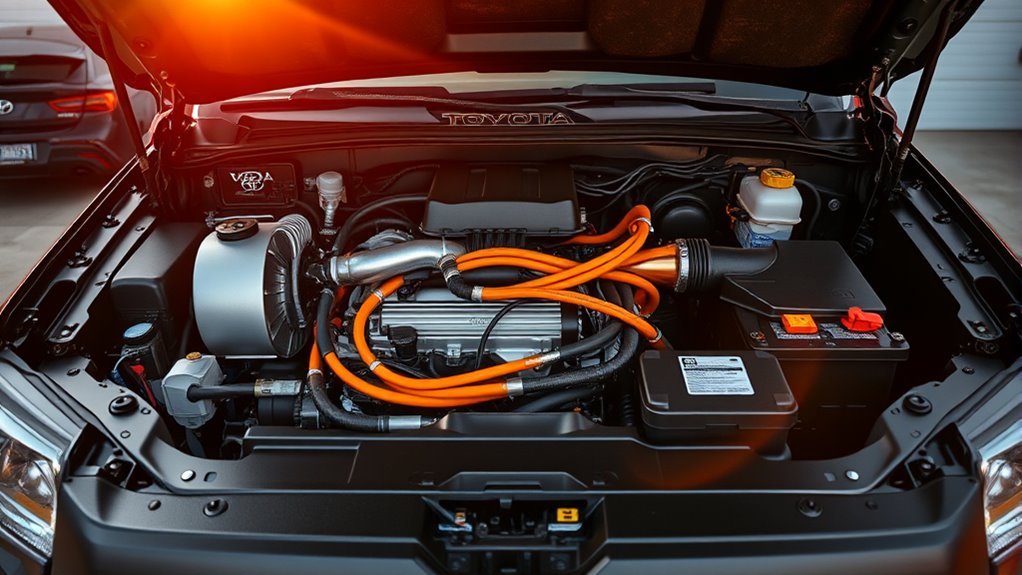
A turbocharged engine adds components that operate under high temperature and speed. Depending on the design, the system may include a turbocharger, wastegate actuator, boost-control solenoid, intercooler, charge pipes, oil feed and drain lines, and coolant lines. Clean oil, correct oil pressure, healthy cooling, sealed intake plumbing, and prompt leak repairs are important.
A naturally aspirated engine removes turbo-specific hardware, but it still needs the oil, filters, spark plugs, coolant, belts, and inspections listed in its maintenance schedule. It may also use direct injection, variable valve timing, cylinder deactivation, or hybrid components. Direct injection and port injection are separate design choices from turbocharging, so intake-valve deposits on some direct-injection engines should not be blamed on the turbo alone.
| System | Possible Concern | Maintenance Focus |
|---|---|---|
| Turbo and boost system | Bearing or seal wear, oil restriction, boost leaks, actuator or wastegate faults | Use the required oil specification, service it on time, and inspect charge-air and cooling connections when symptoms appear |
| Naturally aspirated intake system | Vacuum leaks, intake leaks, worn ignition parts, or deposits depending on fuel-system design | Follow oil, air-filter, spark-plug, coolant, and intake-system intervals |
| Both engine types | Wrong oil, overheating, neglected filters, fuel-system faults, leaks, or poor calibration | Follow the exact owner’s manual and severe-service schedule for the vehicle |
There is no universal oil-change interval for all turbocharged engines. The correct interval depends on the manufacturer, engine, oil specification, use pattern, and severe-service definition. Use the schedule for the exact model year and powertrain. Towing, repeated short trips, dust, extreme temperatures, prolonged idling, and repeated high-load driving may trigger a shorter interval when the manufacturer says they do.
Warning: Do not choose oil by viscosity alone. Use the SAE viscosity and performance standard listed for the vehicle. API’s current Motor Oil Guide says API SQ and ILSAC GF-7A were introduced in March 2025 with protection addressing fresh- and aged-oil low-speed pre-ignition, timing-chain wear, and high-temperature piston and turbocharger deposits.
How Do Purchase, Fuel, and Repair Costs Compare?
Engine type by itself does not set the purchase price. A turbo may be standard, optional, bundled with a higher trim, or paired with a hybrid system. Compare transaction price, warranty coverage, insurance, required fuel, scheduled service, and the reliability record of the exact powertrain.
Fuel cost depends on both MPG and fuel grade. A downsized turbo engine can save fuel in light-load driving, but frequent boost, vehicle weight, towing, gearing, and premium-fuel requirements may reduce or erase the cost advantage. A larger naturally aspirated engine may use more fuel, but that is not universal.
Repair exposure is different rather than automatically higher in every turbo vehicle. A turbocharged engine adds parts that a naturally aspirated engine does not have, so a failed turbocharger, actuator, intercooler, oil line, coolant line, or charge pipe can create an extra repair. Overall cost still depends on failure frequency, parts pricing, labor access, warranty, and the rest of the engine’s design.
| Cost Area | Turbocharged | Naturally Aspirated |
|---|---|---|
| Purchase price | Model- and trim-dependent; the turbo may be standard or bundled with other equipment | Model- and trim-dependent; a simpler engine does not guarantee a lower vehicle price |
| Fuel cost | Can benefit from downsizing, but load, boost use, and fuel grade matter | May need more displacement for equal power, but exact MPG and fuel grade decide cost |
| Routine maintenance | Follow the exact oil, cooling, spark-plug, and severe-service requirements | Often fewer turbo-specific inspection points, but other systems can still be complex |
| Repair exposure | Includes turbo, boost-control, charge-air, and related oil or coolant hardware | No turbo-specific repair category, but normal engine and fuel-system failures remain possible |
[Products Worth Considering]

The ECOGARD S5608 is a premium cartridge oil filter designed for vehicles using synthetic oil and extended drain intervals. It delivers long-lasting engine protection with high filtration capacity, silicone anti-drain back, and durable construction for dependable performance. Built for a wide range of Toyota, Lexus, and Scion applications, it helps maintain clean oil flow and consistent engine health over time.

Meguiar's Gold Class Car Wash combines cleaning and conditioning in one easy step for a smooth, high-gloss finish. Its advanced, biodegradable formula creates rich suds that lift away dirt and road grime while helping preserve existing wax protection. Versatile for bucket washing or foam cannon use, it leaves paint looking radiant, renewed, and ready for a professional-level detail.

【Compatible Vehicles】The air filter kit compatible with Honda Accord (2014-2015 2017-2022) 2.0L Hybrid Naturally Aspirated Only (Not for Turbo Gas, Not for 1.5L/2.4L/3.5L!)
Are Naturally Aspirated Engines More Reliable?
Naturally aspirated engines are not automatically more reliable, and turbocharged engines are not automatically short-lived. Reliability is specific to the engine family and depends on engineering, maintenance history, oil quality, heat management, fuel quality, software calibration, driving conditions, and modification history.
Natural aspiration does have a clear simplicity advantage: it removes the turbocharger and its boost-control and charge-air systems. That means fewer turbo-specific failure points. It does not prove the rest of the engine is simpler or better designed, and it does not outweigh a poor maintenance history.
For a turbocharged engine, use the specified oil and fuel, repair oil or coolant leaks promptly, and drive gently until the powertrain reaches normal operating temperature. After sustained high-load driving, towing, or track use, follow the manufacturer’s guidance rather than relying on a universal cooldown ritual. Avoid unsupported tuning that raises boost without matching fuel, cooling, ignition, and drivetrain capacity.
What Is Each Engine Type Best For?
Use the table as a starting point, then confirm the exact vehicle’s specifications and reliability record.
| Driving Situation | Better Starting Point | Reason |
|---|---|---|
| Daily commuting | Either | Compare exact MPG, fuel grade, response, reliability, and maintenance cost |
| Mountain driving or high elevation | Turbocharged | Boost can preserve more power as ambient air density falls |
| Towing or hauling | Often turbocharged | Low-rpm torque can help, but the published tow rating, payload, cooling, gearing, and brakes come first |
| Track days and spirited driving | Depends on the vehicle | Turbocharging adds power potential; natural aspiration often gives linear response, while cooling capacity decides repeatability |
| Long-term low-complexity ownership | Often naturally aspirated | It removes turbo-specific systems, but engine-family history still decides the safer purchase |
| Performance tuning | Often turbocharged | Boost changes can add power efficiently, but heat, fueling, emissions compliance, and drivetrain risk rise quickly |
What Should You Check When Buying a Used Turbo Car?
Condition and records matter more than the engine-cover label. A stock turbocharged car with complete service history can be a better purchase than a neglected naturally aspirated car. Turbo vehicles still deserve checks for boost, oiling, cooling, and modification history.
- Ask for oil-change records. Confirm dates, mileage, viscosity, performance specification, and whether severe-service intervals applied.
- Listen during a cold start and road test. Whining, siren-like sounds, grinding, rattling, or a new hiss require diagnosis; sound alone does not prove turbo failure.
- Check for smoke and oil loss. Blue smoke can come from turbo seals, piston rings, valve seals, or crankcase-ventilation faults, so the timing and source must be diagnosed.
- Inspect charge pipes and intercooler connections. Look for cracks, loose clamps, damaged couplers, and heavy oil pooling. A light oil film can occur in some systems and is not a diagnosis by itself.
- Scan all modules for codes. Underboost, overboost, misfire, knock, fuel-trim, temperature, and actuator codes need an identified cause before purchase.
- Be cautious with modified cars. Tunes, larger turbos, manual boost controllers, altered emissions equipment, and undocumented fuel-system changes increase uncertainty.
- Compare commanded and actual performance. A qualified technician can review boost, airflow, fuel pressure, ignition correction, temperatures, and misfire data during a road test.
For model-specific troubleshooting, see the Toyota Tacoma turbocharger guide, which shows why a boost leak, sensor fault, actuator issue, or air restriction can imitate turbo failure.
Note: A pre-purchase inspection should include a cold start, scan, road test, fluid and leak check, cooling-system check, and service-history review. Ask the technician to identify the failed test or abnormal data rather than approving a turbo replacement from symptoms alone.
[Products Worth Considering]

【Enhance Safety】:The truck front inspection tool is capable of performing inspections on tire tread depth, brake lining thickness, brake stroke, and windshield damage to ensure operational safety
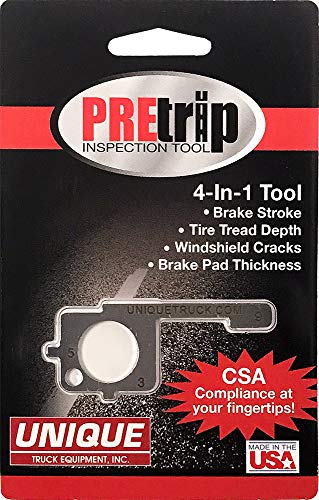
Visually check tire tread depth on driver and steer tires

【Comprehensive 4-in-1 Check】Quickly verify four critical safety points before every trip; combines brake, tire tread, and windshield inspection functions into one essential device
Frequently Asked Questions
Should I avoid a turbocharged engine?
No. A turbocharged engine can be a good choice when you want strong low-rpm torque, compact power, or better performance at elevation. Avoid a specific turbo engine when its reliability record, maintenance history, modification history, fuel requirement, or repair exposure does not fit your budget.
Do naturally aspirated engines last longer than turbo engines?
Not automatically. Naturally aspirated engines have fewer turbo-specific parts, but lifespan depends on the engine family, oil and coolant care, fuel-system design, heat management, driving conditions, and modification history. Compare proven reliability and service records for the exact engines.
Which is better: a naturally aspirated V8 or a turbo V6?
A turbo V6 is often better for low-rpm torque and compact power. A naturally aspirated V8 is often better for linear response and fewer turbo-specific systems. Vehicle weight, gearing, tow rating, fuel grade, reliability history, and maintenance cost matter more than cylinder count alone.
Are turbocharged engines more expensive to maintain?
They can be because they add turbo, boost-control, charge-air, oiling, and cooling components. Routine cost and failure risk still vary by model. Check the exact maintenance schedule, warranty, parts prices, labor access, and engine-family reliability instead of assuming every turbo costs more.
Does a turbo engine always get better gas mileage?
No. Turbocharging can support a smaller engine that saves fuel at light load, but vehicle weight, gearing, speed, acceleration, towing, weather, and fuel grade affect the result. Compare official ratings for the exact trim and calculate cost using the required fuel.
Is turbo lag still a problem in modern cars?
Modern designs and controls can make lag small, but response still varies by turbo size, engine speed, gear, transmission programming, hybrid assistance, and calibration. Test-drive the exact vehicle because two turbo engines can feel very different.
Does a turbocharged engine require premium gas?
Not always. Some turbo engines are designed for regular fuel, some recommend premium for full performance, and others require premium. Use the fuel grade printed in the owner’s manual and on the fuel door; do not assume the requirement from the presence of a turbo.
Conclusion
Choose a turbocharged engine when low-rpm torque, compact power, and stronger high-altitude performance matter most. Choose a naturally aspirated engine when you prefer linear response and want fewer turbo-specific components.
Before buying, compare the exact engine family, official MPG, fuel grade, maintenance schedule, warranty, recalls or service campaigns, and used-vehicle records. Those details predict ownership more accurately than the words “turbo” or “naturally aspirated” by themselves.
Sources
- U.S. EPA — 2025 Automotive Trends Report, published February 2026 — reports current light-duty technology adoption, including gasoline turbocharged engine production share.
- FuelEconomy.gov — Advanced Engine Technologies — explains turbocharging and engine downsizing.
- U.S. EPA — Downsized Boosted Engine Benchmarking and Results — documents EPA engine-dynamometer benchmarking of a downsized turbocharged gasoline engine.
- FuelEconomy.gov — Your Mileage Will Vary — explains why real-world MPG changes with driving, conditions, maintenance, and vehicle variation.
- Garrett Motion — Turbocharging at Elevation — provides the 3% per 1,000 feet naturally aspirated power-loss rule of thumb and explains turbo altitude compensation.
- American Petroleum Institute — Motor Oil Guide — lists current API SQ and ILSAC GF-7 oil categories and their stated protection areas.