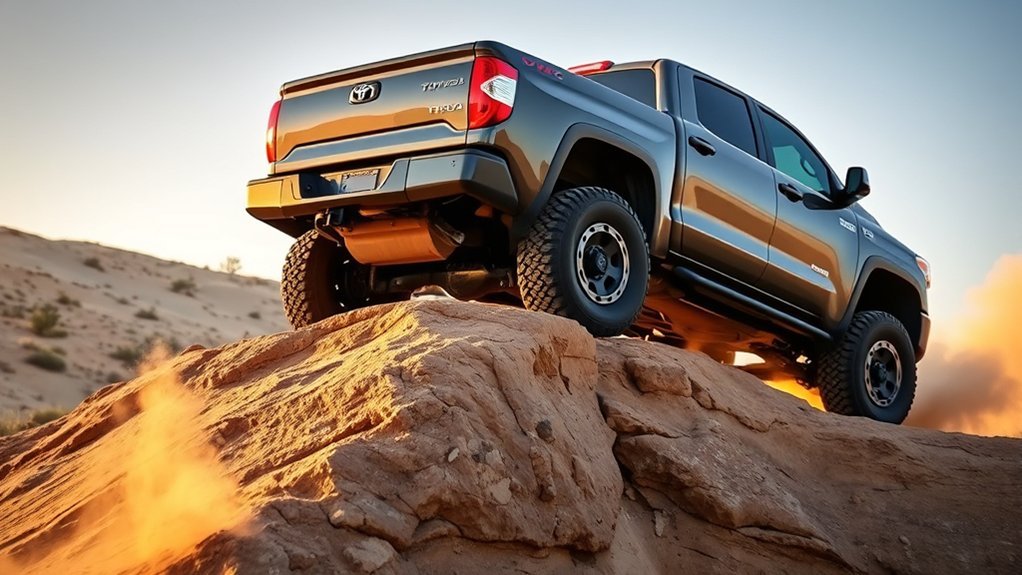
For a Toyota Tundra, approach, departure and breakover angles tell you where the truck is likely to hit first: the front bumper, the rear bumper or hitch area, or the center of the underbody. The exact numbers depend on model year, trim, cab, bed length, tires, suspension height, load and accessories, so use published specs as a starting point and measure your own truck before picking a difficult line.
Quick Answer
A current-generation Toyota Tundra commonly starts around a 21° approach angle and 24° departure angle in many stock configurations, while Toyota’s TRD 3-inch lift kit raises those to 26° and 25°. Breakover is not one fixed factory number; it changes with wheelbase, ground clearance, load and the lowest underbody point.
Key Takeaways
- Approach angle protects the front bumper and lower valance when climbing into an obstacle.
- Departure angle protects the rear bumper, hitch receiver and spare-tire area when exiting a ledge or ditch.
- Breakover angle estimates whether the belly, skid plates, fuel tank area, frame or crossmembers may drag over a crest.
- Toyota’s official TRD lift-kit release says the kit raises ground clearance by 2.6 inches and changes approach/departure from 21.0°/24.0° to 26.0°/25.0°.
- Bigger tires, lifts and high-clearance bumpers can help, but they can also affect handling, braking, steering geometry, safety-system performance and warranty coverage.
What Approach, Departure & Breakover Angles Mean for the Tundra
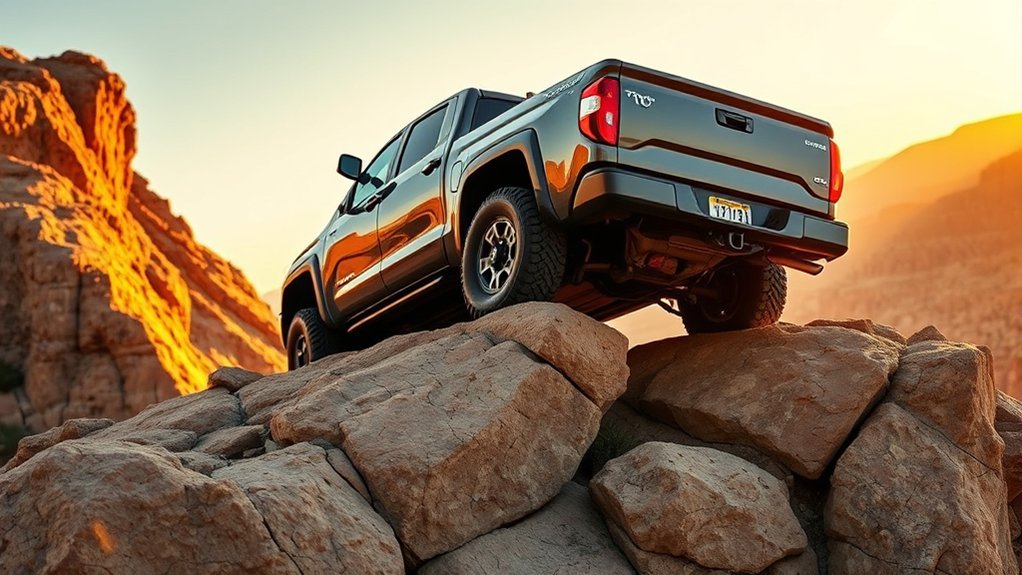
Angles determine how the Tundra negotiates terrain. The approach angle is the steepest ramp or obstacle the front of the truck can meet without the lowest front point touching. The departure angle is the same idea at the rear. The breakover angle describes the crest the truck can drive over without the underside contacting the high point between the axles.
These angles are body-clearance limits, not traction guarantees. A truck can have enough approach angle to clear a ledge but still spin tires, lift a wheel, drag a differential, or run out of suspension travel. Use the angles with tire placement, ground clearance, wheelbase, skid-plate protection and traction aids such as Multi-Terrain Select, Crawl Control or a locking rear differential when equipped.
For measurement language, the industry commonly references SAE practices for approach, departure and ramp breakover angles. Federal definitions also describe breakover geometry as a relationship between loaded tire radii and the lowest underside point. In plain terms: the longer and lower the truck is, the easier it is to scrape the belly on a crest.
Note: Toyota often publishes approach and departure angles more consistently than breakover angle. Treat any single breakover number as an estimate unless it is published for your exact trim or measured on your own truck.
Know Your Exact Tundra Configuration First
Before you rely on any angle number, identify the exact truck. A Tundra SR, SR5, Limited, Platinum, 1794 Edition, TRD Pro, Capstone or TRD Off-Road Package truck can sit differently. Cab and bed length matter too: a longer wheelbase lowers the breakover angle because the truck has more distance between the front and rear tire contact patches.
Check these items before measuring:
- Model year: Current-generation 2022-and-newer Tundras have different geometry than older Tundras.
- Cab and bed: Double Cab and CrewMax layouts use different wheelbases depending on bed length.
- Trim and package: TRD Pro, TRD Off-Road, TRD Rally and dealer-installed TRD lift-kit trucks may sit differently.
- Tires: Tire diameter changes axle height and can raise the lowest parts of the truck slightly.
- Accessories: Running boards, steps, tow hitch hardware, mud flaps, low bumper pieces and skid plates may become the first contact point.
- Load: Passengers, tools, recovery gear, fuel, bed cargo and trailer tongue weight compress the suspension and reduce real clearance.
- Suspension setting: If equipped with height-adjusting rear air suspension, measure at the setting you will use on trail.
[Products Worth Considering]

This heavy-duty 2-inch shackle hitch receiver adds dependable recovery capability to trucks, SUVs, ATVs, and UTVs. Built from carbon steel with corrosion-resistant finishing and protective isolators, it helps prevent scratches while delivering strong towing support for rugged recovery and hauling tasks. The dual pin-hole design allows flexible positioning for easier use in demanding conditions.

These heavy-duty running board side steps are designed to improve access to your Toyota Tundra without reducing ground clearance. Built for Double Cab and CrewMax front door applications, they offer practical convenience for everyday entry, roof loading, and off-road use. The durable iron construction and easy no-drill installation make them a reliable upgrade for rugged driving.

These heavy-duty running boards are designed to improve access to your Toyota Tundra CrewMax while maintaining ground clearance for off-road use. Built from durable aluminum with a high weight capacity, they provide stable step-up support for daily driving, cargo loading, and outdoor adventures. The no-drill installation makes setup simple, and the included customer support adds extra peace of mind.
How Wheelbase and Ride Height Determine Tundra’s Stock Angles
Wheelbase and ride height set the geometry that defines the Tundra’s approach, breakover and departure angles. A shorter wheelbase and taller loaded clearance improve breakover. Shorter front and rear overhangs improve approach and departure. Lower bumpers, long receiver hitches and side steps reduce them.
Published figures should be read as configuration-specific. Toyota’s official release for the dealer-installed TRD 3-inch lift kit states that the kit raises the front by 3.0 inches and the rear by 2.0 inches, increases ground clearance by 2.6 inches, and changes approach/departure angles from 21.0°/24.0° to 26.0°/25.0° on applicable 2022-and-newer Tundra 4×4 models.
That official example is more useful than a blanket “stock Tundra” number because it shows the relationship clearly: lift and clearance can improve ramp angles, but the exact result depends on where the lowest contact points are. If a low hitch, step or bumper still hangs down, the measured angle may not improve as much as the suspension height suggests.
Toyota’s TRD lift-kit example moves the Tundra from 21.0° to 26.0° of approach angle, but departure only changes from 24.0° to 25.0° because rear overhang and hitch-area geometry still matter.
Measure Your Tundra’s Approach, Departure and Breakover (Easy Field Method)
When you are out in the field, you can estimate your Tundra’s approach, departure and breakover angles with a tape measure, a straight board and a phone angle app. These measurements are especially useful after installing tires, bumpers, a lift, rock sliders or hitch changes.
At a Glance
| Time Required | 15–30 minutes |
| Difficulty | Easy |
| Tools Needed | Tape measure, straight board or level, chalk, smartphone angle app or protractor, tire-pressure gauge |
| Cost | Free if you already have basic measuring tools |
For repeatable results, park on level ground, set your normal trail tire pressure, load the truck the way you drive it, and measure to the lowest fixed point. Do not ignore bolt-on parts: a low step, front air dam, mud flap or receiver hitch can be the true limiting point.
[Products Worth Considering]

These heavy-duty running boards are designed to improve access to your 2024-2026 Toyota Tacoma while preserving off-road clearance. Built for Double Cab and Crew Cab models, they provide a sturdy step for daily entry, loading roof gear, and rugged trail use. With a no-drill installation and durable construction, they deliver dependable support and long-lasting convenience.

Built for towing, winching, and off-road recovery, this D-ring shackle set delivers dependable strength in a compact, easy-to-use design. The drop-forged steel construction and protective coated finish help provide reliable performance and resistance to rust in demanding outdoor conditions. Compatible with Jeeps, ATVs, UTVs, trucks, trailers, and SUVs, it is a practical recovery accessory for everyday trail and rescue use.
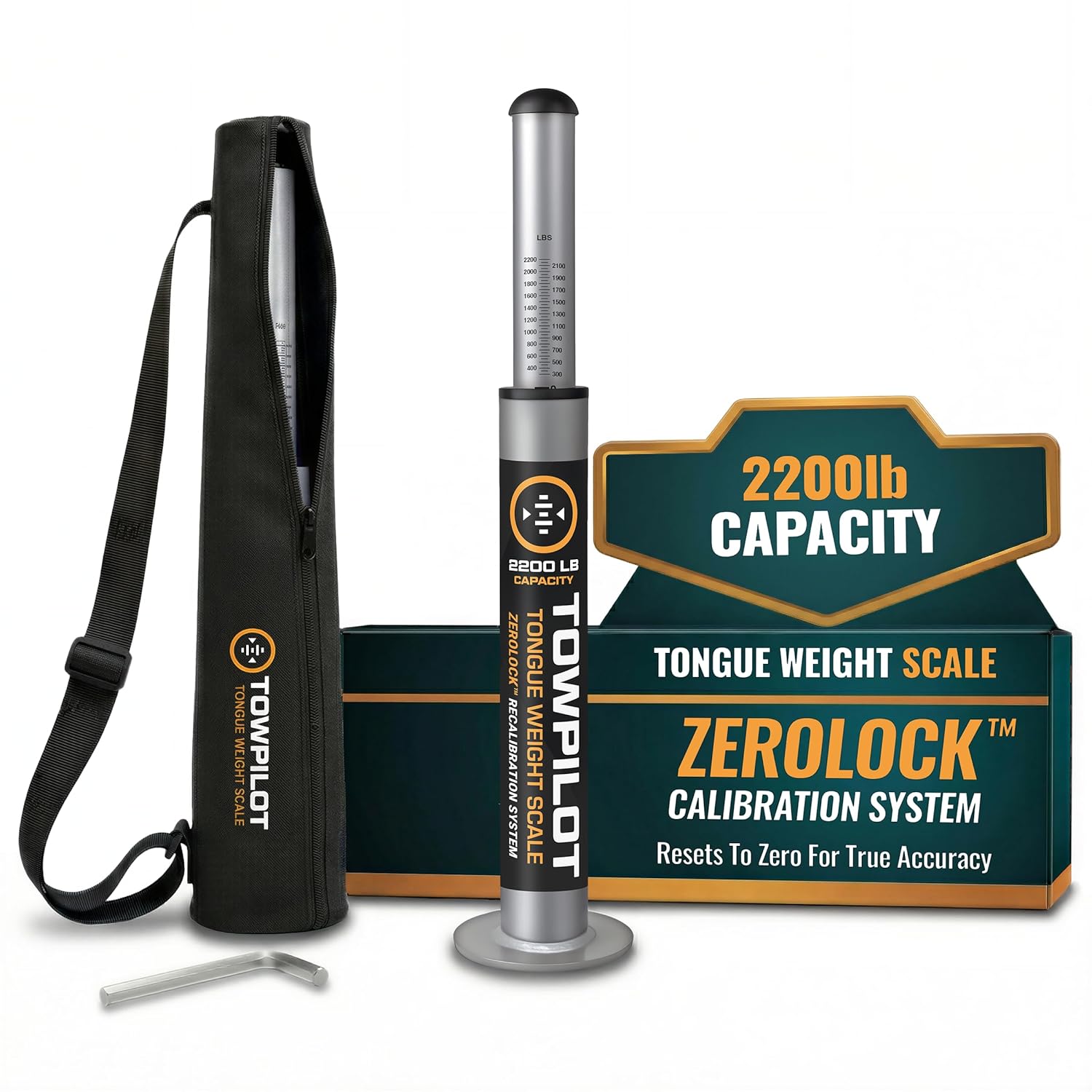
This trailer tongue weight scale helps you check hitch weight quickly and accurately before towing, reducing sway and improving overall safety. Built with durable steel and a spring mechanism, it works without batteries and includes a recalibration feature to maintain true-zero accuracy over time. It is designed for RVs, campers, and utility trailers, with a top plate that helps protect your coupler during use.
Field Measurement Steps
- Approach: Place a straight board from the front tire contact patch to the lowest front point that would hit first. Use a phone angle app on the board, or measure rise and run and calculate the angle.
- Departure: Repeat from the rear tire contact patch to the lowest rear point, including the hitch receiver, bumper corner, spare-tire area or exhaust tip if it hangs low.
- Breakover: Measure the wheelbase, divide it by two, then measure loaded clearance at the lowest central underbody point. Use the formula below for a close estimate.
- Record conditions: Note tire size, tire pressure, fuel level, cargo load, suspension setting, and whether a trailer is attached.
- Recheck after changes: Measure again after installing tires, lift parts, bumpers, skid plates, rock sliders or hitch hardware.
Simple Angle Formulas
Use these formulas when you have rise and run measurements:
- Approach angle: arctan(front clearance height ÷ front overhang distance)
- Departure angle: arctan(rear clearance height ÷ rear overhang distance)
- Approximate breakover angle: 2 × arctan((2 × lowest loaded center clearance) ÷ wheelbase)
Pro Tip: Measure your Tundra twice: once empty and once with your normal trail load. The loaded number is the one that matters when the bed is full of tools, recovery boards, water, camping gear or trailer tongue weight.
Upgrades That Change Angles: Lifts, Tire Sizes, Bumpers, and Hitch Mods
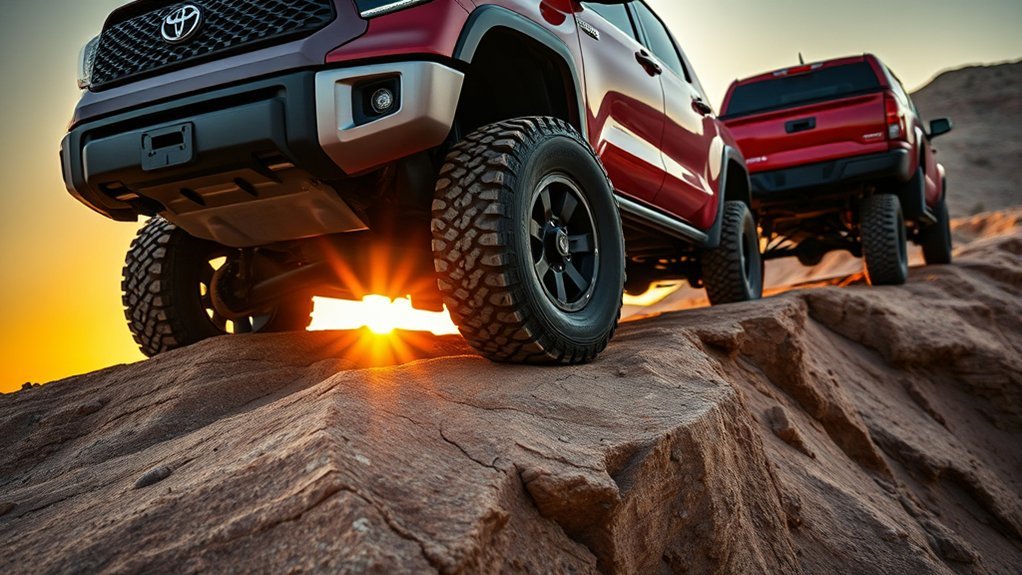
A targeted set of upgrades—suspension lift, larger tires, high-clearance bumpers, skid plates, rock sliders and hitch rework—can measurably change your Tundra’s approach, departure and breakover angles. Plan around measured gains, not appearance.
| Setup | Likely Angle Effect | Best Use | Main Tradeoff |
|---|---|---|---|
| Stock current-gen Tundra | Often around 21° approach and 24° departure on many baseline configurations | Light trails, forest roads, towing, daily use | Long wheelbase and rear overhang limit sharp crests and exits |
| Toyota TRD 3-inch lift kit | Toyota states 26.0° approach and 25.0° departure on applicable trucks | Supported lift with Toyota engineering and dealer installation | Not compatible with every trim or suspension package |
| Larger all-terrain tires | Raises axle and underbody clearance by roughly half the tire-diameter increase | More clearance and better sidewall strength | More weight, possible rubbing, gearing feel changes, speedometer error |
| High-clearance bumper or trimmed low valance | Can improve approach or departure if that part was the lowest contact point | Rock ledges, steep trail entries, bumper protection | Weight, sensor fitment, crash-system and warranty considerations |
| Hitch or recovery-point rework | Can improve departure if the receiver or shackle mount drags first | Steep trail exits and ditch crossings | Must preserve rated towing/recovery strength and safe attachment points |
The safest upgrade path is usually moderate and measured: quality tires that fit correctly, skid protection for unavoidable contact, and a lift system engineered for the truck. Toyota’s 2025 Tundra release notes that TRD Pro models use FOX internal-bypass shocks, a 1.1-inch front lift, added underbody protection and all-terrain tires, while TRD Off-Road Package trucks add off-road hardware such as Bilstein shocks, skid plates and a locking rear differential depending on configuration.
[Products Worth Considering]

These X-BULL recovery traction tracks help drivers get unstuck from sand, snow, mud, or ice with a stable U-shaped elastic design and a wavy ramp that makes tire entry easier. Built from reinforced nylon, they are flexible, impact-resistant, and designed to perform in extreme temperatures while providing reliable emergency traction for a wide range of vehicles.
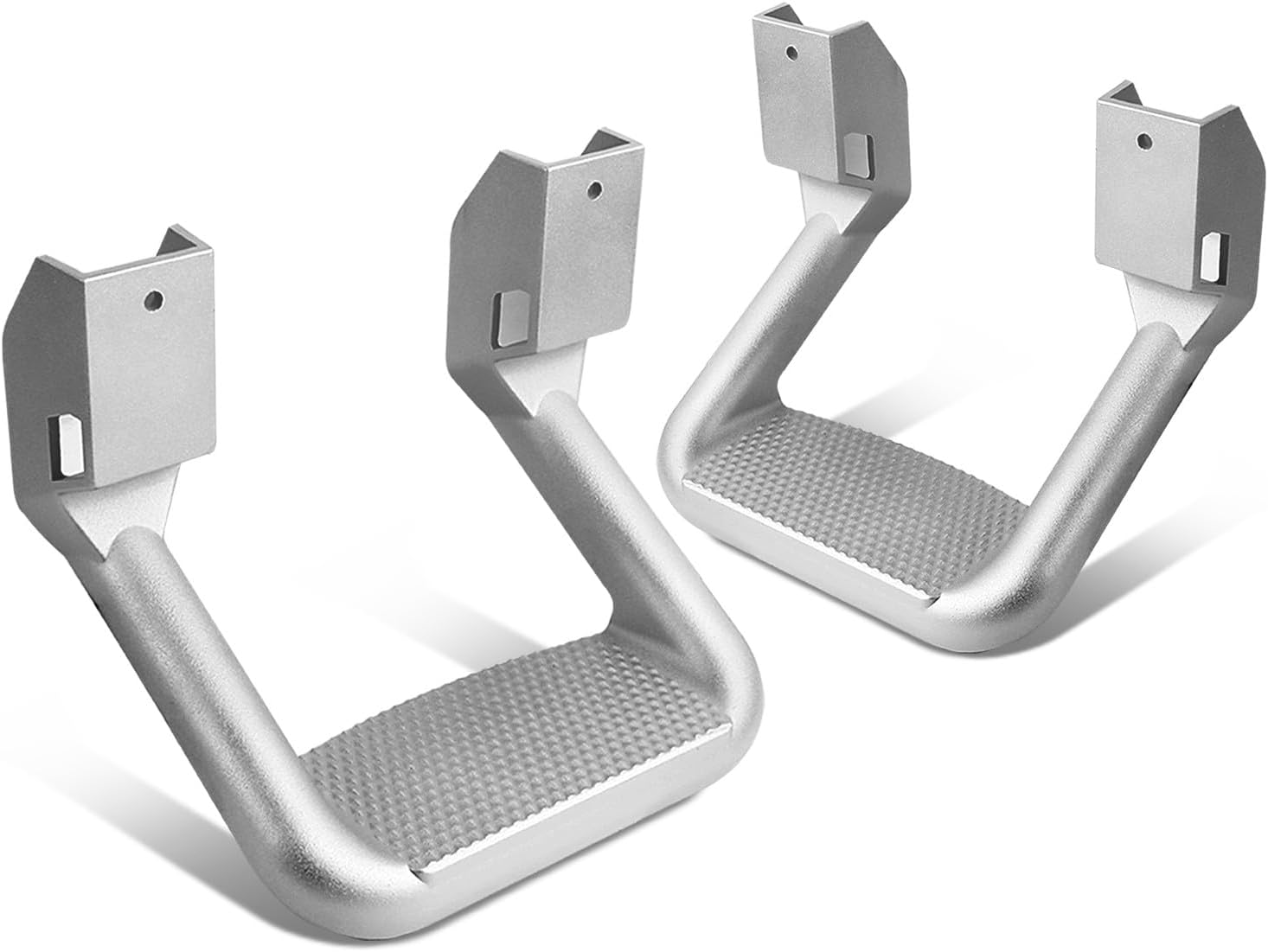
These universal aluminum side hoop steps provide a practical boost for easier entry and exit from pickup trucks and SUVs. Built with solid die-cast brackets and a non-slip step surface, they offer reliable support and a rugged look while helping improve everyday access. The silver powder-coated finish adds durability, and the pair is designed for driver and passenger side installation with included hardware.

These EZ running boards are designed to improve access to your Toyota Tacoma while maintaining the vehicle's off-road capability. Built for Double Cab and Xtra Cab front door applications, they offer a sturdy step up, simple installation, and dependable support for daily use or trail adventures.
When Bigger Tires or Higher Lifts Hurt Tundra Performance
Bigger tires and higher lifts can raise clearance, but pushing size and height past practical limits creates new liabilities. A full-size truck like the Tundra is already tall, heavy and long. Extra height changes the center of gravity, steering feel, braking distance, suspension geometry and driveline angles.
Warning: Suspension, tire, bumper and hitch modifications can affect alignment, braking, stability control, camera/radar calibration, headlight aim, airbag/crash performance, warranty coverage and state equipment compliance. Use parts designed for your exact Tundra and have critical work inspected by a qualified technician.
- Mechanical: Very large tires add rotating mass and can stress axles, CV joints, differentials, wheel bearings, steering components and U-joints.
- Dynamic: Excessive lift height increases body roll and can reduce predictable handling on side slopes, emergency maneuvers and highway driving.
- Fitment: Tires that look good at rest may rub at full steering lock, full compression or while the suspension is articulated.
- Technology: Modern driver-assistance systems, cameras and sensors may need calibration or may not function correctly with some aftermarket changes.
- Legal and warranty: Height, lighting, bumper, tire-coverage and emissions rules vary by state; modifications can also affect warranty claims if related failures occur.
That does not mean you should avoid upgrades. It means you should balance trail clearance with the engineering limits that keep the truck safe, durable and useful as a daily driver or tow vehicle.
Post-Upgrade Checklist Before You Hit the Trail
After changing lift height, tire size, bumpers, skid plates, steps or hitch hardware, check the truck before relying on the new angles.
- Measure approach, departure and breakover again with the truck loaded.
- Check tire clearance at full steering lock and full suspension compression.
- Get a professional alignment after suspension changes.
- Re-aim headlights if ride height changes.
- Verify brake-line, ABS-wire and sensor-wire clearance.
- Torque suspension, wheel and bumper hardware to the part manufacturer’s specification.
- Confirm spare-tire fitment if tire size changed.
- Recalibrate or account for speedometer error after a major tire-size change.
- Test drive at low speed before highway driving or trail use.
- Recheck bolts after the first trail run and after the first few hundred road miles.
Use Tundra Angles to Pick Lines and Avoid Hang-Ups
Use the Tundra’s approach, breakover and departure angles to read terrain lines and predict where contact points will occur. You are looking for three main risks: a steep lip that hits the front bumper, a sharp crest that contacts the center of the truck, and a steep exit that drags the rear bumper or hitch.
Reading Terrain Lines
When evaluating a prospective line, compare the truck’s measured angles to the terrain profile. A long wheelbase makes the Tundra more likely to belly over a sharp ridge than a shorter SUV or midsize truck. Instead of driving straight over the highest point, look for a line that lets one tire climb first and reduces the sharpness of the crest under the center of the truck.
- Measure or visually compare crest-to-crest distance against wheelbase to avoid center-span grounding.
- Approach ledges at a controlled angle when safe, so the bumper does not meet the obstacle all at once.
- Watch the hitch receiver and rear bumper when dropping into or climbing out of a wash, ditch or rock step.
- Use a spotter when the driver cannot see the bumper, skid plates, differential, running boards or rear hitch area.
- Back out early if a line requires dragging hard parts instead of rolling tires over the obstacle.
Choosing Safer Routes
Although terrain can look passable at a glance, choose lines by matching the Tundra’s angles and clearances to the route profile. The goal is to maintain tire contact and steady momentum without forcing the bumper, frame, skid plates or hitch into the ground.
| Parameter | What to Check | Trail Decision |
|---|---|---|
| Approach | Front bumper, air dam, skid plate, tow hooks | Avoid square-on steep lips if the front will contact first |
| Breakover | Wheelbase, lowest center point, loaded ground clearance | Avoid sharp crests and deep center-span dips |
| Departure | Rear bumper, hitch receiver, spare-tire area, exhaust | Choose smoother exits and watch the hitch on drop-offs |
| Load | Cargo, passengers, fuel, trailer tongue weight | Use the loaded measurement, not the empty driveway number |
Frequently Asked Questions
What is the approach angle of a Toyota Tundra?
It depends on the exact Tundra. Toyota’s TRD lift-kit release uses 21.0° as the pre-lift approach angle for applicable current-generation 4×4 Tundras and 26.0° after the TRD 3-inch lift kit. TRD Pro and other off-road-focused configurations may differ, so verify your model-year specification or measure your own truck.
What are approach, departure and breakover angles?
Approach angle is the front clearance limit, departure angle is the rear clearance limit, and breakover angle is the center-underbody clearance limit over a crest. Together, they help you predict whether the bumper, hitch, skid plates, frame or underbody may hit before the tires can roll through.
What is the approach angle of the 2025 Toyota Tundra?
For 2025 Tundra models, do not rely on one universal number. Toyota’s current-generation TRD lift-kit reference shows 21.0° before the lift and 26.0° after the lift on applicable trucks. TRD Pro, TRD Off-Road, bed length, tire size, bumper pieces and accessories can change the real-world angle.
Is the Toyota Tundra breakover angle always 16 degrees?
No. A 16° breakover angle is a reasonable estimate for some full-size Tundra configurations, but it is not a fixed number for every truck. Breakover changes with wheelbase, loaded clearance, tire size, suspension height and the lowest center underbody point.
Do bigger tires improve all three off-road angles?
Bigger tires can improve clearance because they raise the axles and underbody by roughly half the tire-diameter increase. They do not automatically fix low bumpers, long overhangs, a low hitch receiver or a long wheelbase. They can also add weight, create rubbing and stress drivetrain parts.
Is a large lift the best way to improve Tundra clearance angles?
Not always. A moderate engineered lift, correct tire fitment, skid protection and high-clearance bumper or hitch changes are usually more balanced than a very tall lift. Large lifts can hurt stability, steering geometry, braking feel, safety-system function and long-term reliability.
Conclusion
You’ve learned how approach, departure and breakover angles depend on wheelbase, ride height, overhang, tire size, load and accessories. Use Toyota’s published numbers as a starting point, then measure your own Tundra in trail-ready condition. The best setup is not always the tallest one; it is the one that clears the terrain you drive while keeping the truck stable, reliable and safe.
Sources
- Toyota USA Newsroom — Toyota Tundra TRD 3-inch Lift Kit — official lift height, ground-clearance gain, approach/departure angle changes, compatibility and Toyota Safety Sense note.
- Toyota USA Newsroom — 2025 Toyota Tundra Adds TRD Rally Package and More — 2025 Tundra off-road packages, TRD Pro equipment, FOX shocks, skid protection and powertrain context.
- Toyota USA Newsroom — 2026 Toyota Tundra Updates — 2026 freshness updates, TRD Pro options, fuel tank update and current model-year context.
- SAE International J689 — measurement practice for curbstone clearance, approach, departure and ramp breakover angles for passenger cars and light trucks.
- eCFR 49 CFR 523.2 — federal definition language for breakover angle.
- NHTSA interpretation on vehicle alterations — reminder that vehicle modifiers must consider whether changes affect manufacturer safety compliance certification.