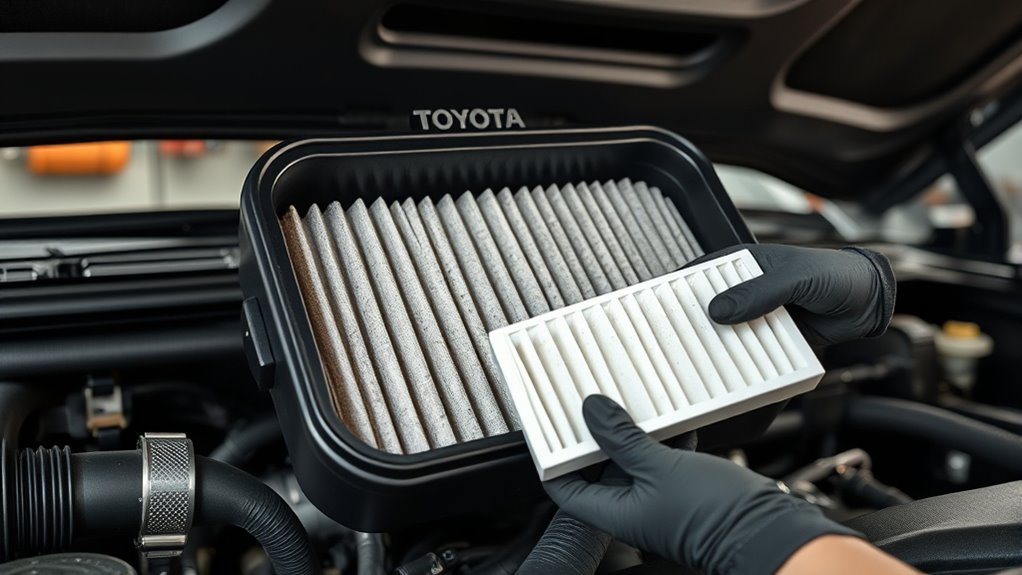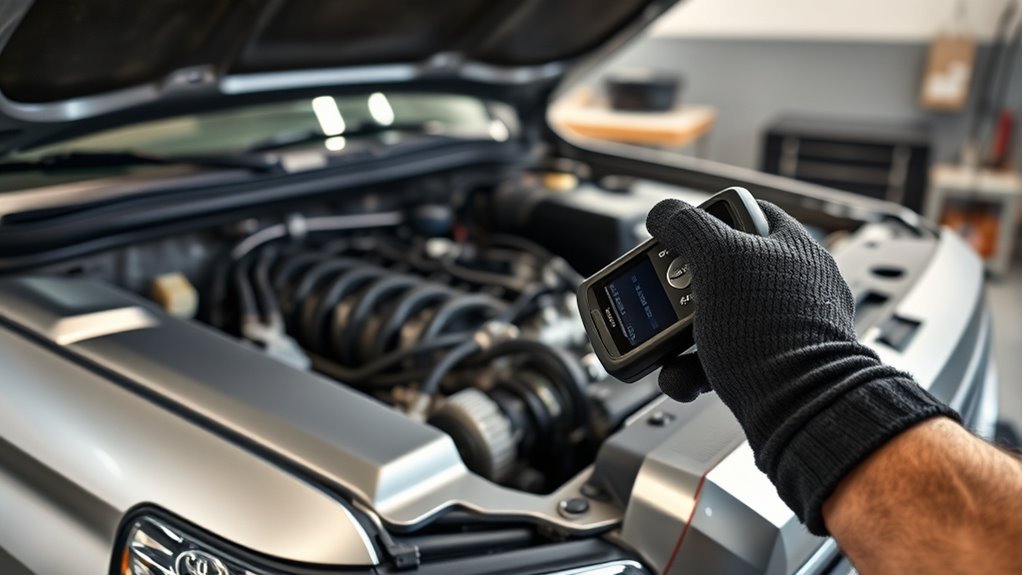
A Toyota Tundra rough idle can feel like shaking at a stop, RPM hunting, a stumble after startup, or a misfire that becomes less noticeable as RPM rises. Start with evidence, not parts: save OBD-II codes and freeze-frame data, inspect the intake and vacuum system, use misfire and fuel-trim data to choose the next test, and then check model-specific Toyota bulletins or VIN-based recalls. That model-specific step matters because an older 5.7L flex-fuel Tundra and a newer V35A-powered Tundra can have very different known causes.
Last updated: September 16, 2026 · Toyota service-bulletin and U.S. engine-recall guidance rechecked.
How this guide was checked: The diagnostic order and model-specific exceptions were rechecked against Toyota/NHTSA recall records and Toyota service-bulletin documents. This guide does not claim hands-on testing on every Tundra engine, so use your VIN, engine code, stored data, and factory repair information for a vehicle-level diagnosis.
Quick Answer
For a Toyota Tundra rough idle, first scan and save the codes, then check for intake/vacuum leaks, MAF or throttle-body contamination, cylinder-specific ignition or injector faults, and fuel-delivery problems. Before buying parts, identify the model year and engine: certain 2009–2019 3UR-FBE flex-fuel trucks have Toyota bulletin guidance for fuel/alcohol-density learning, while certain 2022–2024 V35A-equipped trucks are covered by engine-debris safety recalls that can include rough running.
Key Takeaways
- Do not guess. Pull OBD-II codes and freeze-frame data first, especially if the check-engine light is on.
- Air leaks, MAF contamination, throttle-body buildup, spark plugs, coils, injectors, and wiring are common diagnostic paths, but the codes and live data should decide which path comes first.
- Fuel pressure, ignition test procedures, idle-learning steps, and other specifications vary by engine and year, so compare readings to the factory repair manual for your exact Tundra.
- Check model-specific Toyota bulletins and VIN-based recalls early. Certain 2009–2019 3UR-FBE flex-fuel trucks have a fuel/alcohol-density bulletin, and certain 2022–2024 V35A-equipped trucks are included in engine-debris recalls.
At a Glance
| Time Required | Basic scanning and visual checks can be quick; smoke, fuel-pressure, compression, wiring, or dealer-level diagnosis may take substantially longer |
| Difficulty | Beginner to intermediate; advanced for fuel-pressure, smoke, compression, and module diagnostics |
| Tools Needed | OBD-II scanner with live data, flashlight, basic hand tools, MAF-safe cleaner, throttle-body cleaner, multimeter, smoke tester or vacuum test equipment |
| Cost | Low-cost cleaning and inspection first; higher cost if plugs, coils, injectors, fuel pump, wiring, or engine repairs are needed |
Warning: Do not keep driving if the check-engine light is flashing, the engine is knocking heavily, the truck stalls in traffic, you smell fuel, or brake/ABS warning lights appear with drivability symptoms. Fuel-system testing involves pressurized gasoline and fire risk; use the factory procedure or have a qualified technician handle it.
Quick Fix Guide: Stabilize a Tundra Rough Idle
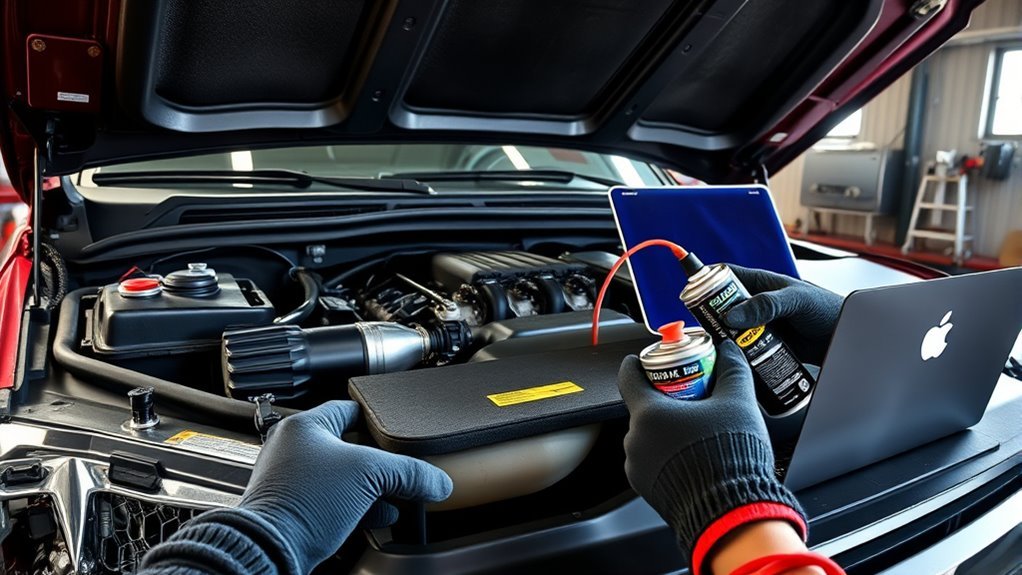
Start with high-value checks that cost little and preserve diagnostic evidence: scan the engine computer, inspect the air intake, look for vacuum leaks, check the spark plugs and coils when the codes point there, and confirm the fuel system only after the easier evidence-based checks pass.
- Scan for codes. Record stored, pending, and permanent codes before clearing anything. Save freeze-frame data so you know engine temperature, RPM, load, and fuel trim when the fault happened.
- Check the intake path. Inspect the air filter, intake tube, clamps, throttle-body area, MAF connector, and all vacuum/PCV hoses between the air box and intake manifold.
- Clean carefully. Use only MAF-safe cleaner on the MAF sensor. Use throttle-body cleaner only as the applicable repair procedure allows, do not force an electronic throttle plate against resistance, and follow the model-specific idle-learning procedure if cleaning or component replacement requires it.
- Target the misfire cylinder. If you see P0301–P0308, inspect that cylinder’s plug, coil, injector connector, and wiring before replacing a full set of parts.
- Retest after each repair. Clear codes only after documenting them, then road-test and recheck live data.
Pro Tip: Make one change at a time. If you clean the MAF, replace plugs, swap coils, and clear codes all at once, you may fix the truck but lose the proof of what actually caused the rough idle.
Immediate Checklist to Stop a Rough Idle Now
Use this checklist when the truck is shaking at idle but still runs safely. It helps separate a simple maintenance issue from a deeper misfire, fuel, or mechanical problem.
| Task | Tool | What You Want to See |
|---|---|---|
| Oil level check | Dipstick | Proper level, not overfilled, no fuel smell in oil |
| OBD-II scan | Scanner with live data | Codes and freeze-frame saved before clearing |
| Air intake inspection | Flashlight | No cracked intake boot, loose clamp, dirty air filter, or unplugged sensor |
| MAF inspection | Visual check / scan data | Clean sensor, secure connector, airflow readings that change smoothly with RPM |
| Throttle cleaning | Throttle-body cleaner and rag | No heavy carbon ridge around the throttle plate |
| Vacuum/PCV check | Smoke test or careful hose inspection | No cracked hoses, loose PCV lines, or intake gasket leaks |
Top 8 Causes of Rough Idle in Toyota Tundras
A rough idle is not one problem. It is a symptom that can come from air, fuel, ignition, compression, sensor data, or software. Work through these causes in order instead of replacing parts randomly.
- Vacuum or intake leaks: Unmetered air leans out the mixture and can make the idle hunt, surge, or shake.
- Dirty MAF sensor: A contaminated MAF can report the wrong airflow, causing incorrect fuel delivery.
- Throttle-body buildup: Carbon around the throttle plate can reduce airflow at idle and confuse idle control.
- Worn spark plugs: Worn, fouled, or incorrectly gapped plugs can cause cylinder-specific misfires.
- Failing ignition coils or poor connectors: Heat, vibration, corrosion, or weak coil output can create intermittent misfires.
- Fuel-delivery problems: Weak fuel pressure, restricted injectors, wiring faults, or poor injector spray can cause lean misfire or roughness.
- PCV problems: A stuck valve or cracked hose can act like a vacuum leak and upset the air-fuel ratio.
- Mechanical or software-related faults: Low compression, valve issues, timing problems, recalls, TSBs, and ECU/TCM calibrations can all mimic simpler idle faults.
Note: Older Tundras may have idle-control parts that differ from newer electronic-throttle trucks. Do not assume an Idle Air Control valve exists or is serviceable on every Tundra; check the engine family and factory repair information first.
Model-Year and Engine Shortcuts for Tundra Rough Idle
Before treating every Tundra rough idle the same way, identify the engine and model year. Toyota has published model-specific bulletins and safety recalls that can change the diagnostic order.
| Tundra Group | Known Model-Specific Direction | What to Do First |
|---|---|---|
| Certain 2009–2019 5.7L 3UR-FBE flex-fuel trucks | Toyota T-SB-0166-19 Rev1 covers extended crank and/or MIL conditions with P0171, P0174, P0172, P0175, or P1604 when alcohol-density learning is abnormal relative to the actual fuel. | Confirm engine/application, save codes and fuel-trim data, check the alcohol-density value with Toyota-capable scan data, and follow the bulletin if the condition matches. |
| Other older V6/V8 Tundras | Rough idle still requires conventional air, fuel, ignition, compression, electrical-load, and wiring diagnosis; do not apply a flex-fuel bulletin to a different engine. | Use the stored DTCs, freeze-frame data, fuel trims, misfire counts, and factory diagnostic tree for the exact engine. |
| Certain 2022–2023 V35A-equipped Tundras | NHTSA 24V-381 / Toyota 24TA07 says machining debris can contribute to engine knocking, rough running, no-start, or loss of motive power. The remedy is engine-assembly replacement for affected VINs. | Check the VIN before authorizing routine rough-idle parts replacement, especially if the truck also knocks, stalls, loses power, or will not start. |
| Certain 2022–2024 and 2024 V35A-equipped Tundras | NHTSA 25V-767 and 26V-320 expand the engine-debris issue. Current NHTSA filings describe dealer inspection of the #1 main bearing with software/drive data and engine replacement when the inspection cannot confirm the bearing is free from abnormal wear caused by the issue. | Use Toyota or NHTSA VIN lookup and dealer confirmation for the exact campaign and current repair status. |
Diagnosing Misfires: Read OBD-II Codes and Live Data
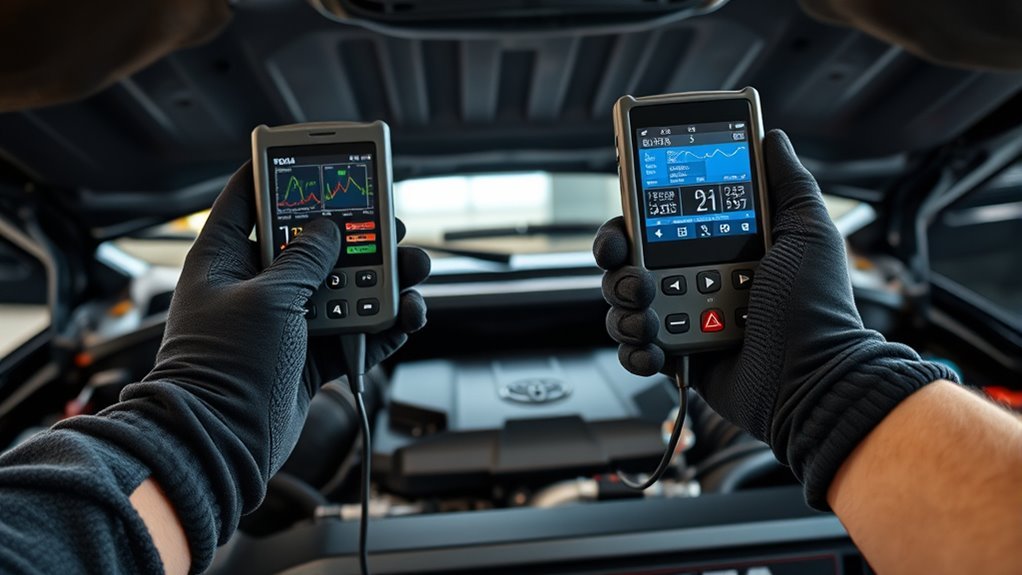
Before swapping parts, pull OBD-II codes and live data. OBD systems monitor misfires, fuel-metering faults, oxygen-sensor behavior, and other emissions-related systems, so the scan tool often points you toward the right test path. If the main symptom is an active cylinder misfire rather than an idle-only problem, use the dedicated Tundra misfire diagnostic guide for the deeper cylinder-by-cylinder workflow.
| Code or Data Clue | Likely Direction | Next Check |
|---|---|---|
| P0300 | Random/multiple misfires | Vacuum leak, fuel pressure, MAF data, shared wiring, compression |
| P0301–P0308 | Specific cylinder misfire | Plug, coil, injector, connector, compression on that cylinder |
| P0171 / P0174 | Lean condition | Vacuum leak, dirty MAF, low fuel pressure, intake gasket leak |
| P0101 / P0102 / P0103 | MAF circuit/range issue | MAF sensor, connector, intake leaks after the MAF |
| P1605 on applicable Toyota engine-control systems | Rough-idling history / unstable idle condition | Read freeze-frame data first, then follow the engine-specific diagnostic tree; on applicable 3UR-FBE flex-fuel trucks, also check the related Toyota bulletin and alcohol-density data. |
| High positive fuel trims at idle | Air leak or under-fueling | Smoke test, MAF inspection, and model-specific fuel-delivery testing |
| Misfire count rises only at idle | Weak spark, air leak, compression, injector imbalance | Cylinder swap test, vacuum test, compression/leak-down test |
Watch short-term and long-term fuel trims, misfire counters, MAF grams-per-second, coolant temperature, commanded idle speed, and oxygen-sensor behavior. A lean code with high positive fuel trims usually points toward air leaks or low fuel delivery. A single-cylinder misfire with normal fuel trims is more likely to be plug, coil, injector, wiring, or compression related.
[Products Worth Considering]

Turn your iPhone, Android device, or Windows PC into a professional-grade diagnostic scan tool with this Bluetooth OBD2 adapter. It is designed for broad vehicle compatibility and supports popular apps for deeper diagnostics, live data, and code clearing. Built-in protections and firmware updates help keep your vehicle and scanner safe while delivering reliable performance.

【Diagnose Check Engine Light in Seconds – No Mechanic Needed】The FOXWELL NT301 OBD2 scanner instantly reads & clears engine fault codes (DTCs) with one click. Simply plug into the 16-pin DLC port, turn ignition on, and get accurate results within seconds—No prior car knowledge required. Save hundreds on dealership fees by knowing exactly what’s wrong before you visit a shop. The #1 choice car scanner for DIYers and car owners who want to take control of their vehicle’s health

Understand Your Check Engine Light – The ANCEL AD410 OBD2 scanner helps everyday drivers quickly read and clear engine-related fault codes, view code definitions, and understand why the check engine light is on before visiting a repair shop. With 42,000+ built-in DTC lookups, this car code reader helps reduce guesswork and makes basic vehicle diagnostics easier for beginners and DIY users
Ignition Checks: Coils, Spark Plugs, and Wiring Tests
Ignition faults are common because spark plugs and coils work hardest under heat, load, and age. Start with the cylinder named by the code instead of replacing every part at once.
[Products Worth Considering]

【 Compatible Vehicle 】Ignition Coil Pack and Spark Plug fits for Toyota Land Cruiser 2008-2021 5.7L | for Toyota Sequoia 2008-2021 5.7L | for Toyota Sequoia 2010-2012 4.6L 4.7L | for Toyota Tundra 2011-2014 4.0L | for Toyota Tundra 2010-2019 4.6L | for Toyota Tundra 2010 4.7L | for Toyota Tundra 2007-2021 5.7L | 2010-2019 Lexus GX460 4.6L | 2007-2017 Lexus LS460 4.6L | 2008-2016 Lexus LS600h 5.0L | 2008-2021 Lexus LX570 5.7L

Vehicle Fitment:Spark plugs and coil packs kit compatible with Toyota Tundra 2000-2009 4.7L V8,4Runner 2003-2009 4.7L V8,Sequoia 2001-2009 4.7L V8,Land Cruiser 1998-2007 4.7L V8; Compatible with Lexus LX470 1998-2007 4.7L V8,GX470 2003-2009 4.7L V8,LS430 2001-2006 4.3L V8,GS430 2001-2007 4.3L V8,SC430 2002-2010 4.3L V8.Note:Before purchasing,please check the Amazon Confirmation of installation and description details page to verify the compatibility of this ignition coils and spark plugs set with your vehicle.

[Application1] Ignition Coil Pack Compatible with Toyota: 2003-2009 4Runner Limited/SR5/Sport 4.0L, 2007-2009 FJ Cruiser Base 4.0L, 2007 FJ Cruiser TRD Special Edition 4.0L, 2008 FJ Cruiser Trail Teams Special Edition 4.0L, 2005-2015 Tacoma Base/Pre Runner 4.0L, 2015 Tacoma TRD Pro 4.0L, 2005-2013 Tacoma X-Runner 4.0L, 2005-2010 Tundra Base/SR5 4.0L
Coil Pack Inspection
Inspect each suspect coil for cracks, swelling, oil contamination, carbon tracking, burned boots, loose connectors, or corrosion. If the scan tool shows a cylinder-specific misfire, swap that coil with another cylinder and see whether the misfire follows the coil.
- Turn the engine off and let it cool before removing ignition components.
- Label the coil location so you can track whether the misfire moves.
- Inspect the boot and spring contact for carbon tracking or oil.
- Check the connector lock and wiring strain near the coil.
- Use resistance tests only if your factory repair manual gives a valid spec for that exact coil design.
Spark Plug Assessment
Remove plugs from a cool engine and inspect them one at a time. Look for worn electrodes, incorrect gap, cracked porcelain, oil fouling, fuel fouling, or heavy white deposits. Compare plug type, gap, and replacement interval to the Tundra spark-plug interval guide and the factory maintenance information for your exact model year and engine.
If one plug looks different from the rest, do not stop at the plug. A single wet, oily, or unusually clean plug can point to an injector, valve-cover leak, coolant entry, or compression problem.
Ignition Wiring Tests
Most modern Tundras use coil-on-plug ignition, so the “wiring” to inspect is usually the coil connector, harness, ground path, and control circuit rather than old-style plug wires. Check for rubbed harness sections, broken connector locks, corrosion, loose grounds, and rodent damage.
- Use the scan tool to identify the misfiring cylinder.
- Inspect that cylinder’s coil connector and harness first.
- Swap the coil only after documenting the original code.
- If the misfire stays on the same cylinder after a coil swap, move to plug, injector, compression, and wiring tests.
Fuel and Intake Checks: MAF, Injectors, Pressure, Throttle Cleaning
Fuel and intake problems often look like ignition problems because both can cause misfire counts and shaking at idle. The difference is that fuel and air problems often affect fuel trims, both banks, or multiple cylinders at the same time.
[Products Worth Considering]

Restores Sensor Accuracy & Fuel Economy - By safely removing contaminants like dirt, oil, and pollen from the MAF sensor, the cleaner helps restore the sensor’s ability to measure airflow accurately, which leads to improved fuel combustion.
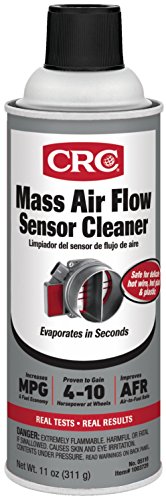
Increases Horsepower And Improves Air/Fuel Ratio And Mpg
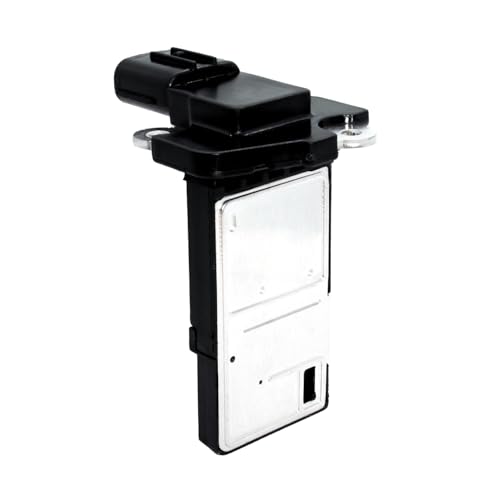
Function: The main function of mass air flow sensor (MAF sensor) is to measure the amount of air entering the engine. It provides accurate information about the air flow rate to the engine control unit (ECU). The ECU then uses this data to calculate the correct amount of fuel to be injected into the engine, ensuring the optimal air - fuel ratio for combustion.
MAF Sensor Testing
The MAF sensor tells the computer how much air is entering the engine. If the sensor is dirty, the intake tube is cracked after the sensor, or the connector is loose, the truck can idle rough, run lean, or hesitate.
- Inspect the air filter and air box for dirt, leaves, or poor sealing.
- Check the intake tube for splits, especially in flexible sections.
- Confirm the MAF connector is fully seated.
- Clean the MAF only with MAF-safe cleaner and let it dry fully before reinstalling.
- Use live data to confirm airflow changes smoothly as RPM rises.
Injector Cleaning Options
A restricted injector can cause a single-cylinder rough idle, while low fuel pressure or poor pump output can affect several cylinders. Start with scan data and cylinder balance clues before using cleaners or replacing injectors.
Fuel-system cleaners may help light deposits when used according to the label, but they will not fix a failed injector, wiring fault, low compression, or contaminated fuel. If a cylinder-specific misfire remains after plug and coil checks, an injector balance test or professional cleaning may be needed.
Fuel Pressure Diagnosis
Fuel pressure directly affects injector flow, but the correct pressure specification depends on the engine, model year, and test condition. Do not assume one pressure range applies to every Tundra. Use the factory repair manual for your exact engine and compare static, running, and leak-down readings to that procedure.
- Relieve fuel pressure using the factory method before disconnecting fuel lines.
- Use a proper fuel-pressure gauge and fittings rated for gasoline injection systems.
- Compare readings to the model-specific repair manual, not a generic internet spec.
- If pressure is low, test pump power/ground, filter or strainer restriction, regulator function where applicable, and fuel quality.
- If pressure drops quickly after shutdown, consider injector leak-down, pump check valve, or regulator faults depending on the system design.
Warning: Keep sparks, cigarettes, hot work lights, and open flames away from fuel testing. Wipe spills immediately and do not test fuel pressure on a hot engine unless the factory procedure says it is safe.
Finding Vacuum, Intake, and PCV Leaks
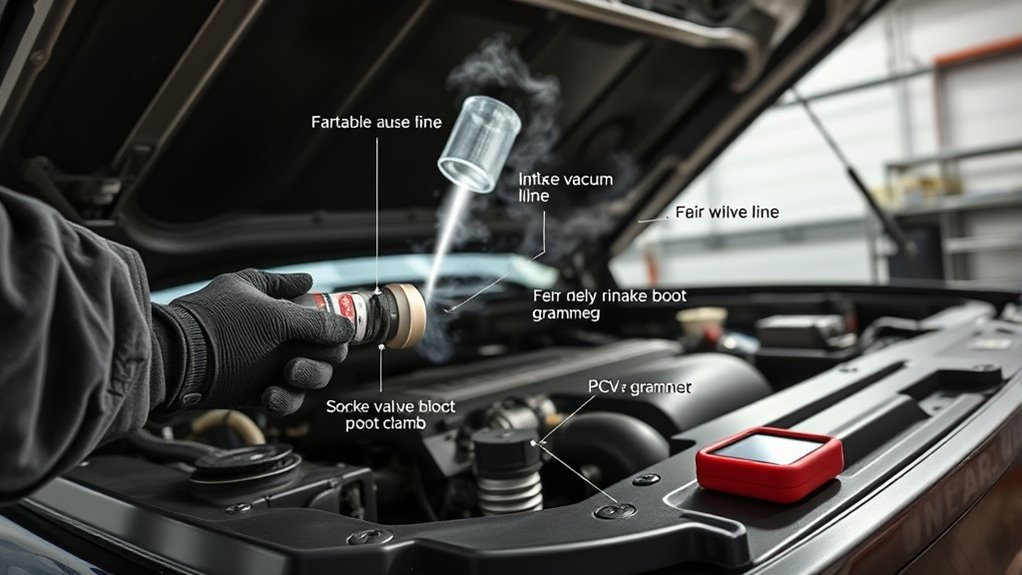
Vacuum and intake leaks are high-probability causes when the idle is rough but the truck improves as RPM rises. At idle, even a small leak can add enough unmetered air to lean out the mixture.
- Listen for hissing around the intake manifold, brake booster hose, PCV hoses, and throttle body.
- Inspect rubber elbows and hoses for cracks on the underside, not just the top.
- Check the intake tube after the MAF sensor because leaks there are not measured by the MAF.
- Use a smoke tester to find small leaks around gaskets, hose fittings, and vacuum ports.
- Inspect the PCV valve and hose for sticking, collapse, oil saturation, or loose fit.
If a smoke test reveals a leak, repair the leak first, clear codes, and retest fuel trims. A clean MAF or new spark plugs will not solve a vacuum leak that is still letting unmetered air into the engine.
Brake, ABS, Auto Start/Stop, and Idle Interactions
Brake and ABS issues are not the first place to look for a rough idle, but they can matter when the symptom appears while pressing the brake pedal, stopping, or when auto start/stop engages on equipped models.
Brake System Communication
A leaking brake-booster hose or booster diaphragm can act like a vacuum leak on engines that use manifold vacuum for brake assist. If the idle changes when you press the brake pedal, inspect the booster hose, check valve, and related vacuum fittings.
Do not unplug ABS modules as a shortcut. If ABS, brake, traction-control, or stability-control warnings appear with idle symptoms, scan all modules and follow the factory diagnostic procedure. Brake-system faults are safety-related and should be handled by a qualified technician if you are unsure.
Auto Start/Stop Effects
On Tundras equipped with auto start/stop, note whether the roughness happens during restart, after a long stop, during low-speed braking, or only with the feature enabled. Temporarily disabling the feature can help separate restart behavior from a continuous idle fault, but it does not replace code-based diagnosis.
One common mistake is misreading Toyota T-SB-0110-22. That bulletin applies to certain 2022–2023 Tundras with a loud pop/clunk noise under the vehicle on initial engine start, and the repair involves TCM calibration logic. It is not a blanket rough-idle bulletin.
When Dealer Updates, Recalls, or ECM Reprogramming Help
Before spending heavily on parts, check for recalls, service campaigns, and technical service bulletins that match your exact VIN, year, engine, and symptom. This matters on both generations: some 3UR-FBE flex-fuel trucks have a Toyota fuel/alcohol-density bulletin, while certain newer V35A-equipped trucks are covered by safety recalls for internal engine debris.
Note: Toyota’s official recall lookup is VIN-specific. Model year alone does not prove inclusion, and campaign status or remedy availability can change.
Older flex-fuel bulletin: Toyota T-SB-0166-19 Rev1 applies to certain 2009–2019 Tundras with the 3UR-FBE engine. It addresses extended crank and/or MIL conditions with P0171, P0174, P0172, P0175, or P1604 when scan data shows an elevated alcohol-density estimate compared with the fuel actually in the truck. Do not apply that bulletin to a non-flex-fuel engine or use it as a substitute for diagnosis.
Newer V35A engine recalls: NHTSA 24V-381 / Toyota 24TA07 covers certain 2022–2023 Tundras and describes machining debris that can lead to knocking, rough running, no-start, or loss of motive power; the remedy for affected VINs is engine-assembly replacement. Later campaigns NHTSA 25V-767 and 26V-320 expand the engine-debris issue to additional 2022–2024 and 2024 Tundras. Current NHTSA filings for those later campaigns describe dealer inspection of the #1 main bearing using inspection software and available drive data, with engine replacement if the inspection cannot confirm the bearing will be free from abnormal wear caused by the issue.
- Check Toyota’s recall lookup with your VIN.
- Cross-check the VIN in the NHTSA recall lookup.
- If your truck knocks, stalls, loses power, or will not start, tell the dealer those symptoms when you ask about an open engine campaign.
- Ask the dealer to check open service campaigns and TSBs that match your exact engine and symptom.
- Bring your scan report, freeze-frame data, repair history, and videos of the symptom.
- Do not assume an ECM or TCM update applies unless the bulletin matches your vehicle and condition.
Repair Cost Ranges and When to See a Pro
Rough-idle repair costs vary widely because a dirty MAF and a failing engine can both feel like “rough idle” from the driver’s seat. The cheapest path is accurate diagnosis before parts replacement.
- Low-cost checks: air filter inspection, intake clamp tightening, MAF cleaning, throttle-body cleaning, and vacuum hose repair.
- Moderate repairs: spark plugs, individual coils, PCV parts, intake gaskets, or injector service.
- Higher-cost repairs: fuel pump work, wiring diagnosis, catalytic-converter damage from prolonged misfire, compression repair, timing issues, or campaign-related engine work.
See a professional if the misfire is severe, the check-engine light flashes, fuel trims are far out of range, the engine knocks, the truck stalls, you smell fuel, you find low compression, or brake/ABS warnings appear. A shop with a smoke machine, fuel-pressure tools, lab scope, and Toyota-capable scan tool can often prevent repeated parts swapping.
Preventing Tundra Rough Idle From Coming Back
Prevention is simple: follow the maintenance guide for your exact model year and driving conditions. Toyota maintenance schedules include inspections and replacements for items such as spark plugs, air filters, fluids, brake components, and special operating-condition service. Dusty roads, towing, heavy traffic, and short trips can shorten service life.
- Replace spark plugs at the model-specific interval with the correct plug type.
- Inspect the engine air filter more often if you drive on dusty roads.
- Fix oil leaks that contaminate plug wells or ignition coils.
- Keep the battery and charging system healthy; unstable voltage can complicate electronic diagnosis and starting behavior.
- Check recalls by VIN at least once or twice a year.
Sources
- Toyota Recall Lookup — VIN-specific Toyota, Lexus, and Scion recall and campaign checks.
- NHTSA Recalls — official U.S. recall lookup and campaign database.
- Toyota Safety Recall 24TA07 / NHTSA 24V-381 Remedy Notice — certain 2022–2023 Tundra engine-debris recall details and engine-replacement remedy.
- NHTSA 25V-767 Part 573 Report — expanded 2022–2024 Tundra engine-debris recall and bearing-inspection/conditional-engine-replacement remedy.
- NHTSA 26V-320 Part 573 Report — 2024 Tundra expansion and current remedy description.
- Toyota T-SB-0166-19 Rev1 — certain 2009–2019 3UR-FBE Tundra flex-fuel extended-crank/MIL and abnormal alcohol-density guidance.
- Toyota T-SB-0110-22 — 2022–2023 Tundra pop/clunk noise on initial engine start and TCM calibration context; not a blanket rough-idle bulletin.
- Toyota 2024 Tundra Warranty & Maintenance Guide — model-specific factory maintenance guidance.
Frequently Asked Questions
Why does my Tundra shake at idle but smooth out while driving?
At idle, the engine has less airflow and less rotational momentum, so small problems are easier to feel. Vacuum leaks, dirty MAF readings, throttle-body buildup, weak spark, injector imbalance, or low compression may shake at idle but feel less obvious once RPM rises.
What should I check first for a Toyota Tundra rough idle?
Scan the truck before replacing parts. Save stored and pending codes plus freeze-frame data, then use fuel trims and misfire counts to decide whether to inspect for an intake leak, MAF or throttle-body issue, plug/coil/injector fault, fuel-delivery problem, or mechanical issue. Also identify the engine and check applicable Toyota bulletins or VIN-based recalls.
What does P1605 mean on a Toyota Tundra?
On applicable Toyota engine-control systems, P1605 is associated with a rough-idling history or unstable-idle condition. Treat it as a symptom code, not a parts order: save the freeze-frame data and follow the diagnostic tree for the exact engine. On certain 3UR-FBE flex-fuel Tundras, also check whether Toyota’s flex-fuel bulletin applies.
Can a dirty MAF sensor cause rough idle on a Tundra?
Yes. A dirty or misreading MAF sensor can cause the engine computer to calculate the wrong fuel amount. Use MAF-safe cleaner only, inspect the intake tube for leaks after the MAF, and confirm readings with live scan data after cleaning.
Should I replace all coils and plugs for a rough idle?
Not automatically. If plugs are due by mileage, replacing them as maintenance makes sense. For coils, use misfire codes, visual inspection, and a coil swap test first. Replacing every coil without proof can be expensive and may not fix the real problem.
Can a vacuum leak cause a rough idle without a check-engine light?
Yes. A small leak may cause shaking or surging before it sets a code. Look at fuel trims at idle, inspect PCV and vacuum hoses, and use a smoke test if the leak is not visible.
Is 38–44 psi the correct Tundra fuel pressure?
That range appears in service information for some older Tundra engines, but it is not safe to apply to every Tundra. Fuel-pressure specs vary by year, engine, and test condition. Always compare your reading to the factory repair manual for your exact truck.
Do 2022–2024 Tundras have engine recalls related to rough running?
Yes, certain V35A-equipped Tundras are included in engine-debris safety recalls. NHTSA 24V-381 covers certain 2022–2023 trucks, while 25V-767 and 26V-320 expand the issue to additional 2022–2024 and 2024 trucks. The condition can involve knocking, rough running, no-start, or loss of motive power. Eligibility and repair status are VIN-specific, so verify through Toyota and NHTSA.
What is the worst year for Toyota Tundra rough idle?
Do not diagnose a rough idle by “worst year” lists alone. A well-maintained older Tundra can run better than a neglected newer one. Use codes, service history, compression, fuel trims, and VIN-specific recall data to judge the truck in front of you.
Conclusion
A Toyota Tundra rough idle should be diagnosed from evidence, not a universal parts list. Save the codes and freeze-frame data, identify the model year and engine, then use fuel trims and misfire data to choose between air-leak, MAF/throttle, ignition, injector, fuel-delivery, wiring, compression, or mechanical tests. Check Toyota bulletins and VIN-based recalls early when the engine and symptom match a known issue. If the check-engine light flashes, the engine knocks, the truck stalls, or a V35A engine recall applies, stop routine parts swapping and move to the appropriate professional or dealer-level diagnosis.