
Last updated: September 16, 2026
How this guide was checked: The diagnosis order and safety limits were reviewed against Toyota owner guidance, Toyota model-specific manual and service-information resources, Toyota hybrid emergency-response guidance, and current U.S. Environmental Protection Agency rules for motor-vehicle A/C service. This guide does not claim hands-on testing across every Tundra generation.
A Toyota Tundra A/C compressor that does not engage may be held off by the climate-control request, refrigerant pressure or charge, an electrical command fault, or a compressor-system fault. First separate no or weak airflow from strong airflow that stays warm. A clogged cabin air filter can restrict airflow, but it does not prove the compressor has failed. Confirm the exact model year, powertrain, climate-control type, and under-hood refrigerant label before checking fuses, relays, clutch behavior, or compressor commands. On an i-FORCE MAX hybrid, the A/C compressor is a high-voltage motor-driven assembly, so do not diagnose it by listening for a clutch click or touch orange high-voltage cables or components.
Quick Answer
Set the temperature to LO, select face vents, turn the fan to medium or high, and press A/C or AUTO. If little or no air reaches the vents, check the cabin air filter, blower operation, and blower circuit. If airflow is strong but warm, or the A/C light flashes or cooling cuts in and out, the next diagnosis is refrigerant pressure and charge, the cooling request and compressor command, fuses or relays where applicable, wiring, sensors, condenser airflow, and compressor response. A lit A/C button confirms a request, not successful compressor operation. Use the fuse-box diagram and owner’s manual for your exact Tundra, and do not assume every model has the same relay label, visible clutch, or engagement sound. On an i-FORCE MAX, the high-voltage compressor requires hybrid-safe service procedures. Do not add refrigerant, bypass a pressure switch, jump a compressor circuit, or touch high-voltage A/C components as a first test.
Key Takeaways
- Identify whether the problem is airflow, warm air, intermittent cooling, a left-to-right temperature difference, cooling that changes with road speed, or a flashing A/C indicator.
- Confirm the model year, powertrain, climate-control type, and refrigerant label before checking a fuse, relay, clutch, or compressor-control circuit.
- A lit A/C button confirms a cooling request; it does not prove the compressor was commanded on or responded.
- A dirty cabin air filter restricts airflow; it does not directly confirm compressor non-engagement.
- Low refrigerant usually calls for leak testing and a measured recharge, not a blind top-off.
- The i-FORCE MAX uses a high-voltage compressor with motor assembly; do not use conventional clutch-jumping procedures or touch orange high-voltage components.
- Stop DIY checks when diagnosis requires refrigerant handling, live wiring tests, high-voltage hybrid work, or work near moving belts.
Toyota Tundra A/C Diagnosis at a Glance
| What You Notice | What It Usually Points To | Safe First Step |
|---|---|---|
| No air or very weak airflow | Cabin filter, blower, blower fuse, intake, or duct problem | Check the filter, fan speeds, and exact fuse diagram |
| Strong airflow that stays warm | Refrigerant, pressure sensor, compressor control, condenser, air-mix control, or compressor fault | Confirm settings, then arrange pressure, command, temperature, and leak diagnosis |
| Cold while moving but warmer at idle | Condenser airflow or fan performance, charge or pressure problem, or compressor-performance issue | Check the condenser face for obvious blockage, then have fan operation and system pressures tested |
| One side warmer than the other | Air-mix door, actuator, temperature sensor, dual-zone control, or another HVAC distribution fault | Compare both sides at the same setting and request HVAC scan-data and actuator diagnosis if the difference persists |
| A/C light flashes | The system may have detected a fault and limited cooling | Record when it flashes and request model-specific code diagnosis |
| Cooling works only sometimes | Intermittent relay where equipped, wiring, sensor, clutch, compressor control, pressure, or temperature-related fault | Log temperature, engine or READY state, and driving conditions when it fails |
| i-FORCE MAX is READY but the engine is quiet | Engine silence does not prove the hybrid vehicle or high-voltage A/C compressor is off | Use the hybrid owner’s/service information and leave high-voltage compressor testing to a qualified technician |
| Grinding, squealing, smoke, or belt damage | Mechanical compressor, pulley, clutch where equipped, or belt-drive problem | Turn the A/C off and schedule service promptly |
Is the Tundra A/C Compressor Actually Not Engaging?
Do not diagnose the compressor from the A/C button alone. A useful diagnosis separates three stages: the driver requests cooling, the control system decides whether to command the compressor, and the compressor system responds. A failure at any stage can produce warm air.
| Diagnostic Stage | What Confirms It | What a Failure Suggests |
|---|---|---|
| Cooling request | The controls show A/C or AUTO with a low temperature setting and usable blower airflow | Control setting, switch, climate-control panel, or communication problem |
| Compressor command | Model-specific scan data or circuit testing shows the system requested compressor operation | Pressure-sensor, temperature-sensor, fuse, relay where equipped, wiring, module, hybrid-control, or protection-logic fault |
| Compressor response | The commanded system changes state and pressure or cooling performance responds as specified | Compressor, clutch where equipped, compressor motor/control, wiring, or mechanical fault |
This request-command-response framework is more reliable than listening for one click. Toyota service-diagnostic logic uses scan data, circuit checks, relay operation where applicable, sensor values, and actual system response to separate a control fault from a compressor fault. On an i-FORCE MAX, engine silence or the absence of a clutch click is especially unreliable because its A/C compressor is a high-voltage motor-driven assembly.
Why Do Model Year, Powertrain, and the Refrigerant Label Matter?
Tundra A/C hardware and control logic are not identical across generations, powertrains, and climate-control systems. Fuse names, relay locations, diagnostic data, compressor design, refrigerant type, and service procedures can differ. That is why a test copied from another model year can produce the wrong conclusion or damage a circuit.
Before testing, record the VIN, model year, engine or hybrid powertrain, trim, manual or automatic climate control, and the refrigerant type and specified charge shown on the under-hood label. Then use Toyota’s model-specific owner’s manual lookup and the exact fuse-box cover diagram. A shop should use repair information matched to the VIN rather than assuming an older magnetic-clutch procedure applies.
How Does i-FORCE MAX Change A/C Compressor Diagnosis?
Toyota’s Tundra Hybrid emergency-response information identifies a compressor with motor assembly that receives electrical power from the high-voltage hybrid system. Its operation is controlled electronically, so the absence of a conventional clutch click or a quiet gasoline engine does not establish that the compressor is off or defective.
The hybrid can also remain READY and operational while the gasoline engine is stopped. Treat orange cables and high-voltage components as energized-system hazards and do not unplug, probe, jump, open, or disassemble the hybrid compressor circuit as a DIY test. Diagnosis should use Toyota-compatible scan data, the correct hybrid service procedure, refrigerant measurements, and trained high-voltage handling practices.
Hybrid warning: On an i-FORCE MAX, never assume the vehicle or A/C compressor is safe to touch because the gasoline engine is silent. Do not touch or disconnect orange high-voltage cables or high-voltage A/C components.
Why Is Your Tundra A/C Compressor Not Engaging?
The compressor may stay off because the climate-control system is not requesting cooling, a fuse or control circuit has failed, a pressure signal is outside the allowed range, or the compressor system has a mechanical or electrical fault. Low refrigerant can also prevent normal operation, but refrigerant loss usually means a leak or another service issue that needs diagnosis.
Start by recording your Tundra’s model year, engine or hybrid powertrain, whether the controls are manual or automatic, and whether the A/C indicator is steady or flashing. Do not assume every Tundra uses the same relay label, fuse location, clutch design, or control strategy. Use the Toyota owner’s manual lookup and the diagram on your truck’s fuse-box cover.
Toyota’s general A/C guidance separates warm-air causes from airflow causes. Refrigerant loss, compressor faults, condenser problems, and electrical faults can reduce cooling. A dirty cabin air filter, weak blower, blocked intake, or airflow-door problem mainly reduces the amount of air reaching the vents. These groups can overlap, so airflow should be confirmed before refrigerant or compressor parts are blamed.
Warning: Do not vent refrigerant, open A/C lines, reach near a moving belt, force a compressor circuit to run, or touch high-voltage hybrid A/C components. Refrigerant, rotating components, and hybrid high voltage can cause serious injury, and improper charging can damage the system.
[Products Worth Considering]

This automotive circuit tester checks low-voltage DC systems from 3-65V, making it useful for diagnosing headlights, taillights, fuses, sockets, and other vehicle wiring issues. The digital backlit display provides clear voltage readings with fine accuracy, while the bidirectional polarity indicator helps you test from either ground or positive. Built with a durable probe, insulated tip, and extra-long spring wire, it is designed for dependable everyday use in automotive and household electrical work.

This A-Premium engine air filter is designed to help maintain clean airflow for compatible Lexus and Toyota vehicles, supporting better engine performance and efficiency. It uses fine filtration media to capture debris while minimizing airflow restriction, making it a practical replacement for routine maintenance. With fitment for multiple popular models and a convenient boxed single-pack design, it offers a straightforward solution for keeping your engine protected.

This replacement filter set is designed for a range of Toyota hybrid vehicles, including popular models like RAV4 Hybrid, Camry Hybrid, Highlander Hybrid, Sienna, Venza, and more. It combines cabin and engine filtration to help support cleaner airflow, reduce dust and odors, and protect your HVAC and engine systems. Built for easy installation and extended service life, it offers a convenient maintenance upgrade for compatible hybrid and gas-only Corolla models.
Symptoms, Causes, and First Checks
Use the symptom to choose the next test. This prevents an airflow or air-distribution fault from being mistaken for a failed compressor and helps you avoid replacing parts before the system is measured.
| Symptom | Likely Cause | First Check |
|---|---|---|
| A/C light turns on, but air stays warm | Low refrigerant from a leak, compressor-control fault, pressure-sensor issue, condenser-airflow problem, air-mix fault, or compressor problem | Confirm the cooling request, then schedule pressure, command, vent-temperature, and leak testing |
| Airflow feels weak from all vents | Dirty cabin air filter, weak blower, blocked intake, evaporator restriction, or blower-circuit fault | Inspect the cabin air filter and test every fan speed |
| Air comes from the wrong vents | Mode setting, door actuator, or control fault | Change vent modes and note whether the airflow direction follows the command |
| Driver and passenger sides have different temperatures | Air-mix door, actuator, temperature sensor, dual-zone control, or another HVAC distribution fault | Set both sides to the same temperature and compare vent output before blaming the compressor |
| Cold while driving, warmer at idle | Condenser airflow, cooling-fan performance, charge or pressure issue, or compressor-performance fault | Check for obvious condenser blockage and have fan operation and refrigerant pressures tested |
| Cooling works sometimes | Intermittent relay where equipped, wiring, sensor, clutch, compressor control, pressure, or temperature-related problem | Record when it fails and request scan data plus circuit testing |
| A/C fuse blows again | Shorted wiring, failed coil or actuator, or overloaded circuit | Stop replacing the fuse and have the circuit tested |
If an A/C problem appears with another dashboard warning or system message, use the Tundra warning light guide to identify the warning separately instead of assuming it is caused by the A/C system.
Tundra A/C Controls Explained: AUTO, A/C On, Modes, and What They Do
Your climate controls send a cooling request; they do not prove that the compressor is operating. AUTO can change fan speed, air intake, and vent selection to reach the set temperature. The A/C button enables cooling, but the system can still limit compressor operation when it detects a fault or an unacceptable operating condition.
For a consistent test, start the truck or place it in READY as directed by the owner’s manual, set the temperature to LO, select face vents, turn the fan to a medium or high speed, and press A/C. If equipped, you can also select AUTO. Make one change at a time and note what happens to airflow, vent temperature, indicator lights, and cooling over the next few minutes. Engine-bay noise may help on some conventional systems, but the absence of a click is not a universal failure test. On an i-FORCE MAX, the gasoline engine can be silent while the hybrid system remains operational.
Practical rules:
- Use the same settings each time you repeat the test.
- Check whether airflow is weak before judging cooling performance.
- Note whether the A/C indicator stays on, turns off, or flashes.
- Compare driver and passenger vent temperature when dual-zone control is fitted.
- Note whether cooling changes between idle and road speed.
- Do not treat a lit A/C button, engine sound, or one missing clutch click as proof of compressor operation or failure.
How Tundra HVAC Components and Airflow Work
The compressor circulates and pressurizes refrigerant. The condenser releases heat outside the cabin, the evaporator absorbs heat from cabin air, and the blower moves that air through the ducts and vents. Sensors, control modules, fuses, relays where equipped, wiring, actuators, and compressor-control hardware determine when those parts operate.
This distinction matters during diagnosis. A cabin air filter, blower, intake, or duct problem changes airflow. A refrigerant, pressure-sensor, compressor-control, condenser, air-mix, or compressor problem changes cooling or delivered air temperature. The two fault groups can occur together, but one does not prove the other.
On an i-FORCE MAX, Toyota identifies the A/C unit as a compressor with motor assembly supplied by the high-voltage system. That changes both the diagnostic method and the safety boundary: a visual clutch check is not the correct universal test, and high-voltage components are not DIY probing points.
Check the maintenance guide for your exact Tundra before replacing the cabin air filter. Replace it sooner when dust, leaves, heavy traffic, or off-road use causes visible restriction. See how to inspect and replace a Tundra cabin air filter for the separate airflow procedure.
Quick Troubleshooting Steps You Can Try Before a Shop Visit
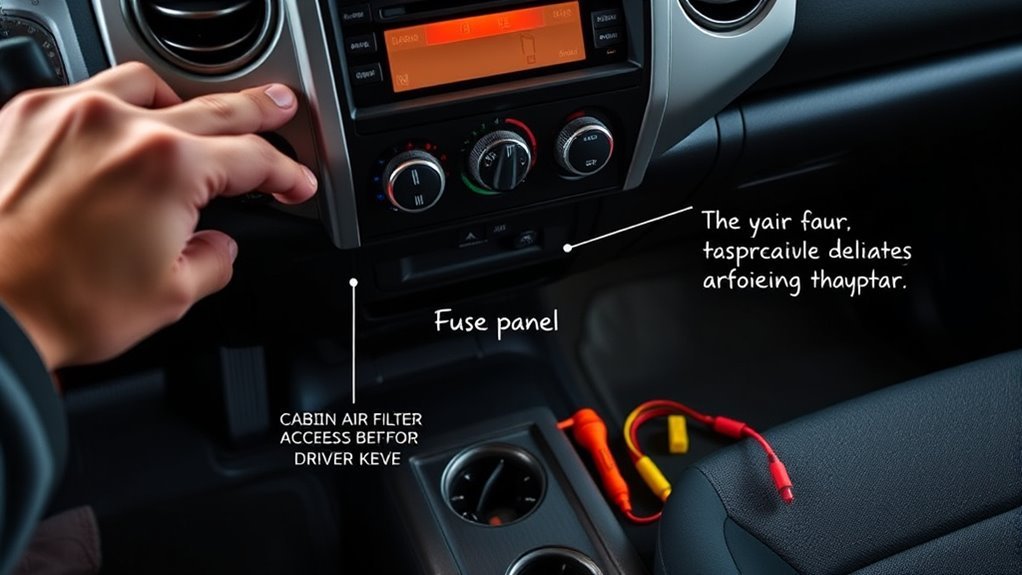
These checks do not open the refrigerant system, force the compressor to run, or require contact with hybrid high-voltage components. Stop when the next step would require live circuit probing near moving parts, pressure gauges, refrigerant handling, high-voltage testing, or compressor disassembly.
- Identify the truck: Record the VIN, model year, engine or i-FORCE MAX powertrain, trim, climate-control type, and refrigerant shown on the under-hood label.
- Describe the symptom: Decide whether you have no airflow, weak airflow, strong warm airflow, left/right temperature imbalance, cooling that changes between idle and road speed, intermittent cooling, unusual noise, or a flashing A/C light.
- Set a clear cooling request: Start normally or place the truck in READY as directed by the owner’s manual, set the temperature low, select face vents, turn the fan up, and press A/C or AUTO. On an i-FORCE MAX, do not assume the system is off because the gasoline engine stops.
- Check airflow: Test every fan speed and vent mode. Inspect the cabin air filter if the owner’s manual provides normal service access.
- Check the exact fuse diagram: With the vehicle powered off, inspect only the conventional A/C- and blower-related fuses identified for your model year. Replace a blown fuse only with the same amperage. If it blows again, stop. Do not treat a high-voltage hybrid fuse or orange-cable circuit as a DIY A/C fuse check.
- Inspect without touching moving or high-voltage parts: With the vehicle powered off, look for an obviously damaged conventional drive belt where applicable, loose low-voltage connector, impact damage, condenser blockage, or oily residue around accessible A/C fittings and components. On an i-FORCE MAX, do not touch or disconnect orange cables or high-voltage A/C components.
- Record the pattern: Note outside temperature, whether the engine was cold or warm, whether a hybrid was READY, whether the truck was idling or moving, how long cooling lasted, and whether the failure changed with fan speed, AUTO mode, road speed, or left/right temperature setting.
- Bring the evidence to the shop: Share the model information, symptom log, fuse result, indicator behavior, and any visible residue, blockage, or belt damage. This helps the technician test the failed stage instead of starting with a guessed part.
Important: A clean cabin filter can improve airflow, but it will not repair a refrigerant leak, pressure-sensor fault, compressor-control problem, air-mix fault, high-voltage compressor problem, or failed compressor.
[Products Worth Considering]

This all-in-one car emergency kit helps drivers stay prepared for roadside breakdowns, flat tires, and dead batteries with essential tools in one compact package. It includes a portable air compressor, heavy-duty jumper cables, a first aid kit, and other safety items designed for year-round peace of mind. Compact enough for easy trunk storage, it makes a practical safety solution and thoughtful gift for drivers of all ages.
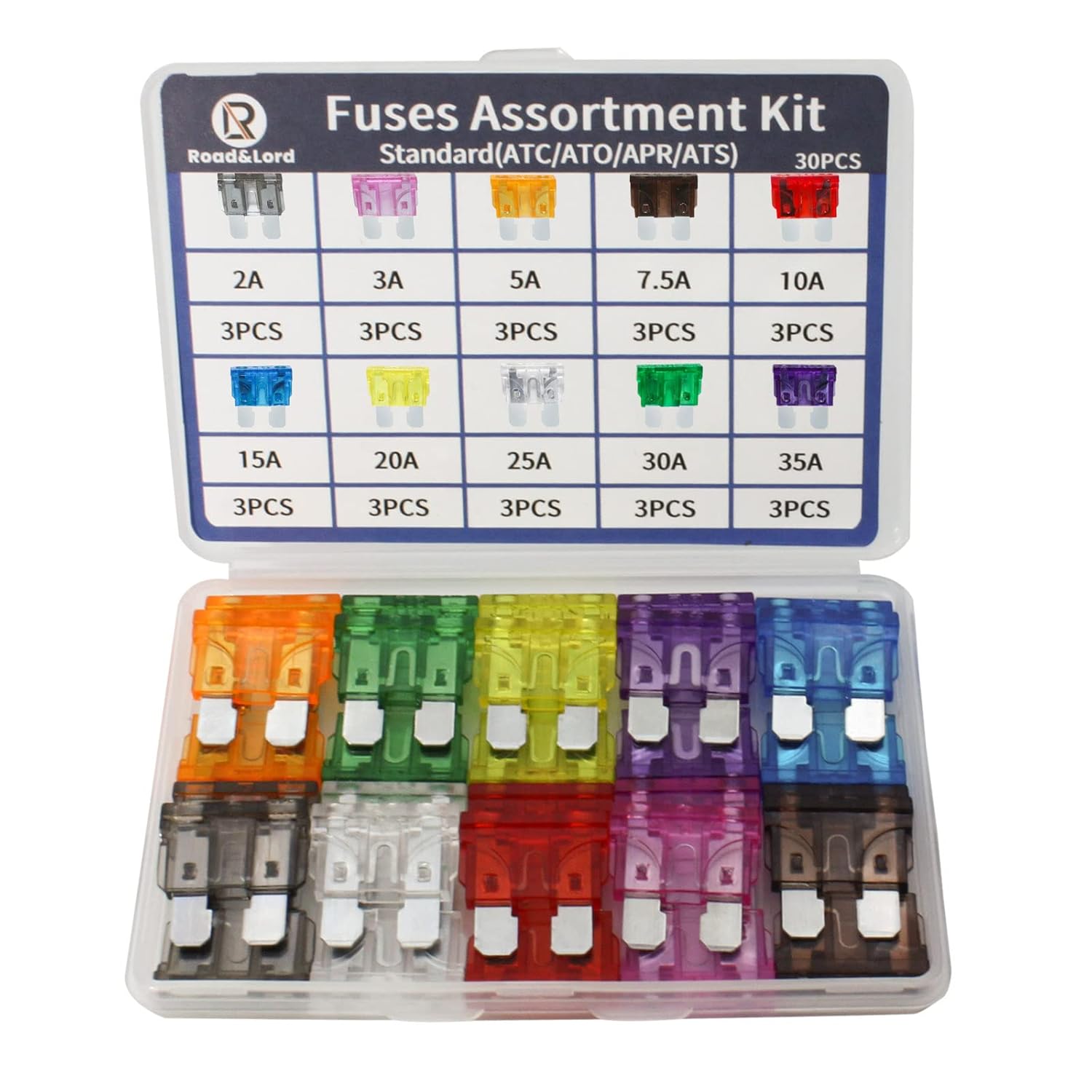
This standard blade fuse assortment kit provides a convenient selection of common amp ratings to help protect vehicle electrical systems from overloads, short circuits, and wiring damage. With transparent, color-coded housings and clearly marked ratings, it makes blown fuse replacement fast and easy for cars, trucks, boats, RVs, and other DC applications. The durable compact case keeps the fuses organized for reliable storage and quick access when needed.

This 12V relay box provides six organized relay slots and six fuse positions, helping you build cleaner, safer electrical setups for vehicles and marine systems. Pre-wired, color-coded 12 AWG wiring simplifies installation while the sealed cover and gasket help protect against dust and splashing water in demanding environments. It is a versatile solution for controlling lights, pumps, motors, and other accessories in automotive, truck, RV, or boat applications.
What Does a Flashing Tundra A/C Light Mean?
On some Tundra model years, a flashing A/C indicator is a fault indication and the system may limit compressor operation. Treat the flash as a reason to retrieve model-specific diagnostic information, not as proof that one relay has failed. The exact path depends on the truck’s year, powertrain, climate-control system, and stored data.
Record whether the light flashes immediately or only after cooling starts, whether the engine or hybrid operating state changes, and whether the air becomes warm at the same time. A technician can use Toyota-capable scan equipment and circuit tests to compare the cooling request, compressor command, sensor data, and actual system response.
When to Schedule Tundra HVAC Service and What Technicians Will Check
Schedule service when strong airflow stays warm, the A/C light flashes, cooling is intermittent, one side remains much warmer than the other, cooling repeatedly fades at idle, a fuse blows again, the belt or compressor area makes unusual noise, or you see oily residue near an A/C fitting. These symptoms can require pressure measurements, leak detection, command data, actuator checks, electrical tests, or hybrid-safe compressor diagnosis that a simple visual check cannot provide.
A complete diagnosis can include refrigerant identification, recovered charge weight, system pressures, vent temperature, leak-test results, cooling request, compressor command, compressor response, pressure-sensor data, fuse and relay operation where applicable, voltage and ground checks, condenser airflow, blower operation, and door-actuator movement. On an i-FORCE MAX, the technician should also follow Toyota’s high-voltage hybrid service procedure for the motor-driven compressor rather than applying a conventional clutch-jump test. Ask the shop to explain which stage failed and which measurement supports compressor replacement.
Low refrigerant should be diagnosed as a possible leak, not treated as routine maintenance. The U.S. Environmental Protection Agency requires technicians who service motor-vehicle A/C systems for payment to hold Section 609 certification where the regulation applies and use approved refrigerant-handling equipment. EPA rules also prohibit intentional refrigerant venting during service.
Note: Clear water dripping under the truck after A/C use can be normal condensation. Oily residue, hissing, damaged lines, or repeated loss of cooling needs professional inspection.
For related scheduled inspections, filter service, belts, and model-year maintenance checkpoints, see the Tundra maintenance schedule.
What Evidence Should Support a Tundra A/C Compressor Replacement?
A compressor replacement should be supported by measured evidence, not only warm air or silence from the engine bay. Ask which refrigerant, airflow, electrical, control, or mechanical test ruled out the other causes.
- Charge and leak status: Was the refrigerant identified, recovered or measured as required, and checked for leakage?
- Command: Did scan data or circuit testing show that the control system requested compressor operation?
- Electrical supply: Were the correct conventional fuse, relay where equipped, power, ground, wiring, and control checks completed?
- Hybrid compressor diagnosis: On an i-FORCE MAX, was the motor-driven high-voltage compressor tested with the correct Toyota-compatible hybrid procedure rather than a conventional clutch test?
- Mechanical or commanded response: Did system pressure, compressor speed or state, noise, or cooling performance fail to respond as the service procedure specifies?
- Air-distribution check: Were persistent left/right temperature differences or wrong-vent symptoms ruled out as door, actuator, or HVAC-control faults?
- Contamination risk: If the compressor failed internally, did the estimate address debris, oil condition, the receiver-drier or desiccant component, and any other parts required by the model-specific procedure?
This evidence does not require the owner to perform hazardous testing. It gives you a clear way to evaluate the shop’s diagnosis before approving a major repair.
[Products Worth Considering]

This engine and cabin air filter combo is designed to help keep your vehicle’s air cleaner while supporting reliable engine performance. It includes HEPA cabin filtration for finer particle capture, a pre-filter and reinforced mesh for added engine air protection, and a removal tool to make replacement easier in tight spaces. Built for a wide range of Toyota and Lexus hybrid and gas models, it lets you replace both filters at once for added convenience.
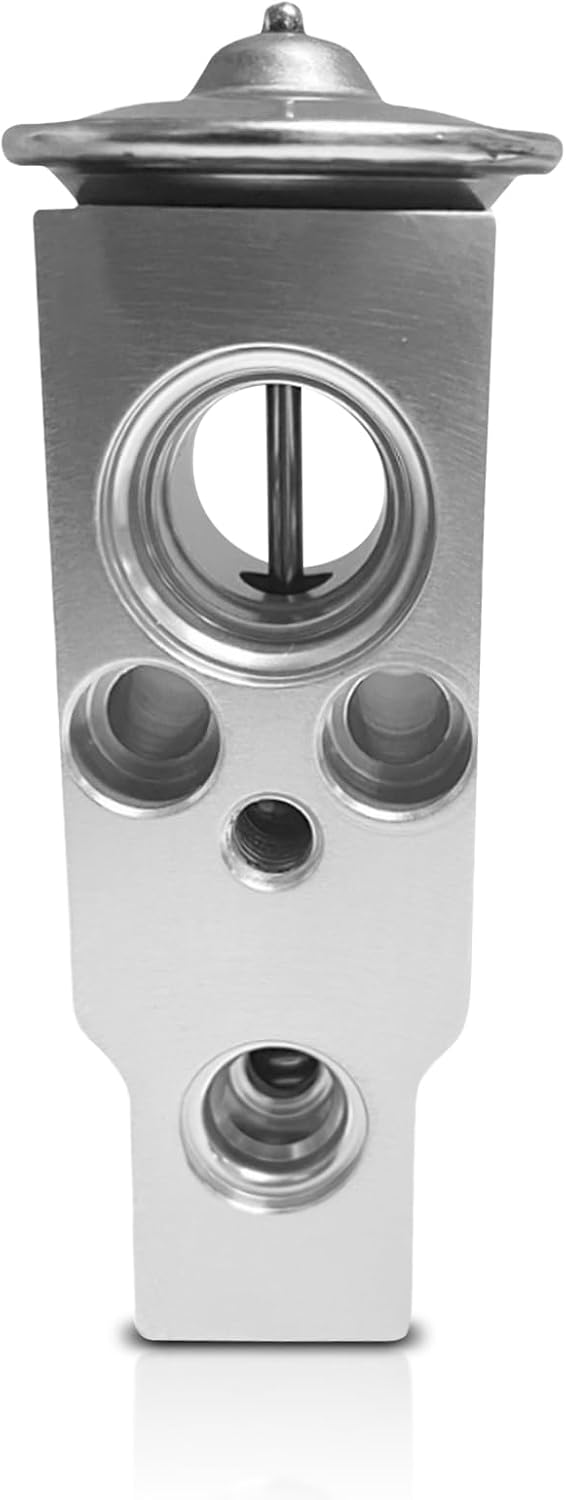
This automotive A/C expansion valve helps regulate refrigerant flow for efficient cooling and stable climate control performance. Built from durable metal for reliable resistance to wear, rust, and corrosion, it is designed to handle demanding vehicle conditions while supporting long-lasting operation. It is a practical replacement part for compatible Lexus, Honda, Toyota, Suzuki, Jaguar, and Land Rover models.

This cabin and engine air filter kit is designed for a wide range of compatible Toyota, Scion, and Pontiac models, helping improve airflow and keep your HVAC and engine systems cleaner. The activated carbon cabin filter helps reduce odors and trapped debris, while the engine air filter supports efficient performance with extended service life. It is easy to install and offers a convenient replacement solution for routine vehicle maintenance.
What Not to Do When Your Tundra A/C Stops Cooling
Do not add refrigerant based only on warm air or a low-side gauge reading. A correct service identifies the refrigerant, checks for leaks, removes and measures the existing charge when required, and recharges the specified amount. Undercharging and overcharging can both reduce performance.
Do not bypass pressure switches, jump compressor circuits, force a clutch to engage, or probe wiring next to a moving belt without the correct service information and test equipment. These shortcuts can damage wiring, controls, or the compressor and can cause injury.
On an i-FORCE MAX, do not touch, disconnect, probe, or attempt to energize orange high-voltage cables or the high-voltage compressor circuit. Engine silence does not prove that the hybrid system is de-energized.
Do not approve a compressor replacement only because the A/C button lights up, the air is warm, or you do not hear a click. Ask for the pressure, command, sensor, circuit, air-distribution, and compressor-response findings that support the diagnosis.
Do not keep replacing a fuse that blows. A repeated failure points to an electrical overload or short that needs circuit testing.
Frequently Asked Questions
Why does my Tundra A/C light turn on but not cool?
The light shows that you requested cooling; it does not confirm compressor operation. Strong warm airflow can result from low refrigerant caused by a leak, a pressure-sensor or compressor-control fault, an electrical problem, poor condenser performance, an air-mix problem, or a failed compressor.
Should I add refrigerant if my Tundra A/C blows warm air?
No. Warm air alone does not prove the system is low. Have the charge and leak status measured before refrigerant is added, because both undercharging and overcharging can reduce cooling and complicate diagnosis.
Can a dirty cabin air filter stop the Tundra A/C compressor from engaging?
A dirty filter can reduce airflow and make the cabin cool slowly, but it does not by itself prove the compressor is not engaging. If airflow becomes strong after filter service but stays warm, continue with refrigerant, control, air-mix, and electrical diagnosis.
Can low refrigerant stop a Tundra A/C compressor from engaging?
Yes, an out-of-range refrigerant-pressure signal can cause the control system to withhold or limit compressor operation to protect the system. Low charge often points to a leak, but pressure can also be abnormal for other reasons. The correct next step is model-specific pressure, charge, and leak diagnosis, not bypassing the sensor or forcing the compressor on.
Why is my Tundra A/C light flashing?
On some model years, a flashing A/C light means the system detected a fault and limited cooling. Record when it flashes and use model-specific service information or Toyota-capable diagnostic equipment instead of assuming one relay or part has failed.
Which fuse or relay controls the Tundra A/C compressor?
The label, location, and even the applicable compressor-control design vary by model year and powertrain. Use the owner’s manual and the diagram on the fuse-box cover for your exact truck. Replace a conventional fuse only with the same amperage, and stop if the replacement fails again. Do not apply a magnetic-clutch relay procedure to an i-FORCE MAX high-voltage compressor.
Why does my Tundra A/C get colder while driving but warmer at idle?
Road speed increases airflow through the condenser, so cooling that improves while moving can point toward condenser airflow or cooling-fan performance. Refrigerant pressure, charge, compressor performance, and engine or hybrid operating conditions can also contribute. Check for obvious debris blocking the condenser, then have fan operation and A/C pressures tested before replacing a fan or compressor.
Can I diagnose an i-FORCE MAX A/C compressor by listening for a clutch click?
No. Toyota identifies the Tundra Hybrid A/C unit as a compressor with motor assembly powered by the high-voltage system. The gasoline engine can also stop while the hybrid remains READY. Use Toyota-compatible scan data and the correct hybrid service procedure instead of relying on a conventional clutch click, and do not touch orange high-voltage components.
When should I stop DIY A/C troubleshooting?
Stop when the next step requires refrigerant handling, pressure testing, live wiring tests near moving parts, hybrid high-voltage work, compressor disassembly, or repeated fuse replacement. A qualified technician can test those areas without venting refrigerant, forcing the system to run, or exposing you to high voltage.
Safety Disclaimer: This article is for informational purposes only and does not replace professional automotive diagnosis or repair advice. Always consult a qualified technician before servicing refrigerant, electrical wiring, pressurized A/C components, hybrid high-voltage components, or parts near a moving belt.
Conclusion
When a Toyota Tundra A/C compressor appears not to engage, diagnose the failed stage before the part. Weak airflow points first to the filter, blower, intake, ducts, or airflow doors. Strong warm airflow, left/right temperature imbalance, cooling that changes with road speed, flashing indicators, intermittent cooling, repeated fuse failure, or compressor-area noise narrows the next set of tests.
Record the VIN, model year, powertrain, refrigerant label, settings, indicator behavior, and failure pattern. On an i-FORCE MAX, remember that the A/C compressor is part of the high-voltage system and engine silence does not prove the vehicle is de-energized. Then ask the shop to show the cooling request, compressor command, compressor response, pressure, leak, sensor, airflow, and circuit findings before authorizing major parts. That process is safer and more reliable than topping off refrigerant or replacing the compressor by guesswork.
References
- Troubleshooting Common Car AC Issues — Toyota Motor Sales, U.S.A.
- Toyota Manuals and Warranties — Toyota Motor Sales, U.S.A.
- Toyota Technical Information System — Toyota Motor Sales, U.S.A.; includes model-specific service information and the Tundra Hybrid Emergency Response Guide, document T-DM-027-D.
- 2026 Toyota Tundra: A Bold New Chapter in Full-Size Pickup Excellence — Toyota Motor North America.
- Section 609 Technician Training and Certification Programs — U.S. Environmental Protection Agency.
- Regulatory Requirements for MVAC System Servicing — U.S. Environmental Protection Agency.




[…] applies only to a clutch-equipped non-hybrid Tundra. For a deeper no-engagement workflow, see the Tundra A/C compressor not engaging troubleshooting guide. Do not use these steps on an i-FORCE MAX electric […]