Your Toyota Tacoma’s rear differential lock is one of its most useful off-road traction tools, but it is not something to use all the time. Think of it as a low-speed recovery and obstacle feature: it helps when one rear tire is slipping, light, or off the ground, but it can make steering harder and can damage components if used on high-traction pavement.
Quick Answer
A Toyota Tacoma rear differential lock forces both rear wheels to turn together, giving the truck better traction when one rear tire is spinning in mud, sand, snow, rocks, or a ditch. Use it only at low speed, after wheel spin has stopped, and unlock it as soon as the truck is free.
Key Takeaways
- The rear differential lock is for low-traction off-road situations, not normal road driving.
- It helps most when one rear wheel is spinning, unloaded, or off the ground.
- Toyota warns not to lock it while the wheels are still spinning and not to drive over 5 mph with it locked.
- When locked, systems such as ABS, brake assist, VSC, TRAC, and downhill assist may not operate, depending on model and equipment.
- Always check your exact Tacoma owner’s manual because procedures can vary by model year, drivetrain, and transmission.
At a Glance
| Time Required | About 30 seconds to 2 minutes |
| Difficulty | Easy, but timing and terrain matter |
| Tools Needed | None |
| Cost | $0 |
How Does the Rear Differential Lock Work?
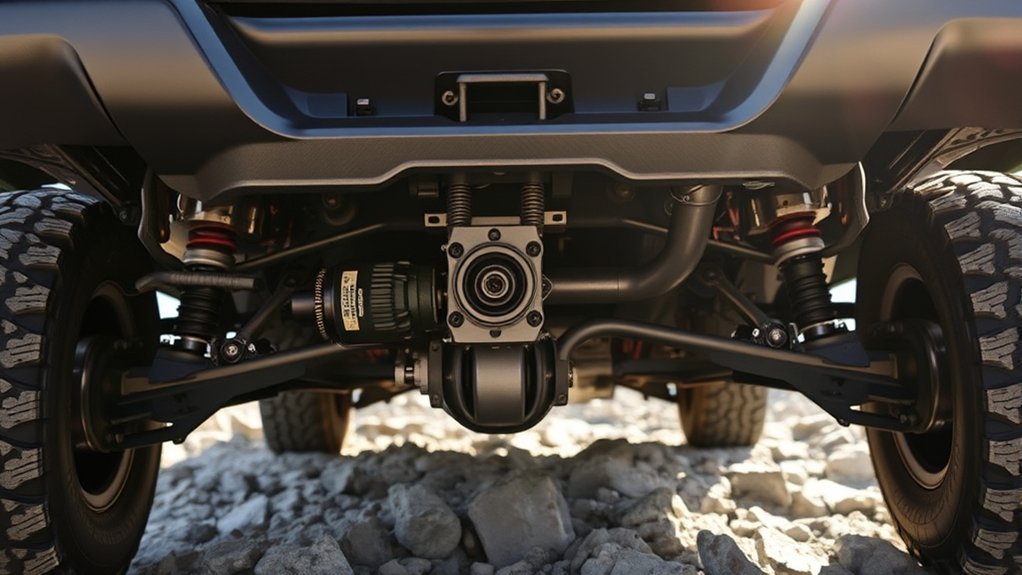
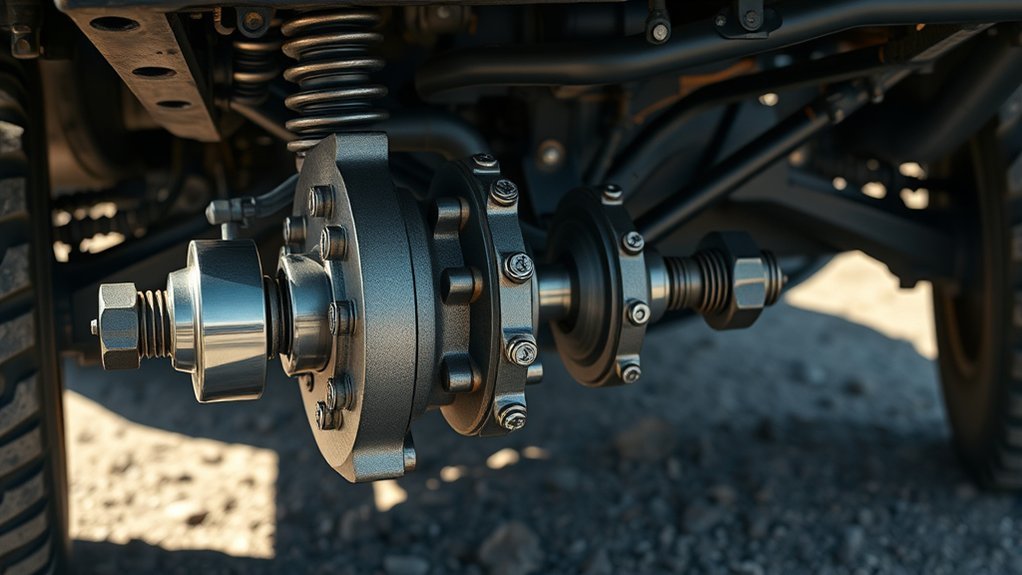
In normal driving, the rear differential lets the left and right rear wheels rotate at different speeds. That matters when turning, because the outside wheel travels farther than the inside wheel. On a grippy road, that difference keeps the truck smooth and controllable.
When you engage the rear differential lock, the differential locks the rear axle shafts together so both rear wheels rotate at the same speed. If one rear tire is on loose dirt, mud, snow, or hanging in the air, the other rear tire can still help push the truck forward instead of all the torque going to the tire with the least grip.
Toyota describes the system as a feature for use only when wheel spinning occurs in a ditch or on a slippery or rugged surface, and it is most effective when one rear wheel is spinning. You can confirm the exact wording for your model year in the Toyota Tacoma owner’s manual rear differential lock section.
Note: A locked rear differential does not make the front and rear axles the same thing. Four-wheel drive, low range, traction control, Multi-Terrain Select, Crawl Control, and the rear locker all solve different traction problems. Use the rear locker when rear-wheel slip is the limiting issue.
Benefits of Engaging the Rear Differential Lock
Used correctly, the Tacoma’s rear differential lock can make the difference between smoothly crawling through an obstacle and digging one tire deeper into the ground. The biggest benefits show up at low speed, on uneven or loose terrain.
Enhanced Traction When One Rear Wheel Slips
The main benefit is simple: both rear wheels receive mechanical drive together. If one rear tire loses grip, the locked differential helps the tire with better contact keep pulling. This is especially useful in mud ruts, loose sand, snow, gravel climbs, and rock ledges where one rear tire may unload.
Improved Off-Road Stability
A locked rear differential can make the truck feel more predictable in a straight crawl because the rear axle is no longer letting one tire spin freely. That can help you keep steady momentum over uneven ground. The tradeoff is that the truck may resist turning and require more steering effort, so use gentle throttle and avoid sharp turns.
Increased Climbing Capability
On a loose or uneven climb, a Tacoma can lose momentum when one rear tire starts spinning. Locking the rear differential helps both rear tires work as a pair, which can improve controlled climbing on rocks, dirt, snow, and muddy inclines.
The locker is not for going faster. It is for going slower with more control when one rear tire no longer has enough grip.
Ideal Conditions for Using Your Differential Lock
The best time to use the rear differential lock is before you bury the truck, not after you have spun the tires into holes. Stop, assess the obstacle, shift into the proper drive mode for your Tacoma, then engage the locker only if traction is still limited.
Loose Rocks and Mud
Loose rock and mud are classic rear-locker terrain. If one rear wheel is spinning and the other has better contact, locking the differential helps both rear tires pull evenly. This can reduce wheel spin and help the truck crawl instead of bouncing or digging.
- Use it for: ruts, slick clay, loose rock shelves, muddy climbs, and deep uneven tracks.
- Avoid: sharp throttle, wheel hop, and locking the differential while a wheel is actively spinning.
- Best technique: engage first, wait for the indicator to confirm engagement, then apply smooth throttle.
Steep Inclines and Declines
On a steep climb, the rear differential lock can help keep both rear tires contributing instead of letting one tire spin away momentum. On a steep descent, it can also help keep the rear axle predictable, but you still need careful brake and throttle control.
Warning: Do not treat the rear locker as a substitute for safe line choice, low speed, and proper recovery planning. A locked differential can reduce turning control on high-traction surfaces and can make the truck push straight when you need it to turn.
When One Rear Wheel Is Light or Off the Ground
If one rear tire lifts or becomes very light while the other is planted, an open differential may send power to the unloaded tire. The rear differential lock helps the planted tire keep driving. This is why lockers are so useful in cross-axle situations, rock crawling, washouts, and uneven ledges.
When Not to Use the Rear Differential Lock
The Tacoma’s rear differential lock is powerful, but it has limits. Misusing it can increase tire scrub, make steering harder, and stress driveline parts.
| Do Not Use It In | Why It Matters |
|---|---|
| Dry pavement | Both rear tires need to rotate at different speeds during turns; locking them can bind the driveline. |
| High-speed driving | Toyota warns not to drive over 5 mph with the rear differential locked. |
| Normal gravel roads with good traction | If both rear tires already have grip, the locker adds stress without adding much benefit. |
| Tight turns | The truck may understeer, scrub tires, or feel like it wants to push straight. |
| While a wheel is spinning fast | Engaging under wheel spin can shock-load the locking mechanism and driveline. |
Top 5 Mistakes to Avoid With Your Tacoma’s Differential Lock
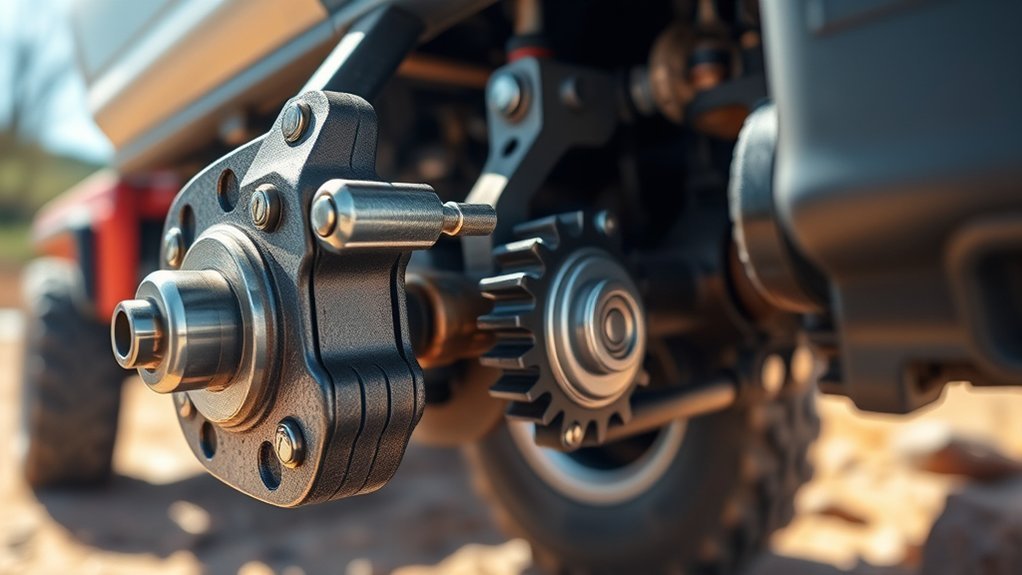
Most rear-locker problems come from using the feature too late, too fast, or on the wrong surface. Avoid these common mistakes:
| Mistake | Impact | Better Choice |
|---|---|---|
| Engaging the lock on dry pavement | Can cause tire scrub, driveline bind, and poor steering | Use normal 2WD/4WD modes on firm roads |
| Forgetting to disengage after the obstacle | Increases stress and makes turning harder | Unlock it as soon as the truck is free |
| Waiting until the truck is buried | Makes recovery harder and increases wheel spin | Engage before the tough section if traction will be limited |
| Using the lock at high speed | Reduces control and violates Toyota’s warning | Keep it to slow crawling speeds |
| Locking while wheels are spinning | Can shock-load the mechanism | Stop wheel spin first, then engage |
How to Engage Your Differential Lock: Step-by-Step
The exact procedure can vary by Tacoma year and drivetrain, so your owner’s manual is the final authority. The steps below match the general Toyota guidance for late-model Tacoma trucks equipped with a rear differential lock.
- Stop or slow to a crawl in a safe spot. Do not try to engage the locker while a wheel is spinning.
- Select the correct 4WD mode for your model. Many Tacoma rear-locker setups are used in low-range 4WD. Toyota’s late-model manuals also note that the rear differential lock automatically unlocks when the front-wheel drive control switch is turned to 2H or 4H.
- Press the rear differential lock switch. It may be labeled “RR DIFF LOCK” or shown with a differential-lock icon, depending on model year.
- Watch the indicator light. Toyota states that the indicator blinks while locking or unlocking and stays on when the differential is fully locked.
- Apply gentle throttle. Use steady, low-speed input. Avoid wheel hop and sudden acceleration.
- Unlock it as soon as you are through the obstacle. Press the switch again and confirm the indicator goes off.
Pro Tip: If the indicator keeps blinking, stop completely and operate the switch again. Toyota also notes that if the indicator still flashes after unlocking, turning the steering wheel slightly while moving carefully can help the mechanism release. If it continues to blink, have the system inspected.
[Products Worth Considering]

This plug-and-play AC button switch is designed to replace a faulty factory air conditioner switch in compatible Toyota vehicles. It installs easily without tools and is made to match the original part for a seamless fit and reliable operation. Built from durable ABS plastic, it offers a dependable replacement backed by warranty support and fitment guidance.

These off-road traction boards are designed to help vehicles recover from mud, sand, and snow with reliable grip and easier ramp-up. Their double-sided diamond construction, cross-shaped teeth, and contoured ramps improve traction while the durable polypropylene build stays flexible in harsh conditions. Convenient mounting points, ergonomic handles, and a visible leash make them practical to carry, store, and retrieve when recovery is needed.

This center console latch lock restores a secure, reliable closure for damaged or worn console lids on a wide range of Toyota, Lexus, and Scion vehicles. Made from durable materials for long-lasting use, it helps keep the console locked properly again and is a practical replacement for failing original latches.
What the Dash Indicator Means
The dashboard indicator is your confirmation that the system has actually completed the lock or unlock process.
| Indicator Behavior | Meaning | What to Do |
|---|---|---|
| Blinking after pressing the switch | The system is trying to lock or unlock | Wait a few seconds; keep the truck controlled and slow |
| Solid light | Rear differential is locked | Proceed slowly through the obstacle |
| Light goes off | Rear differential is unlocked | Resume normal driving for the terrain |
| Continues blinking | Locking or unlocking did not complete, or the system may need inspection | Stop safely, try again, and contact a Toyota dealer if it continues |
How the Differential Lock Boosts Your Tacoma’s Stability
When the rear differential is open, a tire with poor traction can spin while the tire with better traction receives less useful drive. When the differential is locked, both rear wheels are forced to work together. That can make the truck more stable in a straight line over low-traction terrain.
| Benefit | Description |
|---|---|
| Equal Rear-Wheel Rotation | Both rear wheels rotate together for better low-speed traction. |
| Reduced One-Wheel Spin | Helps prevent one rear tire from wasting torque in mud, snow, sand, or loose rock. |
| Improved Crawl Control | Makes slow, deliberate obstacle driving easier when rear traction is uneven. |
| Better Recovery Potential | Can help the truck move out of a ditch, rut, or slick patch when one rear wheel is spinning. |
| More Driver Confidence | Gives you a predictable rear axle when used in the right terrain. |
Warning: Toyota states that ABS, brake assist, VSC, TRAC, and downhill assist control may not operate when the rear differential is locked. Drive slowly and leave extra room for braking and steering corrections.
Rear Differential Lock vs. Other Traction Solutions

The rear differential lock is not the only traction feature on a Tacoma. Depending on trim and model year, your truck may also have traction control, AUTO LSD, Multi-Terrain Select, Crawl Control, or other drive modes. Each one works differently.
| System | How It Helps | Best Use |
|---|---|---|
| Rear differential lock | Mechanically locks both rear wheels together | Slow off-road obstacles where one rear wheel spins or lifts |
| TRAC / traction control | Uses braking and engine control to reduce wheel spin | General slippery driving and moderate traction loss |
| AUTO LSD | Uses traction control logic to help when one drive wheel spins on equipped 2WD models | Low-traction 2WD situations such as rough surfaces or ditches |
| Multi-Terrain Select | Adjusts vehicle systems for different terrain modes on equipped models | Sand, mud, rock, moguls, and other terrain-specific driving |
| Crawl Control | Helps maintain a fixed low speed over rough terrain without constant pedal input | Slow technical trails and slippery off-road surfaces |
[Products Worth Considering]

BUNKER INDUST off-road traction boards help vehicles regain grip in mud, sand, and snow with a double-sided diamond array and cross-shaped teeth for improved bite and stability. Built from upgraded automotive-grade polypropylene, they resist UV damage, cold-weather brittleness, and wheel-spin heat while remaining flexible enough to handle demanding recovery situations. Contoured ramps, ergonomic handles, and multiple mounting points make them practical to use, store, and retrieve when adventure turns into recovery.

These X-BULL recovery traction tracks help drivers get unstuck from sand, snow, mud, or ice with a stable U-shaped elastic design and a wavy ramp that makes tire entry easier. Built from reinforced nylon, they are flexible, impact-resistant, and designed to perform in extreme temperatures while providing reliable emergency traction for a wide range of vehicles.

This center console lid latch lock is a direct replacement designed to restore secure closing and smooth operation of your vehicle’s armrest box. Compatible with a wide range of Toyota and Lexus models, it matches OEM part 58908-33030 for reliable fit and function. Made from durable ABS plastic, it helps prevent the console from popping open and keeps stored items protected during driving.
Troubleshooting Rear Differential Lock Problems
If the rear differential lock does not seem to work, do not force it with throttle. Start with the simple checks first.
[Products Worth Considering]
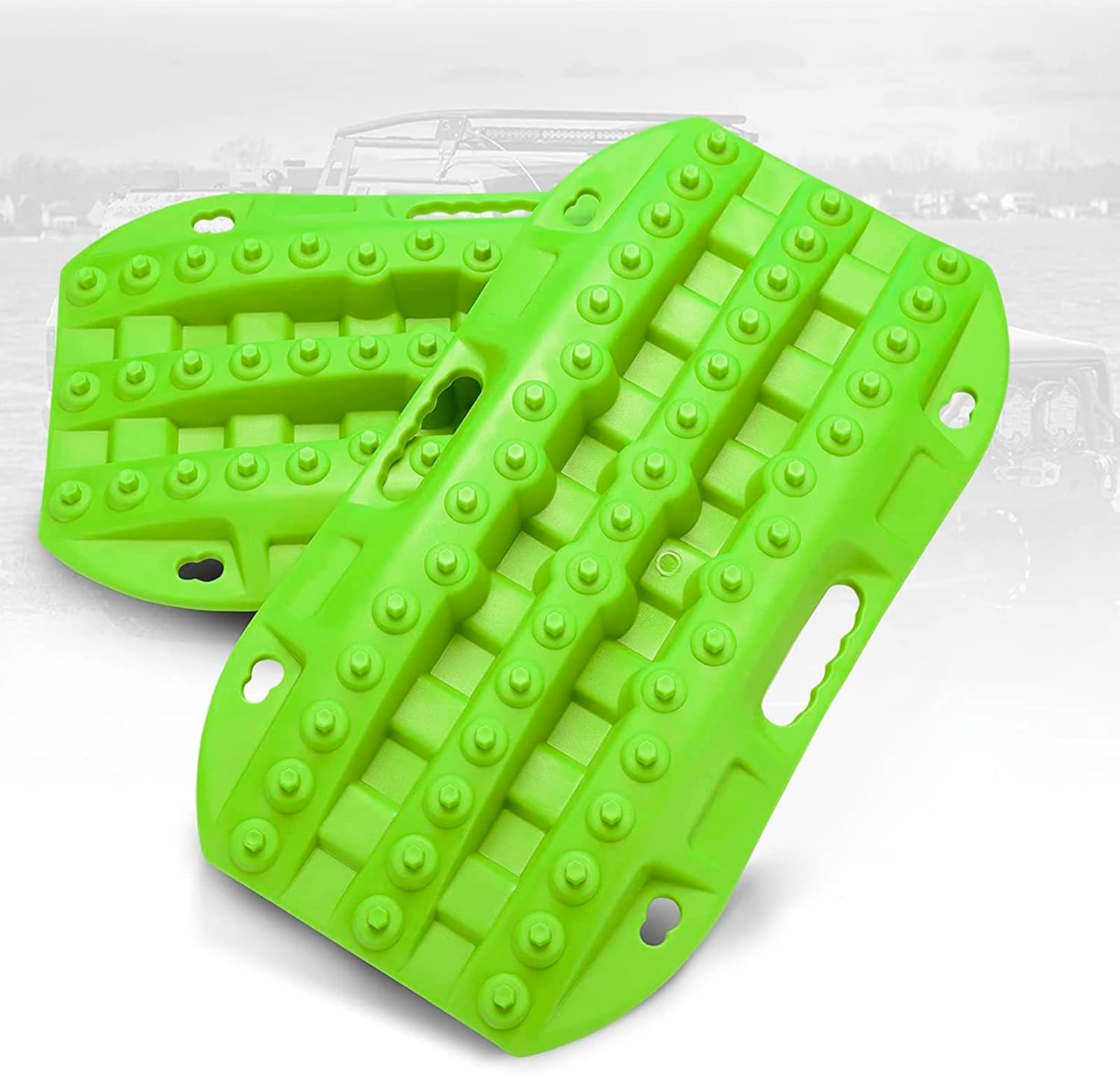
These short recovery traction boards are designed to help ATVs, UTVs, and other off-road vehicles regain grip in mud, sand, and snow. Built with strengthened teeth and a durable polypropylene construction, they provide reliable traction, easy handling, and year-round performance in tough conditions. Their nested, space-saving design and integrated shovels make them practical for carrying and using on remote adventures.

This 12-pack oil filter and drain plug washer set is designed for a wide range of Toyota and Scion vehicles, helping support clean oil flow and dependable engine performance. It replaces several common OE part numbers and offers an easy-fit solution for routine maintenance. Built with corrosion-resistant materials and efficient filtration, it helps keep engine contaminants out and supports longer service life.

This replacement bed cleat tie down anchor kit restores secure cargo management for compatible Toyota truck bed rail systems. Designed to match OEM dimensions and fit, these anchors help keep gear, tools, and luggage firmly in place during daily hauling. Built for dependable use in demanding pickup truck conditions, the kit offers a practical replacement for worn factory tie-downs.
The Indicator Keeps Blinking
A blinking indicator usually means the locking or unlocking process has not finished. Stop safely, make sure the wheels are not spinning, and operate the switch again. If it keeps blinking after repeated proper use, Toyota recommends having the vehicle inspected because there may be trouble in the four-wheel-drive system.
The Locker Will Not Engage
Check that you are in the correct drive mode for your model, the truck is moving slowly or stopped as required, and the wheels are not spinning. Some model years and transmissions have specific steps, so use the owner’s manual for your exact Tacoma.
Steering Feels Heavy
This can be normal with the rear differential locked, especially on firmer surfaces. Unlock the differential as soon as you are out of the low-traction obstacle.
ABS or VSC Lights Come On
On many Tacoma models, some driver-assist systems do not operate when the rear differential is locked. If the lights clear after unlocking, that may be normal. If warning lights remain on after the system is unlocked and the truck is restarted, schedule an inspection.
Maintenance Tips for Your Tacoma’s Differential System
The rear differential lock depends on a healthy differential, clean gear oil, and a working actuator. Regular maintenance matters more if you tow, carry heavy loads, drive through water, or off-road often.
- Follow Toyota’s maintenance schedule. The Toyota Tacoma Warranty & Maintenance Guide lists inspection and replacement intervals based on use.
- Inspect after water crossings. Mud and water can contaminate gear oil if seals or vents are compromised.
- Watch for leaks. Check around the differential housing, drain plug, fill plug, axle seals, and vent area.
- Listen for new noises. Whining, grinding, clunking, or vibration when engaging the locker should be inspected.
- Use the locker periodically off-road. Occasional proper use can help you stay familiar with the switch, indicator behavior, and engagement feel.
Note: Differential oil type, capacity, and service intervals vary by model year and axle. Do not guess on fluid specs. Use the owner’s manual, maintenance guide, or a Toyota dealer for your exact truck.
Frequently Asked Questions
How does a Toyota Tacoma rear differential lock work?
It locks the rear differential so the left and right rear wheels rotate at the same speed. This helps when one rear tire is spinning, unloaded, or on a slippery surface because the other rear tire can still help move the truck.
Can I use the rear differential lock on pavement?
No. Do not use it on dry pavement or other high-traction surfaces. A locked rear differential makes both rear wheels rotate together, which can cause tire scrub, driveline bind, harder steering, and possible damage.
How fast can I drive with the rear differential locked?
Toyota warns not to drive over 5 mph when the rear differential is locked. It is a low-speed traction feature for getting through a difficult spot, not a high-speed off-road mode.
Should I lock the rear differential before or after I get stuck?
Use it before the hardest part of a low-traction obstacle when you expect one rear tire to spin or lift. Waiting until the truck is buried can make recovery harder. Stop wheel spin first, engage the locker, then use gentle throttle.
Why does the rear differential lock light blink?
A blinking light means the system is locking or unlocking and has not completed the process yet. Wait for a solid light before assuming it is locked. If it continues blinking after proper operation, stop safely, try again, and have the system inspected if the issue remains.
Is a rear locker the same as traction control?
No. A rear locker mechanically locks the two rear wheels together. Traction control uses braking and engine control to manage wheel spin. A locker is more direct in severe low-speed traction situations, but it also requires more care.
Conclusion
Your Tacoma’s rear differential lock is a serious off-road tool, not a button to press for everyday driving. Use it when one rear wheel is spinning in mud, snow, sand, rocks, ruts, or a ditch. Engage it only after wheel spin has stopped, keep your speed low, and unlock it as soon as the truck clears the obstacle.
Handled correctly, the rear locker can give your Tacoma the extra bite it needs to crawl through difficult terrain with more control. Handled carelessly, it can make steering worse, disable helpful driver-assist systems, and put unnecessary stress on the drivetrain. When in doubt, slow down, choose a better line, and follow the owner’s manual for your exact model year.
Sources
- Toyota 2025 Tacoma Owner’s Manual: Rear Differential Lock System — official usage limits, indicator behavior, warnings, and disabled systems.
- Toyota 2024 Tacoma Owner’s Manual: Rear Differential Lock System — official system operation and unlocking guidance.
- Toyota 2025 Tacoma Owner’s Manual: Driving Assist Systems — traction control, VSC, and related driving-assist system behavior.
- Toyota 2025 Tacoma Owner’s Manual: AUTO LSD System — difference between AUTO LSD and a mechanical rear differential lock.
- Toyota 2025 Tacoma Warranty & Maintenance Guide — official maintenance schedule and service guidance.