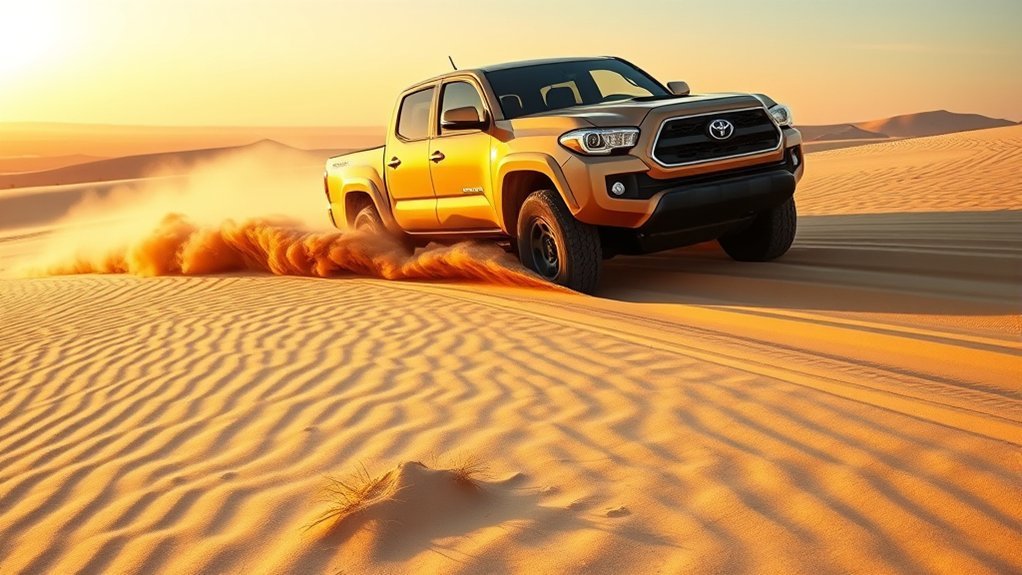
Driving a Toyota Tacoma on beach sand is mostly about preparation, tire pressure, and momentum. The truck can handle sand well when you air down before the soft section, use the correct 4WD setting, avoid sudden inputs, and carry real recovery gear. The goal is simple: float over the sand instead of digging into it.
Quick Answer
To avoid getting stuck on the beach in a Tacoma, air down before soft sand, use 4H for most beach driving, keep smooth momentum, avoid hard braking, and travel with another recovery-ready vehicle. Start around 18–20 PSI, then drop closer to 15 PSI only if the sand is very soft.
Key Takeaways
- Air down before the soft sand, then reinflate to the door-placard PSI before returning to pavement.
- Use 4H for most beach driving; use 4L only for deep, slow, technical sand or recovery.
- Keep steady throttle and avoid spinning the tires, sharp steering, or sudden braking.
- Carry a shovel, recovery boards, air compressor, tire gauge, first-aid kit, and a properly rated recovery strap.
- Check local beach rules, permits, weather, tide tables, and protected wildlife closures before you drive.
At a Glance
| Time Required | 10–20 minutes to prep before driving onto sand |
| Difficulty | Beginner to moderate, depending on sand softness and tides |
| Tools Needed | Tire gauge, air compressor, shovel, recovery boards, rated recovery strap, soft shackles, first-aid kit, water, and tide information |
| Cost | $100–$400 for basic recovery and air-up gear if you do not already own it |
Quick Start: Avoid Getting Stuck on the Beach in a Tacoma
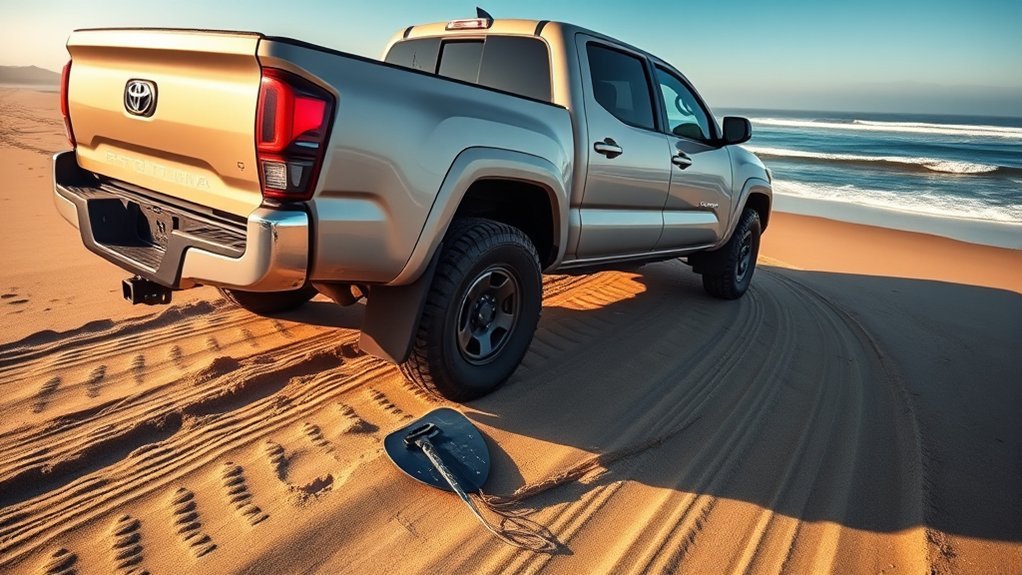
If you are planning to drive your Tacoma on the beach, go with at least one other vehicle and a recovery plan. Sand changes quickly, and a second vehicle gives you a safer way to spot hazards, pull out, or leave for help if cell service fails.
Before you enter soft sand, lower tire pressure in all four tires. A good starting point for many Tacoma beach trips is 18–20 PSI. In very soft sand, you may need to move closer to 15 PSI, but go lower only with care because very low pressure can unseat a tire bead during sharp turns or side loads. The National Park Service beach-driving guidance also stresses airing down before sand and reinflating before returning to pavement.
Use 4H for most firm-to-moderate beach driving. Shift to 4L only when you need slow torque for deep, soft sections, steep dune approaches where legal, or recovery. Keep your throttle smooth, choose a clean line, and avoid stopping in loose sand unless you have to.
Warning: Never drive on closed dunes, vegetation, nesting areas, or unmarked beach routes. Many beaches require permits and have seasonal wildlife closures, speed limits, and tide-related restrictions.
Why You Should Never Drive the Beach Alone
Do not drive the beach alone if you can avoid it. If your Tacoma gets buried, hits a hidden rut, loses a bead, or faces a rising tide, you need immediate help nearby. A second vehicle with recovery gear is one of the best safety upgrades you can bring.
Never Go Solo
Beaches can hide soft pockets, debris, washouts, and deep ruts that look harmless until the truck sinks. A teammate can scout the route, watch the tide line, guide you through ruts, and help you recover before the situation gets worse. Solo trips increase the risk because you are doing everything at once: driving, navigating, spotting, and recovering.
Plan the trip with roles before you leave. One person drives, one spots, and one manages gear if the Tacoma gets stuck. Agree on hand signals or radio calls before you need them.
Bring Recovery Help
Bring at least one other capable vehicle, especially on unfamiliar beaches. Practice basic recovery before the trip: where your Tacoma’s rated recovery points are, how to use soft shackles, how to place recovery boards, and how to keep people out of the danger zone during a pull.
Use only properly rated recovery equipment. Do not attach a recovery strap to a tow ball, bumper, suspension part, or any point not designed for recovery. If a strap or metal part fails under load, it can cause severe injury.
Know the Terrain
A beach looks simple from the entrance, but sand firmness changes with tide, wind, moisture, traffic, and temperature. Scout the route before committing. Stay on designated driving areas, mark your exit routes, and avoid stopping near the waterline where the sand may be saturated or undercut.
| Risk | Action | Benefit |
|---|---|---|
| Soft sand | Air down before entering | Better flotation |
| Rising tide | Check tide tables and leave early | Avoids water damage and entrapment |
| Hidden ruts | Scout ahead and keep steady speed | Prevents high-centering |
| No cell signal | Bring another vehicle or radio | Improves rescue options |
Tacoma Pre-Drive Checklist for Sand Runs
Before you hit the sand, run through a focused checklist so your Tacoma is prepared, legal, and recoverable.
- Confirm beach access is legal and check whether you need a permit.
- Check weather, wind, and NOAA tide information for your area.
- Air down before the soft section, then record your starting PSI.
- Inspect tires for damage, tread depth, and sidewall cuts.
- Engage 4WD before you need it, not after the truck is already buried.
- Top off fuel and bring water for passengers and the vehicle.
- Secure loose gear in the bed and cabin.
- Pack recovery gear where you can reach it without unloading the whole truck.
- Tell someone your route and expected return time if the beach is remote.
Note: The correct highway tire pressure is not the number molded on the tire sidewall. Use the cold tire pressure listed on your Tacoma’s driver-door placard or in the Toyota Tacoma owner’s manual tire-pressure section.
Bring Recovery Gear: Shovel, Boards, and Tow Straps
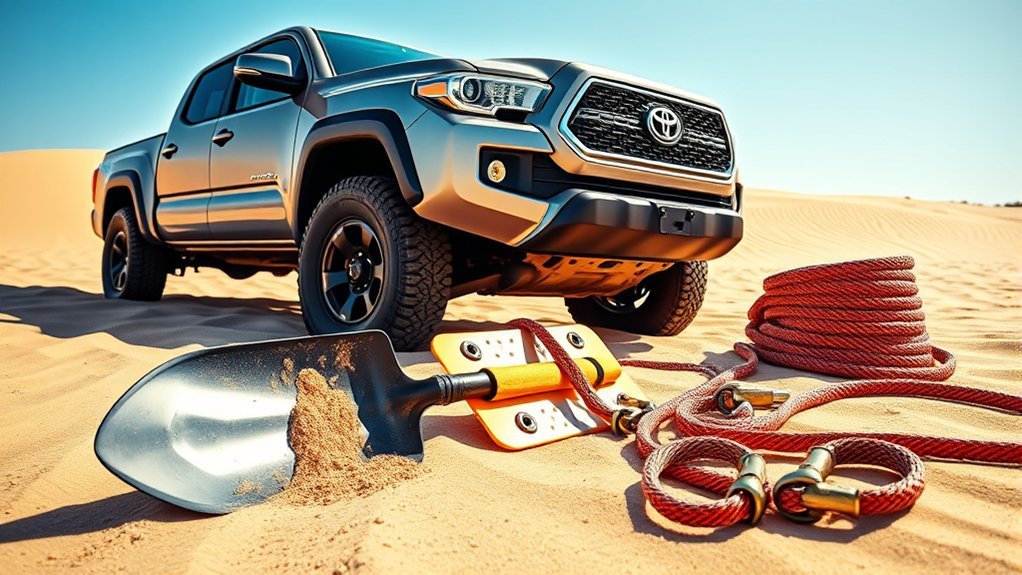
A beach recovery kit does not need to be complicated, but it does need to be complete. At minimum, carry a shovel, recovery boards, a tire gauge, a portable air compressor, soft shackles, a properly rated recovery strap, gloves, a first-aid kit, water, and a flashlight.
[Products Worth Considering]

This portable 12V tire inflator delivers fast, convenient inflation for cars, SUVs, trucks, motorcycles, and other inflatables. It features a digital display, bright LED lighting, auto shutoff, and multiple nozzle adapters to help you inflate accurately and safely, even in low-light situations. The long power cord and air hose make it easy to reach all tires and handle roadside emergencies or routine maintenance.

This emergency tire repair kit helps you quickly fix tubeless punctures without removing the tire from the rim. It includes multiple screw sizes and sealant glue for a tight, reliable seal, making it a practical solution for roadside emergencies, travel, and everyday vehicle maintenance. Compact and easy to use, it is suitable for a wide range of vehicles, including cars, motorcycles, trucks, and ATVs.

The AUXITO Portable Tire Inflator is an all-in-one air compressor designed for quick, accurate inflation of car tires, motorcycle tires, bike tires, balls, and more. It features smart preset modes, auto shut-off, a dual-screen display, and a bright LED light for reliable use at home or on the road. With fast inflation and a built-in USB charging port, it is a practical emergency tool for drivers and travelers.
Shovel Placement Strategy
Keep a compact shovel within easy reach. If your Tacoma settles into the sand, you may need to clear sand from in front of the tires, behind the tires, and under the frame before the truck can move. Mount the shovel along a bed rail, in a quick-release clamp, or near the tailgate so you do not have to dig through cargo to find it.
| Item | Purpose |
|---|---|
| Shovel | Clears tires and undercarriage |
| Quick-release strap | Keeps tool accessible |
| Folding shovel | Saves space |
| Bed clamp | Prevents shifting |
| Gloves | Protects hands during recovery |
Recovery Board Usage
Recovery boards work best when the tire can climb onto them instead of spinning against them. Dig a shallow ramp in the direction you want to travel, clear sand from the tire path, then wedge the boards firmly against the tread. Keep the boards straight with the tire and accelerate smoothly.
If the Tacoma climbs a few inches and stops, do not keep spinning. Stop, dig again, reset the boards, and try with a gentler throttle input. Spinning tires polish the sand and bury the truck deeper.
Tow Strap Techniques
Use a recovery strap or kinetic rope rated for the recovery load, not a light-duty tow strap meant only for flat-road towing. Attach it only to rated recovery points on both vehicles, keep all bystanders well away, and communicate clearly before the pull begins.
The recovery vehicle should pull in a straight line when possible. Start gently, increase load gradually, and stop immediately if anything shifts, binds, or makes noise. Never stand over a loaded strap, and never use a trailer hitch ball as a recovery point.
| Gear | Purpose |
|---|---|
| Recovery strap or kinetic rope | Assisted pull |
| Soft shackles | Safer connections |
| Shovel | Clears sand |
| Recovery boards | Adds traction |
| Radio or hand signals | Clear communication |
Lower Your Tacoma Tire Pressure for Sand: Recommended PSI
Lower tire pressure gives the tire a longer footprint, helping the Tacoma float on sand instead of cutting down into it. For most beach driving, start around 18–20 PSI. If the sand is deep and powdery, you can move closer to 15 PSI. Avoid going lower unless you understand the risk of debeading and have the tools to reseat and reinflate a tire.
Air down before the soft section. Do not wait until the truck is already stuck. Use a reliable gauge, lower all four tires evenly, and drive with smooth steering because aired-down tires have more sidewall flex.
Before leaving the beach, reinflate to the cold tire pressure listed on the Tacoma’s door placard. The National Highway Traffic Safety Administration warns that proper tire pressure affects handling, braking, tire life, and safety, so do not drive highway speeds on sand pressure.
| Sand Condition | Starting PSI Range | What to Watch |
|---|---|---|
| Firm, damp, packed sand | 20–25 PSI | Follow posted rules and avoid waterline hazards |
| Typical soft beach sand | 18–20 PSI | Maintain steady momentum |
| Deep, dry, powdery sand | 15–18 PSI | Avoid sharp turns and sudden throttle |
| Already stuck | About 15 PSI, if safe | Dig first, then use boards or a controlled pull |
Pro Tip: Bring an air compressor that can handle truck tires. Small emergency inflators may overheat before all four Tacoma tires are back to road pressure.
[Products Worth Considering]

This heavy-duty dual cylinder air compressor delivers fast, reliable inflation for off-road vehicles, trucks, RVs, and other outdoor gear. Built with a metal shell, aluminum cylinders, and thermal protection, it is designed to handle demanding inflating tasks while helping keep the motor cool and stable during use. The included hose, gauge, adapters, and carrying bag make it a practical portable solution for road trips, recovery kits, and recreational inflation needs.

This heavy-duty car ramp set provides a stable, reliable lift for routine maintenance like oil changes, tire rotations, brake work, and undercarriage inspections. Built from high-impact poly with a non-skid tread and rubber feet, it helps keep vehicles secure while offering a lightweight, corrosion-resistant alternative to steel ramps. The wide, gradual design supports a broad range of vehicles, from compact cars to trucks, SUVs, and vans.
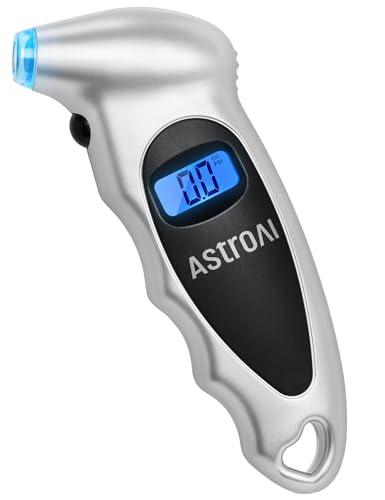
Accurate, Dependable Readings: Factory‑calibrated to ±1 PSI, so you can confidently match your vehicle’s recommended PSI (check the door jamb sticker). Ideal for monthly checks and road trips — consistent results every time, cold or warm.
Using Tacoma 4WD Modes and Traction Control on Sand
When you hit sand, engage 4WD before the truck starts digging. For most beach driving, 4H is the right starting point because it gives all four wheels power while still allowing enough speed to maintain momentum. Use 4L only for very soft, slow, technical sand or recovery situations where torque matters more than speed.
If your Tacoma has Multi-Terrain Select, choose the mode that matches the surface. Toyota’s Multi-Terrain Select manual section explains that the system helps improve drivability on rough roads, and Sand mode is designed for loose surfaces.
4WD Mode Selection
Choose the 4WD mode based on how soft the sand is and how fast you need to travel. Do not shift into 4L just because you are on a beach. Low range can help in deep sand, but it also limits speed and can make throttle inputs feel more aggressive than needed.
| Condition | Recommended Mode | Why |
|---|---|---|
| Firm packed beach | 4H | Maintains traction and momentum |
| Mixed beach sand | 4H, with Sand mode if equipped | Best all-around setup |
| Deep soft sand | 4H first, 4L if momentum is not enough | Adds torque when needed |
| Recovery or crawling out | 4L | Better low-speed control |
Traction Control Use
Traction control can help limit wheelspin, but in very soft sand some systems may cut power when you need momentum. Start with the Tacoma’s normal off-road settings or Multi-Terrain Select Sand mode if equipped. If the truck bogs because the system is reducing power, use the Tacoma’s approved traction-control or off-road mode settings from the owner’s manual, then re-enable normal settings once you return to firmer ground.
The rule is simple: use the system that lets you maintain controlled momentum without wild wheelspin. Too much wheelspin digs holes; too much power reduction stops the truck.
Maintain Momentum: Throttle and Speed Control on Soft Sand
Soft sand punishes hesitation. Keep a steady throttle and enough speed to float the Tacoma over the surface rather than letting the tires dig. On open, legal beach routes, 10–20 mph is often enough for soft sections, but always obey posted limits and slow near people, pets, camps, and fishing areas.
Avoid abrupt braking. Braking piles sand in front of the tires and makes it harder to start again. If you need to slow down, ease off the throttle gently and let the truck settle without burying the front tires.
Steer with small, smooth inputs. Sharp turns at low PSI can push the tire sidewall sideways and increase the chance of debeading. Pick your line early, commit to it, and keep the Tacoma moving calmly.
Sand driving is not about flooring it. It is about using enough steady momentum to stay on top while keeping wheelspin low.
Handling Soft Patches, Ruts, and Incoming Tides
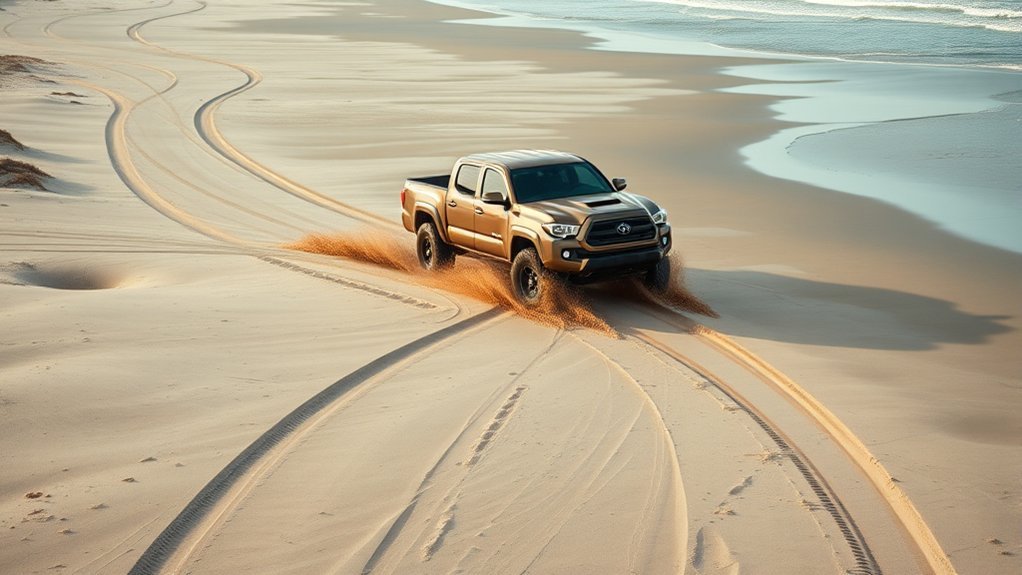
Soft patches, ruts, and incoming tides are where beach trips go wrong. Stay deliberate: scout ahead, keep steady speed through soft areas, and never gamble with rising water.
- Scan the route for soft spots, driftwood, washouts, pedestrians, fishing lines, and wildlife closures.
- Maintain steady throttle through soft patches; do not stop in the deepest section.
- Cross ruts at a gentle angle when safe, not with a hard steering jerk.
- If the truck starts to slide into a rut, ease the throttle and steer smoothly toward the exit.
- Monitor tide times and plan exits early; some beach sections become impassable at high tide or during storms.
If water is moving toward your line, leave. Saltwater can damage brakes, bearings, electrical connectors, frame components, and drivetrain parts. No photo or shortcut is worth losing the truck.
What to Do If Your Tacoma Starts to Bog Down
If the Tacoma starts slowing and the tires begin digging, do not panic and do not floor it. The faster the tires spin, the deeper the holes get.
- Ease off the throttle slightly to let the tires regain bite.
- Keep the wheels as straight as possible.
- If forward motion stops, stop spinning immediately.
- Shift to reverse only if the path behind you is clear and firm enough.
- Back out gently using the same tracks you made going in.
- If that fails, air down a little more, dig, and use recovery boards.
The best recovery is the one you prevent. When in doubt, take the firmer route, use 4H early, and keep momentum before the sand gets deep.
Post-Ride: Air Up, Inspect the Truck, and Clean Sand Out
After you leave the sand, reinflate your tires to the Tacoma’s door-placard pressure before driving at road speed. Aired-down tires build heat, reduce steering response, and increase braking distance on pavement.
Then inspect the truck. Check the engine bay, wheel wells, brakes, undercarriage, skid plates, suspension, seals, and hitch area for sand buildup. If the beach was salty or wet, rinse the undercarriage and wheel wells as soon as practical to reduce corrosion risk.
| Area Inspected | Action Required |
|---|---|
| Tires | Reinflate to door-placard PSI |
| Engine bay | Brush or blow out loose sand carefully |
| Wheel wells | Rinse and clear packed sand |
| Brakes | Inspect for grit and listen for scraping |
| Undercarriage | Rinse salt and sand to reduce corrosion |
| Recovery gear | Clean, dry, and restow for next trip |
Stuck? Troubleshooting and Fast Recovery Fixes for Tacoma
If your Tacoma gets stuck in sand, stay calm and resist the urge to spin the wheels. Wheelspin only digs deeper and can high-center the truck.
- Stop spinning. Take your foot off the throttle as soon as forward motion stops.
- Assess the truck. Check which tires are buried and whether the frame, differential, or skid plates are resting on sand.
- Air down if needed. If you are still above 18–20 PSI, lower pressure gradually toward 15 PSI.
- Dig a path. Clear sand from in front of the tires and under the chassis.
- Use recovery boards. Place them tight against the drive tires in the direction of travel.
- Use 4L if needed. Slow torque can help the Tacoma crawl onto the boards.
- Use a second vehicle only when safe. Attach to rated recovery points, clear the area, and pull slowly and straight.
Once the truck is free, move to firmer ground before you stop again. Repack your gear, check tire pressure, and reassess whether the route ahead is worth continuing.
[Products Worth Considering]

【Smaller Size & Lighter】: The package includes 1 tire traction mat that measures 12.59 × 5.90 inches, featuring a compact design and lightweight construction that minimizes interior space usage. It easily stores in the trunk for convenient portability and suits various outdoor scenarios.
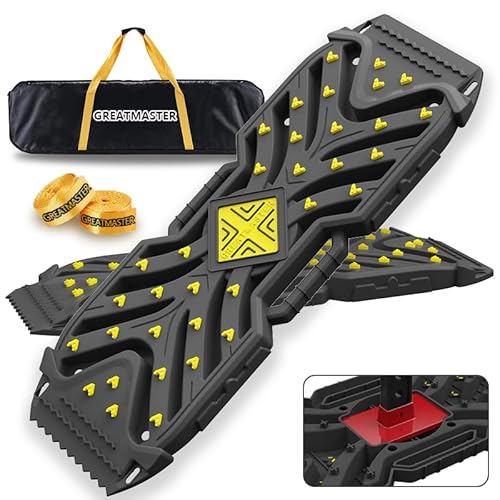
FIT Jeep Wrangler, FIT Toyota Tacoma, FIT Ford F150, FIT Chevy Silverado, FIT RAM 1500, FIT ATV, FIT UTV: engineered for 4x4 off-road vehicles equipped with tires up to 35 inches to secure traction in mud, sand, and snow environments.

FITMENT - {{ Enter the LICENSE PLATE in the Amazon Confirmed Fit tool at the top of this page to confirm your vehicle fitment with this product. }} Compatible with 2005-2023 Toyota Tacoma | Double Cab [Cab Size Note: Only fit Double Cab with 4 full-size doors. NOT for Access Cab with 2 full-size front doors & 2 suicided rear doors. (See Image for more info)]
Frequently Asked Questions
What 4×4 mode is best for sand in a Tacoma?
Use 4H for most beach sand because it gives all four wheels power while preserving speed and momentum. Use 4L only for deep soft sand, slow technical sections, steep legal climbs, or recovery.
What tire pressure should I use for beach driving in a Tacoma?
Start around 18–20 PSI for typical soft beach sand. If the sand is very deep and dry, move closer to 15 PSI. Reinflate to the door-placard PSI before returning to pavement.
Should I turn traction control off on sand?
Start with the Tacoma’s normal off-road settings or Multi-Terrain Select Sand mode if equipped. If traction control cuts too much power in deep sand, use the vehicle’s approved off-road setting or temporary traction-control adjustment, then restore normal settings on firmer ground.
Can I drive a Tacoma on the beach in 2WD?
A 2WD Tacoma can handle some firm, packed sand, but it is much easier to get stuck. For soft beach sand, 4WD is strongly preferred. If you only have 2WD, stay on firm legal routes, air down, avoid stopping, and bring recovery help.
What should I do first if my Tacoma gets stuck in sand?
Stop spinning the tires. Air down if needed, dig sand away from the tires and undercarriage, place recovery boards against the drive tires, and use smooth throttle. If another vehicle pulls you out, use rated recovery points and keep people clear.
Conclusion
A Tacoma can be a confident beach truck when you prepare it correctly. Air down before the soft sand, use 4H for most beach driving, keep momentum smooth, and bring the recovery gear needed to solve problems without panic. Respect tides, posted rules, wildlife closures, and other beach users. When the drive is over, air back up, rinse sand and salt from the truck, inspect the brakes and undercarriage, and you will be ready for the next sand run.
Sources
- Toyota Tacoma Owner’s Manual: Multi-Terrain Select — backs up Tacoma off-road drive-mode guidance.
- Toyota Tacoma Owner’s Manual: Tire Inflation Pressure — backs up using the vehicle’s placard/manual for normal road PSI.
- National Park Service: Tips for Beach Driving — backs up beach access, tide, safety, gear, and airing-down guidance.
- NHTSA Tire Safety — backs up tire-pressure safety, TPMS, tread, and reinflation guidance.
- NOAA Tides and Currents — source for checking tide predictions before beach driving.