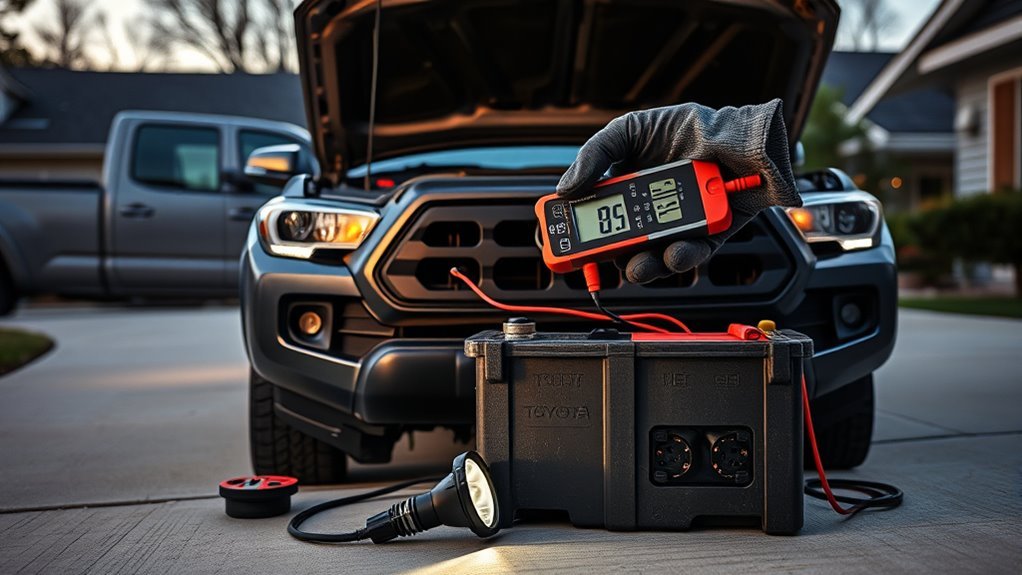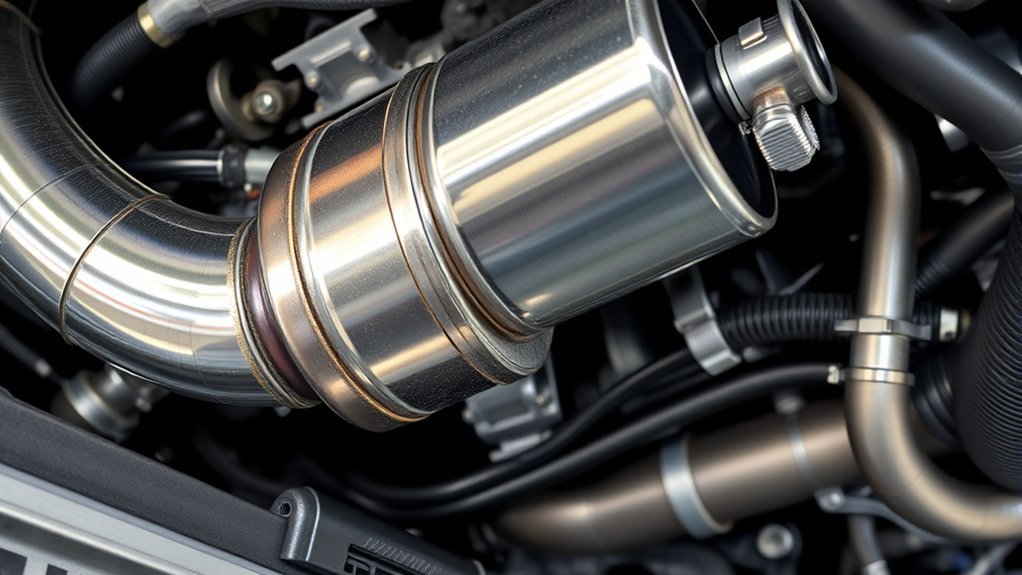
The Toyota Tacoma’s emissions system does more than keep the truck inspection-ready. Its EVAP system captures gasoline vapors, stores them in a charcoal canister, and sends them back to the engine when conditions are right. Knowing how the charcoal canister, purge air line, purge valve, vent valve, and fuel tank pressure sensor work can help you spot problems early, avoid failed emissions tests, and keep the truck legal for street use.
Quick Answer
The Tacoma’s EVAP system prevents raw fuel vapors from escaping. The charcoal canister stores vapors, the purge line carries them toward the engine, and EVAP valves control when vapors are burned or when the system is sealed for leak checks.
Key Takeaways
- The charcoal canister stores fuel vapors instead of letting them vent into the air.
- The purge valve and purge air line route stored vapors into the intake so the engine can burn them.
- A loose fuel cap, cracked EVAP hose, stuck valve, or damaged canister can trigger a check engine light and may cause an emissions inspection failure.
- Deleting or bypassing emissions equipment on a street-driven Tacoma can violate federal and state anti-tampering rules.
At a Glance
| Time Required | 10–20 minutes for a visual check; longer if diagnosis or parts replacement is needed |
| Difficulty | Beginner for inspection; intermediate for valve or hose replacement |
| Tools Needed | OBD-II scanner, flashlight, gloves, basic hand tools, and the correct Toyota repair information for your model year |
| Cost | Often low for a cap or hose issue; higher for canister, valve, wiring, or professional smoke testing |
How the Charcoal Canister Works
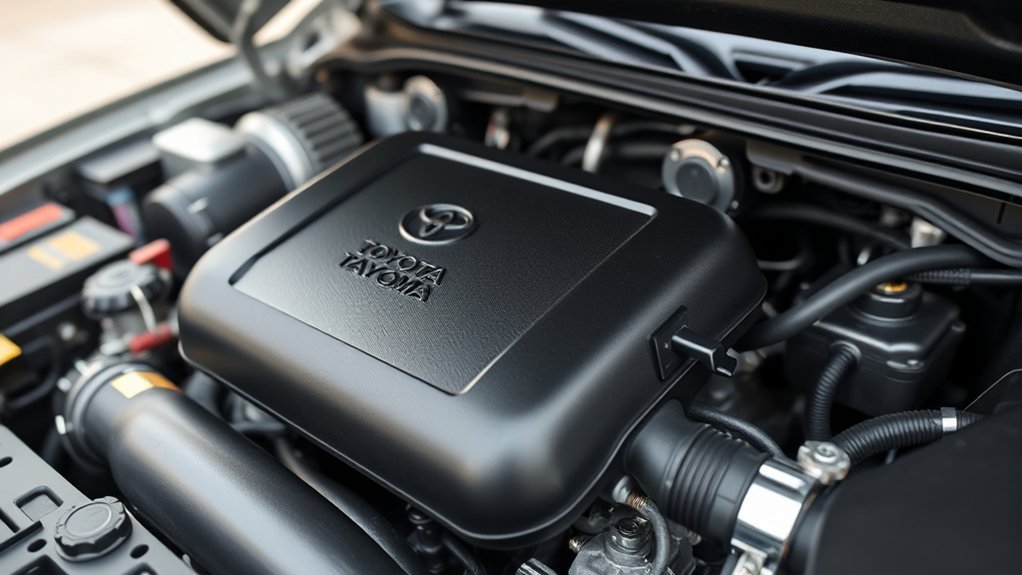
The charcoal canister, also called the vapor canister or EVAP canister, is filled with activated carbon. When gasoline evaporates in the fuel tank or vapors are displaced during refueling, the EVAP system routes those vapors to the canister instead of letting them escape into the atmosphere.
Later, when the engine is warm and operating under the right conditions, the engine control module opens the purge valve. Engine vacuum then draws the stored vapors through the purge line and into the intake stream, where they are burned during normal combustion. This helps control evaporative hydrocarbon emissions and keeps the sealed fuel system working as designed.
A failing canister can cause fuel smell, hard refueling, repeated pump shutoff, EVAP-related diagnostic trouble codes, or a check engine light. However, a check engine light does not automatically mean the canister itself is bad. Loose caps, cracked hoses, stuck purge valves, wiring faults, and vent valve problems can look similar during diagnosis.
Note: Toyota’s owner information explains that the OBD system monitors the emission control system and that a malfunction indicator light can cause the vehicle to fail an inspection and maintenance test. Always confirm the trouble code before replacing parts.
What Role Does the Purge Air Line Play in Emissions Control?
The purge air line or EVAP vapor line is the path that lets stored fuel vapors move from the charcoal canister toward the engine. It does not “clean” vapors by itself; it simply carries them where the engine can use them safely.
The line works with the purge valve. When the purge valve is closed, vapors stay stored in the canister. When the valve opens, vapors are drawn into the intake manifold in a controlled way. If the line is cracked, disconnected, kinked, or clogged, vapor flow can be too low, too high, or uncontrolled.
Common symptoms of purge line or purge valve trouble include rough idle after refueling, fuel odor, poor hot starts, reduced fuel economy, and EVAP codes such as P0441, P0442, P0455, or P0456. These codes point to a system fault, not always a single failed part.
How the EVAP Valve Affects Your Tacoma’s Emissions Control
“EVAP valve” can refer to more than one part, depending on the model year and the repair information you are reading. In most Tacoma EVAP discussions, people mean either the purge valve near the engine or the vent valve/canister closed valve near the canister.
- Purge valve: Controls when stored fuel vapors are pulled from the canister into the intake for combustion.
- Vent valve or canister closed valve: Opens to let the canister breathe under normal conditions and closes when the system performs leak checks.
- Fuel tank pressure sensor: Helps the OBD system detect pressure changes that can reveal leaks or flow problems.
- ECM/PCM control: Commands valves and stores diagnostic codes when the system does not respond as expected.
Federal OBD requirements for modern light-duty vehicles require onboard systems to detect emission-control malfunctions, store related trouble codes, and alert the driver. That is why a small EVAP leak can turn on the same check engine light as a more obvious engine issue.
Common Tacoma EVAP System Symptoms
A Tacoma with an EVAP fault may still drive normally, which is why drivers often ignore the warning. That can be a mistake if an inspection is coming up or if fuel vapor odor is present.
- Check engine light: The most common sign. Scan the truck before replacing parts.
- Fuel smell near the truck: May point to a vapor leak, loose cap, damaged hose, or canister issue.
- Gas pump keeps clicking off: Can happen when the canister, vent path, filler neck, or related hoses are restricted.
- Rough idle after filling up: A stuck-open purge valve may let too much vapor enter the intake.
- Failed emissions inspection: A lit malfunction indicator lamp or unset readiness monitors can prevent a pass in many inspection programs.
Warning: Gasoline vapor is flammable. Work in a well-ventilated area, keep sparks and flames away, turn the engine off before inspection, and do not open fuel-system lines unless you have the correct repair procedure and safety equipment.
[Products Worth Considering]

The ANCEL AD410 PRO combines engine diagnostics and 12V battery testing in one easy-to-use tool, helping you read and clear check engine codes while checking battery health, cranking, and charging performance. It also provides live data, freeze frame details, and I/M readiness checks to help you diagnose issues faster and prepare for emissions testing. With plug-and-play operation, a clear screen, and broad vehicle compatibility, it is a practical solution for home mechanics and everyday drivers.

The ANCEL AD410 helps drivers quickly read and clear engine-related fault codes, view live data, and understand why the check engine light is on before heading to a repair shop. With built-in code definitions, readiness checks, and support for common OBD2 functions, it makes basic diagnostics straightforward for beginners and DIY users. Powered directly from the vehicle and easy to use with no app required, it offers practical value for everyday vehicle troubleshooting.

This versatile car fuse assortment kit includes multiple fuse sizes and current ratings to help keep vehicles protected and ready for quick repairs. With organized color-coded fuses, a fuse puller, and installation guidance, it offers a convenient backup solution for a wide range of automotive and recreational vehicles. It's ideal for drivers who want a practical emergency replacement set for everyday use and travel.
How to Check the System Before Replacing Parts
EVAP parts can be expensive, so diagnose the simple items first. Start with the basics before assuming the charcoal canister has failed.
- Scan for codes: Use an OBD-II scanner and write down all stored and pending codes before clearing anything.
- Check the fuel cap or filler seal: If your Tacoma has a fuel cap, make sure it seals and clicks properly. If it uses a capless-style filler, inspect the filler door and sealing area for debris or damage.
- Inspect visible EVAP hoses: Look for cracked rubber, loose connections, rubbing marks, and broken clips around the canister and engine bay.
- Look for wiring damage: Check valve connectors for corrosion, broken locks, or rodent damage.
- Do not guess after one code: A large-leak code, small-leak code, or incorrect-purge-flow code needs testing. A professional smoke test is often the fastest way to find leaks.
- Recheck readiness monitors: After repair or battery disconnection, the truck may need several normal drive cycles before emissions readiness monitors reset.
Pro Tip: Do not clear the check engine light right before an emissions test. Clearing codes also clears readiness data, and the vehicle may fail because the monitors are not ready.
[Products Worth Considering]
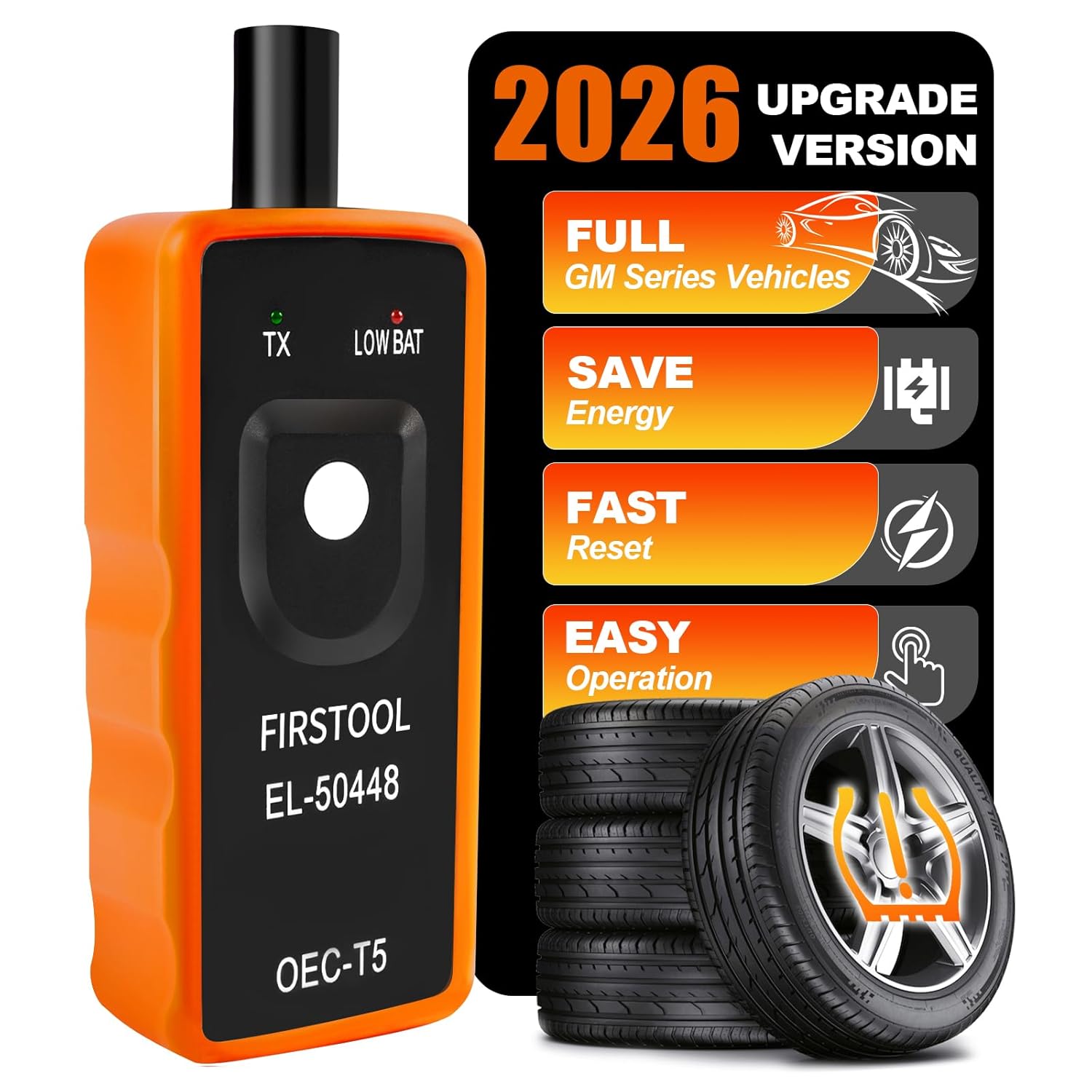
This EL-50448 TPMS relearn tool helps quickly activate and reset tire pressure sensors so your vehicle’s monitoring system stays accurate after tire rotations, sensor replacement, or seasonal tire changes. Designed for many GM-related vehicles and compatible with common 315 and 433 MHz TPMS systems, it offers simple one-button operation and reliable performance for clearing warning lights and relearning sensor positions.

This heavy-duty car ramp set provides a stable, reliable lift for routine maintenance like oil changes, tire rotations, brake work, and undercarriage inspections. Built from high-impact poly with a non-skid tread and rubber feet, it helps keep vehicles secure while offering a lightweight, corrosion-resistant alternative to steel ramps. The wide, gradual design supports a broad range of vehicles, from compact cars to trucks, SUVs, and vans.

【Diagnose Check Engine Light in Seconds – No Mechanic Needed】The FOXWELL NT301 OBD2 scanner instantly reads & clears engine fault codes (DTCs) with one click. Simply plug into the 16-pin DLC port, turn ignition on, and get accurate results within seconds—No prior car knowledge required. Save hundreds on dealership fees by knowing exactly what’s wrong before you visit a shop. The #1 choice car scanner for DIYers and car owners who want to take control of their vehicle’s health
Effects of Deleting Emissions Systems
Deleting emissions systems may sound appealing in online performance discussions, but it is a poor choice for a street-driven Tacoma. Removing EVAP components can release fuel vapors, trigger diagnostic codes, create fuel odor, cause readiness monitor problems, and make the truck fail an emissions inspection.
It is also a legal risk. The EPA’s vehicle and engine tampering policy addresses aftermarket defeat devices and emissions-control tampering under the Clean Air Act. In California and states that follow similar rules, many aftermarket emissions-related parts need a valid CARB Executive Order before they are legal for use on emissions-controlled vehicles.
| Claimed Benefit | Real-World Risk |
|---|---|
| Cleaner engine bay | Fuel vapor odor, emissions fault codes, and inspection failure |
| Possible short-term throttle feel changes | Unverified gains and possible drivability problems |
| Fewer hoses or valves | Loss of leak detection and OBD readiness issues |
| Avoiding a repair cost | Legal exposure, warranty concerns, and higher repair cost later |
How to Maintain Emissions Compliance While Modifying Your Vehicle
Modifying your Toyota Tacoma can improve sound, handling, towing support, or trail performance, but emissions-related changes need extra care. The safest approach is to keep the EVAP system, oxygen sensors, catalytic converters, engine computer, and related wiring intact unless a replacement part is approved for your exact application.
A street-driven Tacoma should keep its emissions controls functional. A part that prevents a check engine light is not automatically legal, clean, or inspection-ready.
- Check the rule before the part: Review your state’s emissions inspection rules before installing engine, intake, exhaust, or tuning parts.
- Look for CARB EO approval when required: The California Air Resources Board explains that exempted aftermarket parts receive an Executive Order number after engineering evaluation.
- Avoid O2 sensor deletes and “simulators”: Oxygen sensor deletes are exhaust-emissions changes, not EVAP maintenance. They can create legal and inspection problems.
- Keep EVAP parts connected: Do not cap, vent, or bypass the charcoal canister, purge line, purge valve, or vent valve on a road vehicle.
- Use quality replacement parts: Match parts to your Tacoma’s year, engine, drivetrain, and emissions certification. When in doubt, use Toyota service information or a qualified repair shop.
- Document repairs: Keep receipts, code scans, and inspection results. Good records help with warranty questions and future troubleshooting.
[Products Worth Considering]

Purge Solenoid
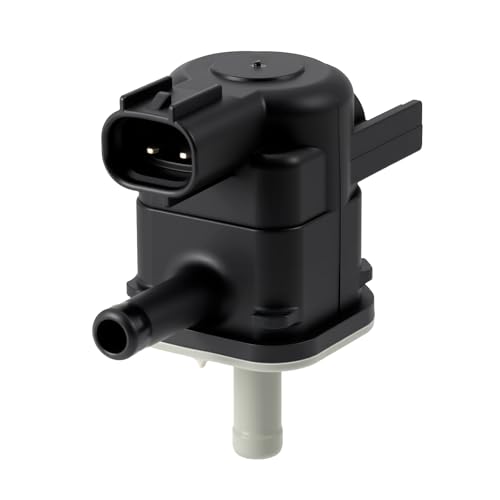
[Vehicle Fitment-1]- EVAP Vapor Canister Purge Valve Solenoid compatible with 2006-2013 Toyota Yaris, 2007-2015 Toyota Camry 2.5L, 2007-2010 Toyota Sienna, 2007-2014 Toyota Tundra, 2009-2013 Toyota Corolla 1.8L, 2009-2014 Toyota FJ Cruiser .0L, 2009-2018 Toyota Highlander 2.7L, 2009-2014 Toyota Matrix 1.8L, 2010-2018 Toyota 4Runner 4.0L, 2011-2015 Toyota Tacoma 4.0L, 2016-2018 Toyota Prius, 2016-2018 Toyota Prius V 1.8L
Maintenance Checklist for the Tacoma Emissions System
Most EVAP maintenance is preventive. You are mainly protecting hoses, seals, valves, and electrical connections from damage.
- At every fuel stop: Tighten the fuel cap fully if equipped, or make sure the filler area is clean and closing properly.
- During oil changes: Look under the truck for cracked EVAP lines, loose brackets, broken canister mounts, or fresh fuel odor.
- After off-road use: Inspect the canister area for mud, rock impact, or damaged wiring.
- After battery replacement: Give the truck normal mixed driving before an emissions test so readiness monitors can run.
- When a check engine light appears: Scan the truck promptly instead of waiting for the next inspection deadline.
Toyota’s owner information recommends regular maintenance and advises bringing problems to a Toyota dealer or qualified service shop. That is especially important for EVAP faults because pressure testing and smoke testing require proper equipment.
Frequently Asked Questions
What are the components of the EVAP system?
A typical Tacoma EVAP system includes the fuel tank, fuel cap or filler seal, vapor lines, charcoal canister, purge valve, vent valve or canister closed valve, fuel tank pressure sensor, wiring, and the engine control module. Exact names and locations vary by model year.
What is the most common EVAP problem on a Toyota Tacoma?
Common EVAP-related causes include a loose or leaking fuel cap, cracked vapor hose, stuck purge valve, stuck vent valve, damaged canister, or wiring fault. The most common cause depends on the Tacoma’s year, mileage, use, and previous repairs, so scan codes and test before replacing parts.
Can I drive my Tacoma with an EVAP code?
The truck may still drive normally, but you should not ignore the code. EVAP faults can release fuel vapors, create fuel smell, stop readiness monitors from completing, and cause an emissions test failure. Diagnose the problem as soon as practical.
Will deleting the charcoal canister improve performance?
For a street-driven Tacoma, deleting the charcoal canister is not a recommended performance upgrade. It can cause fuel vapor odor, EVAP codes, readiness monitor problems, inspection failure, and legal issues under emissions anti-tampering rules.
Why did my Tacoma fail emissions after the battery was disconnected?
Disconnecting or discharging the battery can erase readiness codes. Toyota notes that readiness codes are set during ordinary driving, and depending on driving habits, they may not be complete before an inspection. Drive the truck normally and repair any active faults before retesting.
Conclusion
Your Tacoma’s emissions system is a sealed, monitored system designed to control fuel vapor and keep the truck compliant. The charcoal canister stores vapors, the purge line and purge valve route them back to the engine, and the vent valve and pressure sensor help the OBD system check for leaks. Keep these parts intact, diagnose warning lights early, and avoid delete-style modifications on any road vehicle. That balance protects your truck, your inspection status, and the air around you.
Sources
- Toyota Owners: 2026 Tacoma Emission Inspection and Maintenance Programs — backs up OBD monitoring, malfunction indicator light, readiness codes, loose fuel cap, and I/M testing guidance.
- Toyota Owners: 2026 Tacoma Maintenance Requirements — backs up regular maintenance responsibility and the recommendation to use Toyota repair information.
- eCFR: 40 CFR § 86.1806-17 Onboard Diagnostics — backs up OBD requirements for detecting emission-control malfunctions and alerting drivers.
- eCFR: 40 CFR § 86.1813-17 Evaporative and Refueling Emission Standards — backs up federal evaporative/refueling emissions standards for light-duty vehicles and trucks.
- U.S. EPA: Vehicle and Engine Tampering Policy — backs up the legal risk of emissions-control tampering and defeat devices.
- California Air Resources Board: Aftermarket, Performance, and Add-on Parts — backs up CARB Executive Order guidance for emissions-related aftermarket parts.