If your Toyota Tacoma shows a gas cap warning or “Check Fuel Cap” message, start with the simplest fix: stop safely, turn the truck off, remove the fuel cap, and reinstall it until it clicks. In many cases, the warning means the cap is loose, missing, dirty, cracked, or not sealing well enough for the evaporative emissions system to hold pressure.
Quick Answer
A Toyota Tacoma gas cap warning usually means the fuel cap is loose, unfastened, damaged, or unable to seal the fuel system. Tighten it until it clicks, inspect the rubber seal, avoid topping off the tank, and drive normally. If the warning returns, scan for EVAP-related trouble codes and inspect the EVAP system.
Key Takeaways
- Toyota’s owner information says a “Check Fuel Cap” message can appear when the fuel tank cap is unfastened or loose.
- The correct first step is to turn the truck off, check the cap, and tighten it securely until it clicks.
- A cracked seal, wrong replacement cap, dirty filler neck, or EVAP leak can keep the warning or check engine light on.
- Do not keep topping off the tank after the pump clicks off, because liquid fuel can affect EVAP components.
- If the light comes back after a proper cap check, use an OBD-II scanner and consider a smoke test by a qualified technician.
At a Glance
| Time Required | 2–10 minutes for a basic cap check; longer if diagnosis is needed |
| Difficulty | Easy for inspection and tightening; moderate for EVAP diagnosis |
| Tools Needed | Clean rag, flashlight, OBD-II scanner, and possibly smoke-test equipment |
| Cost | Free if tightening solves it; replacement cap and diagnostic costs vary by model year and shop |
Understanding the Toyota Tacoma Gas Cap Warning Light
The gas cap warning is not only about the cap itself. It is part of your Tacoma’s fuel vapor control system. Toyota’s Tacoma owner information says that when “Check Fuel Cap” appears on the multi-information display, the fuel tank cap may be unfastened or loose, and the driver should turn the engine switch off, check the cap, and tighten it securely. Toyota’s Tacoma manual also says to close the cap by turning it until you hear a click.
The fuel cap helps seal the fuel tank so gasoline vapors stay inside the evaporative emission control system, often called the EVAP system. The EPA explains that activated charcoal canisters are commonly used to adsorb fuel vapor, and that fuel systems can develop liquid or vapor leaks that bypass the vehicle’s emissions controls. That is why a small sealing problem at the cap can lead to a warning message or a check engine light.
Warning: Gasoline vapors are flammable. Always turn the engine off before opening the fuel cap, keep sparks and smoking materials away from the filler area, and never inspect the cap near an open flame.
What the Warning Usually Means
In most cases, the warning means the fuel system did not seal the way the truck expected. The cap is the first thing to check because it is easy to disturb during refueling and easy to inspect without tools.
| What You Notice | Most Likely Cause | First Fix |
|---|---|---|
| “Check Fuel Cap” message after refueling | Cap not fully tightened | Remove and reinstall the cap until it clicks |
| Check engine light with no drivability change | EVAP leak such as loose cap, worn seal, or small hose leak | Scan for diagnostic trouble codes |
| Fuel smell near the rear of the truck | Possible vapor leak, damaged cap seal, or fuel system leak | Inspect safely and seek service if the smell persists |
| Warning returns after replacing cap | Wrong cap, poor seal, filler neck issue, or EVAP component fault | Confirm the part fits your Tacoma and test the EVAP system |
How to Diagnose Gas Cap Issues
Start simple before assuming you have a major repair. A fuel cap problem is one of the easiest emissions warnings to check at home.
[Products Worth Considering]

This replacement gas cap is designed for a wide range of Toyota and Lexus models, offering a direct-fit solution for restoring a proper seal at the fuel tank. It helps address check engine light issues related to the fuel cap while providing easy installation and dependable performance. Built from durable materials and rigorously tested before shipping, it is a practical replacement for worn or damaged fuel caps.

This replacement gas cap is designed to restore a tight fuel-tank seal, helping reduce vapor leaks, prevent check engine light issues, and maintain proper fuel system performance. Built in OE-style form for a wide range of Toyota and Lexus vehicles, it offers a direct DIY fix with durable materials for reliable, long-lasting use.

This replacement gas cap is designed to fit a wide range of Toyota and Lexus models, helping restore a secure seal for the fuel tank. It is built as a direct replacement for easy installation and reliable everyday use, with compatibility verified by part number to help ensure the right fit. Backed by warranty support and customer service, it is a practical solution for replacing a worn, cracked, or failing fuel cap.
Step 1: Park Safely and Turn the Truck Off
Pull over in a safe place or wait until you are parked. Turn the engine off before opening the fuel filler door. This follows Toyota’s owner guidance for checking the cap when the message appears.
Step 2: Remove and Reinstall the Cap
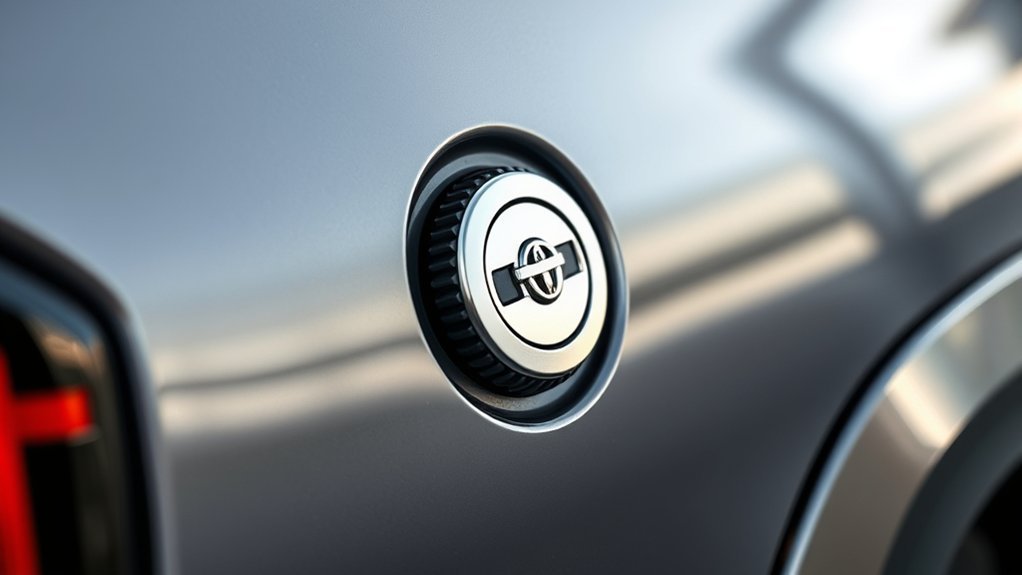
Remove the cap, look at the threads, and reinstall it carefully. Turn it clockwise until it clicks. Do not stop just because the cap feels snug; the click confirms that the cap has reached its designed tightening point.
Step 3: Inspect the Cap and Filler Neck
Use a flashlight and check for:
- Cracks in the plastic cap body
- A flattened, torn, hardened, or missing rubber seal
- Dirt, rust, ice, or debris on the filler neck sealing surface
- A cap that spins without tightening
- A tether caught under the cap
- An aftermarket cap that does not match the truck correctly
Pro Tip: Wipe the cap seal and filler neck with a clean, dry rag before reinstalling the cap. A small piece of grit on the sealing surface can be enough to cause a weak seal.
Step 4: Drive and Let the System Recheck
The warning may not disappear instantly. The truck’s onboard diagnostics usually need one or more normal drive cycles before confirming that the system is sealed. If the cap was the only problem, the message or light may clear after the vehicle completes its self-checks.
Step 5: Scan for EVAP Codes If the Light Stays On
If the warning or check engine light remains, connect an OBD-II scanner. Common EVAP-related codes may include P0440, P0441, P0442, P0455, or P0456. A code does not always prove the gas cap is bad; it tells you which system the truck wants diagnosed.
Step 6: Replace the Cap Only If Needed
If the cap is cracked, the seal is worn, or the cap will not tighten correctly, replace it with a cap designed for your exact Tacoma. Toyota warns owners not to use anything but a genuine Toyota fuel tank cap designed for the vehicle when replacing the cap. You can confirm fitment through Toyota’s official parts site or a Toyota dealer.
Identifying Common Causes of the Gas Cap Warning Light
When the gas cap warning light illuminates on your Toyota Tacoma, the most common causes are simple, but the list should not stop at the cap.
- Loose cap: The cap was not tightened until it clicked after refueling.
- Damaged cap seal: The rubber gasket is cracked, flattened, hardened, or dirty.
- Incorrect replacement cap: A cap that fits loosely or does not match the vehicle can fail to seal.
- Dirty filler neck: Debris, corrosion, or ice can prevent the cap gasket from sealing evenly.
- Overfilled tank: Adding fuel after the pump clicks off can send liquid fuel toward EVAP parts that are designed for vapor.
- EVAP hose or valve leak: A cracked hose, stuck purge valve, vent valve problem, or canister issue can mimic a bad gas cap.
- Faulty sensor or wiring issue: Less common, but possible if the cap and EVAP hardware check out.
Note: A “Check Fuel Cap” message points you to the easiest first check. It does not guarantee the cap is the only problem.
Why a Sealed Gas Cap Is Essential for Your Tacoma
A sealed gas cap helps your Tacoma maintain the pressure and vapor control expected by the EVAP system. When the cap does not seal, fuel vapor can escape instead of being routed through the vapor-control system. EPA evaporative-emissions documentation describes vapor leaks, liquid leaks, permeation, refueling vapor losses, and charcoal canisters as key parts of evaporative emissions behavior.
A loose or damaged gas cap is a small part, but it can create the same warning pattern as a larger EVAP leak because the system depends on a sealed fuel tank.
A good seal matters because it helps:
- Reduce gasoline vapor release
- Keep the EVAP system working as designed
- Prevent unnecessary check engine lights
- Avoid failed emissions inspections in areas that test readiness monitors
- Protect EVAP parts from avoidable stress caused by overfilling or vapor leaks
What Should You Do If the Warning Light Stays On?
If the warning light stays on after you tighten the cap, do not keep removing and overtightening it. Work through the problem in order.
- Recheck the cap: Make sure the tether is not trapped and the cap clicks when tightened.
- Inspect the seal: Replace the cap if the gasket is cracked, hard, or missing.
- Look for fuel smell: If you smell raw fuel, stop driving and have the truck inspected.
- Scan the computer: Record all codes before clearing anything.
- Do not rely on a battery reset: Disconnecting the battery may clear the light temporarily, but it can also erase readiness monitors and does not fix the leak.
- Use a smoke test if needed: A shop can introduce low-pressure smoke into the EVAP system to find small leaks.
If the warning returns after the codes are cleared, the truck is still detecting a problem. At that point, the smart move is to diagnose the EVAP system instead of replacing random parts.
How the EVAP System Affects the Gas Cap Warning Light
The EVAP system captures fuel vapors from the tank and stores them in a charcoal canister until the engine can burn them. The EPA describes activated charcoal canisters as a common vapor-control technology and notes that vapor or liquid leaks can bypass emissions controls.
Your Tacoma’s onboard diagnostics can test whether the system holds pressure or vacuum as expected. If it detects a leak, the computer may show a fuel cap warning, turn on the check engine light, or store an EVAP-related diagnostic trouble code. A loose cap is the easiest leak to create and the easiest to fix, which is why it comes first in diagnosis.
Why Topping Off the Tank Can Create Problems
When the fuel pump clicks off, stop fueling. Topping off can push liquid fuel into parts of the EVAP system that are designed to handle vapor, not liquid gasoline. That can make EVAP diagnosis harder and may contribute to canister or valve problems.
Warning: Do not force extra fuel into the tank after automatic shutoff. It can cause spillage, fuel odor, and EVAP system trouble.
Cost-Effective Solutions for Gas Cap Problems
The most cost-effective solution is to avoid replacing parts until you have checked the basics. Many Tacoma gas cap warnings can be handled with a careful inspection and proper tightening.
[Products Worth Considering]

This OEM replacement fuel tank gas cap is designed for a wide range of Toyota, Lexus, and Scion vehicles, helping restore a proper seal for reliable everyday driving. It helps reduce fuel vapor leakage, may prevent check engine light issues caused by a faulty cap, and offers durable construction for long-lasting performance. Installation is simple with a direct-fit design that twists into place quickly.

This genuine Toyota fuel tank cap assembly is designed for a direct fit and dependable replacement on compatible vehicles. As an OEM factory original part, it helps maintain proper fuel system sealing and supports reliable everyday driving. Built to Toyota quality standards, it offers trusted fitment and long-lasting performance.

This replacement gas cap is designed to fit a wide range of Toyota and Lexus vehicles, offering a simple direct-fit solution for restoring proper fuel tank sealing. Built from durable materials and tested for reliable performance, it helps address issues caused by cracked or failing caps while making installation quick and easy. It is a practical replacement part for maintaining fuel system integrity and everyday driving confidence.
Affordable Gas Cap Options
If your cap is damaged, choose a fuel cap designed for your exact Tacoma year and configuration. Toyota specifically advises using a genuine Toyota fuel tank cap designed for the vehicle, so an OEM cap is the safest recommendation when fitment matters.
Aftermarket caps may work when correctly matched, but they can also create repeat warnings if the seal, venting, or fit is not right. If your warning started shortly after installing a non-OEM cap, reinstalling a genuine Toyota cap is a logical next step.
Simple DIY Fixes
| Issue | DIY Action | When to Go Further |
|---|---|---|
| Loose cap | Reinstall until it clicks | If the warning returns repeatedly |
| Dirty seal or filler neck | Clean with a dry rag | If the gasket is cracked or hardened |
| Cracked cap | Replace with correct Toyota cap | If EVAP codes remain after replacement |
| Persistent EVAP code | Scan and record codes | Schedule professional leak testing |
Long-Term Maintenance Tips
- Inspect the cap seal every few months and after dusty off-road trips.
- Stop fueling when the pump clicks off.
- Keep the filler neck clean and dry.
- Replace a cap that no longer clicks or feels secure.
- Use parts matched to your Tacoma’s model year.
- Scan codes before clearing a check engine light.
- Keep notes on when the warning appears, especially if it happens after refueling.
Why Gas Cap Replacement Often Fixes the Problem
Gas cap replacement often works because the cap seal wears out over time. Heat, fuel vapor, dust, and repeated refueling can harden or flatten the gasket. Once the gasket cannot seal evenly, the EVAP system may see the same condition as a small leak.
That said, replacing the cap is not a guaranteed cure. If the warning returns with a new, correct cap, the next suspects are the filler neck, EVAP hoses, purge valve, vent valve, charcoal canister, fuel tank pressure sensor, or wiring. A smoke test is often the fastest way to find a small leak without guessing.
[Products Worth Considering]

This replacement gas cap is designed for a wide range of Toyota and Lexus vehicles, offering a direct-fit solution for worn, cracked, or failing fuel caps. Built from durable materials and tested for reliability, it helps restore a secure seal and supports dependable everyday driving. It is a practical replacement part for owners looking for an easy installation and broad vehicle compatibility.

This replacement gas cap is designed to fit a wide range of Toyota, Lexus, and Scion vehicles using part number 77300-06040. It offers a direct-fit solution for restoring proper fuel tank sealing, helping support reliable performance and easy installation. Built for compatibility with many popular models, it is a practical replacement for worn, cracked, or malfunctioning caps.

This replacement gas cap is designed to fit a wide range of Toyota, Lexus, and Scion vehicles, making it a practical solution for a worn, cracked, or missing fuel cap. Built for direct replacement and easy installation, it helps restore a proper seal and reliable fuel system performance. Always verify part number compatibility before ordering to ensure the right fit for your vehicle.
When to Consult a Certified Technician for Further Help
Get professional help if the warning stays on after a proper cap check or if you notice any safety-related symptoms. A certified technician can test the system, confirm the code, and inspect components you may not be able to reach safely.
Schedule service if you notice:
- A fuel smell that does not go away
- Visible fuel leakage
- A check engine light that returns after tightening or replacing the cap
- EVAP codes such as small-leak or large-leak faults
- A cap that will not tighten or click
- A failed emissions inspection
- Recent overfilling followed by repeated EVAP warnings
You can use Toyota’s service center locator to find a Toyota service center, or use a qualified repair shop with EVAP smoke-test equipment.
Frequently Asked Questions
Why does my Tacoma say “Check Fuel Cap”?
Toyota’s owner information says the fuel tank cap may be unfastened or loose when this message appears. Turn the truck off, check the cap, and tighten it securely until it clicks. If the warning comes back, inspect the cap seal and scan for EVAP-related codes.
How long does it take for a gas cap warning to clear?
It may clear after the truck completes one or more normal drive cycles, but the exact time varies. If the cap is secure and the warning stays on for several trips, scan the truck before clearing codes so you do not lose useful diagnostic information.
Can I drive with the gas cap warning on?
You can usually drive a short distance if the truck runs normally and there is no fuel smell or visible leak. Still, you should fix the issue soon because the warning can indicate an EVAP leak and may keep emissions readiness monitors from completing.
Should I buy an aftermarket gas cap for my Tacoma?
The safest choice is a genuine Toyota fuel tank cap designed for your specific Tacoma. Toyota warns owners to use a genuine Toyota cap when replacing the fuel tank cap. If you use an aftermarket cap, confirm exact fitment and replace it if the warning returns.
What if replacing the gas cap does not fix the warning?
If a correct new cap does not fix the warning, the problem is likely somewhere else in the EVAP system. Possible causes include a cracked vapor hose, leaking canister, stuck purge valve, vent valve issue, filler neck problem, sensor fault, or wiring issue. A smoke test can help locate the leak.
Conclusion
A Toyota Tacoma gas cap warning is usually easy to check, but it should not be ignored. Start by turning the truck off, reinstalling the fuel cap until it clicks, and inspecting the seal and filler neck. If the warning clears, you likely solved it. If it comes back, scan for EVAP codes and diagnose the system instead of guessing. A sealed cap protects the EVAP system, helps control fuel vapors, and keeps your Tacoma from chasing repeat warning lights.
Sources
- Toyota Owners: 2026 Tacoma fuel tank cap instructions — backs up the click-to-close procedure and genuine Toyota cap warning.
- Toyota Owners: 2024 Tacoma fuel tank cap instructions — backs up the “Check Fuel Cap” message explanation and recommended action.
- U.S. EPA: Evaporative Emissions from Onroad Vehicles in MOVES3 — backs up vapor leaks, charcoal canister function, and EVAP emissions context.
- Toyota Owners: Manuals and warranties — official source for model-specific owner information.
- Toyota Genuine Parts — official source for Toyota parts fitment and replacement parts.
- Toyota Service Centers — official source for finding Toyota service support.