Toyota Tacoma Hydroplaning Safety: How to Prevent and React
What’s in This Article
- Before You Begin: Wet-Road Safety Check
- Understand How Hydroplaning Happens in a Toyota Tacoma
- Quick Checklist: Prevent Hydroplaning Before You Drive
- Early Signs Your Tacoma Is About to Hydroplane
- What to Do When Your Tacoma Starts to Hydroplane
- Quick Tire Checks: Tread, Pressure, and Age
- Best Tires for a Toyota Tacoma in Wet Conditions (Sizes & Ratings)
- Safe Speeds and Driving Habits for Rainy Roads
- Route, Lane, and Puddle Choices to Reduce Water Exposure
- After the Water: Checks and Actions After Driving Through Floodwater
- Frequently Asked Questions
A wet road can take control from your Tacoma before you know what happened. Your best defense starts before the tires touch standing water: good tread, correct pressure, lower speed, and calm steering. This guide shows you how hydroplaning starts, how to prevent it, and what to do if your truck begins to float on water.
Quick Answer
To reduce hydroplaning risk in a Toyota Tacoma, keep your tires properly inflated, replace them around 4/32" tread depth for wet-road safety, and slow down before pooled water. If hydroplaning starts, ease off the accelerator, avoid sharp steering, and let the tires regain contact before you brake or correct hard. After deep water, check brakes, fluids, tires, and electrical areas before driving farther.
Key Takeaways
- Keep your tire tread at 4/32" or deeper for safer wet-road control.
- Check cold tire pressure against the Tacoma door placard before rain drives.
- Slow down before standing water, not while your tires already float.
- Ease off the accelerator and steer smoothly if hydroplaning starts.
- Never drive through floodwater when you can turn around safely.
Before You Begin: Wet-Road Safety Check
Estimated time: 5 to 10 minutes before you drive. Start with your tires, lights, wipers, route, and speed plan. These quick checks help you avoid panic when rain gets heavy.
- Measure tread depth with a tire gauge before long wet-weather drives.
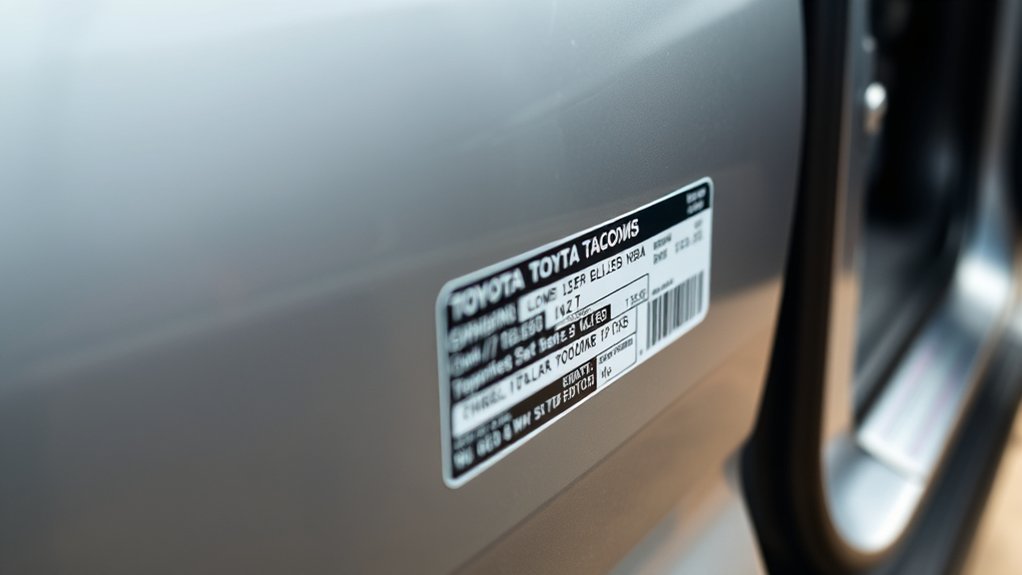
- Set cold tire pressure to the PSI listed on your driver-side door placard.
- Turn on headlights when rain lowers visibility or your wipers stay in use.
- Pick a route that avoids low-water crossings, poor drainage, and known flood spots.
- Leave early so you can drive slower without rushing through wet lanes.
Understand How Hydroplaning Happens in a Toyota Tacoma
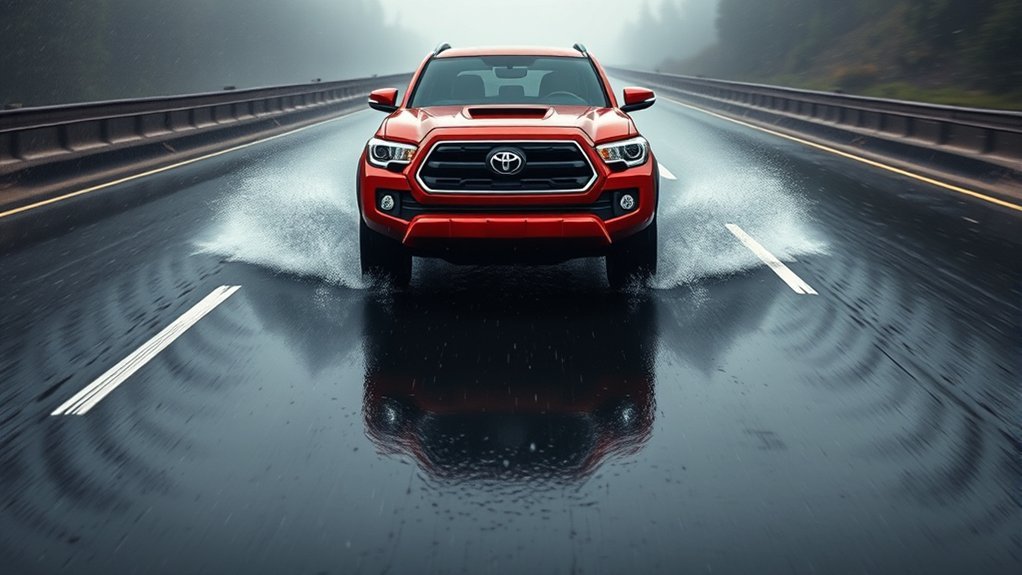
Hydroplaning happens when water builds faster than your Tacoma’s tire tread can move it away. The tire rides on a thin water film instead of gripping the pavement, so you lose steering and braking control.
Speed, water depth, tire pressure, tread depth, and tread design all affect the risk. Roads can feel slick after a dry spell because rain can lift oil, dust, and debris from the surface. You may feel light steering, delayed response, or a floating motion as the truck rides over water instead of asphalt.
According to AAA, wet-road braking starts to suffer well before tires reach the legal minimum tread depth, so replacing tires around 4/32" gives you a wider safety margin. Keep your Tacoma’s tires fresh and inflated to Toyota specs, rotate them on schedule, and replace worn tires before wet traction drops.
Quick Checklist: Prevent Hydroplaning Before You Drive
Use this pre-drive checklist before you hit wet roads. Check tire maintenance first: verify tread depth, inspect for cuts or bulges, and replace tires at 4/32" or sooner for stronger water evacuation. Confirm tire pressure matches Toyota’s door placard because correct inflation supports grip and predictable handling.
Plan your route to avoid standing water, heavy runoff zones, and road dips. Reduce speed before you reach puddles because lower speed gives tires more time to push water aside. Use smooth steering, light throttle, and steady braking so you don’t overload the tires when traction already feels weak.
Warning: Don’t use cruise control in heavy rain because you need direct throttle control if traction changes.
Early Signs Your Tacoma Is About to Hydroplane
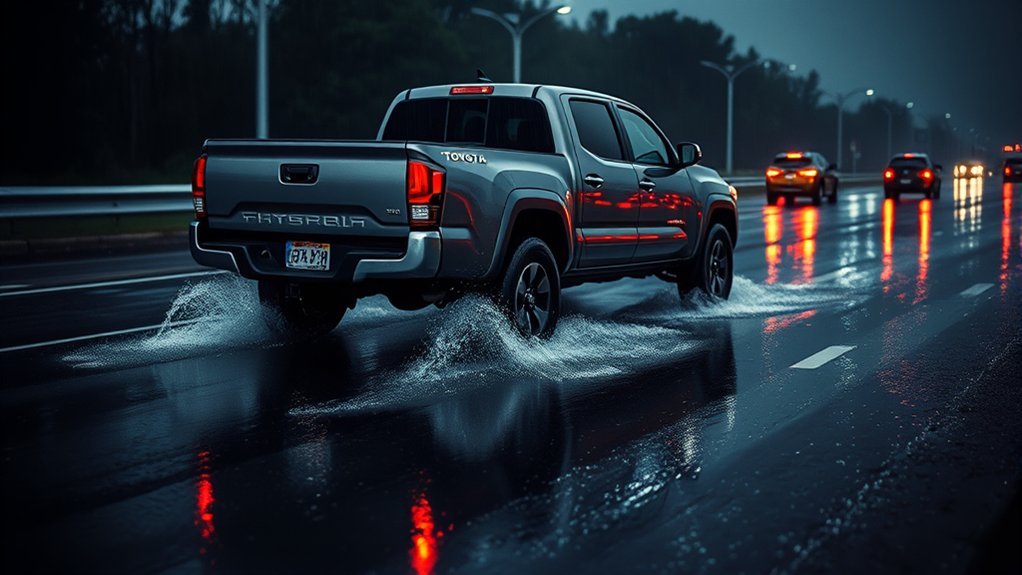
A clear warning sign is sudden loss of tire bite. Your Tacoma may feel light, the steering may go vague, and the truck may drift even when you hold the wheel steady.
You may also hear the engine rev slightly as the tires lose load, or you may feel a small sway as water lifts the tread. Watch for pooling, shiny pavement, tire spray from other vehicles, and lane ruts filled with water. Poor visibility from rain or spray adds risk because you can’t read the road surface early.
Slow before these signs turn into full loss of traction. Proactive tire care and weather awareness give you time to react before the truck starts to slide.
What to Do When Your Tacoma Starts to Hydroplane
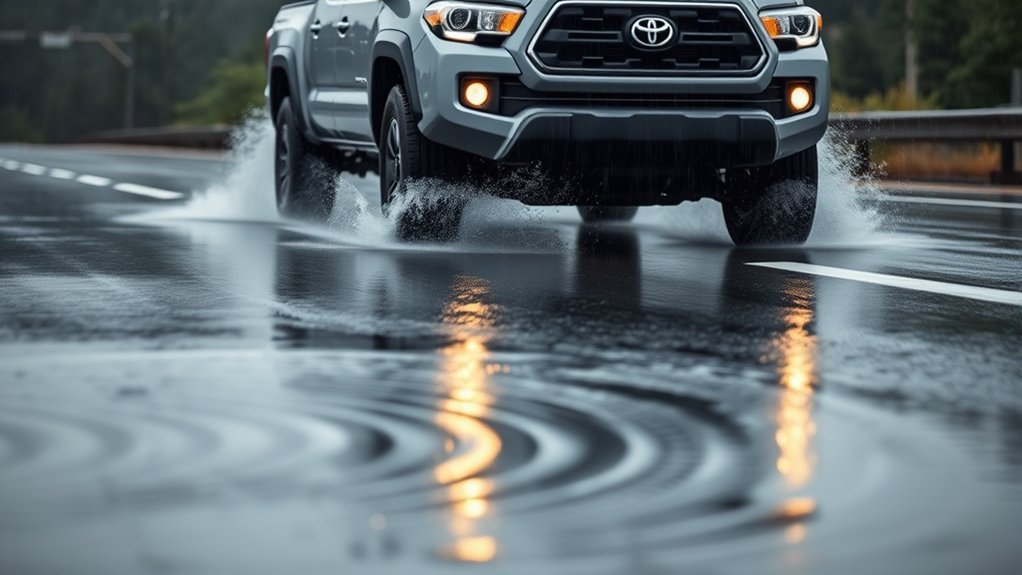
If your Tacoma starts to hydroplane, take your foot off the accelerator and let speed drop gradually. Don’t jerk the wheel or slam the brakes. Keep your eyes on the open path and make small steering corrections until the tires grip again.
If you need to brake and your Tacoma has an anti-lock braking system (ABS), press the pedal with steady, controlled pressure. If your truck lacks ABS, use gentle, measured braking only after you feel traction return.
[Products Worth Considering]

This smart tire tread depth gauge provides quick, accurate readings from 0 to 1 inch in 1/32-inch increments, helping drivers assess tire wear with confidence. Its color-coded display makes it easy to see tread condition at a glance, while the pocket clip adds convenient portability for garages, glove boxes, and on-the-go inspections. Designed for use on trucks, motorcycles, automobiles, and other passenger vehicles, it is a simple tool for safer tire maintenance.

This 50-pack of tire tread depth gauges offers a simple way to check tire wear quickly and accurately. Color-coded reading zones make it easy to see tread condition at a glance, while the compact design and pocket clip support convenient everyday carry. Built for repeated use, these gauges help drivers monitor tire safety with confidence.

This dial type tire tread depth gauge helps you quickly check tread wear on motorcycles, cars, trucks, and buses with easy-to-read 1/32-inch increments. Its colorful zone markings make it simple to assess tire condition for safer driving in different weather, while the durable zinc cast body and legible dial provide dependable everyday use.
Stay Off The Accelerator
Ease off the accelerator as soon as your Tacoma begins to hydroplane. This lets the tires slow and regain contact without abrupt force. Keep both hands steady, hold a calm driving posture, and avoid hard braking while the truck still feels light.
If your Tacoma has ABS, use firm, controlled pressure only when braking becomes necessary. Let the system manage wheel lock while you keep the steering steady. Once traction returns, resume gentle throttle and steering inputs.
| Action | Purpose |
|---|---|
| Ease off throttle | Reduce speed |
| Gentle ABS | Maintain control |
Steer Into The Slide
When your Tacoma starts to hydroplane, steer gently toward the safe path you want the truck to follow. Sudden or forceful wheel input can cause overcorrection and make the skid worse.
If the rear moves left, steer left enough to match the slide. If it moves right, steer right with the same calm control. Use the horn if nearby drivers need a warning, but keep your main focus on smooth steering and slow throttle release.
Quick Tire Checks: Tread, Pressure, and Age
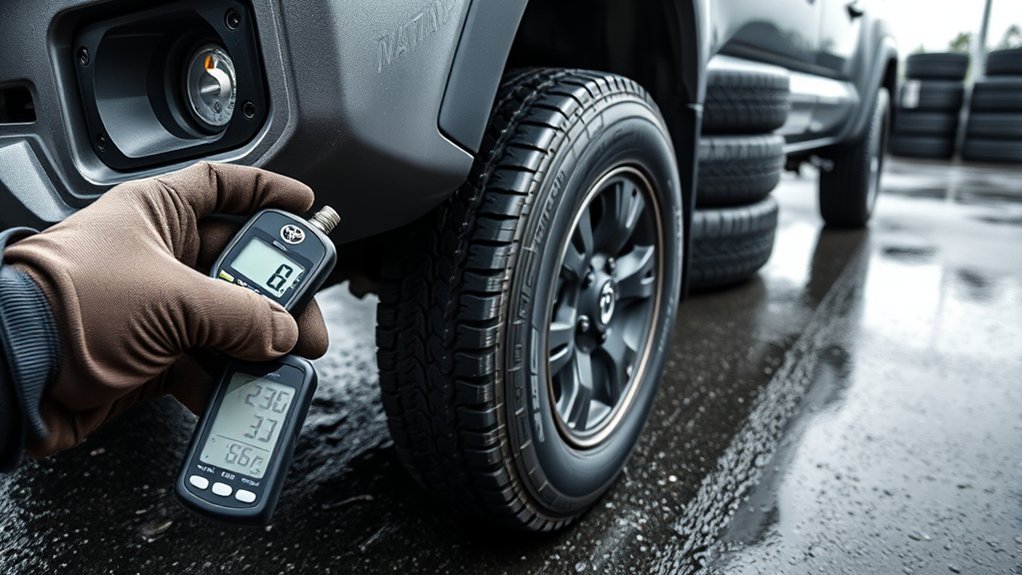
Before you drive in wet conditions, check tread depth with a gauge and replace tires around 4/32" to preserve water evacuation. Verify inflation to the manufacturer PSI because under-inflation can raise hydroplaning risk, and over-inflation can reduce wet-road contact. Inspect age cracks and follow manufacturer guidance because NHTSA notes that some vehicle and tire makers recommend replacement at six to 10 years, regardless of treadwear.
[Products Worth Considering]

This smart color coded tire tread depth gauge makes it easy to check tread wear at a glance with clear red, yellow, and green ranges. Calibrated from 0 to 1 inch in 1/32 inch increments, it helps you quickly assess tire condition for safer driving and timely replacements. The pocket clip design makes it convenient to carry and use on trucks, motorcycles, cars, and other passenger vehicles.

This LUMITECO tire tread depth gauge set makes it easy to monitor tire wear and maintain safer driving performance. The color-coded scale provides quick, easy-to-read measurements, while the compact pocket-size design and included clip make it convenient to keep in your vehicle or toolbox. Suitable for cars, trucks, motorcycles, and more, it offers a simple reusable way to check tread depth whenever needed.

This digital tire tread depth gauge helps you check tire wear quickly and accurately with fractional inch, decimal inch, and millimeter readouts. Its large LCD screen, zero reset function, and automatic shutoff make it easy to use for cars, motorcycles, SUVs, trucks, and pickups. Designed for clear readings and dependable measurement, it is a practical tool for routine tire safety checks.
Tread Depth Checks
Regular tread depth checks matter most before rainy drives. Use a tread depth gauge for the most accurate reading, then replace tires at 4/32" if you drive often in wet weather. The common penny test only shows when tread reaches about 2/32", which marks a late safety point, not a good wet-road target.
Inspect tread indicators molded into the grooves. When they sit flush with the tread, the tire needs replacement. Also scan for cracks, bulges, cuts, and uneven wear that can signal age, damage, poor alignment, or missed rotation.
Proper Tire Pressure
After checking tread depth, verify tire pressure with a calibrated gauge when the tires feel cold. Match the driver-side door placard PSI, not the maximum number printed on the tire sidewall. Correct pressure helps restore the contact patch and wet traction.
Check all four tires and the spare if your Tacoma carries one. Record readings, correct low pressure before driving, and look for repeated pressure loss. Pair pressure checks with routine alignment and balance checks because uneven wear can weaken grip in rain.
Tire Age Inspection
Check your tire age by reading the Department of Transportation (DOT) code on the sidewall. The last four digits show the week and year of manufacture. For example, 2522 means the tire came from the 25th week of 2022.
Replace tires that show cracking, bulging, exposed cords, or repeated pressure loss, even when the tread looks deep. Many manufacturers suggest closer inspection after about five years and replacement by six to 10 years. Your tire brand, storage conditions, heat exposure, and service history can change that timeline.
- Inspect the DOT code and note the manufacture week and year.
- Measure tread depth and replace around 4/32" for wet-road safety.
- Check for cracks, bulges, cuts, exposed cords, and irregular wear.
- Verify and adjust pressure to the manufacturer specs on cold tires.
Prioritize structural integrity over cosmetic life. A tire can look usable and still fail to grip well in rain.
Best Tires for a Toyota Tacoma in Wet Conditions (Sizes & Ratings)
Start with the tire size, load rating, and speed rating listed on your Tacoma’s door placard or owner’s manual. Tacoma tire sizes vary by model year, trim, wheel size, and modifications, so don’t rely on one universal size range. Many recent trims use sizes around 245/70R17, 265/70R17, 265/65R18, or 265/70R18, but your truck’s placard should guide the final choice.
For wet conditions, prioritize wide circumferential grooves, lateral sipes, strong wet-braking test results, and a tread depth you can maintain above 4/32". Models such as Goodyear Wrangler All-Terrain Adventure with Kevlar and Michelin Defender LTX M/S2 can fit some truck and SUV needs, but you should verify the exact size, load index, and wet-weather ratings before you buy.
Compare tread patterns carefully. Directional or asymmetric designs with open water channels can move water faster than shallow, closed tread blocks. Read independent wet handling, wet braking, and hydroplaning resistance tests from sources such as Tire Rack when available.
Note: A tire with strong off-road grip doesn’t always give the best wet-pavement braking, so check rain-specific test results.
[Products Worth Considering]

This color coded tire tread depth gauge helps you quickly check tire wear and monitor when replacement is needed. Calibrated in easy-to-read 32nds with clear red, yellow, and green ranges, it offers fast visual results for cars, trucks, motorcycles, and other passenger vehicles. The pocket clip makes it simple to keep on hand for routine maintenance and safety checks.

These tricolor door sill protectors help guard your vehicle’s entry points from scratches, scuffs, and everyday wear while adding a bold color accent. Made from abrasion-resistant, waterproof PU leather, they are designed for easy peel-and-stick installation and a clean finish that helps protect the original paint.

This steering clock spring is designed to restore reliable steering wheel controls across a wide range of Toyota models. It supports audio, cruise control, and other multifunction commands while matching OEM part numbers for confident replacement fitment. Built for dependable signal transfer and straightforward installation, it is an effective solution for repairing steering column control issues.
Safe Speeds and Driving Habits for Rainy Roads
No single speed prevents hydroplaning because water depth, tire condition, vehicle load, and pavement texture all matter. In heavy rain, reduce speed well below the posted limit and slow down before puddles, lane ruts, and shiny pavement. Smooth inputs protect vehicle stability better than last-second reactions.
Check tire tread frequently because deeper grooves help channel water and retain grip. Use headlights to improve visibility for you and other drivers. Increase following distance, avoid sudden lane changes, and leave cruise control off in heavy rain.
- Visualize deep tread grooves moving water away from the contact patch.
- Use smooth, gradual steering instead of abrupt lane corrections.
- Brake early with steady pressure instead of sharp pedal inputs.
- Keep clear sightlines with headlights and wipers matched to the rain.
These habits help you anticipate risk before panic starts. Decelerate early, steer with care, and give the tires time to work.
Route, Lane, and Puddle Choices to Reduce Water Exposure
Standing water and flooding often collect in low spots, outside lanes, road edges, and poorly drained intersections. Pick routes and lanes that reduce your exposure to pooled water. Favor higher ground, established main roads, and lanes with clear drainage when conditions allow.
Check weather and road-condition reports before you leave. Adjust your route or departure time to avoid peak runoff. Never assume a puddle is shallow because water can hide a washed-out road, debris, or a sharp pothole.
If you face unavoidable shallow pooling, slow gradually before you reach it, keep steering steady, and leave a safe gap from the vehicle ahead. If you face floodwater, turn around when you can do so safely. The National Weather Service warns that two feet of rushing water can carry away SUVs and trucks.
After the Water: Checks and Actions After Driving Through Floodwater
A simple post-flood routine can help you spot damage early. Safely pull over when conditions allow, park away from traffic, and check for obvious water entry, debris, wet connectors, or strange smells. Don’t keep driving if the engine runs rough, warning lights appear, or fluids look contaminated.
- Check under the hood for water in the air intake, soaked wiring, or wet connectors.
- Test brakes at low speed; stop driving if they feel spongy, weak, or uneven.
- Inspect tires for embedded debris, cuts, sidewall damage, or tread loss.
- Check oil and transmission fluid; tow the truck if either fluid looks milky.
These checks help you limit damage before small issues become expensive repairs. When you doubt the truck’s condition, call a qualified mechanic or towing service instead of forcing the drive.
When to Seek Professional Help After Hydroplaning
Have your Tacoma inspected if you hit a curb, shoulder, pothole, or deep water during the event. Ask a mechanic to check alignment, tires, wheels, brakes, suspension, and underbody parts. Small damage can make the next wet drive more dangerous.
Seek help right away if the steering wheel sits off-center, the truck pulls, brakes pulse, or warning lights stay on. Also schedule service if you notice vibration, tire sidewall bubbles, or fluid leaks after driving through water.
Frequently Asked Questions
What is the best way to avoid aquaplaning?
You avoid aquaplaning, also called hydroplaning, by slowing down before water collects on the road. Keep tire tread deep, set tire pressure correctly, steer smoothly, and avoid flooded lanes when you can.
Does AWD help prevent hydroplaning?
All-wheel drive and four-wheel drive can help your Tacoma move on low-traction surfaces, but they can’t stop hydroplaning. Hydroplaning happens at the tire contact patch, so tread depth, pressure, speed, and water depth matter more.
What are two simple ways to reduce hydroplaning risk?
First, replace worn tires around 4/32" if you drive in rain often. Second, reduce speed before standing water so the tread has time to push water away.
Should you brake when your Tacoma hydroplanes?
Don’t slam the brakes while the truck feels like it’s floating. Ease off the accelerator first, steer gently, and use steady ABS braking only if you need it and the tires start to grip again.
Can you drive through floodwater in a Tacoma?
You should avoid floodwater when you can turn around safely. Water can hide road damage, move faster than it looks, and damage the engine, brakes, wiring, and drivetrain.
Safety Disclaimer: This article is for informational purposes only and doesn’t replace professional driver training, Toyota service guidance, or advice from a qualified mechanic. Road, tire, weather, and vehicle conditions can change fast, so use caution and seek professional help after any serious slide, crash, flood exposure, or warning light.
Conclusion
Your safest hydroplaning defense comes from simple habits: good tires, correct pressure, lower speed, and calm inputs. Check your Tacoma before rain drives, slow down before pooled water, and avoid floodwater whenever you can. If the truck starts to float, ease off the accelerator and steer smoothly until traction returns. Small choices before and during rain can keep your Tacoma stable, predictable, and ready for the road ahead.
References
- Tire Safety Ratings and Awareness – National Highway Traffic Safety Administration, accessed 2026.
- Tread Lightly: Worn Tires Put Drivers at Risk – AAA Newsroom, 2018.
- Turn Around Don’t Drown – National Weather Service, accessed 2026.
- Hydroplaning – Bridgestone, accessed 2026.
- Driving in the Rain – City of San Jose Fire Department, accessed 2026.
- Michelin Defender LTX M/S2 – Michelin, accessed 2026.
- Wrangler All-Terrain Adventure With Kevlar – Goodyear, accessed 2026.