
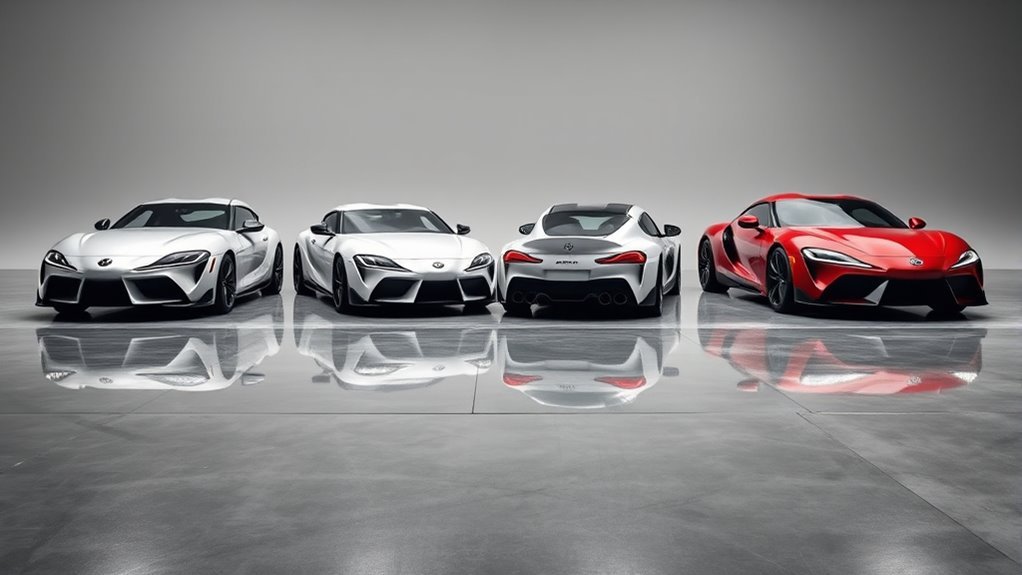
The Toyota Supra story starts with a longer, six-cylinder Celica and grows into one of Toyota’s most recognizable performance nameplates. Across five generations, the Supra moved from grand-touring comfort to turbocharged icon status, disappeared from the U.S. market, and returned as the modern GR Supra. Understanding those changes helps you choose the right generation for collecting, daily driving, restoration, or performance builds.
Quick Answer
The Toyota Supra began as the Celica Supra/Celica XX in 1978/1979, became its own rear-drive model in 1986, peaked in cult status with the A80 2JZ-GTE, and returned in 2019 as the BMW-co-developed GR Supra. For buyers, the A80 is the collector/tuning icon; the 2026 MkV is the modern daily choice.
Key Takeaways
- The Supra name first appeared in Japan in 1978 as Celica XX and reached North America as the 1979 Celica Supra.
- The A70 generation separated Supra from Celica and kept the front-engine, rear-wheel-drive layout.
- The A80 Mk4 is the most famous generation because of the 2JZ-GTE engine, motorsport presence, and aftermarket support.
- The fifth-generation GR Supra brought the model back in 2019, with the 2026 MkV Final Edition marking the current generation’s farewell in North America.
Quick Supra Timeline: Models, Years, and Why They Matter
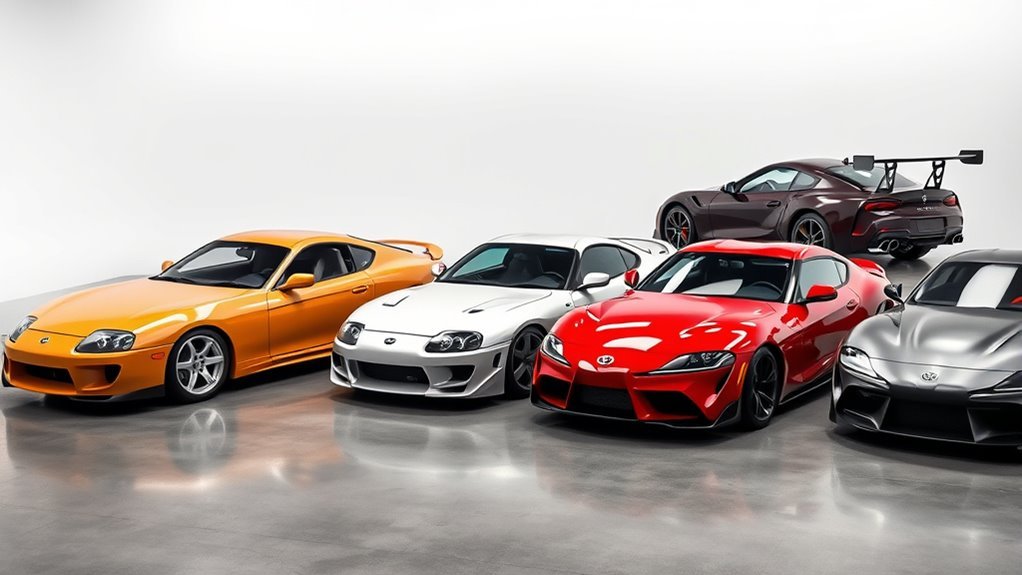
Five main Supra generations define the model’s history. Toyota first used the Supra name for a longer and more powerful Celica-based grand tourer, then separated the Supra into its own rear-drive model in the mid-1980s. Toyota UK’s history notes that the Supra name appeared in April 1978 as a longer, wider Celica spin-off, while the A70 later split from Celica onto a different platform.
| Generation | Years | What Changed | Best Fit Today |
|---|---|---|---|
| A40/A50 Mk1 | 1978/1979–1981 | Longer Celica-based grand tourer with inline-six power. | Historical interest and period-correct restoration. |
| A60 Mk2 | 1981/1982–1985 | Sharper styling, 2.8-liter 5M-GE engine, retractable headlights, and independent rear suspension. | Analog classic driving without Mk4 prices. |
| A70 Mk3 | 1986–1992 | Supra separated from Celica and gained stronger turbocharged performance. | Affordable turbo-era Toyota character, if condition is solid. |
| A80 Mk4 | 1993–2002 globally; U.S. sales ended in 1998 | 2JZ engines, optional twin turbo, six-speed manual, and major motorsport/tuning legacy. | Collecting, serious builds, and long-term enthusiast value. |
| A90/A91 Mk5 | 2019–2026 generation | GR Supra revival with BMW collaboration, modern chassis tuning, and 3.0-liter turbo inline-six power. | Daily driving, warranty-backed performance, and modern track use. |
Origins: The Celica Supra (1978–1981)
Toyota first used the Supra name in Japan in 1978 as the Celica XX. In North America, the car arrived for the 1979 model year as the Celica Supra. It was longer than the regular Celica because Toyota needed space for a smooth inline-six engine instead of the Celica’s four-cylinder setup.
This first Supra leaned more toward grand touring than track performance. Toyota positioned it as a more luxurious, more powerful Celica variant with features such as four-wheel disc brakes, a comfortable cabin, and equipment aimed at longer highway drives. The key point is simple: the Supra started as a premium Celica-based GT, not as a standalone sports car.
Performance Upgrades in the A60 (1981–1985)
The A60 generation made the Supra sharper and more athletic. Toyota UK identifies this generation as the A60 Celica XX in Japan and Celica Supra in export markets, with a 2.8-liter 5M-GE flagship twin-cam engine, retractable headlights, wider wheel arches, and independent rear suspension.
That independent rear suspension mattered because it helped the car feel more composed on winding roads. The A60 still delivered comfort, but it moved the Supra closer to the sports-GT identity that later generations would build on.
Independence: The A70 Supra (1986–1992)
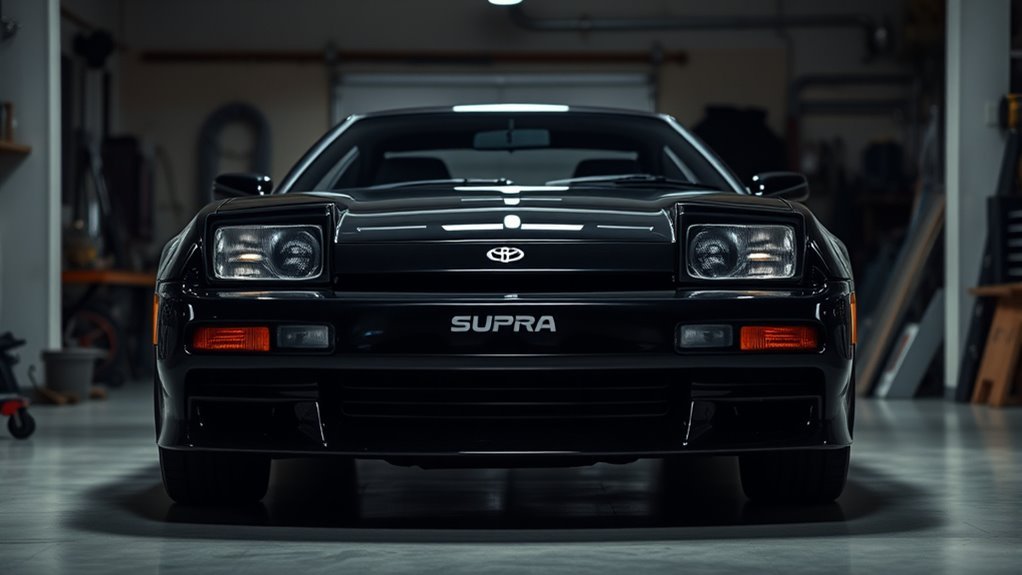
The A70 marked the Supra’s major break from the Celica. Toyota ended A60 Celica Supra production in late 1985, then split Celica and Supra into different models. Celica moved in a front-wheel-drive direction, while Supra stayed focused on rear-wheel-drive grand touring.
This generation introduced a more serious performance identity. Depending on market, the A70 offered several straight-six engines, with the 3.0-liter 7M-GTE turbocharged engine sitting at the top of the range. Toyota UK notes that the Japanese 3.0GT Turbo delivered 230 bhp, while the limited 3.0GT Turbo A rose higher for homologation use.
A70 Chassis and Engineering Focus
The A70 used double-wishbone suspension at all four corners and a more refined chassis layout. Toyota aimed to reduce cabin vibration while improving stability, which made the car feel more mature than the Celica-based Supras before it.
For buyers today, the A70 can be appealing because it offers turbo-era Toyota character at a lower entry cost than a clean A80. Condition matters more than mileage alone, so inspect for head-gasket issues, cooling-system neglect, rust, old suspension bushings, and poor-quality modifications.
A70 Market Positioning Shift
The A70 changed how buyers saw the Supra. It was no longer a Celica trim or a stretched Celica variant. It became Toyota’s rear-drive performance grand tourer, competing with other Japanese sports cars from the same era.
This shift set up the A80. Toyota had already proven that Supra could stand on its own name, so the next generation could move further toward high-performance sports-car territory.
Supra Mk4 A80 (1993–2002): What Defined It
The A80 Supra is the generation most people picture when they hear “Mk4 Supra.” Toyota unveiled the fourth-generation model in the early 1990s with a stronger focus on speed, lower weight, aerodynamics, and serious performance. Toyota UK describes the A80 engine lineup as naturally aspirated and twin-turbocharged 3.0-liter JZ-series straight-six engines, with output ranging by market.
The twin-turbo 2JZ-GTE made the A80 famous. In U.S. specification, the turbo model is widely associated with 320 hp, a six-speed manual option, and a chassis that could handle far more power than many buyers expected from a factory Toyota. U.S. sales ended by the end of 1998, while Japanese production continued until 2002.
The A80 Supra became valuable because it combined rarity, 1990s Japanese performance culture, a strong 2JZ foundation, and a reputation that grew long after new-car sales ended.
Supra Mk4 Tuning and Racing Legacy
The Mk4 Supra’s tuning reputation comes from the 2JZ-GTE engine, strong drivetrain options, and deep aftermarket support. High-power builds are common in enthusiast circles, but reliable power is never as simple as “add boost.” Fuel delivery, engine management, cooling, turbo choice, transmission health, differential condition, and professional calibration all matter.
The A80 also built credibility through racing and media exposure. Toyota UK notes that the Mk4 competed in events including Le Mans, Pikes Peak, SCCA racing, and Japan’s JGTC series. That combination of motorsport use and pop-culture visibility helped the car become a modern collector icon.
| Modification Area | What It Can Improve | Buyer Caution |
|---|---|---|
| Turbo system | Power and response | Check tune quality, boost control, heat management, and supporting fuel upgrades. |
| Fueling and ECU | Safer high-load operation | Avoid cars with unknown maps, wiring shortcuts, or missing dyno documentation. |
| Brakes and suspension | Control, grip, and track durability | Inspect for worn bushings, tired dampers, cracked mounts, and uneven tire wear. |
Note: A modified Supra is not automatically better than a stock one. Documentation, parts quality, and tuning history often matter more than the advertised horsepower number.
[Products Worth Considering]
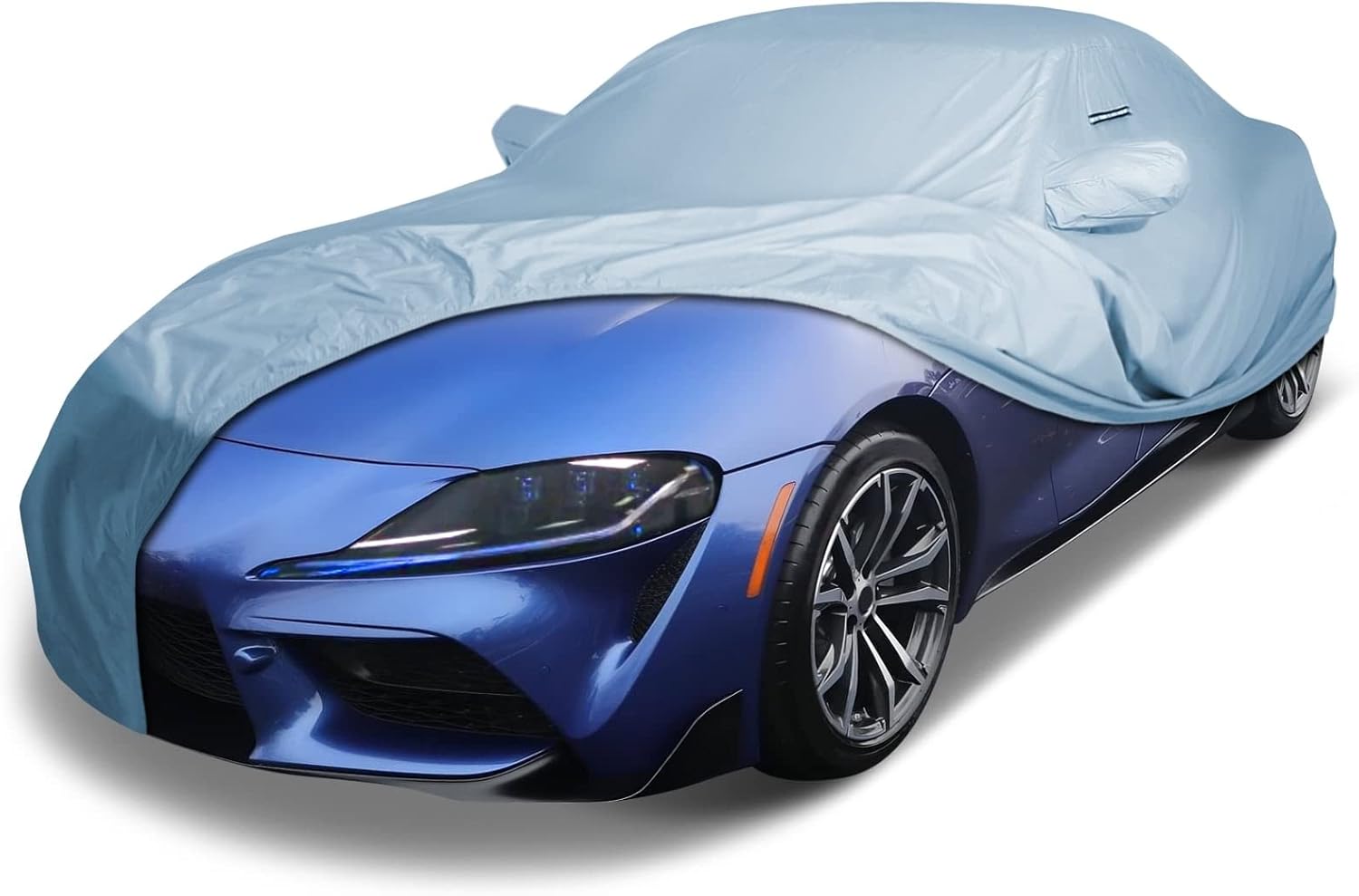
Protect your 2020-2026 Toyota GR Supra with a precision custom-fit cover designed to hug the vehicle’s contours for a secure, reliable fit. Built for all-weather use, it...
Why Supra Vanished From the U.S. Market in the Late 1990s
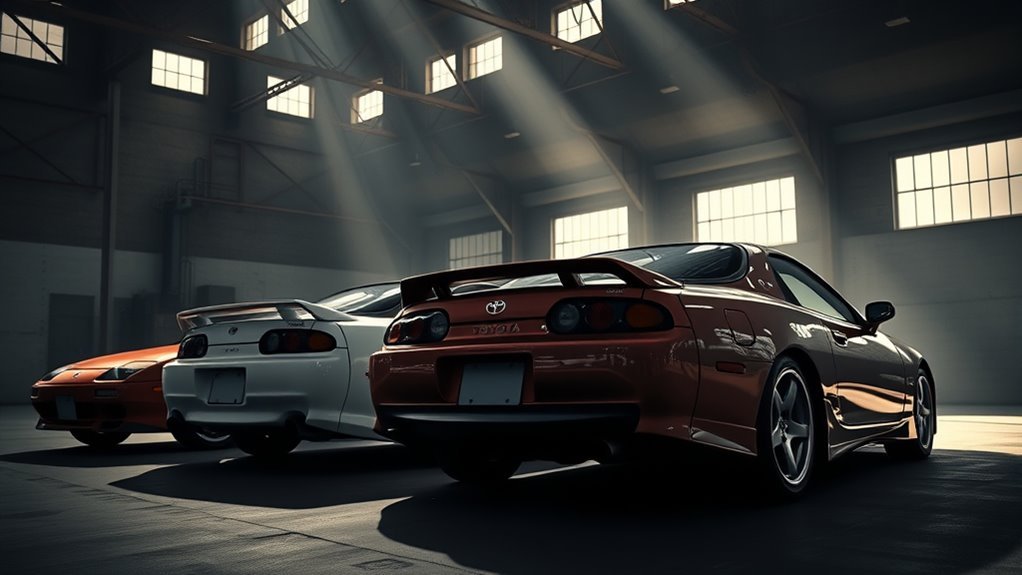
The Supra did not disappear because it lacked engineering credibility. It disappeared because the market changed. By the late 1990s, many buyers had shifted away from expensive Japanese sports cars, while Toyota faced the cost of keeping the low-volume A80 compliant with future emissions requirements.
Toyota UK notes that North American sales had finished by the end of 1998, and Japanese production ended in July 2002. That long gap helped turn clean A80 examples into collector cars because supply stopped while enthusiast demand kept growing.
The Return: Gazoo Racing and the A90
Toyota teased a Supra comeback for years through concept cars and motorsport programs. The FT-1 concept pointed strongly toward a future front-engine, rear-wheel-drive sports car, while Toyota Gazoo Racing helped frame the Supra as part of Toyota’s modern performance identity.
The production GR Supra arrived in 2019 after a 17-year gap from the end of the previous Supra’s production. Toyota developed the fifth-generation car with BMW, which is why the Mk5 shares architecture and major components with the BMW Z4. That partnership remains controversial among some enthusiasts, but it also gave Toyota a modern inline-six, compact rear-drive platform, and a quicker path back to the sports-car market.
Modern Performance: The A90 and A91 GR Supra
The modern GR Supra focuses on speed, balance, and everyday usability. Toyota’s 2026 U.S. GR Supra page lists a 3.0-liter turbocharged inline-six, a 0–60 mph time of 3.9 seconds, and the choice of a six-speed manual or eight-speed automatic transmission. That makes the Mk5 the easiest Supra generation to live with if you want modern safety features, current parts support, and less restoration risk.
The 2026 model year also adds important final-edition context. Toyota’s U.S. page lists the MkV Final Edition as a limited North American release of 1,300 units. Separately, Toyota Gazoo Racing announced a Japan/Europe A90 Final Edition limited to 300 units, with output increased to 320 kW / 435 PS and 570 N·m of torque. Those are market-specific final-edition details, so buyers should verify the exact region and trim before comparing cars.
Buying Guide: Choosing Your Supra
The right Supra depends on what you want from the car. A collector may prioritize a documented A80 Turbo manual. A daily driver may prefer a newer GR Supra. A restoration-minded buyer may enjoy an A60 or A70, but only if parts access and rust repair do not overwhelm the budget.
| Goal | Best Supra Generation | Why |
|---|---|---|
| Collectibility | A80 Mk4 | Strong demand, 2JZ reputation, limited clean supply, and major enthusiast recognition. |
| Daily use | A90/A91 Mk5 | Modern performance, current parts support, advanced electronics, and better comfort. |
| Tunability | A80 Mk4 | Deep aftermarket support and proven 2JZ-GTE performance potential. |
| Classic feel | A60 or A70 | Analog controls, period styling, and lower profile than the Mk4 market. |
Warning: Before buying any used Supra, check the VIN, service records, title history, import paperwork, and open recalls. NHTSA’s recall lookup can show unrepaired recalls for many U.S. vehicles, but older, repaired, recent, or international recall records may require extra verification.
[Products Worth Considering]

𝐏𝐚𝐫𝐭 𝐍𝐮𝐦𝐛𝐞𝐫: 13011-46051, 1301146051; 13011-46050, 1301146050 (ES: Anillos de pistón del motor)

[Vehicle Fitment]: Compatible with Toyota Supra 1993 1994 1995 1996 1997 1998 L6 3.0L Turbocharged
Pre-Purchase Checks Before You Buy a Used Supra
A Supra can be rewarding, but age and modifications can hide expensive problems. Before you commit, arrange a pre-purchase inspection with a shop that understands Toyota performance cars, imported Japanese vehicles, or BMW-based GR Supra models, depending on the generation you are buying.
- Rust and structure: Check rocker panels, wheel arches, underbody seams, suspension mounting points, hatch areas, and accident repairs.
- Engine health: Ask for compression or leak-down results on older performance builds, especially turbo cars.
- Cooling system: Inspect radiator age, hoses, fans, coolant condition, and signs of overheating.
- Modification quality: Look for receipts, tune records, branded parts, clean wiring, and realistic power claims.
- Drivetrain: Test clutch engagement, gearbox feel, differential noise, and driveshaft vibration.
- Electronics and trim: Older interior, dashboard, weatherstrip, and electronic parts can be harder to replace than mechanical wear items.
- Recalls and documentation: Use official recall tools where available and confirm that any recall work was completed.
Frequently Asked Questions
How do I find official Toyota Supra production numbers?
Start with Toyota historical materials, market-specific registration records, enthusiast archives, and auction documentation. Exact annual production by trim, transmission, color, and country is not always available in one official database, so treat highly specific numbers carefully unless the source shows where the data came from.
Are parts for older Supras easy to find?
Common maintenance parts are usually easier to source than trim, interior, body, and market-specific components. A60, A70, and A80 buyers should budget extra time for discontinued parts, used components, specialty vendors, and restoration work.
How does insurance differ between Supra generations?
Insurance depends on agreed value, usage, storage, driver profile, modifications, and local rules. Clean Mk4 Supras may need collector or agreed-value coverage, while newer GR Supras usually fit more traditional performance-car policies. Always disclose modifications because undeclared changes can create claim problems.
Were Toyota Supras used as police vehicles?
Some Supras have appeared in police, show, promotional, or specialty fleet contexts, especially in Japan. For any specific car, verify provenance with registration records, official photos, agency documentation, or period evidence before treating it as a genuine police-service vehicle.
Which Toyota Supra generation is best for tuning?
The A80 Mk4 is still the best-known tuning platform because of the 2JZ-GTE, aftermarket support, and strong community knowledge. The Mk5 GR Supra also responds well to modern tuning, but it uses a different BMW-derived platform and requires a different parts and calibration ecosystem.
Is the Mk5 GR Supra a “real” Supra if it shares parts with BMW?
Yes, it is Toyota’s official fifth-generation Supra, sold as the GR Supra and tuned around Toyota’s performance goals. The BMW collaboration is real, so buyers should understand the shared platform, engine family, electronics, and service needs. Whether that matters depends on whether you value Toyota-only lineage or modern performance and usability.
Conclusion
The Toyota Supra legacy covers several very different cars. The early Celica Supra models suit fans of Toyota history, the A70 gives you a separate rear-drive GT identity, the A80 Mk4 remains the tuning and collector icon, and the A90/A91 GR Supra delivers the easiest modern ownership experience.
If you are shopping, do not buy on reputation alone. Match the generation to your goal, inspect the exact car carefully, verify records, and be realistic about parts, modifications, and long-term upkeep. A well-documented Supra is almost always the smarter buy than a cheaper car with missing history.
Sources
- Toyota UK: History of the Toyota Supra — backs up Supra generation history, A40/A60/A70/A80 context, U.S. sales ending, and 2002 production end.
- Toyota U.S.: 2026 GR Supra — backs up current U.S. GR Supra specs, 3.0-liter turbo inline-six, 0–60 mph claim, transmissions, and MkV Final Edition North American limited-run details.
- Toyota Gazoo Racing: A90 Final Edition announcement — backs up Japan/Europe A90 Final Edition details, limited production, output, torque, and end-of-current-model context.
- NHTSA Recalls Lookup — backs up used-car recall-check guidance and VIN lookup cautions.

[…] article covers the A80/Mk4 2JZ-GTE, not the modern GR Supra’s B58 engine. See the Toyota Supra generation guide for model history, the Mk4 Supra buying guide for whole-car inspection advice, or the Supra B58 […]
[…] aero on the 2020–2026 MkV GR Supra. If you are identifying an older car, start with the Toyota Supra generation history, then use the correct A80 wiring and service information for that market and model […]