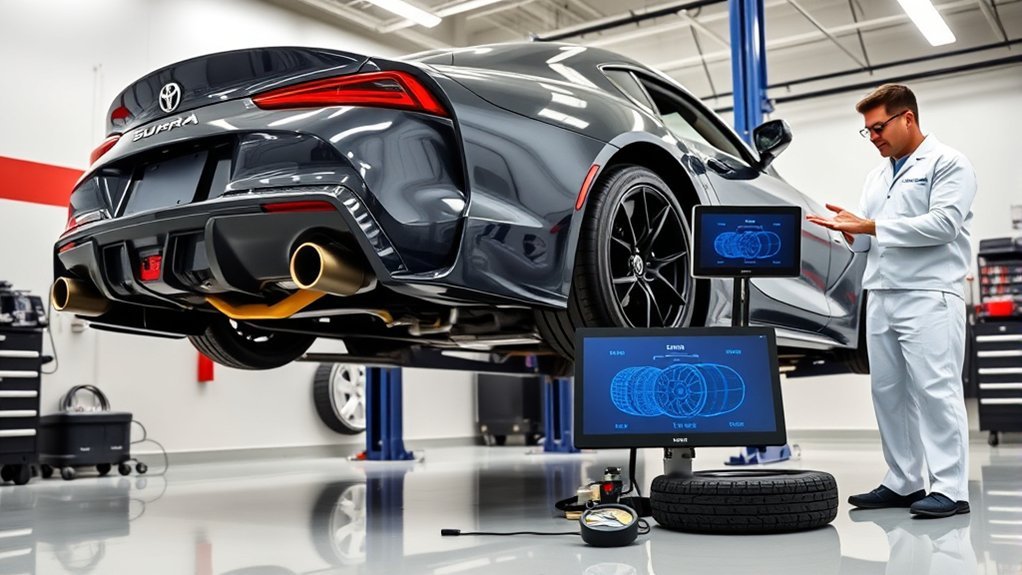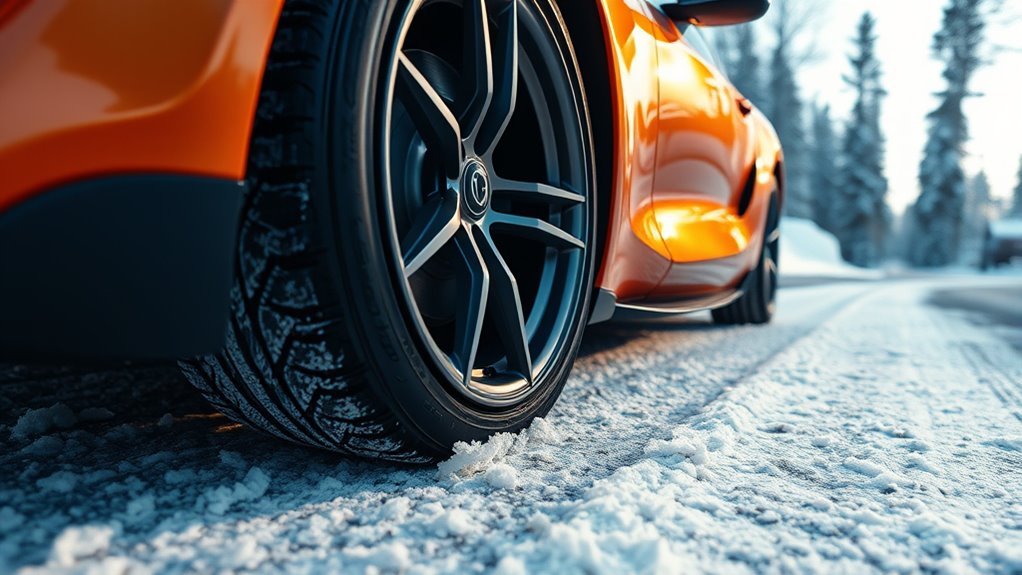
The GR Supra can feel busy on broken pavement because it is a short, low, rear-wheel-drive sports car with sharp steering, wide performance tires, and firm body control. That does not mean something is wrong every time it reacts to a bump, but harsh impacts, tramlining, midcorner nervousness, or sudden stability-control intervention are signs you should check tires, pressures, alignment, suspension condition, and driving mode before buying parts.
Quick Answer
To calm a Supra on rough roads, start with the basics: set cold tire pressures to the door-jamb placard, inspect tire wear, use Normal mode instead of Sport, and get an alignment check. If the car is lowered or on worn dampers, restoring proper suspension travel usually helps more than adding stiffer parts.
Key Takeaways
- The GR Supra’s firm sports-car tuning, short wheelbase, wide tires, and low-profile sidewalls make it more sensitive to potholes, seams, and midcorner bumps than a softer touring car.
- The first fixes are simple: correct tire pressure, inspect tire condition, check alignment, use Normal mode, and confirm the suspension has not been poorly lowered.
- For daily comfort, choose a tire that balances grip, noise, wet traction, and sidewall compliance rather than chasing the widest or stickiest option.
- Suspension upgrades should add control without removing travel; overly stiff springs or aggressive lowering can make rough-road handling worse.
At a Glance
| Time Required | 15–30 minutes for checks; 1–3 hours for alignment or suspension inspection |
| Difficulty | Easy for tire checks; moderate for setup changes |
| Tools Needed | Quality tire-pressure gauge, tread-depth gauge, flashlight, alignment printout, service records |
| Cost | Free for driving-mode and pressure checks; moderate for alignment; higher for tires or dampers |
Quick Fixes to Calm an Unsettled Supra on Rough Roads

If your Supra feels unsettled on rough asphalt, do not start with coilovers or sway bars. Start with the items that most often create harshness and dartiness: tire pressure, tire age, uneven wear, alignment, ride height, and worn suspension parts. The National Highway Traffic Safety Administration stresses that tires are the only part of the vehicle touching the road, so tire condition and maintenance have a direct effect on safety, control, and ride feel.
- Set cold tire pressures correctly: Use the tire-pressure label on the driver-side door jamb, not the number molded into the tire sidewall. Check pressures before driving or after the car has been parked long enough for the tires to cool.
- Inspect the tires: Look for cupping, inner-edge wear, cracking, feathering, plugs, bulges, or mismatched brands. Any of these can make the car feel nervous.
- Switch out of Sport mode: On 2026 models, Toyota says Normal mode balances stability with supple ride comfort, while Sport mode creates a flatter posture and more agile steering response.
- Check alignment: Toe problems can make the car wander or follow grooves. Too much negative camber from lowering can also create inner-edge tire wear and tramlining.
- Inspect ride height and suspension travel: A lowered Supra can look better but ride worse if it has too little bump travel or poor damper matching.
Warning: Do not reduce tire pressure below the placard recommendation just to soften the ride. Underinflation can increase heat buildup, tire wear, braking distance, and the risk of tire failure.
How the Supra Reacts to Sharp Bumps: Why It Feels Nervous
The GR Supra is tuned to feel immediate. Toyota lists the current GR Supra as a rear-wheel-drive sports car with sport-calibrated electronic power steering, a double-joint MacPherson strut front suspension, a multi-link rear suspension, and high-performance Michelin Pilot Super Sport tires on 2026 models. That setup gives the car strong grip and quick responses, but rough pavement can expose the tradeoff.
A rough-road Supra usually needs more compliance and cleaner setup, not automatically more stiffness.
Sharp bumps can unsettle the car in three main ways:
- Vertical impact: Low-profile performance tires have less sidewall cushion, so impacts reach the chassis quickly.
- Midcorner load change: A bump while cornering can briefly reduce grip at one tire, which makes the car feel like it shifted sideways.
- Electronic intervention: Traction and stability systems may trim power or apply braking when they detect slip or yaw, which can feel abrupt if you are still adding throttle.
This behavior is most noticeable on cracked asphalt, bridge joints, rippled pavement, patched corners, and roads with truck grooves. On smooth pavement, the same sharp setup is part of what makes the Supra feel responsive and rewarding.
Tires That Improve Supra Comfort vs. Grip: Best Options
Tire choice has a huge effect on how settled a Supra feels. The 2026 GR Supra uses Michelin Pilot Super Sport tires from the factory, and Michelin describes that tire as a high-performance summer tire built for dry handling, wet grip, and sports-car control. That is good for response and grip, but any max-performance summer tire in a low-profile size will transmit more texture than a touring tire.
When choosing replacement tires, stay with the correct size, load rating, speed rating, and seasonal category for your climate. A tire shop can confirm whether a replacement size changes pressure requirements or clearance. Do not mix summer, all-season, and winter tires on the same car.
| Goal | Good Tire Direction | What to Watch |
|---|---|---|
| Maximum steering response and dry grip | Michelin Pilot Super Sport or similar max-performance summer tire | More road texture, shorter cold-weather usefulness |
| Daily comfort with strong performance | Premium max-performance summer tire with strong comfort and noise ratings | May feel slightly less razor-sharp than the most aggressive tire |
| Cold or light-winter driving | Dedicated winter tire or performance all-season tire in the correct size | Less dry grip than a summer tire in warm weather |
| Track or canyon use | Extreme-performance summer tire | More noise, faster wear, harsher impacts, poor cold-weather behavior |
Note: A wider tire is not always more comfortable. Wider tires can add grip, but they can also follow ruts more aggressively and send more road impact into the cabin.
[Products Worth Considering]

This 2-piece suspension tool set combines a compact strut spreader with a high-leverage lower control arm prying tool to help speed up safe suspension service. Designed for many FWD, import, and domestic vehicles, it supports strut, hub, ball joint, and control arm work while helping reduce the risk of damage to surrounding components. Heavy-duty steel construction makes it a dependable choice for mechanics and serious DIY suspension repair.
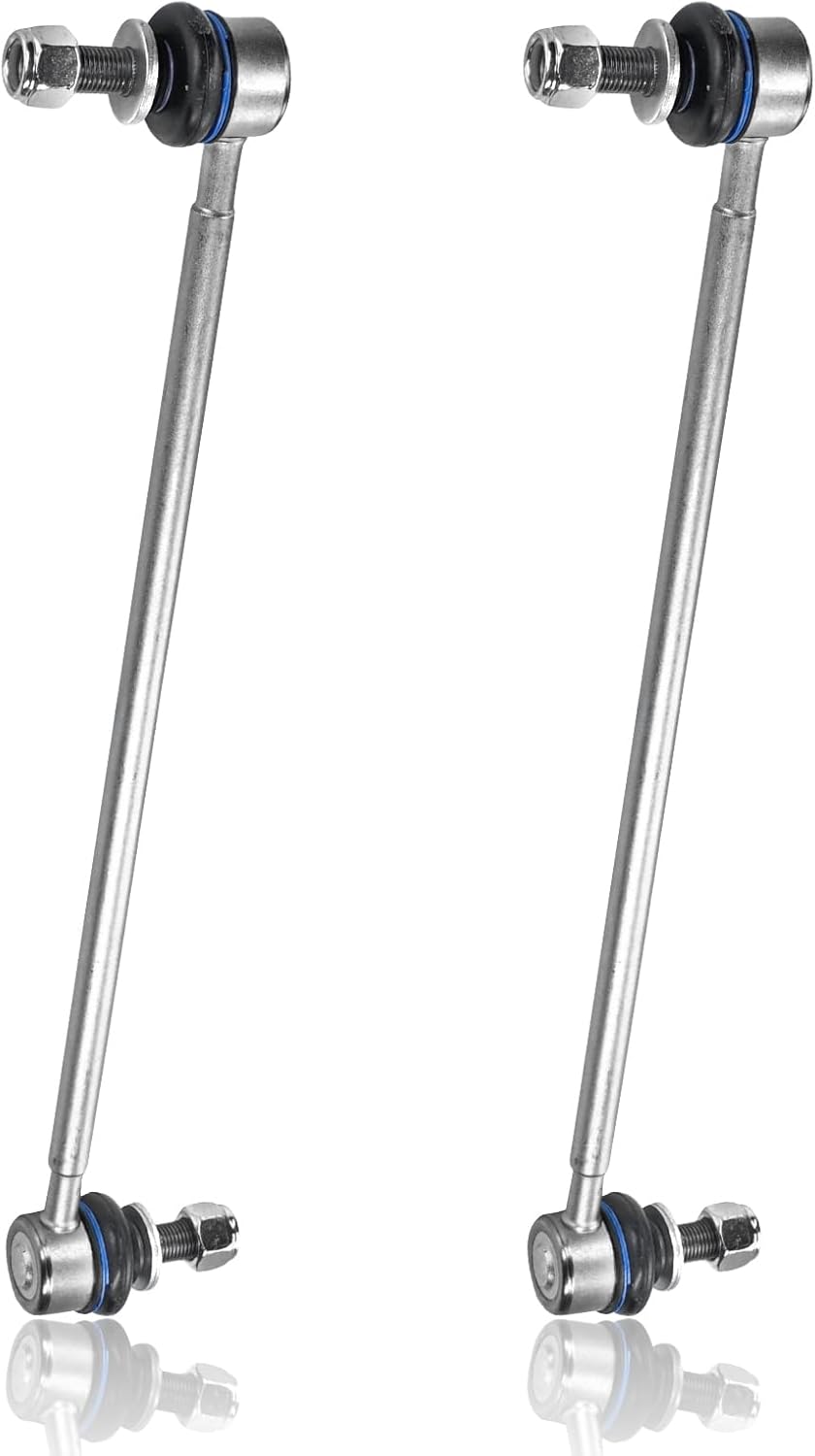
These front stabilizer sway bar end links are designed to restore smooth, stable handling and reduce noise and vibration during turns and over bumps. Compatible with select Toyota, Prius, and Scion models, they offer a reliable replacement built to meet manufacturing standards with corrosion-resistant coating and a strong, durable body.

This wheel alignment tool makes it easy to check and adjust toe-in and toe-out at home for better handling, stability, and more even tire wear. Designed for one-person use, it includes tape-measure slots for simple setup and accurate measurements without extra help. Its stainless steel construction and broad vehicle compatibility make it a practical addition to any DIY garage.
Stock vs. Modified Supra Suspension: What Changes Feel Like

The stock Supra setup is already firm compared with normal commuter cars, but it is designed to keep enough suspension travel for real roads. Toyota says all 2026 GR Supra grades include Adaptive Variable Suspension, and the system adjusts damping based on driving inputs and road-surface conditions. That means a healthy stock car should feel controlled, not loose or crashy.
[Products Worth Considering]

This front stabilizer sway bar link set is designed to restore smooth, controlled handling and reduce clunking noises caused by worn suspension components. Built with a zinc-nickel alloy coating, carbon steel, and reinforced ball studs, it offers strong corrosion resistance and durable performance for a wide range of Toyota, Lexus, and Scion models. It is engineered for straightforward installation and reliable OE-style fitment.

This DIY toe alignment tool kit helps home mechanics quickly check and adjust front-end toe after suspension, steering, or tire service. Stainless steel toe plates and dual tape measures provide a simple, reliable reference for reducing uneven tire wear and improving straight-line tracking without needing a full alignment machine.

Designed for Toyota RAV4 models from 2013 through 2018, this three-piece windshield wiper set delivers clear, quiet performance for dependable visibility in changing weather. The precision-fit blades provide streak-free wiping, simple installation, and durable all-season use with reduced wind noise and consistent pressure across the windshield.
Stock Suspension Feel
A stock Supra should feel taut, quick, and planted. You may still hear tire slap over expansion joints or feel the car move over sharp bumps, but the body should settle quickly without bouncing. If it feels like it skips sideways, bangs into the bump stops, or needs constant steering correction, inspect the setup.
Common signs the stock suspension is working properly include:
- Body motion settles after one compression-and-rebound cycle.
- The car tracks straight on a flat road with minimal steering correction.
- There is no clunking, knocking, scraping, or metallic impact over bumps.
- Tire wear is even from side to side, with no severe inner-edge wear.
Lowered Ride Tradeoffs
Lowering a Supra can improve appearance and reduce body movement, but it can also reduce suspension travel. Once the car has less room to absorb a bump, the tire and damper must handle more of the impact. That can make the ride feel sharper and make the car more nervous on uneven corners.
A lowered car is more likely to feel harsh if it has:
- Springs that are too stiff for the damper;
- Dampers that are set too firm for the road;
- Too much toe-out or excessive negative camber;
- Worn control-arm bushings or top mounts;
- Wheel or tire sizes that reduce sidewall height;
- Insufficient bump-stop clearance.
Pro Tip: Ask for an alignment printout before and after any suspension work. A car that “feels twitchy” after lowering often has a toe or camber issue, not a mysterious chassis problem.
Spring and Damper Effects
Springs hold the car up and control how much the body moves. Dampers control how quickly the suspension compresses and rebounds. If springs are too stiff or dampers are poorly matched, the car can lose compliance and feel busy over broken pavement.
Good rough-road suspension tuning aims for three things:
- Enough travel: The suspension needs room to move before hitting bump stops.
- Controlled rebound: The tire should return to the road without bouncing or skipping.
- Balanced stiffness: The front and rear should work together so one end of the car does not feel nervous.
For a street-driven Supra, quality dampers with sensible spring rates are usually better than the stiffest coilover setting. If the car is mainly used on rough city roads, choose comfort-adjustable components and avoid aggressive track-only setups.
Use Modes and Driver Inputs to Reduce Instability
Driving mode and input smoothness matter because the Supra responds quickly. Toyota lists Normal, Sport, and Individual drive modes for the 2026 GR Supra. Normal mode is the better starting point for broken pavement because Toyota says it provides a balance between vehicle stability and supple ride comfort. Sport mode sharpens the car, which can feel exciting on smooth roads but busier on rough ones.
Switch to Normal Mode
If the car feels jumpy, switch to Normal mode. It softens the overall feel compared with Sport, reduces the sense of sharpness over rough surfaces, and helps the chassis feel calmer during everyday driving. If you use Individual mode, avoid combining the stiffest damping feel with rough pavement unless the road is smooth enough to support it.
Smooth Throttle Inputs
The Supra’s rear-wheel-drive layout rewards smooth throttle control. When you add power abruptly over a midcorner bump, the rear tires may have to manage cornering force and acceleration at the same time. That can make the car feel unsettled even when nothing is mechanically wrong.
Use progressive throttle instead:
- Hold a steady throttle over the bump;
- Let the car settle before adding power;
- Avoid sudden lift-off in the middle of a rough corner;
- Feed in throttle as the steering wheel unwinds.
Gentle Steering Corrections
Small steering corrections work better than quick sawing motions. If the front tires hit a seam or rut, the wheel may tug slightly. Grip the wheel lightly, look where you want the car to go, and make measured corrections rather than fighting every texture in the road.
- Keep steering inputs small to preserve lateral grip.
- Do not add full throttle while the car is still bouncing or loaded midcorner.
- Brake before the roughest part of the corner, then release the brake smoothly.
- Use road position to avoid potholes, raised manholes, and broken pavement when safe.
Practical Upgrades for Smoother, More Predictable Supra Handling
Once the basics are correct, targeted upgrades can make the Supra smoother and more predictable without dulling the car. The best upgrade depends on what you are trying to fix: harsh impacts, tramlining, midcorner bounce, tire noise, or lack of grip.
[Products Worth Considering]

This steering clock spring is designed to restore reliable steering wheel controls across a wide range of Toyota models. It supports audio, cruise control, and other multifunction commands while matching OEM part numbers for confident replacement fitment. Built for dependable signal transfer and straightforward installation, it is an effective solution for repairing steering column control issues.
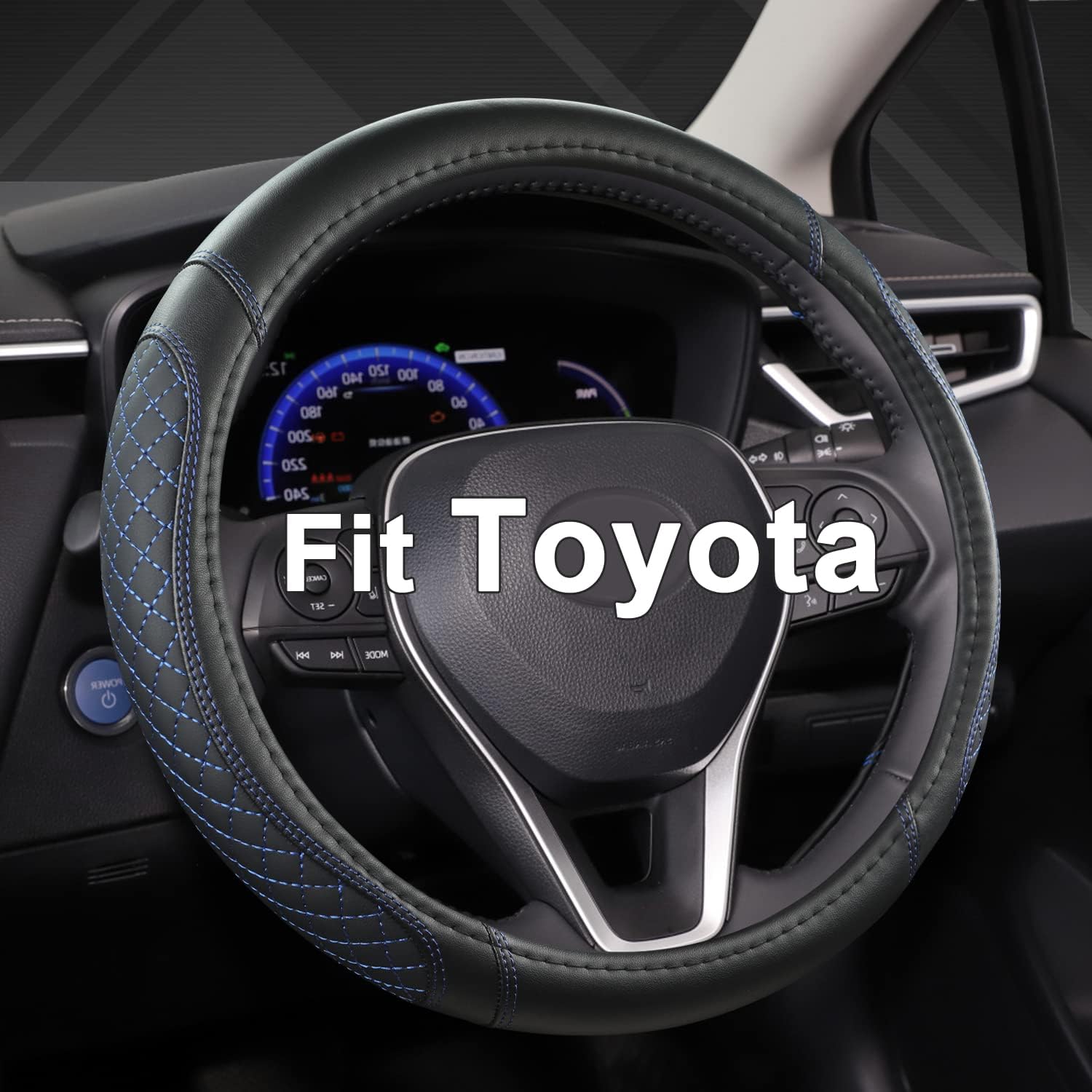
This custom-fit steering wheel cover is designed for select Toyota models and sized for standard steering wheels to help improve grip and comfort while driving. Made with soft microfiber leather and a non-slip rubber inner ring, it adds control, protects your wheel, and brings a stylish diamond-quilted look to your car interior. Installation is simple and tool-free, making it an easy upgrade for everyday driving.
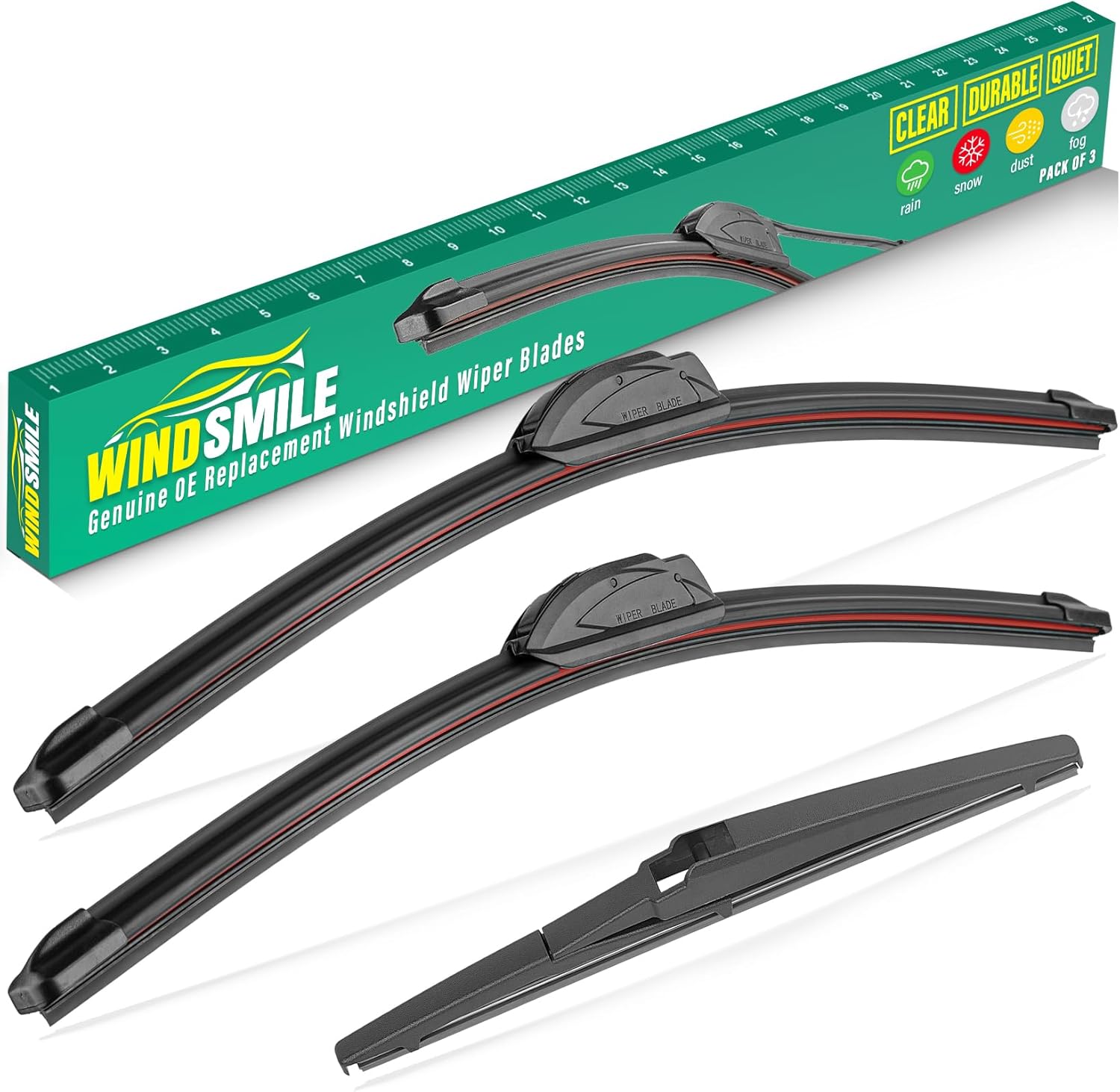
This replacement windshield wiper blade set is designed for Toyota RAV4 models from 2006 to 2012, offering a complete front and rear fit for dependable all-weather visibility. The premium rubber blades help deliver streak-free, quiet wiping while the aerodynamic design reduces wind lift and noise for smoother performance. Built for easy installation and long service life, it is a convenient upgrade for restoring clear driving vision.
Best Upgrades by Symptom
| Symptom | Likely Cause | Best Next Step |
|---|---|---|
| Harsh impact over potholes | Low-profile tires, high pressure, stiff springs, limited travel | Verify pressure, inspect ride height, consider a more compliant tire |
| Car follows grooves or ruts | Wide tires, aggressive alignment, uneven wear | Alignment check and tire inspection |
| Rear feels loose over bumps | Worn bushings, poor damping, abrupt throttle | Suspension inspection and smoother throttle application |
| Bouncy after a bump | Worn or mismatched dampers | Damper inspection or quality replacement dampers |
| Scraping or crashing after lowering | Insufficient bump travel | Raise the car slightly or use better-matched springs and dampers |
Alignment Settings to Discuss With a Shop
You do not need race alignment for rough public roads. Tell the alignment shop how you use the car. A daily-driven Supra generally benefits from stable toe settings, even side-to-side camber, and no hidden crash damage or bent components. For track use, a more aggressive setup may improve tire temperature and cornering grip, but it can increase tramlining and inner-edge wear on the street.
When to Upgrade Dampers or Coilovers
Consider upgraded dampers or coilovers only after tires, pressures, alignment, and worn parts are ruled out. Choose parts designed for street use if the car sees rough roads. Adjustable dampers can help, but only if you actually tune them. Start softer, test on the same road, and change one setting at a time.
Note: The current 2026 U.S. GR Supra lineup is 3.0-liter only. Earlier used 2.0-liter Supras may feel lighter over the nose, but that is a used-market comparison rather than a current new-model choice.
Troubleshoot Bump-Related Handling Issues: Quick Checklist
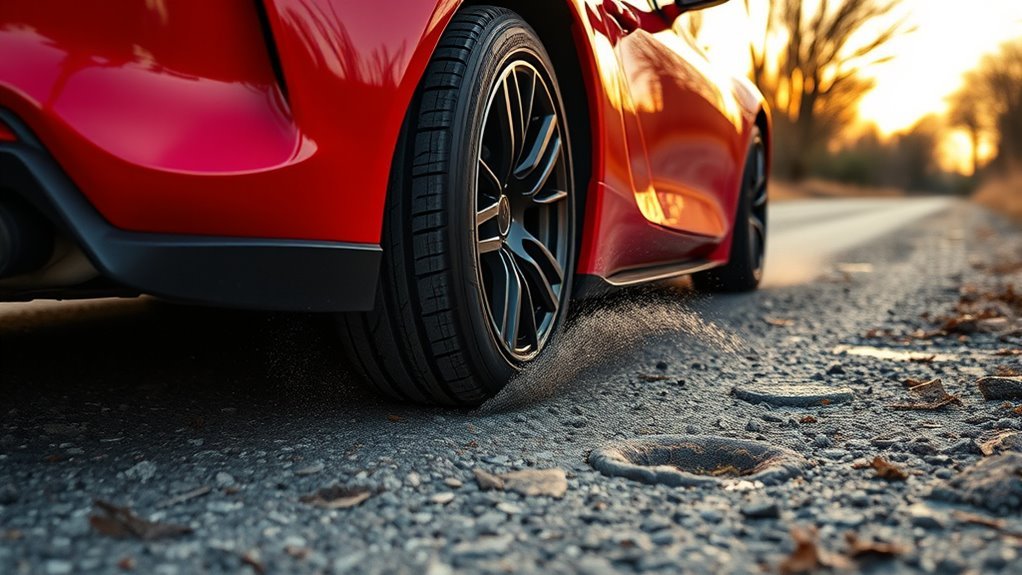
Use this checklist to separate normal sports-car feedback from a real setup problem.
- Check tire pressure cold: Use the door-jamb placard and a reliable gauge. Recheck after major temperature changes.
- Inspect tread and sidewalls: Look for uneven wear, cuts, bulges, flat spots, cupping, or mismatched tires.
- Confirm tire age: Older tires can harden and lose compliance even if they have tread left.
- Switch to Normal mode: Test the same road in Normal and Sport to feel how much the mode changes the car.
- Check alignment: Ask for a before-and-after printout and review toe, camber, and thrust angle.
- Inspect suspension hardware: Look for leaking dampers, cracked bushings, loose end links, damaged wheels, or bent control arms.
- Review modifications: Note lowering springs, spacers, aftermarket wheels, non-stock tire sizes, or coilover settings.
- Test on different roads: If the problem only happens on one badly surfaced road, it may be road texture rather than a car fault.
- Adjust driving inputs: Smooth throttle, brake before bumps, and avoid sudden steering correction over broken pavement.
When to Get a Professional Inspection
Get the car inspected if the Supra suddenly feels different, pulls under braking, clunks over bumps, vibrates at highway speed, or shows uneven tire wear. Also book an inspection after hitting a pothole hard enough to bend a wheel, trigger a tire bubble, or knock the steering wheel off-center.
A shop should check:
- Wheel balance and wheel runout;
- Tire condition and matching sizes;
- Alignment and steering angle;
- Control arms, bushings, ball joints, and end links;
- Damper leaks or worn mounts;
- Ride height and bump-stop clearance;
- Aftermarket part installation quality.
Frequently Asked Questions
Does the GR Supra handle well?
Yes, the GR Supra handles very well on smooth pavement and fast roads, but its sports-car setup can feel firm or busy on rough pavement. Toyota equips the 2026 model with rear-wheel drive, sport-calibrated steering, independent suspension, Adaptive Variable Suspension, and Michelin Pilot Super Sport tires, so it is tuned for response and grip rather than soft luxury-car isolation.
Why does my Supra feel nervous over midcorner bumps?
Midcorner bumps change tire load while the car is already cornering. In a short, firm, rear-wheel-drive sports car, that can feel like a quick hop, tug, or stability-control correction. Incorrect tire pressure, worn tires, bad alignment, stiff lowering springs, or abrupt throttle can make the feeling worse.
Will softer tires make a Supra more comfortable?
They can, as long as they are the correct size, load rating, speed rating, and seasonal type. A tire with better noise and comfort behavior may reduce harshness, but going too soft or choosing the wrong category can reduce steering precision, braking performance, or heat resistance.
Should I lower my Supra if I drive on rough roads?
Only lower it modestly and with matched springs, dampers, and alignment. A lowered Supra can look sharper and reduce body movement, but too much lowering removes suspension travel and can make potholes, bridge joints, and rough corners feel worse.
What are common Supra problems that affect handling?
Common handling-related issues include uneven tire wear, incorrect pressures, alignment drift, bent wheels after pothole impacts, worn bushings, leaking dampers, poor lowering-spring installation, and mismatched tires. Start with inspection and alignment before assuming the chassis needs major upgrades.
Conclusion
You can make a Supra feel calmer on rough roads without taking away its performance edge. Start with tire pressure, tire condition, Normal mode, alignment, and suspension inspection. Then choose tires and suspension parts that match how you actually drive. The goal is not to make the Supra soft; it is to give the tires consistent contact with the road so the car feels sharp, stable, and predictable instead of twitchy.
Sources
- Toyota USA Newsroom: 2026 GR Supra MkV Final Edition — 2026 GR Supra suspension, drive modes, Michelin Pilot Super Sport tires, power output, and model-year updates
- Toyota GR Supra Specifications — official model specifications and equipment reference
- Toyota 2026 Supra Owner’s Manual — owner reference for operating, maintenance, and vehicle information
- NHTSA TireWise — tire safety, maintenance, and pressure guidance
- Michelin Pilot Super Sport — manufacturer information for the GR Supra’s factory-style performance summer tire