
Adaptive or fixed suspension? On a Toyota Supra, this choice changes how the car feels. Adaptive systems adjust the damping as you drive. The car rides better and reacts faster on many kinds of roads.
Fixed suspension feels the same all the time and has a simpler design. It works well on smooth roads. Pick adaptive if you want to change the setup on the fly. Pick fixed if you want a car that always feels the same. Read on to see how each one shapes your driving experience.
Adaptive vs. Fixed: Understanding the Basics
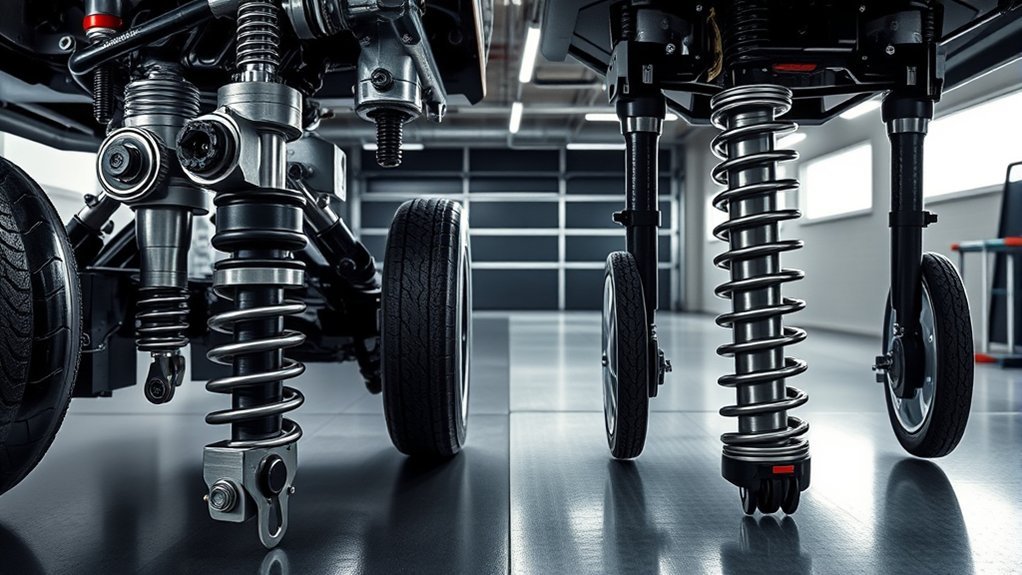
Before you choose, it helps to know how adaptive and fixed setups differ. Adaptive technology, like the Supra’s Adaptive Variable Suspension, can change the damping while you drive.
This helps the car ride and handle better, and it adjusts to the road on its own. You get Normal and Sport damping settings, plus an individual setting on cars that have it. A fixed setup uses one damping rate. It feels the same every time, but it can be less comfortable.
Fixed systems are simpler, but they can’t react the way adaptive ones do. Adaptive dampers can go from soft to firm almost instantly. If you want a mix of comfort and performance, adaptive has the edge.
Why Fixed Suspension Might Be Right for You
Adaptive suspension does a lot, but fixed suspension can be the better pick if you care most about reliability and track use. Fixed setups, like the one on the Mk IV Supra, have a simple design. That makes them tough and cheaper to maintain.
A firmer ride keeps the car steadier in corners, which matters on a track. These systems are often lighter, which helps balance and agility.
With fixed damping, you always know how the car will react. Stiffer springs make the car sharper and cut body roll. That makes fixed suspension a good fit if you want precise control and like to tune your car.
Comparing Adaptive and Fixed Suspension: Key Differences
If you want the best from your car, it helps to know how adaptive and fixed suspension differ. Adaptive suspension, like Toyota’s Adaptive Variable Suspension, keeps adjusting the damping to match the road. That brings real gains in comfort and handling.
Fixed suspension keeps the same damping rate all the time. The downside is that it can’t adapt when the road or your driving changes.
Adaptive systems use sensors and drive modes, so you can set up the car the way you like. Fixed systems are simple and don’t give you that choice. But the extra tech can mean higher repair costs. Simple fixed setups are tougher and usually need less service.
Impact of Suspension on Driving Experience
Your suspension shapes how the car drives. It decides how the car reacts to bumps, turns, and rough roads.
On the 2020 Toyota Supra, Adaptive Variable Suspension (AVS) lets you switch between Normal and Sport damping. It keeps adjusting the dampers based on live data, which keeps the car stable and comfortable. A fixed suspension can feel fine on smooth roads, but it can’t adjust for rough ones. AVS also cuts body roll in hard corners and keeps the tires planted. On a twisty road or a bumpy street, adaptive damping makes the drive more fun.
Choosing the Best Suspension for Your Toyota Supra?
How do you pick the right suspension for your Supra? Start with how you drive and what you want. If you want options, the Adaptive Variable Suspension (AVS) gives you Normal and Sport damping settings. It adjusts the dampers as the road changes.
This system balances performance and comfort, and it adapts to your needs on its own. If sharp, direct handling matters most, a fixed suspension setup may suit you better.
Keep in mind that stiff fixed setups often give up comfort for speed. Daily drives can feel harsher. So ask yourself: do you want the range of an adaptive system or the sharper feel of a fixed one? Your choice will shape how your Supra drives.
Frequently Asked Questions
Does Adaptive Suspension Make a Difference?
Yes, adaptive suspension makes a real difference. It lets you adjust comfort and handling, and it reacts to the road as you drive. The result is better handling, grip, and stability.
What Are the Disadvantages of Adaptive Suspension?
Adaptive suspension has some downsides. Repair and upkeep costs can climb, and reliability problems can affect how the car drives.
Does the Supra Have Adaptive Suspension?
Yes, the Supra has adaptive suspension with settings that make the ride more comfortable. You can switch between Normal and Sport damping to match your taste and the road.
Conclusion
When you choose between adaptive and fixed suspension for your Supra, keep this in mind: adaptive systems can adjust damping up to 100 times per second. That improves the ride and handling. Fixed suspension is simple and reliable, and many purists prefer it.
In the end, pick the setup that fits your driving style. Do you want range and flexibility, or a more direct, old-school feel? Knowing how each one works will help you make the right choice.