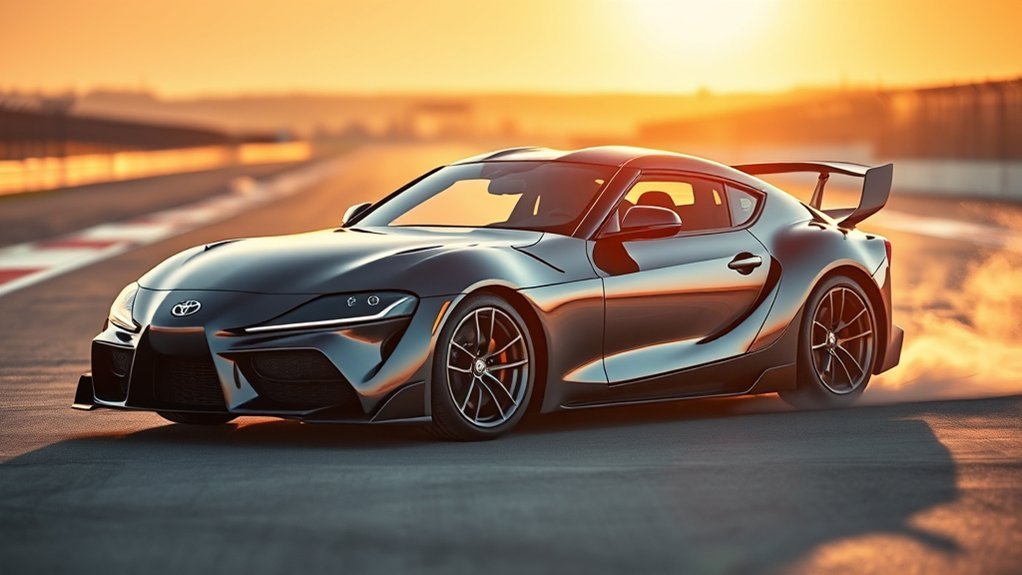
For the 2020–2026 Toyota GR Supra, there is no factory drive setting labeled Snow Mode. The snow-friendly factory setting is Traction mode, a version of the Supra’s VSC Vehicle Stability Control system that prioritizes forward momentum on loose surfaces such as unplowed snowy roads. The GR Supra remains rear-wheel drive, so Traction mode does not create AWD grip and does not replace proper winter tires, low speed, or smooth steering and throttle inputs.
Last updated: September 1, 2026 — checked against Toyota’s 2026 GR Supra owner information and current model specifications.
Quick Answer
On the 2020–2026 GR Supra, the winter-friendly factory setting is Traction mode, not a true Snow Mode. Toyota says Traction mode optimizes forward momentum on loose surfaces such as unplowed snowy roads, while reducing the stability margin during acceleration and cornering. Use it briefly when normal VSC is preventing low-speed progress, then return to the normal setting when grip improves.
Key Takeaways
- The 2020–2026 Toyota GR Supra is rear-wheel drive, not AWD, so tire choice matters more than any drive-mode setting.
- The factory system to use in snow is Traction mode, which helps forward momentum on loose surfaces but gives you less stability margin.
- Leave full VSC/traction control on for normal icy roads; use Traction mode only when the car needs a little more wheel slip to move.
- Do not fully disable VSC on public winter roads unless you are stuck and using very low-speed recovery techniques.
- Dedicated winter tires are the biggest upgrade for snow, ice, and cold pavement.
- Generation matters: the 1998 U.S.-market fourth-generation Supra manual describes an actual SNOW switch, so older-Supra instructions differ.
At a Glance
| Time Required | A few seconds to select; allow 10–15 minutes if you are learning the setting in a safe area |
| Difficulty | Easy, but winter driving skill still matters |
| Tools Needed | Owner’s manual; winter tires and a tire-pressure gauge for winter driving |
| Cost | No cost for the mode; winter tires and wheels vary by size and brand |
Does the 2020–2026 GR Supra Have Snow Mode?
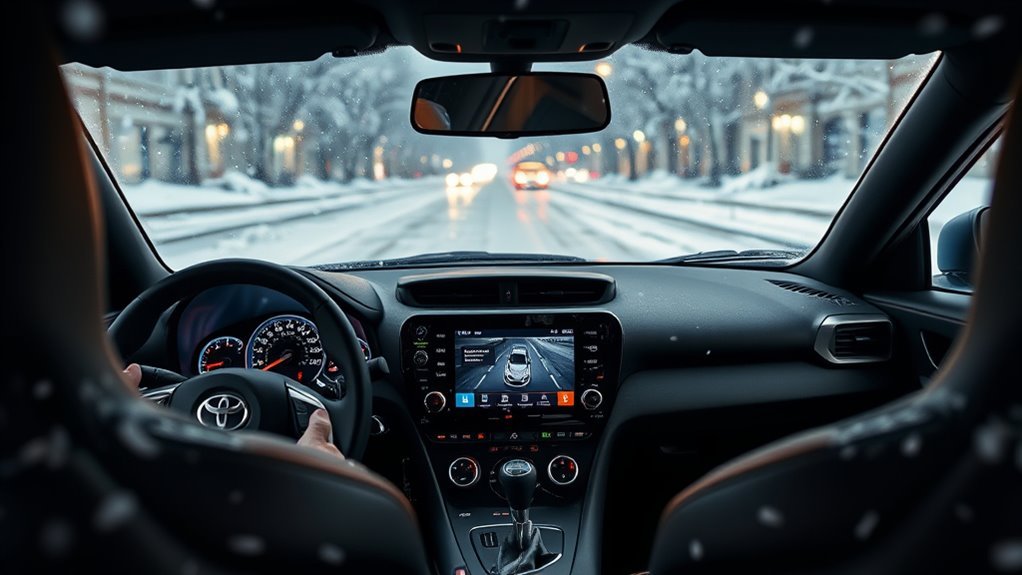
For the fifth-generation GR Supra sold from 2020 through 2026, the relevant factory system is Traction mode in Toyota’s VSC Vehicle Stability Control system. Toyota describes Traction mode as a setting that optimizes forward momentum on special road conditions or loose road surfaces, including unplowed snowy roads.
That distinction matters because Traction mode is not magic snow traction. It allows the car to prioritize getting moving, but Toyota also notes that driving stability is limited during acceleration and cornering when this mode is active. In plain English: it can help you move, but it gives you less electronic safety margin if you overdo the throttle or steering.
Generation note: This guide is for the 2020–2026 GR Supra (A90/A91/MkV). The 1998 U.S.-market fourth-generation Supra owner’s manual describes a separate SNOW switch, so instructions for older Supras are not interchangeable with the modern GR Supra.
Warning: Do not treat Traction mode as a replacement for winter tires. The Supra is a low, powerful, rear-wheel-drive sports car. In deep snow, glare ice, or steep unplowed roads, the safest choice may be to avoid driving until conditions improve.
How Traction Mode Changes Winter Driving
Traction mode changes how the stability and traction systems intervene so the car can make more forward progress on loose surfaces. It is useful when standard traction control cuts power too quickly and the rear tires need a small amount of controlled slip to move the car.
In winter use, you may notice these practical differences:
- More forward momentum: The system is designed to help the car keep moving on loose surfaces, including snowy roads.
- Less stability assistance: The car gives you more room to accelerate, which also means you must be smoother with the wheel and pedals.
- More driver responsibility: If the rear tires step out, Traction mode may not catch the slide as quickly as the normal full-stability setting.
- No AWD behavior: The Supra remains rear-wheel drive. No mode can send power to the front wheels because the car does not have that hardware.
Toyota specifically lists three situations where brief Traction-mode use may help: driving in slush or on uncleared snow-covered roads, starting from deep snow or loose ground, and driving with snow chains where permitted for your exact tire and wheel setup.
The safest Supra winter setup is simple: winter tires first, smooth inputs second, and Traction mode only when normal traction control is stopping forward progress.
When to Use Traction Mode: And When Not To
Use Traction mode when the road surface is loose enough that the car needs a little controlled wheel slip to move, but not so slippery that you are struggling to stay pointed straight. Good examples include slush, an uncleared snow-covered road at low speed, or a start from loose snow where normal VSC keeps cutting power. Toyota also lists snow-chain use as a situation where brief Traction-mode use may help.
[Products Worth Considering]

The JACO ElitePro Digital Tire Pressure Gauge delivers shop-grade accuracy with a clear digital readout, making it easy to maintain proper tire pressure for safer driving and better performance. Built with rugged brass and steel components, a protective guard, and a flexible air hose, it is designed for reliable use across cars, trucks, motorcycles, bikes, RVs, and trailers. The lock-on display, built-in bleeder valve, and bright backlit screen add convenience in any lighting condition.

This front windshield sunshade is designed to help keep your Toyota RAV4 cooler by reducing heat buildup after parking in direct sunlight. It blocks most UV rays to help protect your dashboard, seats, and steering wheel from sun damage, while the accordion folding design makes it easy to set up, store, and transport. Built with a durable triple-laminate construction and a silver reflective surface, it offers practical everyday sun protection for compatible RAV4 models.
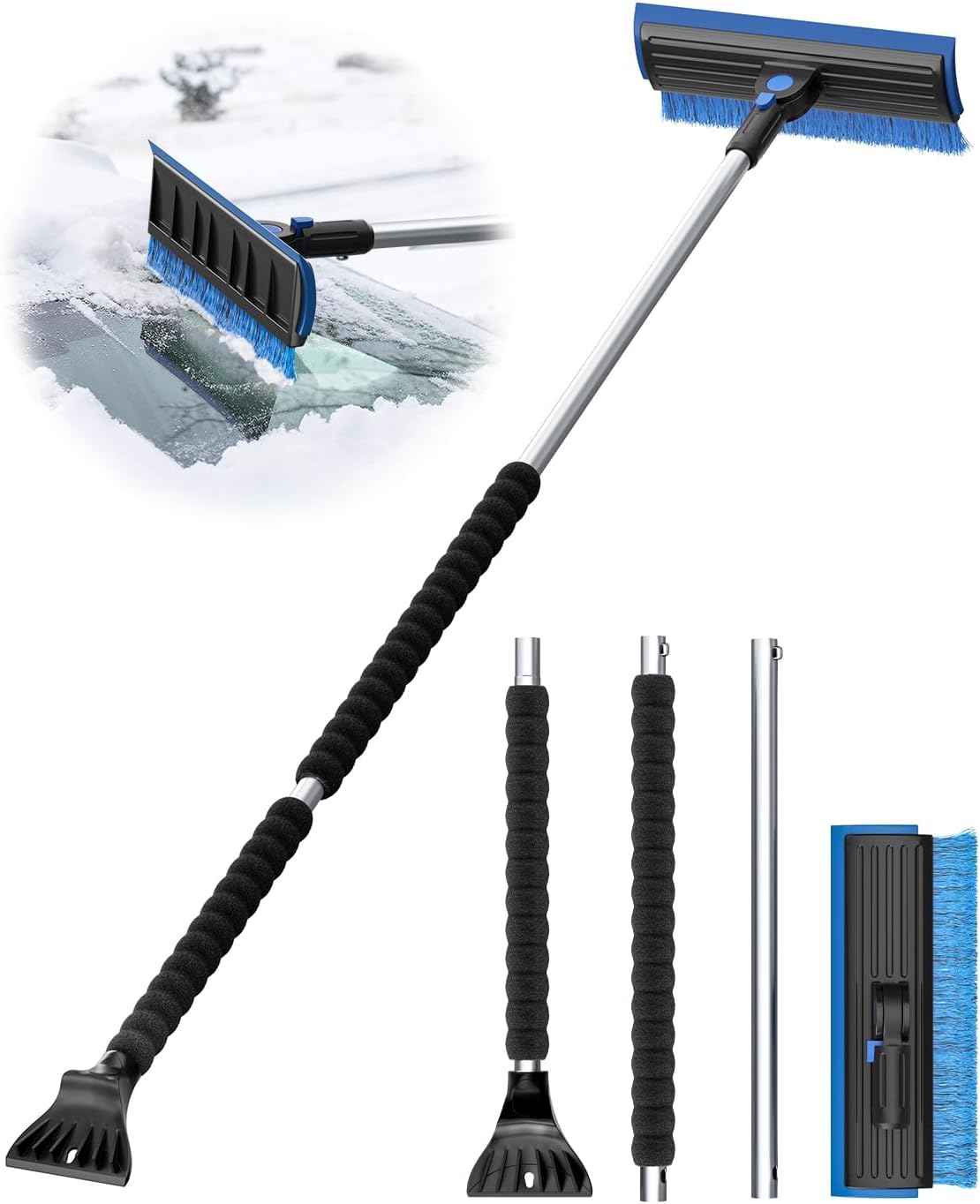
This three-in-one winter tool combines a snow brush, ice scraper, and snow shovel to help clear windshields, roofs, hoods, and hard-to-reach edges with less effort. Its 270-degree rotating head and adjustable telescoping length make it versatile for cars, SUVs, and home glass surfaces, while the soft PVC bristles and foam grip help protect paint and improve comfort in cold weather.
Use It for Low-Speed Forward Progress
Traction mode makes the most sense when you are trying to start from a stop or maintain slow, steady movement. Keep your inputs calm and gradual. The goal is not to launch hard; it is to avoid digging the rear tires into the snow.
- Press the accelerator gently and steadily.
- Keep the steering wheel as straight as possible when starting.
- Increase following distance because braking grip is still limited.
- Switch back to normal stability control once you are on clearer pavement.
Avoid It for Fast Icy Corners
Do not use Traction mode as an excuse to drive faster in snow. Because stability assistance is reduced, icy curves, highway ramps, and sudden lane changes can become riskier. On icy public roads, the normal full VSC/traction-control setting is usually the safer default.
Avoid Deep Snow and Packed Drifts
Toyota notes that Traction mode may help when starting from deep snow, but that does not solve the GR Supra’s low-clearance problem. If snow is packing under the car or dragging against the underside, stop before repeated wheelspin digs the car in deeper. In Car and Driver’s long-term 2020 Supra winter use, packed snow under the low body repeatedly left the car stuck even with winter tires.
How to Activate Traction Mode and Read the Dash Indicators
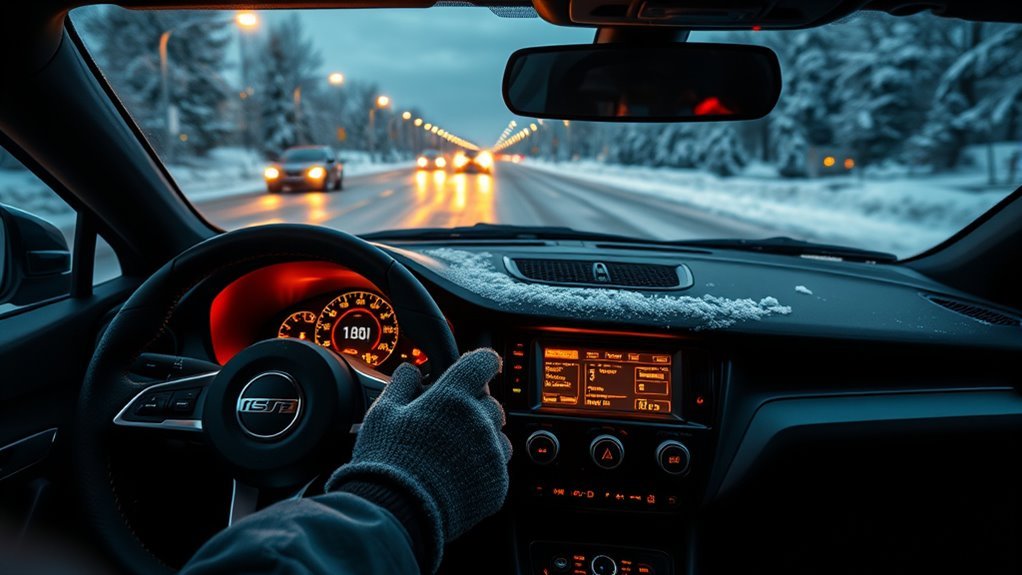
The exact switch label and indicator graphics can vary by model year, so check your owner’s manual before relying on memory. On the modern GR Supra, a brief press of the VSC/Traction mode OFF switch activates Traction mode. Toyota’s 2026 manual says TRACTION appears in the instrument cluster and the VSC OFF indicator illuminates. Holding the switch until VSC OFF appears deactivates more of the stability system and is a different setting.
- Start the car and leave all systems on first. Normal VSC is the safest default for most winter driving.
- Use Traction mode only when needed. Select it when standard traction control is preventing the car from moving on a loose snowy surface.
- Watch the instrument cluster. Confirm the Traction or VSC indicator shown in your owner’s manual.
- Drive slowly and test gently. Apply light throttle and check how the rear tires respond.
- Return to the normal setting when traction improves. Clear pavement, higher speeds, and icy corners are better handled with full stability assistance on.
Note: The VSC OFF indicator can illuminate when Traction mode is active, so use the TRACTION message in the cluster to confirm the selected mode. If you press and hold the switch until VSC OFF is displayed, you have deactivated more stability assistance. Toyota also notes that VSC can reactivate automatically in certain situations, including when adaptive cruise control is activated, when Toyota Supra Safety makes a braking intervention, or when the vehicle has a flat tire.
[Products Worth Considering]

【APPLICABLE MODELS】✶Window Lift Switch Panel Decoration Frame Trim Cover Fits Perfectly for Toyota Supra GR A90 A91 MK5 2019-2022

MADE FOR 2020-2026 TOYOTA GR SUPRA: For supported Toyota GR Supra 2020-2026 applications; verify your exact year, trim and configuration before ordering
Why Does the Supra Still Cut Power in Snow?
If the Supra still cuts power in snow, that is usually the factory stability system doing its job. It may detect wheelspin, yaw, or a mismatch between where the car is pointing and where the driver appears to be steering. On slick roads, these interventions can feel intrusive, but they are meant to prevent the rear of the car from stepping out.
For a stock Supra, think in three layers:
- Normal VSC/traction control: Best for most winter roads because it gives the most stability support.
- Traction mode: Best for low-speed loose surfaces when you need more forward progress.
- VSC OFF: Strongly reduced assistance; best reserved for controlled environments or brief stuck-vehicle recovery, not routine street driving.
If your car has aftermarket traction-control tuning, differential changes, wheel-speed devices, or other modifications, follow the installer’s documentation. Do not assume aftermarket behavior matches Toyota’s factory manual.
How Can You Test Traction Mode Safely?
The best time to learn the system is before you need it in traffic. Choose a flat, empty, legal test area with no curbs, poles, pedestrians, hidden ice ridges, or parked cars. A vacant snow-covered lot is better than a public road.
- Start with normal VSC on. Roll forward slowly and feel how the car limits wheelspin.
- Select Traction mode. Repeat the same gentle start and compare how much slip the rear tires allow.
- Keep speeds low. You are learning the car’s behavior, not practicing drifting.
- Try gentle braking. Remember that Traction mode helps acceleration more than stopping distance.
- Switch back to normal mode. Use full stability control for the drive home unless you again need low-speed momentum.
Pro Tip: Practice with the same winter tires and tire pressures you use on the road. Testing on worn summer tires teaches you the wrong lesson because the car will feel dramatically different once proper winter tires are installed.
Troubleshooting Power Cuts and Intrusive Traction Control
If the car bogs, cuts power, or flashes traction-control warnings in snow, work through the simple causes first. Most problems come from tire grip, driver input, road conditions, or a misunderstanding of which stability mode is active.
| Symptom | Likely Cause | What to Do |
|---|---|---|
| Power cuts immediately when starting | Normal traction control is limiting wheelspin | Use gentler throttle or select Traction mode for low-speed loose snow |
| Rear of the car steps sideways | Too much throttle, poor tires, or reduced stability assistance | Ease off, straighten the wheel, and return to normal VSC |
| Car will not move in deep snow | Snow depth, ground clearance, or tire grip is the limiting factor | Clear snow around the tires and underbody; avoid spinning the tires |
| Traction lights behave unexpectedly | Wrong mode selected or system fault | Check the owner’s manual and scan for warnings if lights remain on |
Do Winter Tires Matter More Than Traction Mode?
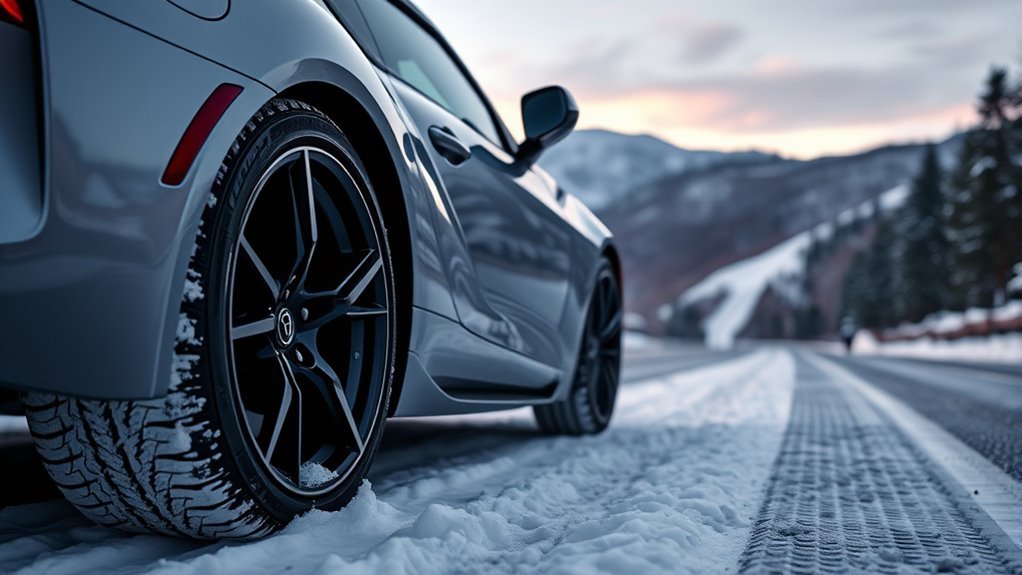
Yes. Traction mode can change how the electronics manage wheel slip, but it cannot create tire grip. Toyota’s 2026 GR Supra information lists 19-inch forged wheels with Michelin Pilot Super Sport tires, while Toyota’s owner guidance recommends winter tires for winter-road use. If you drive a GR Supra in snow, use four winter-capable tires with fitment, load rating, speed rating, brake clearance, and inflation pressure confirmed for your exact year and wheel package.
For the full setup process, see the site’s Toyota Supra winter driving guide and Supra-in-snow guide. On this page, the key point is simple: Traction mode is a low-speed traction aid, not a substitute for the tire-to-road grip those guides cover in detail.
- Use the placard pressure: Check the driver-door label or your exact owner’s manual rather than copying another Supra owner’s PSI.
- Check pressure cold: The National Highway Traffic Safety Administration notes that tire pressure falls as outside temperature drops and recommends checking tires when cold.
- Confirm tread and condition: Inspect the tread and sidewalls for damage before winter travel.
- Do not guess at wheel fitment: Any winter wheel package must clear the brakes and meet the required load, offset, diameter, and tire-pressure-monitoring needs for your car.
[Products Worth Considering]

Material: The spare tire cover is made of 210D Oxford fabric, featuring a smooth surface, a comfortable grip, and excellent tear resistance. This material is waterproof, effectively protecting the tire from sun damage and ensuring long-lasting durability.

Covered by Nexen's best-in-class Total Coverage Warranty, which includes 36 months of Roadside Assistance
How Should You Drive With Traction Mode Engaged?
With Traction mode engaged, drive as if the car has less electronic backup, because it does. The Supra rewards smoothness. Abrupt throttle, sudden steering, and late braking are what cause the rear tires to lose grip.
- Start gently: Roll into the throttle instead of stabbing it.
- Keep the wheel straight when accelerating: Rear-wheel drive is most stable when the tires are not being asked to accelerate and turn hard at the same time.
- Brake early: Traction mode does not shorten stopping distance.
- Separate inputs: Brake first, turn second, accelerate last.
- Look far ahead: Plan around hills, intersections, and polished ice before you reach them.
- Do not chase wheelspin: If the tires spin, ease off and let them regain bite.
Warning: Do not use summer performance tires on snow or ice. Follow the tire manufacturer’s cold-weather limits, and use the site’s Supra summer-tire temperature guide if you need help deciding when to change seasonal tires.
Frequently Asked Questions
Does the 2020–2026 Toyota GR Supra have Snow Mode?
No. The 2020–2026 GR Supra does not use a factory setting labeled Snow Mode. Its snow-friendly factory feature is Traction mode, a VSC setting intended to improve forward momentum on loose surfaces such as uncleared snowy roads.
Did older Toyota Supras have a real Snow Mode?
Some did. The 1998 U.S.-market fourth-generation Supra owner’s manual describes a separate SNOW switch. This article covers the fifth-generation GR Supra, so do not use MkIV Snow Mode instructions for a 2020–2026 car.
What does TRACTION on the Supra dashboard mean?
On the modern GR Supra, TRACTION in the instrument cluster means Traction mode is active. Toyota’s 2026 manual also says the VSC OFF indicator illuminates in this mode, which is why the TRACTION message is the clearest way to distinguish Traction mode from fully switching VSC off.
Is traction control supposed to be on in snow?
Yes, for most public-road snow and ice driving, leave traction control and VSC on. Use Traction mode only when standard VSC is preventing low-speed forward progress on loose snow, slush, or another loose surface.
Is a Supra good for winter?
A modern GR Supra can be driven in mild winter conditions with proper winter tires and careful inputs, but it is not ideal for deep snow. Its rear-wheel-drive layout and low body leave less margin than a higher-clearance winter vehicle.
Should I turn VSC off to get unstuck?
Only as a last resort and only at very low speed. First clear snow around the tires and underbody, straighten the steering wheel, and try Traction mode. Fully disabling VSC removes more stability assistance and should not be the normal setting for public-road winter driving.
What tires should I use on a Supra in snow?
Use four winter-capable tires in a size, speed rating, and load rating appropriate for your exact Supra model and wheels. Confirm fitment and cold inflation pressure with Toyota, your door-jamb placard, your owner’s manual, or a qualified tire shop.
Conclusion
For a 2020–2026 Toyota GR Supra, use normal VSC as the default on snowy or icy public roads and select Traction mode only when you need extra low-speed forward momentum on slush, uncleared snow, or loose ground. Traction mode is not AWD and not a replacement for winter tires. Once the car is moving on a clearer or faster road, return to full stability assistance. If snow is deep enough to pack under the low body, the safer move is to stop rather than keep spinning the rear tires.
Sources
- Toyota Owners — 2026 Supra Driving Stability Control Systems — supports Traction mode behavior, dashboard indications, its snow/loose-surface use cases, automatic VSC reactivation, and the stability trade-off.
- Toyota — 2026 GR Supra — supports the current rear-wheel-drive performance context and 19-inch wheel/tire equipment.
- Toyota — 1998 Supra Owner’s Manual — supports the generation note that some fourth-generation Supras had a factory SNOW switch.
- NHTSA — Winter Driving Tips — supports cold-pressure checks, tire inspection, snow-tire consideration, winter preparation, and increased following distance on slick roads.
- Car and Driver — 2020 Toyota Supra Long-Term Test — provides real-world evidence that packed snow and the Supra’s low body can cause deep-snow problems even with winter tires.