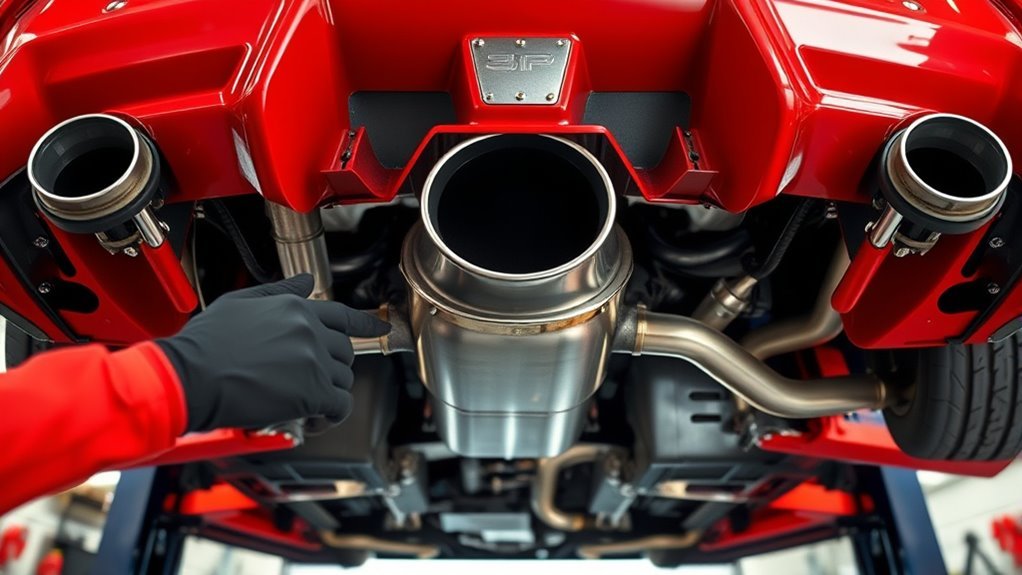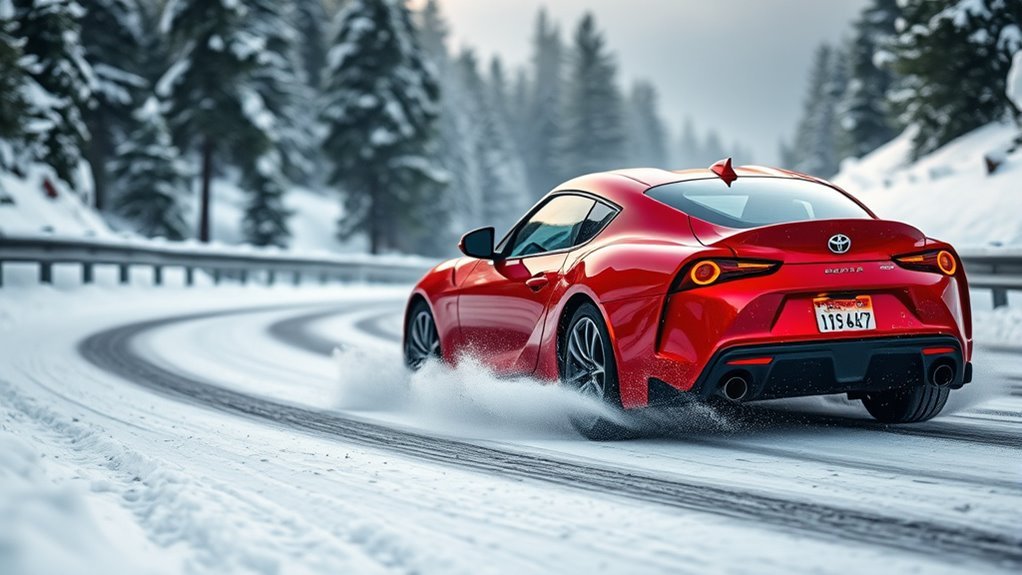
You can drive a Toyota Supra in snow, but it should be treated as a low, rear-wheel-drive sports car—not a carefree winter beater. With dedicated winter tires, smooth inputs, smart route choices, and frequent underbody rinsing, a Supra can handle light snow and cold pavement. In deep snow, ice, rutted roads, or salted daily commuting, a higher-clearance winter vehicle is the safer choice.
Quick Answer
Yes, a Toyota Supra can be driven in snow safely in light conditions, but only with proper winter tires, gentle throttle and braking, and enough road clearance. It is not ideal for deep snow, black ice, untreated hills, or daily salt-heavy winter use.
Key Takeaways
- Winter tires matter most: NHTSA notes that winter tires work better than all-season tires in deep snow, while summer tires are not designed for snow, ice, or below-freezing operation.
- Clearance is the hard limit: a Supra can move on plowed roads, but deep snow, ruts, packed ice, and steep untreated driveways can damage the low front bumper or underbody.
- Leave traction and stability control on: turn them off only briefly if you are stuck and need a controlled rocking motion.
- Use the right oil and tire pressure: follow the Toyota owner’s manual and the driver-door tire placard instead of guessing at winter pressures or oil viscosity.
- Wash the underbody often: road salt can accelerate corrosion on hidden suspension, brake, exhaust, and underbody parts.
At a Glance
| Time Required | 1–2 hours for tire installation and winter prep; 10 minutes before each snowy drive for checks |
| Difficulty | Moderate: safe driving depends more on judgment than mechanical work |
| Tools Needed | Winter tire set, tire-pressure gauge, snow brush, washer fluid rated for freezing weather, emergency kit, microfiber towels |
| Cost | Usually several hundred to over $1,500 for a proper winter wheel-and-tire setup, depending on tire size and wheel choice |
Can a Toyota Supra Be Driven in Snow Safely?

A Toyota Supra can be driven in snow, but it is not the best choice as a primary winter car. The key issues are simple: low ground clearance, rear-wheel drive, wide performance tires, strong turbocharged torque, and bodywork that sits close to snowbanks and frozen ruts. On cold, plowed pavement with the right tires, it can be controlled. On black ice or deep, wet snow, physics wins quickly.
The biggest mistake is assuming modern traction control can make summer or worn all-season tires safe. It cannot. Stability systems can cut power and help correct slides, but they still need tire grip to work. Toyota’s official GR Supra information confirms the car is a performance-focused, rear-wheel-drive sports coupe, and the NHTSA tire guidance states that winter tires are more effective than all-season tires in deep snow and that summer tires are not designed for snow, ice, or below-freezing operation.
Warning: Do not use the Supra in deep snow that reaches the front lip, undertray, or bumper openings. Packed snow and ice can crack trim, block airflow, scrape the underbody, or leave the car high-centered.
Best Winter Tires and Wheel Sizes for the Supra
The right tire setup is the single most important upgrade for winter driving in a Supra. Skip summer tires completely once snow, ice, or sustained freezing temperatures are in the forecast. Use a dedicated winter tire with the mountain-snowflake marking, and choose sizes that match Toyota’s approved fitment, load rating, brake clearance, and tire-pressure monitoring requirements.
Many late-model GR Supra trims use a staggered setup, commonly 255/35ZR19 front and 275/35ZR19 rear on 19-inch wheels, while some manuals and market-specific fitments list 18-inch alternatives. Toyota’s owner’s manual lists cold tire pressures of 2.2 bar / 32 psi for several factory 18-inch and 19-inch Supra fitments, but the most reliable source for your exact car is still the driver-door placard and the Toyota GR Supra owner’s manual.
A slightly narrower winter tire can help cut through snow better than a very wide performance tire, but do not guess at fitment. A wheel that is too small may not clear the brakes. A tire with the wrong load rating, diameter, or offset can affect handling, traction-control behavior, and body clearance. Have a Toyota dealer or experienced tire shop verify the package before mounting it.
[Products Worth Considering]

This heavy-duty car ramp set provides a stable, reliable lift for routine maintenance like oil changes, tire rotations, brake work, and undercarriage inspections. Built from high-impact poly with a non-skid tread and rubber feet, it helps keep vehicles secure while offering a lightweight, corrosion-resistant alternative to steel ramps. The wide, gradual design supports a broad range of vehicles, from compact cars to trucks, SUVs, and vans.

The Masoll M13 Tire Pressure Monitoring System helps monitor tire pressure for sedans, SUVs, pickup trucks, RVs, and travel trailers with four tires. It features automatic reference pressure calibration, alerting you when pressure changes fall outside the set range, while solar charging and auto wake-up support convenient everyday use. With precise pressure detection, an easy-to-read color LCD, and adaptive backlighting, it is designed to improve driving safety and help protect tire life.

This all-in-one recovery kit provides a reliable towing solution for roadside emergencies and off-road adventures. It includes a heavy-duty tow strap, two D-ring shackles, and a storage bag for convenient transport and quick access. Built for demanding recovery tasks, it is designed to help with towing trucks, SUVs, ATVs, UTVs, and boats in tough weather conditions.
Good Winter Tire Choices by Use Case
- Best for frequent snow and ice: Bridgestone Blizzak winter tires, Michelin X-Ice Snow, Nokian Hakkapeliitta, or comparable premium studless winter tires.
- Best value for occasional winter use: General Altimax Arctic-style winter tires or similar snow-focused tires from a reputable brand, as long as the exact Supra size and load rating are available.
- Best for cold, mostly dry roads: performance winter tires such as Pirelli Sottozero-style options can feel sharper on pavement, but they usually give up some deep-snow bite compared with softer studless snow tires.
- Not recommended for snow: summer performance tires, worn all-seasons, mismatched front/rear tires, or any tire that is old, cracked, underinflated, or below safe tread depth.
Note: The Supra is sensitive to tire diameter and staggered fitment. Keep all four winter tires in a matched set from the same model line unless a qualified tire professional confirms the setup is compatible.
Driving Techniques for a Low, RWD Supra: Traction, Braking, and Gear Tips
Driving a low, rear-wheel-drive Supra in snow is about smoothness. Every input should be slower than normal: slower throttle, slower steering, slower braking, and more room before every turn or stop. NHTSA’s winter driving tips emphasize slowing down and increasing following distance because slick or snow-covered roads make vehicles harder to control and stop.
Before You Move
- Clear snow from the roof, hood, lights, camera areas, windshield, and rear glass.
- Check tire pressure while the tires are cold.
- Confirm that the front bumper, side skirts, and rear diffuser are not packed with ice.
- Leave traction control and stability control on for normal driving.
- Use washer fluid rated for freezing temperatures.
Starting From a Stop
Use the lightest throttle you can. In a manual Supra, starting in second gear can reduce wheelspin on very slick surfaces, but do it gently and avoid slipping the clutch excessively. In an automatic, apply throttle slowly and let the car build speed without forcing boost. If the rear tires spin, back out of the throttle instead of pressing harder.
Cornering and Lane Changes
Finish most braking before the corner, steer with one smooth motion, then wait to add power until the car is straightening out. Sudden throttle in a rear-wheel-drive Supra can rotate the car faster than expected. Keep steering corrections small and look where you want the car to go, not at the snowbank or curb.
Braking on Snow or Ice
Brake early and progressively. Let ABS pulse if it activates; do not pump the pedal in a modern ABS-equipped car. Increase following distance more than you think you need, especially behind trucks and SUVs that may uncover polished ice under loose snow.
Should You Add Weight in the Hatch?
A small amount of secured weight over the rear axle can help a rear-wheel-drive car launch more smoothly, but it is not a substitute for winter tires. If you carry sandbags or traction material, secure them low in the cargo area so they cannot become projectiles during hard braking or a crash. Do not exceed the load limit listed for your vehicle.
Pro Tip: Practice your first few snowy stops and turns in an empty, legal, open lot at very low speed. Learn how early ABS activates and how quickly the rear end reacts before you need that knowledge in traffic.
When to Leave the Supra in the Garage: Limits, Risks, and Red Flags
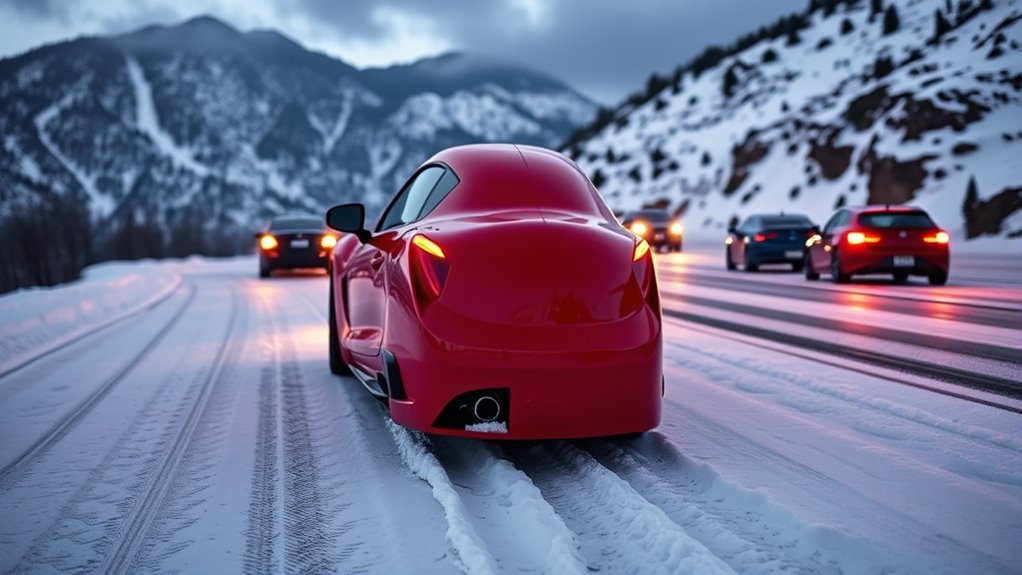
There are clear times when the best winter driving technique is simply not driving the Supra. If snow depth approaches the front lip or underbody, if the road is glazed with ice, or if plows have left tall ridges at intersections and driveways, the car is at high risk of getting stuck or damaged.
- Leave it parked in deep snow: a Supra’s low bumper and underbody are not built to push through accumulated snow.
- Avoid black ice: even premium winter tires have limited grip on ice, especially during braking and downhill turns.
- Skip steep untreated hills: rear-wheel drive can struggle to restart once momentum is lost.
- Avoid rutted frozen roads: hard snow ridges can scrape underbody panels and steering components.
- Think twice on salt-heavy commutes: repeated exposure raises corrosion risk, especially around hidden underbody and suspension areas.
In 2023, NHTSA reported 320 fatal crashes and an estimated 22,293 injury crashes when snow or sleet conditions were present. The safer choice is often waiting, rerouting, or taking a higher-clearance winter vehicle.
Winter Maintenance and Corrosion Protection for Your Supra
Winter maintenance for a Supra is about reliability, visibility, tire condition, and corrosion control. The original advice to switch to 5W30 or AMSOIL 0W30 is too broad for a modern GR Supra. Follow the oil grade listed in your owner’s manual, oil cap, or service information for your exact model year. For recent GR Supra manuals, Toyota lists Toyota Genuine Motor Oil SN 0W-20 C5 for GR Toyota Supra, with approved alternatives specified in the manual.
[Products Worth Considering]

This heavy duty cargo net helps secure loose items in pickup truck beds, trailers, and cargo racks during travel. Its expandable design stretches to fit a wide range of loads, while the included metal carabiners provide reliable fastening for everyday hauling and adventure trips. A storage bag makes it easy to pack away when not in use.

This extendable snow brush and ice scraper helps clear windshields, roofs, and windows quickly in harsh winter conditions. Its 360° pivoting brush head, wide ice scraper blade, and comfortable foam grip make snow removal easier, while the detachable design stores compactly in your vehicle.

Coats metal parts to lubricate and protect against rust and corrosion by blocking out air and moisture. Protects for up to 2 years when used indoors and for up to 1 year when used outdoors
Pre-Winter Checklist
- Install winter tires before the first serious storm. Do not wait until summer tires have already seen snow.
- Test the battery. Cold weather reduces battery performance and can expose a weak battery quickly.
- Inspect wipers and washer fluid. Use freeze-rated washer fluid and replace streaking blades.
- Check coolant and oil. Use only fluids that meet Toyota’s specifications.
- Inspect brakes. Winter driving needs predictable braking more than horsepower.
- Pack an emergency kit. Include gloves, blanket, flashlight, phone charger, small shovel, traction mat or sand, and a reflective triangle.
After Driving on Salted Roads
Rinse the underbody, wheel wells, lower doors, and rear bumper area after driving on salted or brined roads. AAA warns that road salt can accelerate hidden undercarriage rust, and the Supra’s low ride height makes it easy for salty slush to collect in seams, trays, brackets, and wheel wells.
- Use a gentle undercarriage rinse rather than blasting sensors or seals at close range.
- Clean the wheels and brake areas after heavy salt exposure.
- Inspect the belly pan and underbody panels for missing fasteners.
- Consider a professional corrosion-protection treatment if the car is driven through a full salt-belt winter.
- Store winter wheels clean and dry when the season ends.
Note: Avoid thick DIY undercoating on hot exhaust areas, sensors, drain holes, or moving suspension parts. Poorly applied coatings can trap moisture or create repair problems later.
Snow Chains, Studs, and Legal Considerations
Do not assume tire chains will fit a Supra. Low fender clearance, wide tires, brake clearance, and rear-wheel-drive packaging can make chains risky or impractical. If chains are legally required on a mountain pass, confirm fitment with Toyota service information and a tire professional before the trip. In many cases, the smarter choice is a different vehicle.
Studded tires are also state-specific. Some states restrict them by date, road type, or location, while others do not allow them. If you drive across state lines for skiing or mountain travel, check state transportation rules before relying on studs, chains, or tire socks.
[Products Worth Considering]
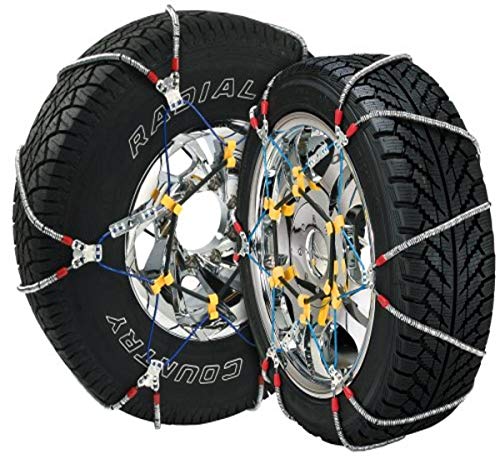
Country of origin : China

Effortless Installation - 1 minute quick installation with no need to move the vehicle and easy removal.
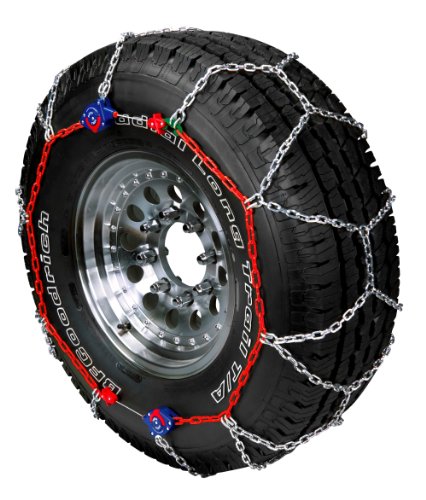
Fastest, Easiest Installation Of Any Traction Product
Frequently Asked Questions
Is a Supra good for winter?
Not really as a primary winter car. A Supra can handle cold pavement and light snow with proper winter tires, but its low ground clearance, rear-wheel drive, wide tires, and expensive bodywork make it less practical than an AWD sedan, crossover, or higher-clearance vehicle.
Can you drive a Supra on summer tires in snow?
No. Summer performance tires are not designed for snow, ice, or below-freezing conditions. They can become hard and lose grip quickly. Use dedicated winter tires if the Supra must be driven in winter weather.
Should I turn traction control off in the snow?
Keep traction control and stability control on for normal snowy driving. Turn traction control off only briefly if you are stuck and need limited wheelspin to rock the car free, then turn it back on once moving.
Are all-season tires enough for a Supra in winter?
All-season tires may be acceptable for cold, dry roads and very light snow, but they are a compromise. For regular snow, slush, or ice, winter tires are the safer choice, especially on a rear-wheel-drive sports car.
Can a Supra get stuck easily in snow?
Yes. The Supra can get stuck when snow is deep enough to lift the tires, pack under the car, or block the front bumper. It can also struggle on icy hills if momentum is lost.
Conclusion
You can drive a Toyota Supra in snow, but only if you treat it with restraint. With dedicated winter tires, correct tire pressure, smooth throttle and braking, and disciplined route choices, the Supra can be manageable on light snow and cold plowed roads. Without those basics, it becomes a low, powerful, rear-wheel-drive car trying to do a winter commuter’s job.
The smartest approach is simple: use the Supra when roads are plowed and conditions are predictable, wash the underbody after salt exposure, and leave it parked when snow depth, ice, visibility, or road treatment makes the trip a gamble. Freedom includes knowing when not to drive.
Sources
- Toyota 2026 GR Supra Specifications — official model specifications and vehicle context
- Toyota GR Supra Owner’s Manual — tire pressures, approved wheel/tire guidance, winter tire guidance, oil specifications, and maintenance information
- NHTSA TireWise Tire Safety — winter tire, summer tire, all-season tire, tread, and tire safety guidance
- NHTSA Winter Driving Tips — winter crash data, safe following distance, vehicle preparation, and snow-driving guidance
- AAA Road Salt Vehicle Damage Warning — road salt corrosion risk and underbody care guidance