
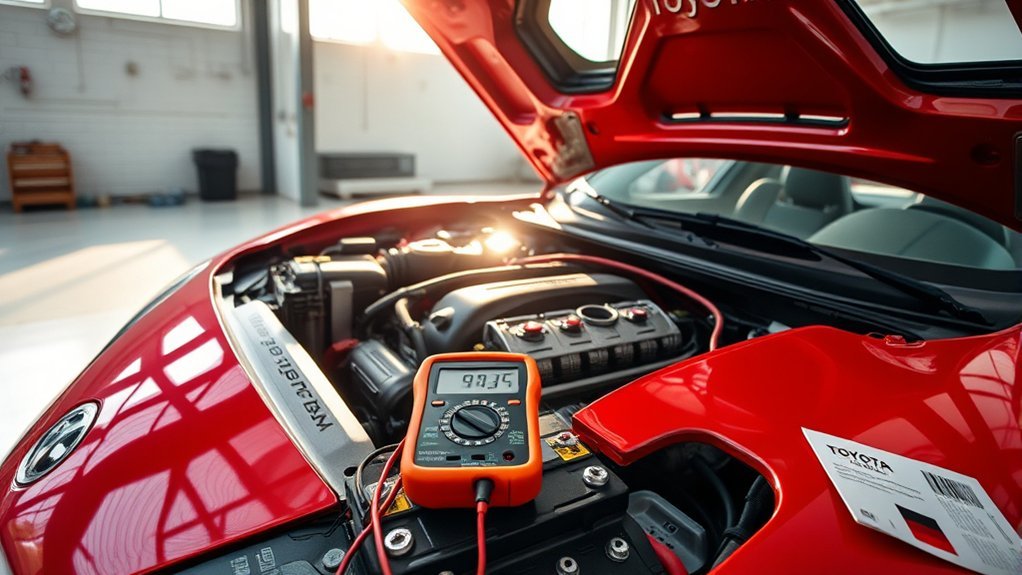
A Toyota Supra battery drain can come from a weak battery, a charging problem, an accessory that stays powered, or an electrical circuit that never goes to sleep. The quickest way to find it is to confirm the battery is healthy, verify the charging system, then measure key-off current after the car has had time to shut its modules down. On a MkV GR Supra, use the correct battery and charging connection points because its electrical system is more complex than a basic older car.
Quick Answer
Start by fully charging and testing the battery, then check charging-system voltage and measure parasitic current after the Supra has entered sleep mode. A draw below about 50mA is typically normal; a persistent draw above 100mA deserves investigation. Aftermarket electronics, lights, relays, wiring faults, and incomplete vehicle shutdown are common places to look.
Last checked: October 5, 2026. Dates and figures were verified against official sources.
At a Glance
| Difficulty | Basic inspection to moderate electrical diagnosis |
| Tools Needed | Digital multimeter, safety glasses, and optionally a fuse puller |
What Causes Battery Drain in Your Toyota Supra?
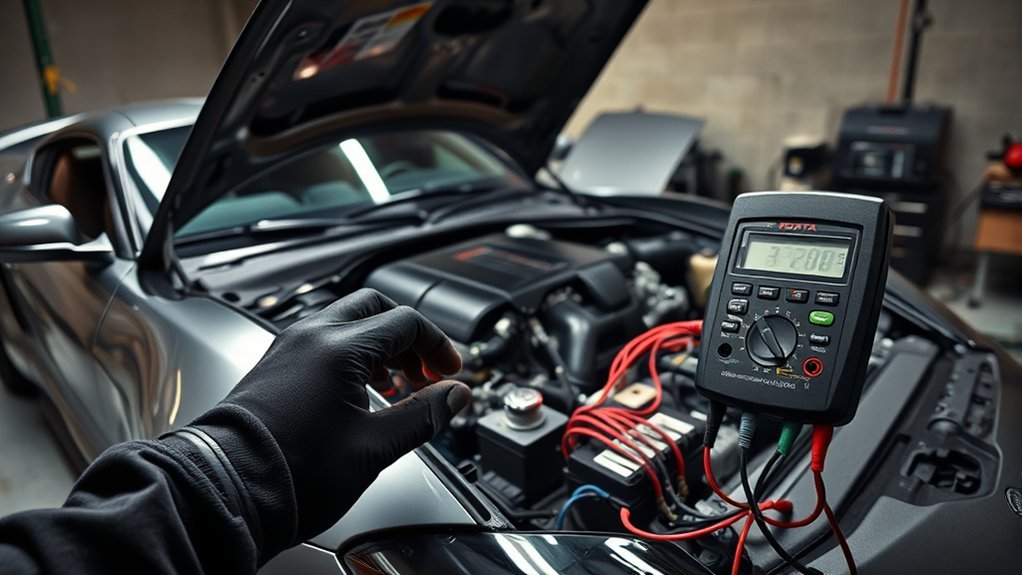
A draining Supra battery usually falls into one of four groups: the battery is weak or undercharged, the charging system is not replenishing it, a circuit stays awake after shutdown, or an accessory continues drawing power. Long storage periods and repeated short trips can make the problem more noticeable because the battery starts each trip with less reserve.
On the MkV GR Supra, proper shutdown matters. Toyota’s 2020 Supra battery guidance noted that the vehicle can draw substantial current when it has not fully shut down and advised locking the vehicle with the key fob when leaving it.
That means a battery that dies after parking is not automatically defective. You need to determine whether the battery itself cannot hold a charge or whether the car is consuming too much power while parked.
| Symptom | Likely Direction | First Check |
|---|---|---|
| Slow crank after sitting | Weak battery or parked-current draw | Charge and test the battery |
| Battery repeatedly dies despite driving | Charging-system or parasitic-draw problem | Check running voltage, then key-off draw |
| Problem began after accessory installation | Aftermarket wiring or standby load | Temporarily isolate that accessory |
| Lights remain on or car appears awake | Switch, sensor, relay, or module issue | Inspect lights, latches, and affected circuits |
Common Electrical Components That Drain Your Battery
Any device that remains powered after shutdown can contribute to battery drain. The most common suspects are aftermarket electronics, interior or cargo lights, control modules that stay awake, stuck relays, and switches or sensors that falsely report that something is still open or active.
Aftermarket Stereo Systems
An aftermarket stereo can become a parasitic load if its constant-power, accessory, amplifier-remote, or ground wiring is incorrect. Some components need a small memory supply, but the entire audio system should not remain fully awake after the vehicle shuts down.
- Continuous power wiring: A head unit or amplifier connected to the wrong circuit may never switch off.
- Amplifier remote lead: An amplifier can stay awake if its trigger wire remains energized.
- Poor installation: Pinched wires, poor grounds, or incorrect adapters can create unintended current paths.
If the drain began soon after audio work, temporarily disconnect the aftermarket equipment and repeat the sleep-current test. A large drop points you toward the installation rather than the factory battery.
Faulty Door Sensors
A faulty door, hatch, or latch signal can keep interior lighting or vehicle electronics active even when everything appears closed. Dirt, damaged wiring, an incorrectly adjusted latch, or a failing switch can all prevent the car from recognizing a fully closed state.
Check whether cabin or cargo lights shut off normally. If the car continues behaving as though a door is open, diagnose that circuit before replacing the battery.
How Aftermarket Accessories Can Drain Your Battery
Dash cams, alarms, tracking devices, chargers, radar detectors, audio equipment, and other accessories can create a Toyota Supra battery drain if they are connected to constant power without proper low-voltage or ignition-controlled shutdown. The accessory itself may work perfectly while still using too much standby current.
- Hardwired dash cams can remain in parking mode for long periods.
- Alarm or tracking systems may keep modules active if installed incorrectly.
- USB adapters and chargers may continue consuming power on an always-live circuit.
- Amplifiers and aftermarket control modules may fail to enter standby mode.
A measured 0.4A draw equals 400mA. That is far above the normal sleeping-current range used for basic diagnosis, so a reading at that level should be isolated rather than dismissed as normal accessory memory.
[Products Worth Considering]

The ANCEL AD410 PRO combines engine diagnostics and 12V battery testing in one easy-to-use tool, helping you read and clear check engine codes while checking battery health, cranking, and charging performance. It also provides live data, freeze frame details, and I/M readiness checks to help you diagnose issues faster and prepare for emissions testing. With plug-and-play operation, a clear screen, and broad vehicle compatibility, it is a practical solution for home mechanics and everyday drivers.

The Fluke 15B+ Digital Multimeter is a rugged, easy-to-use tool designed for accurate electrical troubleshooting in residential, commercial, automotive, and equipment applications. It measures AC/DC voltage and current, resistance, continuity, diode, and capacitance, helping you diagnose problems quickly and confidently. With a safety-focused design and one-handed operation, it is built for dependable everyday use.

This automotive test light combines a bright LED voltage display with quick polarity indication for fast, accurate circuit checks in a wide range of vehicle systems. It helps diagnose battery, charging, lighting, and fuse issues with a sharp stainless probe, long spring wire, and easy-to-use alligator clip for efficient troubleshooting.
Steps to Diagnose Battery Issues in Your Supra
Diagnose the problem from easiest to hardest. First confirm the battery and connections, then verify charging, let the car enter sleep mode, measure key-off current, and isolate the circuit responsible for any excessive draw.
[Products Worth Considering]

The TOPDON BT100 helps you quickly check the health and charge status of 12V lead-acid batteries with clear analytical results, including state of health, state of charge, voltage, and cranking performance. It supports a wide range of battery types and vehicles, making it a practical tool for diagnosing starting and charging issues at home or in the shop. Compact and easy to use, it provides fast, reliable testing without needing to charge the device first.

KUST Custom Fit Trunk Mat is designed for 2020-2026 Toyota GR Supra models to help protect the cargo area from dirt, spills, and daily wear. Its TPE construction offers a fresh, odor-free feel, while the raised-edge design adds extra coverage for all-weather protection. Lightweight and easy to remove, it makes cleaning simple and helps keep the trunk neat and protected.

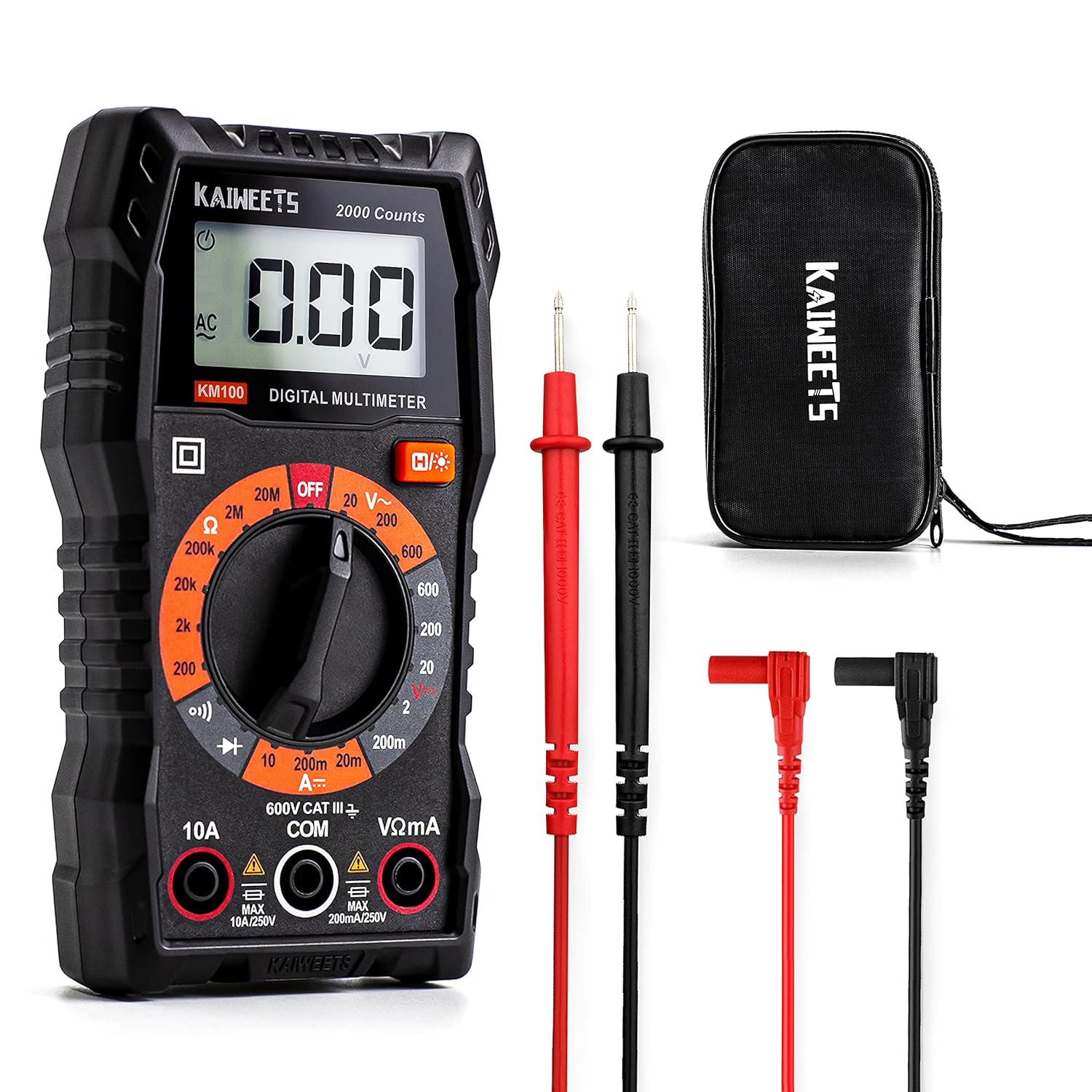
The ANENG SZ301 digital multimeter is a versatile testing tool for measuring AC/DC voltage, current, resistance, continuity, diode, capacitance, and live wire detection. It features a clear display, precise readings, and built-in safety protections including double fuses and overload protection, making it useful for electronics, automotive work, and household electrical troubleshooting. The kit includes a protective silicone case, test leads, and pre-installed batteries for convenient use right out of the box.
Common Symptoms Observed
A draining or undercharged battery usually shows itself before the car becomes completely dead. Pay attention to repeated symptoms rather than treating each jump-start as an isolated event.
- Slow engine cranking
- Clicking or failure to crank
- Dim or unstable interior lighting
- Battery or charging-related warnings
- Repeated need for jump-starts
- A battery that tests low again soon after being fully charged
Toyota’s Supra guidance also shows that a low-voltage condition can trigger a battery replacement message even when immediate battery replacement is not necessarily the correct first step.
Effective Testing Techniques
A digital multimeter can help separate a parasitic draw from a bad battery or charging fault. Modern cars need time for computers and network modules to shut down, so do not judge the current reading immediately after switching the car off.
Warning: Do not start the engine, operate the starter, switch on high-current accessories, or exceed your meter’s current rating while the multimeter is connected in series. Doing so can blow the meter fuse or damage the meter.
- Fully charge and test the battery. A weak battery can mimic a parasitic drain and make every later measurement harder to interpret.
- Inspect the terminals and cables. Look for looseness, corrosion, damaged insulation, or an insecure ground connection.
- Check charging-system voltage. With the engine running, confirm that the charging system is raising battery voltage instead of leaving it near resting voltage.
- Shut the vehicle down completely. Turn off accessories, close the doors and hatch, and allow the electronic modules time to sleep.
- Measure key-off current. Fluke’s parasitic-draw procedure lists less than 50mA as a typical sleeping draw and more than 100mA as suspect after modules have gone to sleep.
- Isolate the circuit. Pull fuses one at a time or use voltage-drop testing across fuses. A major current drop identifies the circuit that needs further diagnosis.
- Inspect devices on that circuit. Check relays, switches, lamps, modules, wiring, and any aftermarket equipment connected to it.
For example, a stable 140mA draw after the car has fully gone to sleep is above the normal benchmark. A 0.4A reading is even more significant. Those figures are measurements to investigate, not normal Supra specifications.
Connection points also matter on the MkV. Toyota’s Supra battery-testing guidance for 2020–2022 cars says diagnostic battery testing should be performed at the rear battery, with the negative tester connection made after the Intelligent Battery Sensor. The same guidance says charging should use the remote battery posts under the hood.
Pro Tip: If pulling a fuse wakes the car or changes module states, voltage-drop testing across the fuses can be less disruptive than repeatedly removing them.
How the Alternator Affects Battery Life
The alternator supplies electrical power while the engine is running and replaces energy used during starting. If it undercharges, the battery slowly loses state of charge even though the car may still drive normally for a while.
AAA’s alternator testing guidance uses roughly 13 to 14.5 volts at the battery as a general charging check with the engine running. A modern regulated system can vary its output, so one voltage reading should be treated as a screening test rather than a Supra-specific pass/fail specification.
- Low charging output: The battery may never recover after starting.
- Overcharging: Excessive voltage can shorten battery life and stress electrical components.
- Diode or regulator faults: A charging problem can sometimes create abnormal electrical behavior even after the engine is switched off.
If voltage remains near resting battery voltage with the engine running, or you see charging warnings, have the battery and charging system tested before hunting for a parasitic draw.
Maintaining Battery Connections for Optimal Performance
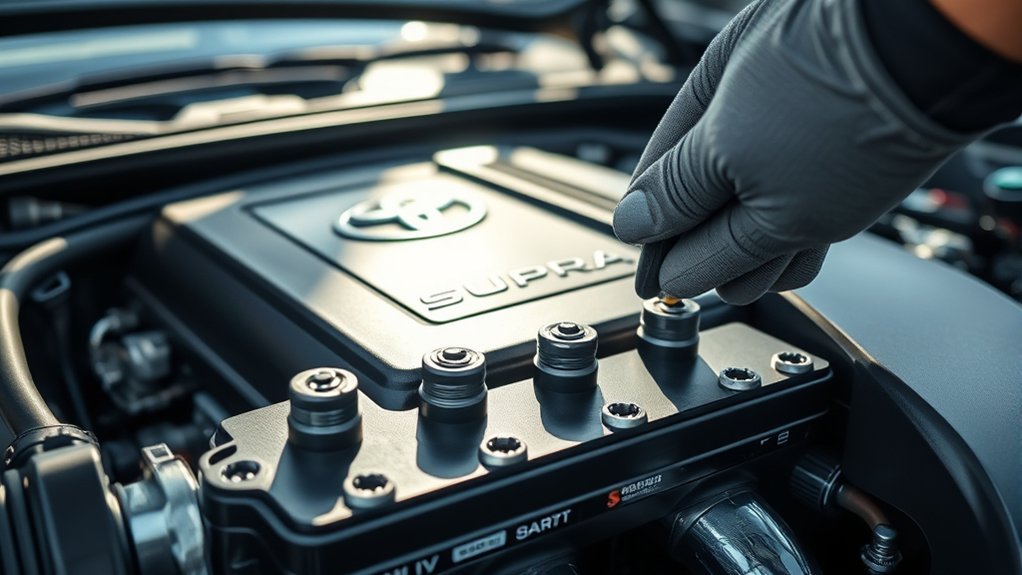
Clean, tight connections help the battery deliver starting current and accept charge. Corrosion or a loose cable adds electrical resistance, which can look like a weak battery even when the battery itself is still usable.
Inspect the battery terminals, cable ends, grounds, and visible wiring. If you find corrosion, clean it carefully with an appropriate battery-terminal cleaning method and make sure the connections are secure after reassembly.
Do not assume that visible corrosion is the only issue. A cable can look fine externally while a connection underneath is loose or damaged.
Spotting Faulty Relays and Wiring Problems
A relay that stays energized or damaged wiring that creates an unintended current path can keep drawing power after the Supra is parked. These faults are best investigated after a fuse test has narrowed the problem to a specific circuit.
- Check whether a relay remains warm or energized after the car has been asleep.
- Inspect harnesses near aftermarket installations, repaired areas, sharp edges, and moving panels.
- Look for pinched, rubbed-through, melted, or water-damaged wiring.
- Check connectors for corrosion, loose pins, or signs of overheating.
Avoid randomly replacing relays or control modules. First prove that the affected circuit is responsible for the abnormal draw, then test the components on that circuit.
[Products Worth Considering]

This custom-fit car cover is designed for Toyota Supra and GR Supra models, offering dependable all-weather protection for both indoor and outdoor use. Built with durable Oxford fabric and a soft cotton lining, it helps shield your vehicle from rain, sun, snow, dust, and UV exposure while protecting the paint finish. Windproof straps, dual air vents, reflective details, and included security accessories add convenience and peace of mind.

The ANCEL BA101 helps diagnose 12V batteries quickly with clear readings for battery health, charge level, voltage, CCA, cranking, and charging system performance. Designed for a wide range of vehicles and battery types, it offers easy-to-read results, reliable clamp connections, and built-in protection to make testing safer and more convenient.

This AstroAI digital multimeter is designed for accurate everyday electrical testing at home, in the garage, or on the job. It measures AC/DC voltage, DC current, resistance, continuity, and diode checks with an easy-to-read backlit display, data hold, and helpful safety features for dependable troubleshooting.
How Seasonal Changes Affect Your Supra’s Battery Life
Cold weather reduces a battery’s available starting power, while heat speeds battery aging. Short trips and long parking periods can make either problem worse because the battery spends more time below a full state of charge.
AAA’s battery-life guidance notes that heat accelerates battery deterioration, short trips may not fully recharge the battery, and vehicles parked for extended periods naturally self-discharge.
In winter, a marginal battery may suddenly show slow cranking because the engine needs more starting effort while the battery can deliver less. In hot weather, internal battery aging can advance even when the car still starts normally.
Best Practices to Prevent Battery Drain in Your Supra

Preventing battery drain is mostly about keeping the battery charged, allowing the vehicle to shut down normally, and avoiding unnecessary electrical loads while parked. These habits also make troubleshooting easier because they remove common causes before a failure occurs.
- Lock the car after parking. This helps the MkV Supra complete its normal shutdown process.
- Switch accessories off. Do not leave audio equipment, lights, chargers, or aftermarket electronics running unnecessarily.
- Limit repeated short trips. Starting consumes battery energy that a very short drive may not fully replace.
- Use a suitable maintainer during extended storage. Connect it according to the Supra owner’s guidance and the charger’s instructions.
- Keep connections clean and secure. Inspect battery cables and grounds before assuming an electronic module has failed.
- Investigate repeat failures. A battery that repeatedly needs charging or jump-starting deserves a proper battery, charging-system, and parasitic-draw test.
If the battery has recently been replaced but still goes flat, do not immediately buy another one. Confirm that the new battery is correctly installed and that the vehicle’s battery-management requirements have been handled correctly.
Key Takeaways
- A fully charged battery should be tested before you spend time hunting for an electrical draw.
- Allow the Supra’s modules to sleep before judging parasitic current; less than about 50mA is a typical benchmark.
- A persistent reading over 100mA deserves circuit-by-circuit diagnosis.
- On the MkV Supra, Toyota specifies different connection practices for battery testing and charging.
Frequently Asked Questions
Why does the Toyota Supra battery keep dying?
A Supra battery can keep dying because the battery is weak, the charging system is not restoring its charge, the car is not fully shutting down, or an electrical device is drawing power while parked. Aftermarket accessories, lighting circuits, relays, switches, and wiring faults are common areas to test.
Can a parasitic drain be fixed?
Yes. A parasitic drain can usually be fixed once you identify the circuit that remains active after shutdown. Measure key-off current, isolate the problem circuit with fuse or voltage-drop testing, then inspect the relay, switch, module, wiring, light, or aftermarket accessory connected to that circuit.
How much parasitic draw is normal on a Toyota Supra?
There is no universal Supra-specific value in the sources used here, but less than about 50mA after the vehicle has fully entered sleep mode is a common diagnostic benchmark. A persistent draw above 100mA is suspect and should be isolated to determine which circuit remains active.
Where should you connect a charger on a MkV GR Supra?
Toyota’s published guidance for 2020–2022 GR Supra models says battery charging should use the remote battery posts under the hood. Battery diagnostic testing is different: Toyota directs technicians to access the rear battery and use the specified connection points around the Intelligent Battery Sensor.
Conclusion
If your Supra repeatedly has a dead battery, test rather than guess. Confirm battery condition and charging first, allow the car to shut down fully, then measure parasitic current and isolate any circuit that remains abnormally active. On a MkV GR Supra, follow Toyota’s connection-point guidance before testing, charging, or replacing components.
Sources
- Toyota Tech Tip T-TT-0591-20: Supra low-voltage battery message, shutdown behavior, and battery registration guidance.
- Toyota Tech Tip T-TT-0648-21: MkV Supra battery testing and charging connection points.
- Fluke parasitic battery drain guide: Sleep-current testing procedure and typical current benchmarks.
- AAA alternator versus battery guide: General charging-system voltage testing guidance.
- AAA car battery life guide: Effects of heat, short trips, storage, and charging-system condition on battery life.




[…] Prime event, so this is one to watch. If a parked car keeps killing its battery, our battery drain guide walks through the usual […]
[…] has seven modes, including SOS and strobe. If your battery keeps dying, a jump only buys time. Our battery drain guide explains how to track down what is pulling power […]