
If your Supra’s auto start-stop system isn’t working, check for a weak battery, extreme engine temperatures, or safety features like unfastened seat belts. Heavy electrical loads can deactivate the system, too. Inspect sensors for faults, focusing on crankshaft position and battery voltage. If issues persist after your troubleshooting, it’s wise to consult a professional. Maintaining the system properly can prevent future problems, so let’s explore some essential tips to keep your start-stop system functioning effectively.
Identifying Common Problems With the Start-Stop System
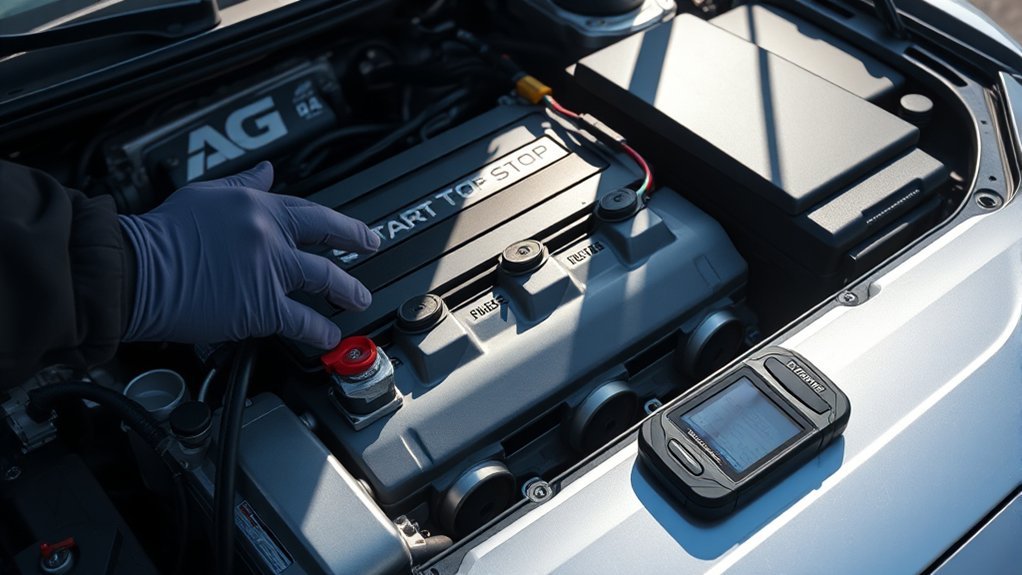
When you’re experiencing issues with the start-stop system in your Supra, it’s crucial to identify the underlying problems quickly. First, check your battery health; a weak or aging battery can prevent the system from engaging. Next, monitor the engine temperature—if it’s too cold or too hot, the system won’t activate. Also, verify that safety features, like fastened seat belts and closed doors, aren’t disabling the function. Heavy electrical loads, such as air conditioning, can temporarily deactivate the start-stop feature to maintain essential functions. Finally, faulty sensors monitoring engine status and battery levels can provide incorrect readings, disrupting operation. Address these factors to restore your start-stop system’s functionality.
How the Supra Start-Stop System Works
The Supra’s auto start-stop system efficiently conserves fuel and reduces emissions by shutting off the engine when the vehicle comes to a complete stop. It activates at a full stop, seamlessly restarting when you press the accelerator or release the brake. This system relies on precise sensor calibration, monitoring vehicle speed, engine temperature, and battery charge to determine ideal activation points. Safety features, like unfastened seat belts and open doors, prevent the start-stop function from engaging, ensuring your safety. External conditions, such as temperature extremes and electrical load, can also affect its performance. Understanding these components helps you appreciate how the system maximizes efficiency while minimizing your carbon footprint.
What Are the Steps to Troubleshoot Your Supra’s Start-Stop System?
To troubleshoot your Supra’s start-stop system effectively, begin by checking the battery health. Verify it’s adequately charged and meets specifications; a weak battery can hinder functionality. Next, inspect safety features—make certain seat belts are fastened and doors are securely closed, as these conditions must be met for the system to engage. Monitor the engine temperature; it should be at ideal levels, as extreme conditions can disable the feature. Evaluate electrical loads, too; excessive use of accessories like air conditioning might deactivate the start-stop function to conserve battery power. Finally, conduct a thorough sensor inspection, focusing on key sensors like the crankshaft position and battery voltage sensors, as faults here can disrupt the system’s performance.
When Should You Call a Pro for Help?

If troubleshooting your Supra’s start-stop system hasn’t resolved the issue, it’s wise to call in a professional. Persistent problems, especially with warning lights illuminating your dashboard, indicate you need a pro mechanic for further diagnosis. If the engine fails to restart consistently after stopping, despite a healthy battery, you might be facing underlying electrical issues that require expert intervention. Additionally, repeated attempts to reset or reprogram the system without success suggest potential software glitches needing specialized tools. Safety is paramount; if your vehicle stalls or you experience other concerning symptoms related to the start-stop feature, seeking professional assistance is essential to guarantee performance and driver safety. Don’t hesitate—get the help you need.
Essential Maintenance Tips for Your Supra’s Start-Stop System
Maintaining your Supra’s start-stop system is essential for peak performance, and five key practices can help. First, regularly check and replace the 12-volt battery to guarantee it meets specifications; an aging battery can hinder function. Next, inspect and clean all electrical connections, especially starter electronics, to prevent disruptions. Third, verify safety features like seat belts and doors are engaged, as they can affect operation. Fourth, monitor coolant levels and the cooling system’s functionality; extreme temperatures can disable the start-stop feature. Finally, conduct routine diagnostics to check for sensor faults that monitor engine status and battery levels; faulty readings may inhibit system performance. Following these tips will keep your Supra’s start-stop system running smoothly.
Frequently Asked Questions
Why Does My Auto Start-Stop Not Work Anymore?
Your auto start-stop might not work due to battery health issues or outdated software. Check your battery’s condition and verify your vehicle’s software is up-to-date to restore functionality and enhance performance.
Why Is My Toyota Stop Start System Not Working?
When the sun sets, shadows lengthen; similarly, your Toyota’s start-stop functionality might falter. Consider battery health, engine temperature, and safety features during Toyota troubleshooting to restore its seamless operation.
What Are the Common Problems With Supras?
Common problems with Supras include engine issues, battery problems, electrical faults, and sensor malfunctions. Software glitches can also arise, impacting the fuel system. Regular maintenance tips can help prevent these issues and guarantee peak performance.
Conclusion
In the world of automotive technology, the Supra’s start-stop system is akin to a finely tuned orchestra, each component playing its part in perfect harmony. If you’re facing issues, you’ve got the tools to troubleshoot effectively. However, don’t hesitate to call a professional if the problem persists—after all, even the best musicians occasionally need a conductor. Regular maintenance will keep your Supra singing smoothly, ensuring you enjoy every drive while maximizing efficiency.