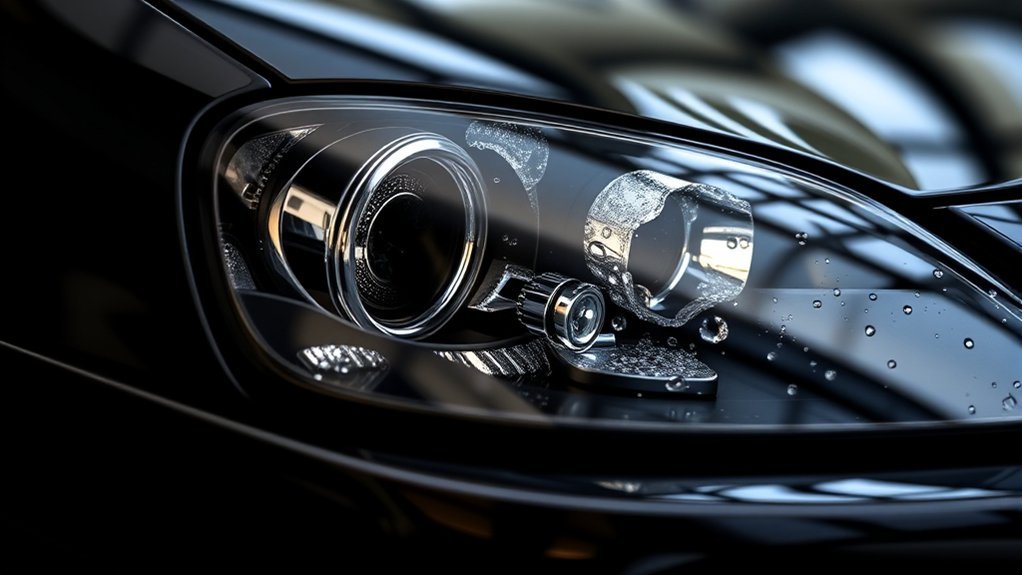
If you’re dealing with headlight condensation in your Supra, it likely stems from poor sealing, humidity, and temperature changes. Moisture can enter through lens seals or blocked vents, impacting visibility. You can fix mild issues with a hairdryer and by sealing gaps with silicone. For persistent problems, consider silica gel packs or professional help. Regular maintenance and inspections can prevent future condensation. Learn more about managing these issues effectively and ensuring your headlights stay clear and functional.
Understanding Headlight Condensation in Your Supra
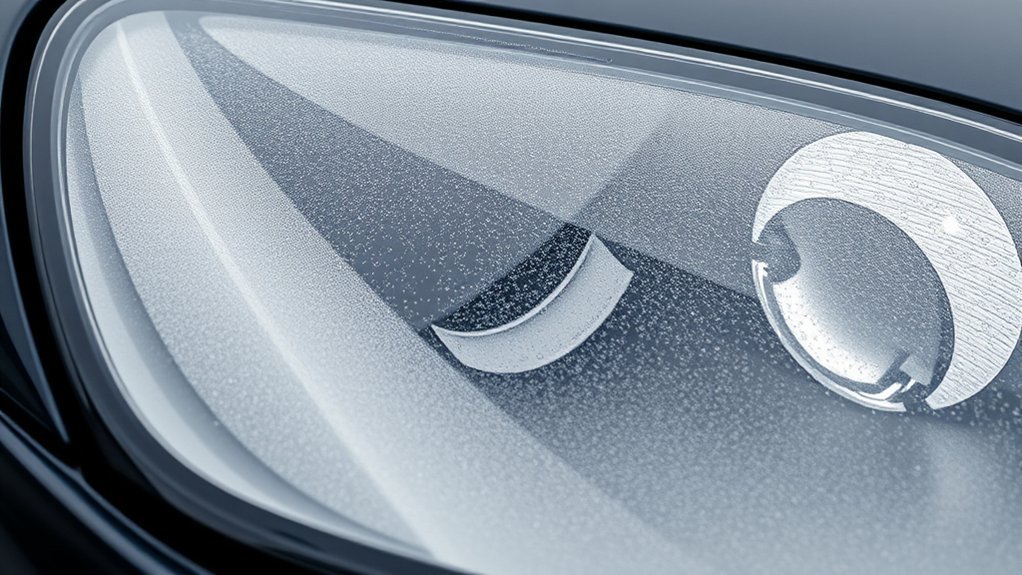
When you notice headlight condensation in your Supra, it’s essential to understand why it happens. This issue often arises from poor sealing of the headlight assembly, which allows moisture to seep in, especially during high humidity. Environmental factors like washing your vehicle or sudden temperature changes can worsen the situation, leading to visibility concerns. While mild condensation is usually normal and can dissipate after running the headlights for about 30 minutes, persistent moisture can affect your light performance. To combat this, consider resealing the assembly with silicone sealant and ensuring gaskets are properly installed. Additionally, using silica gel packs inside the headlight unit can absorb moisture and help maintain clear visibility on the road.
Common Causes of Moisture Accumulation
Moisture accumulation in your Supra’s headlights can stem from several key factors. Poor sealing during manufacturing lets humidity in, while high humidity conditions can worsen the issue. Additionally, if venting holes get blocked, they can trap moisture, leading to persistent condensation problems.
Environmental Factors
While many drivers may not realize it, environmental factors play a significant role in headlight condensation. Seasonal temperature fluctuations can create a perfect storm for moisture accumulation, especially when shifting from warm to cool climates. If you wash your vehicle with warm water, the rapid temperature change can also trigger condensation inside the headlights. Additionally, if your headlights were assembled in high humidity conditions, trapped moisture can linger, exacerbating the issue. Parking in damp areas near lakes or rivers exposes your vehicle to additional moisture sources that contribute to condensation. Although ventilation holes help manage this moisture, blocked or poorly sealed vents can worsen the problem, highlighting the importance of understanding environmental impacts on your headlights.
Sealing Issues
Sealing issues are a primary culprit behind moisture accumulation in Supra headlights, often stemming from inadequate sealing at the lens-to-assembly junction and around HID bulb seals. If the lens alignment isn’t spot-on, it can compromise seal integrity, letting humidity seep in. Even if you’ve resealed with silicone, persistent moisture might indicate deeper flaws in the sealing process or materials used. Additionally, blocked venting holes can trap moisture, leading to excess condensation. Regularly inspect and maintain gaskets and seals to prevent long-term problems. Remember, a proactive approach not only enhances your headlights’ performance but also preserves their lifespan, ensuring clear visibility during your drives. Stay vigilant—your headlights deserve it!
Humidity During Assembly
Humidity during the assembly process can greatly impact the performance of your Supra’s headlights. High humidity levels can trap moisture inside the units, leading to condensation issues once you’re on the road. If your manufacturing facility is in a humid region, it’s even more essential to implement strict humidity control measures during assembly conditions. Poor sealing techniques and materials can allow humidity to seep into the headlight enclosure, worsening moisture accumulation. Additionally, faulty gaskets or seals might fail to protect against humidity, resulting in persistent condensation. Remember, environmental factors like storing your vehicle in damp conditions or washing it in warm water can further exacerbate these issues. Ensuring proper assembly practices can greatly reduce your condensation problems.
User Success Stories: Effective Tips for Managing Headlight Condensation
When it comes to managing headlight condensation, users have found several effective DIY solutions that make a difference. From applying black RTV sealant for airtightness to using silica gel packs for moisture absorption, these community-recommended techniques can help. Additionally, long-term maintenance tips, like checking venting holes and ensuring proper installation of grommets, are essential for preventing future issues.
Effective DIY Solutions
If you’ve ever faced the frustration of headlight condensation, you’re not alone; many drivers have turned to effective DIY solutions to tackle this common issue. Here are some tried-and-true methods for moisture prevention and headlight repairs:
- Use a hair dryer on low heat to dry out condensation quickly.
- Apply black RTV silicone around the lens and assembly to enhance sealing.
- Insert silica gel packs inside the headlights to absorb excess moisture.
- Regularly check and clean headlight vents to prevent blockage and moisture buildup.
These strategies not only address existing condensation but also help you maintain clear headlights for safer driving. With these techniques, you can take control and liberate your headlights from condensation woes!
Community Recommended Techniques
While dealing with headlight condensation can be frustrating, community members have shared effective techniques that have transformed their experiences. Here’s a summary of their insights:
| Technique | Description | User Experience |
|---|---|---|
| Black RTV Sealant | Reseals headlight assemblies to prevent moisture ingress. | Highly recommended by users. |
| Silica Gel Packs | Absorbs excess moisture inside headlights. | Noticed significant reduction. |
| Cleaning Headlight Vents | Eliminates blockages contributing to moisture buildup. | Proven method for many. |
| Running Headlights | Evaporates condensation by leaving headlights on for 30 minutes. | Quick and effective. |
| Vaseline on Gaskets | Improves airtight seal of headlight assemblies. | Simple yet impactful solution. |
These community insights showcase diverse user experiences that can empower you in managing headlight condensation effectively.
Long-Term Maintenance Tips
To guarantee your headlights remain clear and free from condensation, consistent maintenance is key. Here are some effective long-term tips:
- Seal Inspection: Regularly check all seals and gaskets for wear. Replace any damaged ones to guarantee an airtight seal.
- Moisture Monitoring: Use silica gel packs inside the headlight assembly to absorb excess humidity, providing a temporary fix.
- Cleaning Routines: Clean headlight vents to remove debris that could block airflow, reducing moisture buildup.
- Headlight Usage: Run your headlights for about 30 minutes after washing your vehicle or during high humidity to help evaporate any condensation.
Document your maintenance efforts and changes in condensation levels to enhance your troubleshooting skills and contribute to community discussions.
Identifying the Leak Source in Your Headlights
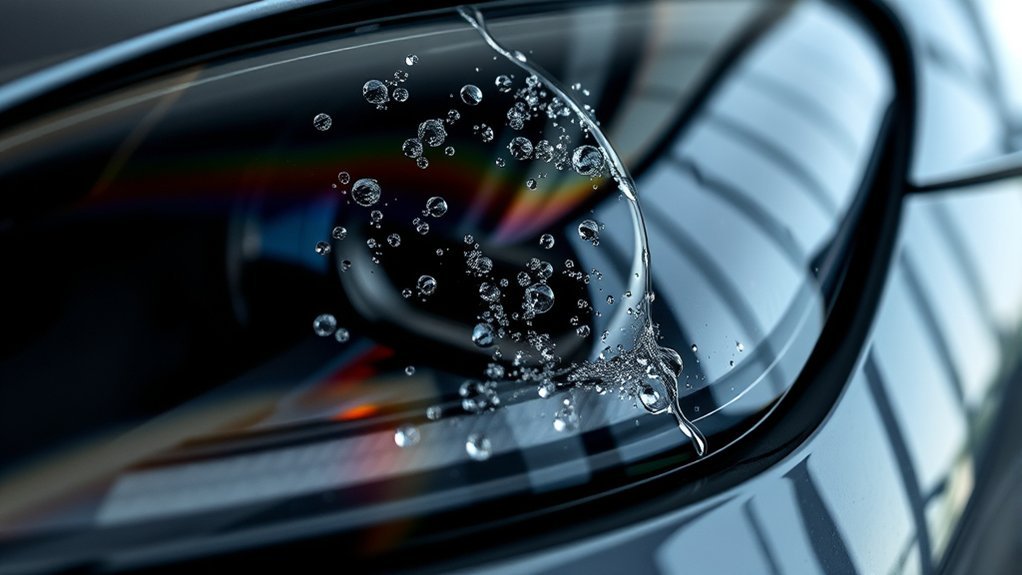
Have you ever noticed condensation forming inside your headlights? Identifying the leak source is essential to combat this issue. Common moisture sources include the lens-to-assembly seal, HID bulb seals, and clogged venting holes. Regular inspections can help you spot these leaks before they worsen.
| Leak Source | Identification Tip |
|---|---|
| Lens-to-Assembly Seal | Check for visible gaps or damage. |
| HID Bulb Seals | Inspect for wear or improper sealing. |
| Ventilation Holes | Make sure they’re clear of debris. |
Don’t forget to examine rubber grommets on the back of your headlights; deterioration here can lead to moisture ingress. Being proactive in leak identification will save you from future condensation issues.
How to Fix Headlight Condensation: DIY Sealing Techniques
If you’re tired of dealing with headlight condensation, tackling the issue with DIY sealing techniques can make a significant difference. Here’s how you can effectively manage moisture control:
- Inspect and Clean: Clear any debris from headlight vent openings to guarantee they’re not blocked.
- Seal with Butyl Tape: Use butyl tape and RTV silicone for resealing the headlight assemblies, as they offer better flexibility.
- Apply Silicone Sealant: Apply silicone sealant around lens-to-assembly joints and HID bulb seals to prevent moisture ingress.
- Add Silica Gel Packs: Incorporate silica gel packs inside the housing to absorb excess moisture and provide an extra layer of protection.
When to Call in the Pros for Headlight Issues?
When should you consider calling in the pros for headlight issues? If headlight condensation persists despite your DIY efforts, it’s time for a professional evaluation. This could indicate a deeper sealing issue that mere resealing or silica gel packs can’t fix. A technician can assess the integrity of the headlight assembly and handle any necessary seal replacement, ensuring that damaged gaskets are properly addressed. If your vehicle’s still under warranty, consulting a dealership might save you from out-of-pocket costs. Additionally, if you notice visible water accumulation that doesn’t clear with normal use, seek help immediately to prevent damage to electrical components. Don’t let minor issues escalate—your safety and vehicle’s performance depend on it.
Preventative Measures to Avoid Future Issues
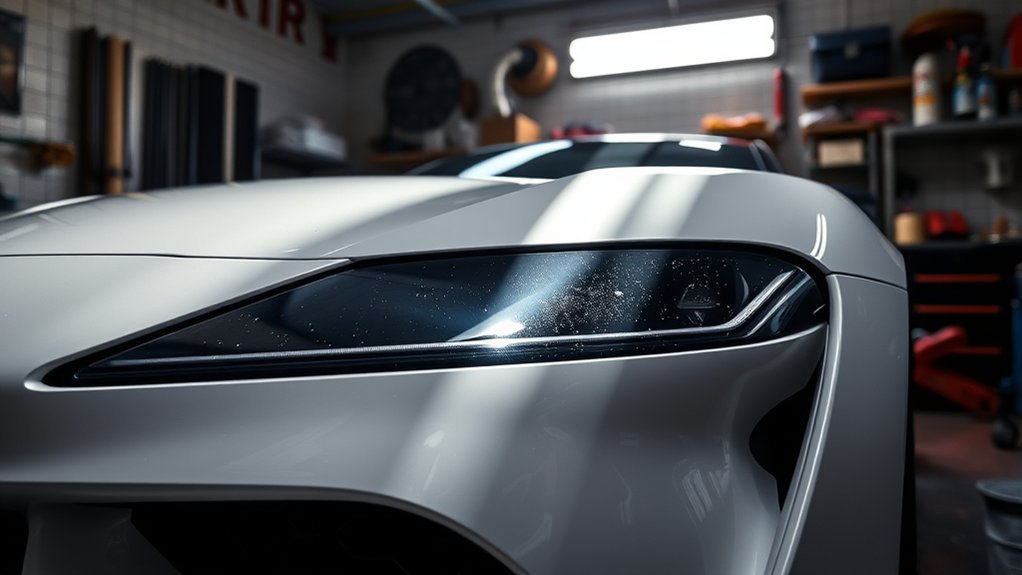
Addressing headlight condensation isn’t just about fixing current issues; it’s also about preventing future problems. Effective headlight care requires proactive steps in moisture management. Here are four key measures you can take:
Addressing headlight condensation involves proactive moisture management to prevent future issues and ensure clear visibility.
- Regularly inspect and clean headlight vents to prevent debris blockages, which trap moisture.
- Park in well-ventilated areas, steering clear of cool, damp spots that encourage condensation.
- Use silica gel packs inside the headlight housing to absorb excess moisture effectively.
- Verify all seals and gaskets are intact; damaged seals can let moisture in.
Additionally, run your headlights for an extended period during humid conditions to promote airflow and evaporation, helping to clear any existing moisture. Stay vigilant, and you’ll keep your headlights crystal clear!
Frequently Asked Questions
How to Get Rid of Condensation in Headlight Fix?
To get rid of condensation in your headlights, warm the lenses with a hair dryer, check vents for blockages, and use silica gel packs. Regular headlight maintenance guarantees effective moisture prevention and enhances visibility.
What Causes Headlight Condensation?
Ah, the joys of foggy headlights! Poor sealing and blocked vents let moisture party inside. For headlight maintenance, guarantee proper sealing and avoid washing with warm water to keep condensation at bay and embrace clarity!
Why Do Toyota Headlights Get Foggy?
Toyota headlights get foggy mainly due to poor sealing and moisture entry. Regular Toyota maintenance and headlight care, including checking seals and vents, can help prevent condensation and guarantee clear visibility while driving.
Will Headlight Condensation Go Away on Its Own?
Where there’s smoke, there’s fire; similarly, headlight condensation can clear on its own with proper moisture management and headlight maintenance. If it persists, consider checking seals or using heat to promote evaporation.
Conclusion
In summary, tackling headlight condensation in your Supra doesn’t have to be an intimidating task. Did you know that over 80% of drivers experience some form of moisture in their headlights at least once? By identifying the source of leaks and using DIY sealing techniques, you can effectively manage this issue. Remember, proactive maintenance is key to keeping your headlights clear and functional. Stay informed and enjoy those night drives with confidence!