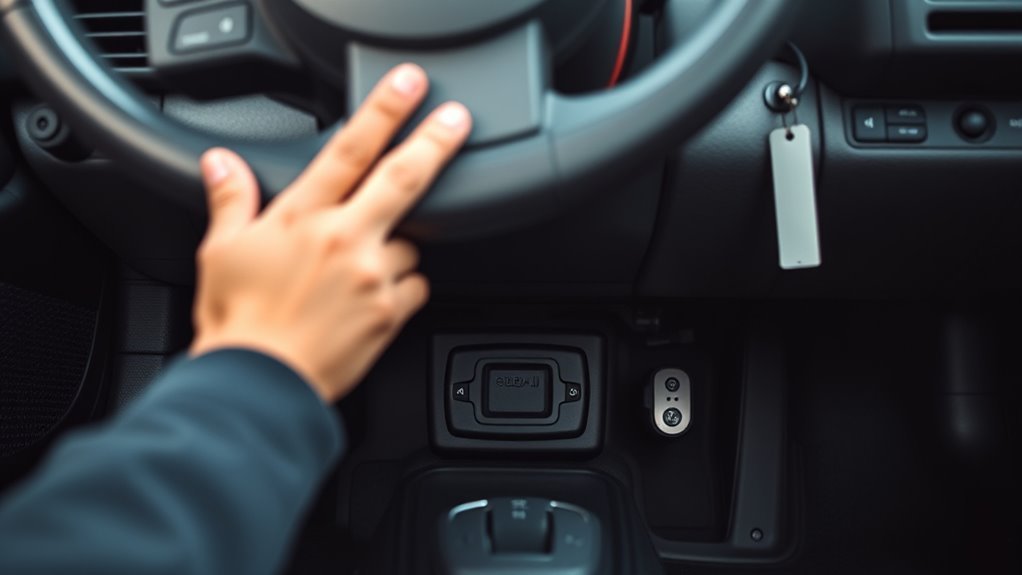
On an automatic-transmission Toyota GR Supra, enter continuous manual mode by pressing the selector lever left from Drive (D). Pull the right steering-wheel paddle to upshift and the left paddle to downshift. If you use the console selector instead, push it forward to downshift and pull it rearward to upshift. Toyota says a requested shift is carried out only when the engine speed and road speed are suitable. This guide applies to GR Supra models equipped with the automatic transmission and paddle shifters, not the separate manual transmission.
Quick Answer
Move the selector lever left from D to enter continuous manual mode. Pull the right paddle to upshift and the left paddle to downshift. With the selector lever, push forward to downshift and pull rearward to upshift. Pulling a paddle while the selector is still in D gives you temporary manual control instead. Push the selector back to the right when you want to return to D.
Last updated: September 1, 2026 — manual-mode operation rechecked against the current Toyota GR Supra Owner’s Manual.
How Supra Manual Mode Works

The automatic GR Supra gives you two ways to take control of gear selection. Moving the selector lever left from D puts the transmission into continuous manual mode, shown by an M gear display in the instrument cluster. You can then change gears with either the paddles or the selector lever.
You can also pull a paddle while the selector remains in D. That starts short-term manual operation. After a period of conservative driving without acceleration or additional paddle shifts, the transmission returns to automatic operation. This makes the D-mode paddle function useful when you want one or two quick gear changes without staying in manual mode.
Toyota also states that the transmission only carries out shifts at suitable engine and road speeds. That means requesting a gear does not guarantee the transmission will accept it if that gear would be inappropriate for the vehicle’s current speed.
| Driver input | What it does |
|---|---|
| Move selector left from D | Enters continuous manual mode |
| Pull right paddle | Requests an upshift |
| Pull left paddle | Requests a downshift |
| Hold left paddle | Requests the lowest possible suitable gear |
| Pull a paddle while in D | Starts temporary manual operation |
| Move selector right from M | Returns the transmission to D |
How Do You Put a Supra in Manual Mode?
With the automatic transmission in D, press the selector lever to the left. The engaged gear appears in the instrument cluster with an M indication. You can now use the paddles or the selector lever to request the next gear.
- Right paddle: upshift.
- Left paddle: downshift.
- Selector forward: downshift.
- Selector rearward: upshift.
- Selector right: leave manual mode and return to D.
If you only need temporary manual control, you do not have to move the selector into M first. Pulling either paddle while the transmission remains in D temporarily gives you manual gear selection.
When Should You Shift in Supra Manual Mode?
There is no single 2,000-to-3,000-RPM shift rule for every situation. Your shift point depends on whether you are cruising, accelerating, slowing down or using engine braking. Toyota’s manual does not instruct the driver to perform a special throttle lift every time a paddle shift is requested.
For ordinary road driving, choose a gear that keeps the engine responding smoothly without pushing it into the red warning area. The transmission can reject an unsuitable request, but you should still choose sensible shift points rather than relying on the electronics as a driving technique.
How Do SPORT Shift Lights Help?
When SPORT is selected and the automatic transmission is in manual mode, the instrument cluster can display shift lights. Successive illuminated fields warn that the upcoming shift point is approaching. When the shift indication reaches red, Toyota instructs the driver not to wait any longer to shift.
This is more useful for hard acceleration than following one fixed RPM number because the vehicle is providing a shift indication designed for that operating condition. Avoid deliberately holding the engine in the red warning field.
- Use a comfortable gear and moderate engine speed during normal driving.
- Watch the SPORT shift lights when accelerating hard in manual mode.
- Downshift before you need stronger engine response or engine braking.
- Do not force repeated requests that the transmission refuses.
Do You Need to Lift the Throttle While Paddle Shifting?
Toyota’s manual-mode instructions do not require a special quarter-throttle position or a deliberate throttle lift for every shift. The automatic transmission manages the gear change after you request it. Use smooth, progressive accelerator inputs appropriate for the road and available traction.
This also means you do not need to treat the paddle shifters like a clutch-operated manual gearbox. There is no clutch pedal to coordinate. Concentrate on selecting a suitable gear and keeping both hands in control of the car.
| Driving goal | What to watch | Useful input |
|---|---|---|
| Normal driving | Engine response and road speed | Upshift or downshift as needed |
| Brisk acceleration | SPORT shift lights | Upshift before continuing into the red warning area |
| Engine braking | Vehicle speed and engine speed | Request a suitable lower gear |
| Quick lower-gear selection | Current road speed | Pull and hold the left paddle |
What Will the Supra Override in Manual Mode?
The most important distinction is between temporary manual operation from D and continuous manual operation in M. If you pull a paddle while remaining in D, the car can return to automatic operation after a period of conservative driving. Moving the selector left into M is the continuous manual-mode setting.
Toyota also states that gear changes are performed only at suitable engine and road speeds. A requested shift may therefore be refused when the requested gear is not appropriate for the current conditions.
Do not confuse that protection with a rule that the transmission will always upshift automatically at one fixed RPM. Toyota’s current manual describes M as continuous manual mode and uses tachometer warnings, shift lights and engine-protection measures near maximum engine speed.
What Is the Difference Between Temporary and Continuous Manual Mode?
Temporary manual operation begins when you pull a paddle while the selector remains in D. If you then drive conservatively for a period without accelerating or making more paddle shifts, automatic operation resumes.
Continuous manual operation begins after you move the selector left into M. This is the mode to use when you want to keep choosing gears yourself instead of allowing the transmission to return to D automatically.
You can also return from temporary paddle operation to automatic operation by pulling and holding the right paddle. Moving the selector to the right from M returns the transmission to D.
What Happens Near the Rev Limit?
Do not use a supposed automatic upshift as your rev-limit strategy. Toyota tells drivers to avoid the red warning field on the tachometer. In SPORT manual mode, the shift lights provide an earlier visual cue for the maximum-acceleration shift point.
If maximum engine speed is reached, Toyota describes engine-protection intervention through the fuel supply. The practical approach is simple: watch the tachometer and shift indication and request the next gear before continuing into the red warning area.
| Condition | Expected behavior |
|---|---|
| Paddle pulled while in D | Temporary manual operation |
| Paddles used while selector is in M | Continuous manual operation |
| Requested gear is unsuitable | Shift request may not be carried out |
| Left paddle held | Lowest possible suitable gear is requested |
| Engine reaches maximum-speed warning area | Engine-protection measures apply; shift earlier |
Troubleshooting Supra Manual-Mode Problems
If manual mode does not behave as expected, first separate normal transmission logic from an actual malfunction. A rejected downshift at high road speed can be normal because Toyota says a gear change is only carried out at a suitable engine and road speed.
If you see a drivetrain, transmission or other vehicle warning, preserve the diagnostic information instead of immediately clearing it. The Supra stores vehicle messages that can provide additional information about a fault and the required action.
- Confirm that the instrument cluster shows the expected D or M gear indication.
- If you are in D, remember that paddle operation is temporary and can return to automatic operation.
- When safe, check stored messages through My vehicle > Vehicle status > Vehicle messages.
- If a warning light or drivetrain message is present, scan the vehicle for fault codes before clearing anything.
- If the selector cannot enter the expected position, a warning repeatedly returns, or shifting is abnormal, have the vehicle inspected by a qualified Toyota or transmission technician.
Do not treat clearing diagnostic codes as a repair. Removing a code before recording it can erase information that helps identify an intermittent fault.
[Products Worth Considering]
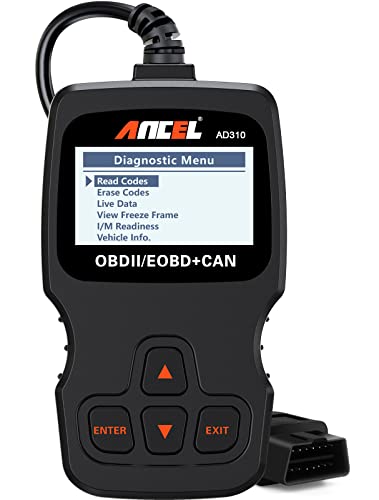
CEL Doctor: The ANCEL AD310 is one of the best-selling OBD II scanners on the market and is recommended by Scotty Kilmer, a YouTuber and auto mechanic. It can easily determine the cause of the check engine light coming on. After repairing the vehicle's problems, it can quickly read and clear diagnostic trouble codes of emission system, read live data & hard memory data, view freeze frame, I/M monitor readiness and collect vehicle information

Understand Your Check Engine Light – The ANCEL AD410 OBD2 scanner helps everyday drivers quickly read and clear engine-related fault codes, view code definitions, and understand why the check engine light is on before visiting a repair shop. With 42,000+ built-in DTC lookups, this car code reader helps reduce guesswork and makes basic vehicle diagnostics easier for beginners and DIY users

OBD2 SCANNER & BATTERY TESTER IN ONE – The INNOVA 5210 OBD2 scanner not only reads and clears check engine light and ABS codes (coverage may vary) but also functions as a car battery tester to check alternator health and prevent unexpected breakdowns.
How Aftermarket Transmission Tuning Changes Manual Mode

The behavior described above is for the factory transmission calibration. Aftermarket transmission software can change shift logic, torque management and manual-mode behavior. If your Supra has modified transmission software, the factory owner’s-manual description may no longer match exactly what the car does.
Check the documentation for the exact transmission calibration installed on the vehicle before diagnosing unusual shift behavior. If you are troubleshooting a modified car, tell the technician which software and calibration are installed. Software modifications can also affect warranty or service decisions, so understand those consequences before changing the factory transmission programming.
Frequently Asked Questions
How do you put an automatic Toyota Supra in manual mode?
Move the automatic transmission selector left from D. The instrument cluster displays the selected gear with an M indication, and you can then request shifts with either the paddles or the selector lever.
Which Supra paddle shifts up and which shifts down?
The right paddle upshifts and the left paddle downshifts. Pulling and holding the left paddle requests the lowest possible gear that is suitable for the current engine and road speed.
Can you use the Supra paddle shifters while in D?
Yes. Pulling a paddle while the selector remains in D starts temporary manual operation. After a period of conservative driving without acceleration or further paddle shifts, the transmission returns to automatic operation.
How do you exit Supra manual mode?
If the selector is in M, push it to the right to return to D. During temporary paddle operation from D, you can also pull and hold the right paddle to return to automatic operation.
What happens when you hold the left Supra paddle?
Holding the left paddle requests a downshift to the lowest possible gear that the transmission considers suitable for the current engine and road speed.
Does the Supra automatically upshift at redline in manual mode?
Toyota describes M as continuous manual mode and does not state that it always upshifts automatically at one fixed RPM. It says shifts are carried out only at suitable engine and road speeds and describes engine-protection intervention at maximum engine speed. Shift before continuing into the red warning area.
What RPM should you shift at in Supra manual mode?
There is no single RPM that is correct for every situation. For normal driving, choose a gear that gives smooth engine response. For maximum acceleration in SPORT manual mode, use the instrument-cluster shift lights and shift before continuing into the red warning area.
Conclusion
Using the automatic GR Supra’s manual mode is straightforward once you remember four controls: move the selector left from D for continuous M mode, pull the right paddle to upshift, pull the left paddle to downshift, and move the selector right to return to D. You can also use the paddles temporarily while staying in D, and holding the left paddle requests the lowest suitable gear. Watch the SPORT shift lights instead of following a fixed RPM rule, and investigate stored vehicle messages if the transmission behaves abnormally. Keep up with routine maintenance and have recurring drivetrain warnings properly diagnosed rather than simply clearing the codes.